Source Waterproof Soundproof Raised Floor for Offices and Banks
Find 30 Waterproof Soundproof Raised Floor options for offices, computer rooms, and electrical factories. Compare steel and metal models with anti-static and fireproof features to select the right solution for your commercial or household needs.
Key considerations
Products List


Top Quality Waterproof and Soundproof Raised Floor for Computer Room
$13.00 - $20.00
MOQ: 100 Square Meters


$13.00 - $20.00
MOQ: 100 Square Meters


Building Material Anti-Static Soundproof Raised Access Floor for Computer Room
$15.00 - $25.00
MOQ: 10 Square Feet


Sound Insulation Anti-Static Calcium Sulphate Raised Floor for Power Dispatching Rooms
$20.00 - $38.00
MOQ: 100 Square Meters

$23.00 - $38.00
MOQ: 100 Square Meters

$23.00 - $38.00
MOQ: 100 Square Meters

$23.00 - $38.00
MOQ: 100 Square Meters

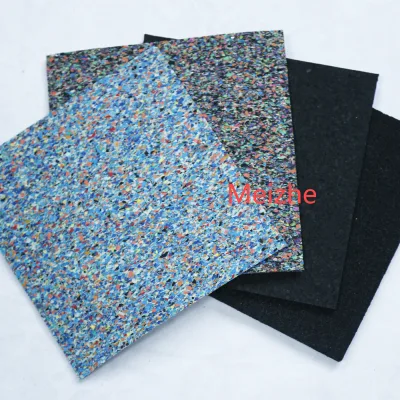

Best Sound Isolation Damping Sound Insulation Floor Soundproof Mat
$1.50 - $25.00
MOQ: 200 Square Meters


Cork Flooring Sound Absorption Floor Acoustic Soundproof Underlay
$1.70 - $4.30
MOQ: 200 Square Meters
Comprehensive Sourcing Guide
Waterproof Soundproof Raised Floor Sourcing Guide
Procuring waterproof and soundproof raised flooring systems requires a disciplined approach to material selection, structural integrity, and environmental performance. These specialized floor systems are engineered to provide a durable, elevated platform that protects underlying infrastructure while managing acoustic and moisture-related challenges. Buyers must distinguish between general-purpose anti-static tiles and those specifically rated for high-moisture or high-noise environments, as the material composition and installation methods vary significantly. The decision to source these products often hinges on the specific operational demands of the facility, whether it involves sensitive electronic equipment, heavy commercial foot traffic, or areas prone to water exposure.
This guide outlines the critical verification steps for sourcing waterproof soundproof raised floors, focusing on technical specifications, compliance documentation, and supplier qualification. By adhering to evidence-based procurement practices, buyers can mitigate risks associated with product failure, non-compliance, and supply chain disruptions. The following sections provide a structured framework for evaluating listings, verifying technical claims, and establishing robust commercial terms, ensuring that the selected flooring solution meets both immediate project requirements and long-term operational goals.
Product Scope and Observed Listing Signals
The market for raised flooring systems includes a diverse range of products, with observed listings indicating a price range from $0.92 to $50 per unit and minimum order quantities (MOQs) varying from 1 to 3,000 pieces. This wide variance suggests that buyers may encounter everything from single-sample requests to large-scale industrial orders, necessitating careful alignment of order volume with supplier capacity. Products are frequently described with attributes such as anti-static, waterproof, soundproof, fireproof, and anti-fouling capabilities, indicating a multifunctional design intended for complex environments. Buyers should note that while many listings claim these combined features, the specific performance levels for each attribute can differ significantly between manufacturers and product models.
Observed product specifications reveal common dimensions such as 600x600mm, 610x610mm, and 500x500mm, with thicknesses ranging from 28mm to 35mm. Materials are predominantly steel, with some listings specifying "fireproof & waterproof material" composites, and surface treatments often described as simple color finishes in black, grey, or silver gray. Models such as FS668, FS662-FS2000, and J3000-500 are frequently cited, suggesting standardized product lines within the industry. Buyers should verify that the listed dimensions and materials match their structural load requirements and aesthetic preferences, as deviations in size or material composition can impact the overall stability and appearance of the installed floor.
Technical Specifications to Verify
Technical verification must begin with the core material composition and structural design. Steel is the primary material observed in these listings, often described as having an all-steel structure with good load-bearing capacity. Buyers should confirm the specific steel grade and thickness, as these factors directly influence the concentrated load capacity, which is observed to range from 3,000N to 5,000N per piece. Additionally, the installation system, such as the stringer system mentioned in some listings, plays a crucial role in the floor's stability and ease of access to the underfloor space. Understanding the load distribution and support mechanism is essential for ensuring the floor can withstand the intended operational stresses without deformation or failure.
Acoustic and moisture performance are critical differentiators for waterproof soundproof raised floors. Buyers should request detailed test data or certification reports that specifically address sound absorption coefficients and water resistance ratings. While many listings claim waterproof and soundproof attributes, the actual performance levels can vary based on the core material and surface treatment. For instance, some products may offer basic water resistance suitable for occasional spills, while others may be designed for high-moisture environments. Similarly, soundproofing capabilities may range from basic noise reduction to significant acoustic isolation, depending on the internal structure and materials used. Buyers must clarify these performance metrics to ensure they align with the specific environmental requirements of their facility.
Compliance and Safety Documentation
Compliance with international standards is a non-negotiable aspect of sourcing raised flooring systems. Observed certifications include ASTM, ISO, SGS, CE, TUV, PSB, EN, and Intertek, indicating a broad adherence to global quality and safety benchmarks. Buyers should verify that the specific certifications held by the supplier are relevant to the product's intended use and the regulatory requirements of the destination market. For example, CE marking is essential for products sold in the European Union, while ASTM standards may be more relevant for projects in North America. Ensuring that the supplier can provide valid, up-to-date certification documents is crucial for avoiding customs delays and ensuring legal compliance.
Safety documentation should also include fire resistance ratings and anti-static performance data, as these are critical for protecting sensitive equipment and personnel. Many listings highlight fireproof and anti-static features, which are particularly important for computer rooms, electrical factories, and offices. Buyers should request detailed test reports that demonstrate the product's ability to resist flame spread, emit low smoke, and dissipate static electricity effectively. These documents provide objective evidence of the product's safety performance and help buyers assess the risk of fire hazards or electrostatic discharge in their specific application environment.
Cost Drivers and Commercial Terms
Cost drivers for waterproof soundproof raised floors include material quality, manufacturing complexity, and order volume. The observed price range of $0.92 to $50 reflects these variations, with higher prices typically associated with superior materials, additional certifications, and more complex manufacturing processes. Buyers should analyze the cost breakdown to understand the value proposition of each product, considering factors such as steel thickness, surface treatment quality, and included accessories like stringers and pedestals. It is also important to consider the total cost of ownership, including installation, maintenance, and potential replacement costs, rather than focusing solely on the initial purchase price.
Commercial terms, including MOQs, payment terms, and lead times, significantly impact the procurement process. Observed MOQs range from 1 to 3,000 pieces, offering flexibility for both small-scale and large-scale projects. Buyers should negotiate terms that align with their project timeline and budget constraints, ensuring that the supplier can meet delivery deadlines without compromising quality. Additionally, buyers should clarify responsibilities for shipping, insurance, and customs clearance, as these factors can affect the overall cost and risk associated with the procurement. Establishing clear commercial terms early in the process helps prevent misunderstandings and ensures a smooth transaction.
Supplier Qualification and Quality Control
Supplier qualification is a critical step in ensuring the reliability and consistency of the sourced products. Buyers should verify the supplier's manufacturing capabilities, quality control processes, and track record in the industry. Observed production capacities, such as 660,000 pieces per year, indicate the supplier's ability to handle large orders, but buyers should also assess the supplier's quality management systems and adherence to international standards. Requesting references from previous clients and conducting site visits, if possible, can provide valuable insights into the supplier's operational efficiency and product quality.
Quality control measures should include pre-shipment inspections, material testing, and performance verification. Buyers should establish clear quality acceptance criteria and request detailed inspection reports before approving shipments. Additionally, buyers should consider implementing a sampling plan to verify product consistency across batches. Establishing a robust quality control process helps mitigate the risk of receiving defective or non-compliant products, ensuring that the installed flooring system meets the specified performance standards. Clear communication with the supplier regarding quality expectations and inspection procedures is essential for maintaining product integrity throughout the procurement process.
Long-Term Procurement Checks
Long-term procurement success depends on establishing ongoing performance monitoring and supplier relationship management. Buyers should implement a system for tracking product performance in the field, including any issues related to durability, acoustic performance, or moisture resistance. Regular feedback from facility managers and maintenance teams can provide valuable insights into the product's real-world performance and help identify potential areas for improvement. Additionally, buyers should maintain open communication with the supplier to address any post-installation issues and ensure timely support for warranty claims or replacements.
Continuous evaluation of supplier performance is also essential for maintaining a reliable supply chain. Buyers should periodically review supplier metrics, such as on-time delivery rates, product quality consistency, and responsiveness to inquiries. Establishing a supplier scorecard can help objectively assess supplier performance and identify areas for improvement. By maintaining a proactive approach to supplier management and product performance monitoring, buyers can ensure that their waterproof soundproof raised flooring system continues to meet operational needs and delivers long-term value.
FAQs
What certifications do these raised floors hold?
These raised floors hold ASTM and ISO certifications. Some products also meet SGS, CE, TUV, PSB, EN, and Intertek standards. Buyers should verify specific certification documents for their project requirements before ordering.
Which sizes are available for waterproof soundproof raised floors?
Available sizes include 600*600mm, 610*610mm, and 500*500mm options. Specific models like FS668 and FS662-FS2000 support these dimensions. Custom sizes may be available depending on the manufacturer's production capabilities.
Can I customize the color and finish of the floor?
Customization is available for color and surface treatment. Options include black, grey, and silver gray finishes with simple color or dusting/plating processes. Buyers must confirm specific customization requests with the supplier to ensure feasibility.
How much does the minimum order quantity require?
The minimum order quantity ranges from 1 to 3000 pieces depending on the supplier. Some specific listings require a minimum of 100 pieces. Buyers should check individual supplier terms to determine the exact MOQ for their order.
Where are these metal raised floors manufactured?
These floors are manufactured in China, specifically in Changzhou, Jiangsu. The origin location is consistent across multiple product listings. Buyers can expect shipping from this region when sourcing these steel-based products.
What are the load-bearing capabilities of the steel structure?
The all-steel structure supports concentrated loads between 3000n and 5000n. The design ensures good load heavy capacity for offices and computer rooms. This makes the floor suitable for environments requiring high structural integrity.
Which industries use these anti-static and fireproof floors?
These floors are used in offices, banks, computer rooms, and electrical factories. They also serve household and commercial applications including outdoor and sports areas. The anti-static and fireproof features make them versatile for various safety-critical environments.