Source Waterproof Sunscreen Body Whitening Cream for face, body, and daily care
Compare 30 Waterproof Sunscreen Body Whitening Cream options from verified Chinese suppliers. Buyers can evaluate formulations, MOQs, and customization services for face, body, and daily skincare applications. Explore diverse ingredients like Vitamin C and Arbutin, along with varying packaging sizes and shelf lives to find the perfect match for your business needs.
Updated
Key considerations
Products List


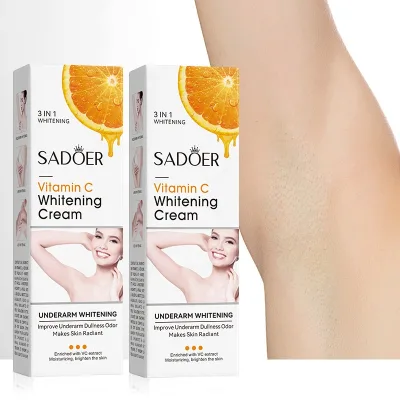
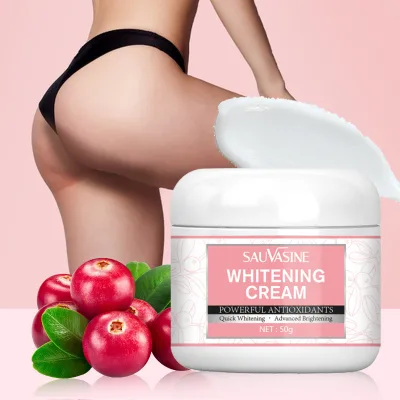
High Quality Deep Moisturizing Nourishing Brightening and Sensitive Body Whitening Cream
$0.9249 - $1.2742
MOQ: 10 pieces
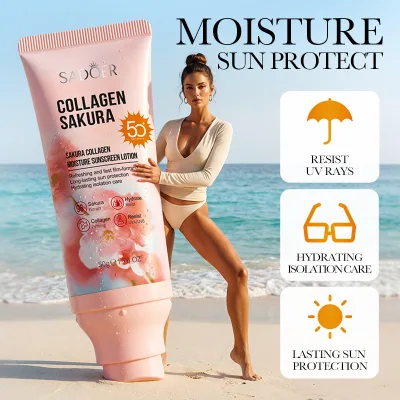
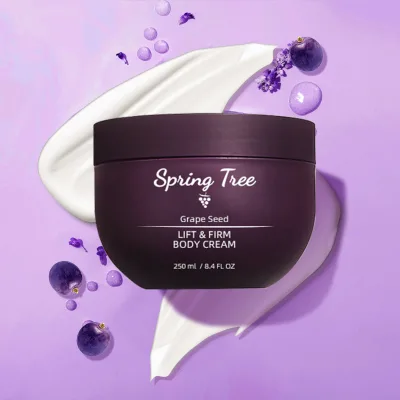
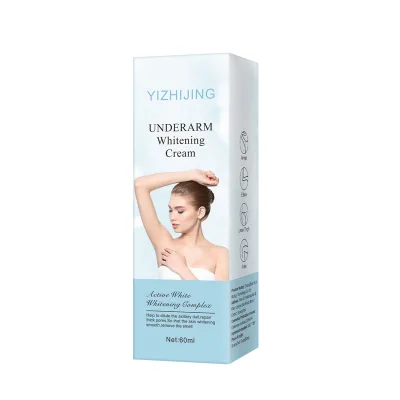


Sun UV Sunblock Organic Sunscreen Spray Cream Face Body Whitening Lotion Sun Cream
$0.80 - $2.50
MOQ: 30000 Pieces

Factory UV Protection Body Face Summer Non-Greasy Waterproof Sunscreen Cream
$0.80 - $2.50
MOQ: 1000 Pieces

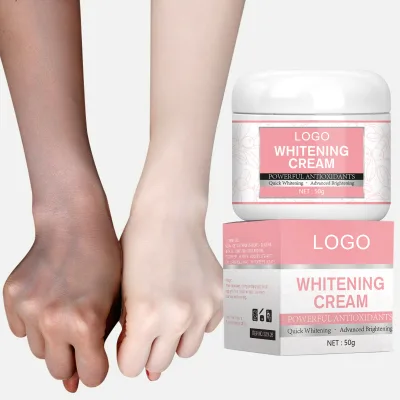


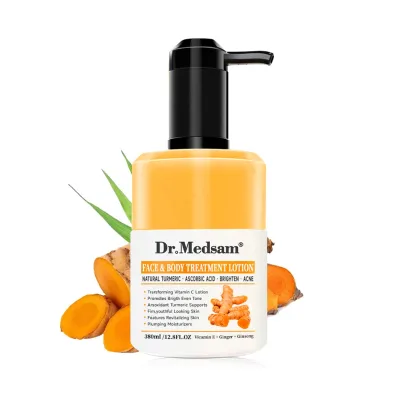
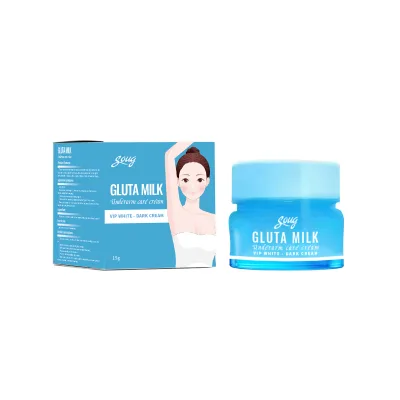
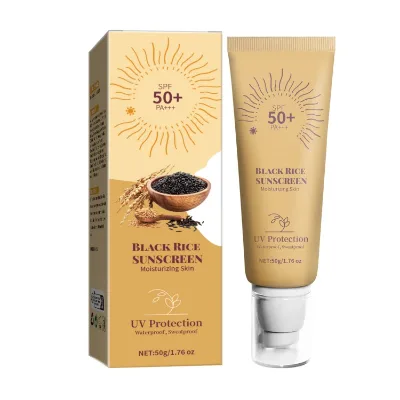
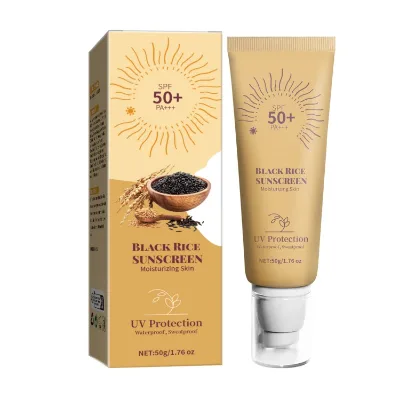
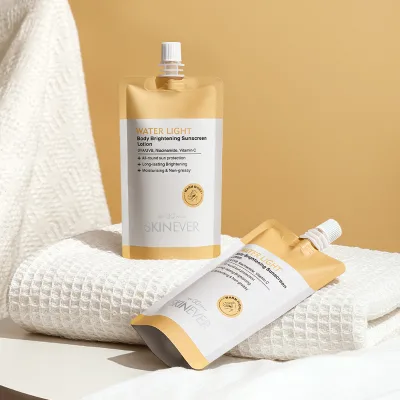

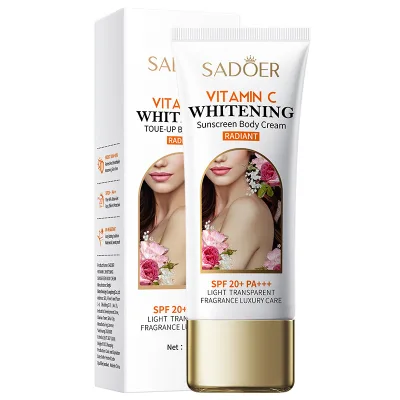

Comprehensive Sourcing Guide
Waterproof Sunscreen Body Whitening Cream Sourcing Guide
Sourcing Waterproof Sunscreen Body Whitening Cream requires balancing conflicting functional requirements, as whitening agents and UV filters often have distinct stability profiles. Buyers must verify that the formulation maintains efficacy under both hydration and sun exposure conditions. The observed market signals indicate a strong presence of products combining moisturizing, UV isolation, and skin brightening functions. This suggests that manufacturers are increasingly formulating multi-functional creams to meet consumer demand for simplified skincare routines. Procurement teams should prioritize suppliers who demonstrate expertise in emulsion stability and active ingredient preservation.
The product landscape includes various forms such as lotions and creams, with specific models designed for body or face application. Observed listings highlight ingredients like Vitamin C, Sodium Hyaluronate, Arbutin, and Collagen, which are commonly associated with whitening and nourishing benefits. Buyers should note that while many products claim whitening effects, the specific mechanism and concentration of active ingredients vary significantly. It is crucial to distinguish between general moisturizing products and those with verified UV protection and skin-lightening capabilities. Understanding these distinctions helps in selecting the right product for specific market segments and regulatory requirements.
Product Scope and Observed Listing Signals
The current market offers a diverse range of products labeled as whitening creams, lotions, and sunscreens, with prices ranging from $0.3 to $2.8 USD. Minimum order quantities (MOQs) vary widely, from as low as 3 pieces to 30,000 pieces, indicating flexibility for both small startups and large distributors. Many suppliers offer customization services, including OEM, ODM, and private labeling, which is essential for brands seeking unique market positioning. The observed products often feature natural smells, such as floral or natural scents, and come in standard packaging like cartons or individual boxes.
Key attributes observed include whitening, moisturizing, and UV protection functions, with some products specifically targeting women or unisex markets. Ingredients like Vitamin C, Arbutin, and Collagen are frequently cited, suggesting a focus on brightening and nourishing the skin. The shelf life is typically listed as three years, providing ample time for distribution and retail. Buyers should carefully review the specific model numbers and net weights, as these details can impact logistics and cost calculations. The presence of "waterproof" claims requires careful verification against actual product testing data to ensure compliance with advertising standards.
Technical Specifications to Verify
Technical verification must focus on the stability of the emulsion, particularly when combining whitening agents with UV filters. Buyers should request detailed ingredient lists to confirm the presence and concentration of key actives like Arbutin and Vitamin C. The form of the product, whether lotion or cream, affects its spreadability and absorption rate, which are critical for consumer satisfaction. Specifications such as single package size and gross weight are important for calculating shipping costs and storage requirements. Suppliers should provide clear information on the product's pH level and viscosity to ensure compatibility with packaging materials.
UV protection claims require specific testing data, such as SPF and PA ratings, to validate the "waterproof" or "UV isolating" assertions. Buyers must verify that the product maintains its protective efficacy after prolonged exposure to water or sweat. The shelf life of three years suggests good stability, but buyers should still request stability testing reports under accelerated conditions. Additionally, the compatibility of the formula with various skin types, including sensitive skin, should be assessed through dermatological testing. Ensuring that the product meets the intended application, whether for body or face, is crucial for avoiding regulatory issues and consumer complaints.
Compliance and Safety Documentation
Compliance with local and international regulations is paramount for importing and selling skincare products. Buyers must ensure that the supplier provides all necessary safety data sheets (SDS) and product ingredient declarations. The presence of specific ingredients like Sodium Hyaluronate and Collagen must be verified against restricted substance lists in the target market. Regulatory compliance often requires proof of good manufacturing practices (GMP) and adherence to cosmetic safety standards. Buyers should also check for any required notifications or registrations with local health authorities before importing the products.
Documentation should include results from microbial testing, heavy metal analysis, and stability studies to ensure product safety and efficacy. Buyers must verify that the supplier has the capability to provide batch-specific test reports for each production run. This is essential for maintaining quality control and addressing any potential issues that may arise during the product's lifecycle. Additionally, buyers should ensure that the labeling meets all local language and warning requirements. Proper documentation not only facilitates customs clearance but also builds trust with consumers and regulatory bodies.
Cost Drivers and Commercial Terms
Cost drivers for Waterproof Sunscreen Body Whitening Cream include the quality and quantity of active ingredients, packaging complexity, and order volume. The observed price range of $0.3 to $2.8 USD reflects variations in formulation sophistication and brand positioning. MOQs ranging from 3 to 30,000 pieces allow for flexible purchasing strategies, but larger orders typically offer better unit prices. Buyers should negotiate terms that include clear definitions of cost inclusions, such as packaging, labeling, and testing fees. Understanding the cost structure helps in budgeting and forecasting profit margins accurately.
Commercial terms should also address payment methods, delivery schedules, and return policies. Buyers should seek suppliers who offer flexible payment options and transparent shipping costs. The availability of OEM and ODM services can add value but may also increase costs due to custom formulation and packaging requirements. Buyers should clarify who is responsible for regulatory compliance and testing costs in the contract. Clear commercial terms help in avoiding disputes and ensuring a smooth procurement process. It is also important to consider the total cost of ownership, including storage and handling, when evaluating supplier offers.
Supplier Qualification and Quality Control
Supplier qualification involves assessing their manufacturing capabilities, quality management systems, and track record. Buyers should verify that the supplier has experience in producing multi-functional skincare products, particularly those combining whitening and UV protection. Quality control processes should include raw material inspection, in-process monitoring, and final product testing. Buyers should request evidence of the supplier's compliance with international quality standards, such as ISO 22716 for cosmetic GMP. A robust quality control system ensures consistent product quality and reduces the risk of defects.
Buyers should also evaluate the supplier's ability to handle customization requests and maintain confidentiality. The availability of OEM and ODM services indicates flexibility, but buyers must ensure that the supplier has the technical expertise to deliver on these promises. Regular audits and sample testing are essential for maintaining quality standards throughout the supply chain. Buyers should establish clear communication channels with the supplier to address any issues promptly. Building a strong relationship with a qualified supplier is crucial for long-term success in the skincare market.
Long-Term Procurement Checks
Long-term procurement checks involve continuous monitoring of product performance, market trends, and regulatory changes. Buyers should regularly review customer feedback and sales data to assess product acceptance and identify areas for improvement. Staying updated on regulatory changes in key markets is essential to ensure ongoing compliance. Buyers should also monitor competitor activities and emerging trends in the skincare industry to remain competitive. Regular supplier evaluations help in maintaining high standards and identifying potential risks in the supply chain.
Procurement teams should develop contingency plans for supply chain disruptions, such as raw material shortages or production delays. Building relationships with multiple suppliers can provide flexibility and reduce dependency on a single source. Buyers should also invest in market research to understand consumer preferences and adapt product offerings accordingly. Continuous improvement in product quality and service is key to maintaining customer loyalty and driving growth. By implementing robust long-term procurement strategies, buyers can ensure sustainable success in the competitive skincare market.
FAQs
Can I order small quantities of this whitening cream?
Yes, you can order small quantities as the supplier accepts small orders with a minimum of 3 pieces. Some listings show an MOQ of 10 pieces, while others allow as few as 3 units for testing purposes before committing to larger bulk purchases.
What ingredients are used in the skin whitening lotion?
The product contains key ingredients such as Vitamin C, Sodium Hyaluronate, Arbutin, and Collagen. These components work together to provide nourishing, moisturizing, and whitening effects while helping to brighten the skin tone effectively for daily use.
Which customization services are available for private labeling?
The supplier offers OEM, ODM, and private label services to meet specific branding needs. You can customize the product packaging and formulation to align with your brand identity while maintaining the core whitening and moisturizing functions required for your target market.
How long is the shelf life of the body massage cream?
The shelf life of this cream is three years from the date of manufacture. This ensures long-term stability and efficacy for your inventory, provided the product is stored in appropriate conditions away from direct sunlight and extreme temperatures.
What is the typical packaging size for a single unit?
A single package size is approximately 2x2x2 cm with a net weight of 50 grams or 30 grams depending on the specific model. The items are packed in cartons, with a single gross weight ranging from 0.085 kg to 0.120 kg per unit.
Can the cream be used for all skin types?
Yes, the product is formulated for all skin types including unisex and female users. It is designed to be gentle yet effective for daily skin care, offering uniform skin tone, moisturizing, and whitening benefits without causing irritation to sensitive skin areas.