Source Waterproof Tactical Camera Sling Bag for Sports, Camping, Travel
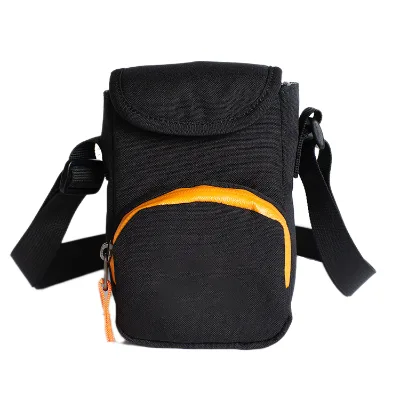
Compare 30 listings of waterproof tactical camera sling bags designed for outdoor sports, camping, and travel. These options feature adjustable straps, mixed colors, and durable polyester or nylon materials to suit various carrying needs.
Key considerations
Products List


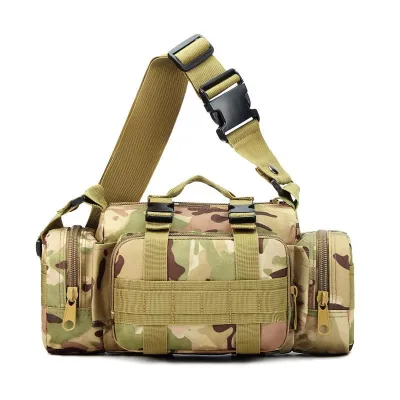
Tactical Outdoor Waist Bag Camouflage Backpack Camera Bag Sport Waist Bag
$5.50 - $6.50
MOQ: 100 Pieces

8-Colors Esdy Camera Bag Camo Camping Multifunction Bag Tactical Waist Pack
$5.50 - $6.50
MOQ: 100 Pieces


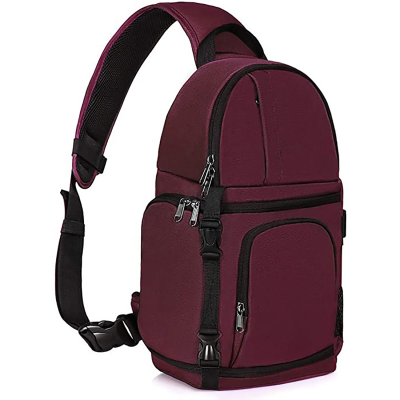
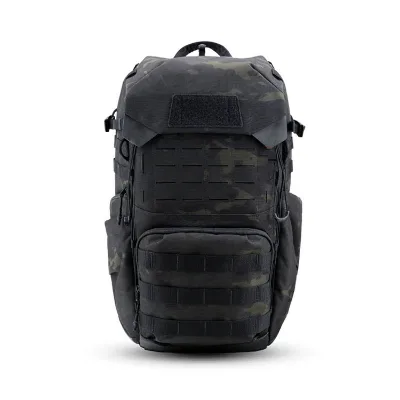
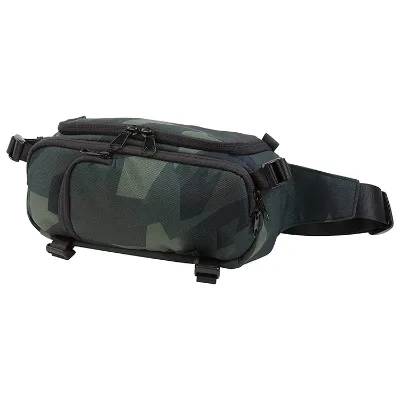

Comprehensive Sourcing Guide
Waterproof Tactical Camera Sling Bag Sourcing Guide
Sourcing a Waterproof Tactical Camera Sling Bag requires a careful balance between rugged durability, ergonomic comfort, and secure equipment protection. These bags are designed for active users who need hands-free mobility while safeguarding sensitive electronics from environmental hazards. The core challenge for buyers is identifying suppliers who can deliver genuine waterproof integrity without compromising the lightweight nature required for all-day wear. This guide outlines the critical verification steps, technical parameters, and commercial considerations necessary to build a reliable supply chain for this specialized product category.
The market for tactical sling bags is diverse, ranging from simple everyday carry solutions to heavy-duty gear designed for extreme conditions. Buyers must distinguish between marketing terms like "water-resistant" and actual waterproof performance, which often involves specific material constructions and sealing technologies. Understanding the specific use case, whether for urban commuting, hiking, or professional photography, will dictate the necessary features such as compartmentalization, strap adjustability, and external attachment points. This guide focuses on the key attributes that define a high-quality tactical sling bag, ensuring that procurement decisions are based on verified product capabilities rather than superficial aesthetics.
Product Scope and Observed Listing Signals
The observed product landscape for sling bags reveals a wide variance in specifications, with prices ranging from $1.8 to $26.99 USD and minimum order quantities (MOQs) spanning from 1 to 1,000 pieces. This broad range indicates a market segmented by both quality tiers and supplier capabilities, from small-scale traders to established manufacturers. Buyers should note that lower price points often correlate with basic materials and simpler construction, while higher-end options may offer advanced features like dedicated camera padding, superior waterproof zippers, and enhanced ergonomic designs. The presence of mixed colors and multicolor options suggests that customization is a significant driver in this category, allowing brands to tailor products to specific market preferences.
Key product attributes observed include the use of polyester as the primary material, with some variants featuring nylon interiors for added durability or comfort. The bags are generally categorized as soft bags with a simplicity style, suitable for outdoor activities, sports, camping, and travel. Gender specifications vary, with options available for male, female, and unisex users, indicating a versatile design approach. Capacity ranges from medium to big, with bearing capacities noted as both under 2 kg and over 10 kg, highlighting the need for buyers to verify load-bearing limits based on their intended use. These signals provide a baseline for understanding the current market offerings and identifying potential gaps or opportunities for product differentiation.
Technical Specifications to Verify
When evaluating technical specifications, buyers must prioritize the waterproof rating and material composition to ensure adequate protection for camera equipment. The supplied data indicates that some products are explicitly labeled as waterproof, with materials including 100% polyester and nylon interiors. It is crucial to verify the specific waterproof standard, such as IP ratings or water column measurements, as generic claims may not withstand prolonged exposure to rain or submersion. Additionally, the shoulder style, whether multilevel adjustable or soft mat double shoulder, significantly impacts comfort and stability during active use. Buyers should request detailed diagrams or samples to assess the adjustability range and the quality of the padding and strap materials.
Compartmentalization and internal organization are critical for camera bags, as they prevent damage to lenses and bodies during transit. While the observed data mentions a "soft bag" type, buyers should inquire about the presence of padded dividers, secure closures, and easy-access pockets for quick gear retrieval. The dimensions of the bags, such as 28388cm or 8 x 19 x 16 inches, must be cross-referenced with the specific camera models and accessories that need to be carried. Furthermore, the gross weight of the bag, ranging from under 0.5 kg to 9.27 lbs, affects the overall carrying experience. Buyers should verify these specifications against their target market's expectations for portability and storage capacity to avoid mismatches in product performance.
Compliance and Safety Documentation
Compliance and safety documentation are essential for ensuring that the sling bags meet international standards and regulatory requirements. The observed data includes certifications such as ISO9001, BSCI, and Sedex, which indicate a supplier's commitment to quality management, social responsibility, and ethical labor practices. Buyers should request valid certificates and verify their authenticity through the respective certification bodies. These certifications not only mitigate risk but also enhance the brand's reputation in markets that prioritize ethical sourcing and sustainable manufacturing. Additionally, buyers should ensure that the materials used, such as polyester and nylon, comply with relevant chemical safety standards, such as REACH or CPSIA, depending on the target market.
Beyond certifications, buyers should verify the product's compliance with specific industry standards for outdoor and tactical gear. This may include testing for abrasion resistance, tear strength, and zipper durability, which are critical for the longevity of the bag. The observed data mentions a standard of "carton" for packing, but buyers should clarify if this refers to the packaging material or a specific product standard. It is also important to ensure that the bags do not contain harmful substances, such as lead or phthalates, which could pose health risks to users. By prioritizing compliance and safety, buyers can protect their brand from potential liabilities and ensure that their products meet the highest quality benchmarks.
Cost Drivers and Commercial Terms
Cost drivers for waterproof tactical camera sling bags include material quality, customization options, and production volume. The observed MOQ of 510 pieces for some products suggests that economies of scale play a significant role in pricing. Buyers should negotiate based on their expected order volumes, as larger orders typically result in lower unit costs. Customization, such as adding logos or specific colors, may incur additional setup fees or require higher MOQs. The observed data indicates that customization is available, so buyers should clarify the cost implications of these services upfront to avoid unexpected expenses.
Commercial terms, including payment methods, delivery times, and shipping arrangements, are critical for managing cash flow and supply chain efficiency. The observed data mentions delivery times ranging from 3-5 days to 35-45 days after order confirmation, highlighting the variability in supplier lead times. Buyers should establish clear agreements on production schedules and delivery milestones to ensure timely receipt of goods. Shipping options, such as sea, air, or express transportation, should be evaluated based on cost, speed, and reliability. Additionally, buyers should consider the impact of currency fluctuations and import duties on the total landed cost, ensuring that their pricing strategy remains competitive and profitable.
Supplier Qualification and Quality Control
Supplier qualification is a foundational step in securing a reliable supply of waterproof tactical camera sling bags. Buyers should conduct thorough due diligence on potential suppliers, assessing their manufacturing capabilities, quality control processes, and financial stability. The observed data includes supplier locations in Fujian, China, a region known for its textile and bag manufacturing expertise. Buyers should verify the supplier's production capacity and ability to meet demand spikes, as well as their track record in exporting to the target market. Requesting references or case studies from existing clients can provide valuable insights into the supplier's reliability and performance.
Quality control measures must be implemented throughout the production process to ensure consistency and product integrity. Buyers should establish clear quality standards and inspection criteria, including checks for material defects, stitching quality, and functional components like zippers and straps. The observed data mentions a sample time of 3-10 work days, which allows buyers to evaluate product quality before committing to large orders. Implementing pre-shipment inspections and third-party quality audits can further mitigate the risk of receiving substandard products. By maintaining rigorous quality control, buyers can ensure that their products meet customer expectations and reduce the likelihood of returns or complaints.
Long-Term Procurement Checks
Long-term procurement checks involve continuous monitoring of supplier performance and market trends to ensure sustained value and competitiveness. Buyers should regularly review supplier metrics, such as on-time delivery rates, defect rates, and responsiveness to issues. Establishing a scorecard system can help quantify supplier performance and identify areas for improvement. Additionally, buyers should stay informed about changes in material costs, labor regulations, and trade policies that may impact the supply chain. Proactive engagement with suppliers, including regular communication and joint planning sessions, can foster a collaborative relationship that benefits both parties.
Market trends and consumer preferences are constantly evolving, requiring buyers to adapt their product offerings accordingly. The observed data indicates a demand for customization and specific features like waterproofing and tactical design. Buyers should monitor these trends and adjust their sourcing strategies to meet emerging needs. This may involve exploring new materials, technologies, or design innovations that enhance product value. By maintaining a flexible and responsive procurement approach, buyers can stay ahead of the competition and ensure that their product portfolio remains relevant and attractive to their target audience.
FAQs
How waterproof are these tactical camera sling bags for outdoor use?
These sling bags are listed as waterproof with a polyester exterior and nylon lining, suitable for outdoor sports, camping, and travel. Waterproofing in this category typically means rain and splash resistance rather than full submersion, so confirm construction details like sealed zippers with the supplier for harsh conditions.
What materials are used in the Waterproof Tactical Camera Sling Bag construction?
The bags are made from polyester with nylon inside material, in a soft-structure build. This combination is common for tactical sling bags because polyester resists abrasion and moisture while nylon adds interior durability. Check with suppliers whether coatings or laminates are added for additional water resistance.
Can the shoulder strap be adjusted for different body sizes and carry styles?
Yes, listings show a multilevel adjustable shoulder strap, allowing wearers to fine-tune length for crossbody or shoulder carry. Some models also feature soft mat double shoulder styling. Adjustability matters for camera access speed, so verify strap hardware quality and padding thickness with the factory before ordering samples.
What is the minimum order quantity for customized tactical sling bags?
Customization is available, and listed MOQs vary widely across products, from as low as 1 piece to 1000 pieces, with one tactical model at 510 pieces. Actual MOQ depends on the supplier, chosen color options, and customization depth, so request quotations specifying your branding and color requirements before committing.
What certifications do the sling bag suppliers hold?
Supplier listings reference ISO9001, BSCI, and Sedex certifications, which cover quality management and social compliance auditing. These are factory-level credentials rather than product certifications. Always request current, valid certificates directly from the supplier during vetting, since certification status can change and may vary by production facility.
How long does sampling and bulk production take?
Listed sample lead times range from 3-5 days to 7-10 working days depending on the supplier and model. Bulk delivery time is typically 35-45 days after order confirmation. Plan your procurement calendar around these ranges and confirm current lead times in writing, as they may shift with season and order volume.
What capacity and weight can these sling bags handle?
Listed bearing capacity ranges from under 2 kg for compact sling models to over 10 kg for larger double-shoulder styles, with gross weight from under 0.5 kg up to about 9.27 lbs. Match capacity to your camera kit weight, noting that heavy loads put more stress on strap stitching and buckles.
Can I order these sling bags in custom colors and packaging?
Yes, customization is available and colors can be produced to your request, including multicolor options. Packing is typically one piece in a polybag, with carton packing for bulk shipment by sea, air, or express. Provide artwork and packing specifications early so the supplier can quote accurately.