Source Waterproof Triangle Bike Frame Bag for Cycling, Travel, and Sports
Compare 30 Waterproof Triangle Bike Frame Bag options from verified suppliers. These durable bags feature TPU, nylon, or PU leather materials with customizable logos and colors for outdoor cycling and travel needs.
Key considerations
Products List
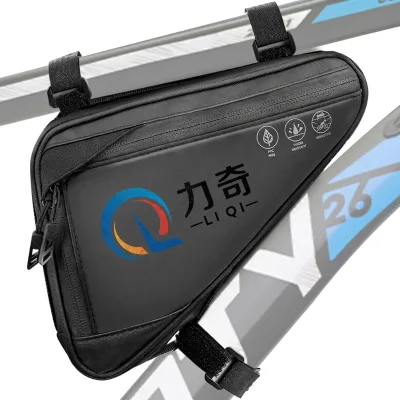
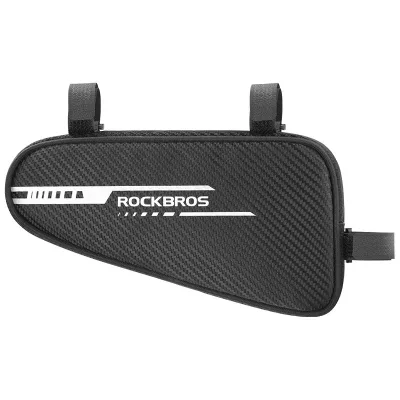
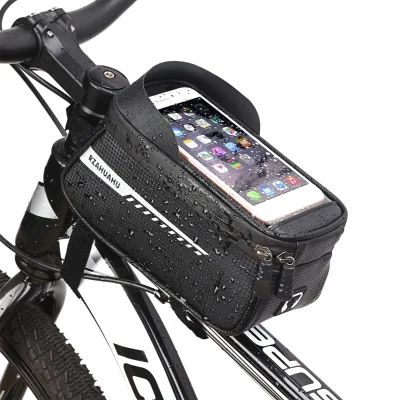
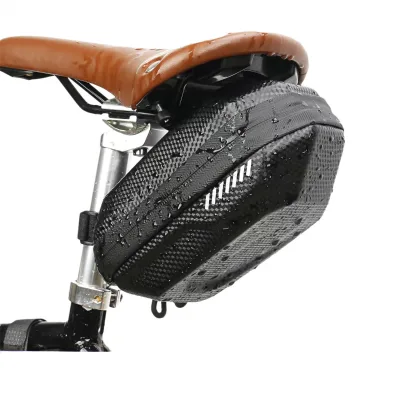


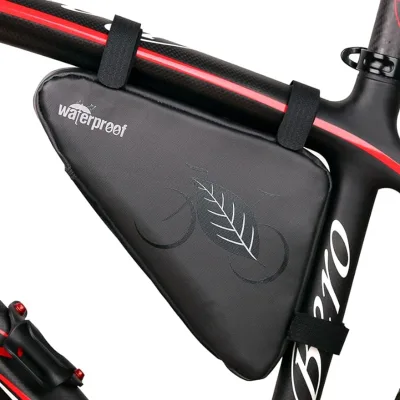
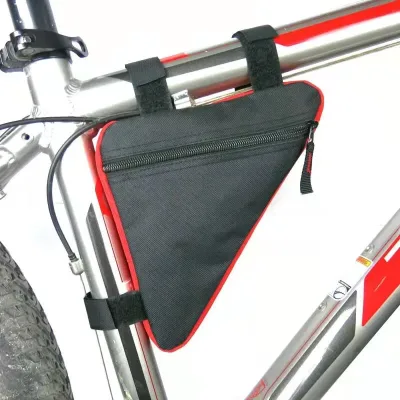
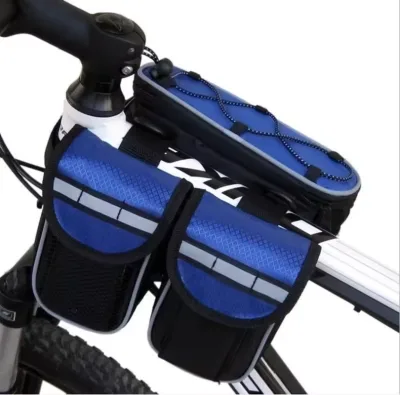
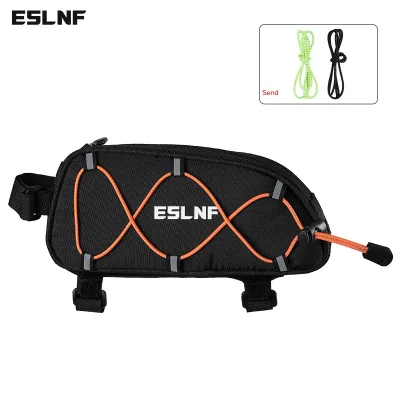


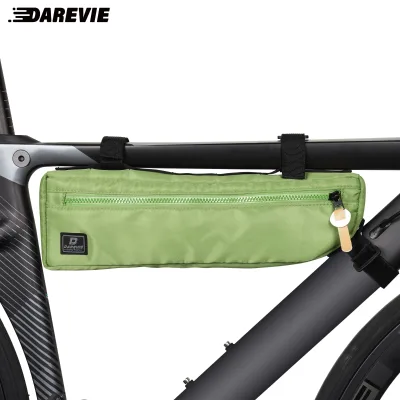


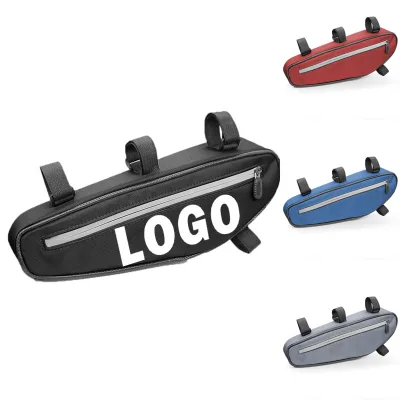


Whole Sale Front Saddle Bike Bag Bike Bicycle Storage Triangle Frame Bag
$3.20 - $8.60
MOQ: 500 Pieces


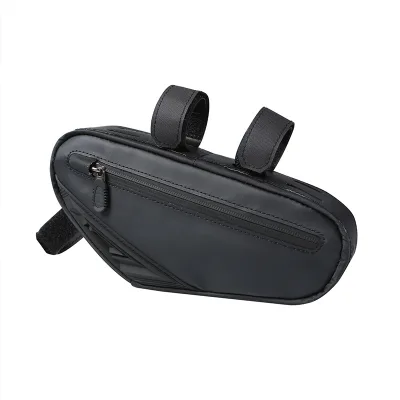
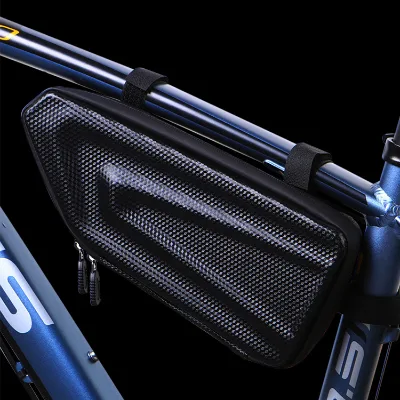
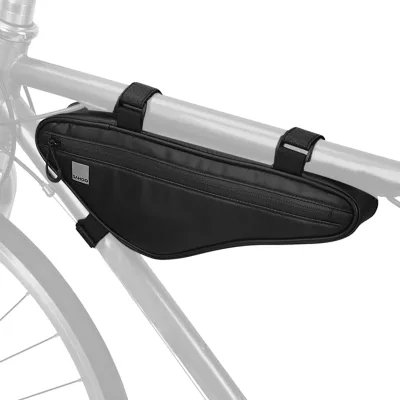
Comprehensive Sourcing Guide
Strategic Sourcing Guide for Waterproof Triangle Bike Frame Bags
Understanding Product Specifications and Material Composition
When sourcing a Waterproof Triangle Bike Frame Bag, the primary objective is to identify components that offer durability, weather resistance, and secure fitment for cycling applications. Based on current market observations, the core material composition for these products frequently utilizes TPU (Thermoplastic Polyurethane) or Nylon. TPU is particularly noted for its flexibility and superior waterproofing capabilities, often described in product listings as "TPU Waterproof Material." This material choice is critical for maintaining the structural integrity of the bag when exposed to rain, mud, and the friction of a bicycle frame. Alternative materials observed in the sector include Polyester and Pu Leather, though the latter is less common for high-performance waterproofing and may be better suited for leisure or fashion-oriented styles.
The physical dimensions of the bag are a decisive factor in compatibility with various bicycle frames. The market presents a range of single package sizes, typically observed between 17x7x7 cm and 24x16x6.5 cm. Buyers must verify that the specific model's dimensions align with their bicycle's triangle space. For instance, a model with a package size of 22x15x5.5 cm offers a different volume capacity compared to a slimmer profile of 21x9x10.5 cm. The "Dumpling Type" shape is a specific design variation that maximizes volume within the constrained triangular space of a bike frame. Additionally, the closure mechanism is predominantly a zipper, which must be robust enough to prevent water ingress while allowing for quick access to stored items. The weight of the individual unit is also a consideration for performance cycling; observed single gross weights range from 0.13 kg to 0.21 kg, indicating that lightweight construction is a standard expectation in this category.
Compliance, Certification, and Waterproof Standards
In the realm of outdoor cycling gear, the claim of "waterproof" is a critical compliance attribute that requires rigorous verification. While many suppliers list "Waterproof" as a standard feature or "Water Proof" as a specific product attribute, the absence of a universally mandated, universally applied certification standard for this specific niche means buyers must look for specific test data or defined standards rather than relying solely on marketing claims. The supplied context mentions a "Waterproof Standard" as a product attribute, but does not specify a numerical rating (such as IPX7 or a specific millimeter water column rating). Therefore, procurement teams should request specific test results or certification documents from the supplier to validate the waterproof claim.
Regarding broader quality management, some background information references ISO 27001, which is a standard for information security management rather than product manufacturing or material performance. Consequently, this standard is not directly relevant to the physical attributes of a bike bag. Buyers should instead focus on verifying if the supplier adheres to general manufacturing quality standards relevant to textile and plastic goods. The "Place of Origin" is consistently listed as China, with specific mentions of Zhejiang, a region known for its manufacturing capabilities. While this provides context on the supply chain, it does not substitute for on-site quality audits or third-party testing. The "prod_standard" attribute sometimes lists dimensions like "1777cm / Customized," suggesting that dimensional tolerances are part of the standard agreement, but specific tolerance limits (e.g., +/- 0.5 cm) must be negotiated and documented in the purchase order.
Cost Drivers and Pricing Dynamics
The pricing structure for waterproof triangle bike frame bags is influenced by several variables, including material quality, customization levels, and order volume. The observed market price range spans from $0.59 to $22.90 USD. This significant variance indicates that the final cost is highly dependent on the specific configuration chosen by the buyer. The lower end of the spectrum likely corresponds to basic models with standard materials like Nylon or Polyester, minimal customization, and high-volume production runs. Conversely, the higher price points are associated with premium TPU materials, complex designs, and extensive customization options such as custom logos and colors.
Minimum Order Quantity (MOQ) is a substantial cost driver in this sector. The data reveals a wide range of MOQs, from as low as 100 pieces to as high as 1000 pieces. A supplier requiring an MOQ of 1000 pcs will typically offer a lower unit price compared to a supplier accepting an MOQ of 100 pcs. This relationship between volume and unit cost is a fundamental economic principle in B2B manufacturing. Buyers must balance their inventory needs against the per-unit cost savings. For instance, a supplier with an MOQ of 500 pcs might offer a middle-ground pricing strategy. Additionally, the "Customized Design" and "Custom Logo Accepted" attributes suggest that any branding work will incur additional costs or require higher MOQs to amortize the setup fees. The "Selling Units" are typically listed as "Single item," but the transactional unit is the batch defined by the MOQ.
Typical Applications and Usage Scenarios
The versatility of the Waterproof Triangle Bike Frame Bag extends across multiple usage scenarios, primarily categorized under "Outdoor Cycling," "Travel Bike Bag," and "Outdoor Sports." The "All Seasons" attribute confirms that these products are designed to function in diverse weather conditions, making them suitable for year-round use. The "Type" is consistently identified as "Sport" or "Waterproof bag," reinforcing their primary function in athletic and recreational contexts. The "Gender" is listed as "Unisex," indicating that the design is generally neutral and applicable to a broad demographic.
Beyond the primary function of carrying gear, the "Style" attribute offers insights into secondary applications. While "Fashionable" and "Leisure" styles suggest a market for casual riders or commuters who value aesthetics alongside utility, the "Outdoor Durable" designation emphasizes performance for serious cyclists. The "Application" is broadly defined as "Outdoor Sports," which encompasses mountain biking, road cycling, and touring. The "Shape" being "Dumpling Type" is specifically engineered to fit the aerodynamic and spatial constraints of a bicycle frame, ensuring that the bag does not interfere with the rider's pedaling motion or the bike's mechanical components. The "Closed Way" via zipper ensures that contents remain secure during vigorous activity, a critical requirement for high-intensity sports.
Supplier Evaluation and Customization Capabilities
Evaluating a supplier for this product category requires a deep dive into their customization capabilities and production flexibility. The "Design" attribute is frequently listed as "Customized Desgin" (sic), and "Logo" acceptance is a standard offering, with variations like "Custom Logo Accepted" and "Accept Customized Logo." This indicates that most suppliers in this space are prepared to offer OEM (Original Equipment Manufacturer) and ODM (Original Design Manufacturer) services. Buyers should verify the extent of these services: can the supplier modify the shape, material thickness, or zipper quality? Can they produce "Customized Color" options, which is a listed attribute?
The "Brand Name" attribute, such as "HNANLOCK," suggests that some suppliers operate with their own branding, while others may be white-label manufacturers. Buyers seeking private label solutions must confirm that the supplier is willing to remove existing branding and apply their own. The "Packaging Details" vary, with options ranging from "1Pcs/PE Bag" to "1pc/polybag" and "Blister Card Packaging." The choice of packaging can impact the perceived value of the product and the logistics of shipping. For instance, blister card packaging might be preferred for retail display, while simple polybag packaging is more cost-effective for bulk shipping.
Quality Control and Long-Term Procurement Considerations
Ensuring consistent quality in waterproof bike bags requires a robust quality control (QC) protocol. Given the variability in materials (TPU vs. Nylon vs. Polyester) and the critical nature of waterproofing, buyers should implement a multi-stage QC process. This includes pre-production sampling to verify material properties, in-process checks during manufacturing to ensure zipper integrity and stitching quality, and pre-shipment inspections to confirm dimensions and waterproof performance. The "Single gross weight" variations (0.13 kg to 0.21 kg) suggest that material density and construction methods can vary significantly; therefore, weight consistency can serve as a proxy for material quality control.
Long-term procurement considerations involve establishing a reliable supply chain that can adapt to changing demands. The "Place of Origin" being China, specifically Zhejiang, offers access to a mature manufacturing ecosystem, but buyers must manage logistics and lead times carefully. While specific lead times are not provided in the source data, the existence of varying MOQs implies that production schedules may differ based on order size. Buyers should negotiate clear terms regarding production timelines and capacity. Furthermore, the "Customization" availability suggests that the supply chain must be agile enough to handle design changes without significant delays. Building a relationship with a supplier that offers "Customized Desgin" and "Custom Logo" services can provide a competitive advantage, allowing for brand differentiation in the market.
Comparative Analysis of Product Attributes
To facilitate decision-making, the following table summarizes the key attributes observed in the market for waterproof triangle bike frame bags. This comparison highlights the diversity in specifications and helps buyers identify the specific requirements that align with their procurement strategy.
| Attribute Category | Observed Variations | Key Considerations for Buyers |
|---|---|---|
| Material | TPU, TPU Waterproof Material, Nylon, Polyester, Pu Leather | TPU is preferred for superior waterproofing; Nylon offers durability; Pu Leather is more aesthetic. |
| Dimensions | 17x7x7 cm, 20x10x9 cm, 21x9x10.5 cm, 22x15x5.5 cm, 24x16x6.5 cm | Must match bicycle frame triangle size; verify internal volume vs. external dimensions. |
| MOQ | 100 pcs, 1000 pcs, 500 pcs | Lower MOQs allow for testing but higher unit costs; higher MOQs reduce unit cost but increase inventory risk. |
| Waterproofing | Waterproof, Water Proof | Verify specific test data; "Waterproof" is a claim that requires validation. |
| Customization | Custom Logo, Custom Color, Customized Design | Essential for branding; confirm if design changes affect MOQ or lead time. |
| Packaging | 1Pcs/PE Bag, 1pc/polybag, Blister Card Packaging | Affects retail presentation and shipping efficiency; specify preference in PO. |
| Weight | 0.13 kg to 0.21 kg | Lighter weights are preferred for performance cycling; verify consistency. |
| Origin | China, Zhejiang, China | Standard manufacturing hub; verify factory capabilities and compliance. |
In conclusion, sourcing a Waterproof Triangle Bike Frame Bag involves balancing technical specifications, material quality, and commercial terms. By focusing on the verified attributes of TPU or Nylon materials, understanding the implications of MOQ and customization, and rigorously validating waterproof claims, buyers can secure a product that meets the demands of the outdoor cycling market. The diversity in package sizes and styles allows for a tailored approach to procurement, ensuring that the final product aligns with both functional requirements and brand identity.
FAQs
What materials are used for waterproof triangle bike frame bags?
TPU is the primary material used for superior waterproofing and flexibility. Nylon and Polyester are also common alternatives, while Pu Leather is used for leisure styles.
Which MOQ options are available for custom orders?
Minimum order quantities range from 100 to 1000 pieces depending on the supplier. Buyers can find options starting at 100 pieces or requiring 500 and 1000 pieces.
Can I get a custom logo on these bike bags?
Yes, most suppliers accept customized logos and designs for branding. This customization is a standard offering for outdoor cycling and travel bag applications.
How do package dimensions vary for different models?
Single package sizes vary between 17x7x7 cm and 24x16x6.5 cm to fit different frame triangles. Buyers must verify specific dimensions like 22x15x5.5 cm for compatibility.
What is the typical price range for these bags?
Market prices range from 0.59 to 22.9 USD per unit based on configuration. Costs depend heavily on material quality, customization levels, and order volume.
Are these bags suitable for all weather conditions?
Yes, the products are designed for all seasons and outdoor cycling use. They feature waterproof standards to protect contents from rain and mud during travel.