Source Waterproof Wedding Decoration Flower Runner for Events
Compare 30 Waterproof Wedding Decoration Flower Runner options from verified Chinese manufacturers. Buyers can evaluate materials like silk and plastic, customization features, and pricing for various wedding and party applications.
Key considerations
Products List


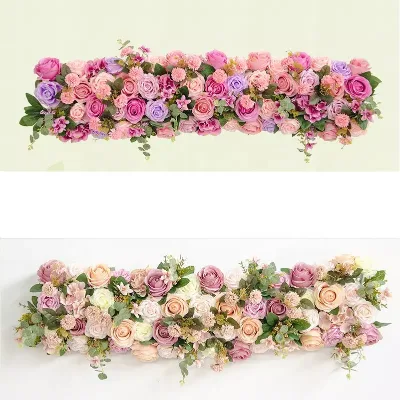
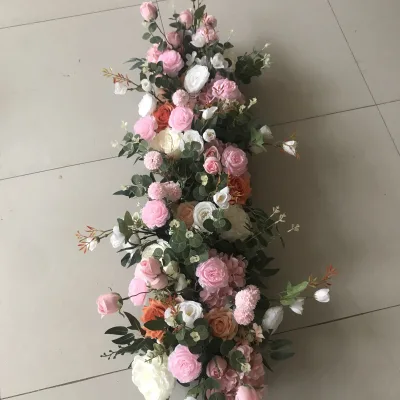
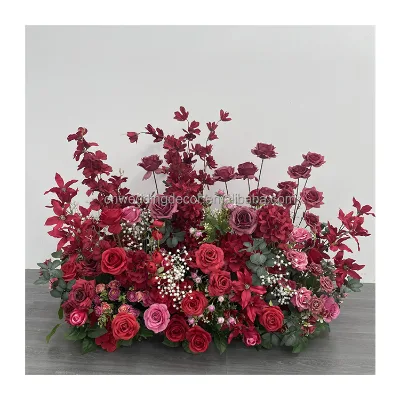
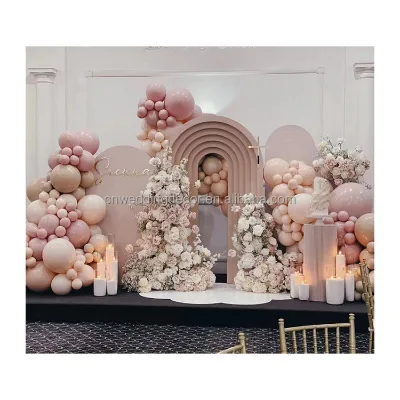
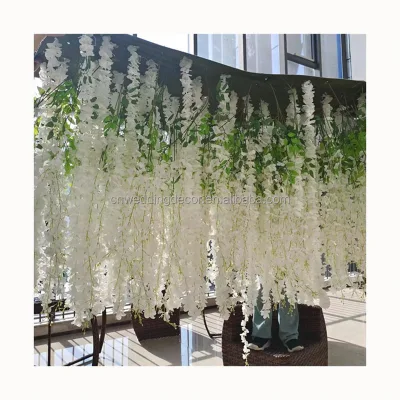
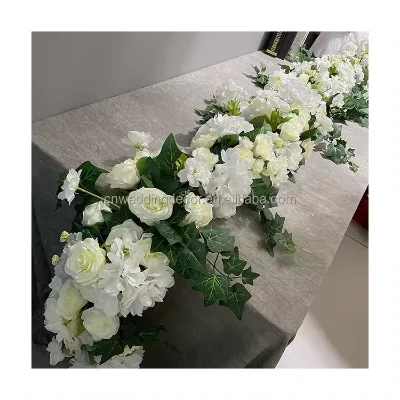
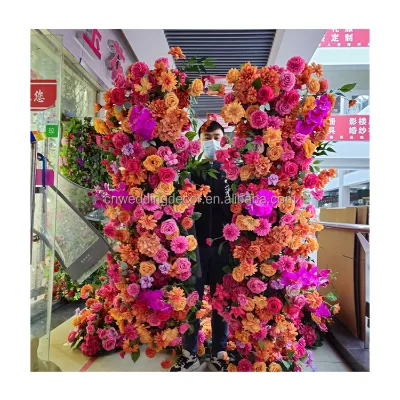
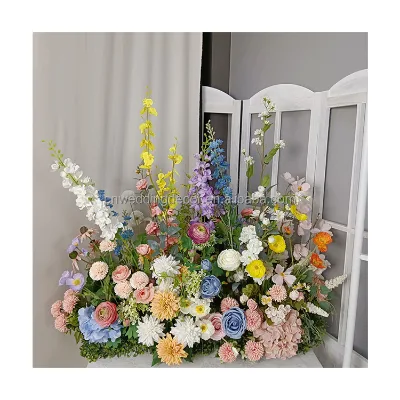
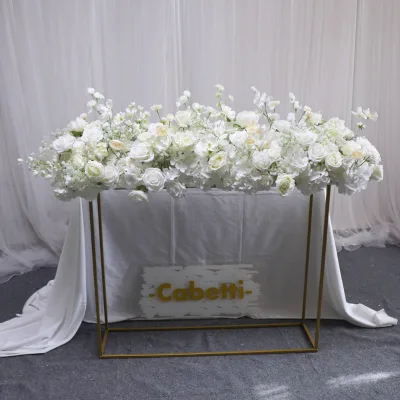
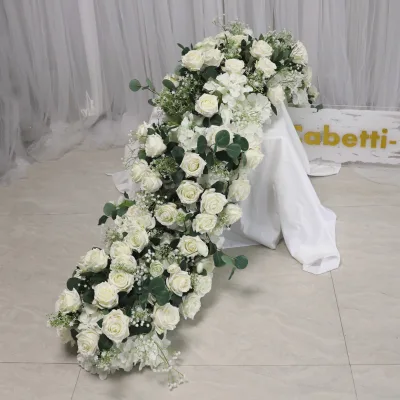
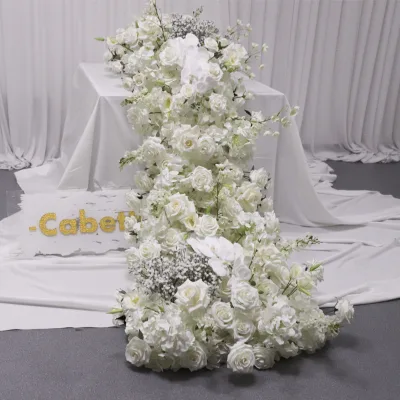
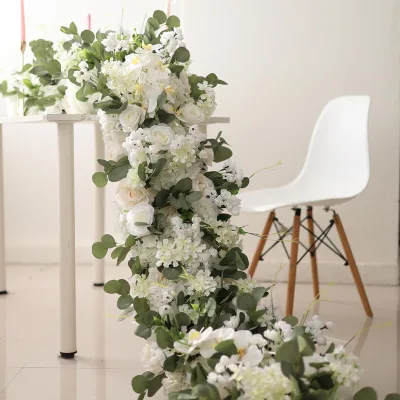
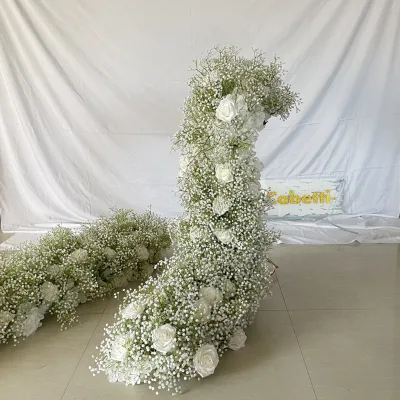
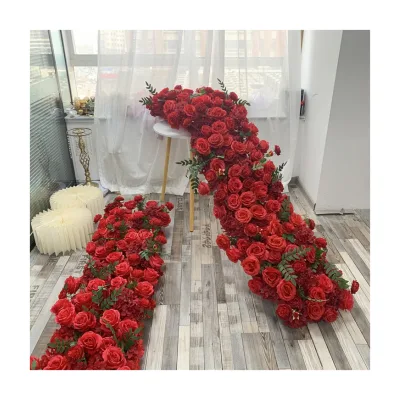
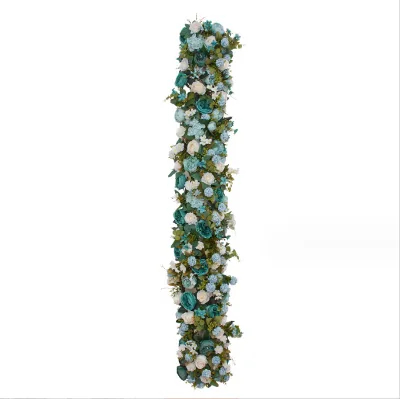
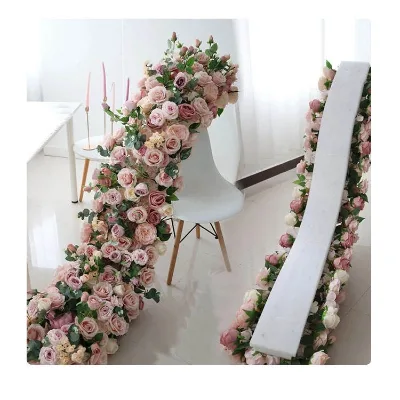
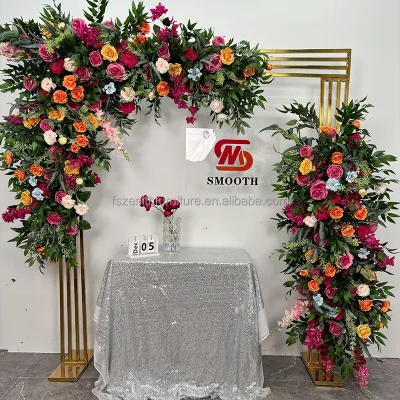
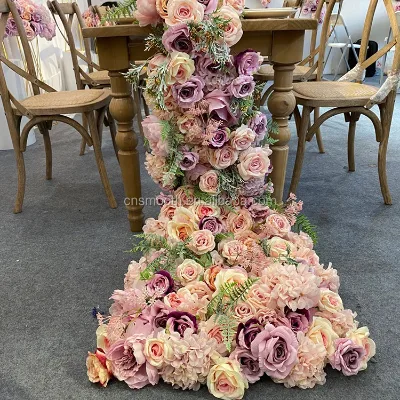
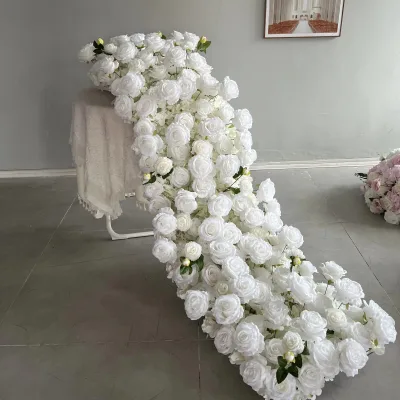


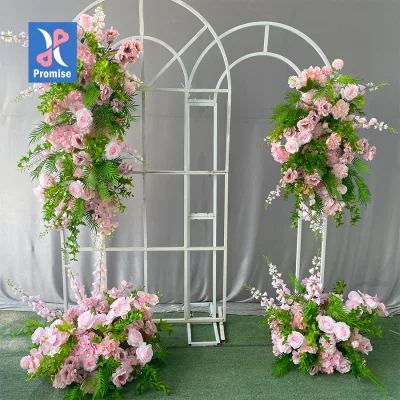
Comprehensive Sourcing Guide
Strategic Sourcing Guide for Waterproof Wedding Decoration Flower Runners
The global market for wedding and event decor has seen a significant shift toward durable, reusable, and weather-resistant elements. Among these, the Waterproof Wedding Decoration Flower Runner has emerged as a critical component for both indoor and outdoor ceremonies. Buyers sourcing this specific product category must navigate a complex landscape of material science, customization options, and logistical constraints. This guide provides a disciplined, evidence-based approach to procuring high-quality flower runners, focusing on the intersection of aesthetic requirements and functional durability. The following sections detail the technical specifications, compliance considerations, cost structures, and supplier evaluation metrics necessary for a successful procurement strategy.
Technical Specifications and Material Composition
Understanding the physical attributes of the product is the first step in defining a precise procurement requirement. The core functionality of a "waterproof" flower runner relies heavily on the underlying material composition. While traditional silk is often used for its luxurious drape and visual appeal, the supply data indicates that modern iterations frequently utilize a composite of materials to achieve the desired water resistance. Specifically, observed product attributes list materials including silk, plastic, and foam, alongside real feathers and cloth in certain high-end variants.
The presence of plastic and foam in the material mix is a strong indicator of the waterproofing mechanism. Pure silk is naturally hydrophilic and would absorb moisture without treatment. Therefore, a waterproof claim in this context typically implies a synthetic backing, a plastic coating, or a blend where the structural integrity is maintained by synthetic fibers while the aesthetic surface mimics natural silk. Buyers must verify the specific ratio of these materials. For instance, a product described as having "silk" as a primary material but also listing "plastic" and "foam" suggests a layered construction. The foam likely provides volume and shape retention, while the plastic component ensures the water-proof characteristic.
Size specifications are equally critical for application. The observed data reveals a wide range of dimensions, from standard large sizes exceeding 60cm to specific models measuring approximately 100cm in length with a width of 45cm. Some listings explicitly state a size of 100cm, while others categorize the product simply as "Large (>60cm)." This variance necessitates that buyers define their aisle width or table length requirements with precision before requesting quotes. A mismatch in dimensions can lead to significant waste or the need for multiple units to cover a single aisle, impacting the overall cost.
Furthermore, the "Type of Flower" and "Flower Type" attributes provide insight into the visual design. The market offers options ranging from specific rose varieties to custom hydrangea arrangements. The "Custom" designation in flower types suggests that buyers can request specific floral configurations, which is a key differentiator in the wedding industry where personalization is paramount. The availability of 14 distinct color options, including shades like Blue, Champagne, Orange, Purple, and various pinks, allows for extensive customization to match wedding themes.
Compliance, Certification, and Safety Standards
In the realm of event decoration, safety compliance is non-negotiable, particularly for products used in venues with strict fire codes. The supply data presents a notable divergence regarding flame retardancy. While some product attributes explicitly state "Flame Retardant: No," others emphasize "Water Proof: Yes." This distinction is crucial for procurement. A product that is waterproof but not flame-retardant may be suitable for outdoor garden weddings or private venues with relaxed codes, but it could be prohibited in indoor banquet halls, hotels, or public venues that mandate fire safety certifications.
Buyers must not assume that a "waterproof" product automatically meets fire safety standards. The absence of a "Flame Retardant" flag in the provided data for certain models indicates that this is a variable attribute that must be verified on a per-supplier basis. Procurement teams should explicitly request proof of compliance with local fire safety standards, such as NFPA 701 in the United States or equivalent regulations in other jurisdictions. The lack of specific certification names in the general product list means that buyers cannot rely on a blanket claim; instead, they must demand test reports or certificates of compliance from the supplier for the specific batch being ordered.
Additionally, the "Eco-friendly" feature listed in some product attributes introduces another layer of compliance verification. While this is a desirable trait, it requires definition. Does "Eco-friendly" refer to the biodegradability of the materials, the sustainability of the manufacturing process, or the absence of harmful chemicals? Without a specific standard cited in the product data, buyers should request documentation detailing what makes the product eco-friendly. This could involve verifying the absence of PVC, the use of recycled plastics, or adherence to specific environmental management systems.
Cost Drivers and Pricing Dynamics
The pricing for waterproof wedding flower runners is influenced by a complex interplay of material costs, customization levels, and order volume. The observed price range in the market spans from $20.57 to $216.11 USD. This significant variance suggests that the base price is not solely determined by the product's dimensions but is heavily skewed by the level of customization and material quality.
The primary cost driver is the customization factor. Products labeled as "Customized" or supporting "OEM ODM" (Original Equipment Manufacturer/Original Design Manufacturer) commands a premium. The ability to print a specific logo, though the data notes "Without Logo Printing" for some items, implies that the capability exists for others. Custom color matching, specific flower arrangements (e.g., "Rose Hydrangea Custom"), and unique sizing all contribute to higher unit costs. A standard, off-the-shelf runner in a common color like White or Red will likely fall at the lower end of the price spectrum, while a bespoke design with specific floral patterns and custom dimensions will approach the upper limit.
Material composition is the second major cost driver. Runners utilizing real feathers, high-grade silk, or complex foam structures will inherently cost more than those made from basic plastic and synthetic blends. The "Single gross weight" of 0.0 kg listed in some data points is likely a data entry error or a placeholder, but the actual weight of the product affects shipping costs. Heavier items with more foam or real feathers will incur higher freight charges, which should be factored into the total landed cost.
Minimum Order Quantity (MOQ) also plays a role in the effective cost per unit. The observed MOQ range is between 1 and 10 pieces, with some specific listings citing an MOQ of 4 pieces. For buyers requiring large quantities for multiple venues or bulk inventory, the ability to order in small batches (low MOQ) offers flexibility but may result in a higher per-unit price due to setup costs. Conversely, larger orders may benefit from economies of scale, though the supply data indicates a "Supply Ability" of 10,000 pieces per month, suggesting that suppliers can handle large volume orders without significant lead time delays.
Typical Applications and Scenario Matching
The versatility of waterproof wedding flower runners makes them suitable for a diverse range of applications, from intimate ceremonies to large-scale corporate events. The "Applicable Scenarios" listed include "Wedding Events," "Party Decoration," and "Wedding Decoration," confirming their primary use case. However, the "Water Proof" attribute expands their utility beyond traditional indoor settings.
For outdoor weddings, the waterproof feature is essential. Rain, dew, or spilled beverages can ruin traditional fabric runners, but a waterproof variant ensures the aesthetic remains intact regardless of weather conditions. This makes them ideal for garden weddings, beach ceremonies, or tented events where humidity and precipitation are concerns. The "Romantic Wedding Decorator" style noted in the data aligns well with the soft, flowing aesthetic required for such settings.
In indoor applications, the waterproof quality offers practical benefits regarding maintenance and longevity. Spills from wine, water, or food are common in reception settings. A waterproof runner can be easily wiped clean, allowing for reuse in future events or quick turnaround between ceremony and reception setups. This durability is particularly valuable for rental companies and event planners who need to minimize replacement costs.
The "Style" attribute, described as "Romantic Wedding Decorator," suggests that these products are designed to create a specific ambiance. The availability of various flower types, such as roses and hydrangeas, allows for thematic consistency. Whether the event is a formal black-tie affair or a casual summer celebration, the ability to customize the flower type and color ensures the runner complements the overall design scheme. The "Boxed" or "Carton" packaging mentioned in the data also indicates that these products are designed for easy transport and storage, further enhancing their suitability for event professionals who manage logistics across multiple venues.
Supplier Evaluation and Verification Protocols
Selecting the right supplier is critical to ensuring product quality and adherence to specifications. The supply data reveals that products originate from various locations in China, including Henan, Shandong, and general regions, with specific brands like "Poweroy" and "Smooth" mentioned. However, relying solely on brand names or origin regions is insufficient for a robust procurement strategy.
Buyers should prioritize suppliers who demonstrate transparency in their production capabilities. The "Lead time" of 5-15 days is a standard range observed, but this can vary based on the level of customization. For custom orders, the lead time may extend beyond this window. Buyers must verify the actual production capacity against their event timeline. The "Supply Ability" of 10,000 pieces per month suggests that many suppliers have the capacity for large orders, but this should be confirmed with a specific production schedule for the buyer's order.
Verification of the "Water Proof" and "Flame Retardant" claims is essential. Since the data shows conflicting information on flame retardancy, buyers must request independent test reports. A reputable supplier will have these documents readily available and should be willing to share them before the order is placed. Additionally, the "Port of dispatch" being listed as "Qingdao port" provides a logistical anchor, but buyers should confirm the specific shipping terms (Incoterms) to understand who bears the risk and cost during transit.
Quality control is another critical evaluation point. The "Single volume" and "Single gross weight" data points in the source material appear inconsistent or incomplete, which could indicate a lack of rigorous data management by some suppliers. Buyers should request detailed product specifications, including exact dimensions, weight, and material composition, to ensure the product matches their requirements. Samples should be ordered and tested for water resistance and fire safety before committing to a bulk order.
Long-Term Procurement and Sustainability Considerations
For buyers planning to source wedding flower runners on an ongoing basis, long-term considerations such as sustainability and supply chain resilience are paramount. The "Eco-friendly" attribute mentioned in the data suggests a growing market trend toward environmentally conscious products. However, as noted earlier, this claim requires verification. Buyers should inquire about the lifecycle of the product, including its end-of-life disposal options. Can the materials be recycled? Are they biodegradable? Understanding these factors helps in making informed decisions that align with corporate sustainability goals or client expectations.
Supply chain resilience is also a key factor. The "Lead time" of 5-15 days is relatively short, but global supply chains can be subject to disruptions. Buyers should consider diversifying their supplier base to mitigate risks. Relying on a single supplier, even one with a high "Supply Ability," can be risky if that supplier faces production issues or logistical delays. Establishing relationships with multiple suppliers in different regions within China, such as Henan and Shandong, can provide a buffer against localized disruptions.
Finally, the customization aspect offers a strategic advantage for long-term procurement. The ability to support "Private Customization" and "OEM ODM" allows buyers to build a unique brand identity. By developing a consistent line of products with specific designs and materials, buyers can create a recognizable product line that stands out in the competitive wedding decor market. This requires a deep understanding of the customization process and a strong partnership with suppliers who can consistently deliver high-quality custom products.
In conclusion, sourcing waterproof wedding decoration flower runners requires a meticulous approach that balances aesthetic desires with technical realities. By carefully evaluating material compositions, verifying safety compliance, understanding cost drivers, and selecting suppliers based on rigorous criteria, buyers can secure products that meet the high standards of the wedding industry. The data provided offers a solid foundation for these decisions, but the ultimate success lies in the buyer's ability to ask the right questions and demand the necessary evidence to support their procurement choices.
FAQs
What materials are used for waterproof wedding flower runners?
These runners typically use a composite of silk, plastic, and foam to achieve water resistance. While silk provides a luxurious look, the plastic and foam components ensure the product remains waterproof for outdoor or spill-prone indoor events.
Can I find custom flower types like roses or hydrangeas?
Yes, suppliers support private customization for flower types including roses and hydrangeas. Buyers can request specific floral arrangements and colors to match their wedding theme, with options available in various shades like blue, champagne, and pink.
What is the typical lead time for these decoration items?
The standard lead time for production is between 5 to 15 days. This duration applies to most orders, though custom designs or large volume requests may require verification of the specific supplier's current production schedule and capacity.
Are these flower runners flame retardant for indoor venues?
No, the available data indicates that some waterproof models are not flame retardant. Buyers must verify fire safety compliance with local codes before using them in indoor banquet halls, as waterproofing does not automatically guarantee fire safety.
What is the minimum order quantity for purchasing these runners?
The minimum order quantity ranges from 1 to 10 pieces depending on the supplier. Some specific listings require a minimum of 4 pieces, offering flexibility for small events while allowing larger orders up to 10,000 pieces monthly.
Which sizes are available for wedding aisle or table runners?
Sizes vary from large options exceeding 60cm to specific models measuring 100cm in length. Common dimensions include approximately 100cm by 45cm, allowing buyers to select the exact fit needed for their aisle width or table length.
How are these products packaged for shipment and storage?
Products are typically packed in boxes or cartons suitable for various shipment methods. This packaging ensures the runners remain protected during transit and allows for easy storage and transport to different event venues or rental facilities.