Source Waterproof XPS Heating Floor Board for walls, roofs, balconies
Compare 30 listings for Waterproof XPS Heating Floor Board options suitable for underfloor heating, interior walls, and external insulation. Buyers can evaluate thermal conductivity, compressive strength, and fire ratings across multiple suppliers in China.
Key considerations
Products List

$12.28 - $18.66
MOQ: 30 Square Meters


$35.00 - $55.00
MOQ: 100 Square Meters

$35.00 - $55.00
MOQ: 100 Square Meters

$35.00 - $55.00
MOQ: 100 Square Meters


Eco Friendly Heat Insulation XPS Foam Board for Underfloor Heating Substrate
$35.00 - $55.00
MOQ: 100 Square Meters

High-Density Waterproof XPS Board for Superior Thermal Performance
$1.80 - $5.00
MOQ: 50 Square Meters


Ultra-Stable XPS Floor Heating Board 350kpa Compatible with Radiant Hot Water Systems
$3.30 - $3.50
MOQ: 500 Square Feet

Under Floor EPS/XPS Hydronic Heating Board Panels Polystyrene Insulation Boards Panels
$3.30 - $3.50
MOQ: 500 Square Feet


Comprehensive Sourcing Guide
Strategic Sourcing Guide for Waterproof XPS Heating Floor Boards
The procurement of waterproof XPS (Extruded Polystyrene) heating floor boards represents a critical decision point for construction and renovation projects requiring high-performance thermal insulation. These materials serve as the foundational layer for underfloor heating systems, offering a unique combination of moisture resistance, compressive strength, and thermal efficiency. Sourcing these products requires a disciplined approach that distinguishes between generic insulation and specialized boards engineered for wet environments and structural loads. Buyers must navigate a complex landscape of material grades, fire ratings, and dimensional specifications to ensure the selected product aligns with both safety codes and project performance goals.
Technical Specifications and Material Composition
The core of any XPS heating floor board is the extruded polystyrene foam, which provides a closed-cell structure essential for waterproofing. In the current market, the closed-cell rate for high-quality boards often exceeds 99%, a metric that directly correlates with the material's ability to resist water absorption. This structural integrity is vital for underfloor applications where the board may be exposed to moisture from concrete curing or potential leaks. The thermal conductivity of these boards typically ranges from 0.028 W/(M·K) to 0.035 W/(M·K), with lower values indicating superior insulation performance. Buyers should verify the specific thermal conductivity rating for each supplier, as this value dictates the required thickness to meet energy efficiency standards.
Compressive strength is another non-negotiable specification for floor boards. Unlike wall insulation, floor boards must support significant static and dynamic loads without deformation. The observed market data indicates compressive strength values ranging from 30 kPa to 500 kPa, with typical high-performance boards falling between 220 kPa and 500 kPa. A board rated at 30 kPa may be suitable for light residential applications, whereas commercial or industrial underfloor heating systems often require the higher 150-500 kPa range. The physical dimensions also vary significantly; standard sheet sizes include 1200mm x 2440mm and 600mm x 1200mm, while custom orders may extend to 2440mm x 1220mm or 1800mm x 600mm. Thickness options generally span from 10mm to 150mm, allowing for precise thermal layering.
Compliance and Fire Safety Ratings
Fire safety is a paramount concern when sourcing insulation for building envelopes and internal heating systems. The combustion performance of XPS boards is categorized into levels, with the market offering both Lv.B1 and Lv.B2 ratings. Lv.B1 indicates a flame-retardant material that is difficult to ignite and self-extinguishes, whereas Lv.B2 suggests a material that is flammable but may meet basic fire safety requirements depending on local codes. Procurement teams must explicitly verify the flame retardant rating against local building regulations, as some jurisdictions mandate Lv.B1 for external wall insulation and underfloor systems.
Certification status further validates compliance. While some products carry ISO certifications, buyers must confirm that the specific batch or model holds valid third-party testing results. The presence of a "Fireproof" feature in product descriptions should be treated as a claim requiring verification against the specific combustion performance level listed. Additionally, the product standard often dictates the dimensional tolerances and performance benchmarks. Standard sizes are frequently listed as 1200mm x 2440mm with thicknesses of 10, 20, or 30mm, but custom standards are increasingly available. Buyers should request the specific product standard document to ensure the board meets the required structural and fire safety benchmarks for the intended application.
Cost Drivers and Pricing Dynamics
The pricing of waterproof XPS heating floor boards is influenced by a complex interplay of material density, fire rating, and customization requirements. The observed price range in the market is substantial, spanning from $0.40 to $260 per unit, reflecting the diversity in product specifications and order volumes. The lower end of this spectrum typically corresponds to standard, non-customized boards with basic fire ratings and smaller thicknesses. Conversely, the higher price points are associated with high-compressive-strength boards, custom dimensions, or specialized coatings such as UV protection.
Minimum Order Quantity (MOQ) is a significant cost driver, with observed ranges from 1 unit to 1040 units. Buyers purchasing small quantities may face higher per-unit costs, while those ordering full container loads can leverage economies of scale. The packing method also impacts logistics costs; options range from plastic film bags and cartons to wooden pallets and full container load packing. Customization adds a layer of complexity and cost, as it requires dedicated production runs. When evaluating quotes, procurement teams should analyze the total landed cost, including shipping, which varies based on the origin location (e.g., Shandong, Shenzhen, or Hunan) and the packing density of the shipment.
Typical Applications and Performance Scenarios
Waterproof XPS boards are versatile and designed for a wide array of application scenarios. The primary use case is underfloor heating and insulation, where the board acts as a thermal barrier to direct heat upward into the living space while preventing heat loss into the ground. Beyond underfloor systems, these boards are frequently utilized for interior wall insulation, external wall insulation, and balcony insulation. The material's waterproof nature makes it suitable for roofing and waterproofing applications, provided the specific product is rated for such exposure.
The operational temperature range is another critical factor for application suitability. Most XPS boards function effectively within a temperature range of -50°C to 50°C, ensuring stability in various climates. The shape of the board, typically square, facilitates easy installation and cutting to fit complex floor plans. For external wall insulation systems, the board must often be part of a composite backing board system, ensuring compatibility with adhesives and finishes. Buyers should match the product's specific advantages, such as being lightweight, soundproof, or UV protected, to the specific demands of the project site.
Supplier Evaluation and Origin Verification
When evaluating potential suppliers, the origin of the product provides insight into manufacturing capabilities and logistics. The market data indicates suppliers located in major industrial hubs such as Shandong, Longgang (Shenzhen), Hangzhou, and Hunan in China. Each region may have different specializations; for instance, some suppliers may focus on standard bulk production while others specialize in customized models like the JLXPS-X700-SS-B1-60mm. Buyers should verify the supplier's ability to provide consistent quality across different batches, as the "Customization" feature is widely available but requires strict quality control to maintain.
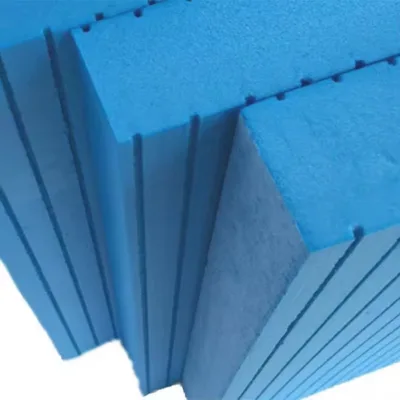
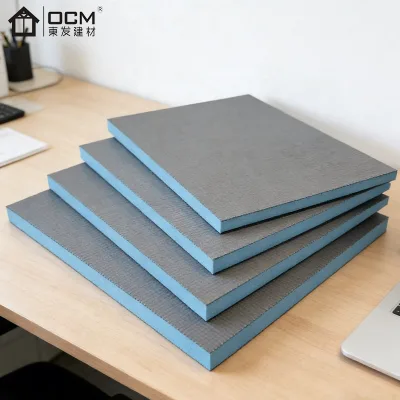
Supplier reliability is also gauged by their packaging standards. Options include wooden pallets, plastic film bags, cartons, bags, trays, and full container load packing. The choice of packaging affects the board's condition upon arrival; for example, wooden pallets offer superior protection for heavy loads, while plastic film bags are suitable for smaller, lighter shipments. Buyers should request evidence of the supplier's production capacity and their track record in delivering customized orders. The availability of a "Modern" style and specific color options, such as pink or blue, may also be relevant for aesthetic or identification purposes in large-scale projects.
Quality Control and Long-Term Procurement Considerations
Ensuring long-term performance requires rigorous quality control measures during the procurement process. Buyers must verify the closed-cell rate and compressive strength through independent testing or supplier-provided test reports. The "Light Weight" and "High-Strength" core advantages should be validated against the specific product model's data sheet. For projects requiring long-term durability, the UV protection feature is essential if the boards are exposed to sunlight before being covered.
Long-term procurement strategies should focus on establishing a relationship with suppliers who offer consistent customization and reliable lead times. The ability to customize the product standard and dimensions is a key differentiator, allowing buyers to optimize the insulation layer for specific thermal and structural requirements. However, customization introduces variability, making it crucial to implement strict incoming quality checks. Buyers should also consider the environmental friendliness of the material, as many XPS boards are marketed as such, but this claim must be supported by the supplier's manufacturing practices.
Comparative Analysis of Product Attributes
To facilitate decision-making, the following table summarizes key attributes observed in the market for waterproof XPS heating floor boards. This comparison highlights the variance in specifications that buyers must navigate.
| Attribute | Standard Configuration | High-Performance Configuration | Custom/Variable |
|---|---|---|---|
| Material | XPS | XPS | XPS |
| Combustion Performance | Lv.B2 | Lv.B1 | Lv.B1 / Lv.B2 |
| Compressive Strength | 30 kPa | 150-500 kPa (Typ: 220-500) | Customizable |
| Thermal Conductivity | 0.035 W/(M·K) | 0.028 W/(M·K) | Variable |
| Standard Size | 1200mm x 2440mm | 1200mm x 2440mm | Customizable |
| Thickness Range | 10-30mm | 10-150mm | 10-50mm / 10-150mm |
| Packing | Plastic Film Bag | Wooden Pallet | Carton/Bag/Tray |
| Origin | Shandong, China | Shenzhen, China | Hunan, Hangzhou |
| Key Features | Fireproof, Soundproof | UV Protected, High-Strength | Environmentally Friendly |
This table underscores the importance of specifying exact requirements before soliciting quotes. A board with a 30 kPa rating is fundamentally different from one rated at 500 kPa, despite both being XPS. Similarly, the difference between Lv.B1 and Lv.B2 fire ratings can determine compliance with local building codes.
Final Procurement Recommendations
In conclusion, sourcing waterproof XPS heating floor boards requires a meticulous review of technical data, fire ratings, and supplier capabilities. Buyers should prioritize products with a closed-cell rate exceeding 99% and a compressive strength appropriate for the intended load. Verifying the combustion performance level against local regulations is essential to avoid compliance issues. While the market offers a wide range of prices and MOQs, the total cost of ownership should be the primary decision metric, considering factors like thermal efficiency, durability, and installation ease. By focusing on these evidence-based criteria, procurement teams can secure high-quality insulation solutions that ensure the longevity and efficiency of underfloor heating systems.
FAQs
What fire ratings are available for Waterproof XPS Heating Floor Board?
Available fire ratings include Lv.B1 and Lv.B2 depending on the specific product model. Lv.B1 indicates flame retardant properties suitable for stricter safety codes, while Lv.B2 meets basic fire safety requirements. Buyers must verify the specific rating against local building regulations before purchase.
How does compressive strength vary for Waterproof XPS Heating Floor Board?
Compressive strength ranges from 30 kPa for light residential use up to 500 kPa for commercial applications. Typical high-performance boards fall between 220 kPa and 500 kPa to support structural loads. Selecting the correct strength ensures the board prevents deformation under static and dynamic loads.
Which dimensions are standard for Waterproof XPS Heating Floor Board sheets?
Standard sheet sizes include 1200mm x 2440mm and 600mm x 1220mm with thicknesses from 10mm to 150mm. Custom dimensions are also available to meet specific project requirements. These sizes facilitate easy installation and cutting for complex floor plans in various insulation systems.
Can I customize the specifications of Waterproof XPS Heating Floor Board?
Yes, customization is available for dimensions, thickness, and specific product standards. Suppliers offer flexible production runs to match unique thermal and structural needs. This allows buyers to optimize the insulation layer while maintaining the material's closed-cell structure and waterproof properties.
What is the typical thermal conductivity for Waterproof XPS Heating Floor Board?
Thermal conductivity typically ranges from 0.028 W/(M·K) to 0.035 W/(M·K). Lower values indicate superior insulation performance for directing heat upward in underfloor systems. Buyers should verify the specific rating to ensure the required thickness meets energy efficiency standards.
How is Waterproof XPS Heating Floor Board packed for shipping?
Packing options include wooden pallets, plastic film bags, cartons, and full container load configurations. The choice of packaging affects protection during transit and logistics costs. Wooden pallets offer superior protection for heavy loads, while plastic film bags suit smaller shipments.