Source Waterproof Zinc Alloy Zipper Slider for Bags Garments Shoes
Compare 30 Waterproof Zinc Alloy Zipper Slider options from verified manufacturers in Dongguan. These metal pullers feature reversible or one-way sliders, custom logos, and are suitable for home textiles, bags, and garments.
Key considerations
Products List


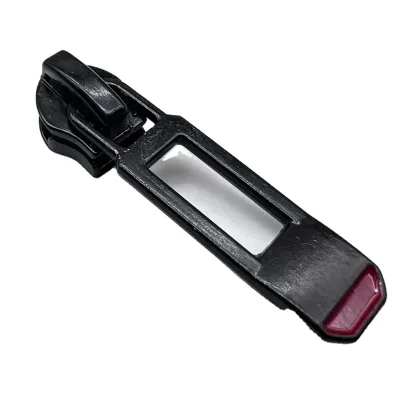


Colorful #4 Non Lock Plastic Zipper Slider with Long Pull for Nylon Zipper
$0.02 - $0.06
MOQ: 10000 Pieces


Removable Zipper Zinc Alloy Slider Universal Zipper Puller for Clothing
$0.02 - $0.10
MOQ: 1000 Pieces

Comprehensive Sourcing Guide
Waterproof Zinc Alloy Zipper Slider Sourcing Guide
Selecting the right zipper slider is a critical decision for manufacturers of bags, garments, and footwear, as the slider dictates both the functional integrity and the aesthetic finish of the final product. Zinc alloy sliders are particularly favored in the B2B market for their durability, weight, and ability to hold intricate designs, making them suitable for high-end fashion and rugged outdoor gear. However, the term "waterproof" in this context often refers to the corrosion resistance of the metal finish rather than a hermetic seal, requiring buyers to carefully distinguish between material properties and surface treatments. This guide provides evidence-based procurement advice for sourcing these components, focusing on verified specifications, compliance requirements, and supplier evaluation criteria to ensure a successful supply chain partnership.
Product Scope and Observed Listing Signals
The market for zinc alloy zipper sliders encompasses a wide range of styles, including reversible, one-way auto-lock, two-way, and non-lock variants, each serving distinct functional needs in textile assembly. Observed listings indicate that these components are available in various sizes, such as 5# and 9#, with dimensions like 2.1*0.4" for standard models, and can be customized to specific requirements. The material composition is consistently identified as zinc alloy or metal, with surface treatments including polishing, sandblasting, and plating in colors like gunmetal, gold, silver, nickel, and bronze to match diverse design palettes. Buyers should note that while the core material is metal, the specific alloy composition and plating thickness are critical factors that influence both the cost and the longevity of the slider in wet or abrasive environments.
Listing signals also reveal that suppliers often highlight features such as rustlessness, non-fading finishes, and washability, which are essential for products exposed to harsh conditions. The customization options are extensive, allowing for embossed logos and tailored sizes, which is particularly valuable for brands seeking unique identity elements on their products. However, the presence of terms like "waterproof" should be interpreted with caution; while the zinc alloy itself is robust, the effectiveness of water resistance depends heavily on the quality of the plating and the sealing of the slider mechanism. Procurement teams must verify these claims through sample testing rather than relying solely on marketing descriptions, ensuring that the sliders meet the specific environmental demands of the end-use application.
Technical Specifications to Verify
When evaluating technical specifications, buyers must prioritize the slider type and locking mechanism, as these determine the operational behavior of the zipper. Common configurations include closed-end sliders for bags and shoes, where the slider must securely engage with the tape ends, and open-end or continuous sliders for garments. The auto-lock feature is a critical differentiator, with one-way and two-way options providing varying levels of security and ease of use. For applications requiring high durability, such as outdoor gear, a two-way auto-lock slider may be preferred, whereas a non-lock slider might be suitable for decorative or low-stress applications. Verifying the exact model number, such as Jh2282B or JH-0711-9, helps in cross-referencing with supplier catalogs and ensuring consistency in future orders.
Surface treatment and material finish are equally important for maintaining the aesthetic and functional integrity of the zipper slider over time. Processes like die casting, stamping, and engraving contribute to the structural strength and visual appeal of the component, while plating provides a barrier against corrosion. Buyers should request detailed information on the plating type and thickness, as well as the results of any relevant corrosion resistance tests. The availability of nickel-free options is a significant technical consideration, particularly for products destined for markets with strict regulations on heavy metals. Ensuring that the surface treatment is uniform and free from defects such as pitting or uneven coloring is essential for maintaining brand reputation and product quality.
Compliance and Safety Documentation
Compliance with international standards is a non-negotiable aspect of sourcing zipper sliders, particularly when they are used in products for children or in regions with stringent environmental regulations. Suppliers often cite certifications such as SGS, ISO9001:2008, and RoHS, which indicate adherence to quality management systems and restrictions on hazardous substances. Buyers must verify the current validity of these certifications and ensure that they cover the specific products being ordered, as standards can evolve over time. The presence of SGS testing for nickel, lead, and cadmium freedom is a strong indicator of compliance with safety regulations, but buyers should request recent test reports to confirm that the current production batch meets these requirements.
In addition to chemical compliance, buyers should consider the broader implications of material safety and environmental impact. The use of zinc alloy and various plating processes can have environmental consequences if not managed properly, making it important to select suppliers who demonstrate responsible manufacturing practices. Documentation should include clear statements on the absence of harmful substances and adherence to relevant industry standards. Buyers may also need to provide specific compliance documentation to their own customers or regulatory bodies, so it is essential to establish a clear chain of custody and documentation from the supplier. This proactive approach to compliance helps mitigate risks and ensures that the final products can be sold in global markets without legal or reputational issues.
Cost Drivers and Commercial Terms
The cost of zinc alloy zipper sliders is influenced by several factors, including the raw material price of zinc, the complexity of the manufacturing process, and the extent of customization required. Die casting and plating are energy-intensive processes that contribute to the overall cost, while custom logos and unique designs add to the tooling and setup expenses. Buyers should be aware that lower prices may indicate thinner plating or lower-quality materials, which can compromise the durability and appearance of the slider. It is advisable to request detailed quotations that break down the costs associated with material, labor, and finishing, allowing for a more accurate comparison between suppliers.
Commercial terms such as MOQ (Minimum Order Quantity) and lead times are also significant considerations in the procurement process. Observed MOQs can range widely, from small batches for sampling to large volumes for mass production, and buyers should align their order quantities with their production schedules and inventory management strategies. Lead times can vary depending on the complexity of the order and the supplier's current workload, so it is important to establish clear expectations and communication channels early in the sourcing process. Additionally, buyers should negotiate favorable payment terms and shipping arrangements to minimize financial risk and ensure timely delivery of the components.
Supplier Qualification and Quality Control
Supplier qualification is a critical step in ensuring the reliability and consistency of the zipper slider supply chain. Buyers should conduct thorough due diligence on potential suppliers, including site visits to assess manufacturing capabilities, quality control processes, and working conditions. Suppliers that welcome factory visits and provide transparent information about their operations are often more reliable partners. It is also important to verify the supplier's experience in producing the specific types of sliders required, as well as their ability to handle custom orders and meet tight deadlines. Building a relationship with a qualified supplier can lead to better pricing, improved service, and greater flexibility in addressing future needs.
Quality control measures should be implemented at every stage of the production process, from raw material inspection to final packaging. Buyers should establish clear quality standards and inspection criteria, and consider hiring third-party inspection services to verify that the products meet these standards before shipment. Regular audits and performance reviews can help identify areas for improvement and ensure that the supplier maintains consistent quality over time. Effective communication and collaboration with the supplier are essential for resolving any issues that may arise and for fostering a long-term partnership based on mutual trust and shared goals.
Long-Term Procurement Checks
Long-term procurement success depends on continuous monitoring and evaluation of supplier performance and product quality. Buyers should establish key performance indicators (KPIs) to track metrics such as on-time delivery, defect rates, and responsiveness to issues. Regular feedback sessions with the supplier can help identify areas for improvement and strengthen the partnership. It is also important to stay informed about changes in industry standards, regulations, and market trends that may impact the sourcing of zipper sliders. By proactively addressing these factors, buyers can ensure that their supply chain remains resilient and competitive in the long run.
Finally, buyers should consider diversifying their supplier base to mitigate risks associated with single-source dependencies. Maintaining relationships with multiple qualified suppliers can provide flexibility in case of disruptions or changes in demand. It is also important to invest in building internal capabilities for quality control and supplier management, ensuring that the procurement team is equipped to handle the complexities of sourcing high-quality zipper sliders. By adopting a strategic and disciplined approach to procurement, buyers can secure a reliable supply of components that meet their quality, compliance, and cost requirements.
FAQs
What customization options are available for the zipper puller?
Customization is available for the logo, which can be embossed. The product also supports customized sizes and various colors including gun, gold, silver, nickel, and bronze. Buyers can request specific styles like EU and US designs to match their needs.
Which certifications does the metal zipper puller hold?
The product meets SGS, ISO9001: 2008, and RoHS standards. Testing confirms it is free from nickel, lead, and cadmium. These certifications ensure the metal zipper puller complies with international safety and quality requirements for textile and garment applications.
How is the zipper puller packaged for shipment?
Items are packed individually in polybags and then placed in cartons. Some variations use individual packing or standard packages. This method ensures the metal zipper pullers remain protected during transit to destinations worldwide from the Dongguan factory.
Can the slider type be selected as reversible or one way?
Yes, the slider type is available as reversible or one way. Some models feature a non-lock slider while others offer auto-lock functionality. This flexibility allows buyers to choose the specific mechanism required for their bags, garments, or shoes.
What is the minimum order quantity for these metal pullers?
The minimum order quantity is 500 pieces, though observed ranges extend up to one million. Buyers should confirm specific MOQs based on the selected model and customization level. Factory visits are welcome for those interested in larger capacity orders.
Which materials are used to manufacture the zipper puller?
The product is made from zinc alloy and other metals. It features a rustless, non-fade, and washable design. The material ensures durability for use in home textiles, bags, garments, and shoes while maintaining a polished or plated surface finish.
What delivery methods are supported for these zipper components?
Delivery is handled via DHL to ensure timely shipment. The product originates from Dongguan, Guangdong, China. Buyers can expect efficient logistics for their orders of metal zipper pullers, with lead times varying based on order volume and customization requirements.