Source Wear-Resistant EPDM Engine Fan Belt for Cars, Trucks, Machinery
Find 30 verified options for Wear-Resistant EPDM Engine Fan Belt suitable for cars, trucks, and agricultural machinery. Compare specifications, materials, and delivery times from multiple suppliers to ensure reliable performance for your equipment needs; compare the available evidence and request quotations based on your requirements.
Key considerations
Products List


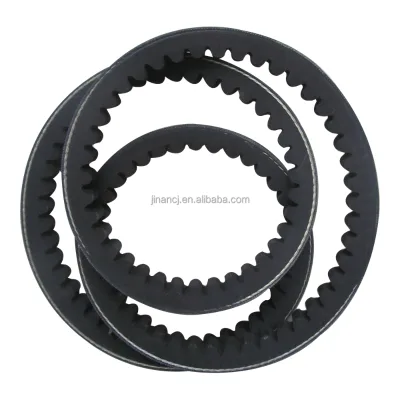
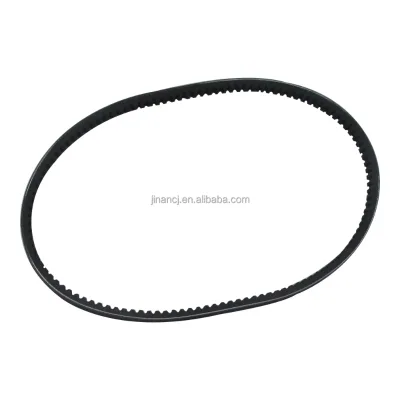


Customized New Design Heat Resistance Poly V Ribbed Pk Car Fan Drive Belt
$0.99 - $1.60
MOQ: 10 Pieces


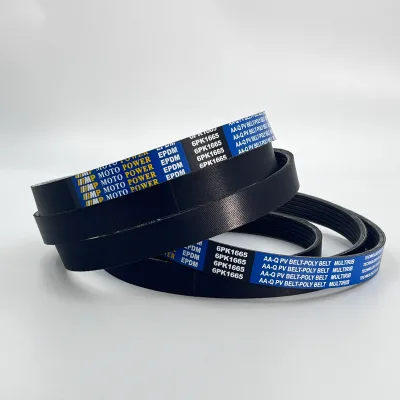


Comprehensive Sourcing Guide
Wear-Resistant EPDM Engine Fan Belt Sourcing Guide
Procurement professionals must first distinguish between general conveyor belts and specific engine fan belts when searching for wear-resistant EPDM solutions. The observed market data reveals a mix of products labeled as timing belts, serpentine belts, and fan belts, often originating from Jiangsu and Shandong provinces in China. Buyers should verify that the specific listing explicitly mentions EPDM or HNBR rubber compounds, as many entries list generic rubber or metal materials that do not meet the thermal demands of engine cooling systems.
The observed product attributes highlight critical performance features such as high temperature resistance, heat resistance, and wear resistance, which are essential for maintaining belt integrity under engine stress. While some listings mention applications for agricultural machinery and mining equipment, the core requirement for an engine fan belt is compatibility with automotive and heavy-duty truck engines. Sourcing teams must carefully cross-reference the listed model numbers, such as PK, PJ, or DPK series, against the specific engine requirements to ensure the selected component is designed for rotational drive rather than linear conveyor transport.
Product Scope and Observed Listing Signals
Buyers should scrutinize the product names and model specifications to confirm the item is an engine fan belt rather than a generic timing or conveyor belt. The data shows listings for "Cogged Raw Edge Rubber Belts" and "PK BELT" alongside "Fan Belt" and "Serpentine Belt," indicating a need to verify the exact geometry and tooth profile required for the specific engine application. Misidentifying a conveyor belt as an engine belt can lead to catastrophic failure, so the product description must explicitly state compatibility with engine pulleys and cooling fans.
Commercial signals such as the observed price range of 0.01 to 52 USD and MOQs between 1 and 100 units suggest a highly fragmented market with varying quality tiers. While some listings offer customization and standard specifications, others provide fixed models like "Yunnei" or "Howo" truck parts, which implies a need to match the belt to the specific vehicle or machinery brand. Procurement teams must look for clear indications of the belt's intended use, such as "for replace/repair" or "Engine parts," to avoid purchasing items intended for industrial packaging or electrical insulation.
Technical Specifications to Verify
Technical verification begins with confirming the material composition, specifically ensuring the belt utilizes EPDM or HNBR rubber rather than generic rubber or metal. The observed data lists materials ranging from Cr/HNBR Rubber to Metal, and only the rubber compounds offer the necessary flexibility and heat resistance for engine environments. Buyers must request material certificates or detailed specifications to confirm the presence of EPDM, which provides superior resistance to ozone, heat, and aging compared to standard rubber compounds found in other industrial belts.
Dimensional accuracy and model compatibility are equally critical, as the observed listings include specific part numbers like AV17X1194Li, 6PK2400, and 7PK2187. These codes represent precise measurements and tooth counts that must match the engine's pulley system exactly to prevent slippage or premature wear. Procurement teams should verify the single package size and gross weight against the physical requirements of the installation, ensuring the belt fits within the engine bay and meets the tensioning requirements of the specific vehicle or machinery model.
Compliance and Safety Documentation
Safety documentation for engine fan belts focuses on material safety and performance reliability rather than general industrial certifications. While the observed data mentions low-confidence background standards like ISO 9001, REACH, and ROHS, buyers should not assume these apply without explicit verification from the supplier. Instead, the primary safety requirement is the confirmation that the rubber compound meets the thermal and chemical resistance standards necessary for high-temperature engine environments without degrading or releasing harmful fumes.
Buyers must ensure that the product documentation includes clear statements regarding the belt's condition, such as "New" or "100% Original eligible spare part," to guarantee safety and performance. The absence of specific test results in the provided data means that procurement teams must request proof of tensile strength and wear resistance directly from the manufacturer. Verifying that the belt is designed for the specific application, such as "Car" or "Truck Model Howo," ensures that the component meets the safety expectations for high-speed rotational machinery.
Cost Drivers and Commercial Terms
Cost drivers for wear-resistant EPDM engine fan belts are heavily influenced by the specific material grade and the complexity of the mold used for the tooth profile. The observed price range of 0.01 to 52 USD reflects significant variation based on whether the product is a generic standard belt or a specialized OEM replacement for brands like Sinotruk or Howo. Buyers should expect higher costs for belts with confirmed HNBR or EPDM compounds and those that include precise model numbers matching specific engine requirements.
Commercial terms such as the observed delivery time of 10-15 days and payment methods like T/T are standard but require careful negotiation to align with production schedules. The supply ability of 500 units per month indicates that bulk orders may require advance planning to ensure consistent availability. Procurement teams should clarify whether the quoted price includes packaging, such as the observed "Carton" packing, and confirm if customization fees apply for non-standard specifications to avoid unexpected cost overruns.
Supplier Qualification and Quality Control
Supplier qualification should prioritize manufacturers with a proven track record in producing automotive and heavy-duty engine components, as evidenced by the observed origins in Jiangsu and Shandong. These regions are known for their industrial manufacturing capabilities, but buyers must verify that the specific supplier has the technical expertise to produce high-quality EPDM belts rather than generic rubber products. Checking the supplier's history with brands like Bencpaul or Oft can provide insight into their ability to meet the rigorous demands of engine cooling systems.
Quality control measures must include a rigorous inspection of the belt's physical attributes, such as tensile strength and wear resistance, before final acceptance. The observed data mentions "Strong Rubber Conveyor Belt" and "Strong" tensile strength, but these claims must be validated through independent testing or supplier-provided test reports. Buyers should implement a sampling protocol to verify that the delivered belts match the specified model numbers and material compositions, ensuring that the product performs reliably under the high-stress conditions of engine operation.
Long-Term Procurement Checks
Long-term procurement strategies should focus on establishing a consistent supply chain for critical engine components to prevent downtime during maintenance cycles. Given the observed lead times of 10-15 days, buyers should maintain a safety stock of essential fan belts to accommodate unexpected equipment failures or scheduled maintenance. Building a relationship with suppliers who offer customization and have a reliable supply ability of 500 units per month can help stabilize the procurement process and ensure timely delivery.
Continuous monitoring of product performance and supplier reliability is essential for maintaining the integrity of the engine cooling systems. Buyers should track the wear rates and failure modes of the installed belts to identify any recurring quality issues that may indicate a need to switch suppliers or adjust specifications. Regular audits of the supplier's quality control processes and material certifications will help ensure that the long-term supply of wear-resistant EPDM belts remains consistent and meets the evolving demands of the fleet or machinery.
FAQs
What materials are used for wear resistant epdm engine fan belts?
These belts are primarily manufactured from Cr/HNBR rubber or metal components depending on the specific application. The rubber variants offer strong tensile strength and are designed for heavy-duty use. Metal versions are often used for specific truck models like Howo. Both materials ensure durability and resistance to harsh operating conditions in automotive and industrial settings.
Can wear resistant epdm engine fan belts be customized?
Yes, customization is available for these belts to meet specific machinery requirements. Buyers can request standard specifications or customized specificatio ns to fit unique engine layouts. This flexibility allows for precise fitting in various applications, including cars, agricultural machinery, and mining equipment, ensuring optimal performance and compatibility with existing systems.
What is the typical lead time for ordering these belts?
The standard delivery time for these belts is typically 10-15 days. Some suppliers offer prompt delivery options to expedite urgent orders. This timeframe allows for efficient production and shipping, ensuring that buyers receive their parts in a timely manner. It is advisable to confirm specific lead times with the supplier based on order volume and customization needs.
Which applications are suitable for wear resistant epdm engine fan belts?
These belts are suitable for a wide range of applications, including cars, motorcycles, agricultural machinery, and mining equipment. They are also used in conveyor equipment and general machine conveying systems. The high temperature resistance and wear-resistant properties make them ideal for demanding environments where reliability and longevity are critical for continuous operation.
What specifications are available for these engine fan belts?
Available specifications include models like PK, PJ, DPK, and Serpentine belts. Specific part numbers such as 6PK2400, 7PK2187, and 8PK2256 are commonly listed. Sizes can be standard or customized to fit various engine types. Buyers should verify the exact model number against their equipment requirements to ensure proper fit and performance in their specific machinery.
How are these belts packaged for shipping?
These belts are typically packaged in cartons to ensure safe transport. The single package size is often around 25x25x30 cm, with a gross weight of approximately 1.000 kg. This packaging method protects the belts from damage during transit and facilitates easy handling and storage upon arrival at the buyer's facility.