Source Wear Resistant HDPE Rod for Gears, Bushings, and Liners
Compare 30 verified listings for Wear Resistant HDPE Rod with varying tensile strength, diameter, and material purity. Buyers can evaluate options from natural white to black colors, with diameters ranging from 0.3mm to 350mm and custom lengths available; compare the available evidence and request quotations based on your requirements.
Key considerations
Products List





Comprehensive Sourcing Guide
Wear Resistant HDPE Rod Sourcing Guide
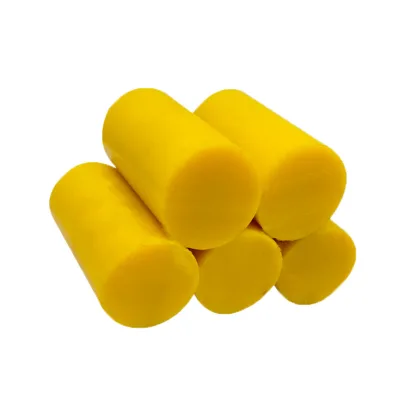
Buyers evaluating wear resistant HDPE rods must first distinguish between general polyethylene offerings and those specifically engineered for high-load abrasion resistance. The observed market data indicates a material base of PE, with specific listings identifying HDPE as a primary kind, alongside variations like color plastic and hard plastic sheets. This distinction is critical because not all polyethylene rods possess the same mechanical resilience; the sourcing strategy must prioritize suppliers who explicitly define their product as HDPE to ensure the necessary density and molecular structure for wear applications.
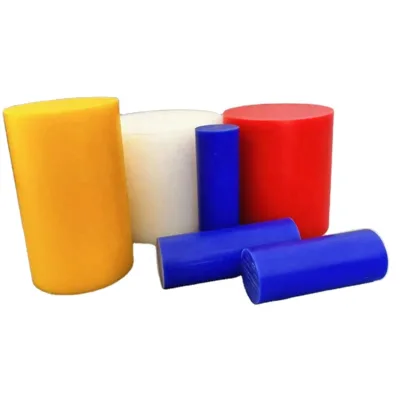
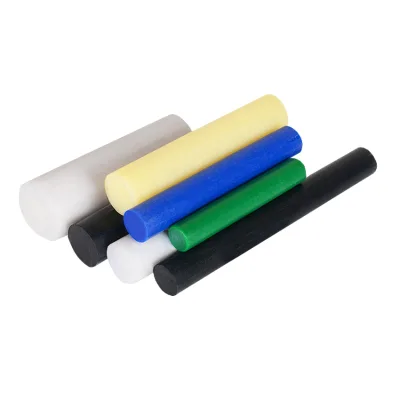
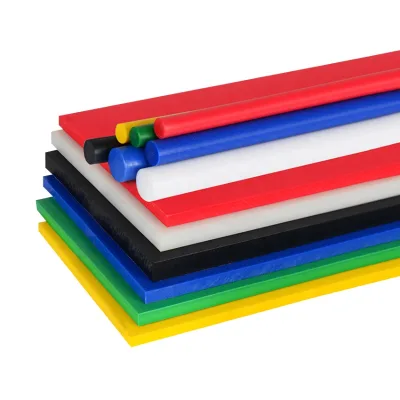
Procurement teams should also scrutinize the physical form factors available, as the supply chain offers diverse geometries ranging from round rods with diameters between 6mm and 350mm to custom-sized bars. The presence of specific model numbers like QK-004 and EG-Nylon Part suggests a fragmented market where generic descriptions may mask significant performance differences. A successful sourcing strategy requires matching the specific application's dimensional needs against the observed stock lengths and custom manufacturing capabilities, ensuring the selected rod fits the mechanical constraints of the intended assembly without requiring excessive secondary machining.
Product Scope and Observed Listing Signals
The product scope for wear resistant HDPE rods encompasses a wide range of diameters, typically spanning from 0.3mm up to 350mm, with thicknesses for sheet variants reaching up to 130mm. Buyers will encounter listings that specify common types such as PE300, PE500, and PE1000, which often correlate with density and impact resistance profiles. It is essential to verify that the specific model number, such as ZY001 or pe001, aligns with the required mechanical properties, as the market data shows significant variation in tensile strength and contraction percentages across different product lines.
Listing signals also reveal a strong emphasis on customization, with many suppliers offering tailored diameters, lengths, and surface treatments like glossy, matte, or embossed finishes. The observed MOQs vary widely from single units to 1000 pieces, with a notable cluster around 100 pieces, indicating flexibility for both prototyping and bulk production. Buyers must carefully review the packing specifications, which range from standard cartons to wooden pallets or cabinets, as these logistics details directly impact the cost and safety of the delivered goods, especially for large-diameter rods that require specialized handling.
Technical Specifications to Verify
When verifying technical specifications, the tensile strength of the material is a primary indicator of durability, with observed ranges spanning from 30 to 80 MPa depending on the specific grade. A rod intended for heavy-duty wear applications should ideally fall within the higher end of this spectrum, specifically the 51 to 80 MPa range, while lower strength variants around 30 to 40 MPa may be suitable for lighter loads. Buyers must request specific test data for the exact model they intend to purchase, as the market data shows that generic "PE" labels do not guarantee a consistent mechanical performance across different batches or manufacturers.
Dimensional stability and water absorption are equally critical parameters that define the long-term reliability of the rod in varying environmental conditions. The observed water absorption rates vary significantly, from as low as 0.2% to over 3.5%, with some high-performance grades claiming absorption below 0.01%. Similarly, contraction percentages range from less than 0.4% to over 2.5%, which directly affects the precision of machined parts. Procurement teams must ensure the selected rod meets the tightest tolerance requirements for their specific application, as high water absorption or excessive contraction can lead to dimensional drift and premature failure in service.
Compliance and Safety Documentation
Compliance documentation for HDPE rods often includes material safety data sheets and declarations of conformity, though specific certification status varies by supplier. The observed market data lists RoHS compliance for certain product models, indicating that these items meet restrictions on hazardous substances, which is vital for electronics and consumer-facing applications. However, buyers should not assume all listed products carry this certification; it is necessary to explicitly request proof of compliance for the specific batch or model number to ensure adherence to regional safety regulations and environmental standards.
Safety considerations also extend to the physical handling and processing of the material, particularly regarding surface treatments and potential dust generation during machining. While the data mentions surface treatments like smooth, glossy, or textured finishes, it does not provide specific fire ratings or flammability classifications. Buyers should verify if the supplier can provide additional safety data regarding the material's behavior under heat or friction, as wear-resistant applications often involve significant mechanical stress that could generate heat. Ensuring the supplier can document these safety aspects is crucial for maintaining a safe working environment and meeting industry-specific safety mandates.
Cost Drivers and Commercial Terms
Cost drivers for wear resistant HDPE rods are heavily influenced by the purity of the raw material and the complexity of the manufacturing process. The market data highlights "100% Pure Raw Material" as a key attribute, suggesting that virgin resin commands a premium over recycled content, which directly impacts the final price per unit. Additionally, the range of observed prices from $0.10 to $11.00 reflects the vast differences in diameter, length, and customization levels. Buyers must understand that larger diameters and custom surface treatments will significantly increase the unit cost compared to standard stock sizes.
Commercial terms regarding Minimum Order Quantity (MOQ) and lead times are equally variable, with observed MOQs ranging from 1 piece to 1000 pieces. While some suppliers offer low MOQs for prototyping, bulk orders often require adherence to higher thresholds to secure favorable pricing. The origin of the product, primarily listed as China and China Hebei, suggests that shipping costs and import duties will be significant factors in the total landed cost. Buyers should negotiate clear terms regarding payment schedules and delivery timelines, as the variability in stock lengths and custom production times can lead to delays if not explicitly defined in the purchase agreement.
Supplier Qualification and Quality Control
Supplier qualification should focus on the ability to consistently deliver materials that meet the specified mechanical and dimensional tolerances. The observed data indicates a mix of standardized models and highly customized offerings, requiring suppliers to demonstrate robust quality control processes for both mass production and bespoke orders. Buyers should verify the supplier's capacity to maintain consistent density, which is observed in the range of 0.94 to 0.97 g/cm³, and ensure that their production lines can replicate these properties across different batches without deviation.
Quality control protocols must also address the verification of surface treatments and packing integrity, as these factors affect the usability of the rods upon arrival. The market shows a variety of packing methods, from wooden pallets to cabinets, which must be selected based on the fragility and size of the rods. Buyers should request a quality assurance plan that includes pre-shipment inspections for critical dimensions like diameter and length, as well as visual checks for surface defects. Establishing a clear communication channel for reporting non-conformities is essential to ensure that any deviations from the agreed specifications are addressed promptly before the goods are shipped.
Long-Term Procurement Checks
Long-term procurement checks should prioritize the consistency of material properties over time, as wear resistance is a function of the polymer's molecular integrity. Buyers must implement a system for periodic re-verification of tensile strength and water absorption rates, as these properties can degrade if the material is stored improperly or if the supplier changes their resin source. The observed variation in contraction percentages and water absorption suggests that a single initial test is insufficient; ongoing monitoring is necessary to ensure the rods continue to perform as expected in the field.
Additionally, suppliers should be evaluated on their ability to maintain supply continuity and adapt to changing market demands. The presence of custom models and varying stock lengths indicates that the supply chain is dynamic, and buyers must ensure their suppliers have the flexibility to adjust production schedules without compromising quality. Establishing a long-term partnership with a supplier who can provide consistent technical support and rapid response to quality issues is vital for maintaining operational efficiency. Regular audits of the supplier's production capabilities and quality records will help mitigate the risks associated with supply chain disruptions and ensure a steady flow of high-performance HDPE rods.
FAQs
What is the tensile strength of HDPE rods?
The tensile strength of these HDPE rods ranges from 30 to 80 MPa depending on the specific grade. High-density polyethylene offers robust mechanical performance for industrial applications. This variation allows engineers to select the appropriate material strength for load-bearing requirements in machinery and structural components.
Can I customize the diameter of HDPE rods?
Yes, customization is available for HDPE rod diameters. The standard range spans from 0.3mm to 350mm, accommodating diverse industrial needs. Buyers can request specific dimensions to fit precise machinery parts or structural designs, ensuring optimal fit and performance for specialized engineering projects.
What is the water absorption rate of HDPE?
Water absorption varies by grade, typically ranging from less than 0.01% to 3.5%. Low-absorption grades are ideal for wet environments, while standard grades offer balanced properties. This characteristic ensures dimensional stability and durability, making HDPE suitable for chemical processing and outdoor infrastructure applications.
What certifications apply to these HDPE rods?
Some HDPE rod products comply with RoHS standards, ensuring they are free from hazardous substances. This certification is crucial for electronics and environmental applications. Buyers should verify specific product models for compliance details, as standards may vary across different manufacturers and product lines.
What is the minimum order quantity for HDPE rods?
The minimum order quantity is typically 100 pieces, though it can range up to 1000 units. This flexibility supports both small prototype runs and larger production batches. Buyers can negotiate MOQs based on their specific volume requirements and the supplier's production capabilities.
Where are these HDPE rods manufactured?
These HDPE rods are manufactured in China, with some production originating from Hebei province. This location offers access to established supply chains and manufacturing infrastructure. Buyers can leverage this geographic advantage for cost-effective sourcing and reliable delivery schedules for their industrial components.