Source Weather Resistant Infinity Swimming Pool for Gardens, Gyms, and Playgrounds
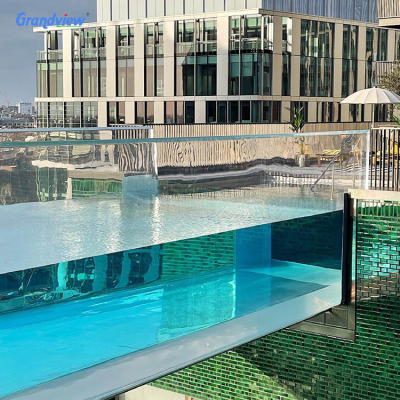
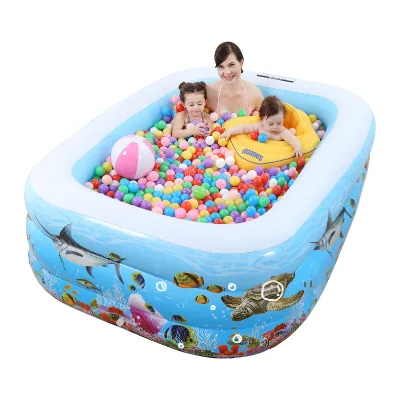
Find and compare 30 Weather Resistant Infinity Swimming Pool options tailored for outdoor gardens, commercial gyms, and public playgrounds. These customizable units feature UV-resistant and wind-proof designs, available in various sizes from medium to big, with capacities for 6 to over 10 people.
Key considerations
Products List




Comprehensive Sourcing Guide
Weather Resistant Infinity Swimming Pool Sourcing Guide
Procuring a weather-resistant infinity swimming pool requires a strategic approach that balances aesthetic ambition with rigorous engineering verification. The term "infinity" typically refers to a vanishing edge design where water flows over a weir into a catchment basin, creating a visual continuity with the horizon. When combined with "weather-resistant" attributes, the focus shifts to materials and construction methods capable of withstanding UV exposure, temperature fluctuations, and wind loads without degrading. Buyers must recognize that this is not a single standardized product but a category encompassing various configurations, from above-ground acrylic units to custom-framed rectangular pools. The sourcing process demands careful attention to how the "infinity" mechanism is integrated into the structural integrity of the pool, ensuring that the aesthetic feature does not compromise the durability required for long-term outdoor or indoor use.
The market landscape for these pools is diverse, with suppliers offering solutions ranging from portable, lightweight units to heavy-duty, permanent installations. Observed listings indicate a wide variance in specifications, including different pool shapes, sizes, and application contexts such as playgrounds, gardens, gyms, and bathrooms. This diversity means that a buyer cannot rely on a single specification sheet; instead, they must define their specific operational environment to filter suitable options. For instance, a pool intended for a commercial gym may require different corrosion resistance and load-bearing capacities compared to a residential garden installation. Understanding these distinctions is critical for evaluating supplier claims and ensuring that the selected unit aligns with the intended usage frequency and environmental conditions.
Product Scope and Observed Listing Signals
The observed product listings reveal a broad spectrum of pool types, including game pools, acrylic swimming pools, and above-ground or inground configurations. Key attributes frequently cited include UV resistance, wind-proofing, and crack resistance, which are essential for weather-resistant performance. These features suggest that the materials used, such as FRP (Fiberglass Reinforced Plastic) or acrylic, are selected for their ability to maintain structural integrity under environmental stress. Buyers should note that while "UV-resistant" is a common claim, the specific formulation and thickness of the material can vary significantly between suppliers. It is important to verify whether the UV protection is a surface coating or a bulk material property, as this affects the longevity of the color and structural strength over time.
Listing signals also highlight variations in capacity and physical dimensions, with seating capacities ranging from six to over ten people and sizes classified as medium or big. The single gross weights observed range from approximately 46 kg to 600 kg, indicating a wide disparity in material density and construction robustness. For example, a lighter unit might be a portable or above-ground model, while a heavier unit could be a permanent, custom-framed installation. The packaging dimensions also vary, with some units packed in large wooden cases suitable for seaworthy shipping. Buyers must correlate these physical attributes with their site constraints, such as floor load capacity, access routes, and available space, to ensure that the selected pool can be delivered and installed without logistical complications.
Technical Specifications to Verify
When evaluating technical specifications, the pool shape and type are primary considerations. Observed data includes square game pools and rectangular acrylic models, each with distinct hydraulic and structural implications. The "infinity" feature requires a specific weir design and a catchment basin, which must be integrated into the pool's overall geometry. Buyers should verify how the water circulation system is designed to handle the overflow, ensuring that pumps and filters are adequately sized to maintain water clarity and level. Additionally, the control method, often listed as computer-controlled, suggests automated management of water flow and temperature, which adds complexity to the installation and maintenance requirements. It is crucial to confirm the compatibility of these control systems with existing facility infrastructure.
Material composition and structural features are equally critical for weather resistance. The presence of FRP standards and acrylic materials indicates a focus on durability and chemical resistance. Buyers should request detailed material datasheets to verify the resin content, fiber orientation, and gel coat thickness, which directly impact UV stability and crack resistance. The observed features of corrosion resistance and wind-proofing suggest that the pool frame and edges are designed to withstand external forces. However, the specific engineering behind these claims, such as the type of fasteners used or the reinforcement layers, should be scrutinized. For custom applications, the ability to tailor the pool to specific dimensions and shapes is a valuable feature, but it requires precise communication of requirements to avoid misalignment between design and delivery.
Compliance and Safety Documentation
Safety and compliance are paramount when sourcing infinity pools, particularly for commercial applications in gyms, playgrounds, or public gardens. Buyers must ensure that the supplier provides documentation confirming adherence to relevant local and international safety standards for swimming pools. This includes structural safety, electrical safety for pumps and controls, and water quality management. While specific certification names may not be listed in general observations, buyers should actively request proof of compliance with standards such as EN 16582 for swimming pools or local building codes. The absence of clear compliance documentation is a red flag, as it may indicate that the pool has not undergone rigorous testing for load-bearing capacity or material safety.
Water safety features, such as anti-slip surfaces and proper drainage systems, are essential for preventing accidents. The observed applications in bathrooms and playgrounds suggest that the pools may be used in environments where slip hazards are a concern. Buyers should verify that the pool surface material meets anti-slip requirements and that the drainage system is designed to prevent water accumulation around the pool edge. Additionally, the warranty period, observed to be up to 10 years, is a significant indicator of supplier confidence in product durability. However, buyers should carefully review the terms of the warranty to understand what is covered, such as material defects versus wear and tear, and whether it includes labor costs for repairs.
Cost Drivers and Commercial Terms
The cost of a weather-resistant infinity pool is influenced by several factors, including material quality, customization level, and shipping logistics. Observed price ranges are broad, reflecting the diversity of products from simple above-ground units to complex, custom-framed installations. Buyers should be aware that lower prices may correlate with thinner materials or less robust construction, which could compromise long-term durability. Customization options, such as specific sizes, shapes, or integrated control systems, typically add to the cost. It is important to request a detailed breakdown of costs to understand how much is attributed to materials, manufacturing, and logistics, allowing for accurate budgeting and comparison between suppliers.
Shipping and packaging are significant cost drivers, especially for large or heavy pools. The observed single gross weights and packaging dimensions indicate that these products require specialized handling and freight solutions. Wooden case packaging is common for seaworthy shipping, which adds to the overall cost but ensures protection during transit. Buyers should consider the total landed cost, including freight, insurance, and customs duties, rather than just the unit price. The port of dispatch, often listed as Tianjin or Shanghai, suggests that buyers should factor in lead times and potential delays associated with international shipping. Clear commercial terms, including payment schedules and delivery responsibilities, are essential to avoid unexpected expenses.
Supplier Qualification and Quality Control
Supplier qualification is a critical step in ensuring the reliability of the sourced pool. Buyers should verify the supplier's manufacturing capabilities, including their experience with FRP and acrylic construction techniques. The observed supply ability of 20 million pieces per month suggests a large-scale operation, but buyers should assess whether this capacity is dedicated to high-quality, custom pools or mass-produced standard units. Requesting references from previous clients, particularly those with similar applications, can provide insight into the supplier's performance and after-sales support. Additionally, verifying the supplier's OEM service capabilities is important for buyers seeking custom branding or specific design modifications.
Quality control processes should be transparent and rigorous. Buyers should inquire about the testing procedures used to verify UV resistance, crack resistance, and structural integrity. Observing a factory audit or requesting third-party inspection reports can provide assurance that the products meet the specified standards. The presence of features like wind-proofing and corrosion resistance should be backed by test data or certification. Buyers should also evaluate the supplier's response to defects or issues, as this indicates their commitment to customer satisfaction. Establishing a clear quality assurance protocol, including pre-shipment inspections, is essential to mitigate the risk of receiving substandard products.
Long-Term Procurement Checks
Long-term procurement success depends on the supplier's ability to provide consistent quality and support over time. Buyers should establish a framework for periodic performance reviews, assessing the pool's condition and functionality after installation. The 10-year warranty observed in some listings is a positive indicator, but buyers should monitor the supplier's responsiveness to warranty claims and their ability to provide replacement parts. Regular maintenance requirements, such as cleaning the weir and checking the control system, should be clearly documented and understood by the facility staff. Suppliers who provide comprehensive maintenance guides and training are more likely to ensure the long-term performance of the pool.
Sustainability and environmental impact are increasingly important considerations in procurement. Buyers should inquire about the recyclability of the pool materials and the environmental practices of the supplier. FRP and acrylic materials can be challenging to recycle, so suppliers who offer take-back programs or use sustainable manufacturing processes are preferable. Additionally, the energy efficiency of the pool's control and circulation systems should be evaluated, as this impacts long-term operating costs. By focusing on these long-term factors, buyers can ensure that their investment in a weather-resistant infinity pool delivers value and performance over its entire lifecycle.
FAQs
What customization options are available for these pools?
Customization is available for these pools to meet specific project needs. Buyers can request tailored dimensions, colors, and features like UV resistance or corrosion protection to suit outdoor or indoor playgrounds, gardens, and gym applications.
How many people can these pools typically seat?
Seating capacity varies by model, ranging from 6 to over 10 people. Some units are designed for 6 people, while others accommodate 8 or more than 10, depending on the specific size and configuration selected for the installation.
Which materials are used to construct these swimming pools?
These pools are constructed using FRP and acrylic materials to ensure durability. The materials provide resistance against UV rays, corrosion, wind, and cracks, making them suitable for long-term use in various outdoor and indoor environments.
Can these pools be used in both indoor and outdoor settings?
Yes, these pools are designed for both indoor and outdoor applications. They are suitable for playgrounds, gardens, gyms, and bathrooms, offering versatility for customized swimming pool installations in diverse locations across different climates.
What is the warranty period for these swimming pools?
The warranty period for these pools is 10 years. This coverage ensures long-term reliability and protection against defects, providing buyers with confidence in the product's durability and performance for their specific swimming pool requirements.
How are these pools packaged for shipping?
Pools are packaged in wooden cases with seaworthy packing to ensure safe transport. Package dimensions vary by model, ranging from 300x200x100 cm to 468x250x160 cm, accommodating different sizes and weights for secure delivery.
What is the minimum order quantity for these products?
The minimum order quantity is 1 piece, allowing for flexible purchasing options. This low MOQ enables buyers to order single items or small batches, making it accessible for various project scales without requiring large initial commitments.