Find Weather Resistant Inflatable Arch for Events, Weddings, and Trade Shows
Source 30 listings of weather resistant inflatable arches designed for outdoor entertainment. Buyers can compare customizable sizes, materials like PVC and Oxford fabric, and included accessories such as air blowers and repair kits from verified suppliers.
Key considerations
Products List


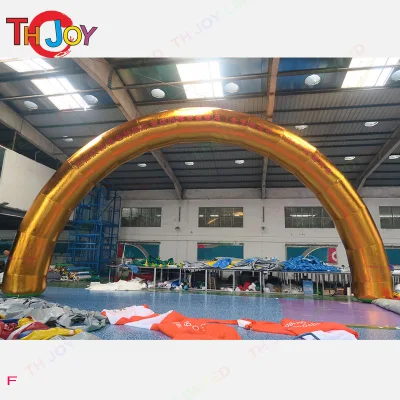
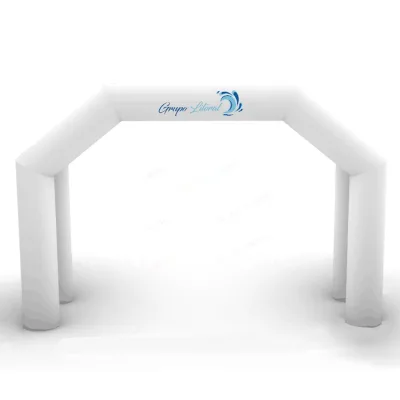
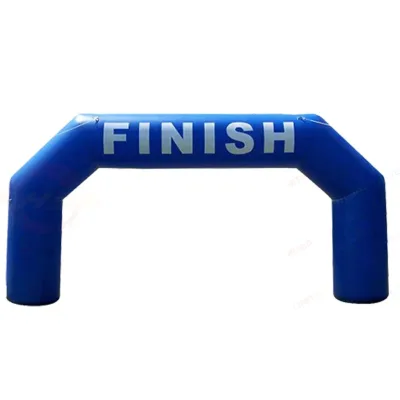
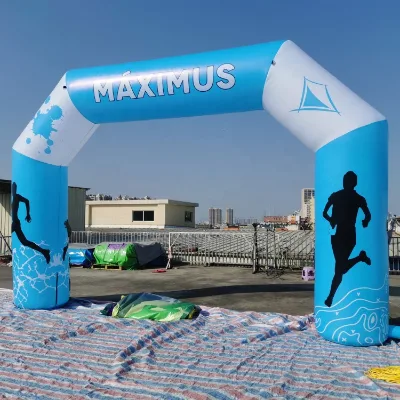


Inflatable Square Archway, Inflatable Solid Arch, Inflatable Arch for Event
$90.00 - $300.00
MOQ: 1 Pieces


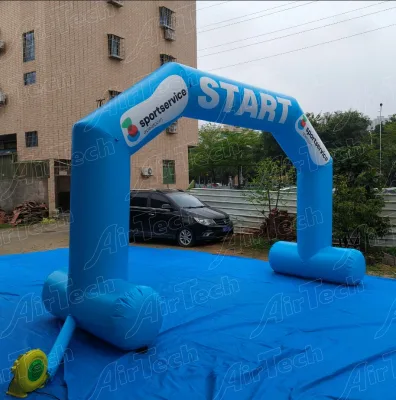
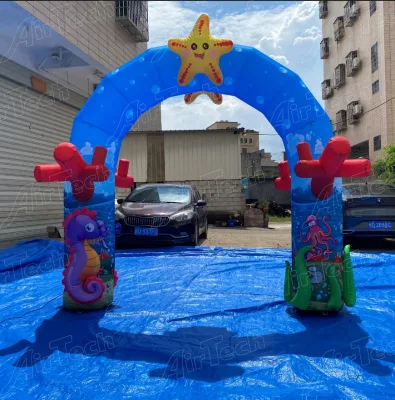
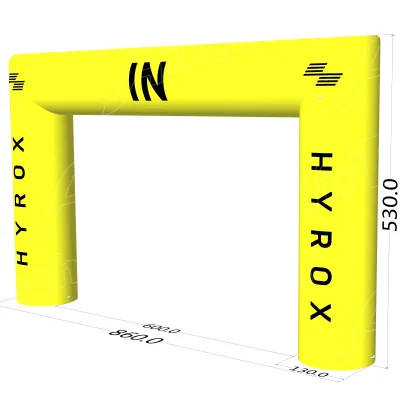
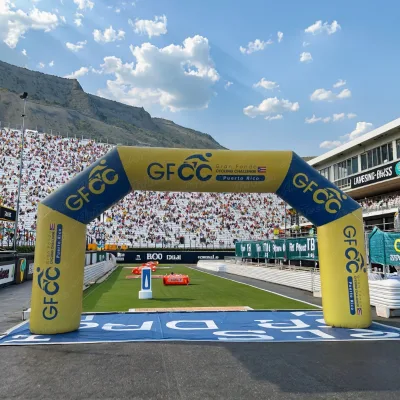
Custom Printed Large Inflatable Arch for Advertising for Races and Festivals
$199.00 - $499.00
MOQ: 1 Minimum
Comprehensive Sourcing Guide
Sourcing Strategy for Weather-Resistant Inflatable Arch Systems
Procuring a weather-resistant inflatable arch requires a disciplined approach that balances aesthetic customization with rigorous technical verification. In the B2B procurement landscape, the term "weather-resistant" is often used loosely by suppliers to imply durability, yet true resistance to wind, rain, and UV exposure depends on specific material compositions, construction standards, and anchoring protocols. This guide outlines the essential factors for buyers to evaluate when sourcing these structures, ensuring that the selected product meets the operational demands of outdoor entertainment and event management without compromising safety or longevity.
Material Composition and Structural Integrity
The primary determinant of an inflatable arch's weather resistance is the material from which it is constructed. Procurement teams must scrutinize the fabric specifications provided by suppliers. While some listings indicate the use of standard PVC (Polyvinyl Chloride), others specify heavy-duty Oxford fabric or Nylon blends. For outdoor applications where exposure to elements is inevitable, the material must possess high tensile strength and resistance to tearing.
When evaluating product data, buyers should look for explicit mentions of fabric weight and coating quality. The supplied context notes that materials such as PVC, Oxford fabric, and Nylon are available. However, the mere presence of these materials does not guarantee weather resistance. Buyers must verify the denier count and the specific coating applied to the fabric, as these factors dictate water repellency and UV stability. A product described as having a "Giant" feature or specific dimensions like 6x4m or 10x5m requires a corresponding increase in material robustness to maintain structural integrity under wind load.
Furthermore, the construction method is critical. Seams must be high-frequency welded or double-stitched with waterproof thread to prevent water ingress. The supplied information mentions "Strong PVC Tarpaulin Bag" for packing, which suggests a focus on durability, but the buyer must confirm that the arch itself utilizes similar heavy-duty materials. The presence of accessories like air blowers and repair kits is standard, but the repair kit should contain patches compatible with the specific fabric type to ensure field maintenance is feasible.
Technical Specifications and Dimensional Standards
Understanding the technical specifications is vital for matching the inflatable arch to the venue's physical constraints and safety requirements. The market offers a variety of models with distinct dimensions, such as the TL1647 (64m/2013ft), TL2548 (105m/3317ft), and TL1782 (3.723m). These dimensions directly influence the surface area exposed to wind and the internal air volume required to maintain shape.
Buyers must ensure that the selected model's size aligns with the available installation space. For instance, a 105m arch requires significantly more clearance than a 3.83.1m unit. The supplied data indicates that customization is available for size, color, and design, allowing for tailored solutions. However, custom dimensions may impact the lead time and the structural calculations required for wind resistance.
The single package size is another critical specification for logistics planning. Listings show variations such as 40X50X50 cm and 55X45X35 cm. These figures determine the number of pallets required for shipping and the storage space needed at the event venue. Additionally, the single gross weight, ranging from 15.000 kg to 38.000 kg depending on the model and included accessories, affects the handling requirements and the type of transport vehicle needed.
Compliance, Certification, and Safety Standards
Safety compliance is non-negotiable when sourcing inflatable structures for public use. The supplied context references the EN14960 certification, which is a European standard for the safety of inflatable play equipment. While this certification is a strong indicator of quality, buyers must verify that the specific unit being purchased holds this certification and that it applies to the specific model and dimensions ordered.
In addition to EN14960, buyers should inquire about other relevant safety standards, such as those from ASTM International or local regulatory bodies in the destination country. The "Age Range" specified in some listings, such as "5 to 7 years" or "14 Years & up," suggests that the product may be designed for specific usage scenarios. However, for a generic "weather-resistant inflatable arch" intended for general outdoor entertainment, the safety standards must be robust enough to protect all users regardless of age.
The warranty period, often listed as 1 year, provides a baseline for the manufacturer's confidence in their product. However, a warranty does not replace the need for pre-shipment inspections. Buyers should request test reports regarding the material's resistance to tearing, UV degradation, and water penetration. Without these verified test results, the "weather-resistant" claim remains an observation rather than a proven fact.
Cost Drivers and Procurement Economics
The cost of an inflatable arch is influenced by several variables, including material quality, customization level, and order volume. The observed price range in the market spans from 50 to 1295 USD, a significant variance that reflects differences in size, material thickness, and branding. The minimum order quantity (MOQ) is frequently listed as 1 set or 1 piece, which is advantageous for buyers seeking single units for specific events.
Customization is a major cost driver. The ability to accept custom sizes, colors, and designs allows for branding opportunities but often incurs additional setup fees and longer lead times. The supplied data indicates a delivery time of 6-8 days for some models, but this can extend significantly for custom orders. Buyers must account for these lead times in their event planning to avoid delays.
Payment terms also vary, with options including credit cards, T/T (Telegraphic Transfer), Trade Assurance, and PayPal. For large orders, securing payment terms that protect the buyer's interests, such as partial payment upon shipment completion, is advisable. The shipping method, often air shipping door-to-door, adds to the total cost but ensures faster delivery. Buyers should calculate the total landed cost, including shipping and potential customs duties, rather than focusing solely on the unit price.
Supplier Evaluation and Operational Reliability
Evaluating a supplier requires looking beyond the product listing to assess their operational capabilities. The origin of the products is consistently listed as China, with specific mentions of Guangdong as a place of origin. This region is a hub for inflatable manufacturing, but it does not guarantee quality. Buyers should verify the supplier's production capacity and their ability to handle custom orders without compromising quality.
The availability of accessories, such as air blowers and repair kits, is a key indicator of supplier completeness. A supplier that provides a comprehensive package, including a repair kit compatible with the specific fabric, demonstrates a commitment to the product's lifecycle. Additionally, the "Custom Logo Accepted" feature suggests that the supplier has the capability for branding, which is essential for corporate events.
Buyers should also assess the supplier's responsiveness and communication. The ability to provide detailed technical drawings, material certificates, and clear shipping documentation is crucial. While the supplied data mentions "Shipping: by air to door," buyers must confirm the reliability of the logistics partner and the tracking capabilities provided. A supplier that offers transparent communication regarding potential delays or issues is more likely to deliver a satisfactory outcome.
Quality Control and Long-Term Procurement Considerations
Implementing a robust quality control (QC) process is essential for mitigating risks associated with inflatable arch procurement. Before finalizing an order, buyers should request pre-production samples or detailed photos of the manufacturing process. For large orders, third-party inspection services can verify that the materials, dimensions, and stitching meet the agreed-upon specifications.
Long-term procurement considerations include the durability of the product and the availability of spare parts. The "1 year" warranty is a starting point, but buyers should plan for the eventual need for repairs or replacement. Ensuring that the supplier maintains a stock of compatible repair kits and replacement blower motors is critical for minimizing downtime during events.
Furthermore, buyers should consider the environmental impact of the product. PVC and Nylon are durable but can be challenging to recycle. If sustainability is a priority, buyers should inquire about the availability of eco-friendly materials or recycling programs offered by the supplier. The "Usage: Outdoor Entertainment" specification suggests that the product will be subjected to frequent inflation and deflation cycles, making the quality of the seams and the durability of the fabric even more critical.
Application Scenarios and Deployment Protocols
The versatility of inflatable arches makes them suitable for a wide range of applications, from corporate branding to public events. The "Type: Arch" and "Features: Giant" descriptors indicate that these structures are designed to be visually impactful. However, the deployment protocol must be tailored to the specific environment.
For outdoor events, anchoring is the most critical aspect of weather resistance. The arch must be securely staked to the ground to prevent tipping in high winds. Buyers should ensure that the supplier provides clear instructions on anchoring methods and the necessary hardware. The "Air Blower" is essential for maintaining the arch's shape, and buyers must verify that the blower is powerful enough to inflate the specific model within the required time frame.
The "Color: as picture" and "Printing: customized" options allow for significant branding flexibility. However, buyers must ensure that the printing method used is weather-resistant and will not fade or peel under sun exposure. The "Single package size" and "Single gross weight" data help in planning the logistics of transporting the arch to the event site, ensuring that the equipment can be moved efficiently and set up without delay.
In conclusion, sourcing a weather-resistant inflatable arch requires a comprehensive understanding of material specifications, technical standards, and supplier capabilities. By adhering to the guidelines outlined in this guide, buyers can make informed decisions that ensure the safety, durability, and effectiveness of their inflatable arch systems in diverse outdoor environments.
FAQs
What material options exist for weather resistant inflatable arches?
Available materials include PVC, Oxford fabric, and Nylon. Buyers must verify fabric weight and coating quality to ensure water repellency and UV stability for outdoor durability.
Which certification ensures safety for inflatable arch structures?
EN14960 is a key European safety standard for inflatable play equipment found in listings. Buyers must verify that the specific unit ordered holds this certification before purchase.
How long does delivery take for custom inflatable arch orders?
Standard delivery times range from 6 to 8 days for some models. Custom orders with specific sizes or designs may require extended lead times beyond the standard window.
Can buyers customize the size and color of the arch?
Yes, customization for size, color, and design is available for these products. Custom dimensions may impact structural calculations and require verification of wind resistance capabilities.
What is the minimum order quantity for purchasing an arch?
The minimum order quantity is typically 1 set or 1 piece depending on the supplier. This low MOQ allows buyers to procure single units for specific events without bulk commitments.
Which shipping methods are available for delivery to the buyer?
Air shipping door-to-door is a common method listed for these products. Buyers should calculate total landed costs including shipping fees and potential customs duties.
What warranty period is provided for inflatable arch products?
A 1-year warranty is commonly offered by manufacturers for these structures. This warranty serves as a baseline but does not replace the need for pre-shipment inspections.