Source Weather-Resistant Wood Grain WPC Decking for Outdoor, Commercial, Household
Find 30 listings for weather-resistant wood grain wpc decking suitable for outdoor, commercial, and household applications. Buyers can compare specifications, certifications, and customization options from verified Chinese manufacturers offering limited 10-year guarantees.
Key considerations
Products List

$15.10 - $15.20
MOQ: 500 Square Meters

$22.00 - $23.00
MOQ: 200 Square Meters

$22.00 - $23.00
MOQ: 200 Square Meters

Popular Wood Grain Decking Board 150*25 Weather Resistant WPC Composite Solid Decking
$26.60 - $27.00
MOQ: 300 Square Meters


Weather Resistant Low Maintenance Capped WPC Hollow Outdoor Wooden Composite Decking
$3.10 - $3.58
MOQ: 200 Square Meters


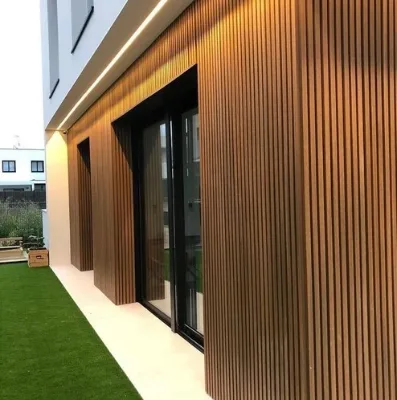

Customized Weather Resistant WPC Decking Solid WPC Deck with Wood Grain
$18.50 - $23.80
MOQ: 500 Square Meters

Hot Sales Anti Corrosive Weather Resistant Wood Composite WPC Decking
$18.50 - $23.80
MOQ: 500 Square Meters


Hot Sale Durable Decking Outdoors Waterproof Anti-UV WPC Decking
$20.00 - $30.00
MOQ: 300 Square Meters


Comprehensive Sourcing Guide
Strategic Sourcing Guide for Weather-Resistant Wood Grain WPC Decking
Understanding Material Composition and Structural Integrity
The foundation of a successful procurement strategy for weather-resistant wood grain WPC (Wood Plastic Composite) decking begins with a rigorous analysis of material composition. Unlike traditional timber or pure plastic alternatives, WPC decking is engineered to balance the aesthetic appeal of natural wood with the durability of polymers. Based on observed market data, the core formulation for high-performance units typically consists of approximately 60% wood powder, 35% high-density polyethylene (HDPE), and 5% specialized additives. This specific ratio is critical for achieving the desired mechanical properties, including resistance to moisture absorption and structural stability under varying temperature conditions.
Buyers must verify that the supplier's technical data sheets explicitly confirm this blend, as deviations can significantly impact the product's lifespan. The material is classified under the standard "wood plastic composite," a designation that implies a specific manufacturing process where wood fibers are encapsulated within a plastic matrix. This encapsulation is what grants the product its inherent waterproof capabilities and resistance to rot, a common failure point for natural timber. Furthermore, the construction materials are specifically identified as decking, indicating that the product is designed to bear load and withstand foot traffic. When evaluating potential suppliers, procurement teams should request proof of the raw material mix, ensuring that the "additive" component includes UV stabilizers and anti-static agents, which are observed in high-confidence product attributes to enhance longevity and safety.
Technical Specifications and Dimensional Variability
Precision in technical specifications is paramount when sourcing WPC decking for commercial or residential projects. The market offers a diverse range of dimensions, and understanding these variations is essential for inventory planning and installation logistics. Observed product models reveal specific standard dimensions, such as a width of 145mm with a thickness of 21mm, or a 150mm width paired with a 25mm thickness. Other configurations include models with a width of 140mm and a thickness of 22mm, while some suppliers offer fully customizable width and thickness options to meet unique architectural requirements.
Length specifications also vary significantly, with standard offerings including 2.2 meters, 2.9 meters, and 5.8 meters. The ability to customize length is a critical feature for large-scale projects where minimizing joints and waste is a priority. Surface treatment processes play a vital role in the final product's performance and aesthetic. The industry standard for high-end WPC decking involves a combination of wood grain embossing, sanding, and brushing. This triad of processes not only enhances the visual resemblance to natural timber but also improves the slip resistance of the deck surface.
Buyers should maintain a clear distinction between standard and custom specifications. While many products adhere to the 145mm x 21mm or 150mm x 25mm standards, the availability of custom widths and thicknesses allows for tailored solutions. However, customization often impacts lead times and minimum order quantities (MOQ). The observed MOQ range spans from 1 unit to 1,000 units, indicating a market that accommodates both small renovation projects and large commercial developments. When reviewing supplier catalogs, procurement specialists must cross-reference the requested dimensions with the supplier's confirmed production capabilities to avoid supply chain bottlenecks.
Compliance, Certification, and Environmental Standards
Navigating the compliance landscape for WPC decking requires a meticulous verification of certifications and environmental standards. The global market for building materials is increasingly regulated, and buyers must ensure that their selected products meet the necessary safety and environmental benchmarks. High-confidence data indicates that CE certification is a prevalent requirement, signifying conformity with health, safety, and environmental protection standards for products sold within the European Economic Area. Additionally, ISO certification is frequently observed, suggesting adherence to international management system standards for quality and consistency.
Beyond general certifications, specific testing reports are crucial for validating performance claims. The presence of Intertek and SGS test reports serves as a robust indicator of product reliability. These third-party organizations conduct rigorous testing on factors such as fire resistance, slip resistance, and dimensional stability. Buyers should explicitly request these reports before finalizing a purchase, as they provide objective evidence that the product meets the claimed specifications. Furthermore, the environmental standard "E" is noted in product attributes, which typically relates to emission limits for formaldehyde and other volatile organic compounds (VOCs), ensuring the material is safe for indoor and outdoor use.
It is important to distinguish between observed certifications and those that are merely background knowledge. While standards like ASTM D7032 or EN 15804 are relevant to the industry, they should not be asserted as guaranteed features unless explicitly confirmed by the supplier. Similarly, while FSC certification is a desirable attribute for sustainable sourcing, it should not be assumed to be present without direct verification. The procurement strategy must focus on the tangible evidence provided in the product documentation, such as the CE mark and specific test reports, rather than relying on general industry expectations.
Surface Treatments and Functional Performance
The functional performance of WPC decking is heavily influenced by its surface treatment and functional attributes. The primary aesthetic driver for this product category is the "wood grain" finish, which mimics the texture and visual depth of natural timber. This is achieved through advanced surface treatment processes including sanding and brushing, which refine the texture and remove any surface imperfections. The combination of these treatments ensures that the deck not only looks authentic but also provides a comfortable walking surface.
Functionally, the product is designed to be waterproof and anti-static. The waterproof attribute is a direct result of the HDPE matrix, which prevents water absorption and subsequent swelling or warping. This makes the material ideal for outdoor applications where exposure to rain and humidity is constant. The anti-static property is equally important, particularly in commercial settings, as it reduces the accumulation of dust and debris, maintaining the deck's appearance with minimal maintenance. Additional functional benefits observed in the market include soundproofing and thermal insulation, which enhance the comfort of the living space below the deck.
The style of the decking also plays a role in its market positioning. Products are available in "European" and "Classic" styles, catering to traditional architectural preferences, while "Modern" styles appeal to contemporary design trends. The color palette, with "Brown" being a prominent option, aligns with the natural wood aesthetic. However, buyers should be aware that color availability may vary based on the specific supplier and production batch. When evaluating suppliers, procurement teams should assess the consistency of the wood grain embossing and the durability of the surface treatment under UV exposure, as these factors directly impact the long-term visual appeal of the installation.
Application Scenarios and Usage Versatility
WPC decking is a versatile material suitable for a wide range of applications, from residential backyards to large-scale commercial complexes. The observed usage categories include "Household," "Outdoor," and "Commercial" settings, highlighting its adaptability to different environments. In residential contexts, the material is favored for its low maintenance requirements and resistance to the elements, making it an ideal choice for patios, pool decks, and garden walkways. The waterproof and anti-static properties ensure that the deck remains safe and attractive even in wet conditions.
For commercial applications, the durability and safety features of WPC decking are even more critical. The material's ability to withstand heavy foot traffic and its resistance to wear and tear make it suitable for public spaces, hotels, and office complexes. The "Limited 10 Years" guarantee observed in product attributes provides a level of assurance for commercial buyers regarding the product's longevity. However, it is essential to note that this guarantee is limited and may have specific terms and conditions that need to be reviewed carefully.
The installation environment also influences the choice of WPC decking. The product is designed for outdoor use, but its specific performance characteristics, such as thermal insulation and soundproofing, make it suitable for multi-story buildings where noise reduction is a concern. When planning a project, buyers should consider the specific environmental conditions of the site, such as exposure to direct sunlight, salt air, or extreme temperature fluctuations, and select a product that has been tested and certified for those conditions. The availability of accessories such as clips, WPC joists, skirting, and screws further simplifies the installation process, ensuring a secure and professional finish.
Supplier Evaluation and Procurement Logistics
Evaluating suppliers for WPC decking requires a comprehensive approach that goes beyond price comparison. The origin of the product is a significant factor, with major production hubs identified in China, specifically in regions like Anhui and Shandong. These locations are known for their manufacturing capabilities and supply chain efficiency. However, buyers must verify the specific production location of the supplier they are engaging, as quality control standards can vary between facilities.
Logistics and packaging are also critical considerations. The standard packing method involves PE film combined with wooden pallets, which protects the product during transit. Some suppliers offer customized packaging options to meet specific shipping requirements, which can be beneficial for projects with unique logistical needs. The shipping methods observed include land and freight transport, indicating flexibility in delivery options. Buyers should discuss shipping terms and lead times early in the procurement process to ensure timely delivery.
When selecting a supplier, it is advisable to review their track record in terms of customization capabilities and after-sales support. The availability of customization for dimensions, colors, and packaging is a strong indicator of a supplier's flexibility and responsiveness. Additionally, the presence of a limited 10-year guarantee suggests a level of confidence in the product's quality. Buyers should also verify the supplier's ability to provide the necessary documentation, including test reports and certification copies, to ensure compliance with local building codes and regulations. By conducting a thorough evaluation of these factors, buyers can mitigate risks and secure a reliable supply of high-quality WPC decking.
Long-Term Value and Maintenance Considerations
The long-term value of WPC decking is derived from its low maintenance requirements and extended service life. Unlike traditional wood, which requires regular staining, sealing, and treatment to prevent rot and insect damage, WPC decking maintains its appearance and structural integrity with minimal effort. The waterproof and anti-static properties reduce the need for frequent cleaning, while the UV-stabilized additives help prevent fading and degradation over time. The "Limited 10 Years" guarantee provides a baseline for expected performance, but the actual lifespan can often exceed this period with proper care.
Maintenance for WPC decking typically involves simple cleaning with soap and water to remove dirt and debris. The surface treatment, including the wood grain texture, is designed to resist staining and mold growth, further reducing maintenance needs. However, buyers should be aware that while the material is highly durable, it is not immune to damage from extreme conditions or improper installation. Ensuring that the installation follows the manufacturer's guidelines and that the correct accessories, such as clips and joists, are used, is essential for maximizing the product's lifespan.
From a procurement perspective, the long-term value of WPC decking is also reflected in its cost-effectiveness over the life of the project. While the initial investment may be higher than traditional timber, the reduced maintenance costs and extended service life often result in a lower total cost of ownership. Buyers should factor in these long-term benefits when evaluating suppliers and comparing product options. By focusing on quality, durability, and low maintenance, procurement teams can make informed decisions that align with the long-term goals of their projects.
FAQs
What is the material composition of weather-resistant wood grain wpc decking?
The core formulation typically consists of approximately 60% wood powder, 35% high-density polyethylene, and 5% specialized additives. This blend ensures structural stability and resistance to moisture absorption while mimicking the aesthetic of natural timber.
Which certifications are available for weather-resistant wood grain wpc decking?
High-confidence products often carry CE and ISO certifications to verify safety and quality standards. Third-party test reports from Intertek and SGS are also available to validate performance claims regarding slip resistance and durability.
How long is the warranty period for weather-resistant wood grain wpc decking?
The product typically comes with a limited 10-year guarantee to assure longevity. This warranty covers structural integrity but specific terms and conditions regarding wear and environmental exposure should be verified with the supplier.
What surface treatments are applied to weather-resistant wood grain wpc decking?
Standard surface treatments include wood grain embossing, sanding, and brushing to enhance texture and slip resistance. These processes refine the appearance to closely resemble natural wood while improving the safety of the walking surface.
Can the dimensions of weather-resistant wood grain wpc decking be customized?
Yes, width and thickness can be customized to meet specific architectural requirements. Standard lengths often include 2.2m, 2.9m, and 5.8m, though custom lengths are available to minimize joints and waste during installation.
Where are weather-resistant wood grain wpc decking products manufactured?
Major production hubs are located in China, specifically in regions like Anhui and Shandong. Buyers should verify the specific origin of their selected supplier to ensure quality control standards are met.