Source Wet Expansion Meat Transfer Pump for Food, Dairy, and Beverage
Compare 30 Wet Expansion Meat Transfer Pump options from verified Chinese manufacturers. Buyers can evaluate flow rates, materials, and customization features for food processing applications. These units offer variable or constant pumping capabilities with horizontal shafts and stainless steel chambers suitable for various viscous liquids.
Key considerations
Products List


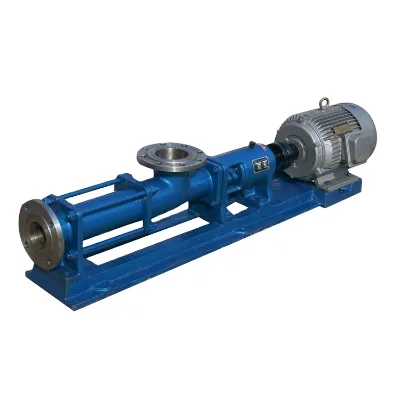

Feed Raw Material Transfer Pump
$2000.00 - $50000.00
MOQ: 1 Pieces
Zhucheng Huafang Environmental Protection Equipment Co., Ltd.

Meat and Bone Meal Transfer Pumpconveying Pump for Meat Bone Meal
$2000.00 - $50000.00
MOQ: 1 Pieces
Zhucheng Huafang Environmental Protection Equipment Co., Ltd.

Feather Meal Transfer Pump for Feather Powder Processing
$1200.00 - $45000.00
MOQ: 1 Sets
Zhucheng Huafang Environmental Protection Equipment Co., Ltd.

Meat Slurry Pump, Meat Paste Transfer Pump, High Viscosity Liquid Transfer Lobe Pump
$1200.00 - $1300.00
MOQ: 1 Pieces


Comprehensive Sourcing Guide
Wet Expansion Meat Transfer Pump Sourcing Guide
Procuring a Wet Expansion Meat Transfer Pump requires distinguishing between general rotary lobe designs and specialized units capable of handling high-viscosity, particulate-rich food products without damaging tissue structure. The observed market data indicates a strong presence of positive displacement pumps with variable flow rates, which are essential for maintaining consistent product integrity during transfer. Buyers must verify that the selected unit utilizes a tri-lobe or bi-lobe configuration, as these designs offer the gentlest handling for delicate meat products compared to single-lobe alternatives.
The supply chain for these specialized pumps often originates from Jiangsu and Wenzhou, China, where manufacturers produce units with stainless steel chambers in SS304 or SS316L grades to meet strict hygiene standards. While some listings show a wide price range from 35 to 50,000 USD, the actual cost is heavily dependent on the specific motor installation type and the complexity of the mechanical seal system. Sourcing teams should prioritize suppliers who explicitly list "Food" as a primary application and confirm the availability of customization options to ensure the pump fits specific production line constraints.
Product Scope and Observed Listing Signals
When evaluating product listings, buyers should look for specific indicators that the pump is designed for food-grade applications rather than general industrial fluid transfer. The available data confirms that these units are typically rotary lobe pumps with horizontal pump shaft positions and single suction methods, features that are critical for efficient meat slurry movement. It is vital to confirm that the pump chamber material is stainless steel, as cast iron variants found in other listings are unsuitable for direct food contact due to corrosion risks and contamination potential.
Listing signals also include the presence of variable speed driving capabilities, which allow operators to adjust flow rates dynamically based on the viscosity of the meat product being transferred. Some suppliers offer fixed speed driving, but for wet expansion processes, variable speed is preferred to prevent shear damage to the product. Additionally, the discharge pressure of 0.5 MPa observed in certain models suggests a specific operating range that must align with the hydraulic requirements of the target facility to ensure reliable performance without over-pressurizing the system.
Technical Specifications to Verify
Technical verification must begin with the pump model designation, as the market offers distinct variants like the GY-80A, BV, and YQB, each potentially serving different capacity or pressure needs. Buyers should explicitly confirm the connection type, ensuring the unit supports flange, clamp, or thread connections that match existing pipeline infrastructure. The mesh form being external engaged and the tooth flank being skew tooth are specific mechanical details that influence the pump's ability to handle particulates without clogging, a common issue in meat processing environments.
Further verification is required for the motor installation, which can be either horizontal or vertical, and the pump installation method, which may be fixed or movable with a trolley for flexibility. The seal type is another critical specification, with single face or double face mechanical seals available; double face seals are generally recommended for food applications to prevent leakage and ensure hygiene. Buyers must also check the discharge pressure rating, as some models are rated for 2 MPa while others operate at 0.5 MPa, and selecting the wrong pressure rating can lead to system failure or inefficient operation.
Compliance and Safety Documentation
Compliance documentation is non-negotiable for food processing equipment, and buyers must ensure that the supplier provides valid CE and ISO certifications for the specific pump model. The observed listings frequently mention ISO9001, SGS, and TUV standards, which indicate a commitment to quality management systems and safety protocols. However, buyers should not assume all listed products meet these standards without requesting the specific certificate of conformity for the unit being purchased, as certification status can vary between different production batches or models.
Safety documentation must also address the material composition of the pump chamber and seals to ensure they are food-safe and resistant to the cleaning agents used in the facility. The standard export package and plywood case packing observed in the data suggest that shipping conditions are considered, but buyers should verify that the packaging protects the mechanical seals and precision components during transit. Additionally, the "Less 1 CBM" standard mentioned for some models indicates specific shipping constraints that may impact logistics planning and cost estimation for international procurement.
Cost Drivers and Commercial Terms
The cost of a Wet Expansion Meat Transfer Pump is driven primarily by the material grade of the pump chamber, with SS316L units commanding a higher price than SS304 or cast iron alternatives. The complexity of the drive system, whether fixed or variable speed, also significantly impacts the final price, as variable speed drives require more sophisticated motor controls and electronics. Buyers should expect a wide price variance in the market, ranging from low-cost entry-level units to high-end models priced up to 50,000 USD, depending on the level of customization and the specific performance requirements of the application.
Commercial terms such as the minimum order quantity (MOQ) and lead time are critical factors in the procurement decision, with observed MOQs ranging from 1 to 100 units. While some suppliers offer standard carton box packing, others require plywood cases, which can affect the total landed cost and handling requirements. Buyers must clarify the payment terms and delivery schedule, as the origin location in Jiangsu or Wenzhou may influence shipping times and customs clearance procedures, especially for orders requiring specific export standards like ISO or SGS.
Supplier Qualification and Quality Control
Supplier qualification should focus on verifying the manufacturer's origin and their specific experience with food-grade pump manufacturing. The data indicates that many suppliers are located in Jiangsu and Wenzhou, China, regions known for their industrial pump manufacturing capabilities. Buyers should request evidence of the supplier's production capacity and their ability to provide the requested customization options, as the ability to tailor the pump to specific application needs is a key differentiator in this market segment.
Quality control processes must be rigorously evaluated, with a focus on the testing of mechanical seals and the integrity of the stainless steel chambers. Suppliers should provide test results or quality assurance reports that confirm the pump meets the specified pressure ratings and flow rate requirements. It is essential to verify that the supplier adheres to international standards such as CE, ISO, and SGS, and to ensure that the production process includes strict hygiene controls to prevent contamination of the food-grade components during manufacturing.
Long-Term Procurement Checks
Long-term procurement success depends on establishing a reliable supply chain for spare parts and maintenance services, particularly for critical components like mechanical seals and drive motors. Buyers should verify that the supplier offers a comprehensive after-sales support package, including technical assistance and the availability of replacement parts for the specific pump model. The observed variety in packing standards, from standard cartons to plywood cases, suggests that logistics planning must be robust to ensure that spare parts are delivered safely and on time when needed.
Sustainability and lifecycle management are also important considerations, as the pump's material composition and energy efficiency will impact long-term operational costs. Buyers should assess the supplier's commitment to quality and their ability to provide updates on new technologies or improvements to the pump design. Regular audits of the supplier's quality control processes and performance metrics will help ensure that the procurement relationship remains strong and that the equipment continues to meet the evolving needs of the food processing facility.
FAQs
What materials are available for a Wet Expansion Meat Transfer Pump?
Wet expansion meat transfer pumps are commonly offered with pump chamber material in SS304, SS316, or SS316L stainless steel. SS316L is often preferred for food applications with corrosive or high-salinity media. Some related gear pump models are also made from cast iron, though stainless steel is usually recommended where hygiene and corrosion resistance are priorities.
Which lobe configurations can be selected for this rotary lobe pump?
Rotary lobe pumps used for wet meat transfer can be supplied with tri-lobe, bi-lobe, single lobe, or multi-lobe rotors. Tri-lobe designs are popular because they reduce pulsation and shear while handling viscous or chunky media gently. The choice depends on product sensitivity, required flow smoothness, and the viscosity of the meat mixture being transferred.
Can the pump be customized for a specific food processing line?
Yes, customization is available. Buyers can specify connection type such as flange, clamp, or thread, pump chamber material, seal type, motor installation in horizontal or vertical orientation, and fixed or variable speed driving. Movable trolley mounting is also an option. Confirm your line requirements with the supplier before ordering to ensure configuration matches your process.
What certifications do these pumps typically carry?
Listed pumps carry CE and ISO certification, and some product lines reference ISO9001, SGS, or TUV standards. Certification matters for food-sector buyers who must document equipment compliance. Always request valid, current certificates for the exact model quoted, since certification coverage can vary between product lines and individual suppliers within a listing.
How is the pump packed and delivered for export orders?
Packing options include standard carton boxes, plywood cases, and standard export packaging, with plywood cases commonly used for gear pump models. Plywood export packing protects pumps from moisture and impact during sea freight. Some listings note packing standards such as less than one cubic meter. Confirm the packing method and dimensions with the supplier when requesting a quote.
What is the typical minimum order quantity for a meat transfer pump?
Observed minimum order quantities range from 1 to 100 units depending on the listing. Single-unit trial orders are generally possible for standard models, while larger MOQs may apply to customized configurations or production-run pricing. Buyers testing a new line can start with one pump, then negotiate volume pricing after validating performance on their meat transfer application.