Source Whiskey Glass Wine Bottle for Liquor, Beverage, and Gift
Find and compare 30 Whiskey Glass Wine Bottle options from Chinese manufacturers. Buyers can evaluate capacities like 375ml to 750ml, sealing types including crown caps and corks, and customization services for liquor, beverage, and gift packaging needs.
Key considerations
Products List


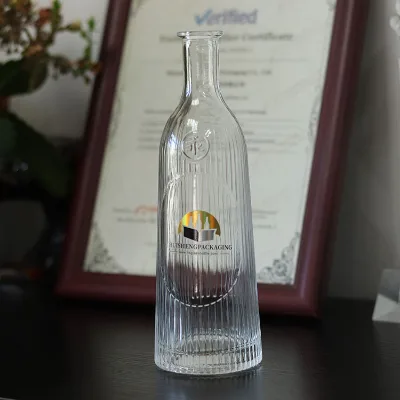


200ml 375ml 500ml 700ml Wholesale Wine Vodka Glass Whiskey Bottle with Cork
$0.15 - $1.00
MOQ: 5000 Pieces


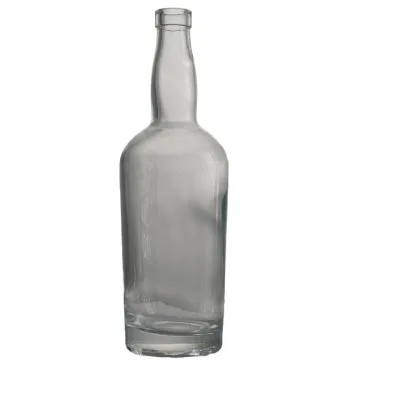
High Quality Luxury Glass Liquor Bottle Customized Glass Bottle for Whisky
$0.40 - $0.50
MOQ: 6000 Pieces


375ml Custom Glass Bottle for Liquor Wine Vodka Whisky Glass Packaging Bottle
$0.35 - $0.39
MOQ: 6000 Pieces


Comprehensive Sourcing Guide
Strategic Sourcing Guide for Whiskey Glass Wine Bottles
Understanding Product Variations and Technical Specifications
When sourcing whiskey glass wine bottles, buyers must first navigate a complex landscape of technical specifications that define the physical and functional characteristics of the product. The market offers a diverse array of options, ranging from standard cylindrical forms to specialized shaped containers. A critical observation in the current supply base is the prevalence of the "Round Bottle" shape, which is often paired with a "Crown Cap" sealing type. This combination is traditional for specific beverage applications, yet it is not the only configuration available. Buyers will also encounter "Square Bottle" designs, which offer a distinct aesthetic profile, and "Shaped Bottle" variants that cater to premium or decorative markets.
The material composition is a fundamental specification that remains consistent across the majority of listings: glass. However, the manufacturing process and structural integrity vary. One specific production method noted is "Blown" processing, which influences the thickness and durability of the vessel. Thickness specifications in the observed data indicate a value of 0.2cm, a metric that buyers should verify for their specific volume requirements to ensure the bottle can withstand internal pressure and handling logistics. Volume capacities are equally diverse, with standard offerings including 375ml, 500ml, 750ml, and 1000ml. Some suppliers list these as fixed standards, while others emphasize "Customized" volumes, allowing for tailored solutions for specific whiskey or wine brands.
Sealing mechanisms present another layer of complexity. While the "Crown Cap" is a common attribute for certain bottle types, other listings specify "Rubber Stopper," "Cork," or "Screw Cap" as the sealing method. The choice of sealing type directly impacts the shelf life, oxidation resistance, and user experience of the final product. Furthermore, the lid or cap material itself can be "Metal," "Plastic," or "Customized," requiring a careful alignment with the brand's sustainability goals and functional needs. Color options range from "transparent" and "Clear" to "Black Color" and "Painting Colors," with some products featuring a "Color Glazed" finish to enhance visual appeal.
Compliance, Certification, and Material Standards
In the B2B procurement of glass packaging, compliance and adherence to standards are paramount, yet the specific certification status of suppliers must be verified on a case-by-case basis. The provided data indicates that products originate primarily from "China," with specific manufacturing hubs identified in "Jiangsu" and "Shandong." While these regions are known for glass manufacturing, buyers must not assume that all products from these locations automatically meet international food safety or environmental standards without explicit verification.
The data lists several volume standards, such as "375ml 500ML 750ML" and "500ml 50cl," which serve as baseline specifications. However, these are descriptive standards rather than regulatory certifications. Buyers should inquire about compliance with international food contact safety regulations, such as FDA (USA) or EU Framework Regulations, which are critical for whiskey and wine applications. The absence of specific certification names in the general product attributes means that procurement teams must request proof of compliance, such as migration test results or food-grade material declarations, before finalizing orders.
Environmental considerations are also increasingly relevant. Some product attributes explicitly mention "Eco-Friendly" features, suggesting that certain suppliers may utilize recycled glass or energy-efficient production methods. However, this is an observation of specific listings rather than a universal attribute of all glass bottles. Buyers seeking to meet corporate sustainability goals should verify the specific "Eco-Friendly" claims, asking for data on recycled content percentages or carbon footprint assessments. Additionally, the "Customized" nature of many products implies that suppliers can adjust their production lines to meet specific regulatory requirements, but this requires clear communication and contractual agreement on the standards to be met.
Cost Drivers and Pricing Dynamics
The pricing structure for whiskey glass wine bottles is influenced by a multitude of factors, including customization, volume, and packaging requirements. The observed price range in the market spans from $0.15 to $15 USD per unit. This wide variance is not arbitrary; it reflects the differences in glass thickness, design complexity, color treatments, and the inclusion of custom caps or seals. A standard transparent round bottle with a simple crown cap will likely sit at the lower end of this spectrum, whereas a black, glazed, shaped bottle with a custom metal cap and specialized packaging will command a premium price.
Minimum Order Quantity (MOQ) is a significant cost driver. The data shows an MOQ range from 1 to 50,000 units, with a specific high-frequency observation of 5,000 pieces. This threshold often dictates the unit cost; orders below the standard MOQ may incur higher per-unit prices or require a setup fee. Conversely, orders exceeding 5,000 units, particularly those reaching the 50,000-unit range, may benefit from economies of scale. Some suppliers offer "5000PCS in Stock," which can reduce lead times and potentially lower costs associated with rush production, though this availability is not guaranteed for all custom specifications.
Packaging and logistics also contribute to the total cost of ownership. While the standard "prod_packing" is listed as "Carton," more complex arrangements like "Carton / Pallet" or specialized shipping methods such as "Air Express" or "Sea Shipping" can alter the final landed cost. Buyers must factor in the cost of palletization and the efficiency of the shipping method relative to the order volume. Additionally, the availability of "Free Samples" can be a cost-saving measure during the evaluation phase, allowing buyers to assess quality without incurring material costs, though shipping fees for samples may still apply depending on the supplier's policy.
Typical Applications and Usage Scenarios
The versatility of glass bottles makes them suitable for a broad spectrum of applications beyond just whiskey and wine. The data explicitly lists usage categories including "Wine Liquor Beverage Bottle," "Beverage," "Personal Care Product," and "Food." This indicates that the same manufacturing lines often produce bottles for spirits, wines, and even non-alcoholic beverages or cosmetic products. The "Usage" attribute also highlights "Gift" and "Decorative" applications, suggesting that certain designs, particularly those with unique shapes or color glazes, are marketed for their aesthetic value rather than purely functional storage.
For whiskey and wine specifically, the choice of bottle shape and sealing type is critical. The "Round Bottle" with a "Crown Cap" is a classic choice, often associated with traditional brewing or specific regional styles. In contrast, the "Square Bottle" or "Shaped Bottle" might be preferred for premium brands seeking to differentiate themselves on the shelf. The "Liquor Bottle" and "Gin Bottle" attributes confirm that the supply base caters specifically to the spirits industry, with capacities like 50cl and 500ml being standard for these categories.
The "Age" attribute of "Modern" and the "Style" of "Fashion" suggest that current market trends favor contemporary designs. Buyers looking to align their products with modern consumer preferences should prioritize suppliers who offer "Customized" styles and colors. Furthermore, the "Suitable for: Home" attribute indicates that some of these bottles are designed for retail packaging that transitions directly to home storage, emphasizing the need for durability and aesthetic appeal that lasts beyond the point of sale.
Supplier Evaluation and Service Capabilities
Evaluating potential suppliers requires a deep dive into their service capabilities and operational flexibility. A key differentiator in the market is the availability of "OEM Service" and "OEM: Acceptable." This means that suppliers are willing to manufacture products under the buyer's brand name, including custom labeling, coloring, and packaging. The "Customization" attribute is listed as "Available" across multiple product lines, indicating that buyers are not limited to off-the-shelf designs. However, the extent of this customization—whether it includes mold creation, specific glaze types, or unique cap designs—must be clarified during the negotiation phase.
The "Samples: Free" attribute is a valuable indicator of supplier confidence and a useful tool for the evaluation process. It allows buyers to physically inspect the glass quality, check the sealing integrity, and assess the overall finish before committing to a large order. Additionally, the "MOQ: 5000PCS" is a common threshold, but the presence of "5000PCS in Stock" suggests that some suppliers have inventory ready for immediate dispatch, which can be crucial for time-sensitive projects.
When evaluating suppliers, buyers should also consider the "prod_packing" options. The ability to ship via "Air Express, Sea Shipping and etc" indicates logistical flexibility. For large orders, sea shipping is typically the most cost-effective, while air express may be necessary for urgent, smaller batches. The "Package: Carton, Pallet or Customize" option further highlights the supplier's ability to adapt to specific logistics requirements, ensuring that the glass bottles arrive in perfect condition.
Quality Control and Long-Term Procurement Strategy
Ensuring consistent quality is the cornerstone of a successful procurement strategy for glass bottles. Given the fragility of glass, quality control (QC) protocols must be rigorous. Buyers should verify the "Thickness: 0.2cm" specification through random sampling or third-party inspection, as variations in thickness can lead to breakage during filling or shipping. The "Processing: Blown" method should be inspected to ensure uniformity in wall thickness and absence of bubbles or defects.
For long-term procurement, establishing a relationship with suppliers who offer "Customized" solutions is advantageous. This allows for continuous improvement and adaptation to market trends. The "Weight: Customized" attribute suggests that suppliers can adjust the glass mass to meet specific durability or cost targets. Buyers should also consider the "Standard" variations, such as "250ml 500ml 1000ml and could customized," to ensure that the supplier can scale production as the business grows.
Finally, the "Location" of the supplier, specifically "China" with hubs in "Jiangsu" and "Shandong," should be factored into the supply chain strategy. While these regions offer competitive pricing and manufacturing expertise, buyers must account for potential lead time variations and logistics complexities. Establishing clear communication channels and defining quality acceptance criteria in the contract will mitigate risks and ensure a steady supply of high-quality whiskey glass wine bottles.
| Feature Category | Common Observation | Verification Requirement |
|---|---|---|
| Shape | Round, Square, Shaped | Confirm mold availability for specific shape |
| Sealing | Crown Cap, Cork, Screw Cap | Test seal integrity for intended liquid |
| Volume | 375ml, 500ml, 750ml, Custom | Verify capacity accuracy and tolerance |
| Color | Transparent, Black, Glazed | Check color consistency across batches |
| MOQ | 5,000 PCS (Standard) | Negotiate lower MOQ for trial orders |
| Origin | China (Jiangsu, Shandong) | Verify factory audit and compliance |
| Packaging | Carton, Pallet, Custom | Assess packaging strength for shipping |
FAQs
What customization options are available for whiskey glass wine bottles?
Customization is available for volume, color, and shape. Buyers can select from standard sizes like 375ml, 500ml, or 750ml, or request customized volumes. Options include transparent, black, or painted colors with various sealing types like crown caps or corks.
Which sealing types are commonly used for these glass bottles?
Common sealing types include crown caps, rubber stoppers, corks, and screw caps. The specific choice depends on the bottle shape and intended use, such as wine, liquor, or personal care products. Cap materials may be metal, plastic, or customized.
Can I find suppliers offering free samples for evaluation?
Yes, some suppliers offer free samples for evaluation purposes. This allows buyers to verify glass quality, thickness, and sealing integrity before placing a large order. However, shipping fees for samples may still apply depending on the specific supplier policy.
What is the typical minimum order quantity for glass bottles?
The typical minimum order quantity is 5000 pieces, though some suppliers may accept orders as low as 1 unit. Specific stock availability might allow for immediate dispatch of 5000 pieces. Larger orders often benefit from economies of scale.
How does the glass thickness affect bottle durability?
Glass thickness is specified as 0.2cm in observed listings, which influences structural integrity. Buyers should verify this dimension to ensure the bottle withstands internal pressure and handling logistics. Thicker glass generally offers better protection against breakage during shipping.
Which locations manufacture these whiskey glass wine bottles?
Manufacturing primarily occurs in China, with specific hubs in Jiangsu and Shandong provinces. Buyers should verify that products from these locations meet international food safety standards. Origin information is a key factor in logistics planning and cost estimation.
What packaging methods are used for shipping glass bottles?
Standard packaging includes cartons, while larger orders may use cartons on pallets. Suppliers offer various shipping methods such as air express or sea shipping. Customized packaging options are available to ensure safe delivery and meet specific logistics requirements.