Source Whipped Organic Body Butter for Moisturizing and Lightening
Compare 30 listings of Whipped Organic Body Butter with customizable packaging and various ingredients like shea butter and aloe vera. Buyers can review certifications, MOQs, and lead times to find suitable suppliers for moisturizing, lightening, and nourishing skin needs.
Key considerations
Products List


Jars Packing Lemon Body Lotion Whitening Moisturizing Whipped Body Butter
$1.50 - $2.50
MOQ: 1000 Pieces


Private Label Natural Organic Nourishing Body Lotion Shea Butter Body Lotion
$1.00 - $3.50
MOQ: 1000 Pieces


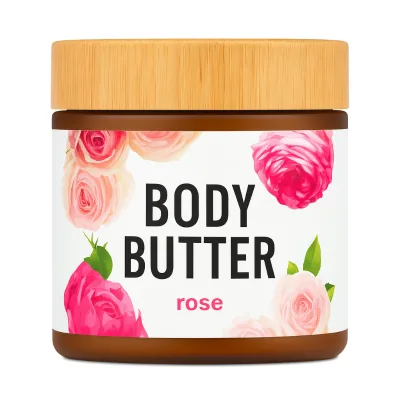
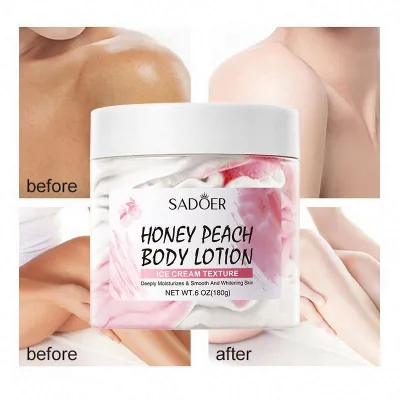

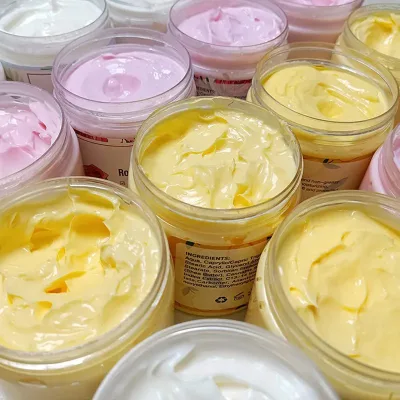

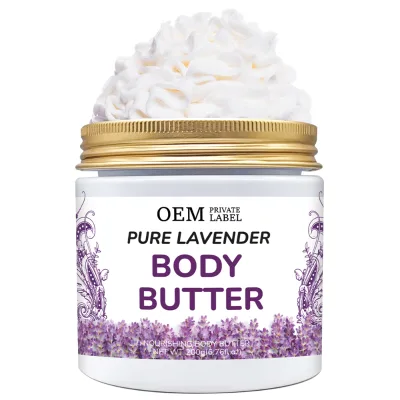


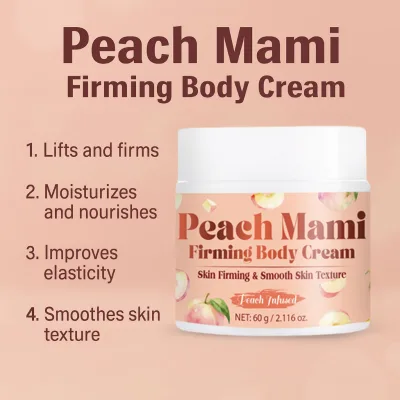
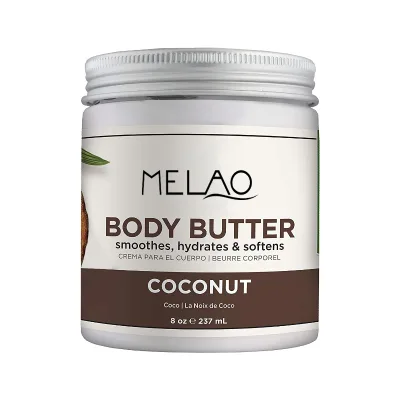
Comprehensive Sourcing Guide
Sourcing Guide for Whipped Organic Body Butter Procurement
Understanding Product Formulations and Technical Specifications
When sourcing Whipped Organic Body Butter, buyers must first distinguish between the specific physical forms and ingredient profiles available in the current market. The term "body butter" often implies a rich, emollient texture, yet the supplied data indicates a diverse range of product forms, including creams and lotions, which may be marketed under similar branding. The core technical specification for these products frequently centers on the "whipped" texture, achieved through specific aeration processes that incorporate air into the fat phase, resulting in a lighter, more spreadable consistency compared to traditional solid butters.
The ingredient profile is a critical differentiator. Observed data highlights a recurring list of primary ingredients including Aloe Vera, Glycerin, Green Tea, and Shea Butter. These components suggest a formulation focused on hydration and skin revitalization. Some variations include specialized additives such as Dead Sea Salt, Emu oil, and Pearl, which introduce exfoliating or brightening properties. The presence of Shea Butter is particularly significant, as it is the foundational ingredient for most body butters, providing the necessary fatty acids for deep moisturization. Buyers should verify the percentage of these active ingredients, as the "organic" claim in the keyword requires strict adherence to agricultural standards that are not explicitly detailed in the general product listings but must be confirmed during supplier vetting.
Volume and packaging specifications vary significantly across potential suppliers. The data shows standard volumes ranging from 60ml to 500ml, with options for customized sizes such as 120ml, 155ml, 170ml, 236ml, and 300ml. Packaging is often flexible, with options for carton boxes, blank bags, or OEM paper packaging. The "whipped" nature of the product necessitates packaging that can maintain the aerated structure without collapsing, which often requires specific bottle designs or jars with wide openings. Buyers must ensure that the selected packaging material is compatible with the product's viscosity and does not react with the active ingredients like Green Tea or essential oils.
Compliance, Certification, and Regulatory Standards
Navigating the regulatory landscape is essential for importing cosmetic and personal care products, particularly those marketed with "organic" and "whipped" attributes. The supplied facts indicate that compliant products in this category often carry a suite of certifications, including CE, GMP, MSDS, and FDA. These certifications serve as indicators of manufacturing quality and safety, though they do not automatically guarantee organic status unless accompanied by specific organic body certifications.
GMP (Good Manufacturing Practice) is a baseline requirement for any cosmetic manufacturer, ensuring that products are consistently produced and controlled according to quality standards. The presence of MSDS (Material Safety Data Sheet) is crucial for logistics and safety, detailing the chemical composition and handling requirements for ingredients like Glycerin and various plant extracts. CE marking suggests compliance with European safety, health, and environmental protection requirements, while FDA registration is vital for products entering the United States market.
Buyers must be cautious when evaluating the "organic" claim. While the product listings mention ingredients like Aloe Vera and Shea Butter, the specific organic certification bodies (such as USDA Organic, ECOCERT, or COSMOS) are not explicitly listed in the provided data. Therefore, procurement teams must request specific organic certificates from suppliers to validate the "organic" portion of the keyword. Additionally, the product standard for these items often relates to volume (e.g., 120ml, 236ml) rather than a chemical composition standard, meaning the buyer must define the chemical specifications in the purchase order to ensure the "whipped" texture and ingredient purity are maintained.
Cost Drivers and Pricing Structures
The pricing of Whipped Organic Body Butter is influenced by several dynamic factors, including ingredient quality, customization levels, and order volume. The observed price range in the market spans from $0.30 to $25.00 USD, a wide variance that reflects differences in formulation complexity, packaging sophistication, and brand positioning. The lower end of this spectrum typically corresponds to standard formulations with basic packaging and high-volume orders, while the upper end reflects premium organic certifications, complex ingredient blends (such as those containing Emu oil or Pearl), and custom packaging solutions.
Volume is a primary cost driver. The Minimum Order Quantity (MOQ) ranges from 2 to 10,000 units, offering flexibility for startups and established brands alike. However, the data notes a specific MOQ of 1,000 pieces for certain product lines, which may indicate a threshold for custom branding or specific formulations. Buyers should anticipate that lower unit prices are achievable only when ordering near the upper limits of the MOQ range. Furthermore, the cost of customization plays a significant role. Options such as private logo printing, custom packaging designs, and tailored volume sizes (e.g., 150ml, 250ml, 500ml) will incur additional setup fees and higher per-unit costs compared to standard stock items.
Trade terms also impact the final landed cost. The available trade terms include EXW (Ex Works), FOB (Free on Board), CIF (Cost, Insurance, and Freight), CFR (Cost and Freight), DAP (Delivered at Place), and DDP (Delivered Duty Paid). Selecting EXW or FOB shifts the responsibility and cost of logistics to the buyer, which can be advantageous for those with established freight forwarders but risky for those new to importing. Conversely, DDP terms offer a turnkey solution but often include a premium in the unit price to cover the supplier's logistics management.
Typical Applications and Market Positioning
Whipped Organic Body Butter is positioned as a premium skincare solution targeting specific consumer needs, primarily focusing on moisturization, skin revitalization, and lightening. The product features listed include Lightening, Moisturizer, Nourishing, Skin Revitalizer, and Whitening, with some advanced formulations offering Anti-Aging, Anti-Wrinkle, and Acne Treatment capabilities. These features make the product suitable for a broad demographic, including adults and all ages, though some specific listings target female consumers exclusively.
The "whipped" texture is particularly appealing for consumers seeking a luxurious sensory experience. Unlike heavy, greasy traditional butters, whipped body butters absorb quickly, making them ideal for daily use without leaving a sticky residue. This characteristic expands the application beyond just body care to include targeted treatments for dry patches, elbows, and knees. The inclusion of ingredients like Green Tea and Aloe Vera suggests an additional benefit of antioxidant protection and soothing properties, appealing to consumers with sensitive skin or those concerned with environmental damage.
Market positioning often leverages the "organic" and "natural" narrative. Products containing Shea Butter and Dead Sea Salt are frequently marketed as holistic solutions for skin health. The ability to customize the product allows brands to target niche markets, such as those seeking specific benefits like dark circle reduction or firming. The data indicates that the product can be branded as OEM, allowing retailers to create private label lines that align with their specific brand identity and value proposition.
Supplier Evaluation and Production Capabilities
Selecting the right supplier requires a thorough evaluation of their production capabilities, lead times, and customization flexibility. The data indicates that production times typically range from 7 to 30 days, with a specific lead time of about 20 to 30 days for certain orders. Buyers should account for this timeline when planning inventory, especially if the product requires custom packaging or specific ingredient sourcing. The sample time is noted as "within one week," which is a positive indicator for the speed of prototyping and quality verification.
Customization is a key differentiator among suppliers. The ability to customize the product model (e.g., BC, BDB, SB, RY012, 15), volume, and packaging is widely available. This flexibility allows buyers to tailor the product to their specific market needs. However, buyers must verify the supplier's capacity to handle these customizations without compromising quality. The presence of "17 Years Experience" in the supplier data suggests a level of maturity and reliability, though this should be cross-referenced with client testimonials and production audits.
Logistics and shipment options are also critical. Suppliers offer various shipment methods, including Express, Air Freight, and potentially sea freight, depending on the order volume. The trade terms (EXW, FOB, CIF, etc.) dictate who manages the shipping process. Buyers should evaluate the supplier's experience with international logistics to ensure that the product arrives in optimal condition, particularly given the sensitive nature of whipped formulations that may be affected by temperature fluctuations during transit.
Quality Control and Long-Term Procurement Strategy
Implementing a robust quality control (QC) strategy is essential to maintain product integrity, especially for items with complex formulations and "organic" claims. Buyers should establish clear acceptance criteria based on the observed specifications, such as the consistency of the whipped texture, the absence of separation in the emulsion, and the accuracy of ingredient labeling. Regular third-party testing for heavy metals, microbial contamination, and preservative efficacy is recommended to ensure compliance with international safety standards.
Long-term procurement considerations involve building a sustainable supply chain. The ability to scale production is vital; suppliers with an MOQ of 10,000 units may be better suited for large-scale distribution, while those with lower MOQs are ideal for testing new markets or limited edition runs. Buyers should also consider the shelf life of the product, which is listed as 3 years in some cases. This longevity allows for flexible inventory management and reduces the risk of product expiration.
Finally, maintaining a strong relationship with the supplier is crucial for navigating future market changes. Suppliers offering OEM services and private logo customization are more likely to be responsive to branding updates and marketing trends. Buyers should prioritize suppliers who demonstrate transparency in their certification processes and are willing to provide detailed documentation for all ingredients and manufacturing steps. By focusing on these strategic elements, buyers can secure a reliable supply of high-quality Whipped Organic Body Butter that meets both regulatory requirements and consumer expectations.
FAQs
What certifications do Whipped Organic Body Butter products typically have?
Products typically carry CE, GMP, MSDS, and FDA certifications. These indicate compliance with manufacturing quality and safety standards, though specific organic certifications like USDA Organic must be verified separately with the supplier.
How can I customize the packaging for my private label order?
Packaging can be customized by customers with options like carton boxes, blank bags, or OEM paper packaging. Buyers can also request specific volumes ranging from 60ml to 500ml or fully customized sizes to match their brand identity.
What is the typical lead time for production and sample delivery?
Production lead times generally range from 7 to 30 days, with some orders taking about 20 to 30 days. Samples are typically available within one week, allowing for quick prototyping and quality verification before bulk manufacturing begins.
Which main ingredients are commonly found in these body butter formulations?
Common main ingredients include Aloe Vera, Glycerin, Green Tea, and Shea Butter. Some advanced formulations also incorporate Dead Sea Salt, Emu oil, and Pearl to provide exfoliating, brightening, or firming benefits for various skin types.
Can I find suppliers with low minimum order quantities for testing?
Yes, minimum order quantities range from 2 to 10,000 units depending on the supplier and customization level. Some specific product lines may require an MOQ of 1,000 pieces, while others offer flexibility for smaller initial orders.
What features do these products offer for skin care benefits?
Features include lightening, moisturizing, nourishing, and skin revitalization. Advanced options also provide anti-aging, anti-wrinkle, acne treatment, and dark circle reduction capabilities, catering to diverse consumer needs and skin types.
How does the product volume affect the pricing structure?
Pricing varies significantly based on volume, ranging from $0.30 to $25.00 USD per unit. Lower prices are often achievable with high-volume orders, while premium organic certifications and custom packaging solutions increase the per-unit cost.