Source White Embossed Kitchen Paper Roll for Home, Food, and Household
Compare 30 listings for White Embossed Kitchen Paper Roll from verified suppliers. Options include 1 to 4 ply layers, recycled or virgin wood pulp materials, and customizable branding for kitchen and household applications; compare the available evidence and request quotations based on your requirements.
Key considerations
Products List


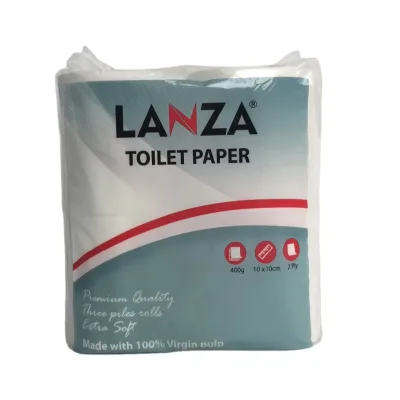
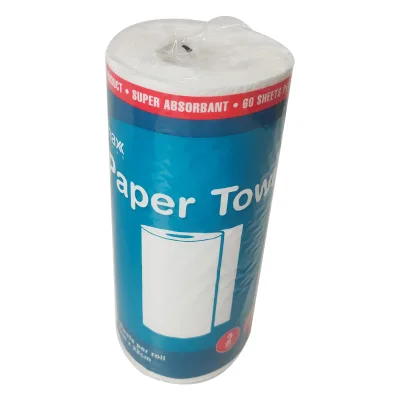


Environmentally Friendly, Easy to Absorb Water, and Biodegradable Kitchen Paper
$0.22 - $0.24
MOQ: 50000 Pieces


Comprehensive Sourcing Guide
White Embossed Kitchen Paper Roll Sourcing Guide
Sourcing white embossed kitchen paper rolls requires a clear understanding of the material composition and structural integrity that define high-quality kitchen tissue. Buyers must distinguish between products made from recycled pulp and those derived from virgin wood pulp, as this choice directly impacts absorbency, strength, and end-use suitability. The observed market data indicates a wide range of options, from standard rolls to jumbo rolls, with layer counts varying from one to four plies. This variability means that procurement teams cannot rely on a single specification sheet; instead, they must evaluate each supplier’s specific product model against their operational needs. The presence of embossing is a common feature, offering both aesthetic appeal and functional benefits such as increased surface area for better liquid retention. However, the embossing process must be verified to ensure it does not compromise the paper’s tensile strength or cause excessive dusting during use.
Commercial listings often highlight customization options, including private labeling and specific packaging configurations, which are critical for brands seeking to differentiate their products in retail or hospitality channels. The observed price range is broad, reflecting differences in raw material costs, production volume, and quality grades. Buyers should note that while some suppliers offer eco-friendly certifications or recycled content, these claims must be validated through documentation rather than assumed from marketing copy. The core structure of the roll, whether it includes a cardboard core or is coreless, also influences handling efficiency and waste management protocols. Understanding these foundational attributes allows procurement specialists to filter out irrelevant suppliers and focus on those who can deliver consistent quality aligned with their specific operational and branding requirements.
Product Scope and Observed Listing Signals
The product scope for white embossed kitchen paper rolls encompasses a diverse array of configurations, primarily defined by ply count, material source, and physical dimensions. Observed listings reveal products ranging from single-ply to four-ply constructions, with virgin wood pulp and recycled pulp being the dominant material choices. The standard roll size is frequently cited, with net content typically falling between 150g and 200g per roll, though some suppliers offer jumbo rolls for industrial or commercial use. Embossing is widely available, enhancing the product’s texture and absorbency, while the white color remains the standard aesthetic for hygiene and cleanliness perception. Buyers should pay close attention to the stated paper net content and sheet count, as these metrics directly correlate with the usable lifespan of the product and the cost-per-use calculation.
Commercial signals also indicate a strong emphasis on customization, with many suppliers offering private branding and tailored packaging solutions such as individual wraps or multi-roll packs. The observed minimum order quantities vary significantly, ranging from small trial orders to large bulk purchases, which impacts inventory management and cash flow planning. Additionally, the origin of production, often cited as regions in China, suggests a mature supply chain with established manufacturing capabilities. However, buyers must verify that the "top grade" or "high quality" labels are backed by tangible performance metrics rather than subjective marketing terms. The availability of both household and commercial applications means that procurement strategies must align with the specific durability and absorbency requirements of the end-user environment, whether it be a residential kitchen or a high-traffic restaurant.
Technical Specifications to Verify
Technical verification begins with confirming the ply structure and material composition, as these factors dictate the paper’s strength and absorbency. Buyers should request detailed specifications for the number of plies, ensuring that the product meets the required durability for heavy-duty kitchen tasks. The distinction between virgin wood pulp and recycled pulp is critical, as virgin pulp generally offers superior strength and whiteness, while recycled pulp may be preferred for sustainability goals. Embossing patterns should be examined for consistency and depth, as improper embossing can lead to poor liquid absorption or excessive linting. Additionally, the core type, whether it is a standard cardboard core or a coreless design, must be confirmed to ensure compatibility with existing dispensing equipment and waste disposal systems.
Sheet count and roll weight are essential metrics for calculating cost efficiency and inventory turnover. Buyers must verify the number of sheets per roll, as discrepancies between advertised and actual counts can lead to unexpected costs. The net content per roll, typically ranging from 150g to 200g, should be cross-checked with the supplier’s production data to ensure consistency. Furthermore, the treatment processes, such as embossing or softening, should be documented to guarantee that the final product meets the desired hand feel and performance standards. It is also important to confirm the packaging specifications, including whether rolls are individually wrapped or packed in cartons, as this affects storage efficiency and product protection during transit. These technical details form the basis of any quality assurance protocol and must be rigorously validated before placing large orders.
Compliance and Safety Documentation
Compliance and safety documentation are paramount when sourcing kitchen paper, particularly for products intended for food contact or pharmaceutical use. Buyers must ensure that suppliers provide evidence of adherence to relevant food safety standards, such as FDA or EU regulations, depending on the target market. While specific certification names are not always listed, the presence of "eco-friendly" claims should be supported by verifiable environmental certifications, such as FSC or PEFC, to avoid greenwashing risks. The material composition, whether virgin or recycled, must be clearly declared to ensure that no harmful chemicals or contaminants are present in the final product. Buyers should also verify that the production facilities comply with good manufacturing practices (GMP) to maintain hygiene and product integrity throughout the supply chain.
Safety documentation should also include information on the product’s flammability and chemical stability, especially if the paper is used in industrial settings or as an insulation material. Buyers must request material safety data sheets (MSDS) or equivalent documentation to understand any potential hazards associated with the product’s use or disposal. Additionally, the labeling and packaging must comply with local regulations regarding product information, including ingredient lists, usage instructions, and disposal guidelines. It is crucial to verify that the supplier can provide batch-specific test reports to ensure consistency in quality and safety across different production runs. By prioritizing comprehensive compliance documentation, buyers can mitigate legal and reputational risks while ensuring that the products meet the highest standards of safety and environmental responsibility.
Cost Drivers and Commercial Terms
Cost drivers for white embossed kitchen paper rolls are primarily influenced by raw material prices, production volume, and customization requirements. Virgin wood pulp is generally more expensive than recycled pulp, leading to higher unit costs for products made from virgin materials. The number of plies also affects pricing, with multi-ply products commanding a premium due to increased material usage and processing complexity. Embossing and custom branding add additional costs, as they require specialized equipment and setup time. Buyers should negotiate based on volume discounts, as larger orders typically result in lower per-unit costs. Additionally, packaging choices, such as individual wraps or custom cartons, can impact the final price, so it is important to balance aesthetic preferences with cost efficiency.
Commercial terms, including minimum order quantities (MOQs) and payment terms, vary significantly among suppliers. Observed MOQs range from small quantities for trial orders to large volumes for established contracts, allowing buyers to scale their procurement strategies accordingly. Payment terms should be negotiated to align with cash flow needs, with options such as letters of credit or open account terms being common for established relationships. Lead times are another critical factor, as delays in production or shipping can disrupt inventory levels and customer satisfaction. Buyers should clarify shipping responsibilities, including whether costs are included in the quoted price or handled separately via Incoterms. By understanding these cost drivers and commercial terms, procurement teams can optimize their spending and secure favorable conditions that support long-term business objectives.
Supplier Qualification and Quality Control
Supplier qualification is a critical step in ensuring the reliability and consistency of White Embossed Kitchen Paper Roll supplies. Buyers should conduct thorough due diligence on potential suppliers, verifying their manufacturing capabilities, production capacity, and quality management systems. It is essential to confirm that the supplier has experience in producing kitchen paper and can meet specific technical requirements, such as ply count, embossing patterns, and packaging specifications. Site audits or virtual inspections can provide valuable insights into the supplier’s operational efficiency and adherence to safety standards. Additionally, buyers should request references or case studies from existing clients to assess the supplier’s track record and reliability. This proactive approach helps mitigate the risk of supply chain disruptions and ensures that the supplier can deliver products that meet quality expectations.
Quality control measures must be established to monitor product consistency and performance throughout the production process. Buyers should implement incoming quality checks to verify that the received products match the agreed-upon specifications, including weight, sheet count, and embossing quality. Regular sampling and testing can help identify any deviations from the standard, allowing for timely corrective actions. It is also important to establish clear communication channels with the supplier to address any quality issues promptly. By maintaining rigorous quality control protocols, buyers can ensure that the products meet the required standards for absorbency, strength, and appearance. This attention to detail not only enhances customer satisfaction but also protects the brand’s reputation in the market.
Long-Term Procurement Checks
Long-term procurement checks are essential for maintaining a stable and efficient supply chain for white embossed kitchen paper rolls. Buyers should regularly review supplier performance metrics, including on-time delivery rates, product quality consistency, and responsiveness to issues. These metrics provide valuable insights into the supplier’s reliability and help identify areas for improvement. Additionally, buyers should monitor market trends and raw material price fluctuations to anticipate potential cost changes and adjust procurement strategies accordingly. Building strong relationships with suppliers through regular communication and collaborative problem-solving can enhance mutual trust and facilitate smoother transactions. By staying informed about industry developments and supplier capabilities, buyers can make informed decisions that support long-term business success.
Sustainability and ethical sourcing practices should also be integrated into long-term procurement strategies. Buyers should assess suppliers’ environmental policies and social responsibility initiatives to ensure alignment with corporate sustainability goals. This may include verifying the use of recycled materials, energy-efficient production processes, and fair labor practices. Regular audits and certifications can help validate these claims and ensure continuous improvement. By prioritizing sustainability, buyers can enhance their brand’s reputation and meet the growing consumer demand for environmentally responsible products. Furthermore, diversifying the supplier base can reduce dependency on single sources and mitigate risks associated with supply chain disruptions. These long-term checks ensure that the procurement process remains resilient, efficient, and aligned with broader business objectives.
FAQs
What materials are used for white embossed kitchen paper rolls?
These rolls are made from recycled pulp or virgin wood pulp. Some products also combine wood and bamboo materials. This ensures the tissue is strong and suitable for various kitchen tasks while maintaining eco-friendly properties for modern buyers.
How many layers do these kitchen paper rolls typically have?
The available options include one, two, three, or four plies. Many specific models feature a two-ply construction for enhanced durability. This layering provides the necessary strength and absorption required for effective kitchen cleaning and food handling applications.
Can I customize the brand name on these paper rolls?
Yes, customization of the brand name is available for buyers. You can request your own logo or brand identity on the packaging. This service allows businesses to create unique products while maintaining the high quality and standard specifications of the tissue paper.
What is the typical net content per roll for this product?
The paper net content generally ranges from 150 grams to 200 grams per roll. Some specifications indicate sheet counts between 75 and 150 sheets per roll. This weight ensures sufficient material for household and commercial kitchen usage without excessive waste.
Where are these white embossed kitchen paper rolls manufactured?
Manufacturing origins include locations in Shandong Changle and Yunfu City in Guangdong. These facilities produce the tissue paper using standard processes like embossing. The products are packed in cartons or individual wraps for export to international markets.
What packaging options are available for bulk orders of kitchen paper?
Packaging includes cartons, individual wraps, or packs containing four or eight rolls. Export standard packaging often utilizes wooden pallets or wooden cases for large shipments. These options protect the product during transit and facilitate easy handling for wholesale distributors.
Is the White Embossed Kitchen Paper Roll suitable for food use?
Yes, the product is explicitly designed for food use and kitchen applications. It is also suitable for insulation and pharmaceutical purposes. The material is disposable and features a soft hand feel with good absorption, making it safe for direct contact with food items.