Source white indole-3-carbinol for supplements, intermediates, and research
Compare 30 listings for white indole-3-carbinol from Chinese manufacturers offering GMP and USP grades. Buyers can review specifications like assay levels, packaging options, and shipping methods to find suitable suppliers for nutritional supplements and pharmaceutical intermediates.
Key considerations
Products List


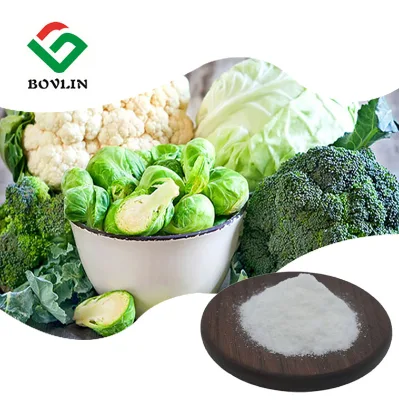
99% Purity Indole-3-Carbinol Powder C9H9NO Indole-3-Carbinol CAS 700-06-1
$70.00 - $88.00
MOQ: 100 kilograms




Comprehensive Sourcing Guide
Strategic Sourcing Guide for White Indole-3-Carbinol Procurement
The global demand for high-purity Indole-3-Carbinol (I3C) continues to expand as the nutritional supplement and pharmaceutical sectors seek effective bioactive compounds. Sourcing white Indole-3-Carbinol requires a disciplined approach that balances technical precision with supply chain reliability. Buyers must navigate a market where specifications vary significantly between suppliers, ranging from industrial intermediates to medicine-grade ingredients. This guide provides a structured framework for evaluating potential vendors, ensuring that the procured material meets rigorous quality standards while aligning with specific application requirements.
Technical Specifications and Chemical Identity
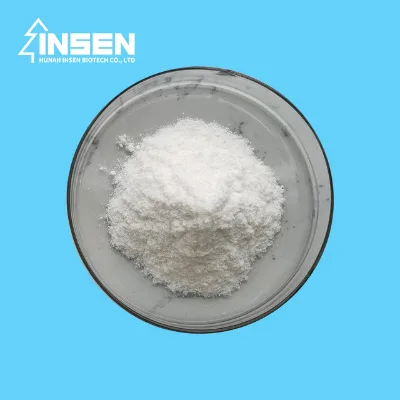
The foundation of any successful procurement begins with a clear definition of the chemical identity and physical properties. Indole-3-Carbinol is chemically identified by the CAS number 700-06-1 and possesses the molecular formula C9H9NO. The molecular weight is consistently recorded at 147.17 g/mol. Physically, the product is characterized as a white or off-white powder. While some market observations describe the appearance simply as "white powder," others specify an "off-white" hue, indicating that buyers should verify the exact visual standard against their internal quality benchmarks.
Density is a critical physical parameter for logistics and formulation. Observed estimates for the density of this compound are approximately 1.1135, though this is often noted as a rough estimate. Solubility profiles are equally important for formulation scientists; the substance is soluble in methanol. Buyers must confirm that the specific lot they receive matches these solubility characteristics, as deviations can indicate impurities or degradation. The storage requirements are stringent, with recommendations to store the material between 2-8°C or below +30°C depending on the specific supplier's protocol. Adherence to these temperature controls is essential to maintain the product's integrity over its shelf life, which is typically cited as 2 years.
Compliance, Certification, and Regulatory Standards
Navigating the regulatory landscape is paramount when sourcing pharmaceutical and nutritional ingredients. The market for Indole-3-Carbinol includes products certified under various standards, reflecting the diverse end-uses of the material. High-confidence observations indicate that suppliers may hold ISO GMP certifications, which are crucial for pharmaceutical intermediates. Other potential certifications observed in the sector include BP (British Pharmacopoeia), USP (United States Pharmacopeia), and ISO HSE standards.
When evaluating a supplier, buyers should not assume that a single certification covers all requirements. Instead, the procurement strategy must involve verifying the specific certification relevant to the intended application. For instance, a product labeled for nutritional supplements may require different validation than one intended for pharmaceutical synthesis. The quality grade is another critical differentiator; products are available in "Medicine Grade" and "Industrial" grades. The distinction between these grades dictates the allowable impurity levels and the rigor of the testing protocols employed. Buyers must explicitly request the Certificate of Analysis (CoA) to confirm that the supplier's claimed certifications align with the specific batch of material being purchased.
Cost Drivers and Pricing Dynamics
The pricing of Indole-3-Carbinol is influenced by a complex interplay of factors, including grade, packaging, and order volume. The observed market price range is broad, spanning from $0.10 to $1,000 USD, which suggests that the final cost is highly dependent on the specific configuration of the order. This wide variance often reflects differences in purity, packaging size, and the inclusion of value-added services like custom labeling or specialized testing.
Minimum Order Quantity (MOQ) is a significant cost driver. Market data indicates MOQs ranging from 100g to 1kg, with some suppliers offering flexible terms based on the buyer's needs. For large-scale industrial applications, bulk purchasing in 25kg, 50kg, or even 1000kg drums can significantly reduce the unit cost. Conversely, smaller orders for R&D or pilot testing will carry a higher per-unit price. The packaging method also impacts cost; options include aluminum foil bags, fiber buckets, and standard drums. Buyers should analyze the total cost of ownership, including shipping and handling, rather than focusing solely on the unit price. The resource type, noted as "Chemosynthesis," implies a specific manufacturing process that may influence production costs compared to botanical extraction methods.
Typical Applications and Suitability
Indole-3-Carbinol serves a wide array of applications across multiple industries. Its primary use is in the formulation of nutritional supplements, where it is valued for its potential health benefits. The product is suitable for adults, children, and the elderly, making it a versatile ingredient for broad-spectrum dietary products. Beyond supplements, the compound is utilized as a pharmaceutical intermediate, playing a critical role in the synthesis of various drugs. Some suppliers also highlight functional attributes such as anti-inflammatory properties, which may be relevant for specific therapeutic formulations.
The versatility of the product is further evidenced by its availability in various standard sizes, ranging from 10g to 500kg. This scalability allows the same raw material to serve small-scale research projects and large-scale commercial manufacturing. When selecting a supplier, buyers must ensure that the product's intended application matches the supplier's declared usage. For example, a product marketed for industrial use may not meet the stringent purity requirements for a human dietary supplement. Therefore, the "Application" field on the supplier's documentation must be explicitly verified against the buyer's end-use case.
Supplier Evaluation and Geographic Considerations
Geographic origin plays a significant role in the logistics and reliability of the supply chain. The majority of observed Indole-3-Carbinol products originate from China, with specific manufacturing hubs noted in Shandong and Wuhan. These regions have established infrastructure for chemical production and export. However, the presence of multiple origin points suggests that buyers should evaluate the specific manufacturing capabilities of the facility rather than relying solely on the country of origin.
Supplier evaluation should extend beyond location to include logistical capabilities. Shipping options are diverse, including FedEx, UPS, DHL, EMS, air freight, and sea freight. The availability of "The Same Day Shipping" for in-stock items is a valuable feature for urgent procurement needs. Payment terms are also flexible, with options such as T/T, L/C, and PayPal available. Buyers should assess the supplier's inventory status; products marked as "Available" or "In Stock" offer reduced lead times compared to those requiring production runs. Customization services are available for many suppliers, allowing for tailored packaging and labeling, which can be a decisive factor for brands requiring specific market positioning.
Quality Control and Testing Protocols
Ensuring product quality is the most critical step in the procurement process. The industry standard for verifying the purity of Indole-3-Carbinol is High-Performance Liquid Chromatography (HPLC). Buyers must insist on HPLC test results as part of the documentation for every batch. The assay (purity) is a key metric, with observed values ranging from 98% to 99%. While these figures represent high purity, buyers should establish their own acceptance criteria based on their specific application needs.
Impurity testing is equally important. Heavy metal content is a standard quality control parameter, with observed limits set at less than 10ppm. Loss on drying is another critical specification, typically required to be less than 5% to ensure the product is not hygroscopic or degraded. The "Test Method" field should be explicitly checked to confirm that the supplier uses validated analytical methods. Furthermore, the product model numbers, such as CAS 700-06-1 or specific internal codes like LYPH-Indole-3-Carbinol and JT22PE, serve as unique identifiers that help trace the material back to its specific production batch. Buyers should maintain a strict protocol for verifying these identifiers against the CoA to prevent the receipt of substandard or mislabeled materials.
Long-Term Procurement Considerations
Sourcing Indole-3-Carbinol is not merely a transactional event but a strategic partnership that requires long-term planning. The availability of customization options, including both non-customized and customized packaging, allows buyers to adapt their supply chain as their business grows. The ability to source in various quantities, from 1kg bags to 25kg drums, provides the flexibility to manage inventory levels effectively.
Buyers should also consider the stability of the supply chain. The observation of "Stock: Available" and "The Same Day Shipping" suggests that some suppliers maintain robust inventory levels, which is beneficial for maintaining continuous production. However, reliance on a single source can be risky. Diversifying the supplier base across different regions, such as Shandong and Wuhan, can mitigate supply chain disruptions. Finally, the shelf life of 2 years necessitates careful inventory management to ensure that the product is used before expiration. Regular audits of supplier quality systems and periodic re-testing of incoming materials are essential practices to maintain product integrity over the long term.
| Feature | Observation | Procurement Action |
|---|---|---|
| CAS Number | 700-06-1 | Verify against CoA for every batch. |
| Purity (Assay) | 98% - 99% | Define internal acceptance limits. |
| Heavy Metals | <10ppm | Require specific test results in CoA. |
| Storage | 2-8°C or <30°C | Ensure cold chain logistics if required. |
| Packaging | Bags, Drums, Foil | Select based on scale and moisture sensitivity. |
| Origin | Shandong, Wuhan, China | Evaluate facility audits for specific sites. |
| MOQ | 100g - 1kg | Negotiate based on volume and frequency. |
By adhering to these guidelines, buyers can navigate the complexities of the Indole-3-Carbinol market with confidence, ensuring that the sourced material meets all technical, regulatory, and operational requirements.
FAQs
What certifications are available for white indole-3-carbinol?
Products are available with ISO GMP, BP, USP, and ISO HSE certifications. Buyers should verify the specific certification on the Certificate of Analysis to ensure it matches their regulatory requirements for pharmaceutical or nutritional applications.
How is white indole-3-carbinol packaged for shipment?
The product is packed in bags, aluminum foil bags, fiber buckets, or drums. Common configurations include 1kg per bag or 25kg per drum, with options for customized packaging based on specific buyer needs.
Can I get white indole-3-carbinol with same day shipping?
Yes, in-stock items offer same day shipping availability. This service is typically provided via FedEx, UPS, DHL, EMS, air, or sea freight depending on the urgency and destination of the order.
What is the minimum order quantity for white indole-3-carbinol?
Minimum order quantities range from 100g to 1kg depending on the supplier. Some vendors offer flexible terms for smaller research orders while others require bulk purchases for industrial applications.
Where is white indole-3-carbinol manufactured?
The product originates from China, specifically from manufacturing hubs in Shandong and Wuhan. Buyers should evaluate the specific facility capabilities rather than relying solely on the country of origin for quality assurance.
What purity levels are standard for white indole-3-carbinol?
Standard assay purity ranges from 98% to 99% as verified by HPLC testing. Heavy metal content is typically kept below 10ppm, and loss on drying is maintained under 5% to ensure quality.