Source White Hydroponic Foam Board for Home, Greenhouse, and Commercial Growing
Find and compare 30 White Hydroponic Foam Board options for home gardens, greenhouses, and commercial vegetable production. These XPS and PVC boards feature customizable hole sizes and light-weight designs to support efficient plant growth in various hydroponic systems.
Key considerations
Products List


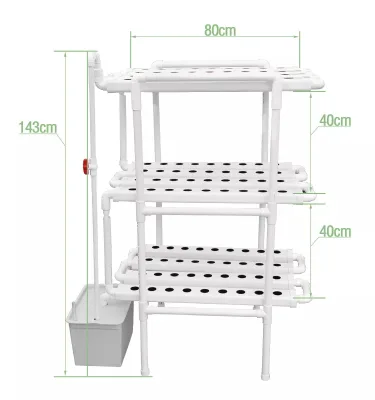
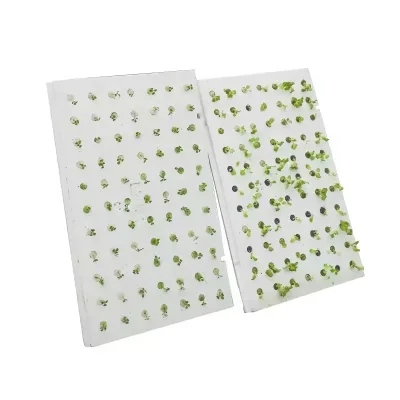


Hydroponic Floating Raft Growing Foam Board for Greenhouse Vegetable Planting
$1.80 - $5.00
MOQ: 1 Square Meters




Comprehensive Sourcing Guide
White Hydroponic Foam Board Sourcing Guide
Product Scope and Observed Listing Signals
The White Hydroponic Foam Board serves as a critical substrate in modern soil-less cultivation systems, primarily designed to support plant growth in home gardens, greenhouses, and commercial vegetable production environments. Market observations indicate that these boards are typically constructed from expanded polystyrene (XPS) or polyvinyl chloride (PVC) materials, offering a lightweight yet durable platform for hydroponic, aeroponic, and aquaponic applications. The visual characteristic of white is not merely aesthetic; it reflects light back onto the foliage, which can enhance photosynthesis efficiency, while the material choice directly influences buoyancy, thermal insulation, and chemical resistance within the nutrient solution. Buyers should recognize that while the core function remains consistent, the specific material composition varies significantly between suppliers, necessitating careful verification of the base polymer to ensure compatibility with long-term immersion in nutrient-rich water.
Current listing signals reveal a diverse range of configurations, with standard dimensions frequently observed around 1000x600x30 mm or 100x60x3 cm, though customized sizes are widely available to meet specific grow bed requirements. The boards are engineered with pre-drilled holes, commonly sized at 5 cm in diameter, to accommodate standard 2-inch net pots, with hole counts ranging from 40 to 72 cells per board depending on the model. This modularity allows for flexible density planning, enabling growers to optimize space utilization for leafy vegetables and seedlings. The availability of customization extends beyond dimensions to include hole patterns and cell counts, suggesting that buyers with unique infrastructure or high-density planting needs can source tailored solutions rather than being constrained by off-the-shelf limitations.
Technical Specifications to Verify
When evaluating technical specifications, the board’s dimensional accuracy and structural integrity are paramount for ensuring a secure fit within your hydroponic channels or rafts. Standard models often adhere to dimensions such as 100060030 mm or 120060040 mm, but buyers must verify that the thickness and density are sufficient to prevent warping or sagging under the weight of mature plants and saturated root zones. The material density directly impacts buoyancy; for instance, XPS boards are noted for their light weight and high quality, making them suitable for floating raft systems, whereas PVC variants may offer different durability profiles. It is essential to confirm whether the board is single-layer or multi-layered, as this affects its resistance to cracking and its ability to maintain shape over repeated cycles of use and cleaning.
The hole configuration is another critical technical parameter that requires precise verification to match your existing hardware. The standard hole diameter is typically 5 cm, designed to fit 2-inch net pots securely, but some suppliers offer customized hole diameters or cell counts, such as 50 or 72 cells, to accommodate different plant sizes or spacing requirements. Buyers should request detailed drawings or physical samples to confirm that the hole edges are smooth and free of burrs that could damage plant stems or net pots. Additionally, the board’s surface texture and porosity should be assessed to ensure that it does not absorb nutrients excessively, which could lead to bacterial growth or uneven nutrient distribution, thereby compromising plant health and system hygiene.
Compliance and Safety Documentation
Compliance with international safety and environmental standards is a non-negotiable aspect of sourcing hydroponic foam boards, particularly when the system is used for food-grade vegetable production. Certifications such as CE and RoHS are frequently cited in product listings, indicating that the materials used are free from hazardous substances and meet European safety requirements for electrical and mechanical equipment, which often extends to their manufacturing processes. Buyers should request valid certification documents to verify that the specific batch of foam boards complies with these standards, ensuring that no toxic chemicals leach into the nutrient solution. This is especially important for XPS and PVC materials, as the quality of the raw polymers and the additives used during foaming can significantly impact the safety profile of the final product.
In addition to product-specific certifications, buyers should inquire about the manufacturing standards and quality management systems employed by the supplier. While some listings mention standards like CARB P2, CE, and JAS, these often relate to the broader manufacturing environment or specific material grades rather than the finished board itself. It is crucial to distinguish between certifications that apply to the foam material’s safety and those that apply to the factory’s operational practices. Buyers should also verify if the supplier adheres to any industry-specific guidelines for hydroponic substrates, ensuring that the boards are inert and do not alter the pH or chemical balance of the nutrient solution over time.
Cost Drivers and Commercial Terms
The cost of white hydroponic foam boards is influenced by several factors, including material type, board dimensions, hole customization, and order volume. Observed price ranges in the market vary significantly, reflecting differences in material quality, manufacturing complexity, and supplier overheads. Buyers should expect that customized boards, with non-standard dimensions or hole patterns, will carry a premium due to the additional setup and production time required. Similarly, boards made from higher-grade XPS or PVC, which offer better durability and buoyancy, may be priced higher than basic alternatives. Understanding these cost drivers allows buyers to make informed trade-offs between initial investment and long-term performance, ensuring that they select a product that offers the best value for their specific cultivation needs.
Commercial terms, including minimum order quantities (MOQ) and lead times, also play a significant role in the total cost of ownership. MOQs can range from as low as 1 unit to 5000 units, depending on the supplier’s production capacity and the level of customization required. Lead times typically span 15 to 25 days, with shipping options available by sea or express courier, depending on the urgency and volume of the order. Buyers should factor in these logistical considerations when planning their procurement cycles, ensuring that they have sufficient stock to avoid disruptions in their growing operations. Additionally, packaging details, such as carton box or standard export package configurations, should be reviewed to ensure that the boards arrive in good condition and are easy to store and handle.
Supplier Qualification and Quality Control
Supplier qualification is a critical step in ensuring the reliability and consistency of your hydroponic foam board supply. Buyers should prioritize suppliers who demonstrate a clear understanding of hydroponic applications and who provide detailed technical specifications and compliance documentation. The presence of certifications such as CE and RoHS, along with a transparent manufacturing process, are strong indicators of a supplier’s commitment to quality and safety. Additionally, buyers should assess the supplier’s ability to provide customized solutions, as this flexibility can be a valuable asset when adapting to changing cultivation needs or scaling operations. A supplier’s responsiveness to inquiries and their willingness to provide samples or references can also provide insights into their professionalism and reliability.
Quality control measures should be rigorously evaluated to ensure that the foam boards meet your specifications and performance expectations. Buyers should inquire about the supplier’s internal quality control processes, including material testing, dimensional accuracy checks, and hole drilling precision. Requesting a sample batch for testing can help verify the board’s buoyancy, durability, and chemical inertness before committing to a larger order. Additionally, buyers should establish clear acceptance criteria and inspection protocols for incoming shipments, ensuring that any defects or deviations from specifications are identified and addressed promptly. Building a strong relationship with a qualified supplier can lead to better pricing, improved service, and consistent product quality over time.
Long-Term Procurement Checks
Long-term procurement success depends on establishing a robust supply chain that can adapt to changing market conditions and cultivation requirements. Buyers should regularly review their supplier’s performance, including delivery times, product quality, and customer service, to ensure that they continue to meet their needs. It is also important to stay informed about industry trends and technological advancements in hydroponic substrates, as new materials or designs may offer improved performance or cost savings. By maintaining a diversified supplier base and staying engaged with industry developments, buyers can mitigate risks and ensure a steady supply of high-quality foam boards for their operations.
Finally, buyers should consider the environmental impact of their procurement decisions, seeking out suppliers who prioritize sustainable manufacturing practices and recyclable materials. While the primary focus is on performance and cost, the long-term viability of the supply chain is increasingly influenced by environmental, social, and governance (ESG) factors. By aligning their procurement strategies with sustainability goals, buyers can enhance their brand reputation and contribute to a more resilient and responsible hydroponic industry. Regularly reassessing these factors will help ensure that the procurement process remains efficient, effective, and aligned with broader organizational objectives.
FAQs
What material is used for white hydroponic foam boards?
The boards are primarily made from XPS or PVC materials. XPS versions offer light weight and high quality for plant growth. PVC options are also available for specific applications. These materials ensure durability and suitability for hydroponic, aeroponic, and aquaponic systems. The white color helps reflect light, supporting healthy vegetable and seedling development in home gardens or greenhouses.
Can I customize the size and hole diameter of the board?
Yes, customization is available for both board dimensions and hole specifications. Standard sizes include 1000x600x30 mm or 102x67x67 cm cartons. Hole diameters are typically 5 cm or 50 mm, but you can request customized sizes. This flexibility allows you to match specific net pot requirements, such as 2-inch pots, ensuring optimal plant placement and growth efficiency for your unique setup.
What certifications do these hydroponic foam boards have?
The products hold CE and RoHS certifications, ensuring compliance with safety and environmental standards. Some specifications also reference CARB P2, CE, and JAS standards. These certifications indicate that the materials are suitable for safe use in various growing environments. Buyers can rely on these documented standards when sourcing for commercial or home gardening projects that require verified material safety and quality assurance.
How are the boards packaged and shipped?
Boards are packed in carton boxes or standard export packages, often containing 20 pieces per carton. Shipping methods include sea freight and express delivery. The typical shipment lead time is 15 to 25 days. This packaging ensures protection during transit, while the flexible shipping options allow buyers to choose the most cost-effective or urgent delivery method for their specific logistical needs and project timelines.
What is the typical MOQ for ordering these boards?
The minimum order quantity ranges from 1 to 5000 units, depending on the supplier and customization requirements. This wide range accommodates both small-scale home gardeners and large commercial operations. Buyers can start with a small trial order or place bulk purchases for extensive greenhouse setups. The flexible MOQ policy supports various business models, allowing for scalable procurement without excessive initial inventory commitments.
Which applications are suitable for these white foam boards?
These boards are designed for hydroponic, aeroponic, and aquaponic systems. They are ideal for growing leafy vegetables, seedlings, and other plants in home gardens or greenhouses. The light-weight design facilitates easy handling and installation. The white surface reflects light, enhancing photosynthesis. Their versatility makes them suitable for various plant growth applications, supporting efficient and sustainable cultivation practices for diverse agricultural needs.