Source White Gold Plated Vintage Earrings for Gifts
Find 30 listings for White Gold Plated Vintage Earrings suitable for decoration, gifts, and daily wear. Compare options in copper, alloy, and brass materials with styles ranging from antique to simple designs. Check MOQs, lead times, and customization availability for your sourcing needs.
Key considerations
Products List




Comprehensive Sourcing Guide
White Gold Plated Vintage Earrings Sourcing Guide
Sourcing White Gold Plated Vintage Earrings requires careful attention to the specific plating thickness and base metal composition to ensure the antique aesthetic remains durable over time. Buyers must verify that the underlying material, often copper or alloy, is compatible with the desired plating process to prevent tarnishing or skin irritation. The observed market data indicates a wide range of base materials, including copper, alloy, and brass, which directly influences the final appearance and longevity of the vintage finish.
Procurement teams should prioritize suppliers who explicitly state their plating options, such as champagne gold, rhodium, or 18K gold, as these variations define the specific vintage tone. It is critical to confirm that the "white gold" description aligns with the actual plating chemistry provided, as some listings may use rhodium or silver plating to achieve a similar visual effect. Understanding these material distinctions helps buyers avoid miscommunication regarding the product's actual composition and ensures the final goods meet the intended design specifications.
Product Scope and Observed Listing Signals
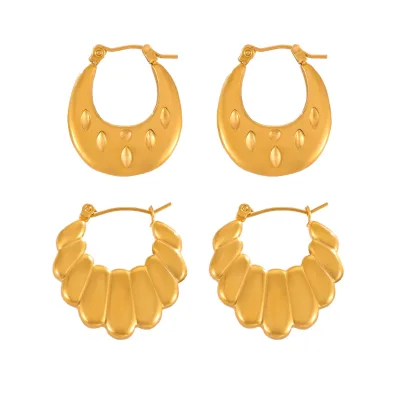
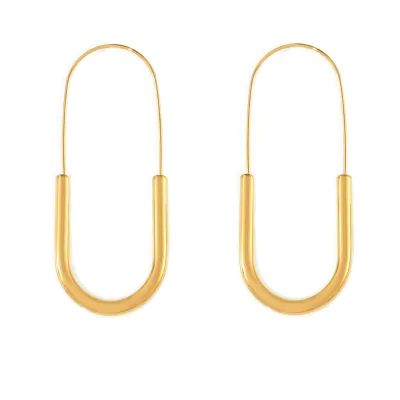
The current market for vintage-style earrings presents a diverse array of shapes and styles, ranging from square and round designs to specific antique and simple aesthetic categories. Buyers will encounter products labeled as ear studs, eardrops, or clip earrings, each serving different functional needs for female and middle-aged demographics. The observed listings highlight a strong emphasis on decorative and gift usage, with specific models like GZ002 and JE005 representing distinct design approaches within the vintage category.
Color variations are a primary signal for vintage styling, with gold, silver, and white tones frequently appearing alongside specific plating options like champagne or rose gold. The packaging methods, ranging from simple OPP bags to craft boxes, often reflect the intended market positioning and gift-readiness of the item. Procurement specialists must cross-reference these visual signals with the actual product model numbers to ensure consistency, as the same vintage style may be offered in multiple configurations with varying material compositions and weight specifications.
Technical Specifications to Verify
Verifying the precise dimensions and weight of vintage earrings is essential for maintaining the structural integrity of the antique design. The observed specifications include standard sizes such as 21mm by 30mm, which buyers must confirm against their design requirements to ensure the earrings fit the intended ear anatomy and style profile. Weight variations, such as the 8g specification noted in certain listings, also impact the comfort and wearability of the product, particularly for extended use during events like weddings or parties.
Material composition verification is equally critical, as the base metal can be copper, alloy, brass, or 925 silver, each offering different durability and plating adhesion characteristics. Buyers should explicitly request the standard material grade and plating thickness to ensure the vintage finish does not degrade quickly. Additionally, the product origin, often cited as Yiwu County or general China, should be confirmed to understand the manufacturing capabilities and the specific quality control standards applied to the base metal and plating processes.
Compliance and Safety Documentation
Safety compliance is a non-negotiable aspect of sourcing vintage earrings, particularly regarding the presence of harmful substances that can cause allergic reactions. The observed data highlights certifications such as SGS, BV, and Intertek, which validate that the products are lead-free, nickel-free, and cadmium-free. Buyers must insist on seeing these specific test reports to ensure the earrings meet international safety standards, especially when targeting markets in Europe and North America where regulations are stringent.
Beyond material safety, the quality standards applied to the final product must align with the intended market requirements, such as the US Standard mentioned in some listings. Procurement teams should verify that the supplier maintains a consistent quality control process that covers both the plating adhesion and the structural integrity of the vintage design. Ensuring that the supplier can provide up-to-date certification documents for every batch is crucial for mitigating the risk of product recalls or customer complaints related to material safety.
Cost Drivers and Commercial Terms
The cost of vintage earrings is heavily influenced by the base material, plating thickness, and the complexity of the antique design. While observed price ranges vary significantly from 0.5 to 18.53 USD, the final unit cost depends on whether the item is a stock product or a custom production run. Buyers should analyze the trade-off between the initial unit price and the minimum order quantity, as lower MOQs like 3 pieces may come with higher per-unit costs compared to bulk orders of 200 pieces.
Commercial terms such as payment structures and lead times also play a significant role in the overall procurement cost. The observed terms include a 30% deposit with 70% before shipment, alongside delivery times ranging from 3 days for stock items to 15 days for new productions. Understanding these timelines is vital for inventory planning, especially when coordinating with drop shipping services or managing seasonal demand for wedding and party accessories. Buyers must negotiate these terms to align with their cash flow and delivery schedules.
Supplier Qualification and Quality Control
Supplier qualification for vintage earrings requires a thorough assessment of their customization capabilities and OEM/ODM acceptance. The observed data confirms that many suppliers offer customization services, allowing buyers to tailor the antique style, shape, and plating to their specific brand requirements. It is essential to verify that the supplier has the technical expertise to maintain the vintage aesthetic while adhering to strict quality standards, particularly when dealing with complex plating processes like rhodium or 18K gold.
Quality control measures should extend beyond the final product inspection to include the raw material sourcing and the plating application process. Buyers should request samples to test the durability of the vintage finish and the comfort of the earring components, such as the clip or stud mechanism. Additionally, confirming the supplier's ability to support drop shipping and their track record with major markets like Russia and North America provides insight into their logistical reliability and commitment to consistent product quality.
Long-Term Procurement Checks
Establishing a long-term partnership with a vintage earring supplier requires ongoing monitoring of product consistency and supply chain stability. Buyers should regularly audit the supplier's adherence to the agreed-upon standards, such as the 21mm by 30mm dimensions or specific weight requirements, to ensure that the vintage style remains consistent across different production batches. This vigilance helps prevent drift in product quality that could damage the brand's reputation over time.
Continuous evaluation of the supplier's responsiveness to market trends and their ability to adapt to new design requests is also crucial for long-term success. As fashion trends shift, the demand for specific vintage styles or plating colors may change, requiring a supplier who can quickly adjust production without compromising quality. Maintaining open communication regarding lead times, certification updates, and material availability ensures that the procurement strategy remains agile and responsive to the dynamic nature of the jewelry market.
FAQs
Can I customize White Gold Plated Vintage Earrings with my own design?
Yes, OEM customization is acceptable for these vintage-style earrings. Buyers can request specific designs or modifications to meet their brand requirements. The supplier supports custom orders, allowing for tailored aesthetics while maintaining the antique style and gold color finish desired for the product line.
What is the minimum order quantity for these vintage earrings?
The minimum order quantity is three pieces. This low MOQ allows buyers to test the market or order small batches without significant inventory risk. It is suitable for startups or those seeking sample quantities before committing to larger production runs for their retail or gift collections.
How long does production take for new vintage earring orders?
The lead time for new productions is seven to fifteen days. For stock items, delivery can be completed in three days. This flexibility supports both urgent restocking needs and planned inventory builds, ensuring timely fulfillment for various business scales and seasonal demand fluctuations in the jewelry sector.
What certifications do these vintage earrings meet for safety?
The products hold SGS certification, ensuring compliance with quality standards. Additionally, they are lead-free, nickel-free, and cadmium-free, meeting eco-friendly requirements. These attributes make them suitable for markets with strict regulatory standards, providing assurance of material safety for end consumers in Europe and North America.
Where are these vintage earrings manufactured and shipped from?
These earrings originate from Yiwu County, Jinghua City, Zhejiang Province, China. They are shipped via Ningbo or Shanghai ports. This location is a major hub for jewelry manufacturing, offering efficient logistics and competitive pricing, which supports reliable supply chain operations for international buyers sourcing from China.
What materials are used in these vintage-style earrings?
The earrings are crafted from copper, alloy, and rhodium, with some variants featuring crystal elements. The plating options include champagne gold, rhodium, rose gold, and 18K gold. These materials ensure durability and a premium antique finish, catering to diverse aesthetic preferences while maintaining structural integrity for daily wear.