Source Whole Sweet Qinguan Apple for Retail, Processing, and Export
Compare 24 listings for Whole Sweet Qinguan Apple from Shanxi and Yantai suppliers. Buyers can evaluate varieties like Qinguan, sizes from 60 to 198, and packaging options ranging from 3kg to 20kg cartons with verified supply capabilities; compare the available evidence and request quotations based on your requirements.
Key considerations
Products List


$7.00 - $17.00
MOQ: 1000 Boxes




Comprehensive Sourcing Guide
Whole Sweet Qinguan Apple Sourcing Guide
Sourcing whole sweet Qinguan apples requires a strategic approach to balancing regional origin, specific variety traits, and commercial logistics. Buyers must first recognize that this product is a pip fruit, specifically categorized under the apple type, known for its distinct sweet taste and whole fruit presentation. The primary origins identified in current market listings are Shanxi, Yantai, and Shaanxi in China, each offering unique climatic advantages that influence the final flavor profile and texture of the fruit. Understanding these geographic distinctions is crucial for procurement teams aiming to secure consistent quality for their supply chains.
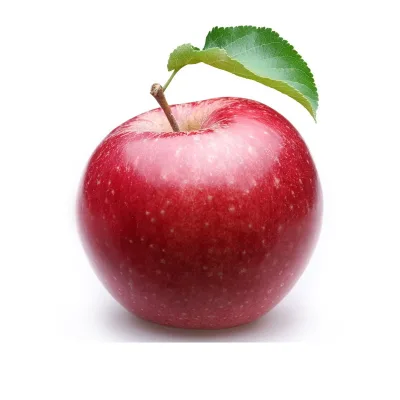
The Qinguan variety is often marketed as a high-quality, fresh product with a red color profile, appealing to consumers seeking natural sweetness and nutritional value. Listings frequently highlight attributes such as being full of Vitamin C and promoting healthy beauty, which serve as strong selling points for retail and food service clients. Procurement specialists should verify that the "sweet" taste profile aligns with their target market’s preferences, as this variety is prized for its sugar content and crispness. Establishing clear expectations regarding the whole fruit style ensures that suppliers deliver products that meet the visual and structural standards required for premium shelf placement.
Product Scope and Observed Listing Signals
The current market landscape for Qinguan apples presents a wide variance in pricing, ranging from $0.50 to $1,500 USD, which reflects differences in packaging, volume, and grade. Minimum order quantities (MOQs) observed span from just one unit to over two thousand, indicating flexibility for both small-scale testers and large industrial buyers. This broad range suggests that buyers can tailor their procurement strategy based on immediate needs, whether for sample verification or bulk seasonal stocking. It is essential to correlate these price and MOQ signals with the specific packaging details and supply ability to ensure cost-effectiveness.
Packaging specifications vary significantly, with common formats including cartons weighing between 3 and 20 kilograms, and specific outer pack sizes like 4kg, 10kg, 15kg, 18kg, or 20kg. Inner packaging often involves plastic bags and paper salvers to protect each apple, sometimes with individual nets, ensuring minimal damage during transit. Buyers should carefully review these packaging details to determine compatibility with their distribution channels, as improper packaging can lead to high spoilage rates. The presence of customization options allows for tailored packaging solutions, which can be a decisive factor in securing long-term supplier relationships.
Technical Specifications to Verify
Technical verification begins with confirming the model numbers and size standards associated with the Qinguan apples, such as 72-198, 138-198, or specific size codes like 64, 74, and 80. These numbers typically refer to the fruit diameter in millimeters or the count per carton, directly impacting the uniformity and premium status of the shipment. Buyers must ensure that the selected size standard matches their retail requirements, as larger fruits often command higher prices but may have stricter quality controls. Verifying these specifications prevents mismatches between ordered and delivered goods, reducing the risk of rejection at the receiving dock.
Maturity levels are another critical technical parameter, with listings indicating values such as 90% or 95% maturity, which influence shelf life and flavor development. The cultivation type is often noted as organic, which adds value but requires strict verification of farming practices to maintain certification integrity. Additionally, the supply ability of up to 1,000 tons per month suggests that suppliers have the capacity to handle large orders, but buyers should confirm this capacity aligns with their peak demand periods. Understanding these technical details helps in planning inventory levels and managing storage conditions effectively.
Compliance and Safety Documentation
Compliance with food safety standards is non-negotiable when importing fresh produce, particularly for markets with stringent regulatory requirements. Buyers must request documentation that verifies the apples meet international safety protocols, including pesticide residue limits and microbial safety standards. Although specific certification names are not provided in the listings, the mention of organic cultivation implies adherence to organic farming regulations, which buyers should validate through third-party audits. Ensuring that suppliers can provide comprehensive safety documentation protects the brand from liability and maintains consumer trust in the product’s integrity.
Port of dispatch information, such as Qingdao Port, is vital for logistics planning and customs clearance procedures. Buyers need to verify that the supplier’s export documentation aligns with the destination country’s import regulations, including phytosanitary certificates and origin declarations. The supply period, noted as October until the following July, indicates a long availability window, but buyers should confirm that this timeline includes necessary cold chain maintenance to preserve freshness. Proper documentation ensures smooth transit and reduces the risk of delays or seizures at border controls.
Cost Drivers and Commercial Terms
Cost drivers for Qinguan apples include the grade of the fruit, with Grade A and Grade 1 being common designations that significantly impact pricing. Higher grades typically feature fewer blemishes and better color consistency, justifying a premium price point. Buyers should analyze the cost per kilogram against the specified packaging weights to determine the true landed cost, including freight and insurance. Understanding these cost drivers allows for more accurate budgeting and helps in negotiating favorable terms with suppliers who offer volume discounts or customized packaging solutions.
Commercial terms such as the port of dispatch and supply period play a crucial role in total cost of ownership. The ability to supply from October to July provides flexibility in sourcing, but buyers must consider seasonal price fluctuations and availability constraints. Customization options may incur additional costs, so it is important to clarify these charges upfront. Establishing clear commercial terms regarding payment methods, delivery schedules, and liability for damage ensures a transparent and fair trading relationship, minimizing financial risks associated with international trade.
Supplier Qualification and Quality Control
Supplier qualification involves assessing the reliability and capacity of producers in Shanxi, Yantai, and Shaanxi to deliver consistent quality. Buyers should verify the supplier’s supply ability, such as the stated 1,000 tons per month, to ensure they can meet large order volumes without compromising quality. Quality control measures, including the use of nets and paper salvers in packaging, indicate a commitment to protecting the fruit during transit. Buyers must implement their own quality checks upon receipt to verify that the apples meet the agreed-upon standards for size, color, and maturity.
Brand names like Xinsheng may appear in listings, but buyers should focus on the supplier’s track record and operational capabilities rather than brand recognition alone. Establishing a robust quality control protocol, including random sampling and sensory evaluation, helps maintain product standards throughout the supply chain. Buyers should also consider the supplier’s responsiveness to issues and their ability to provide replacements or credits for non-conforming goods. A strong supplier relationship is built on mutual trust and consistent performance, which are essential for long-term procurement success.
Long-Term Procurement Checks
Long-term procurement success depends on continuous monitoring of supplier performance and market trends. Buyers should regularly review the consistency of fruit quality, particularly the sweetness and texture, to ensure it meets evolving consumer preferences. Tracking the supply period and availability helps in planning seasonal inventory and avoiding shortages during peak demand times. By maintaining open communication with suppliers, buyers can stay informed about any changes in cultivation practices or packaging innovations that may impact the product.
Regular audits of supplier facilities and documentation ensure ongoing compliance with safety and quality standards. Buyers should also evaluate the efficiency of logistics and customs clearance processes to identify areas for improvement. By analyzing cost trends and market dynamics, procurement teams can negotiate better terms and secure competitive advantages. Continuous improvement in procurement strategies, supported by data-driven decision-making, ensures that the supply of whole sweet Qinguan apples remains reliable, cost-effective, and aligned with business objectives.
FAQs
What is the variety and style of the apple?
The product is a Qinguan variety apple sold in whole style. It is classified as a pip fruit or pome fruit with a sweet taste and red color. The apples are fresh and typically have a normal or cool warmth profile depending on the specific batch.
Where are these apples sourced from?
These apples originate from multiple regions in China, specifically Shanxi, Yantai, and Shaanxi. The port of dispatch for shipping is Qingdao Port. All listed products are confirmed to be of Chinese origin with high-quality cultivation standards.
What are the available packaging options?
Packaging is available in cartons with weights ranging from 3 to 20 kilograms per unit. Specific details include outer cartons of 4, 10, 15, 18, or 20 kg with inner plastic bags and paper salvers. Each apple is individually netted for protection during transit.
What is the supply capacity and period?
The supplier has a monthly supply ability of 1000 tons. The supply period extends from October until the following July. This ensures a consistent flow of fresh apples throughout the harvest and storage seasons for international buyers.
Can the product be customized?
Yes, customization is available for this product line. Buyers can select from various standard sizes ranging from 60 to 198 pieces per carton or specific model numbers like 72-198. The grade is typically A, and the maturity level is between 90 and 95 percent.
What are the key health attributes of the apple?
These apples are full of Vitamin C and are considered healthy food that helps keep beauty. They are cultivated using organic methods and are Grade 1 quality. The fruit is sweet and provides essential nutrients suitable for a healthy diet.