Source Whole Syrup Dried Kumquats for Beverages, Snacks, and Baking
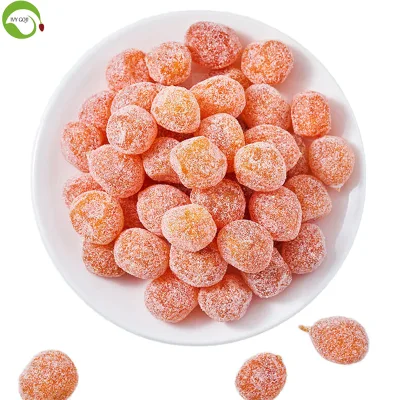
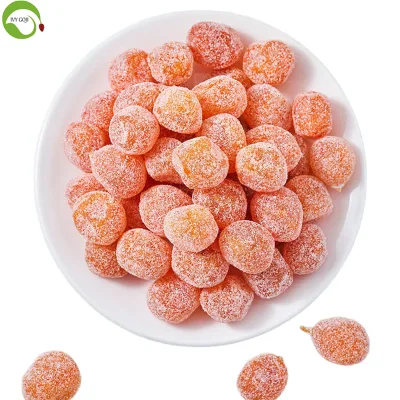
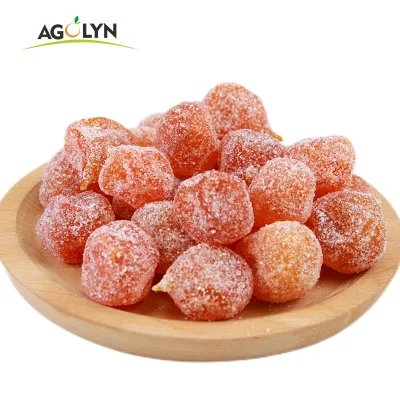
Compare 30 listings for Whole Syrup Dried Kumquats sourced from China. Options include models like ALC-kumquat and Perfect Quality, featuring varying sugar levels, moisture content, and packaging sizes to suit diverse B2B procurement needs.
Key considerations
Products List


Dried Fruits Wholesale Dried Kumquat Price Shelf Kumquat Syrup Kumquat
$2000.00 - $2200.00
MOQ: 1 Tons

Export Standard Halal Certificated Preserved Kumquat Dried Syrup Kumquat
$2000.00 - $2400.00
MOQ: 1 Tons

New Crop Halal Certificated Preserved Kumquat Bulk Packing Dried Syrup Kumquat
$2000.00 - $2400.00
MOQ: 1 Tons

New Crop Cheap Price Preserved Syrup Kumquat Bulk Packing Dried Kumquat
$2000.00 - $2400.00
MOQ: 1 Tons

Factory Price Direct Sell Sweet Kumquat Preserved Kumquat Dried Kumquat Syrup
$2000.00 - $2200.00
MOQ: 1 Tons

$1999.00 - $4999.00
MOQ: 1 Tons

$1999.00 - $4999.00
MOQ: 1 Tons




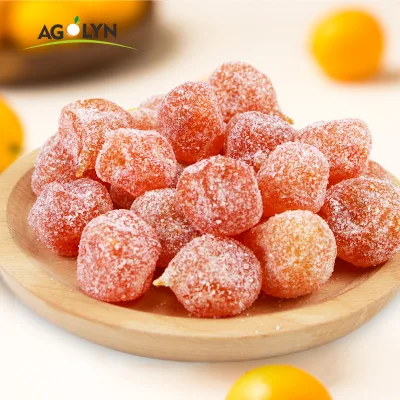
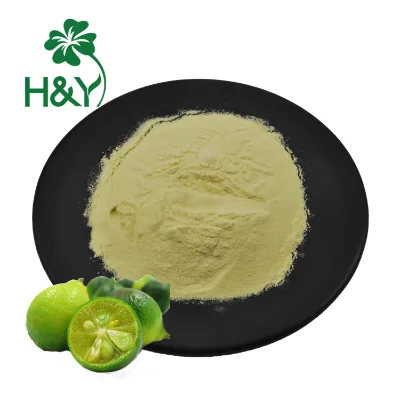

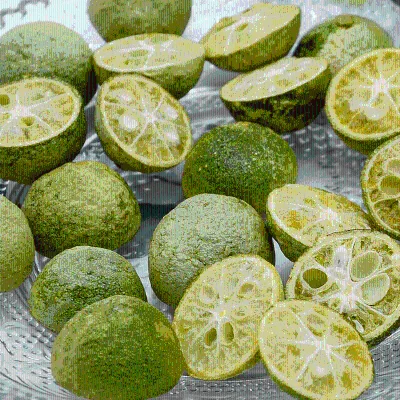
Dried Fruit Kumquat Tea Green Kumquat Freeze Dried Green Calamansi Freeze Dried Green Kumquat
$20.59 - $29.15
MOQ: 500 kilograms
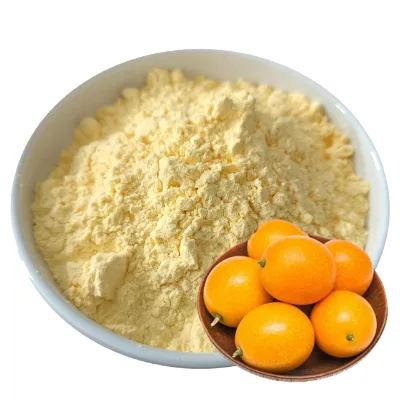

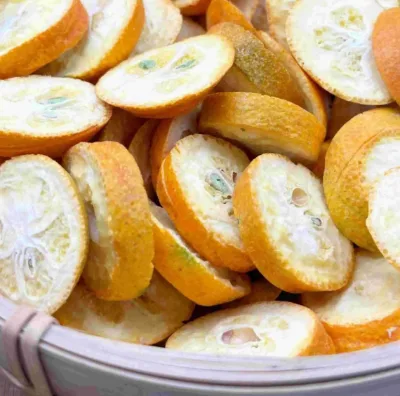
Wholesale Factory Freeze-Dried Kumquats Sour Tasting Dried Fruits in Bulk Packaging
$57.10 - $85.70
MOQ: 10 kilograms

Comprehensive Sourcing Guide
Whole Syrup Dried Kumquats Sourcing Guide
Sourcing Whole Syrup Dried Kumquats requires a nuanced understanding of how preservation methods intersect with botanical integrity and flavor profile. Unlike fresh fruit, these products undergo significant processing to extend shelf life while maintaining the distinctive tart-sweet balance of the kumquat. Buyers must distinguish between products that rely on simple dehydration and those that utilize syrup impregnation, as the latter often involves added sugars, citric acid, and specific colorants to enhance visual appeal and texture. The observed market signals indicate a wide variance in product models, ranging from standard dried fruits to those explicitly labeled with "Perfect Quality" or specific cultivar identifiers like "ALC-kumquat." This diversity means that a single specification sheet rarely covers all available inventory, necessitating rigorous verification of the exact processing method before placing orders.
The procurement landscape for this category is heavily influenced by regional production hubs, with China emerging as a primary source, particularly from regions such as Shandong and Ningxia. Suppliers in these areas often leverage local agricultural advantages to offer competitive pricing and consistent supply throughout the year. However, the term "whole" implies a higher level of care during the drying and syruping process, as maintaining the structural integrity of the small fruit is more challenging than with sliced or crushed varieties. Buyers should be aware that while some listings suggest common open-air cultivation, others may imply more controlled environments, which can impact the final moisture content and susceptibility to spoilage. Understanding these geographic and agricultural nuances is critical for aligning supplier capabilities with specific quality expectations.
Product Scope and Observed Listing Signals
The product scope for Whole Syrup Dried Kumquats encompasses a variety of formulations, primarily distinguished by their ingredient lists and preservation techniques. Observed listings frequently cite ingredients such as granulated sugar, citric acid, and colorants, alongside the fruit itself, indicating a processed snack product rather than a pure dried fruit. The presence of "syrup" in the preservation process suggests that the kumquats are either soaked in or coated with a sugar solution, which contributes to a chewy texture and enhanced sweetness. This method contrasts with simple air-drying or freeze-drying, which would result in a harder, more brittle product. Buyers should carefully review the "Nutrient Composition" and "Ingredients" sections of supplier catalogs to determine if the product aligns with their dietary requirements, particularly regarding total sugar content, which can range significantly between 50% and 65% in some observed models.
Visual and physical attributes are also key signals in this category, with color variations ranging from orange and yellow to red and green, depending on the ripeness of the fruit at harvest and the specific colorants used. The shape is consistently described as "indehiscent" or "whole," confirming that the fruit is not sliced or broken during processing. Moisture content is a critical differentiator, with some products listing levels between 20-25%, while others specify a maximum of 15%. This variance directly impacts shelf life and storage requirements; higher moisture products may require more stringent cold chain logistics, whereas lower moisture items can often be stored in dry, cool spaces. Buyers must verify these physical specifications against their intended use case, whether for direct consumption as a snack or as an ingredient in confectionery and baking applications.
Technical Specifications to Verify
Technical verification begins with the precise definition of the drying and preservation process. While some listings mention "AD" as a drying process, others explicitly state "Syrup" preservation, and still others refer to "Sugar Added" standards. Buyers must clarify whether the product is merely dried and then coated, or if it is fully impregnated with syrup, as this affects the final weight, sweetness, and texture. Additionally, the specification of "Citric Acid" levels, often cited between 0.3-0.5%, is crucial for understanding the acidity balance and preservation efficacy. This acidulant not only enhances flavor but also acts as a preservative, inhibiting microbial growth. Confirming these chemical parameters ensures that the product meets both sensory expectations and safety standards for long-term storage.
Packaging and labeling specifications are equally important for logistical planning and regulatory compliance. Observed packing formats include 10kg cartons, 12.5kg cartons, and smaller 2.5kg bags, with options for bulk packaging or custom requests. The choice of packaging material and size will depend on the buyer’s distribution channel, whether it is wholesale retail, food service, or industrial manufacturing. Furthermore, the "Single package size" and "Weight" details must be verified to calculate freight costs accurately. Buyers should also inquire about the "Cultivation Type," as distinctions between "Common" and "Open Air" cultivation can influence the consistency of the fruit size and the presence of natural blemishes, which may affect the aesthetic quality of the final product.
Compliance and Safety Documentation
Safety documentation for Whole Syrup Dried Kumquats must address the specific risks associated with dried fruits and added preservatives. Sulfur dioxide (SO2) is a common preservative in dried fruit products, and observed listings indicate a maximum level of 100ppm. Buyers must ensure that their target markets have specific regulatory limits for SO2 residues, as some regions have strict thresholds or require explicit labeling for sulfite-containing products. Similarly, the use of colorants and citric acid must comply with local food additive regulations. Suppliers should provide certificates of analysis (COA) that verify these levels, ensuring that the product does not exceed legal limits for the destination country.
Allergen and contamination controls are also critical components of the compliance framework. While kumquats are not common allergens, the processing environment may introduce cross-contamination risks, especially if the facility also handles nuts, dairy, or gluten-containing products. Buyers should request documentation regarding the facility’s hygiene practices and allergen management protocols. Additionally, the "Standard" listed as "Kumquat, SO2, Citric Acid, Sugar, Colorant" suggests a product-specific standard, but buyers should verify if this aligns with broader industry standards such as ISO9001 or ISO22000, which, while mentioned in background data, should be confirmed as active and relevant certifications for the specific supplier.
Cost Drivers and Commercial Terms
Cost drivers for Whole Syrup Dried Kumquats are primarily influenced by the quality of the raw fruit, the complexity of the syruping process, and the packaging requirements. Higher-grade fruits, which are larger, more uniform, and free from blemishes, command a premium price. The addition of sugar and colorants also adds to the material cost, but the efficiency of the drying process can mitigate labor expenses. Buyers should note that the observed price range is broad, from $1.84 to $4999, which likely reflects differences in product grade, packaging size, and order volume. Understanding these variables is essential for accurate budgeting and avoiding unexpected cost overruns.
Commercial terms, including minimum order quantities (MOQ) and lead times, vary significantly among suppliers. Observed MOQs range from 1 to 1000 units, offering flexibility for small buyers but potentially higher per-unit costs for larger orders. Lead times are typically within 15 days, but this can be affected by seasonal availability and production capacity. Buyers should negotiate clear terms regarding payment methods, shipping responsibilities, and penalties for delays. Additionally, the "Supplying Period" is noted as "All Year Around," which suggests a stable supply chain, but buyers should confirm if this is due to storage capabilities or continuous production cycles, as this can impact price stability and availability during peak seasons.
Supplier Qualification and Quality Control
Supplier qualification for Whole Syrup Dried Kumquats requires a thorough assessment of their production capabilities and quality control systems. Buyers should verify the supplier’s address and origin, with Shandong and Ningxia being common locations, to ensure they have access to reliable raw material sources. It is also important to check the supplier’s reputation and history in the dried fruit market, as experience often correlates with better quality control and consistency. Requesting samples before placing large orders is a critical step, allowing buyers to evaluate the product’s texture, flavor, and visual appeal firsthand.
Quality control measures should include regular inspections of the drying and syruping processes, as well as final product testing for moisture content, sugar levels, and microbial safety. Buyers should inquire about the supplier’s procedures for handling defects and their ability to provide traceability for each batch. Additionally, the "Manufacturer" name, such as "Ningxia IVY," should be verified to ensure it is a legitimate and established entity. Establishing a clear communication channel for addressing quality issues and requesting corrective actions is essential for maintaining a reliable supply chain and ensuring that the product meets the buyer’s standards consistently.
Long-Term Procurement Checks
Long-term procurement of Whole Syrup Dried Kumquats involves ongoing monitoring of market trends, regulatory changes, and supplier performance. Buyers should stay informed about updates in food safety regulations, particularly regarding preservatives and additives, to ensure continued compliance. Regular audits of the supplier’s quality control systems and production facilities can help identify potential issues before they impact the supply chain. Additionally, building a diversified supplier base can mitigate risks associated with single-source dependencies, ensuring continuity of supply even if one supplier faces disruptions.
Relationship management with suppliers is also key to long-term success. Establishing clear expectations regarding quality, delivery, and communication can foster a collaborative partnership that benefits both parties. Buyers should regularly review contract terms and negotiate improvements based on performance data and market conditions. Furthermore, exploring opportunities for product customization, such as specific packaging or flavor profiles, can help differentiate the product in the market and create additional value. By maintaining a proactive approach to procurement, buyers can ensure a steady supply of high-quality Whole Syrup Dried Kumquats that meet their evolving business needs.
FAQs
What is the shelf life of Whole Syrup Dried Kumquats?
The shelf life is 12 months when stored correctly. Buyers should keep the product in a dry, cool place away from sunlight to maintain quality and prevent spoilage during this period.
Can I request custom packaging for dried kumquats?
Customization is available for packaging requirements. Standard options include 10kg or 12.5kg cartons, but suppliers can accommodate specific customer requests for bulk or custom bag sizes like 2.5kg.
Which colors are available for Whole Syrup Dried Kumquats?
Available colors include orange, yellow, red, and green. These natural variations depend on the specific batch and processing method used by the manufacturer in China.
How is the moisture content controlled in dried kumquats?
Moisture content is maintained between 20-25% or up to 15% maximum depending on the specific product grade. This ensures the fruit remains preserved while retaining a chewy texture suitable for snacking.
What is the lead time for delivery of dried kumquats?
Delivery time is typically within 15 days after order confirmation. This lead time applies to standard orders and may vary based on the specific supplier capacity and current production schedules.
Which ingredients are used in the syrup drying process?
Ingredients include granulated sugar, citric acid, and sulfur dioxide as a preservative. The product also contains vitamin C and protein, with total sugar levels ranging from 50% to 65%.
Can I source Whole Syrup Dried Kumquats from Ningxia?
Yes, Ningxia IVY is a known manufacturer located in Ningxia, China. They offer whole dried kumquats with specific quality standards and can supply products year-round for international buyers.