Source Whole Fresh Qinguan Apple for Retail, Export, and Processing
Compare 25 listings for Whole Fresh Qinguan Apple sourced from Shanxi and Yantai. Evaluate grades, packaging options, and seasonal availability to find suitable suppliers for your procurement needs.
Key considerations
Products List


$10.00 - $15.00
MOQ: 1186 Boxes




Comprehensive Sourcing Guide
Whole Fresh Qinguan Apple Sourcing Guide
Sourcing whole fresh Qinguan apples requires a nuanced understanding of seasonal availability, specific grading standards, and the logistical realities of importing perishable produce from China. This guide synthesizes observed market signals and technical specifications to help procurement professionals navigate the complexities of acquiring this specific variety. By focusing on verified attributes such as origin, packing details, and compliance documentation, buyers can mitigate risks associated with quality inconsistency and supply chain disruptions. The following sections provide a structured approach to evaluating suppliers, verifying product integrity, and establishing reliable commercial terms for long-term procurement success.
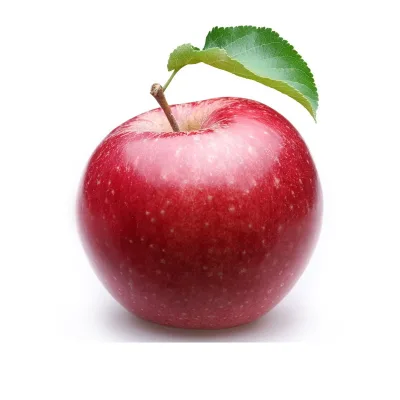
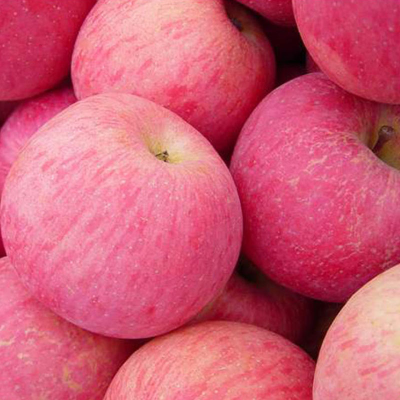
The Qinguan apple, often marketed under brand names like Xinsheng, is a distinct variety known for its sweet taste and firm texture. Market listings indicate that these apples are typically classified as pip fruits or pome fruits, with a fresh style and a characteristic red color. Procurement teams must recognize that "Qinguan" is not merely a generic descriptor but a specific cultivar with defined physical and sensory attributes. Understanding these baseline characteristics is essential for creating accurate purchase orders and ensuring that received goods match the agreed-upon quality standards. This guide serves as a comprehensive resource for aligning procurement strategies with the specific realities of the Qinguan apple supply chain.
Product Scope and Observed Listing Signals
The observed market data reveals a wide variance in product specifications, indicating a fragmented supplier base with differing capabilities. Listings show a price range from $0.5 to $1500 USD, which likely reflects differences in packaging volume, order quantity, and quality grades rather than unit price alone. The minimum order quantity (MOQ) ranges from 1 to 2185 units, suggesting that suppliers cater to both small-scale trial orders and large-volume industrial purchases. Buyers should interpret these ranges as indicators of supplier flexibility rather than fixed market rates, and they must clarify whether prices are based on per-unit, per-carton, or per-container metrics before initiating negotiations.
Product attributes vary significantly across listings, with some specifying "Grade 1" quality and others noting "A" grade, while maturity levels are reported at both 90% and 95%. Origin data points to multiple regions including Shanxi, Yantai, and Shaanxi in China, each potentially offering distinct flavor profiles and shelf-life characteristics due to local microclimates. Packing methods are diverse, ranging from simple cartons to complex configurations involving plastic bags, paper salvers, and individual nets for each apple. These variations highlight the need for precise specification in procurement documents to avoid receiving products that do not meet the intended quality or presentation standards.
Technical Specifications to Verify
Size and weight specifications are critical for ensuring consistency in retail presentation and logistics planning. Observed models include numerical codes such as 64, 74, 80, and ranges like 138-198, which typically refer to fruit diameter in millimeters or pieces per carton. Standard sizes are also listed as S/M/L or specific weights like 16kg to 20kg per carton. Buyers must verify the exact sizing standard used by the supplier, as inconsistencies in fruit diameter can lead to inefficient packing and potential rejection by downstream retailers. Confirming whether the supplier uses metric diameter measurements or piece-count standards is essential for accurate inventory management.
Packing details provide insight into the handling and protection of the fruit during transit. Common configurations include outer cartons of 4kg, 10kg, 15kg, 18kg, or 20kg, with inner layers protected by plastic bags and paper salvers. Some listings specify that each apple is individually netted, which adds cost but enhances protection against bruising. The supply ability is noted as 1000 tons per month, indicating that larger suppliers have the capacity to handle significant volume. Buyers should assess whether the supplier’s packing method aligns with their distribution channel’s requirements for durability and presentation, and verify if customization options are available for specific packaging needs.
Compliance and Safety Documentation
Certification status is a key indicator of a supplier’s commitment to quality management and food safety. Observed certifications include ISO9001, ISO14000, HACCP, and Kosher, which suggest that the supplier adheres to international standards for quality management, environmental management, and food safety. These certifications are crucial for buyers operating in regulated markets where traceability and safety protocols are mandatory. Procurement teams should request valid certificates and verify their expiration dates to ensure continuous compliance. Additionally, buyers should confirm whether the supplier maintains records of pesticide residue testing and other safety checks required by their destination country’s regulations.
Origin and port of dispatch details are vital for logistics planning and regulatory compliance. The primary ports of dispatch include Qingdao Port, which is a major hub for agricultural exports from China. Buyers must ensure that the supplier’s export documentation aligns with the import requirements of their destination, including phytosanitary certificates and country of origin labels. The supply period is listed as October till the next July, indicating a seasonal availability pattern. Understanding this timeline is essential for planning inventory levels and avoiding stockouts during peak demand periods. Buyers should also verify if the supplier offers cold chain logistics to maintain product freshness during transit.
Cost Drivers and Commercial Terms
Pricing structures are influenced by multiple factors, including fruit size, quality grade, and packaging complexity. The observed price range of $0.5 to $1500 USD likely reflects these variables, with higher prices corresponding to larger fruit sizes, premium grades, or specialized packaging. Buyers should request detailed price breakdowns to understand the cost components, such as fruit cost, packing materials, and logistics fees. Negotiating volume discounts based on the supplier’s 1000 tons per month supply ability can help reduce overall procurement costs. It is also important to clarify whether prices are fixed or subject to seasonal fluctuations, and to establish clear terms for price adjustments in long-term contracts.
Commercial terms such as MOQ and payment conditions play a significant role in shaping the procurement strategy. The wide MOQ range from 1 to 2185 units allows for flexibility, but buyers should consider the economic implications of smaller orders versus the efficiency of larger shipments. Payment terms should be negotiated to balance risk and cash flow, with options such as letters of credit or advance payments depending on the supplier’s reputation and the buyer’s risk tolerance. Buyers should also clarify responsibilities for shipping and insurance, determining whether terms are FOB, CIF, or DDP. Clear communication of these terms in the purchase order is essential to avoid disputes and ensure smooth transaction processing.
Supplier Qualification and Quality Control
Supplier qualification involves assessing the supplier’s ability to consistently deliver products that meet specified quality standards. Buyers should verify the supplier’s production capacity, quality control processes, and track record in exporting fresh produce. The mention of "High quality delicious qinguan apple" and "Grade 1" quality suggests a focus on premium products, but buyers must conduct due diligence to confirm these claims. Requesting samples before placing large orders is a critical step in evaluating product quality, taste, and appearance. Buyers should also assess the supplier’s responsiveness and communication skills, as these factors are crucial for resolving issues that may arise during the supply chain.
Quality control measures should be integrated into the procurement process to ensure ongoing product integrity. Buyers should establish clear quality acceptance criteria, including parameters for fruit size, color, maturity, and absence of defects. Regular inspections, either through third-party agencies or on-site visits, can help verify that the supplier adheres to these standards. The observed maturity levels of 90% and 95% indicate that buyers must specify the desired ripeness stage to ensure optimal shelf life and consumer satisfaction. Additionally, buyers should monitor the supplier’s performance over time, tracking metrics such as on-time delivery, defect rates, and customer feedback to identify potential issues early.
Long-Term Procurement Checks
Long-term procurement success depends on building a resilient and adaptable supply chain. Buyers should regularly review supplier performance and market conditions to identify opportunities for improvement or diversification. The seasonal nature of Qinguan apple availability, with a supply period from October to July, requires strategic planning to maintain consistent inventory levels. Buyers should consider establishing relationships with multiple suppliers in different regions, such as Shanxi, Yantai, and Shaanxi, to mitigate risks associated with regional weather events or supply disruptions. Continuous monitoring of market trends and consumer preferences can also help buyers adjust their procurement strategies to meet changing demand patterns.
Sustainability and ethical sourcing practices are increasingly important in modern procurement. Buyers should assess the supplier’s adherence to environmental standards, such as ISO14000, and their commitment to sustainable farming practices. The observation of "Organic" cultivation type suggests that some suppliers may offer eco-friendly options, which can be a valuable differentiator in the market. Buyers should also consider the social impact of their procurement decisions, ensuring that suppliers adhere to fair labor practices and community engagement initiatives. By integrating sustainability into their procurement strategy, buyers can enhance their brand reputation and contribute to a more responsible supply chain.
FAQs
What varieties of Whole Fresh Qinguan Apple are available?
The available variety is Qinguan, classified as a pip fruit or pome fruit. These apples are offered in whole style with a sweet taste and red color. They are sourced from regions like Shanxi and Yantai in China.
How is the Whole Fresh Qinguan Apple packed for shipment?
Packaging options include cartons, paper cartons, and specific weight configurations ranging from 3kg to 20kg. Details often involve outer cartons of 4kg, 10kg, 15kg, 18kg, or 20kg with inner plastic bags and protective nets for each apple.
Which certifications do the Whole Fresh Qinguan Apple suppliers hold?
Suppliers may hold ISO9001, ISO14000, HACCP, and Kosher certifications. These standards ensure quality management and safety protocols are met during the cultivation and processing of the organic grade 1 apples.
Can I find Whole Fresh Qinguan Apple with specific size standards?
Yes, size standards include models like 64, 74, 80, and ranges up to 198. Other specifications list sizes as S, M, L or piece counts such as 60 to 84 pieces per carton depending on the order.
What is the supply ability for Whole Fresh Qinguan Apple orders?
The supply ability is 1000 tons per month. This capacity supports regular orders while the supply period typically runs from October until the following July to ensure seasonal availability.
How does the maturity level affect the Whole Fresh Qinguan Apple quality?
Maturity levels are observed at 90% or 95%, indicating high readiness for harvest. This ensures the fruit maintains its Grade 1 quality and fresh red appearance when dispatched from the origin.
Which locations serve as the origin for Whole Fresh Qinguan Apple?
The primary origins are Shanxi, Yantai, and Shaanxi in China. These regions provide the specific climate conditions necessary for cultivating the sweet, Whole Fresh Qinguan Apple variety.