Source Wire Cut Cookie Drop Machine for Biscuit, Cake, and Candy
Compare 30 wire cut cookie drop machine options from verified Chinese suppliers. These units support biscuit, cake, and candy production with features like touch screens and semi-automatic grades. Buyers can review specifications including voltage, weight, and automatic grade to select the right equipment for their bakery needs.
Key considerations
Products List






Comprehensive Sourcing Guide
Wire Cut Cookie Drop Machine Sourcing Guide
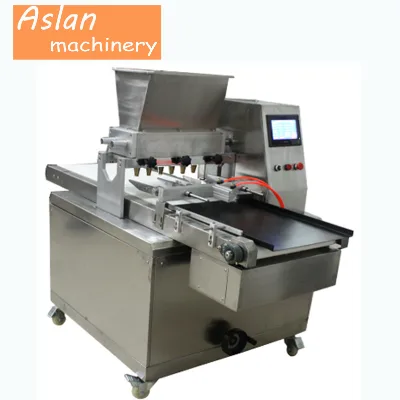
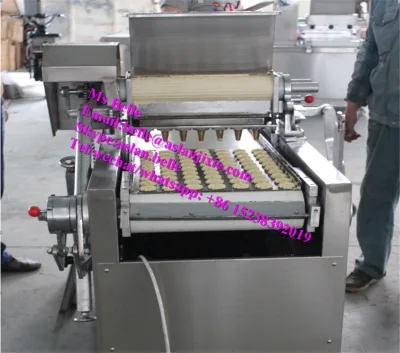
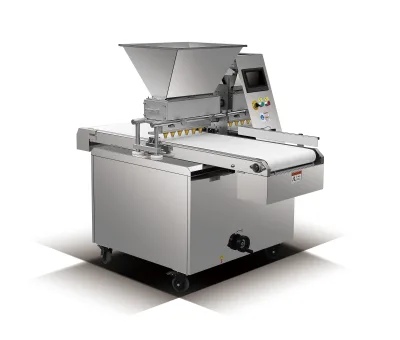
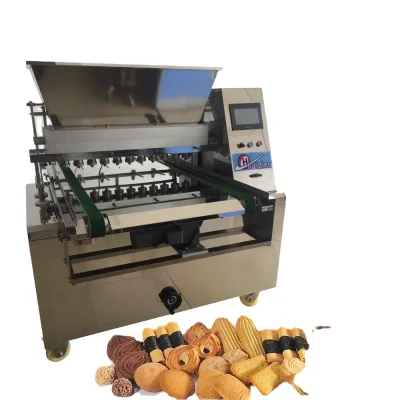
The wire cut cookie drop machine is a specialized piece of equipment designed for high-volume production of soft dough products, including biscuits, cookies, and certain confectionery items. Based on observed market listings, these machines often feature semi-automatic or fully automatic grades, with some models specifically engineered for depositing and shaping dough into precise forms. Buyers should note that while some units are marketed for single-item applications, the core functionality revolves around the extrusion, twisting, and cutting of dough strips to create uniform products.
Procurement decisions must account for the diverse voltage requirements observed in the market, ranging from 220V to 380V, which dictates the necessary electrical infrastructure at the production facility. The machinery is typically powered by electric motors and may include advanced features such as touch screens for operation and control. Understanding the specific power and automation level required is critical before engaging with suppliers, as these factors directly influence installation complexity and operational efficiency.
Product Scope and Observed Listing Signals
Market analysis reveals a wide spectrum of product capabilities, from basic biscuit depositors to complex systems capable of handling multiple raw materials like milk, wheat, and flour. Some listings highlight specific applications for candy, ice cream, and chocolate, indicating that the technology can be adapted for various thermal processing needs beyond standard cookie production. Buyers must carefully distinguish between machines designed for simple depositing and those offering advanced functions like drag stripping or double-color mixing, as these features significantly alter the machine's utility and cost structure.
The physical characteristics of the equipment vary considerably, with observed weights ranging from 450kg to 6500kg depending on the model and capacity. Packaging is consistently described as wooden cases or boxes, suggesting a need for robust logistics planning to prevent damage during transit. Additionally, the presence of specific model numbers such as Bcq400, CK400, and various ORME and MTN series indicates a fragmented market with distinct product lines that may not be directly interchangeable without detailed technical verification.
Technical Specifications to Verify
Voltage compatibility is a primary technical constraint, as the observed listings show machines operating on both 220V and 380V systems. Procurement teams must verify the electrical specifications against the local power grid to avoid costly retrofits or equipment failure. Furthermore, the automatic grade of the machine, whether semi-automatic or fully automatic, determines the level of human intervention required and the overall throughput capacity, which are critical factors for production planning and labor allocation.
The mechanical design and functional capabilities must align with the specific dough characteristics of the intended product. Some units are explicitly described as having functions for extrusion, twisting, and cutting, while others focus on cake or biscuit deposition. Buyers should confirm the presence of core components like motors and the availability of video outgoing-inspection services to ensure the machine meets the required performance standards before finalizing the purchase.
Compliance and Safety Documentation
Safety and regulatory compliance are paramount when importing industrial machinery, and the observed listings frequently cite CE and ISO9001 certifications. These certifications suggest adherence to specific European and international quality management standards, which are essential for ensuring the machine meets safety requirements in many global markets. However, buyers must verify that the specific unit they are purchasing carries these valid certifications, as the presence of a certification on a general listing does not guarantee that every individual model or batch is compliant.
In addition to general certifications, the documentation should include detailed safety manuals and operational guidelines that address the specific risks associated with high-speed dough processing equipment. The availability of engineers for overseas service, as noted in some product attributes, is a crucial component of the safety and maintenance framework. This support ensures that any operational issues can be resolved promptly, minimizing downtime and maintaining a safe working environment for plant personnel.
Cost Drivers and Commercial Terms
The price range for wire cut cookie drop machines is substantial, with observed listings spanning from approximately $3,581 to $180,000. This wide variance is driven by factors such as the level of automation, the complexity of the mechanical functions, and the overall capacity of the unit. Buyers should be prepared for significant cost differences between basic depositing machines and advanced systems capable of complex shaping and multi-product handling, ensuring that the budget aligns with the specific production requirements.
Commercial terms often include a minimum order quantity of one unit, allowing for flexibility in procurement for small to medium-sized enterprises. However, the high value of these machines necessitates careful negotiation regarding payment terms, shipping costs, and warranty coverage. The use of standard export wooden cases for packing is a common practice, but buyers should clarify who bears the cost of specialized packaging or additional insurance during transit to avoid unexpected expenses.
Supplier Qualification and Quality Control
Supplier qualification should extend beyond the brand name, such as Tgmachine, to include a thorough assessment of their manufacturing capabilities and after-sales support structure. The availability of engineers for overseas service is a strong indicator of a supplier's commitment to long-term customer support, which is vital for maintaining complex machinery. Buyers should request references or case studies to verify the supplier's track record in delivering reliable equipment that meets the stated specifications and performance claims.
Quality control processes must be rigorously evaluated, particularly regarding the video outgoing-inspection services mentioned in some listings. This feature allows buyers to visually verify the condition and assembly of the machine before it leaves the factory, reducing the risk of receiving defective units. Additionally, the supplier should provide clear documentation on the raw materials used in the machine's construction and the testing procedures employed to ensure durability and consistent performance in a commercial bakery environment.
Long-Term Procurement Checks
Sustained operational success depends on the availability of spare parts and the supplier's ability to provide timely technical support. Buyers should establish a clear agreement on the supply chain for critical components like motors and control systems to prevent production stoppages due to part shortages. The long-term viability of the investment is closely tied to the supplier's responsiveness and their capacity to offer training and maintenance services as the equipment ages.
Regular performance audits and adherence to maintenance schedules are essential for maximizing the lifespan of the wire cut cookie drop machine. Buyers should implement a system for tracking usage hours and scheduling preventive maintenance to identify potential issues before they lead to costly repairs. Furthermore, staying informed about any updates to safety standards or operational regulations ensures that the machinery remains compliant and efficient throughout its operational life.
FAQs
What voltage options are available for wire cut cookie drop machines?
Standard models typically operate at 380V or 220V depending on the specific configuration and regional electrical standards. Buyers should verify the voltage requirement against their facility infrastructure before ordering. Some units are designed for electric power sources to ensure consistent performance during high-volume production cycles without requiring complex electrical modifications.
Can wire cut cookie drop machines be customized for specific production needs?
Yes, customization is available for many wire cut cookie drop machines to accommodate unique dough formulations or packaging requirements. Manufacturers often offer tailored solutions for specific biscuit or cookie shapes. Buyers can request modifications to ensure the equipment integrates seamlessly with their existing production line and meets specific output targets.
What certifications do wire cut cookie drop machines usually carry?
Most industrial wire cut cookie drop machines carry CE and ISO9001 certifications to ensure compliance with international safety and quality standards. Some models may also display ISOCE markings. These certifications verify that the machinery meets rigorous engineering and operational benchmarks, providing buyers with confidence in the equipment's reliability and safety.
What is the typical weight and packaging for these machines?
Weights vary significantly, ranging from approximately 450kg to 6500kg depending on the model and capacity. Machines are typically packed in wooden cases or standard export wooden boxes to ensure safe transit. This robust packaging protects the sensitive mechanical components during shipping and handling, ensuring the equipment arrives in optimal condition.
What after-sales support is provided for wire cut cookie drop machines?
Providers often offer engineers available to service machinery overseas for installation and maintenance. This support ensures that buyers receive expert assistance regardless of their location. Additional services may include video outgoing inspections to verify machine condition before shipment, helping to minimize downtime and ensure smooth operational startup upon arrival at the facility.