Source Wire Puller for Hose Clips for Cable Routing, Fence Installation, and Wire Tensioning
Explore 30 available options for a Wire Puller for Hose Clips designed for transmission lines, fence wire pulling, and through-wall threading. Buyers can compare models like SKL-15 and S-3000cl, which feature stainless steel or fiberglass materials and various lengths.
Key considerations
Products List


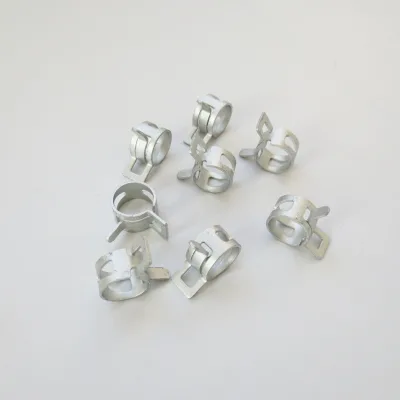


Hand Puller Cable Puller Grip Pulling Tool Cable Grip Gripper for Wire Rope
$0.50 - $21.80
MOQ: 100 Pieces


Low Price High Strength Flexible Wire Pulling Electrical Fiber Cable Puller
$16.00 - $20.00
MOQ: 500 Pieces


Comprehensive Sourcing Guide
Strategic Sourcing Guide for Wire Pullers and Cable Management Hardware
The global market for wire pullers and associated cable management hardware has expanded significantly, driven by the increasing complexity of electrical infrastructure and the demand for efficient installation tools. Buyers searching for a "Wire Puller for Hose Clips" are often navigating a broad category that encompasses specialized pulling ropes, fiberglass rods, and mechanical clamping devices designed to secure and route conductors through conduits, walls, and tight spaces. This guide provides a structured approach to evaluating suppliers, verifying technical specifications, and ensuring compliance without relying on unverified marketing claims. The procurement process requires a rigorous examination of product attributes, material composition, and certification status to mitigate supply chain risks.
Technical Specifications and Material Composition
When sourcing wire pullers, the primary focus must be on the physical attributes that determine performance under load. The supplied product data indicates a diverse range of material compositions, with stainless steel, aluminum alloy, and fiberglass being the most prominent. Stainless steel offers high tensile strength and corrosion resistance, making it suitable for harsh environments, while aluminum alloy provides a lightweight alternative for applications where portability is critical. Fiberglass materials, specifically noted as "Fiberglass Wire Puller," are essential for applications requiring electrical insulation, preventing short circuits during installation in live environments.
The mechanical specifications vary significantly based on the intended use. For heavy-duty applications, products are rated with a specific load capacity, such as a rated load of 30kN, which is a critical metric for transmission and distribution tasks. The maximum opening dimension is another vital specification; for instance, a maximum opening of 24mm suggests the device is designed to accommodate specific conduit sizes or cable bundles. Conversely, lighter duty tools may have a length range of 60mm to 120mm or a wall thickness between 1.2mm and 2mm. Buyers must verify that the product's conductor compatibility, such as LGJ150-240, aligns with their specific project requirements.
Furthermore, the shaft style and functional design play a crucial role in usability. Straight shaft styles are common for direct pulling applications, while the function may range from simple pulling to cutting capabilities. The product model numbers, such as SKL-15, SKL-7, SKL-40, S-3000cl, and FLD-WT, serve as unique identifiers that help distinguish between different capacity tiers and functional designs. It is imperative to cross-reference these model numbers with the supplier's technical datasheets to ensure the specific variant meets the project's load and dimensional requirements.
Compliance, Certification, and Safety Standards
In the B2B procurement of electrical and construction tools, compliance is non-negotiable. The supplied facts highlight several key certifications that buyers should look for to ensure product safety and regulatory adherence. These include ISO certification, which indicates adherence to international management standards, and CE marking, which is mandatory for products sold within the European Economic Area. Additionally, RoHS compliance ensures that the product does not contain restricted hazardous substances, a critical factor for environmental and health safety.
For products entering the Chinese market or those manufactured there, CCC certification is often a requirement. The data also mentions a fire rating of 94V, specifically for Nylon materials, which is a standard for flammability resistance in plastic components. This rating is particularly relevant for wire pullers made from plastic steel or fiberglass, where the insulation properties must not compromise safety during high-temperature events. Buyers must verify that the specific product batch carries these certifications, as the presence of a certification on a general product page does not guarantee that every unit in a specific order is certified.
The standard dimensions and tolerances are also part of the compliance framework. Standards such as M10-M120 for threading or length ranges of 5m to 30m, 10m/15m/20m/30m/50m, and 15m-30m define the operational scope of the tools. When sourcing, procurement teams should request test reports or certification documents that explicitly link the specific model number to these standards. Relying on general claims without documentation can lead to regulatory penalties or safety incidents on the job site.
Cost Drivers and Pricing Dynamics
The pricing structure for wire pullers is influenced by a complex interplay of material costs, manufacturing processes, and order volume. The observed price range in the market spans from $0.01 to $75,000, a vast disparity that reflects the difference between simple hand tools and heavy-duty industrial equipment. The minimum order quantity (MOQ) also varies, ranging from 1 unit to 1,000 units, indicating that suppliers cater to both small contractors and large-scale industrial distributors.
Material costs are a primary driver of price. Products made from stainless steel or aluminum alloy typically command a higher price point than those made from standard steel or plastic due to the raw material costs and the complexity of the finishing processes. Surface treatments, such as galvanizing, painting, or other protective coatings, add to the manufacturing cost but are essential for durability in outdoor or corrosive environments. The data confirms that surface treatment is a standard process, with options including galvanizing and painting.
Customization is another significant cost factor. The availability of customization options allows buyers to tailor products to specific needs, such as unique lengths, colors, or load ratings. However, customized orders often incur higher unit costs and may have longer lead times compared to standard inventory items. Buyers should evaluate whether the added cost of customization provides sufficient value in terms of efficiency or safety for their specific application. The packaging method, whether in cartons, pallets, or plastic woven bags, also influences the final cost, particularly for international shipping where volume and weight are critical.
Typical Applications and Operational Use Cases
Wire pullers and cable management tools are utilized across a wide spectrum of industries, from residential construction to high-voltage transmission and distribution. The specific use cases dictate the required specifications. For instance, the "Use Range" of 16-32mm suggests these tools are designed for medium-sized conduits commonly found in commercial building wiring. Applications include fence wire installation, wire pulling, and rope tightening, where the tool must withstand significant tension without failing.
The "Through Wall Wire Threader" application highlights the versatility of these tools in retrofitting or new construction scenarios where cables must be pulled through existing structures. In such cases, the insulation feature is paramount to prevent electrical hazards. The product name "Plastic Steel Cable Wire Puller Electric Wire Cab" and "Fiberglass Wire Puller" indicates specialized tools designed for specific electrical environments. The color coding, available in white, yellow, orange, red, or yellow-green, serves not only for aesthetic purposes but also for safety identification and organization on the job site.
Furthermore, the function of the tool may extend beyond simple pulling. Some models include cutting capabilities, allowing for the trimming of excess wire or cable during installation. This multifunctionality can reduce the number of tools required on a job site, improving efficiency. However, buyers must ensure that the cutting function does not compromise the structural integrity of the pulling mechanism. The selection of the appropriate tool depends heavily on the specific task, the environment, and the type of conductor being installed.
Supplier Evaluation and Quality Control
Evaluating suppliers requires a systematic approach to verifying their capabilities and the quality of their output. The origin of the products is consistently listed as China, which is a major manufacturing hub for these types of tools. However, the country of origin does not guarantee quality; buyers must assess the supplier's track record, production capacity, and quality control processes. The availability of customization suggests that the supplier has flexible manufacturing capabilities, but this flexibility must be balanced with consistent quality assurance.
Quality control should focus on the verification of material composition and dimensional accuracy. Buyers should request samples to test the tensile strength, surface treatment durability, and insulation properties. The observed wall thickness of 1.2mm to 2mm and the specific pipe size of 4mm are parameters that should be measured against the supplier's specifications. Any deviation from these standards could indicate a lack of quality control. Additionally, the condition of the product, listed as "New," should be verified upon delivery to ensure that no damage has occurred during transit.
The packaging method is also an indicator of the supplier's attention to detail. Products are packed in cartons, pallets, or plastic woven bags, and the supplier should be able to demonstrate that the packaging is sufficient to protect the product during shipping. The ability to pack "as Your Request" suggests a customer-centric approach, but buyers must ensure that the packaging meets their specific logistical requirements.
Long-Term Procurement Considerations
Sourcing wire pullers is not just a transactional activity but a strategic decision that impacts long-term operational efficiency and safety. Buyers should consider the lifecycle of the product, including its durability, maintenance requirements, and replacement costs. Products with robust surface treatments like galvanizing or painting will likely have a longer lifespan, reducing the frequency of replacement and the associated downtime.
The standardization of components is another long-term consideration. By selecting tools that adhere to widely recognized standards, such as M10-M120 or specific length ranges, buyers can ensure compatibility with existing equipment and simplify the training of new staff. The availability of spare parts and the supplier's ability to provide consistent supply over time are also critical factors.
Finally, the environmental impact of the product should be considered. Certifications like RoHS and the use of recyclable materials can contribute to a company's sustainability goals. Buyers should inquire about the end-of-life disposal options for the tools and whether the supplier offers any recycling programs. By taking a holistic view of the procurement process, buyers can secure a supply chain that is reliable, compliant, and aligned with their long-term business objectives.
Comparative Analysis of Product Attributes
To facilitate decision-making, the following table summarizes the key attributes observed in the product data, highlighting the variations in materials, certifications, and specifications.
| Attribute Category | Observed Variations | Key Considerations for Buyers |
|---|---|---|
| Material | Stainless Steel, Steel, Aluminum Alloy, Fiberglass, Plastic Steel, Nylon | Select based on load requirements, corrosion resistance, and electrical insulation needs. |
| Certifications | ISO, CE, RoHS, CCC, Fire Rating 94V | Verify specific model certification; essential for regulatory compliance and safety. |
| Dimensions | Length: 60mm-120mm, 5m-50m; Wall Thickness: 1.2mm-2mm; Opening: 24mm | Match dimensions to conduit size and cable bundle diameter. |
| Load Capacity | Rated Load: 30kN; Use Range: 16-32mm | Ensure the rated load exceeds the maximum expected tension during installation. |
| Surface Treatment | Galvanized, Painting, Others | Critical for outdoor or corrosive environments to prevent degradation. |
| Packaging | Carton, Pallet, Plastic Woven Bag | Verify packaging integrity for shipping and storage requirements. |
| Customization | Available (Model, Color, Length) | Assess cost-benefit of customization versus standard inventory. |
This comparative analysis underscores the importance of matching specific product attributes to project requirements. By systematically evaluating these factors, buyers can make informed decisions that optimize performance, safety, and cost-efficiency in their wire pulling and cable management operations.
FAQs
What certifications are available for wire pullers?
Available certifications include ISO, CE, RoHS, and CCC for specific models. Buyers must verify that the specific product batch carries these certifications as general claims do not guarantee every unit is certified.
Can I customize the wire puller specifications?
Customization is available for wire pullers to meet specific project needs. This option allows for unique lengths or colors but often incurs higher unit costs and may require longer lead times than standard inventory.
Which material is best for electrical insulation?
Fiberglass and plastic steel materials are best for electrical insulation applications. These materials prevent short circuits during installation in live environments and often carry a 94V fire rating for safety compliance.
What is the rated load capacity for heavy duty models?
Heavy duty models feature a rated load capacity of 30kN for transmission tasks. This specification is critical for ensuring the tool can withstand significant tension without failing during installation.
How are wire pullers typically packaged for shipping?
Products are typically packed in cartons and then placed on pallets for shipping. Some suppliers also offer plastic woven bags or custom packaging requests to protect items during transit.
What is the maximum opening size for these tools?
The maximum opening size is 24mm for specific wire puller models. This dimension suggests the device is designed to accommodate specific conduit sizes or cable bundles effectively.
Where are these wire pullers manufactured?
The products originate from China, which is a major manufacturing hub for these tools. Buyers should assess the supplier's track record and quality control processes rather than relying solely on the country of origin.