Source With Armrest Airport Waiting Chair for Park, Hospital, Cinema
Find 30 options for the With Armrest Airport Waiting Chair suitable for parks, hospitals, and cinemas. Buyers can compare metal and PU materials, beam thickness, and customization features from verified suppliers in China.
Key considerations
Products List


$110.00
MOQ: 50 Pieces


Waiting Room Row Chairs Hospital Airport Public Area Waiting Chairs Without Armrest
$240.00 - $335.00
MOQ: 10 Sets


Mingle Hot Sale Waiting Room Chairs Airport Seat PU Waiting Chair Airport Chair
$68.00 - $299.00
MOQ: 10 Pieces


Aluminum Public PU Reception Hospital Waiting Area Airport Waiting Seating
$10.00 - $300.00
MOQ: 20 Pieces
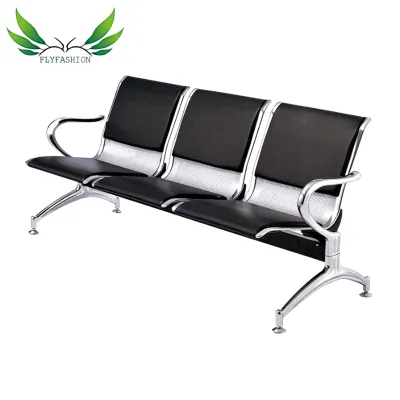


Modern Hospital School Furniture Double Seats Mesh Airport Waiting Chair
$48.00 - $128.00
MOQ: 1 Pieces


Comprehensive Sourcing Guide
With Armrest Airport Waiting Chair Sourcing Guide
Procuring seating for high-traffic public environments requires a rigorous approach that balances durability, ergonomic comfort, and strict adherence to safety standards. The With Armrest Airport Waiting Chair represents a specialized category of public furniture designed to manage queue dynamics while providing necessary support for travelers. These units are typically constructed from robust materials such as metal or plastic, ensuring they can withstand continuous use by diverse demographics. Buyers must prioritize structural integrity and ease of maintenance, as these chairs are often subjected to heavy loads and frequent cleaning protocols in terminals, stations, and transit hubs.
The sourcing process involves evaluating multiple product attributes that directly impact operational efficiency and passenger experience. Key considerations include the presence of armrests, which help define individual seating zones and reduce cross-contamination risks, and the overall configuration of the unit, whether it is a single seater or a multi-person bench. Additionally, the finish and color options play a crucial role in integrating the furniture into the existing architectural design of the facility. Understanding these variables allows procurement teams to select solutions that align with both functional requirements and aesthetic guidelines, ensuring a cohesive and professional environment for end-users.
Product Scope and Observed Listing Signals
The market for public seating includes a variety of configurations, ranging from single-seater chairs to extended benches suitable for airports, parks, hospitals, and supermarkets. Observed listings indicate that these products are often categorized under public seating airport chairs, with specific models identified by codes such as SL-ZY25006, SL-ZY25001, and SL-ZY25005. These identifiers help distinguish between different structural designs, such as those with unfolded frames versus folded options, and highlight variations in material composition, including metal and PU (Polyurethane) constructions. Buyers should carefully review these model numbers to ensure they match the specific spatial and usage requirements of their project.
Color and customization options are significant factors in the current product landscape, with listings showing availability in blue, red, and black finishes. Many suppliers offer customization services, allowing buyers to tailor the appearance and dimensions of the seating to fit specific branding or interior design schemes. The packing methods also vary, with some units shipped in export cartons for public seating airport chairs, while others may be individually packed in polybags for passenger chairs. Understanding these logistical details is essential for planning storage, handling, and installation processes, particularly when dealing with large-scale deployments across multiple locations.
Technical Specifications to Verify
Structural integrity is paramount for public seating, and buyers must verify critical dimensions such as beam thickness and armrest construction. Observed specifications include beam thicknesses of 2.0mm and 1.2mm, as well as arms and legs thicknesses of 1.3mm, which directly influence the load-bearing capacity and longevity of the chair. Thicker metal components generally offer greater durability and resistance to deformation under heavy use, making them suitable for high-traffic areas like airports and train stations. Buyers should request detailed technical drawings or material certificates to confirm that the specified thicknesses are consistently applied across all structural elements of the product.
Ergonomic features and seating configurations also require careful verification to ensure passenger comfort and safety. The presence of armrests is a key differentiator, providing support and helping to maintain personal space in crowded environments. Additionally, the condition of the product, whether new or refurbished, and the type of backrest, such as with back or chaise longue styles, should be clearly defined. Some listings indicate a seater count of one, while others may support multiple users, so it is crucial to align the product selection with the intended density and flow of the waiting area. Verifying these details prevents mismatches between procurement expectations and actual product performance.
Compliance and Safety Documentation
Regulatory compliance is a non-negotiable aspect of sourcing public seating, particularly for facilities like airports and hospitals that must adhere to strict safety and environmental standards. Observed certifications include ISO, GB (Chinese National Standard), and specific product standards that ensure the furniture meets regional and international requirements. Buyers should verify that the supplier holds valid ISO certifications and that the products comply with relevant safety norms, such as those related to fire resistance, structural stability, and material toxicity. Documentation such as test reports and compliance certificates should be requested and reviewed before finalizing any purchase agreement.
Environmental and social responsibility standards are increasingly important in public procurement, with many suppliers offering products that meet BSCI, SGS, REACH, and ROHS criteria. These certifications indicate that the manufacturing process adheres to ethical labor practices and environmental protection guidelines, reducing the risk of supply chain disruptions due to non-compliance. Additionally, certifications like CE mark the product as meeting European health, safety, and environmental protection standards, which is crucial for buyers operating in or exporting to European markets. Ensuring that all relevant certifications are up-to-date and applicable to the specific product model helps mitigate legal and reputational risks.
Cost Drivers and Commercial Terms
Pricing for with armrest airport waiting chairs varies significantly based on material quality, customization options, and order volume. Observed price ranges span from $10 to $599, reflecting the diversity of products available, from basic plastic units to premium metal constructions with advanced features. Minimum Order Quantities (MOQs) also fluctuate, with some suppliers requiring as few as one unit for customization trials, while others may demand orders of 100 or more for standard production runs. Buyers should negotiate terms that align with their budget and inventory needs, considering the total cost of ownership, including shipping, installation, and maintenance.
Commercial terms such as payment methods, lead times, and warranty provisions are critical components of the procurement process. While specific lead times are not detailed in the observed data, buyers should establish clear timelines for production and delivery to avoid project delays. Warranty periods, such as the one-year warranty observed in some listings, provide assurance against manufacturing defects and premature wear. It is advisable to include detailed warranty clauses in the contract, specifying the scope of coverage, response times for repairs, and procedures for claiming replacements. Clear commercial terms protect the buyer’s investment and ensure long-term satisfaction with the purchased furniture.
Supplier Qualification and Quality Control
Selecting a reliable supplier is essential for ensuring consistent product quality and timely delivery. Buyers should verify the supplier’s origin, with many observed products originating from Hubei, China, a region known for its manufacturing capabilities. Qualification checks should include reviewing the supplier’s production capacity, quality management systems, and past performance in similar projects. Suppliers that emphasize quality control measures, such as testing each unit individually, demonstrate a commitment to delivering defect-free products. Buyers should request samples or conduct factory audits to assess the supplier’s operational standards and ability to meet specific requirements.
Customization capabilities and OEM (Original Equipment Manufacturer) services are valuable assets for buyers seeking unique solutions. Suppliers that offer OEM services can tailor products to specific branding, dimensions, and functional requirements, providing a competitive advantage in the market. Buyers should evaluate the supplier’s flexibility and responsiveness to customization requests, ensuring that they can accommodate changes in design or specifications without significant delays or cost overruns. Additionally, verifying the supplier’s ability to provide export packaging that protects the products during transit is crucial for maintaining product integrity upon arrival.
Long-Term Procurement Checks
Sustaining a successful procurement relationship requires ongoing monitoring of product performance and supplier reliability. Buyers should establish key performance indicators (KPIs) to track metrics such as delivery punctuality, product defect rates, and customer satisfaction. Regular feedback loops with end-users, such as airport staff and passengers, can provide valuable insights into the comfort and durability of the seating. These insights should be used to refine future procurement decisions and address any emerging issues promptly. Continuous improvement strategies help ensure that the purchased furniture continues to meet the evolving needs of the facility.
Maintenance and lifecycle management are also critical considerations for long-term procurement success. Buyers should develop a maintenance plan that includes regular cleaning, inspection, and repair protocols to extend the lifespan of the seating. Understanding the warranty terms and the supplier’s support services is essential for addressing any issues that arise after the initial purchase. Additionally, staying informed about industry trends and new product innovations can help buyers make informed decisions about upgrades or replacements. By adopting a proactive approach to procurement management, buyers can maximize the value of their investment and ensure a high-quality experience for all users.
FAQs
What certifications do the airport waiting chairs have?
The chairs are certified with ISOROHS and meet GB and ISO standards. Some listings also indicate CE certification and compliance with BSCI, SGS, REACH, and ROHS norms for quality assurance.
Which materials are used for the chair construction?
The primary material is metal, with some variants featuring PU upholstery. The beam thickness is specified as 2.0mm or 1.2mm depending on the model, ensuring structural durability for public use.
Can I customize the color and style of the chairs?
Yes, customization is available for these public seating chairs. Buyers can choose from colors like blue, red, or black, and the style is designed specifically for airport and public waiting areas.
What is the minimum order quantity for these chairs?
The minimum order quantity varies by supplier, ranging from 1 to 100 units for some listings, while others may require 10,000 units. Specific MOQs depend on the manufacturer and customization level.
Where are these airport chairs manufactured and shipped from?
The products originate from Hubei, China, with some general listings noting China as the origin. They are packed in export cartons or polybags for safe international shipping to global destinations.
How are the chairs packaged for export?
Chairs are typically packed in export cartons designed for public seating or passenger chairs. Some specific models are individually packed in polybags to prevent damage during transit and storage.