Source With Brush Glass Nail Polish Bottle for Cosmetics, Personal Care, and Nail Polish
Compare 30 listings of With Brush Glass Nail Polish Bottle from verified Chinese manufacturers. Options include clear and multi-colored round or square bottles with ISO9001 and GMPC certifications, featuring brush seals and standard export packaging.
Key considerations
Products List


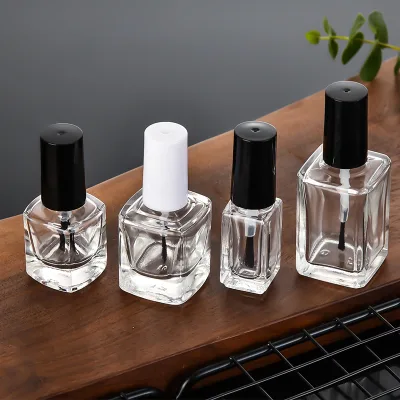
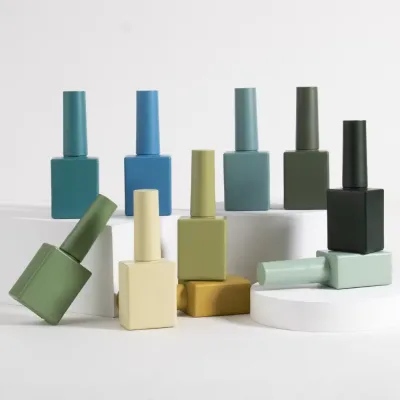


10ml Empty Nail Polish Bottle, Glass Nail Polish Gel Bottle with Brush
$0.18 - $0.20
MOQ: 30000 Pieces



Comprehensive Sourcing Guide
Strategic Sourcing Guide for Brush-Fitted Glass Nail Polish Bottles
Procuring glass containers equipped with integrated brush applicators represents a critical decision point for brands in the cosmetics and personal care sectors. The selection of the right vessel impacts product presentation, user experience, and supply chain reliability. This guide synthesizes available market data and technical observations to assist procurement professionals in navigating the sourcing landscape for glass nail polish bottles with brush lids. The focus remains on evidence-based evaluation, ensuring that decisions are grounded in verified specifications rather than unconfirmed marketing claims.
Technical Specifications and Material Integrity
The foundation of a successful procurement strategy lies in a precise understanding of the physical attributes of the product. Glass remains the preferred material for premium nail polish packaging due to its chemical inertness, which prevents interaction with the solvent-based formulations typical of nail care products. The observed market data indicates that suppliers frequently offer bottles with a "Round Bottle" geometry, though "Square" variants are also available in the broader market. The specific model identifiers, such as WG-622 and WG-740, suggest a standardized approach to manufacturing, yet buyers must verify that the specific glass composition meets their viscosity requirements.
Volume capacity is a primary variable in the selection process. The available data highlights a range of sizes, including 3ml, 5ml, 6ml, 7ml, 8ml, 9ml, 10ml, 12ml, 15ml, and 20ml. A specific observation notes a 10ml capacity as a common standard, while other listings mention 5ml, 15ml, and 50ml options. The thickness of the glass is another critical technical parameter, with observed specifications ranging from 0.5 cm to 2 cm. Thicker glass generally offers better protection against breakage during shipping and a more substantial feel in the hand, which can influence perceived product value. However, buyers must ensure that the wall thickness does not compromise the internal volume or the fit of the brush applicator.
The sealing mechanism is equally vital. The "Brush" sealing type is the defining feature of this product category, requiring a precise fit between the glass neck and the brush stem to prevent leakage and evaporation. Some listings also reference a "Crown Cap" as an alternative sealing type, indicating that suppliers may offer different closure mechanisms depending on the specific model. The integration of the brush, often listed as an accessory alongside the cap, must be evaluated for bristle density and stem length to ensure it reaches the bottom of the bottle for efficient product retrieval.
Compliance, Certification, and Regulatory Standards
In the cosmetics industry, regulatory compliance is non-negotiable. When sourcing glass nail polish bottles, buyers must verify that the supplier adheres to recognized quality management systems. The observed data confirms the presence of ISO9001 certification for certain product lines, which indicates a commitment to consistent quality control processes. Furthermore, more comprehensive certification lists include GMPC (Good Manufacturing Practice for Cosmetics), ISO, MSDS (Material Safety Data Sheet), FDA, and GMP. These certifications are essential for ensuring that the packaging materials are safe for use with cosmetic products and that the manufacturing environment meets hygiene standards.
Buyers should not assume that all listed products possess every certification mentioned in a general supplier profile. Instead, the procurement process must involve a direct request for current certification documents specific to the model number being ordered. For instance, while one model might be certified under ISO9001, another might carry GMPC and FDA approvals. The presence of an MSDS is particularly important for verifying the chemical safety of the glass and any adhesives or coatings used in the manufacturing process. Additionally, the "Standard Export Packaging" and "Standard Carton" specifications suggest that the supplier follows international shipping standards, but buyers should confirm that the packaging protects the glass from impact and moisture during transit.
Cost Drivers and Economic Factors
Understanding the cost structure of glass nail polish bottles is essential for budgeting and margin analysis. The observed price range in the market is between 0.02 and 1 USD per unit, a wide spectrum that reflects differences in glass thickness, volume, customization level, and order quantity. The Minimum Order Quantity (MOQ) is a significant driver of unit cost. Data indicates MOQs ranging from 100 units to 100,000 units, with specific observations of 10,000 and 20,000 pieces. Higher volume orders typically result in lower per-unit costs, but they also require greater capital commitment and storage capacity.
Customization is another major cost factor. The availability of OEM (Original Equipment Manufacturer) and ODM (Original Design Manufacturer) services allows brands to tailor the bottle to their specific needs, including color, shape, and printing. The observed data lists "Transparent" and "Multi-Colored" options, as well as specific colors like "Black." Custom printing techniques such as Silk Screen Printing, Gold Stamping, Frosting, and Heat Transfer Printing add to the production cost. Buyers must balance the desire for unique branding against the increased MOQ and unit price associated with these customizations. Additionally, the "Sample" availability being listed as "Freely" suggests that suppliers are willing to provide prototypes for evaluation, which can help mitigate the risk of ordering large quantities of a non-compliant product.
Typical Applications and Market Segmentation
The primary application for glass nail polish bottles with brush lids is in the cosmetics and personal care sector. The specific usage categories identified include "Cosmetics," "Personal Care Product," and "Nail Polish Bottle." The versatility of the product extends beyond traditional nail polish to include cuticle oils, nail strengtheners, and other liquid beauty treatments. The "Clear Nail Polish" type mentioned in the data suggests that these bottles are suitable for transparent formulations, but the chemical resistance of the glass makes them appropriate for a wider range of solvents.
The target market for these products is diverse, ranging from mass-market beauty retailers to high-end boutique brands. The availability of "Square" and "Round" shapes allows brands to differentiate their products on shelf space. The "YB" brand and "YB-552" model number indicate that some suppliers may offer private label options or specific model lines that cater to different aesthetic preferences. The "Mineral, Chemical, Herbal" main ingredient note in the data suggests that these bottles are compatible with various formulation bases, making them a flexible choice for manufacturers developing products with different ingredient profiles.
Supplier Evaluation and Verification Protocols
Evaluating a potential supplier requires a systematic approach that goes beyond surface-level marketing claims. Buyers should prioritize suppliers who demonstrate transparency in their production capabilities and quality assurance processes. The "Lead Time" of 25-30 days or 25 days is a standard benchmark, but buyers must verify if this timeline includes the time required for customization, such as printing or coloring. Delays in lead time can disrupt production schedules and inventory management, so a clear communication channel is essential.
The "Place of Origin" is listed as "China," with specific mentions of "Guangxi." While this provides a geographical context, buyers should verify the specific factory location and its proximity to logistics hubs. The "Capacity" of 10ml and the "Technology" of "Mould Pressed" indicate the manufacturing method, but buyers should request evidence of the supplier's ability to handle their specific volume requirements. The "Printing Handling" options, including "Labels," "Gold Stamping," and "Decoration Firing," should be cross-referenced with the supplier's actual equipment and expertise. A supplier claiming to offer a wide range of printing techniques should be able to provide samples or case studies demonstrating their proficiency in those specific areas.
Quality Control and Long-Term Procurement Strategy
Implementing a robust quality control (QC) protocol is critical when sourcing glass products. The risk of breakage during shipping and the potential for defects in the brush applicator or sealing mechanism must be mitigated. Buyers should establish clear acceptance criteria for glass thickness, volume accuracy, and seal integrity. The "Standard Export Packaging" is a baseline, but for high-value orders, additional protective measures such as reinforced cartons or individual bubble wrapping may be necessary.
Long-term procurement considerations involve building a relationship with a supplier who can scale with the brand's growth. The "OEM/ODM: Yes" attribute indicates that the supplier is capable of adapting to changing brand needs. However, buyers should ensure that the supplier has the capacity to maintain consistent quality over time. The "Delivery Time" of 25 days should be evaluated in the context of the buyer's inventory turnover rate. If the lead time is too long, it may necessitate holding higher safety stock, which increases carrying costs.
Furthermore, buyers should consider the sustainability aspect of their procurement. While the data does not explicitly mention recyclability, glass is inherently a recyclable material. Buyers can leverage this by selecting suppliers who prioritize eco-friendly packaging practices. The "Cartoon" (likely a typo for Carton) and "Standard Carton" packaging should be evaluated for their environmental impact.
Comparative Analysis of Product Attributes
To facilitate decision-making, the following table summarizes key attributes observed in the market data for glass nail polish bottles with brush lids. This comparison highlights the variability in specifications and helps buyers identify the features most relevant to their specific needs.
| Attribute | Observed Variations | Procurement Consideration |
|---|---|---|
| Material | Glass | Essential for chemical resistance and premium feel. |
| Shape | Round, Square | Round is common; Square offers distinct shelf presence. |
| Volume | 3ml to 20ml (incl. 5, 10, 15, 50ml) | Select based on product formulation and target price point. |
| Sealing Type | Brush, Crown Cap | Brush is standard for nail polish; verify fit and leak resistance. |
| Color | Transparent, Multi-Colored, Black | Transparent is standard; colored glass adds branding value. |
| Certification | ISO9001, GMPC, FDA, GMP, MSDS | Verify specific certs for the model; essential for compliance. |
| MOQ | 100 to 100,000 (e.g., 10k, 20k) | Higher MOQ reduces unit cost but increases inventory risk. |
| Lead Time | 25 to 30 Days | Plan production schedules around this window; check for delays. |
| Customization | Available (OEM/ODM) | Enables branding but increases cost and lead time. |
| Printing | Silk Screen, Gold Stamping, Frosting | Evaluate supplier capability for specific print techniques. |
This table serves as a reference for buyers to align their product requirements with available market options. By carefully reviewing these attributes, procurement professionals can make informed decisions that balance cost, quality, and brand identity. The ultimate goal is to secure a supply chain that supports the brand's growth while maintaining the highest standards of product safety and performance.
FAQs
What certifications do With Brush Glass Nail Polish Bottle suppliers hold?
Suppliers commonly hold ISO9001, GMPC, FDA, and GMP certifications for these bottles. Some listings also include MSDS and ISO standards to ensure chemical safety and manufacturing hygiene. Buyers must verify specific documents for the exact model number before ordering.
How long is the lead time for custom with brush glass nail polish bottles?
The standard lead time for production is typically 25 to 30 days. This duration may vary if customization such as printing or specific colors is required. Buyers should confirm the exact delivery timeline during the inquiry phase to align with their inventory needs.
Which volume capacities are available for with brush glass nail polish bottles?
Available capacities range from 3ml up to 20ml, with common options including 5ml, 10ml, and 15ml. Some suppliers also list 50ml variants for different product formulations. The specific size must be selected based on the intended volume of the nail polish or cosmetic liquid.
Can suppliers provide samples of with brush glass nail polish bottles for free?
Yes, suppliers often offer free samples for evaluation purposes. This allows buyers to verify the brush fit, glass quality, and sealing integrity before committing to a large order. Requesting a sample is a standard step to mitigate the risk of ordering non-compliant products.
What is the minimum order quantity for with brush glass nail polish bottles?
Minimum order quantities vary significantly, ranging from 100 units to 100,000 units depending on the supplier and customization level. Specific listings show MOQs of 10,000 or 20,000 pieces for standard models. Higher volumes generally result in lower per-unit costs but require greater capital commitment.
Which printing methods are available for custom with brush glass nail polish bottles?
Suppliers offer various printing methods including silk screen printing, gold stamping, frosting, and heat transfer printing. Labels and decoration firing are also available options for branding. The choice of printing affects the unit price and may require a higher minimum order quantity.
Where are With Brush Glass Nail Polish Bottle manufacturers located?
Manufacturers are primarily located in China, with specific origins noted in regions like Guangxi. The products are packed in standard export cartons for international shipping. Buyers should verify the exact factory location to assess logistics and shipping costs accurately.