Source With Flange Miniature Ball Screw for CNC and Robotics
Find 30 With Flange Miniature Ball Screw options from China suppliers. Compare specifications like C3-C7 precision, 50-600mm lengths, and 50CrMo4 material. Evaluate single or double nut configurations and inner loop types for your automation projects; compare the available evidence and request quotations based on your requirements.
Key considerations
Products List
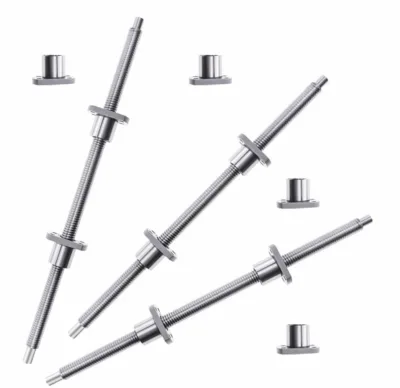
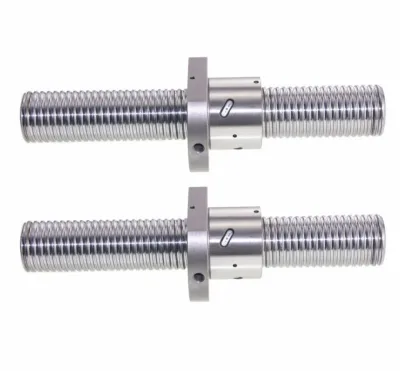
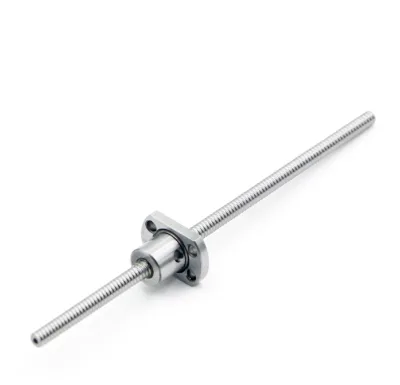


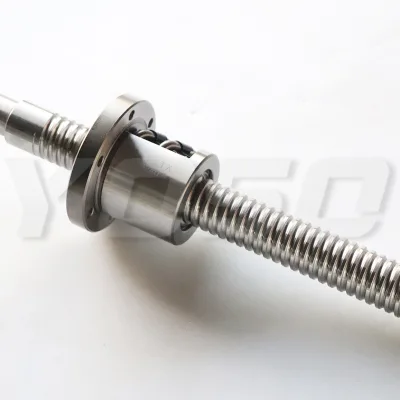

Comprehensive Sourcing Guide
With Flange Miniature Ball Screw Sourcing Guide
Procuring with flange miniature ball screws requires a precise understanding of how integrated flange designs impact mounting stability and spatial constraints in compact machinery. These components are essential for applications where axial rigidity must be maintained without consuming excessive lateral space, such as in precision linear stages or automated assembly units. Buyers must evaluate whether the flange configuration aligns with their existing housing interfaces, as mismatched mounting patterns can lead to costly redesigns or structural failures under load.
The decision to source these specific units often hinges on the balance between miniaturization and load-bearing capacity. Unlike standard ball screws that rely on separate support blocks, the flange-integrated design simplifies assembly and reduces potential points of failure. However, this integration demands careful verification of the flange’s material integrity and dimensional accuracy to ensure it can withstand the operational stresses of high-frequency cycling without deformation or fatigue.
Product Scope and Observed Listing Signals
Market listings for miniature ball screws frequently highlight specific model series such as Sfk0601, Sfk0801, and Sfk1002, which denote distinct diameter and lead combinations tailored for light-duty precision tasks. These models often feature single or double nut configurations, allowing buyers to select options that minimize backlash or provide redundancy in critical motion control systems. The presence of a flange is a key differentiator, offering a direct mounting surface that streamlines integration into tight mechanical envelopes.
Observed product attributes indicate a wide range of customization availability, including variations in thread direction and lead pitches such as 4, 5, and 10mm. Buyers should note that while some listings specify standard models, many suppliers offer tailored solutions to meet unique geometric requirements. It is crucial to verify whether the listed flange dimensions correspond to industry-standard mounting patterns or if they require custom machining, as this significantly affects lead times and unit costs.
Technical Specifications to Verify
Precision class is a critical technical parameter, with options typically ranging from C3 to C7, where lower numbers indicate tighter tolerances and higher rotational accuracy. For applications requiring high repeatability, such as semiconductor handling or medical devices, verifying the specific precision grade against the operational requirements is mandatory. Additionally, the manufacturing process, whether rolled or ground, directly influences surface finish and thermal stability, with ground threads generally offering superior performance for high-speed applications.
Material composition and heat treatment processes also demand rigorous scrutiny, as the core components often utilize high-carbon steels like 50CrMo4 or S55c to ensure durability and wear resistance. Buyers must confirm the type of ball nut circulation system, such as inner loop or circulator deflectors, as this affects noise levels and load capacity. Furthermore, verifying the end process compatibility with specific end supports, such as BK or BF series, ensures that the ball screw can be properly anchored to handle axial loads effectively.
Compliance and Safety Documentation
While specific certification statuses may vary by supplier, buyers should request documentation that confirms adherence to international quality management standards and material traceability protocols. Ensuring that the manufacturer provides certificates of conformity for the raw materials, particularly the steel grades used, helps mitigate risks associated with material defects or non-compliance with environmental regulations. This documentation is vital for industries with strict regulatory oversight, such as aerospace or automotive manufacturing.
Safety considerations extend to the operational limits of the ball screw, including maximum speed and load ratings, which must be clearly defined in the technical datasheets. Buyers should verify that the supplier provides comprehensive installation guidelines and maintenance recommendations to prevent premature failure due to improper lubrication or misalignment. Additionally, confirming that the product packaging meets industrial exporting standards ensures that the components arrive without corrosion or physical damage, preserving their precision and functionality.
Cost Drivers and Commercial Terms
The cost of miniature ball screws is influenced by several factors, including the precision class, material quality, and the complexity of the flange design. Higher precision grades and specialized materials like 50CrMo4 typically command premium prices due to the additional machining and heat treatment processes involved. Buyers should also consider the impact of customization options, such as unique lead pitches or thread directions, which can increase production costs and extend lead times.
Minimum order quantities (MOQ) and payment terms play a significant role in the overall procurement strategy, with some suppliers offering flexible MOQs for standard models while requiring larger volumes for custom configurations. It is advisable to negotiate clear terms regarding warranty coverage, typically one year for new components, and return policies for defective items. Understanding these commercial terms helps buyers budget accurately and manage cash flow effectively throughout the procurement lifecycle.
Supplier Qualification and Quality Control
Evaluating a supplier’s manufacturing capabilities is essential, particularly their ability to maintain consistent quality across production batches. Buyers should inquire about the supplier’s quality control processes, including in-process inspections and final outgoing video inspections, which provide visual evidence of the product’s condition before shipment. Suppliers with robust quality management systems are more likely to deliver products that meet specified tolerances and performance expectations.
Additionally, verifying the supplier’s experience in producing miniature ball screws with flanges can provide insight into their technical expertise and reliability. Buyers should assess the supplier’s ability to provide technical support and after-sales service, as these factors contribute to long-term partnership success. Checking references or case studies from similar industries can further validate the supplier’s capability to meet specific application requirements and deliver consistent product quality.
Long-Term Procurement Checks
Establishing a framework for ongoing performance monitoring is crucial for ensuring the long-term reliability of miniature ball screw installations. Buyers should implement regular maintenance schedules that include lubrication checks and alignment verification to prevent wear and extend the service life of the components. Tracking performance metrics such as backlash growth and vibration levels can help identify potential issues before they lead to catastrophic failures.
Continuous engagement with the supplier for feedback and updates on product improvements can also enhance procurement outcomes. Buyers should stay informed about advancements in materials and manufacturing techniques that may offer better performance or cost efficiency. By maintaining a proactive approach to supplier relationship management and product lifecycle monitoring, organizations can optimize their operational efficiency and reduce total cost of ownership over time.
FAQs
What is the standard warranty for a With Flange Miniature Ball Screw?
The standard warranty provided for this product is 1 Year. This coverage applies to new condition units manufactured using rolled thread processes. Buyers should verify specific terms with the supplier to ensure the warranty aligns with their operational requirements and usage conditions.
Which materials are used to manufacture with flange miniature ball screws?
These ball screws are typically manufactured from 50CrMo4 or S55c High Carbon Steel. Some variants may also use 45# Steel. The choice of material ensures durability and precision, supporting the rolled or ground thread processes used in production for high-performance applications.
Can I customize the length of a With Flange Miniature Ball Screw?
Yes, customization is available for these components. Standard lengths range from 50mm to 600mm, with some options extending up to 6000mm. Buyers can request specific dimensions to fit their machinery, ensuring the product meets exact spatial and functional requirements for their assembly.
What precision grades are available for with flange miniature ball screws?
Available precision grades include C3, C5, and C7. These classifications indicate the manufacturing tolerance and accuracy of the ball screw. Selecting the appropriate grade depends on the specific application needs, with lower numbers representing higher precision for critical motion control systems.
How are with flange miniature ball screws packed for overseas shipping?
Products are packed using industrial exporting methods, often requiring rust protection for overseas transport. Packaging is suitable for international shipping to prevent damage. Buyers should confirm specific packing details with the supplier to ensure the goods arrive in optimal condition for immediate installation.
What is the minimum order quantity for with flange miniature ball screws?
The minimum order quantity (MOQ) can be as low as 1 unit. This flexibility allows buyers to test samples or order small batches. However, larger orders may have different terms, so it is advisable to check specific supplier policies for bulk purchasing requirements.