Source Wood Cutting Saw for Plywood, Logs, and Frames
Find 30 wood cutting saw options including CNC band saws, frame saws, and plywood edge cutters. Compare specifications like cutting speed, power, and precision to select the right machine for your production needs; compare the available evidence and request quotations based on your requirements.
Key considerations
Products List


$11000.00 - $15000.00
Moq: 1




Comprehensive Sourcing Guide
Wood Cutting Saw Sourcing Guide
The global market for wood cutting saws presents a diverse array of machinery designed for specific industrial applications, ranging from precision edge cutting to heavy-duty log processing. Buyers must first distinguish between horizontal band saws, frame saws, and cross-cut models, as each serves distinct operational needs within the timber and plywood sectors. The observed product listings indicate a strong presence of CNC-controlled units capable of high-precision cuts, alongside semi-automatic models that offer flexibility for varying production volumes. Understanding these fundamental mechanical differences is the first step in aligning procurement with actual facility requirements.
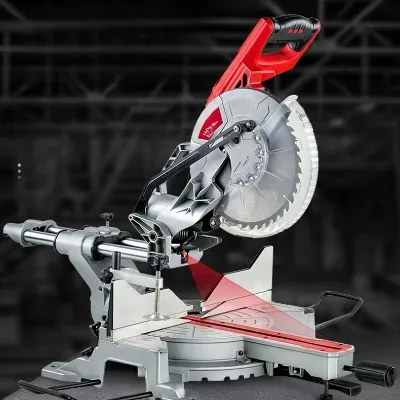
Procurement decisions should be grounded in the specific functional attributes observed in current listings, such as cutting speeds of 40 pieces per minute or infrared ray guidance systems for enhanced accuracy. The market features machines with varying power configurations, including 380V and 415V options, which necessitates careful verification against local electrical infrastructure before finalizing a purchase. Additionally, the availability of customization for color and power specifications suggests that suppliers are willing to adapt standard models to meet unique site conditions, though this requires clear communication of technical constraints during the initial inquiry phase.
Product Scope and Observed Listing Signals
Current market signals reveal a wide spectrum of product models, including the BM-1250, DZ series, and SH-300 variants, each tailored to different cutting geometries and material types. Listings frequently highlight specific capabilities such as a maximum cut-off width of 300mm or the ability to handle logs with diameters up to 500mm, indicating that buyers must match machine capacity to their raw material dimensions. The presence of both automatic and semi-automatic grades suggests that operational efficiency is a key differentiator, with some units featuring lift tables and others relying on manual loading for specific log lengths.
Buyers should also note the variation in physical specifications, such as overall dimensions ranging from compact 300kg units to large-scale frame saws measuring nearly 9 meters in length. The observed packing methods, which include naked shipping, stretch film, and iron shelf packaging, directly impact logistics planning and on-site assembly requirements. Furthermore, the distinction between machines designed for cutting two sides of logs versus those intended for plywood edge cutting underscores the importance of selecting a unit that aligns precisely with the intended workflow and material throughput.
Technical Specifications to Verify
Technical due diligence must begin with verifying the spindle blade size and motor power, as these components dictate the machine's cutting efficiency and durability under load. Listings indicate motor powers such as 5.5kw and spindle sizes of 400mm, but buyers must confirm these figures against the specific density and hardness of the wood being processed to prevent premature wear or operational failure. The controlling mode, often listed as CNC, requires validation of the software interface and the precision capabilities, which are critical for maintaining tight tolerances in high-volume production environments.
Operational parameters like working speed, which can range from 40 to 70 meters per minute, and the layout configuration, typically horizontal, must be assessed for compatibility with existing factory floor plans. Buyers should also scrutinize the delivery rack dimensions and the maximum log length capabilities, ensuring that the machine's physical footprint and intake capacity match the facility's spatial constraints. Verifying the automatic grade, whether fully automatic or semi-automatic, is essential for estimating labor requirements and ensuring the machine integrates smoothly into the current production line.
Compliance and Safety Documentation
Safety and regulatory compliance are paramount when sourcing industrial machinery, with CE certification appearing as a standard requirement in many observed listings. Buyers must request valid certification documents to ensure the equipment meets European safety directives, which often serve as a baseline for global safety standards. The presence of ISO certification in some listings further indicates a commitment to quality management systems, providing an additional layer of assurance regarding the manufacturer's adherence to international production protocols.
Beyond certifications, documentation regarding the machine's condition and operational safety features must be thoroughly reviewed. Listings consistently describe units as "New," but buyers should verify the inclusion of safety guards, emergency stop mechanisms, and operator manuals that detail safe handling procedures. The working style, such as infrared ray guidance, implies advanced safety features that reduce human error, yet these systems require proper calibration and maintenance documentation to ensure they function correctly throughout the machine's lifecycle.
Cost Drivers and Commercial Terms
The pricing landscape for wood cutting saws is influenced by a complex mix of factors, including the level of automation, power specifications, and the extent of customization required. Observed price ranges are broad, reflecting the difference between basic semi-automatic models and advanced CNC units with high-precision capabilities. Buyers should anticipate that customized power options, such as specific voltage configurations, and specialized packing methods may incur additional costs that need to be factored into the total landed cost calculation.
Commercial terms regarding minimum order quantities and delivery lead times are critical variables that affect procurement planning. While some listings suggest flexible MOQs, the lead time for delivery racks and large frame saws can vary significantly based on the manufacturer's production schedule. Buyers must clarify whether the quoted price includes freight, insurance, and installation services, as the physical size of these machines often necessitates specialized shipping arrangements that can substantially impact the final budget.
Supplier Qualification and Quality Control
Supplier qualification should focus on verifying the manufacturer's origin and their track record in producing heavy industrial machinery. Many observed listings originate from specific regions in China, such as Shandong Province and Linyi City, which are known hubs for woodworking equipment. Buyers should investigate the specific factory locations, such as Zouping County, to assess the local supply chain maturity and the supplier's ability to support after-sales service and spare parts availability.
Quality control processes must be rigorously evaluated to ensure the machinery meets the promised specifications and performance standards. Buyers should request detailed inspection reports that verify the weight, dimensions, and functional tests of the equipment before shipment. The condition of the machine, described as "New," should be confirmed through video inspections or third-party quality audits to ensure that no defects exist prior to the final payment, particularly for high-value CNC and frame saw units.
Long-Term Procurement Checks
Long-term procurement success depends on establishing a robust framework for ongoing maintenance and performance monitoring. Buyers should verify the availability of spare parts, such as specific blades and motor components, to minimize downtime during the machine's operational life. The precision and automatic grade of the equipment will degrade over time without proper maintenance, making it essential to secure a service agreement that includes regular calibration and component replacement schedules.
Finally, buyers must plan for the eventual upgrade or replacement of the machinery by assessing the scalability of the current model. The observed product models, such as the MH-DD and SKJD1500, represent specific generations of technology that may have limited upgrade paths. Establishing a relationship with a supplier who offers modular upgrades or compatible accessories ensures that the initial investment remains viable as production demands evolve and new cutting technologies become available in the market.
FAQs
What certifications do these wood cutting saws have?
The wood cutting saws listed carry CE certification, with some models also holding ISO certification. This ensures compliance with essential safety and performance standards for industrial machinery. Buyers can verify these credentials to meet regulatory requirements in their target markets before placing orders.
Can I customize the power supply for these machines?
Yes, customization is available for the power supply. The machines support 380V, 240V, or 415V configurations, or can be customized to specific voltage requirements. This flexibility allows buyers to match the equipment to local electrical infrastructure without needing additional transformers or adapters.
What is the cutting speed of the cross-cut saw?
The cross-cut saw model BM-1250 operates at a cutting speed of 40 pieces per minute. This high-speed performance is designed for efficient processing in industrial settings. Buyers requiring faster throughput should verify if other models offer enhanced speeds for their specific production volume needs.
How are these wood cutting saws packed for shipping?
Packing options include naked packaging, stretch film, or iron shelf packaging depending on the specific model. Some items may use film-faced protection. These methods ensure safe transit while allowing buyers to choose based on their logistics preferences and the fragility of the machinery components.
What is the maximum log diameter for the frame saw?
The frame saw model MH-LC handles logs with a maximum diameter of 500mm. It is designed for cutting two sides of logs with lengths between 2000mm and 2400mm. This capacity suits medium-sized timber processing operations requiring precise dimensional control for raw log preparation.
Are these machines automatic or semi-automatic?
The product range includes both automatic and semi-automatic options. For instance, the plywood edge cutting saw is semi-automatic with infrared ray guidance, while other models feature CNC controlling modes for high precision. Buyers should select the grade that matches their desired level of operational automation.