Source Wood Fired Portable Pizza Oven for Pizza, Bread, and Cake
Compare 22 Wood Fired Portable Pizza Oven options featuring gas, electric, and multi-fuel power sources. These units include stainless steel construction, pizza stones, and are suitable for outdoor backyards or family baking applications.
Key considerations
Products List


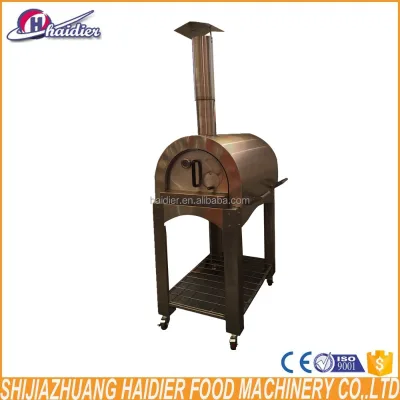

Portable Outdoor Wood-Fired Pizza Oven That Is Heat Resistant and Affordable
$666.00 - $1400.00
MOQ: 1 Sets


Portable Stone Outdoor Pizza Oven Wood Fired High Quality Pizza Oven Price
$666.00 - $1400.00
MOQ: 1 Sets

Small Portable Pizza Oven Wood Fire Outdoor German Wood Fired Pizza Oven
$666.00 - $1400.00
MOQ: 1 Sets

Large Garden Wood Fire Mobile Outdoor Pizza Portable Wood Fired Pizza Oven
$666.00 - $1400.00
MOQ: 1 Sets

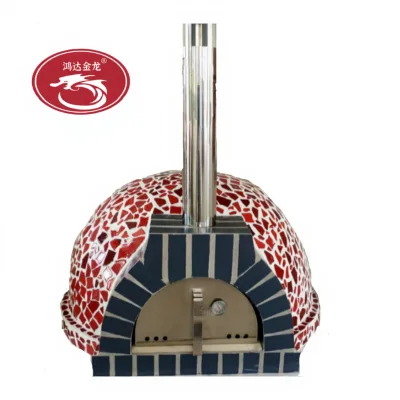


Hot Selling High Quality China Portable BBQ Gas Oven Pizza Baking Oven
$120.00 - $150.00
MOQ: 370 Pieces

Comprehensive Sourcing Guide
Strategic Sourcing Guide for Wood Fired Portable Pizza Ovens
The global demand for authentic, wood-fired culinary experiences has driven a significant shift in commercial and residential food service equipment procurement. Buyers seeking a Wood Fired Portable Pizza Oven must navigate a complex landscape where traditional masonry techniques meet modern engineering. This guide provides a disciplined framework for evaluating suppliers, verifying technical specifications, and ensuring long-term value. The procurement process for these specialized units requires a rigorous approach to data verification, as the market contains a wide array of products ranging from small backyard units to large-scale commercial installations.
Technical Specifications and Fuel Versatility
The primary technical differentiator for any Wood Fired Portable Pizza Oven is its fuel system and thermal efficiency. While the core keyword specifies wood-fired operation, the observed market data indicates a high degree of fuel versatility. Many units listed in current catalogs are marketed as multi-fuel ovens, capable of operating on gas, wood pellets, or a combination of both. This flexibility is critical for buyers who require consistent performance regardless of fuel availability or local regulations regarding open wood fires.
When evaluating technical specifications, buyers must scrutinize the power source designation. Some units are explicitly labeled as "Gas Pizza Oven" or "Electric" despite being categorized under wood-fired ovens, suggesting a hybrid design or a misclassification in the supplier's listing. A reliable wood-fired unit should feature a robust combustion chamber designed to sustain high temperatures, often reaching levels necessary for rapid cooking. The observed product data highlights a "Fast Cooking 60s" capability, which implies a high thermal mass and efficient heat retention design.
Dimensions are another critical specification. The market presents a variety of sizes, with specific models noted with dimensions such as 538451 cm or 8207301200 mm. The size of the oven directly correlates to its production capacity and portability. Smaller units, often around 13 inches in diameter, are suitable for home baking or small outdoor gatherings, while larger units with 15-inch stones or larger footprints are designed for commercial use. Buyers should verify the internal volume and the diameter of the included pizza stone, as accessories like a 13-inch, 12-inch, or 15-inch stone significantly impact the usable cooking surface.
Compliance, Certification, and Safety Standards
In the B2B procurement of cooking equipment, compliance with safety and environmental standards is non-negotiable. Unlike consumer goods, commercial ovens often require adherence to specific electrical, gas, and fire safety codes depending on the jurisdiction of use. The supplied product data mentions a "prod_standard" of 538451 cm, which appears to be a dimensional standard rather than a safety certification. Buyers must not assume that a listed dimension equates to a safety certification.
Procurement teams must verify if the equipment meets local fire codes, particularly for outdoor or portable units. In many regions, wood-fired ovens must comply with emissions standards to minimize particulate matter. Gas-fired components within hybrid units must meet national gas safety standards. Electrical components, if present in multi-fuel models, must comply with relevant voltage standards, such as the 220V noted in some product listings.
Buyers should request documentation proving compliance with recognized safety standards, such as UL, CE, or ETL, depending on the target market. The absence of explicit certification data in a product listing should trigger a direct inquiry with the supplier. Relying on a supplier's claim of "Easy Operation" or "High Efficiency" without verified safety data poses a significant liability risk. Additionally, the material composition, often stainless steel or metal, must be food-grade and resistant to high-temperature corrosion to ensure long-term safety and hygiene.
Cost Drivers and Pricing Structure
The pricing of wood fired portable pizza ovens is influenced by several distinct factors, including material quality, fuel system complexity, and customization options. The observed price range in the market spans from $42 to $2600, a wide variance that reflects differences in build quality, capacity, and feature sets. The lower end of the spectrum typically corresponds to smaller, single-fuel units with basic insulation, while the higher end includes commercial-grade, multi-fuel ovens with advanced thermal management and durable finishes.
Material costs are a primary driver. Units constructed from high-grade stainless steel generally command a premium over those using standard metal alloys. The "Stainless Steel" material noted in the product data suggests a higher durability and ease of cleaning, which justifies a higher price point. Furthermore, the inclusion of accessories, such as specific pizza stones (12-inch, 13-inch, or 15-inch), adds to the overall cost.
Customization is another significant cost variable. The data indicates that customization is available for some models, while others are listed as "Non-Customized." Custom branding, specific color finishes like "Black Pizza Oven," or tailored dimensions will increase the unit price and potentially the Minimum Order Quantity (MOQ). The observed MOQ range of 1 to 370 units suggests that buyers can source single units for testing or small operations, but bulk procurement may be required for significant discounts or custom manufacturing runs.
Typical Applications and Operational Use Cases
Understanding the intended application is essential for selecting the right Wood Fired Portable Pizza Oven. The product data highlights several usage scenarios, including "Outdoor Backyard Garden," "Family," and commercial applications for "bread, pizza, cake." This versatility allows the equipment to serve diverse markets, from residential enthusiasts to professional food trucks and outdoor event caterers.
For residential buyers, the focus is often on ease of assembly and aesthetic appeal. Features like "Easily Assembled" and "Easy Clean" are highly valued in home settings. The compact nature of units with dimensions around 52.936.858.2 cm makes them suitable for patios and small gardens. In contrast, commercial buyers prioritize throughput and durability. The "Fast Cooking 60s" feature is a critical selling point for high-volume operations where speed is essential for customer turnover.
The "Multi-Fuel" advantage is particularly relevant for commercial applications where fuel reliability is paramount. A unit that can switch between wood pellets and gas ensures that operations can continue even if wood supplies are interrupted. The "Engineers available to service machinery overseas" attribute indicates that these units are designed for global deployment, supporting businesses that operate in multiple locations or require remote technical support.
Supplier Evaluation and Manufacturing Capabilities
Evaluating the supplier is a critical step in the procurement process. The data identifies the supplier type as a "manufacturer," which suggests a direct relationship with the production facility. This can offer advantages in pricing and customization compared to trading companies. However, buyers must verify the manufacturer's capacity and track record.
Key evaluation criteria include the supplier's ability to provide after-sales support. The mention of "Engineers available to service machinery overseas" is a strong indicator of a supplier committed to long-term customer success. Buyers should inquire about the warranty terms, with the observed data showing a "2 years" warranty for some models. This warranty period should be clearly defined in the contract, covering parts, labor, and specific components like the combustion chamber or heating elements.
The origin of the products is another factor. The data specifies "China" as the production origin. While this is a major manufacturing hub, buyers should conduct due diligence on the specific factory's quality control processes. Requesting factory audit reports or third-party inspection results can mitigate risks associated with manufacturing variability. Additionally, the "Style: Newest" attribute suggests that the supplier is actively updating their product lines, which is a positive sign of innovation and market responsiveness.
Quality Control and Long-Term Procurement Considerations
Quality control (QC) is paramount when sourcing industrial cooking equipment. Buyers should establish a clear QC protocol that includes pre-shipment inspections, material verification, and performance testing. The "Easy Clean" and "Feature" attributes listed in the data should be validated through physical inspection or third-party testing to ensure they meet the buyer's expectations.
Long-term procurement considerations extend beyond the initial purchase price. Buyers must evaluate the availability of spare parts, such as pizza stones, burners, and ignition systems. The "prod_packing" methods, listed as "Wooden Case" or "Carton Packing," impact the shipping cost and the risk of damage during transit. Robust packaging is essential for protecting the oven's delicate components, especially the refractory materials and heating elements.
The weight of the unit, noted as "100" in the data, is a critical factor for logistics and installation. Heavier units may require specialized handling equipment or reinforced flooring, particularly for portable applications. Buyers should calculate the total cost of ownership, including shipping, installation, fuel costs, and maintenance, to make an informed decision.
Conclusion
Sourcing a Wood Fired Portable Pizza Oven requires a balanced approach that weighs technical specifications, compliance requirements, and supplier capabilities. The market offers a diverse range of options, from compact home units to robust commercial ovens with multi-fuel capabilities. By adhering to a disciplined procurement strategy that emphasizes verification of standards, clear communication with manufacturers, and rigorous quality control, buyers can secure equipment that meets their operational needs and delivers long-term value. The observed data provides a solid foundation for understanding the current market landscape, but individual due diligence remains essential to ensure the selected product aligns with specific business requirements.
FAQs
Can this Wood Fired Portable Pizza Oven operate on multiple fuels?
Yes, the unit supports multi-fuel operation including gas, wood pellets, and wood. This flexibility ensures consistent performance regardless of fuel availability or local regulations regarding open wood fires.
What is the cooking speed for this portable pizza oven?
The oven features fast cooking capabilities with a stated time of 60 seconds. This rapid cooking speed is achieved through high thermal mass and efficient heat retention designs suitable for high-volume operations.
Which materials are used to construct this pizza oven?
The oven is constructed from stainless steel and metal to ensure durability and food safety. These materials provide resistance to high-temperature corrosion and facilitate easy cleaning for long-term hygiene.
How large is the included pizza stone for this oven?
The unit comes with accessories including 12-inch, 13-inch, or 15-inch pizza stones depending on the model. The stone diameter directly impacts the usable cooking surface and production capacity for different users.
What is the warranty period for this wood fired oven?
The product includes a two-year warranty covering parts and labor for specific components. This warranty period should be clearly defined in the contract to ensure protection against manufacturing defects.
Can buyers customize the design or dimensions of this oven?
Customization is available for some models while others are listed as non-customized. Custom branding, specific color finishes, or tailored dimensions will increase the unit price and potentially the minimum order quantity.
Where are these pizza ovens manufactured and shipped from?
The products originate from China and are shipped using wooden cases or carton packing. Buyers should conduct due diligence on the specific factory's quality control processes to mitigate risks associated with manufacturing variability.