Source Wood Grain Aluminum Veneer Panel for Curtain Walls
Find 30 Wood Grain Aluminum Veneer Panel options for exterior walls, curtain walls, and interior design. Compare thicknesses from 1.5mm to 10mm, surface treatments like PVDF and powder spray, and custom shapes to meet your project specifications; compare the available evidence and request quotations based on your requirements.
Updated
Key considerations
Products List


Curtain Wall Decoration Wood Grain Aluminum Veneer for Building Exterior Walls
$8.00 - $12.00
MOQ: 200 Square Feet


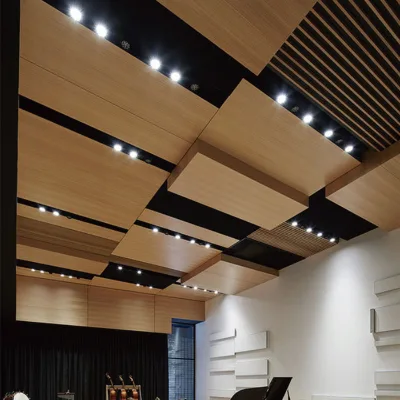


Wood Grain Virgin Aluminum Panel with Custom Size for Interior Wall Decoration
$14.50 - $33.00
MOQ: 100 Square Meters

Architectural Wood Grain Virgin Aluminum Panel for Exterior with Custom Color Layer
$14.50 - $33.00
MOQ: 100 Square Meters

Produce Metal Wall Panel Wood Grain Aluminum Veneer for Interior Wall
$14.00 - $30.00
MOQ: 50 Square Meters

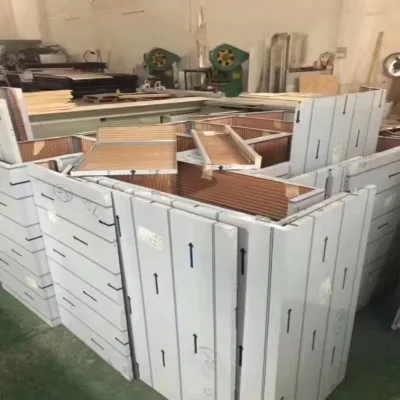
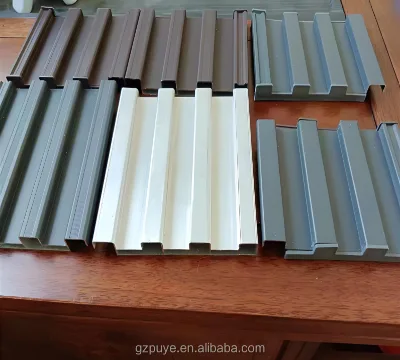
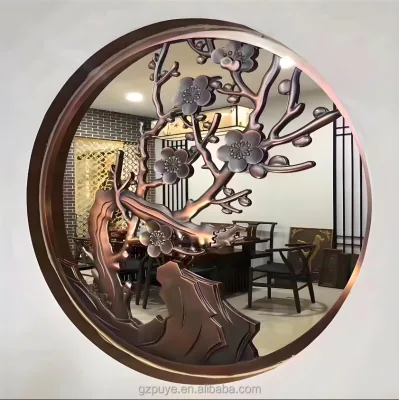
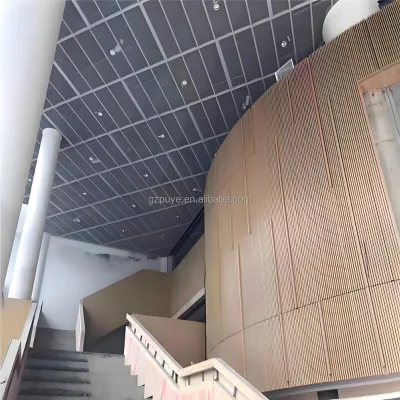


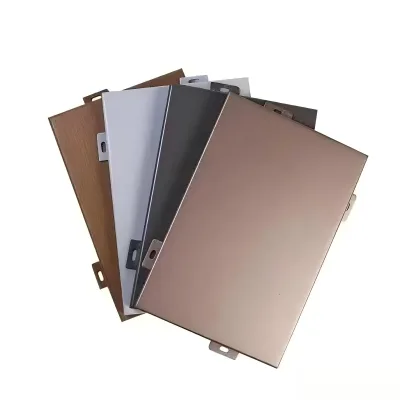
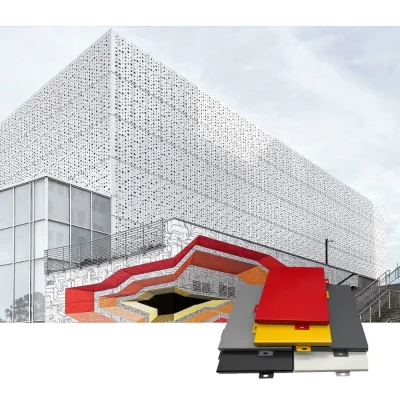
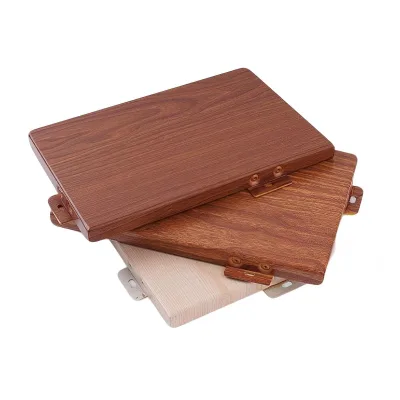
Wholesale Bulk Custom Wood Grain Aluminum Veneer for Residential Community
$24.7783 - $37.1675
MOQ: 100 square
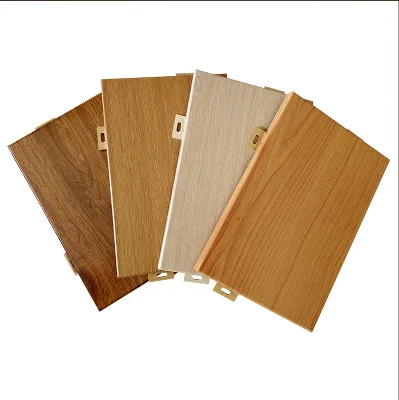
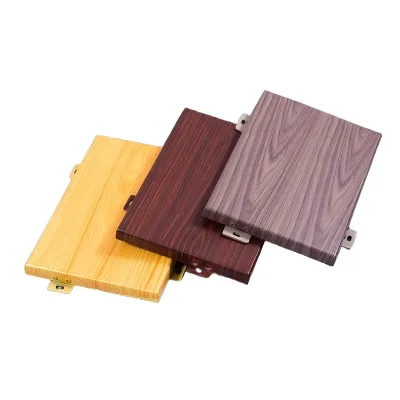
Comprehensive Sourcing Guide
Wood Grain Aluminum Veneer Panel Sourcing Guide
Procuring wood grain aluminum veneer panels requires a nuanced understanding of both aesthetic replication and structural performance. Buyers must recognize that these panels serve as high-end cladding solutions, offering the visual warmth of natural timber while leveraging the durability and weather resistance of aluminum alloys. The sourcing process begins with defining the specific finish requirements, as the market offers various techniques to achieve realistic wood textures, including embossing, printing, and specialized coating methods. Understanding these distinctions is critical for ensuring the final installation meets the architectural intent and withstands environmental stressors over time.
The decision to source these panels often hinges on the balance between customization needs and standard inventory availability. While many suppliers offer standard sizes and colors, the unique demands of curtain walls and exterior facades frequently necessitate tailored dimensions and specific grain patterns. Buyers should evaluate their project’s scale and timeline to determine whether off-the-shelf options suffice or if custom manufacturing is required. This initial assessment directly influences supplier selection, pricing structures, and the overall complexity of the procurement logistics, making it a foundational step in the sourcing strategy.
Product Scope and Observed Listing Signals
The observed market signals indicate a diverse range of product configurations available from suppliers, primarily originating from regions like Foshan, China. Listings frequently highlight aluminum alloy as the base material, with thicknesses ranging from 1.5mm to 10mm, allowing for flexibility in structural applications. Buyers will encounter various panel shapes, including flat, curved, and double-curved options, which cater to complex architectural designs. The presence of protective packaging, such as wood frames and steam foam, suggests that suppliers are aware of the fragility of finished surfaces during transit, a crucial consideration for maintaining quality upon delivery.
Surface treatment options are a key differentiator in the current market, with PVDF, PE/Polyester, and powder spray coatings being commonly cited. These finishes not only provide aesthetic appeal but also enhance durability against UV radiation and corrosion. The availability of wood grain textures alongside stone-look and smooth finishes indicates that suppliers are catering to a broad spectrum of design preferences. Buyers should note that while "wood grain" is a popular request, the specific method of achieving this texture—whether through embossing or digital printing—can significantly impact the realism and longevity of the finish, requiring careful verification during the sourcing phase.
Technical Specifications to Verify
Verifying technical specifications is paramount when sourcing wood grain aluminum veneer panels, particularly regarding thickness and dimensional accuracy. Buyers must confirm whether the quoted thickness refers to the total panel or just the aluminum skin, as this affects structural integrity and cost. Standard sizes often include widths up to 2200mm and lengths up to 6000mm, but custom dimensions are frequently supported. It is essential to clarify tolerance levels for these dimensions, as deviations can lead to installation challenges, especially in large-scale curtain wall projects where precision is critical for seamless assembly.
The coating system and surface finish must be rigorously defined to ensure performance and aesthetic consistency. Buyers should verify the type of coating, such as PVDF or polyester, and its expected lifespan, as these factors influence maintenance requirements and resistance to environmental degradation. Additionally, the texture of the wood grain finish should be specified, whether it is a high-gloss, matte, or embossed surface, to match the design intent. Confirming the number of layers and the quality of the protective film is also necessary to prevent surface damage during handling and installation, ensuring the final product meets the specified aesthetic and functional standards.
Compliance and Safety Documentation
Compliance with safety and environmental standards is a non-negotiable aspect of sourcing aluminum veneer panels for commercial and residential projects. Buyers should request documentation that verifies the panels meet relevant fireproofing and anti-bacterial standards, as these are often critical for building codes and insurance requirements. The presence of certifications such as CE and SGS indicates a level of quality assurance, but buyers must ensure these certifications are current and applicable to the specific product batch. Understanding the fire rating of the panels is essential, particularly for high-rise buildings or public spaces where fire safety regulations are stringent.
Environmental compliance is increasingly important, with buyers needing to verify the sustainability of the aluminum sourcing and the eco-friendliness of the coating processes. Documentation should confirm that the materials do not contain harmful substances and that the manufacturing process adheres to environmental regulations. Buyers should also inquire about the recyclability of the panels, as aluminum is a highly recyclable material, and this can contribute to green building certifications. Ensuring that all safety and environmental claims are backed by verifiable documentation helps mitigate legal and reputational risks associated with the project.
Cost Drivers and Commercial Terms
Several factors influence the cost of wood grain aluminum veneer panels, with material thickness, surface treatment complexity, and order volume being primary drivers. Thicker panels and those with specialized finishes, such as realistic wood grain embossing, typically command higher prices due to increased material and processing costs. Buyers should also consider the impact of customization on pricing, as non-standard sizes or unique grain patterns may incur additional setup fees. Understanding these cost drivers allows for more accurate budgeting and helps in negotiating favorable terms with suppliers based on volume commitments.
Commercial terms, including minimum order quantities (MOQ) and payment conditions, vary significantly among suppliers. Observed MOQs range from small batches for sample orders to large volumes for full project supply, with prices reflecting these tiers. Buyers should clarify lead times and shipping terms, as delays can impact project schedules and incur additional costs. It is advisable to negotiate clear terms regarding quality acceptance and return policies, ensuring that any discrepancies in the delivered goods can be addressed promptly. Transparent communication about these commercial aspects helps in establishing a reliable supply chain and avoiding unexpected financial burdens.
Supplier Qualification and Quality Control
Evaluating supplier qualifications is crucial for ensuring the reliability and consistency of wood grain aluminum veneer panels. Buyers should assess the supplier’s manufacturing capabilities, including their experience with aluminum processing and surface treatment technologies. Verifying the supplier’s track record in similar projects and their ability to handle large-scale orders is essential for maintaining project timelines. Additionally, buyers should inquire about the supplier’s quality control processes, including in-line inspections and final product testing, to ensure that the panels meet the specified standards before shipment.
Quality control measures should extend to the packaging and logistics phases, as improper handling can damage the delicate wood grain finishes. Buyers should confirm that suppliers use robust packaging methods, such as wooden frames and protective films, to safeguard the panels during transit. Establishing a clear communication channel for addressing any quality issues post-delivery is also important. By prioritizing suppliers with strong quality control systems and reliable logistics, buyers can minimize the risk of defects and ensure a smooth installation process, ultimately protecting the integrity of the architectural design.
Long-Term Procurement Checks
Long-term procurement success depends on establishing ongoing performance reviews and relationship management with suppliers. Buyers should monitor the performance of the installed panels over time, assessing factors such as color retention, texture durability, and resistance to environmental wear. Regular feedback loops with suppliers can help identify any recurring issues and drive continuous improvement in product quality. Maintaining open communication regarding future project needs allows for better planning and potential volume discounts, fostering a collaborative partnership that benefits both parties.
It is also important to stay updated on industry trends and technological advancements in aluminum veneer production. Buyers should periodically review their supplier base to ensure they remain competitive in terms of pricing, quality, and innovation. Engaging with suppliers about new finish options or sustainable manufacturing practices can provide opportunities for enhancing project aesthetics and environmental performance. By proactively managing supplier relationships and staying informed about market developments, buyers can ensure a steady supply of high-quality wood grain aluminum veneer panels for their future projects.
FAQs
What thickness options are available for wood grain aluminum veneer panels?
Standard thicknesses typically include 2.0mm, 2.5mm, 3.0mm, and 4.0mm. Custom thicknesses ranging from 1.5mm to 10mm are also available upon request. These dimensions support various structural requirements for exterior and interior applications, ensuring durability and aesthetic flexibility for diverse architectural projects.
Can wood grain aluminum veneer panels be customized for specific projects?
Yes, customization is available for shape, color, and texture. Buyers can select from RAL colors or request made-to-order finishes. The panels support flat, curved, or carved shapes, allowing for tailored designs that meet specific architectural needs while maintaining high-quality aluminum alloy construction standards.
Which surface treatments are used for wood grain aluminum veneer panels?
Common surface treatments include PVDF, PE/Polyester, powder spray, and anodizing. These coatings provide excellent weather resistance and aesthetic appeal. The finishes can mimic wood grain, stone, or smooth textures, ensuring long-lasting performance for curtain walls and exterior facades in various environmental conditions.
What is the typical packaging method for aluminum veneer panels?
Panels are typically packed with protective film, steam foam, and a wooden frame or case. This robust packaging ensures safe transportation and prevents damage during shipping. The wooden frame provides additional structural support, making it suitable for international logistics and handling by various freight carriers.
Where are wood grain aluminum veneer panels typically manufactured?
These panels are primarily manufactured in China, with key production hubs located in Foshan. Manufacturers in this region offer extensive customization capabilities and competitive pricing. The origin ensures access to a mature supply chain for aluminum alloy materials and advanced surface treatment technologies.
What certifications are associated with aluminum veneer panel products?
Products often comply with CE and SGS standards. These certifications verify quality and safety for international markets. Buyers should verify specific documentation with suppliers to ensure compliance with local building codes and regulatory requirements for exterior wall and curtain wall applications.