Source Wood Frame Standing Dressing Mirror for Bedroom Living Room
Compare 30 listings for a Wood Frame Standing Dressing Mirror with modern styles and customizable sizes. Buyers can evaluate options featuring MDF or wooden frames, silver finishes, and applications for bedrooms, living rooms, and hotels.
Key considerations
Products List


Dressing Mirror PVC Frame Standing Floor Length Mirror Full Length Mirror
$10.00 - $30.00
MOQ: 100 Pieces

Furniture and Floor Mirrors Floor Length Mirror Full Length Mirror Dressing Mirror
$10.00 - $30.00
MOQ: 100 Pieces


Wholesale Mirror Standing Mirror Dressing Mirror Tall Floor Mirror Floor Length Mirror
$10.00 - $30.00
MOQ: 100 Pieces
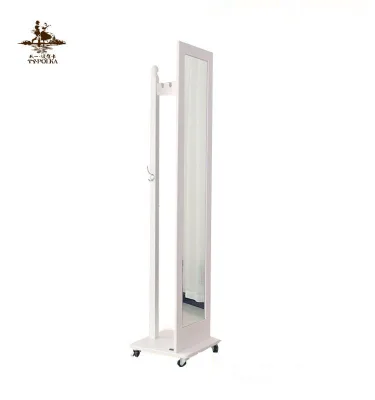


Metal Frame Decorative Full Length Floor Standing Dressing Mirror Hot Sale
$85.00 - $95.00
MOQ: 50 Pieces

Stylish Colorful Bathroom Mirror Floor Mirror Large Arch Framed Standing Dressing Mirror
$8.80 - $20.00
MOQ: 500 Square Meters

Elegant Illuminated Colorful Dressing Mirror for Living Room Decor
$8.80 - $20.00
MOQ: 500 Square Meters


Oval Wooden Mirror Frame Home Decoration Dressing Mirror Bathroom Mirror
$3.00 - $20.00
MOQ: 100 Pieces



Comprehensive Sourcing Guide
Strategic Sourcing Guide for Wood Frame Standing Dressing Mirrors
Understanding Product Specifications and Variability
When sourcing a Wood Frame Standing Dressing Mirror, buyers must first navigate a complex landscape of product attributes that often vary significantly between suppliers. The core keyword suggests a specific aesthetic and functional profile, yet the actual market data reveals a wide spectrum of configurations. For instance, while the primary material is often identified as wood or MDF, specific product listings also cite plastic and glass as frame materials. This discrepancy highlights the necessity for buyers to verify the exact composition of the frame before finalizing an order. The frame construction is critical not only for durability but also for the overall weight and stability of the standing unit.
The physical dimensions of these mirrors are equally variable. While some specifications list a standard size of 4004001700 mm, other entries indicate that "Customized Size" is a standard offering. This flexibility is a significant advantage for buyers with unique spatial requirements, such as those furnishing large hotel lobbies or custom residential bedrooms. However, this customization comes with its own set of logistical considerations. The shape of the mirror is predominantly square or rectangular, with some products explicitly described as "Floor Length" or "Full-Length," ensuring they serve their primary function as dressing mirrors. The finish is typically silver, which is standard for high-quality reflective surfaces, though color options for the frame may include brown, white, and black.
The structural design also varies. Some units are described as "Single Sided," while others are noted as "Wall Mounted" or "Standing." The distinction between a floor-standing unit and a wall-mounted one is crucial for installation planning. A standing dressing mirror requires a stable base, often implied by the "Wooded Frame" description, whereas a wall-mounted version relies on anchoring hardware. Furthermore, the folding mechanism is another variable; while most standing mirrors are fixed, some listings mention a "Folded: Unfolded" state, suggesting a collapsible design for easier transport or storage. Buyers must explicitly confirm whether the unit they are purchasing is a permanent fixture or a portable solution.
Compliance, Certification, and Safety Standards
In the B2B procurement of home furniture, particularly items destined for hospitality or commercial use, compliance with international standards is non-negotiable. The supplied data indicates that certain suppliers hold certifications such as ISO 9001 and BSCI. These are high-confidence facts that should be prioritized during the supplier evaluation phase. ISO 9001 signifies that the manufacturer has a robust quality management system in place, which is essential for maintaining consistency in wood frame construction and mirror finishing. BSCI certification indicates a commitment to social compliance and ethical labor practices, which is increasingly important for global brands concerned with supply chain transparency.
However, buyers must exercise caution regarding other certification claims. While the provided text mentions CE and FSC in a low-confidence section, these should not be assumed as standard attributes of every Wood Frame Standing Dressing Mirror. CE marking, for example, is often associated with electrical safety, which would only be relevant if the mirror includes integrated lighting features. Some product listings do mention "Lighted" as a special function, which would necessitate electrical compliance checks. If the mirror is purely mechanical, CE may not apply. Similarly, FSC (Forest Stewardship Council) certification relates to sustainable forestry practices. While the product material is listed as wood or MDF, verifying the source of the wood is a separate step that requires direct inquiry with the supplier, as it is not guaranteed by the general product description.
Safety standards for the glass component are also critical. The frame material may be wood, but the mirror itself is glass. Buyers should verify that the glass meets impact resistance standards suitable for standing units, especially in high-traffic areas like hotels or salons. The "Waterproof" feature mentioned in some listings suggests that certain models are designed for bathroom environments, which requires specific moisture resistance testing for both the wood frame and the adhesive bonds. Without explicit test data provided in the source material, buyers must request third-party laboratory reports to confirm that the "Waterproof" claim holds true under prolonged exposure to humidity.
Cost Drivers and Pricing Dynamics
The pricing of wood frame standing dressing mirrors is influenced by a combination of material costs, customization levels, and logistical factors. The observed price range in the market spans from 3 to 100 USD, a wide variance that reflects differences in quality, size, and finish. A unit priced at the lower end of this spectrum likely utilizes basic MDF or lower-grade wood with a standard finish, while a unit at the higher end may feature solid wood, custom dimensions, and specialized coatings. The "OEM" brand name listed in the data suggests that many suppliers operate on a private label basis, which can affect pricing structures depending on the volume of the order.
Minimum Order Quantity (MOQ) is another significant cost driver. The data indicates an MOQ of 100 pieces for some suppliers, while others list a range of 1 to 1000 pieces. For buyers looking to test the market or fulfill small orders, finding a supplier with a low MOQ is essential, though it may come with a higher unit cost. Conversely, bulk buyers can leverage economies of scale to reduce the per-unit price. The packaging method also impacts the final cost. Listings mention "Wooden Crates" and "Paper Cartons" as standard packing methods. Wooden crates offer superior protection for large, fragile items but add to the shipping weight and cost. Paper cartons are lighter and cheaper but may require additional internal padding to prevent damage during transit.
Shipping and logistics costs are often overlooked but can significantly affect the total landed cost. The origin of the products is listed as China, specifically Shandong, which is a major manufacturing hub. Buyers should factor in freight charges, which vary based on the volume and weight of the shipment. The "Single volume" and "Single gross weight" fields in the data show zeros, which likely indicates that these figures are variable based on the specific model and packaging chosen. Buyers must request a detailed packing list and weight breakdown to accurately calculate freight expenses. Additionally, the "Lead time" is not explicitly provided in the source data, so buyers must negotiate this term directly with suppliers to ensure it aligns with their project timelines.
Typical Applications and Functional Requirements
Wood frame standing dressing mirrors are versatile products designed for a variety of environments. The primary application listed is for "Bedroom" and "Living Room" settings, where they serve as essential dressing aids. In residential contexts, the "Modern" and "Contemporary" design styles are particularly popular, offering a sleek aesthetic that complements current interior trends. The "Simple design" mentioned in the product name suggests a focus on functionality and minimalism, which appeals to a broad range of consumers.
Beyond residential use, these mirrors are frequently specified for commercial applications. The data explicitly mentions "Hotel," "Salon," and "Bathroom" as potential application areas. In hotels, durability and ease of cleaning are paramount. A mirror with a "Waterproof" feature would be ideal for bathroom settings, while a robust wooden frame is necessary for high-traffic corridors. Salons require mirrors that not only reflect clearly but also enhance the ambiance of the space. The "Lighted" feature mentioned in some listings is particularly relevant for salons, where proper lighting is crucial for makeup application and styling.
The "General use" category is listed as "Home Furniture," reinforcing the product's primary role in domestic settings. However, the ability to customize the size and finish allows these mirrors to be adapted for specialized commercial projects. For example, a hotel chain might require a specific height to match their room design, or a salon might need a specific color to match their branding. The "Single item" selling unit suggests that these mirrors are often sold individually, but bulk purchasing is common for commercial projects. Buyers should consider the specific environmental conditions of their target application when selecting a model, ensuring that the frame material and finish can withstand the expected wear and tear.
Supplier Evaluation and Quality Assurance
Selecting the right supplier is a critical step in the procurement process. Buyers should prioritize suppliers who can demonstrate a track record of quality and reliability. The presence of ISO 9001 and BSCI certifications is a strong indicator of a supplier's commitment to quality and ethical standards. However, certifications alone are not sufficient; buyers must also evaluate the supplier's production capabilities and flexibility. The ability to offer "Customized Size" and "Customized" finishes is a valuable attribute, but it requires a supplier with a flexible manufacturing process.
Quality control measures should be a central part of the supplier evaluation. Buyers should inquire about the supplier's internal quality control protocols, including how they inspect the wood frame for defects, ensure the mirror glass is free of bubbles or scratches, and verify the stability of the standing base. The "Product name" and "Item" codes (e.g., SF109, 2322212) provide a way to track specific models, but buyers should request sample units to verify the quality firsthand. The "Mail packing" attribute marked as "Y" suggests that some suppliers may offer direct mailing or drop-shipping options, which can be useful for certain distribution models.
When evaluating suppliers, buyers should also consider their communication and responsiveness. The ability to provide detailed technical specifications, such as the exact dimensions, weight, and material composition, is a sign of a professional supplier. Buyers should avoid suppliers who are vague about their production processes or unwilling to provide samples. The "Place of origin" being Shandong, China, is a common manufacturing location, but buyers should verify the specific factory location to ensure it aligns with their logistical preferences. Finally, buyers should check the supplier's history of delivering on time and meeting quality standards, as this is crucial for maintaining a reliable supply chain.
Long-Term Procurement and Maintenance Considerations
Procuring wood frame standing dressing mirrors is not just a one-time transaction; it involves long-term considerations regarding maintenance, replacement, and supply chain stability. The "Wooden Crates / Paper Carton" packaging suggests that the products are designed for safe transport, but buyers should also consider the long-term durability of the packaging for storage. If the mirrors are to be stored for extended periods, the packaging must protect the wood frame from moisture and the glass from impact.
Maintenance requirements vary based on the materials used. Wood frames may require periodic polishing or treatment to prevent warping or discoloration, especially in humid environments like bathrooms. The "Waterproof" feature, if present, should be verified to ensure it provides adequate protection over time. Buyers should request maintenance guidelines from the supplier to ensure that their end-users can keep the mirrors in good condition. Additionally, the "Lead time" for restocking should be factored into the procurement strategy. If a supplier has a long lead time, buyers may need to maintain a higher inventory level to avoid stockouts.
Sustainability is another long-term consideration. While FSC certification is listed as low-confidence, buyers should actively inquire about the sustainability of the wood used. Sourcing from suppliers who use responsibly managed forests can enhance the brand image of the buyer and align with corporate sustainability goals. The "OEM" nature of the products also means that buyers have the opportunity to brand the mirrors with their own logo, which can add value and differentiate their offering in the market. Finally, buyers should establish a clear return and warranty policy with their supplier to mitigate risks associated with damaged goods or quality issues.
FAQs
Can I order a Wood Frame Standing Dressing Mirror with a customized size?
Yes, you can order a customized size for this mirror. The product specifications explicitly list customized size as an available option, allowing you to tailor dimensions to your specific room requirements rather than being limited to standard measurements.
Which certifications do suppliers for this mirror typically hold?
Suppliers often hold ISO 9001 and BSCI certifications. These high-confidence facts indicate a commitment to quality management systems and ethical labor practices, which are essential for ensuring consistent production standards and social compliance in the supply chain.
What is the minimum order quantity for a Wood Frame Standing Dressing Mirror?
The minimum order quantity is typically 100 pieces. While some listings show a range from 1 to 1000, the specific data point of 100 pieces serves as a standard baseline for bulk procurement orders in this category.
How is the Wood Frame Standing Dressing Mirror packaged for shipping?
The product is packaged in wooden crates or paper cartons. This packaging method ensures protection during transit, with wooden crates offering superior durability for large, fragile items while paper cartons provide a lighter alternative for standard shipments.
Where are the wood frame standing dressing mirrors manufactured?
These mirrors originate from China, specifically the Shandong region. This location is a major manufacturing hub, and buyers should verify the specific factory details within Shandong to align with their logistical preferences and supply chain requirements.
What materials are used for the frame of this standing mirror?
Frames are constructed from wood, MDF, plastic, or glass. The product data shows variability in frame materials, so buyers must verify the exact composition of their selected model to ensure it meets their durability and aesthetic expectations.
Can this mirror be used in bathroom or hotel environments?
Yes, the mirror is suitable for home, bathroom, hotel, and salon applications. Some models feature waterproof and lighted capabilities, making them adaptable for high-humidity areas or commercial settings where specific lighting and moisture resistance are required.