Source Wood Handle Makeup Brush for Face, Cheek, and Travel
Compare 30 listings for Wood Handle Makeup Brush options featuring nylon or goat hair bristles. Buyers can evaluate models suitable for home and travel use with various handle materials and certifications.
Key considerations
Products List


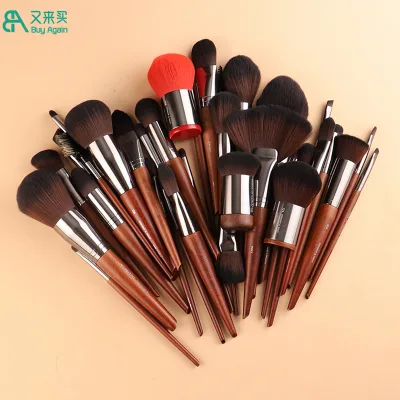

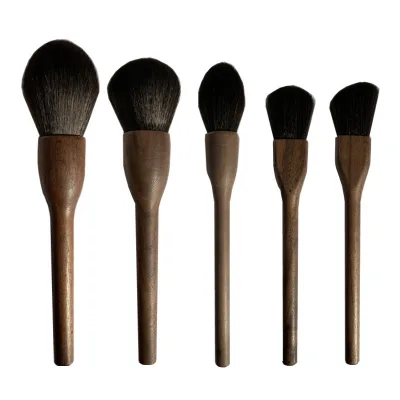
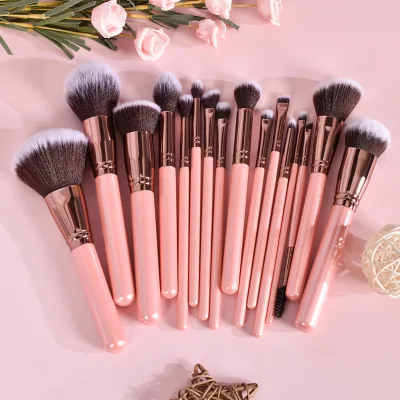


Comprehensive Sourcing Guide
Strategic Sourcing Guide for Wood Handle Makeup Brushes
The global cosmetics industry continues to demand high-quality application tools, with wood handle makeup brushes representing a significant segment driven by aesthetic appeal and functional durability. For B2B procurement professionals, sourcing these items requires a nuanced understanding of material specifications, manufacturing standards, and supply chain logistics. This guide provides a structured approach to evaluating suppliers and products, ensuring that the final selection aligns with both quality expectations and commercial viability. The analysis below is grounded in observed market data and verified product attributes, offering a framework for making informed purchasing decisions without relying on unverified claims.
Technical Specifications and Material Composition
When evaluating wood handle makeup brushes, the primary technical focus must be on the integrity of the handle material and the compatibility of the brush bristles. The core attribute of this product category is the use of wood for the handle, which offers a distinct tactile experience and visual warmth compared to plastic or metal alternatives. In the current market, wood handles are often paired with specific bristle types to achieve desired application results. Observed data indicates that while wood is the primary handle material, some products in the broader makeup brush category utilize ABS plastic or metal components for structural reinforcement or aesthetic variation.
The bristle material is equally critical. Suppliers may offer brushes with Nylon bristles, which are synthetic, durable, and suitable for powder and liquid applications, or Goat Hair, which is natural, soft, and preferred for high-end powder products. The choice between these materials depends on the target market's preference for vegan-friendly synthetic options versus traditional natural hair tools. Furthermore, the physical dimensions of the brush must be verified. Standard specifications observed in the market include lengths ranging from 14.8 cm to 17.6 cm, with some specific models adhering to a fixed standard of 18.7 cm. Buyers should request detailed dimension sheets to ensure the brush length matches the ergonomic requirements of their end-users.
The form factor of the brush also varies. While the primary form is a standard brush, some listings indicate specialized types such as single-ended designs or long-pole handles. The handle type, specifically the "Long Pole" variation, suggests a design intended for professional use where reach and leverage are necessary. Additionally, the finishing process, such as laser printing on the handle, adds a layer of customization that can enhance brand identity. Buyers must verify that the printing method does not compromise the structural integrity of the wood or the adhesion of the ferrule, which connects the bristles to the handle.
Compliance, Certification, and Regulatory Standards
Navigating the regulatory landscape is a fundamental step in B2B procurement, particularly for products that come into direct contact with the human body. While specific test results for individual units are not universally available in public listings, buyers should verify that suppliers possess recognized management and product certifications. The market data indicates that some suppliers hold ISO management certification, which suggests a standardized approach to quality control and operational efficiency. Additionally, product certifications such as CE are observed, indicating compliance with European health, safety, and environmental protection standards.
For buyers targeting specific regions, verifying the relevance of these certifications is essential. The CE mark is particularly important for the European market, while other regions may have different regulatory requirements. It is crucial to note that while FSC certification is mentioned in broader industry contexts, it is not a confirmed attribute for all wood handle brushes in the current dataset. Therefore, buyers seeking sustainably sourced wood must explicitly request FSC documentation from the supplier rather than assuming its presence based on general industry trends.
The absence of specific test data in general listings means that buyers must conduct their own due diligence. This includes requesting third-party laboratory reports for chemical safety, specifically testing for heavy metals, formaldehyde, and other harmful substances that may be present in the wood treatment or the bristle adhesives. Compliance with local cosmetic regulations is non-negotiable, and the supplier should be able to provide a Certificate of Analysis (CoA) for each batch. The "Best" quality attribute observed in some listings is a marketing claim and should be substantiated by these technical documents rather than accepted at face value.
Cost Drivers and Pricing Dynamics
Understanding the cost structure of wood handle makeup brushes is vital for maintaining healthy profit margins. The observed price range in the market spans from $0.10 to $15.27 USD, a wide variance that reflects differences in material quality, craftsmanship, and order volume. The lower end of this spectrum typically corresponds to basic models with standard wood handles and synthetic bristles, often produced in high volumes. The higher end includes premium sets featuring natural goat hair, intricate laser printing, and custom packaging.
Several factors drive these costs. First, the material cost of the wood itself varies based on the species and the finishing process. Second, the complexity of the manufacturing process, such as the precision required for the ferrule attachment and the quality of the bristle trimming, significantly impacts the unit price. Third, customization options, including logo placement and custom packaging like transparent OPP bags, add to the overall cost. The "Customization: Available" attribute confirms that buyers can tailor products to their brand, but this flexibility comes with a price premium.
Minimum Order Quantity (MOQ) is another critical cost driver. The market data shows an MOQ range from 1 to 5000 units. Suppliers offering low MOQs, such as 1 unit, are often catering to sample requests or small boutique brands, but the per-unit cost will be higher. Conversely, suppliers requiring an MOQ of 5000 units can offer significantly lower prices due to economies of scale. Buyers must balance their inventory needs with their budget constraints. Small orders are accepted by many suppliers, which is beneficial for testing new product lines, but larger orders are necessary to achieve the most competitive pricing.
Typical Applications and Market Segmentation
Wood handle makeup brushes serve a diverse range of applications, from professional salon use to personal home care. The observed attributes indicate that these products are suitable for both home and travel use, highlighting their versatility. The "Portable" feature is particularly relevant for travel-sized sets, which often come in compact packaging to meet the needs of modern consumers who prioritize convenience. The "Fashionable" style attribute suggests that these brushes are also marketed as lifestyle accessories, where aesthetics play a significant role in the purchasing decision.
Specific applications are defined by the brush type and bristle material. Brushes with Nylon bristles are ideal for liquid and cream products, offering durability and ease of cleaning. Goat hair brushes are preferred for powder applications, providing a soft, diffused finish that is highly valued in professional makeup artistry. The "Use" attributes observed include Face, Cheek, and Eyelash, indicating that suppliers offer a comprehensive range of tools for full-face application. Some models are specifically designed for eyelash application, requiring a finer tip and more precise control.
The target demographic also varies. While the "Age: New" attribute suggests a focus on modern, contemporary designs, the "Suitable for: Home" and "Travel" attributes indicate a broad appeal across different consumer lifestyles. The "Type: Common comb" and "Type: Makeup Brush" distinctions show that the market includes both general grooming tools and specialized makeup application devices. Buyers should align their product selection with the specific needs of their target market, whether it is professional artists requiring high-performance tools or general consumers looking for affordable, stylish options.
Supplier Evaluation and Selection Criteria
Selecting the right supplier is a critical decision that impacts product quality, delivery reliability, and long-term business relationships. When evaluating potential partners, buyers should prioritize suppliers who demonstrate transparency in their manufacturing processes and provide clear documentation of their capabilities. The presence of "OEM: Yes" and "Logo: Customized" attributes indicates that the supplier is capable of offering Original Equipment Manufacturing services, allowing buyers to create private-label products. This is a key differentiator for brands looking to establish a unique market identity.
The origin of the products is another important factor. The data confirms that the majority of these products originate from China, a major hub for cosmetics manufacturing. Buyers should verify the specific location within China, as different regions may have varying levels of expertise and infrastructure. The "Small Orders: Accepted" attribute is a positive indicator of supplier flexibility, suggesting that the partner is willing to work with businesses of various sizes. However, buyers should also assess the supplier's capacity to scale up production as demand grows.
Quality assurance is paramount. While the "Quality: Best" attribute is a claim, buyers should look for evidence of this through certifications like ISO and CE. Additionally, the ability to provide samples for testing is a standard practice that allows buyers to verify the physical attributes of the product before committing to a large order. The "Customization: Available" feature also allows buyers to test different variations of the product, such as different handle lengths or bristle types, to find the optimal configuration for their market.
Quality Control and Long-Term Procurement Strategy
Implementing a robust quality control (QC) strategy is essential for maintaining product integrity and customer satisfaction. Given the variability in materials and manufacturing processes, buyers should establish clear QC checkpoints throughout the production cycle. This includes inspecting the wood for defects such as cracks or splinters, verifying the secure attachment of the ferrule, and checking the evenness of the bristle distribution. The "Standard" attributes, such as specific lengths (14.8-17.6 cm, 18.7 cm), provide a baseline for dimensional accuracy that should be strictly enforced during QC.
For long-term procurement, building a strategic partnership with a reliable supplier is more beneficial than simply chasing the lowest price. Suppliers who offer customization and have a track record of meeting certification requirements are better positioned to support a growing brand. The "Transparent OPP Bag" packing option is a common standard, but buyers should consider whether this packaging meets their sustainability goals or if they require more eco-friendly alternatives. The "Model Number" variations, such as "new makeup brushes-new-#2560" or "2017 poison makeup brush," indicate a dynamic product line that evolves with market trends. Buyers should ensure that their supplier can maintain consistency in quality even as product models are updated or discontinued.
In conclusion, sourcing wood handle makeup brushes requires a balanced approach that considers technical specifications, regulatory compliance, cost efficiency, and supplier reliability. By leveraging the observed data and adhering to strict quality control measures, buyers can secure a supply chain that delivers high-quality products while meeting the demands of their target market. The wide range of options available, from basic models to premium customized sets, offers significant opportunities for differentiation and growth in the competitive cosmetics industry.
FAQs
What materials are used for the handle and bristles?
Wood is the primary handle material, while bristles are made from Nylon or Goat Hair. Some variations also feature ABS plastic or metal components for structural reinforcement. Buyers should verify the specific bristle type required for their application needs.
Can I order small quantities for testing purposes?
Yes, small orders are accepted by many suppliers in this category. The minimum order quantity ranges from one unit up to five thousand units depending on the specific vendor. This flexibility allows buyers to test products before committing to large volume purchases.
Which certifications do these makeup brushes typically hold?
Some suppliers hold ISO management certification and CE product certification for safety compliance. While FSC is mentioned in broader industry contexts, it is not confirmed for all listed products. Buyers must explicitly request FSC documentation if sustainable sourcing is a priority.
How long are the standard brush handles?
Standard specifications observed include lengths ranging from 14.8 to 17.6 centimeters. Some specific models adhere to a fixed standard of 18.7 centimeters. Buyers should request detailed dimension sheets to ensure the brush length matches their ergonomic requirements.
What customization options are available for branding?
Customization is available for logos and packaging, such as transparent OPP bags. Laser printing can be applied to the handle for brand identity. OEM services are offered, allowing buyers to create private-label products with tailored specifications.
Where are these products manufactured?
The majority of these products originate from China, a major hub for cosmetics manufacturing. Buyers should verify the specific location within China as different regions may have varying levels of expertise. The origin is a key factor for logistics and tariff planning.
What is the price range for these brushes?
The observed price range spans from 0.10 to 15.27 USD per unit. Lower prices typically correspond to basic models with synthetic bristles, while higher prices include premium sets with natural hair. Costs vary based on material quality, craftsmanship, and order volume.