Source Wood Pulp Fuel Filter Paper for Air, Liquid, and Powder Uses
Compare 22 listings of Wood Pulp Fuel Filter Paper from verified Chinese manufacturers. Buyers can evaluate specifications like thickness, pore size, and resin content for automotive, liquid, and powder filtration applications.
Key considerations
Products List


Comprehensive Sourcing Guide
Strategic Sourcing Guide for Wood Pulp Fuel Filter Paper
Procuring Wood Pulp Fuel Filter Paper requires a disciplined approach that balances technical performance with supply chain reliability. As a critical component in automotive filtration systems, the material must effectively separate contaminants from fuel while maintaining structural integrity under varying pressure and temperature conditions. Buyers entering this market must navigate a landscape defined by specific material properties, rigorous certification requirements, and diverse manufacturing capabilities. This guide outlines the essential factors for evaluating suppliers and selecting the right product for automotive, truck, and bus applications.
Technical Specifications and Material Composition
The foundation of a successful procurement strategy lies in understanding the precise technical specifications of wood pulp filter paper. The core material is derived from wood pulp, which provides the necessary fibrous structure for filtration. However, the performance of the final product is heavily influenced by the manufacturing process, particularly the treatment of the paper's surface and internal structure.
Buyers should verify the basic weight of the paper, which typically ranges from 101 to 150 g/m² for standard applications, though heavier grades exceeding 201 g/m² are available for high-durability requirements. Thickness is another critical dimension, with observed ranges spanning from 0.61 mm to 0.9 mm for general automotive use, and extending up to 1.2 mm for heavy-duty applications. The resin content, which affects the paper's strength and resistance to fluid degradation, varies significantly. Suppliers may offer grades with resin content between 10% and 15%, 20.1% to 25%, or 25.1% to 30%. Selecting the correct resin percentage is vital for ensuring the filter does not disintegrate when exposed to aggressive fuel additives.
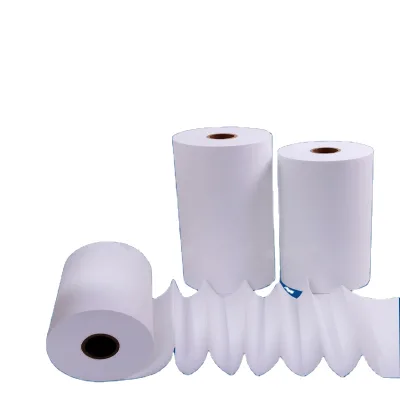
The physical structure of the paper also plays a pivotal role. Corrugation is a common feature designed to increase the surface area and dust-holding capacity. The depth of this corrugation can range from 0.15 mm to 0.5 mm, with specific depths like 0.30 mm or 0.35 mm being common observations. The pore size, which determines the filtration efficiency, is typically specified between 30 and 115 micrometers. Additionally, air permeability is a key performance indicator, with values often exceeding 250 to ensure adequate flow rates.
Compliance and Certification Verification
In the automotive sector, compliance is not merely a formality but a prerequisite for market access. Buyers must rigorously verify that suppliers hold valid certifications that align with industry standards. The most frequently observed certifications for wood pulp filter paper include ISO 9001 for quality management, ISO 14001 for environmental management, and IATF 16949 (often listed as Ts16949) for automotive-specific quality systems. Some suppliers may also hold HACCP or BRC certifications, indicating a broader capability in food or general safety standards, though these are less specific to fuel filtration than the automotive standards.
When evaluating a supplier, do not rely on a single certificate. Instead, request proof of current validity for all claimed standards. The presence of CE marking or other regional compliance marks may also be relevant depending on the target market. It is essential to understand that certifications are organizational attributes, not product guarantees; a supplier may be certified, but the specific batch of filter paper must still meet the technical specifications required for your application. Buyers should explicitly ask for the scope of the certification to ensure it covers the manufacturing of filter media.
Cost Drivers and Pricing Dynamics
The pricing of Wood Pulp Fuel Filter Paper is influenced by a complex interplay of material costs, manufacturing complexity, and order volume. The observed price range in the market spans from approximately $0.65 to $45 per unit, reflecting the vast difference between standard rolls and specialized, high-performance grades. Several factors drive these costs:
- Material Grade: Higher resin content and specialized wood pulp blends increase the base cost.
- Processing: Corrugated paper requires additional manufacturing steps compared to plain paper, adding to the unit price.
- Customization: Products with customized sizes, colors (ranging from white to yellow), or specific pore sizes often command a premium.
- Packaging: Standard packaging is cost-effective, but specialized packing involving multiple layers of plastic film and brown paper or custom cartons increases logistics costs.
The Minimum Order Quantity (MOQ) is another significant cost driver. The market shows an MOQ range from 1 unit up to 3,000 units. Buyers with smaller volume needs may face higher per-unit costs or limited supplier options, while large-volume purchasers can leverage economies of scale. Understanding these variables allows buyers to negotiate more effectively and forecast total cost of ownership accurately.
Typical Applications and Usage Scenarios
Wood Pulp Fuel Filter Paper is primarily engineered for the automotive industry, serving a wide array of vehicle types. The primary applications include fuel filters for cars, trucks, and buses. The material is also utilized in air filtration systems, where its porosity and strength are critical for protecting engine components from particulate matter. Furthermore, the versatility of the paper extends to liquid filtration and powder filtration applications, making it a multi-functional material in various industrial settings.
The distinction between qualitative and quantitative paper types is important for application matching. Qualitative papers are often used for general separation tasks, while quantitative papers may be required for more precise filtration needs. The color of the paper, whether white or yellow, can sometimes indicate specific treatments or resin types, though it is not a definitive performance indicator on its own. Buyers should match the paper type to the specific fluid being filtered, ensuring compatibility with the chemical composition of the fuel or liquid.
Supplier Evaluation and Capacity Assessment
Selecting the right supplier requires a deep dive into their operational capabilities and product range. A robust supplier will offer a diverse portfolio of models, such as "HAWF-10033G-003," "Auto Filter Paper," or "Fuel Filter Paper," indicating a mature production line capable of handling various specifications. The origin of the product is a key factor, with China being a prominent source for these materials, offering competitive pricing and extensive manufacturing capacity.
When evaluating a supplier, consider their packaging capabilities. Standard packaging may involve rolls, while more secure options include plastic film, brown paper, and plastic film combinations, or custom cartons. The ability to provide customized sizes, with standard widths ranging from 50 mm to 1,250 mm, is a strong indicator of a flexible manufacturing process. Buyers should also inquire about the supplier's ability to handle custom orders, as many manufacturers offer tailored solutions for specific automotive OEM requirements.
Quality Control and Performance Verification
Quality control is the safeguard against production defects and performance failures. Buyers must establish clear acceptance criteria based on the technical specifications discussed earlier. Key metrics to verify include burst strength, which typically ranges from 200 to 600, and air permeability, which should meet or exceed 250. The consistency of the corrugation depth and pore size distribution is critical for ensuring uniform filtration across the entire filter element.
It is essential to treat product attributes as observations rather than absolute claims for every listed product. A supplier may list a resin content of 20.1%-25%, but this does not guarantee that every batch falls within this range without independent verification. Buyers should request test reports or conduct their own incoming quality inspections to validate these parameters. The presence of a "Standard" or "Custom" designation in the product model should be cross-referenced with the actual physical properties of the received goods.
Long-Term Procurement Considerations
Sourcing Wood Pulp Fuel Filter Paper is not a one-time transaction but a long-term partnership. Buyers should consider the stability of the supply chain, including the supplier's ability to maintain consistent quality over time. The availability of raw materials, such as wood pulp, can impact production stability, so suppliers with strong supply chain management are preferable.
Packaging and logistics also play a role in long-term success. Standard packaging is efficient, but specialized packaging may be necessary to prevent damage during transit, especially for corrugated paper which is more susceptible to compression. Buyers should also evaluate the supplier's responsiveness to customization requests, as automotive designs evolve, and filter specifications may need to change. Establishing a clear communication channel for technical support and quality issues will ensure that any deviations from the standard are addressed promptly, minimizing downtime and maintaining the integrity of the final vehicle assembly.
Comparative Overview of Product Attributes
To assist in the decision-making process, the following table summarizes the key attributes observed in the market for Wood Pulp Fuel Filter Paper. This comparison highlights the variability in specifications that buyers must navigate.
| Attribute | Observed Range / Options | Relevance to Procurement |
|---|---|---|
| Material | Wood Pulp | Core component; affects sustainability and base cost. |
| Basic Weight | 101-150 g/m², >201 g/m² | Determines thickness and durability; heavier is stronger. |
| Thickness | 0.61-0.9 mm, 0.91-1.2 mm | Critical for fitting into filter housings. |
| Resin Content | 10%-15%, 20.1%-25%, 25.1%-30% | Affects chemical resistance and structural integrity. |
| Corrugation Depth | 0.15-0.5 mm (e.g., 0.30mm, 0.35mm) | Increases surface area and dust capacity. |
| Pore Size | 30-115 µm | Defines filtration efficiency and particle retention. |
| Burst Strength | 200-600 | Indicates resistance to pressure spikes. |
| Air Permeability | >250 | Ensures adequate flow rate for the engine. |
| Certifications | ISO9001, ISO14001, Ts16949, HACCP, CE | Mandatory for automotive supply chain compliance. |
| Packing | Rolls, Plastic Film+Paper, Carton | Impacts logistics cost and product protection. |
| Origin | China | Primary manufacturing hub; affects lead time and cost. |
By adhering to these guidelines and maintaining a focus on verified data, buyers can effectively source Wood Pulp Fuel Filter Paper that meets the rigorous demands of the automotive industry. The key is to balance technical requirements with supplier reliability, ensuring a supply chain that is both robust and responsive to changing market needs.
FAQs
What certifications do Wood Pulp Fuel Filter Paper suppliers typically hold?
Suppliers typically hold ISO9001, ISO14001, and Ts16949 certifications for quality and environmental management. Some vendors also possess BRC or HACCP certificates, though automotive-specific standards like Ts16949 are critical for verifying supply chain compliance in the automotive sector.
How is the resin content in Wood Pulp Fuel Filter Paper determined?
Resin content varies significantly between product grades, ranging from 10% to 15% or 20.1% to 30%. This percentage directly impacts the paper's resistance to fluid degradation and structural integrity when exposed to aggressive fuel additives in automotive applications.
Which thickness ranges are available for automotive filter paper applications?
Available thickness ranges span from 0.61 to 0.9 mm for general use and extend up to 0.91 to 1.2 mm for heavy-duty requirements. Buyers must select the correct thickness to ensure the filter fits properly within specific housing dimensions and pressure conditions.
Can suppliers provide customized sizes for Wood Pulp Fuel Filter Paper?
Yes, many manufacturers offer customized sizes with standard widths ranging from 50 mm to 1250 mm. Customization is often available for specific pore sizes, colors, and packaging types to meet unique OEM requirements for cars, trucks, and buses.
What is the typical air permeability value for these filter papers?
Air permeability values often exceed 250 to ensure adequate flow rates for engine protection. This metric is a key performance indicator that buyers should verify to confirm the paper allows sufficient airflow while maintaining effective filtration efficiency.
How does corrugation depth affect the performance of filter paper?
Corrugation depth typically ranges from 0.15 mm to 0.5 mm, with common values like 0.30 mm or 0.35 mm. This structural feature increases the surface area and dust-holding capacity, enhancing the filter's ability to trap contaminants effectively.
What packaging options are available for shipping wood pulp filter paper?
Packaging options include rolls, plastic film with brown paper, or cartons depending on the order requirements. Standard packaging involves plastic film layers for protection, while specialized orders may use custom cartons to prevent damage during transit.