Acrylic Kitchen Trash Bag Dispenser Suppliers and Manufacturers
Compare 19 suppliers of Acrylic Kitchen Trash Bag Dispenser products on material options including acrylic, plastic, metal, and bamboo, tier and mounting configurations, price ranges, MOQ, and lead times. Review verified credentials and response times, then request quotes from shortlisted suppliers.
Updated
Suppliers List
Ningbo Dongsu Plastic Industry Co., Ltd.
- Verified by SGS Group
- Manufacturer, Trading Company
- Lead time旺季: "1 - 500":20,"> 500":"To be negotiated", 淡季: "1 - 500":20,"> 500":"To be negotiated"
- Avg. response≤ 2h
Main productsLazy Susan Turnable Organizer, Fridge Organizer, Silverware Organizer, Food Storage Container, Storage Basket; Storage Bin
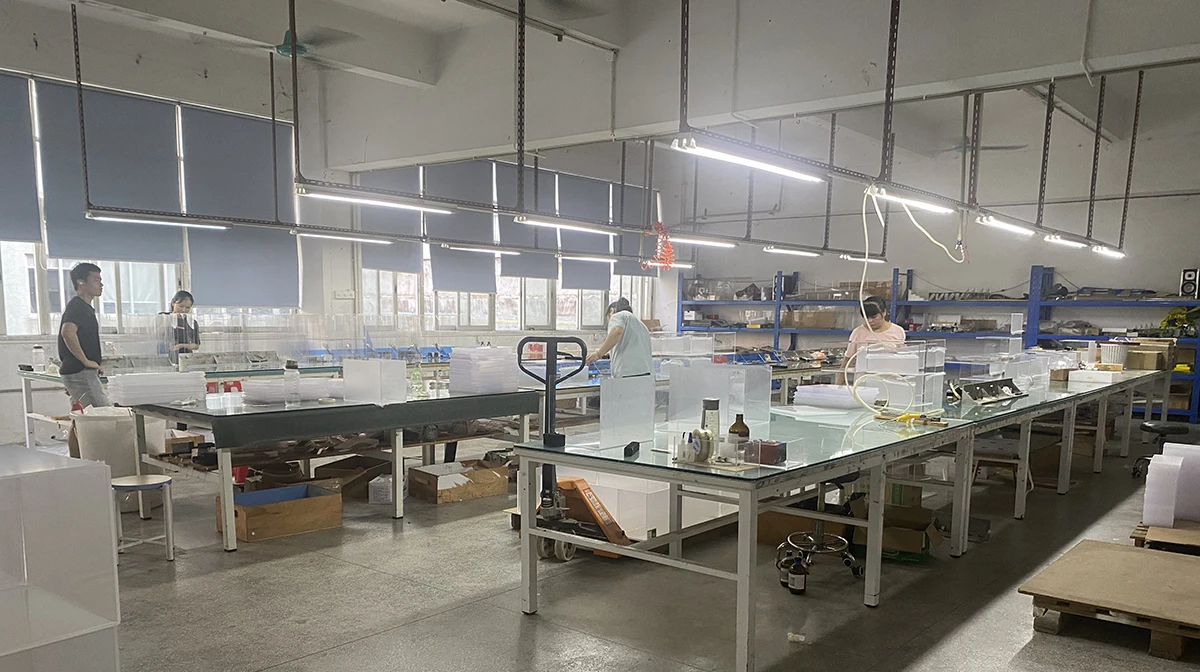
Dongguan Guangzhi Crafts Co., Ltd
- Manufacturer, Trading Company
- Guangdong, China
- Lead time10 days
- Avg. response≤ 5h
Main productsAcrylic Products,Dispalying & Packaging,Precision Machining,Gifts&Rewards,Promotional Items
Main marketsNorth America(30.00%), Western Europe(25.00%), Oceania(10.00%), Northern Europe(8.00%), Mid East(8.00%), Southern Europe(7.00%), Eastern Asia(5.00%), Central America(3.00%), South America(2.00%), Eastern Europe(2.00%)
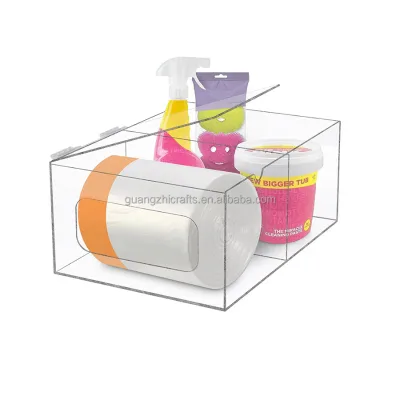
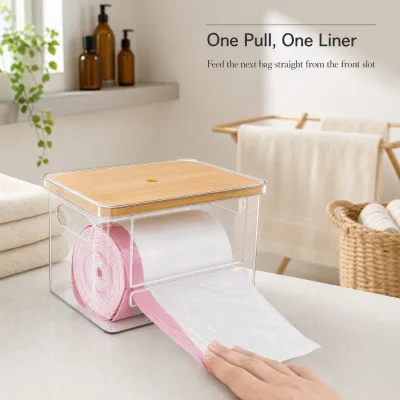
Counter Table Acrylic Rubbish Bags Dispenser Box Kitchen Application 2 in 1 Acrylic Trash Bag Holder
$4.50 - $8.50
MOQ: 100 Minimum
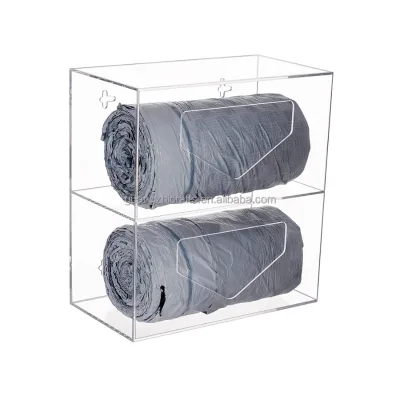
2 Tiers Acrylic Trash Bag Dispenser Holder Clear Wall Mounted Acrylic Trash Bag Organizer
$4.50 - $8.50
MOQ: 100 Minimum
Jiangmen Expands Handicraft Co.,Ltd
- Verified by Intertek
- Manufacturer, Trading Company
- Lead time25 days
- Avg. response≤ 2h
Main productsWood Box, Pepper Mill, Wooden Bowl, Cutting Board, Wooden Tray
Main marketsNorth America(50%), Domestic Market(28%), Eastern Europe(12%)
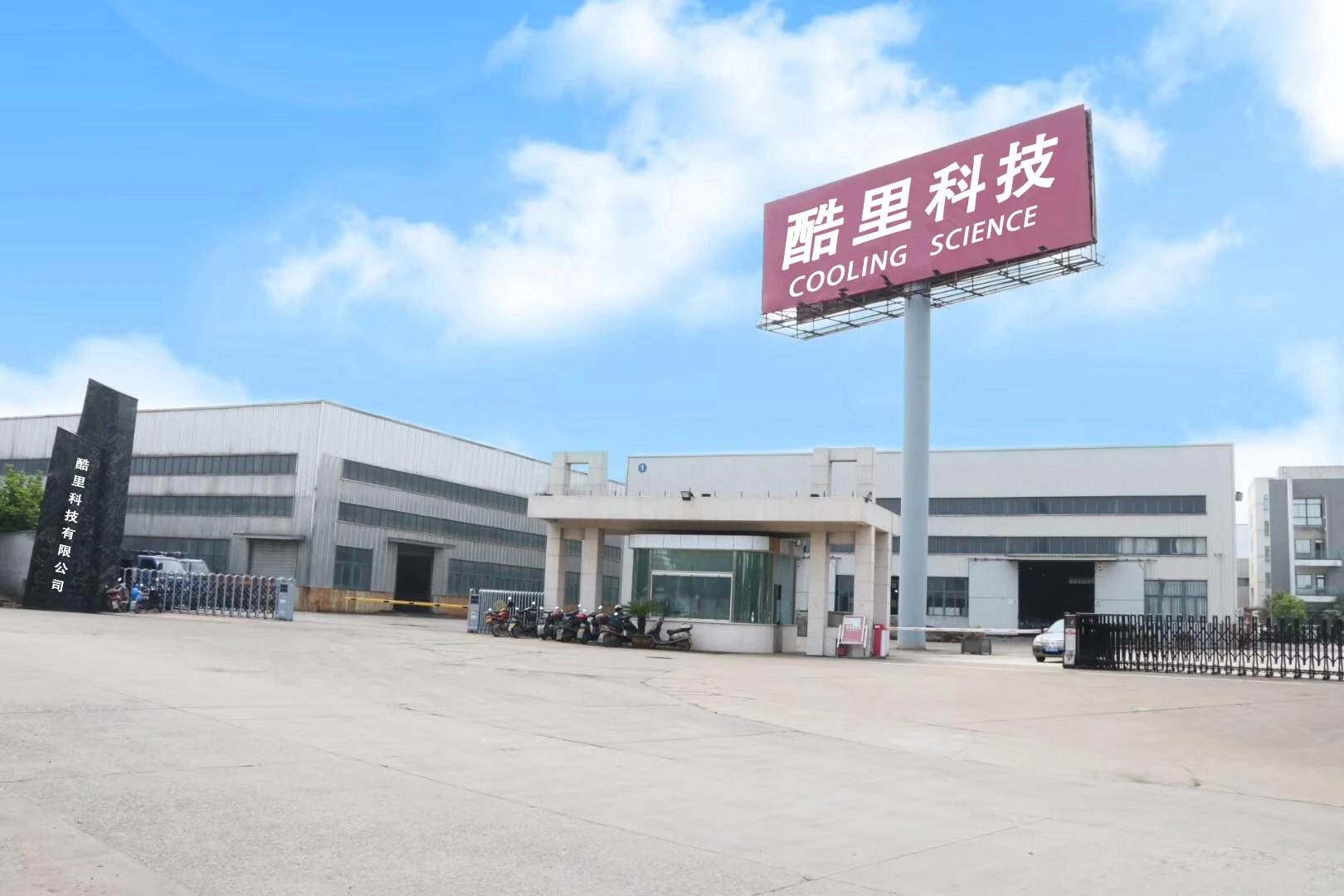
Hefei Cooling Science And Technology Co., Ltd.
- Manufacturer, Trading Company
- Anhui, China
- Lead time50 days
- Avg. response≤ 9h
Main productsTableware,Organizer,Home decoration,Kitchenware,Servingware
Main marketsEastern Europe(25.00%), Western Europe(15.00%), Southern Europe(15.00%), North America(12.00%), Northern Europe(11.00%), Central America(9.00%), Southeast Asia(8.00%), South America(5.00%)


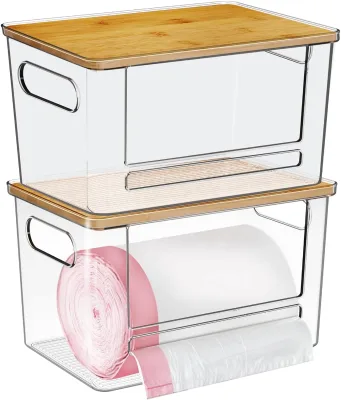
$4.7275 - $5.0359
MOQ: 10 pieces

$4.6632 - $4.9221
MOQ: 200 pieces


Shenzhen HaiweiXun Technology Co., Ltd.
- Verified by Intertek
- Manufacturer, Trading Company
- Guangdong, China
- Lead time0 days
- Avg. response≤ 1h
Main productsAcrylic Box, Acrylic Display Stand, Acrylic Storage Box, Acrylic Advertising Sign, Acrylic LED-illuminated Display Product
Main marketsNorth America(25%), Eastern Europe(10%), Western Europe(10%)

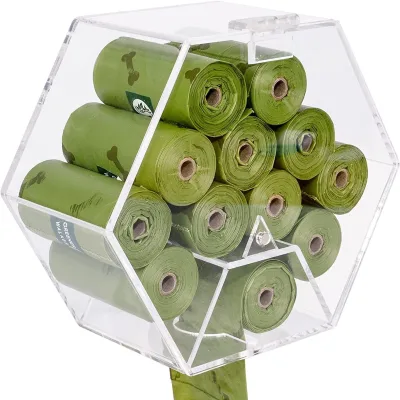
$5.8682 - $6.0748
MOQ: 100 pieces


Xiamen Ebei Import & Export Co., Ltd.
- Verified by CTI
- Trading Company,Manufacturer/Factory
- China Fujian
- Lead time45 days
- Avg. response≤ 2h
Main productsEco-Friendly Products, Bamboo Tableware, Bamboo Furniture, Bamboo Kitchenware, Bamboo Office Supply, Bamboo Fibre Products, Biodegradable Products, Bamboo Towel, Solar Energy Products, Bamboo Garden Products
Main marketsSouth America,Eastern Europe,Mid East,North America,Southeast Asia,Eastern Asia,Oceania,Western Europe,Africa

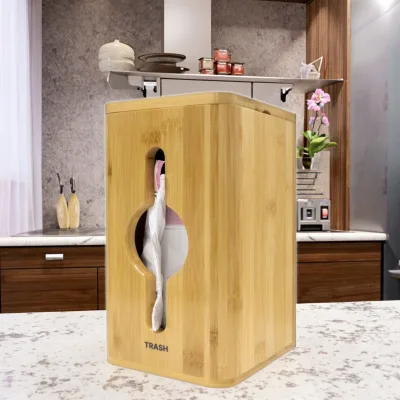
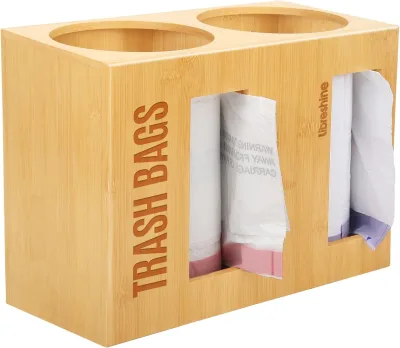
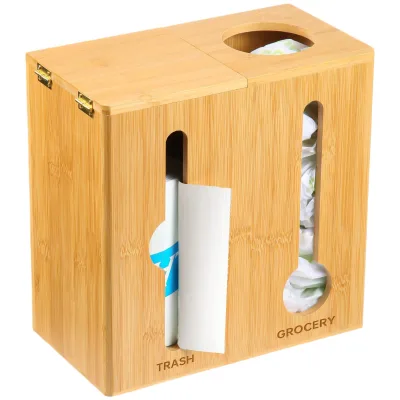
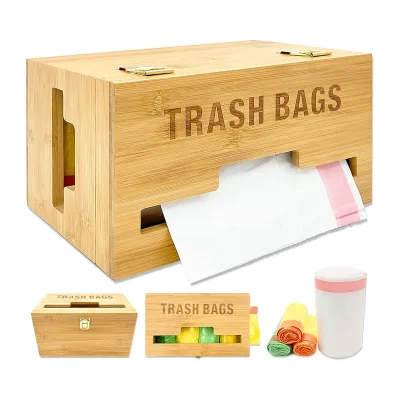
Kitchen Organizer Plastic Bag Grocery Bag Holder Bamboo Kitchen Trash Bag Dispenser
$3.50 - $4.60
MOQ: 500 Pieces

Hot Selling Kitchen Plastic Bag Organizer Grocery Bag Holder Bamboo Kitchen Trash Bag Dispenser
$3.50 - $4.60
MOQ: 500 Pieces

Bamboo Kitchen Cabinet Trash Bag Holder Dispenser Garbage Bag Organizer for Plastic Bags
$3.50 - $4.40
MOQ: 500 Pieces

Custom Wood Garbage Bag Organizer Roll Holder Bamboo Trash Plastic Bag Dispenser
$3.50 - $4.40
MOQ: 500 Pieces

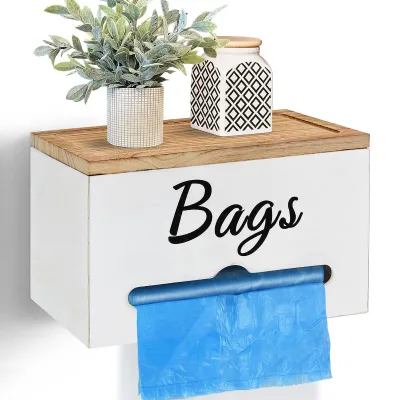
Home Kitchen Wooden Grocery Bags Holder Wall Mount Bamboo Trash Bag Organizer Dispenser
$3.50 - $4.60
MOQ: 500 Pieces

Fujian Youxi Zhicheng Housewares Co., Ltd.
- Manufacturer, Trading Company
- Lead time旺季: "1 - 3000":45,"> 3000":"To be negotiated", 淡季: "1 - 3000":45,"> 3000":"To be negotiated"
- Avg. response≤ 6h
Main productsHome & Garden


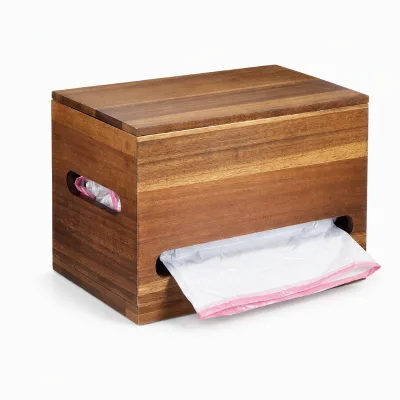
$1.58 - $4.50
MOQ: 300 pieces
Shandong Junji Trading Co., Ltd.
- Verified by SGS Group
- Manufacturer, Trading Company
- Lead time15 days
- Avg. response≤ 2h
Main productsWood Crafts, Home Decor, Home Storage , Wall Shelf, Pet Product
Main marketsNorth America(25%), South America(15%), Western Europe(12%)
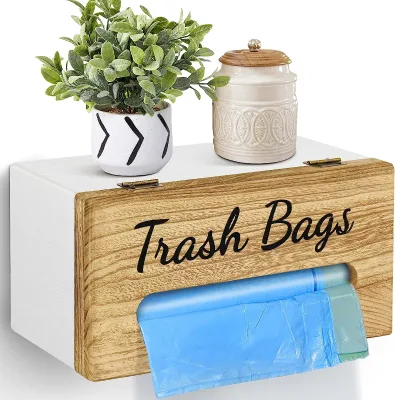
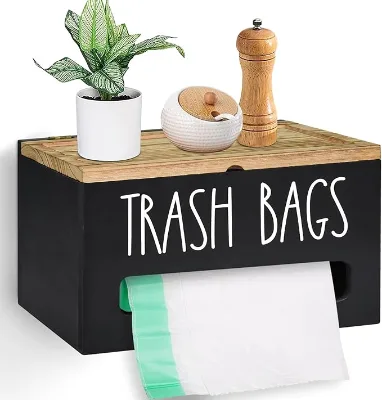
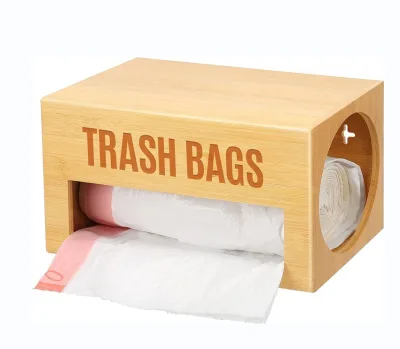
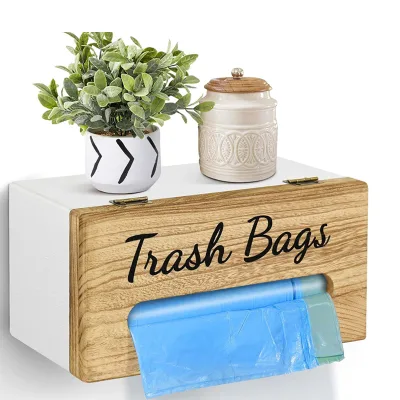
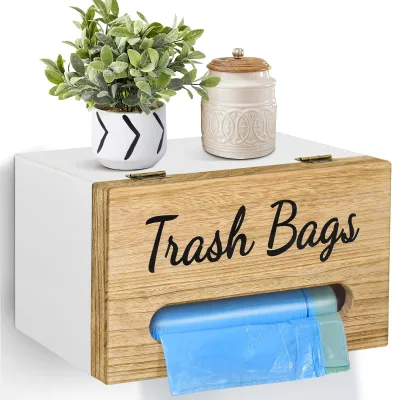
Wooden Trash Bag Holder Wall Mounted Garbage Bag Dispenser with Lid Wooden Trash Bag Holder
$4.28 - $5.35
MOQ: 200 pieces
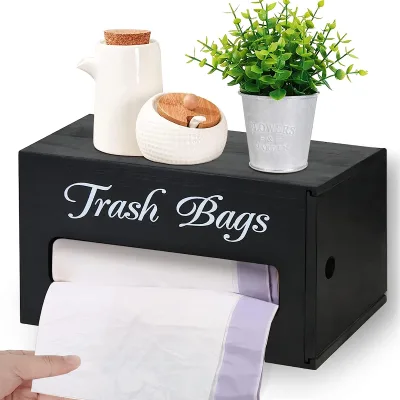
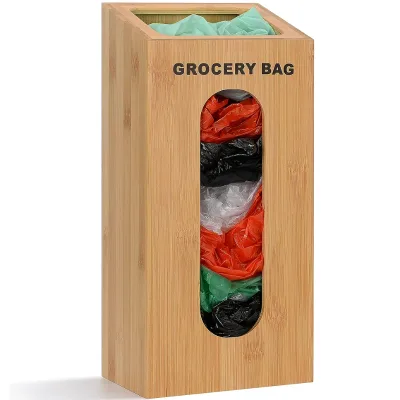
$3.85 - $4.32
MOQ: 200 pieces
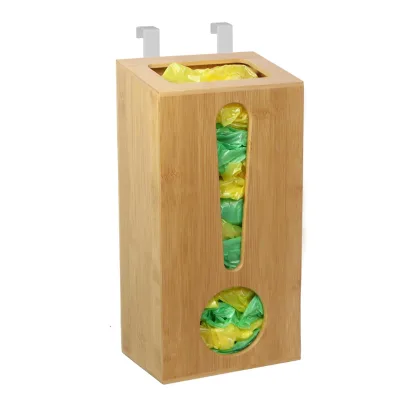
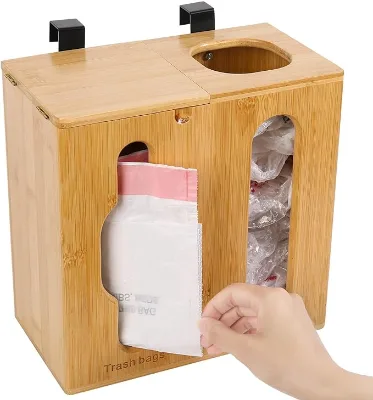
Roll Holder Garbage Bag Holder for Cabinet Bamboo Wall Kitchen Organizer Trash Bag Dispenser
$2.6347 - $4.1063
MOQ: 300 pieces
$2.1662 - $5.259
MOQ: 200 pieces
- Verified by SGS Group
- Manufacturer, Trading Company
- Lead time30 days
- Avg. response≤ 2h
Main productsWood home decoration, Wood storage, Wood packaging, Wood crafts, Wood furniture
Main marketsNorth America(35%), Northern Europe(20%), Southern Europe(20%)
Shandong Lufan Trading Co., Ltd.
- Verified by SGS Group
- Manufacturer, Trading Company
- Lead time25 days
- Avg. response≤ 4h
Main productsWooden Products, Home Decorations, Outdoor Garden Furniture, Kitchen Home Storage, Hotel and Bar Supplies
Main marketsWestern Europe(20%), Southern Europe(20%), North America(10%)
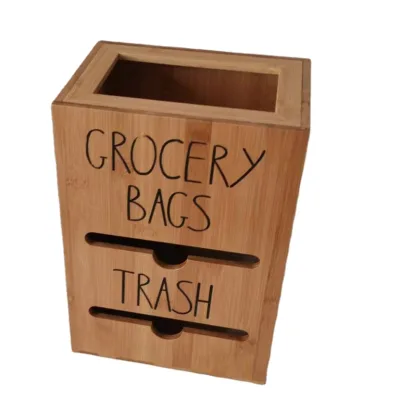

Trash Bag Holder for Plastic Bags Garbage Bag Holder Dispenser for Cabinet
$3.54 - $4.05
MOQ: 500 pieces

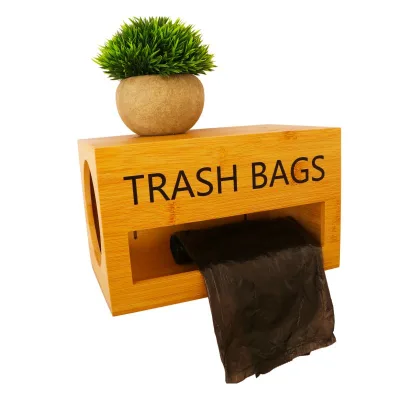
Jianou Jinxuan Bamboo Industry Co., Ltd.
- Manufacturer, Trading Company
- Fujian, China
- Lead time15 days
- Avg. response≤ 5h
Main productsBamboo Salad Bowl / Bamboo Cheese Board,Bamboo Caddy Bath Tray,Bamboo Storage Box
Main marketsNorth America(20.00%), Western Europe(20.00%), South America(10.00%), Eastern Asia(10.00%), Africa(5.00%), Southeast Asia(5.00%), Southern Europe(5.00%), Northern Europe(5.00%), Central America(5.00%), Mid East(5.00%), Oceania(5.00%), South Asia(3.00%), Domestic Market(2.00%)
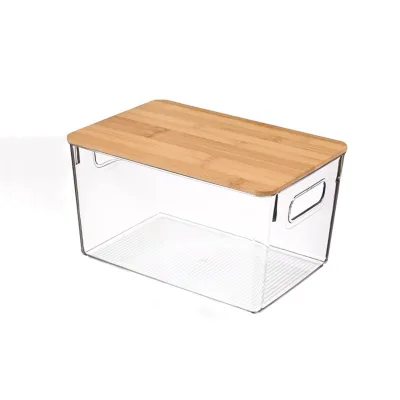
$4.46 - $4.89
MOQ: 500 pieces
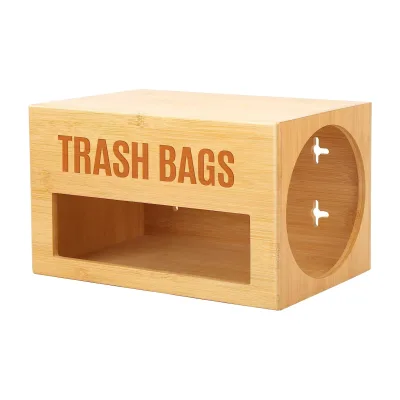
Wall Mount Bamboo Garbage Bag Holder Bamboo Plastic Bag Dispenser Trash Bag Dispenser for Kitchen
$3.28 - $3.76
MOQ: 500 pieces
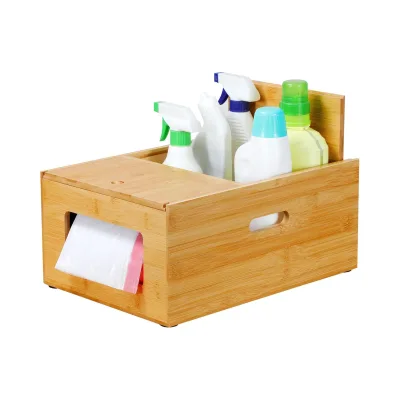
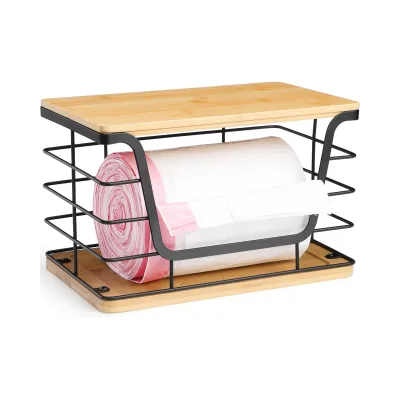
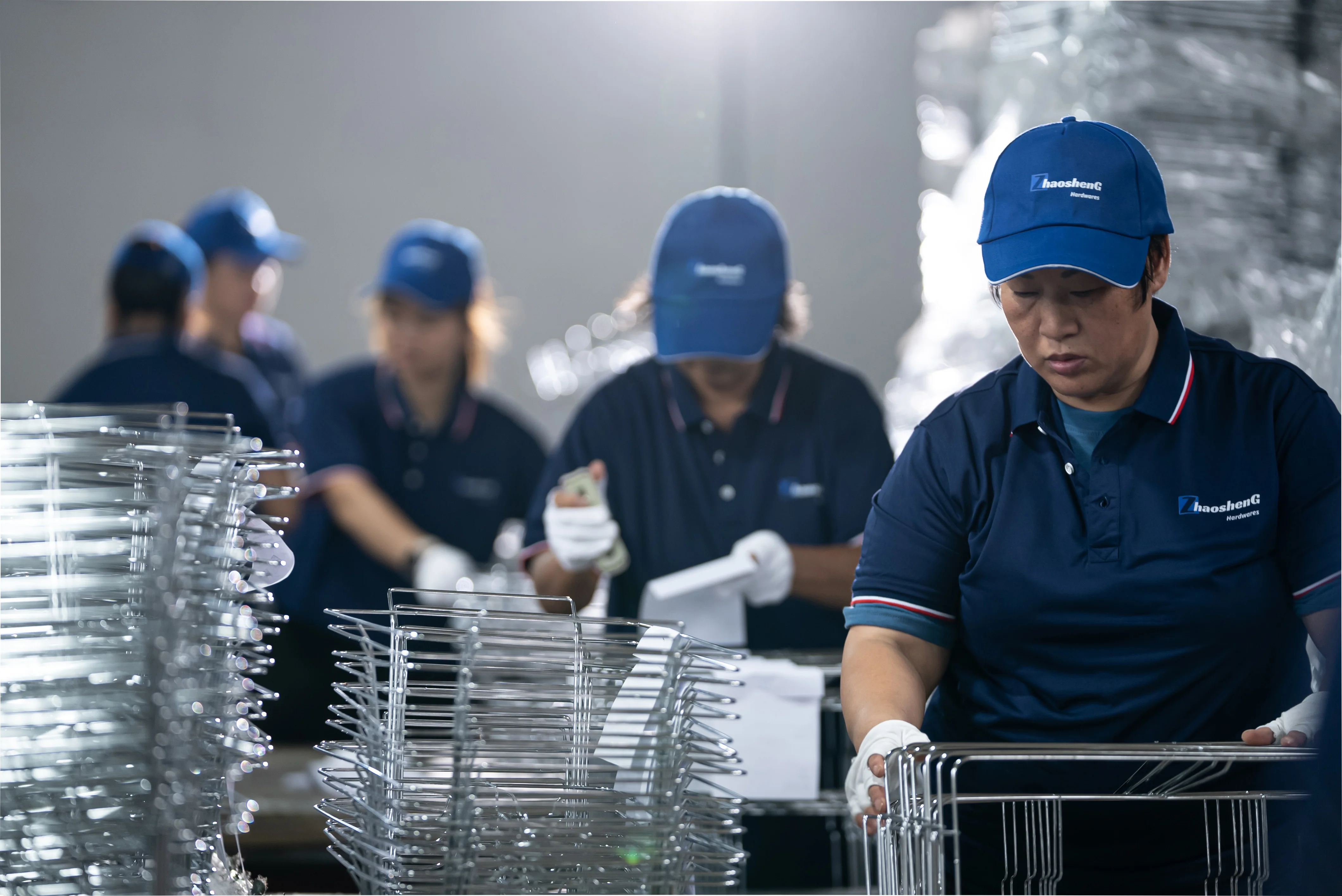
Jiangmen Zhaosheng Hardware Co., Ltd.
- Manufacturer, Trading Company
- Guangdong, China
- Lead time45 days
- Avg. response≤ 2h
Main productsDish Drying Rack,Bathroom Rack,Fruit Baskets,Home Organizer Rack,Fryer Baskets
Main marketsNorth America(50.00%), Domestic Market(20.00%), South America(15.00%), Northern Europe(15.00%)
Cao County Kailiyang Handicrafts Co., Ltd.
- Manufacturer, Trading Company
- Shandong, China
- Lead time0 days
- Avg. response≤ 1h
Main productsWood Box,Wood Tray,Wood Shelf,Wood Craft
Main marketsNorth America(45.00%), Oceania(15.00%), Domestic Market(10.00%), Eastern Europe(5.00%), Southeast Asia(5.00%), Eastern Asia(5.00%), Western Europe(5.00%), Northern Europe(5.00%), South Asia(5.00%)
Xiamen Eco Go Industry Co., Ltd.
- Verified by Intertek
- Trading Company
- Lead time0 days
- Avg. response≤ 4h
Main productsBamboo and Wooden Kitchenware, Bamboo and Wooden Office Items, Bamboo and Wooden Bathroom Items, Bamboo and Wooden Household Items
Main marketsNorth America(50%), Western Europe(38%), Northern Europe(5%)
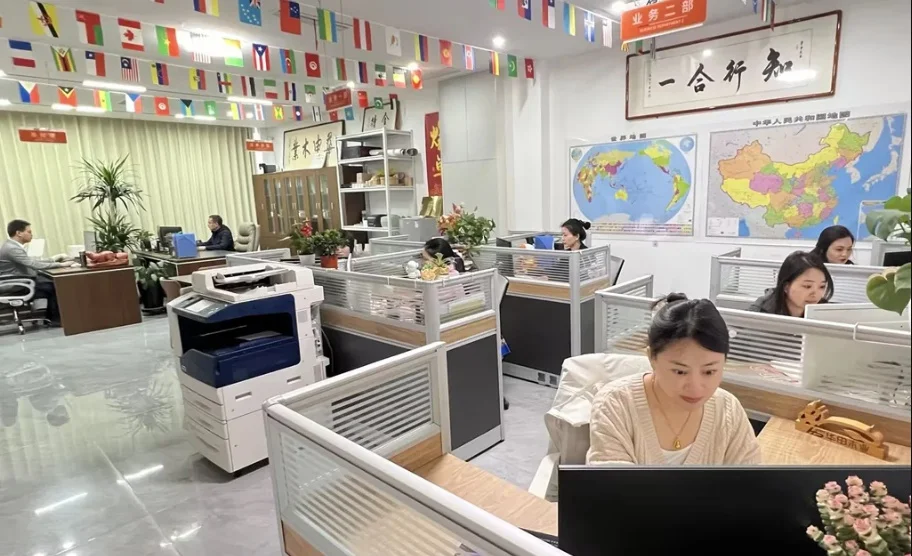
Caoxian Huashen Arts And Crafts Co., Ltd.
- Manufacturer, Trading Company
- Shandong, China
- Lead time30 days
- Avg. response≤ 1h
Main productsCustom Wooden Boxes,Wooden Storage Crates,Wooden Home Decor,Raised Garden Beds,Wooden Pet Furniture
Main marketsNorth America(35.00%), Western Europe(25.00%), Oceania(12.00%), Northern Europe(10.00%), Eastern Europe(8.00%), Eastern Asia(6.00%), Southeast Asia(4.00%)

Fujian Hoyee Household Items Co., Ltd.
- Manufacturer, Trading Company
- Fujian, China
- Lead time30 days
- Avg. response≤ 2h
Main productsWood & Bamboo Products
Main marketsWestern Europe(30.00%), North America(30.00%), Northern Europe(15.00%), Southeast Asia(15.00%), South Asia(5.00%), South America(5.00%)
EGO Sourcing Hangzhou Co., Ltd.
- Verified by Intertek
- Trading Company
- Lead time20 days
- Avg. response≤ 3h
Main productsKitchen Gadgets, Cookware, Bakeware, Household Cleaning, Kitchen Storage
Main marketsWestern Europe(70%), South America(15%), North America(15%)
Shenzhen Dexin Cleaning Products Co., LTD
- Verified by TüVRheinland
- Trading Company
- Lead time0 days
- Avg. response≤ 3h
Main productsDiaper Pail Refill Bag, Bottle Brush Set, Broom, Mop, Pet Products
Main marketsNorth America(31%), Western Europe(16%), Southern Europe(15%)
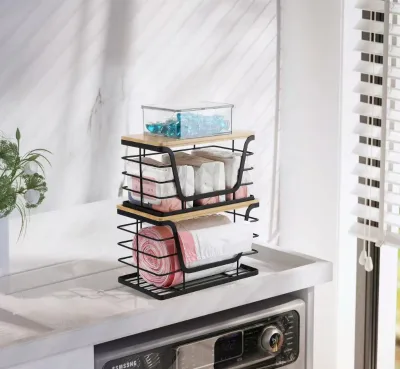
- Verified by SGS Group
- Trading Company
- Lead time20 days
- Avg. response≤ 4h
Main productsHome Storage & Organization, Hooks & Wall Organization, Storage Racks & Shelving Units, Festive & Party Supplies
Main marketsConfidential(40%), Confidential(15%), Confidential(15%)








Comprehensive Sourcing Guide
Acrylic Kitchen Trash Bag Dispenser Supplier Concentration and Factory Types
Suppliers of the Acrylic Kitchen Trash Bag Dispenser appear on B2B platforms as a mix of manufacturers and trading companies, and the supplier results for this category reflect that dual structure. Some listings identify themselves as manufacturer and trading company at the same time, which is common in home storage categories where a factory produces core items in-house but outsources complementary SKUs such as fridge organizers, silverware organizers, food storage containers, storage baskets, and storage bins. When you read a supplier profile, treat the main-product list as a signal of portfolio breadth rather than proof of in-house capability for acrylic fabrication specifically.
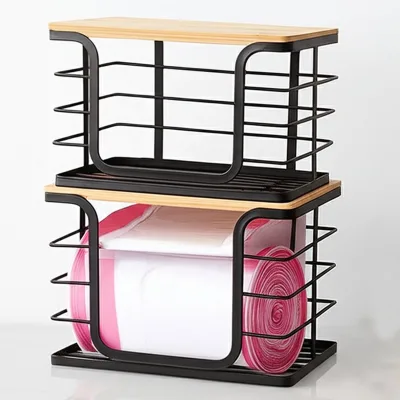
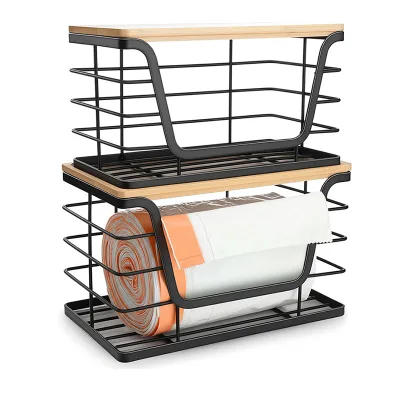
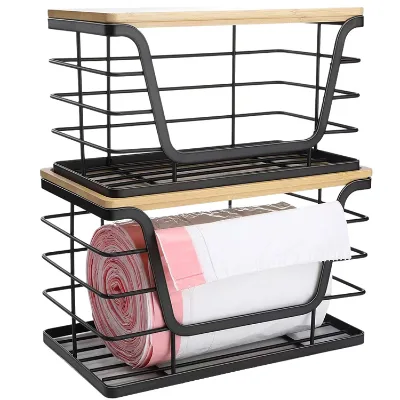
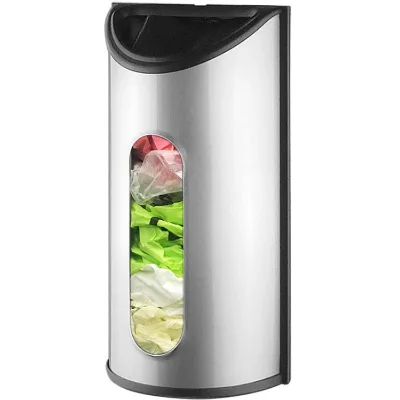
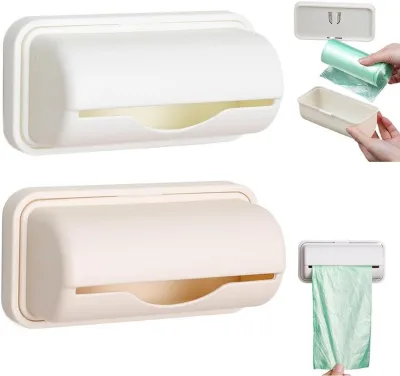
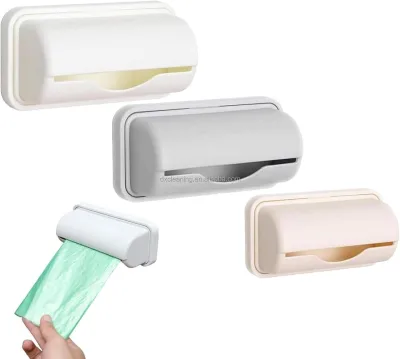
The clearest location signal in the current results places product origin in Zhejiang, China, with one related listing originating in Guangdong, China. These provinces are where many home storage and organization goods are sourced, but you should confirm which province your specific dispenser will ship from, since a trading company may be registered in one place while production happens elsewhere. Factory types worth distinguishing include acrylic fabrication specialists with cutting, polishing, and bonding equipment; general plastic-goods manufacturers; and trading companies aggregating bamboo, metal, and plastic dispenser variants. Because product evidence in this category spans acrylic, iron, plastic, and bamboo dispensers, clarify early whether your target supplier actually fabricates acrylic or merely resells it alongside other materials.
How to Verify Acrylic Kitchen Trash Bag Dispenser Suppliers
Verification starts with the supplier's own claims and moves outward to independent evidence. In this category, at least one supplier holds an ISO14001 system certification and is verified by SGS Group, which is a meaningful baseline: system certification addresses environmental management rather than product quality, so ask what the certification actually covers and request the certificate number for checking. Verification badges indicate a third party has confirmed registration details, but they do not confirm that a given dispenser design can be manufactured to your specification. Always verify the business license, the registered scope, and whether the entity name on the license matches the name on quotations and bank details.
For the product itself, verification is physical. Request samples of the acrylic dispenser and inspect edge polishing, joint bonding, clarity without visible casting marks, and whether the roll holder mechanism operates smoothly. Product data in the listings shows dimensional tolerances such as under ±1 cm on some models and under ±5 mm on others, weight tolerance under ±1%, and single gross weights of roughly half a kilogram to over two kilograms depending on the model, so check that quoted specifications match the sample you receive. Also confirm OEM/ODM availability and customizable logo options in writing, and ask for photos of the production line rather than only finished goods, especially if the supplier presents itself as a manufacturer and trading company simultaneously.
What to Compare Across Acrylic Kitchen Trash Bag Dispenser Suppliers
Comparison should be built on the attributes suppliers actually display, not assumptions that every profile carries the same data. Useful displayed dimensions in this category include response time, with at least one supplier reporting a two-hour response figure; lead time, where one supplier shows twenty-day delivery for quantities of one to five hundred units in both peak and off-season, with larger quantities marked to be negotiated; and MOQ, where a bamboo dispenser listing shows a minimum of two hundred units. Not every supplier publishes every field, so build a comparison sheet that records which attributes are shown, which are missing, and which were filled in by direct questioning.
Beyond logistics fields, compare the main-product portfolio and product-level evidence. Suppliers in these results list dispenser variants ranging from acrylic roll holders priced per listing between roughly two and seven US dollars, to iron and bamboo versions with different sizes and load ratings. Compare material consistency, whether the supplier lists clear color options, tier counts, and package dimensions, and whether place of origin is stated. A trading company with a broad storage-organizer catalog may offer one-stop sourcing but less control over acrylic finishing, while a narrower manufacturer may offer deeper customization. Record price ranges alongside MOQ and lead time together, because a low unit price with a long peak-season lead time or high MOQ changes the effective cost of a first order.
Common Acrylic Kitchen Trash Bag Dispenser Sourcing Risks
The most frequent risk in this category is material substitution. Listings in these results mix acrylic, plastic, iron, and bamboo dispensers under similar naming, and some product records list "Plastic" as the material even when the title says acrylic. If you specify cast acrylic and receive injection-molded polystyrene or PVC, clarity, brittleness, and edge finish will differ visibly. Put the material grade in the purchase contract, require a pre-production sample, and specify that the sample becomes the quality reference. A second risk is tolerance drift: the displayed dimensional tolerances of ±1 cm are generous for a wall-mounted or cabinet-door dispenser, so confirm mounting-hole alignment and door-clearance fit before mass production.
Other risks follow from the hybrid manufacturer-trader structure. If the person quoting you is not the fabricator, delays get passed through, and the quoted twenty-day lead time for smaller quantities may not hold in peak season, which is exactly why the listings mark larger volumes as "to be negotiated." Similarly, a two-hour response speed before order placement says little about post-order communication. Pricing risk exists too: the per-unit ranges shown are listing-level figures and may exclude packaging customization, logo printing, or freight. Finally, watch for scope creep in main products, where a supplier primarily selling turntable organizers and storage bins may treat your dispenser as a side SKU with less process attention.
Acrylic Kitchen Trash Bag Dispenser Regional Sourcing and Logistics
Regional sourcing in this category is anchored by the origin data shown in the listings: Zhejiang, China appears repeatedly as the place of origin for dispenser models across acrylic, iron, and bamboo materials, and Guangdong, China appears for at least one plastic holder variant. Zhejiang is a reasonable province to prioritize when shortlisting because multiple product records point there, but do not assume concentration equals capability; ask each shortlisted supplier which city the producing facility is in and whether acrylic bonding and polishing happen on site. If a supplier cannot name the production location, that is a signal you are dealing with a reseller layer.
Logistics planning should account for the physical profile of the products shown in the data. Package sizes range from a slim profile around 14.5 cm in one dimension to cartons of 40 by 60 by 60 centimeters, and gross weights run from about 0.5 kg for a two-tier acrylic unit to roughly 2.4 kg for bamboo models. This variance affects carton loading calculations, dimensional-weight freight charges, and whether sea freight consolidation is worthwhile. Because lead times for quantities above five hundred units are listed as negotiable, build freight planning into the negotiation itself: confirm EXW versus FOB terms, who arranges export documentation, and whether the supplier has shipped to your destination market before. Transparent acrylic also warrants discussion of protective packaging to prevent scratching in transit.
Acrylic Kitchen Trash Bag Dispenser Commercial Terms and Order Planning
Commercial terms should be locked before any deposit changes hands. Given the data available, plan around a twenty-day production window for orders between one and five hundred units in both peak and off-peak periods, but treat quantities above five hundred as open for negotiation and get a written lead-time commitment with a delay clause. Where an MOQ of two hundred units is displayed, use it as an anchor for first orders on comparable models, then ask whether MOQ can be lowered for a trial order if you pay a higher unit price. Confirm price validity in writing, since the listed ranges in this category span several dollars per unit and depend on model, material, and order size.
Payment protection matters more than headline price. Prefer mechanisms that hold funds until inspection is passed, such as escrow-style arrangements where offered, and split payment so a meaningful balance remains until goods pass your pre-shipment check. Verify whether the supplier's SGS verification and ISO14001 certificate, where claimed, remain current at order time. For customization, record the logo files, color (clear variants are listed), and packaging requirements as order annexes. Finally, plan reorders: build a simple forecast from your sell-through, order ahead of peak season since lead times for large volumes require negotiation, and confirm whether tooling or setup fees for customized acrylic parts recur on each subsequent order.
FAQs
What materials are used for acrylic trash bag dispensers?
Acrylic trash bag dispensers are primarily made from clear plastic materials. Some models also feature iron or bamboo components for added durability. The specific material depends on the product design, with options ranging from pure plastic to mixed material constructions suitable for kitchen environments.
What is the typical lead time for orders?
The lead time is generally 20 days for orders between 1 and 500 units during both peak and off-peak seasons. For quantities exceeding 500 units, the delivery schedule must be negotiated directly with the supplier. This timeline applies to standard production runs without custom modifications.
Do suppliers offer OEM and ODM services?
Yes, many suppliers provide OEM and ODM services for custom branding and design requirements. This allows buyers to add customizable logos or specific functional designs to the products. Buyers should verify specific customization capabilities and minimum order quantities before placing a large order.
What certifications do the suppliers hold?
Suppliers in this category often hold ISO14001 system certification for environmental management. Additionally, some suppliers are verified by SGS Group to ensure product quality and safety standards. These certifications indicate a commitment to maintaining specific operational and product quality benchmarks.
Where are these products manufactured?
Products are manufactured in regions such as Zhejiang and Guangdong in China. The place of origin is clearly stated in product specifications for transparency. Buyers can expect consistent manufacturing standards from these established industrial hubs in the region.
What is the minimum order quantity required?
The minimum order quantity is typically 200 units for specific product models. This threshold ensures efficient production runs and cost-effective pricing for buyers. Smaller quantities may not be available depending on the specific supplier and product configuration selected.
How quickly do suppliers respond to inquiries?
Suppliers generally respond to inquiries within 2 hours of receiving a message. This rapid response time helps facilitate quick decision-making for buyers. Consistent communication is key to ensuring smooth transactions and timely order processing.
What price range can buyers expect?
Prices for these dispensers typically range from 2.59 to 7.00 USD per unit. The final cost depends on the material, size, and order quantity. Buyers should compare specific product listings to find the best value for their budget and requirements.