Acrylic Bangle Suppliers and Manufacturers in China
Explore 29 verified suppliers offering Acrylic Bangle products with varying lead times, response speeds, and certifications. Buyers can compare locations, MOQs, and customization options to source efficiently. Contact suppliers directly to request samples or quotes; review the available evidence before requesting comparable quotations from suitable candidates.
Suppliers List

Qingdao GoldenPouchYuan Trading Co., Ltd.
- Verified by CTI
- Trading Company
- China Shandong
- Lead time30 days
- Avg. response≤ 2h
Main productsJewelry, Earring, Stainless Steel Jewelry, necklace, Beacelet, Ring, Fashion Jewelry, Dilver Jewelry, Wholesale Jewelry, Pearl Jewelry
Main marketsNorth America

Stainless Steel Open Cuff Bangle Shell Acrylic Inlay Multi-Color Women Gold Bangle
$1.80 - $2.40
MOQ: 60 Pieces

Stainless Steel Hinged Bangle Bracelet Silver Tone Cut out Curb Chain Link Clasp Bangle for Women
$2.40 - $3.15
MOQ: 60 Pieces

Stainless Steel Hinged Bangle Bracelet Silver Tone Interlocking Teardrop Link Clasp Bangle for Women
$2.40 - $3.15
MOQ: 60 Pieces
- Verified by TüVRheinland
- Manufacturer, Trading Company
- Lead time5 days
- Avg. response≤ 2h
Main productsFashion Jewelry
Main marketsNorth America(50%), Domestic Market(30%), South America(10%)

- Trading Company
- Zhejiang, China
- Lead time30 days
- Avg. response≤ 6h
Main productsFashion Jewelries,Promotional Gifts,Crafts,Toys
Main marketsWestern Europe(30.00%), North America(20.00%), Eastern Europe(10.00%), Northern Europe(5.00%), Oceania(5.00%), Central America(5.00%), Southern Europe(5.00%), Mid East(2.00%), South Asia(2.00%), South America(2.00%), Eastern Asia(2.00%), Domestic Market(1.00%), Africa(1.00%), Southeast Asia(1.00%)
Yiwu Zhuofang Jewelry Co., Ltd.
- Verified by Intertek
- Manufacturer, Trading Company
- Lead time5 days
- Avg. response≤ 2h
Main productsNecklace , Earring, Rings, Bracelet , Brooch
Main marketsNorth America(45%), Northern Europe(13%), Mid East(13%)
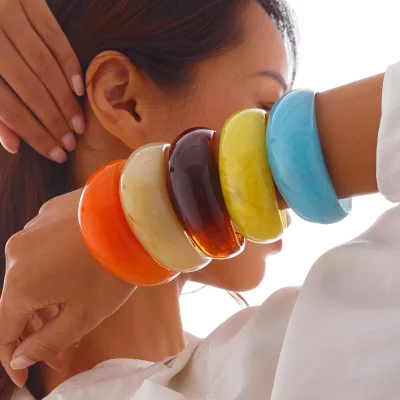
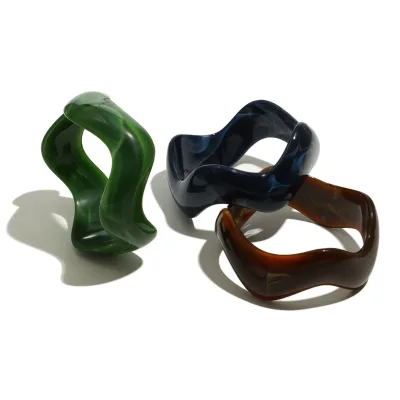
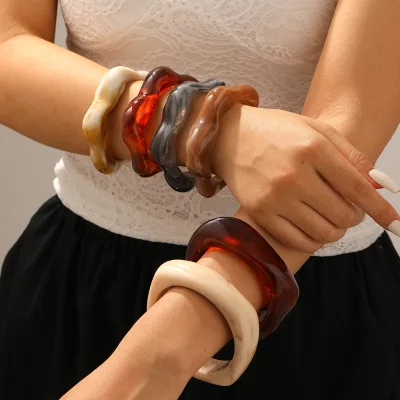
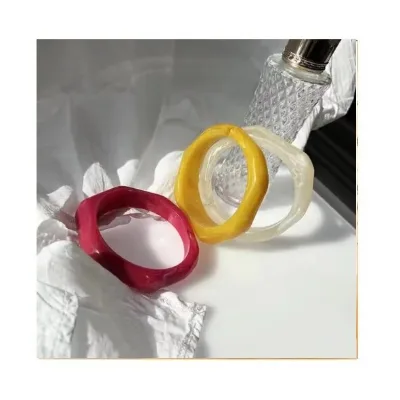
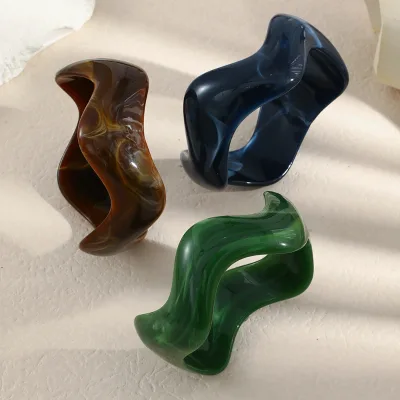
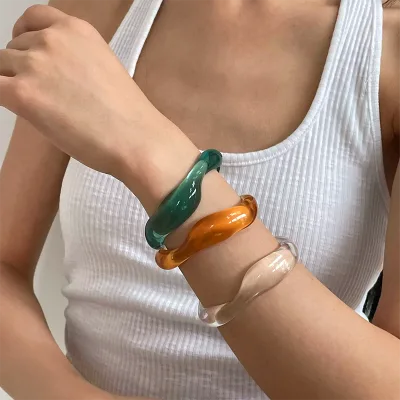
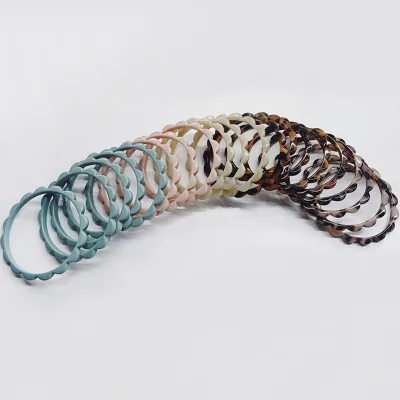
Minimalist Fashion Jewelry Bracelets Bangles Wave Bangle Acrylic Bangles for Women
$1.48 - $1.73
MOQ: 100
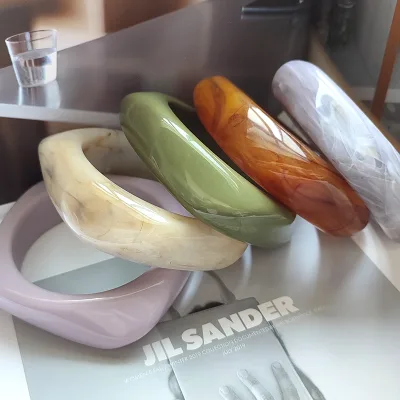
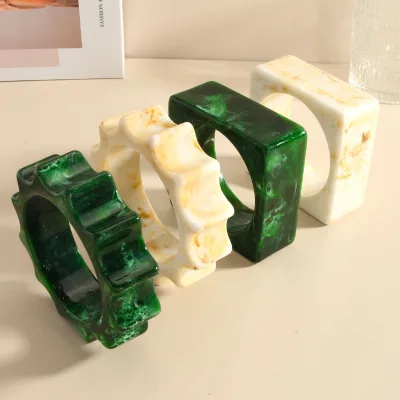
Yiwu Dingying Jewelry Co., Ltd.
- Verified by Intertek
- Trading Company
- Lead time20 days
- Avg. response≤ 3h
Main productsJewelry
Main marketsNorth America(45%), Western Europe(25%), South America(20%)

Taiyuan Jinshenghe Trading Co., Ltd.
- Verified by SGS
- Trading Company
- China Shanxi
- Lead time30 days
- Avg. response≤ 5h
Main marketsAfrica

Putian Licheng Blannina Jewelry Co., Ltd.
- Verified by SGS
- Trading Company
- China Fujian
- Lead time15 days
- Avg. response≤ 3h
Main productsJewelry Accessories, Shoes, Bag, Watch, Clothes
Main marketsEurope

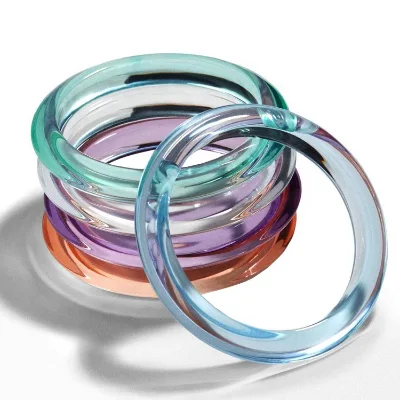
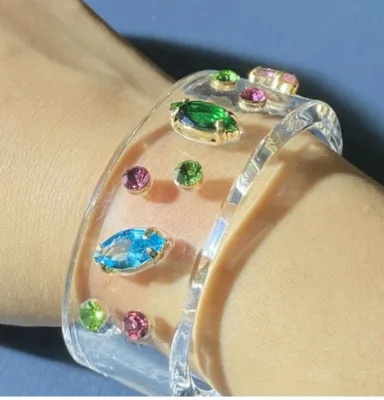
Personalized Fashion Transparent Bracelet Geometric Resin Jewelry Acrylic Girls Unique Bangle
$1.59 - $3.18
MOQ: 5 Pieces

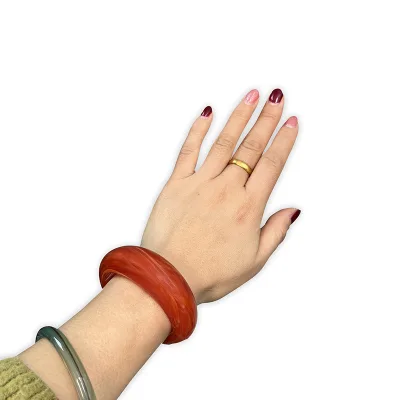
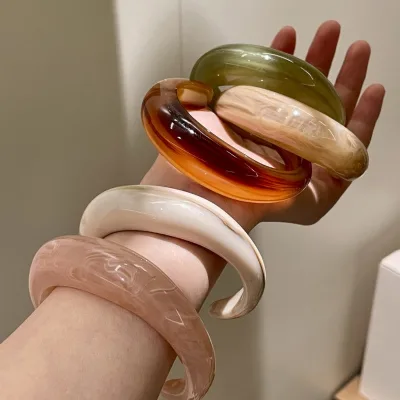
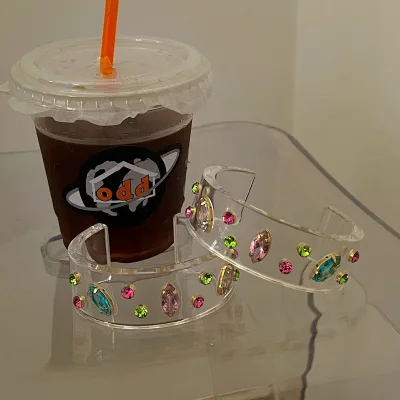
Fashion Customized Acrylic Wide Cuff Bangles Big Wrist Statement Costume Women Larger Bangle Jewelry
$1.28 - $2.59
MOQ: 5 Pieces


New Marble Texture Bangle Geometric Square Round Hole Chunky Bangle for Women
$1.59 - $3.18
MOQ: 5 Pieces

- Verified by SGS
- Manufacturer/Factory
- China Zhejiang
- Lead time30 days
- Avg. response≤ 1h
Main productsNecklace, Bracelets, Earring, Ring, Brooch, Phone Lanyard, Key Chain, Body Jewelry, Hair Clip, Hair Band
Main marketsSouth America,Eastern Europe,Mid East,North America,Southeast Asia,Eastern Asia,Oceania,Western Europe,Africa
- Trading Company
- Zhejiang, China
- Lead time15 days
- Avg. response≤ 7h
Main productsJewelry,jewelry components,hair accessories,keychain,jewelry boxes
Main marketsNorth America(40.00%), Western Europe(24.00%), Northern Europe(14.00%), Mid East(7.00%), South America(6.00%), Eastern Europe(5.00%), Southeast Asia(4.00%)

Yiwu Kaka Accessories Co., Ltd.
- Manufacturer, Trading Company
- Zhejiang, China
- Lead time7 days
- Avg. response≤ 4h
Main productsHair Clip,Jaw clip,necklace,earring,ring
Main marketsWestern Europe(30.00%), North America(25.00%), Eastern Asia(10.00%), Eastern Europe(10.00%), South America(5.00%), Southern Europe(5.00%), Northern Europe(5.00%), Southeast Asia(5.00%), Oceania(5.00%)

- Verified by SGS
- Combined
- China Guangdong
- Lead time23 days
- Avg. response≤ 8h
Main marketsOthers(foreignTradeCapacity.exportBusinessCapacityMarketOther),Southeast Asia/ Mideast,East Asia(Japan/ South Korea),Domestic,Europe,Australia,North America

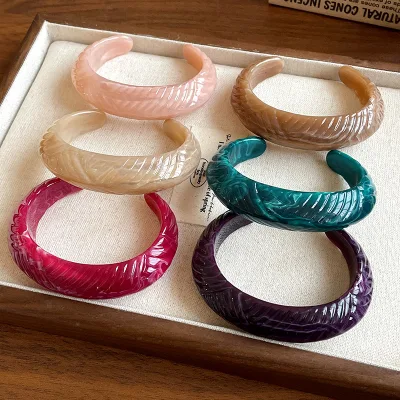
Leisure Resin Bangle Bohemian Colorful Romantic Dry Flower Transparent Wide Acrylic Bracelet
$1.98 - $2.80
MOQ: 59 Pieces

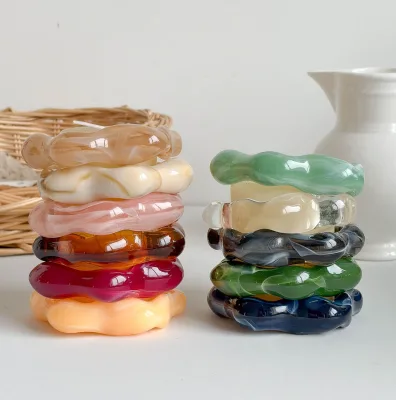
Bohemian Style Colored Marble Resin Bangle Fashion Jewelry Bracelet Wholesale
$1.20 - $1.58
MOQ: 100 pieces


Jinjiang Jiaxing Supply Management Co., Ltd.
- Verified by TUVRHEINLAND
- Trading Company
- China Fujian
- Lead time30 days
- Avg. response≤ 1h
Main productsEVA Clogs, Flip Flop, Shoe Charms, Shopping Bags, Wristbands, Gifts, Promotional Gifts, Slipper, Sport Cap, Ball
Main marketsNorth America

GOODLINESS JEWELLERY CO., LIMITED
- Verified by SGS
- Manufacturer
- China Guangdong
- Lead time23 days
- Avg. response≤ 8h
Main products925 Silver Ring, Brass Jewelry, 925 Silver Earring, 925 Silver Necklace, 925 Silver Set, 925 Silver Bangle, Customer's Design, 925 Silver Bracelet, Silver Accessory, Brass Accessory
Main marketsSoutheast Asia/ Mideast,Europe,North America

Top-Seller Fashion Stainless Steel Four Leaf Clover Bangle Opening Bangle
$4.83 - $5.25
MOQ: 40 Pieces

- Trading Company
- Zhejiang, China
- Lead time10 days
- Avg. response≤ 3h
Main productsnecklaces,earrings,rings,bracelets,brooches
Main marketsNorth America(50.00%), Southern Europe(20.00%), Western Europe(20.00%), Southeast Asia(1.00%), Eastern Asia(1.00%), South Asia(1.00%), Mid East(1.00%), Eastern Europe(1.00%), Oceania(1.00%), Africa(1.00%), Northern Europe(1.00%), Central America(1.00%), South America(1.00%)

Qingdao Gemopia Jewelry Co., Ltd.
- Combined
- China Shandong
- Lead time30 days
- Avg. response≤ 4h
Main productsGold Jewelry, Silver Ring
Main marketsSouth America,Africa,Southeast Asia/ Mideast,East Asia(Japan/ South Korea),Domestic,Europe,Australia,North America
Yiwu Feiling Jewelry Co., Ltd.
- Trading Company
- Zhejiang, China
- Lead time15 days
- Avg. response≤ 3h
Main productsbracelet,necklace,earring,rings,sunglasses
Main marketsNorth America(30.00%), South America(15.00%), Central America(10.00%), Western Europe(8.00%), Eastern Europe(7.00%), Southern Europe(6.00%), Northern Europe(5.00%), Africa(5.00%), Southeast Asia(5.00%), Mid East(5.00%), South Asia(2.00%), Eastern Asia(2.00%)
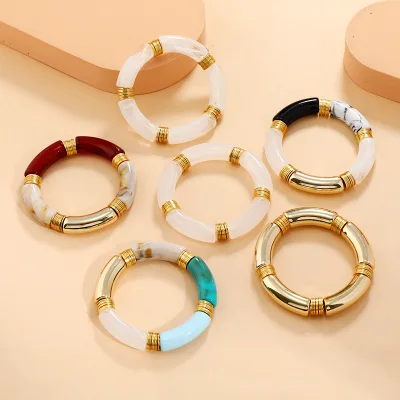
$1.30 - $1.43
MOQ: 12 Minimum
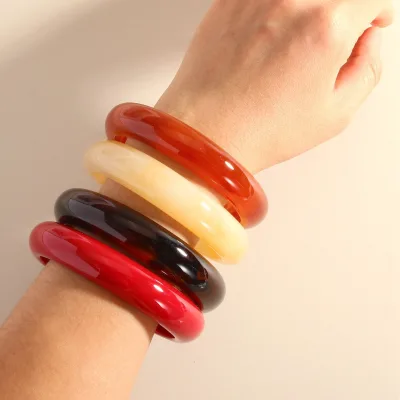
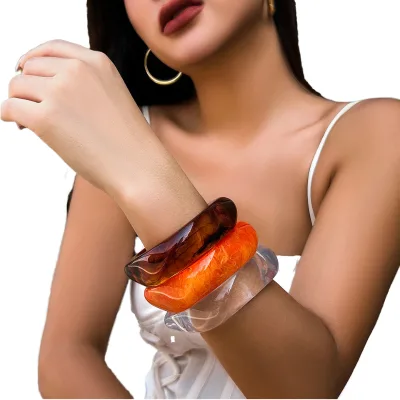
- Manufacturer, Trading Company
- Zhejiang, China
- Lead time7 days
- Avg. response≤ 2h
Main productsNecklace,Bracelet,Earring,Ring,Anklet
Main marketsNorth America(40.00%), Northern Europe(10.00%), Domestic Market(5.00%), South Asia(5.00%), South America(5.00%), Western Europe(5.00%), Eastern Asia(5.00%), Mid East(5.00%), Oceania(5.00%), Africa(5.00%), Southeast Asia(5.00%), Eastern Europe(5.00%)
- Verified by TüVRheinland
- Manufacturer, Trading Company
- Lead time7 days
- Avg. response≤ 2h
Main productsFashion Jewelry
Main marketsNorth America(75%), South America(8%), Southeast Asia(7%)
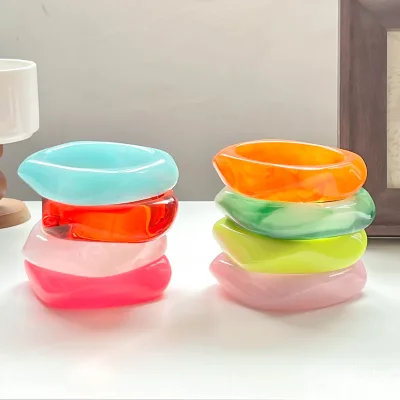
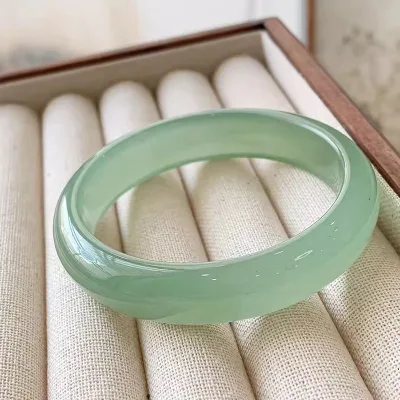
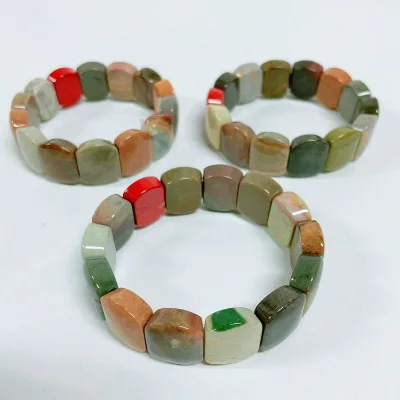
High Quality Wide Natural Stone Bangles Women's Gift Green Aventurine Jade Bangle Bracelet Women
$12.13 - $14.17
MOQ: 6 pieces

Guangzhou Huifu Jewelry Co., Ltd.
- Verified by BV
- Manufacturer/Factory
- China Guangdong
- Lead time90 days
- Avg. response≤ 4h
Main productsJewelry, Stainless Steel Jewelry, Stainless Steel Ring, Stainless Steel Pendant, Stainless Steel Earring, Fashion Jewelry, Ring, Necklace, Pendant, Bracelet
Main marketsEastern Europe,Mid East,North America,Western Europe,Africa

East Sunrise Jewelry Co., Limited
- Verified by SGS
- Manufacturer/Factory
- China Guangdong
- Lead time23 days
- Avg. response≤ 16h
Main productsPendant, Necklace, Bracelet, Ring, Earring, Carving, Ornament, Loose Bead, Jewelry, Semi-Precious Stones
Main marketsSouth America,Eastern Europe,Mid East,North America,Southeast Asia,Eastern Asia,Oceania,Western Europe,Africa

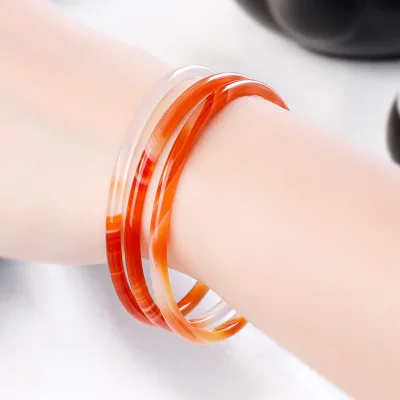
Natural Crystal Carnelian Agate Bracelet Bangles
MOQ: 100 Pieces

Semi Precious Stone Agate Bangles
MOQ: 100 Pieces


Guangzhou Anfook & Dakerden Jewelry Co., Ltd
- Trading Company
- China Guangdong
- Lead time0 days
- Avg. response≤ 10h
Yiwu City Saian Jewelry & Accessory Co., Ltd.
- Verified by TUVRHEINLAND
- Trading Company
- China Zhejiang
- Lead time15 days
- Avg. response≤ 2h
Main productsSoccer Jersey, Jewelry Accessory
Main marketsAfrica

- Verified by BV
- Combined
- China Guangdong
- Lead time45 days
- Avg. response≤ 2h
Main productsStainless Steel Ring, Titanium Ring, Jewelry
Main marketsEurope,North America


Wide Statement Bangle with Intricate Geometric Cut-Outs and a Modern Aesthetic
$3.90 - $10.00
MOQ: 50 Pieces


Gothic Style Wide Bangle Featuring Dark Oxidized Details and Mystic Symbols
$3.90 - $10.00
MOQ: 50 Pieces

Xiamen Yuxiang Magnetic Materials Technology Co., Ltd.
- Trading Company
- China Fujian
- Lead time23 days
- Avg. response≤ 7h
Main productsNdFeB Magnet, SmCo Magnet, AlNiCo Magnet, Ferrite Magnet, Rubber Magnet, Fridge Magnet, Magnetic Powder, Magnetic Compound, Magnetic Core, Magnetic Materials
Main marketsSouth America,Africa,Southeast Asia/ Mideast,East Asia(Japan/ South Korea),Europe,Australia,North America
Yiwu City Hancai Import And Export Co., Ltd.
- Trading Company
- Zhejiang, China
- Lead time7 days
- Avg. response≤ 2h
Main productsJewelry,watch,brooch,crown,keychain
Main marketsEastern Europe(20.00%), South America(20.00%), North America(20.00%), Southeast Asia(10.00%), Domestic Market(5.00%), Northern Europe(5.00%), Central America(5.00%), Western Europe(5.00%), Mid East(5.00%), Africa(5.00%)
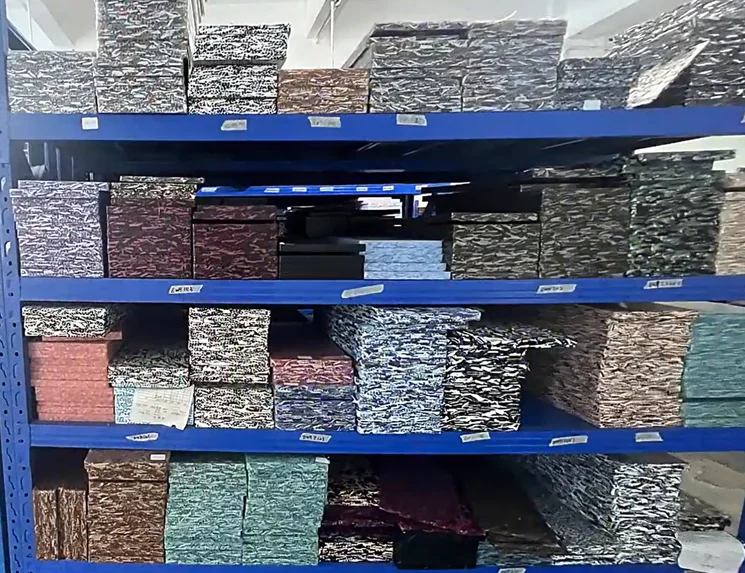
Shenzhen Baiter Arts & Crafts Co., Ltd.
- Manufacturer, Trading Company
- Guangdong, China
- Lead time25 days
- Avg. response≤ 8h
Main productsearring,ring,necklace,hair acessories,bracelet
Main marketsNorthern Europe(27.00%), North America(25.00%), Oceania(10.00%), Western Europe(8.00%), Eastern Europe(8.00%), Eastern Asia(5.00%), Southeast Asia(5.00%), Central America(3.00%), South America(2.00%), Mid East(2.00%), Southern Europe(2.00%), Domestic Market(1.00%), South Asia(1.00%), Africa(1.00%)

Yiwu Ba Yuan Jewelry Co., Ltd.
- Verified by TUVRHEINLAND
- Trading Company,Manufacturer/Factory,Other
- China Zhejiang
- Lead time45 days
- Avg. response≤ 10h
Main productsBridal Jewelry and Hair Accessories, Wedding Jewelry, Tiara and Headpieces, CZ Jewelry, Tiara Crown, Zirconia Jewelry, CZ Necklace, Stretch Bracelet, Hip Hop Jewelry, Fashion Pendant
Main marketsSouth America,Eastern Europe,Mid East,North America,Southeast Asia,Eastern Asia,Oceania,Western Europe,Africa
Dongguan Huiying Art&crafts Co., Ltd.
- Manufacturer, Trading Company
- Guangdong, China
- Lead time20 days
- Avg. response≤ 5h
Main productsgifts,crafts,skin care products,face rollers,gua sha massagers
Main marketsWestern Europe(25.00%), North America(25.00%), Northern Europe(10.00%), Oceania(10.00%), Mid East(5.00%), Eastern Europe(5.00%), Central America(5.00%), Southeast Asia(3.00%), Eastern Asia(3.00%), South Asia(2.00%), Southern Europe(2.00%), South America(2.00%), Africa(2.00%), Domestic Market(1.00%)
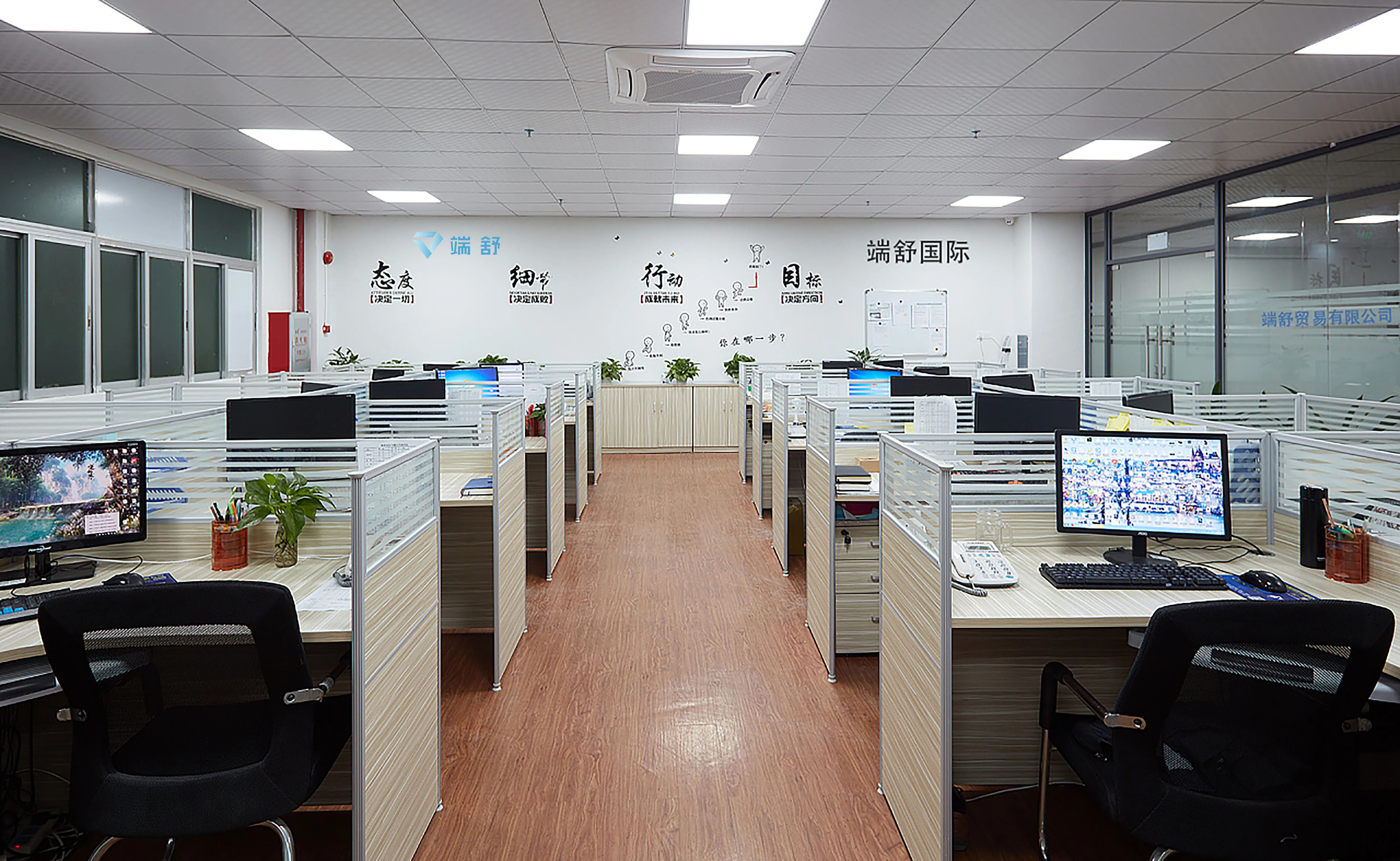
Lianyungang Duanshu Trading Co., Ltd.
- Trading Company
- Jiangsu, China
- Lead time3 days
- Avg. response≤ 2h
Main productsCrystal Bracelets,Crystal Raw Stone,Crystal Bangles,Crystal Healing Stone,Gravels/Chips
Main marketsNorth America(40.00%), Southeast Asia(20.00%), South America(10.00%), Oceania(10.00%), Western Europe(5.00%), Eastern Europe(5.00%), South Asia(5.00%), Northern Europe(3.00%), Africa(2.00%)
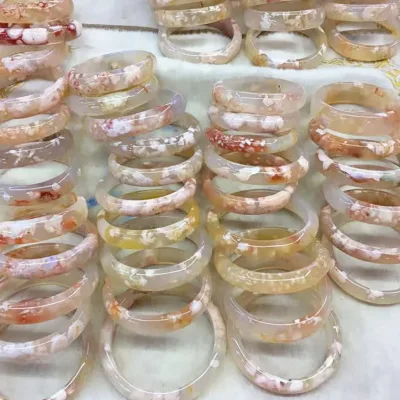
Flower Agate Bangle Natural High Quality Cherry Agate Bangle Crystal Bangle for Gifts
$20.00 - $25.00
MOQ: 10
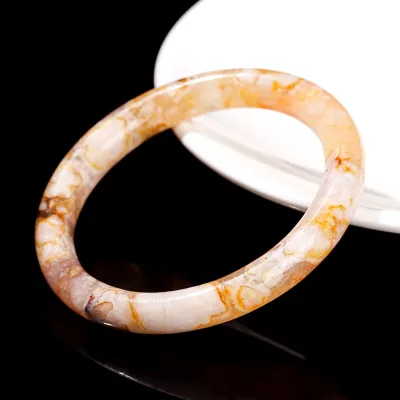
Wholesale High Quality Crystal Flower Agate round Bangles Natural Decorative Bangle
$10.23 - $12.79
MOQ: 5 pieces










Comprehensive Sourcing Guide
Acrylic Bangle Supplier Concentration and Factory Types
Current data indicates a concentration of suppliers in China, specifically within the Shandong and Zhejiang provinces. Shandong-based entities often operate as trading companies or manufacturers specializing in stainless steel and fashion jewelry, while Zhejiang suppliers frequently focus on acrylic and resin-based accessories. Some suppliers in these regions list their main products as a broad mix including earrings, necklaces, and rings, suggesting a diversified manufacturing capability rather than a single-product factory. The presence of both trading companies and manufacturers in the results implies that buyers may encounter intermediaries who aggregate goods from various workshops or direct producers who handle their own design and assembly.
When evaluating the factory type, buyers should look for explicit labels such as "Manufacturer" or "Trading Company" in the supplier profile. A manufacturer typically offers direct control over production processes, which can be critical for custom acrylic designs, whereas a trading company might provide a wider variety of styles but with less direct oversight of the molding process. Some suppliers in the current results combine these roles, listing themselves as both, which can indicate a hybrid model where they manage design in-house but outsource specific manufacturing steps. It is essential to verify the actual production capacity by checking for details on sample processing and graphic processing capabilities, as these indicate whether the supplier can handle custom orders or relies solely on existing stock.
How to Verify Acrylic Bangle Suppliers
Verification status is a primary indicator of supplier reliability, with current results showing certifications from entities like CTI and TüVRheinland. These third-party verifications suggest that the supplier has undergone specific audits regarding their business license, production capacity, or product quality standards. Buyers should prioritize suppliers displaying these verification badges, as they provide a layer of assurance that the company exists and meets baseline operational criteria. However, the absence of a specific certification does not automatically disqualify a supplier, but it does require the buyer to conduct more rigorous due diligence before proceeding with large orders.
Beyond verification badges, buyers must assess the supplier's response time and communication efficiency. Data shows response times ranging from approximately one hour to two hours, which serves as a proxy for the supplier's operational readiness and customer service quality. A faster response time often correlates with a more active sales team and better project management capabilities. Additionally, checking for customization availability is crucial; suppliers explicitly stating that customization is available are more likely to accommodate specific design requests for acrylic bangles. Buyers should also look for evidence of established production standards, such as specific packaging dimensions or model numbers, which indicate a structured approach to order fulfillment and quality control.
What to Compare Across Acrylic Bangle Suppliers
Comparing suppliers requires a detailed analysis of key operational metrics, including lead time, minimum order quantity (MOQ), and pricing structures. Current data reveals significant variation in lead times, with some suppliers offering delivery within five days while others require thirty days. Similarly, MOQs range widely, from as low as six pieces to sixty pieces, depending on the specific product line and customization requirements. Buyers must align these figures with their inventory needs and cash flow constraints, ensuring that the selected supplier can meet their volume requirements without incurring excessive costs or delays.
Pricing is another critical dimension for comparison, with unit costs varying based on material quality, design complexity, and order volume. For instance, stainless steel bangles may carry different price points compared to pure acrylic or resin options, with observed ranges spanning from approximately $1.10 to $3.15 per unit. Buyers should also evaluate the product attributes, such as material type, color options, and packaging standards, to ensure they match their brand requirements. The presence of specific product models and detailed attributes like "Individual Packaging" or specific dimensions (e.g., 8*8cm) helps in standardizing the comparison process. By systematically reviewing these factors, buyers can identify suppliers that offer the best balance of cost, speed, and quality for their specific sourcing needs.
Common Acrylic Bangle Sourcing Risks
One significant risk in sourcing acrylic bangles is the potential mismatch between the advertised material and the actual product received. While many suppliers list materials as acrylic or resin, the quality can vary significantly, affecting durability and appearance. Some products may be described as "transparent" or "shiny," but without specific material certifications or test results, buyers cannot guarantee the consistency of the finish or the resistance to scratching. This discrepancy is particularly risky for buyers seeking high-end finishes or specific color accuracy, as the visual representation in product listings may not always reflect the physical reality of the item.
Another risk involves the reliability of delivery timelines and the consistency of order fulfillment. Although some suppliers claim short lead times of five days, external factors such as raw material shortages or production bottlenecks can cause delays. The variation in lead times observed in the data, ranging from five to thirty days, highlights the importance of confirming the actual production schedule before placing an order. Additionally, the lack of standardized packaging or weight specifications across different suppliers can lead to unexpected shipping costs or damage during transit. Buyers should verify the gross weight per batch and package dimensions to ensure accurate logistics planning and avoid hidden costs that could erode profit margins.
Acrylic Bangle Regional Sourcing and Logistics
Geographic location plays a pivotal role in determining shipping costs and delivery speed for Acrylic Bangle orders. Current data points to suppliers located in Shandong and Zhejiang provinces, both of which are major manufacturing hubs in China. Suppliers in these regions often benefit from established logistics networks and proximity to major ports, which can facilitate faster export processes. However, the specific origin, such as Qingdao in Shandong or other cities in Zhejiang, can influence the final shipping time and cost. Buyers should consider the distance between the supplier's location and their own destination to estimate transit times accurately.
Logistics planning also requires attention to packaging standards and weight specifications provided by the supplier. Data indicates that package sizes can vary, with some batches measuring 5x5x3 cm and others 8x8 cm, while gross weights range from 0.075 kg to 0.92 kg per batch. These variations directly impact shipping calculations and the choice of freight forwarder. Buyers must ensure that the supplier's packaging aligns with their logistical requirements to prevent damage during transit and to optimize container space. Additionally, understanding the supplier's delivery time estimates, which may range from 5 to 10 days depending on quantity, is essential for coordinating inventory replenishment and avoiding stockouts.
Acrylic Bangle Commercial Terms and Order Planning
Commercial terms for Acrylic Bangle orders often include specific requirements regarding customization, payment, and order volume. Many suppliers in the current results indicate that customization is available, allowing buyers to request specific colors, logos, or designs. However, this flexibility often comes with a minimum order quantity, which can range from six to sixty pieces depending on the complexity of the customization. Buyers must carefully review these MOQs to ensure they can meet the threshold without overstocking, especially for new product lines or seasonal collections.
Order planning should also account for the supplier's production capacity and sample processing capabilities. Some suppliers offer sample processing and graphic processing services, which can be valuable for prototyping and design validation before committing to a full production run. Buyers should verify the availability of these services and the associated costs, as they can significantly impact the overall project timeline. Additionally, understanding the supplier's response time and communication protocols is vital for maintaining a smooth ordering process. By aligning commercial terms with realistic production capabilities and logistical constraints, buyers can mitigate risks and ensure a successful sourcing outcome for their Acrylic Bangle products.
FAQs
What is the typical lead time for Acrylic Bangle orders?
Manufacturers in Zhejiang, China, often provide a lead time of 5 days for sample processing and customized orders. This rapid turnaround supports quick restocking needs. Buyers should confirm specific delivery windows based on order quantity, as production schedules may vary slightly depending on current factory capacity and material availability.
What is the minimum order quantity for acrylic bangles?
Minimum order quantities vary by supplier, ranging from 6 pieces to 60 pieces. Some suppliers accept orders as low as 6 pieces for specific resin styles, while others require 12 or 60 pieces. Buyers should verify the exact MOQ for their chosen design, as customization options may influence these thresholds.
What materials are commonly used for fashion acrylic bangles?
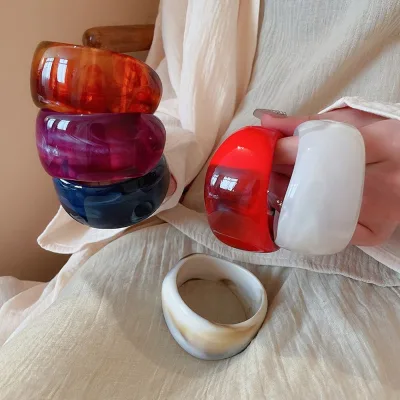
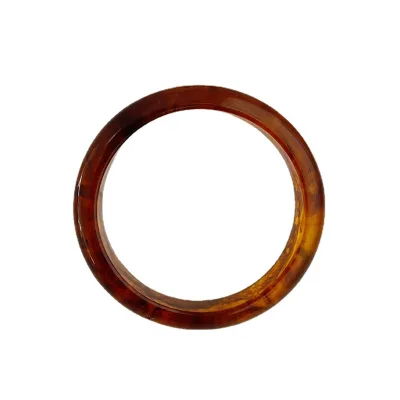
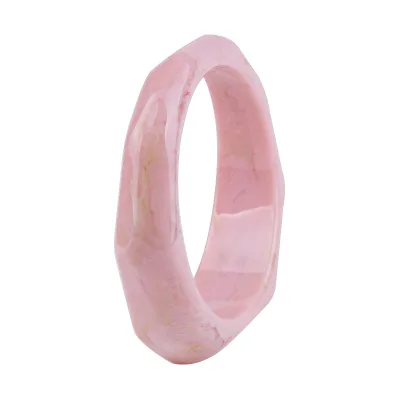
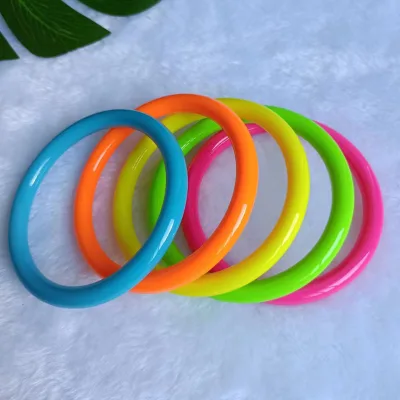
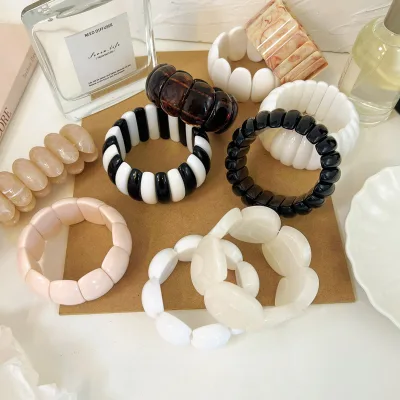
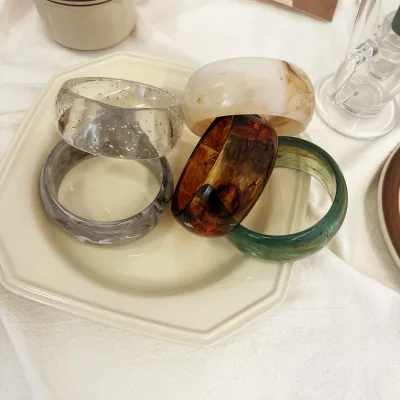
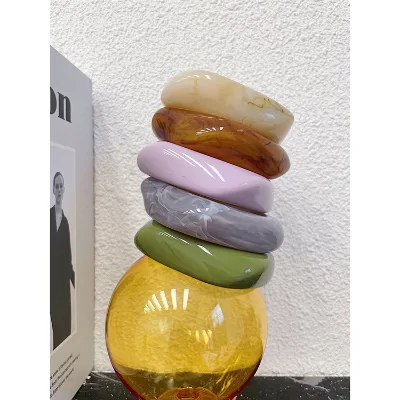
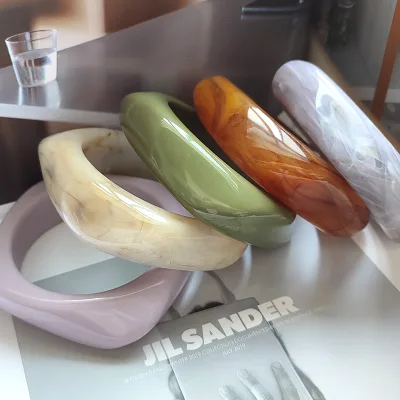
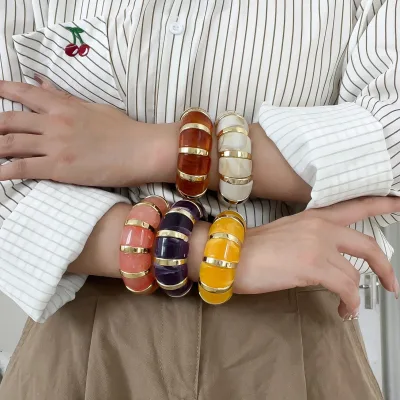
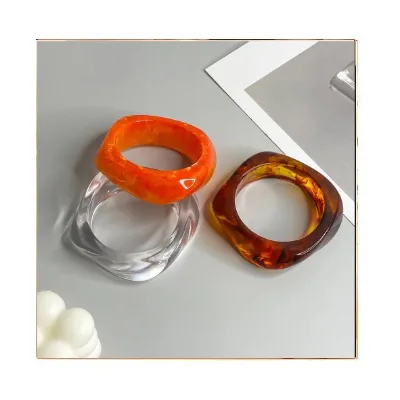
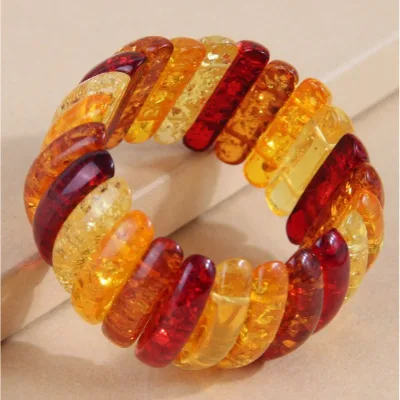
Acrylic and resin are the primary materials used for these fashion accessories. Suppliers also offer stainless steel options with acrylic inlays for durability. These materials allow for vibrant colors, translucent finishes, and chunky designs. Buyers can choose between pure acrylic pieces or composite styles featuring shell or metal accents for varied aesthetics.
What is the price range for wholesale acrylic bangles?
Wholesale prices typically range from $1.10 to $3.15 per piece. Acrylic styles often fall between $1.10 and $1.70, while stainless steel options may cost $1.80 to $3.15. Prices depend on material complexity, packaging, and order volume. Buyers should request quotes for specific models to determine exact costs for their budget.
Are customization options available for Acrylic Bangle orders?
Yes, many suppliers offer customization for acrylic bangles, including logo printing and color selection. Buyers can request custom designs for gifts or branding purposes. Some manufacturers provide graphic processing and sample customization services. It is advisable to discuss specific requirements with the supplier to ensure the design meets your brand standards and quality expectations.
How quickly do suppliers respond to sourcing inquiries?
Response times vary, with some suppliers responding within 1.03 hours and others within 2 hours. Fast response rates indicate active customer service teams ready to assist with quotes and samples. Buyers should expect prompt replies when inquiring about stock availability or custom orders, ensuring efficient communication throughout the sourcing process.
What certifications are available for Acrylic Bangle suppliers?
Verification statuses include CTI and TüV Rheinland for certain suppliers. However, product certificates for acrylic bangles are often listed as None. Buyers should verify specific compliance requirements with the supplier, as standards may vary by region and intended market. Direct confirmation ensures that all regulatory needs are met before placing large orders.