Acoustic Guitar Piezo Pickup Suppliers and Manufacturers
Source 24 verified Acoustic Guitar Piezo Pickup suppliers from Guangdong, China. Compare key dimensions including lead times, MOQs, and pricing to find the right partner. Review product specifications and request quotes directly to streamline your procurement process; review the available evidence before requesting comparable quotations from suitable candidates.
Suppliers List

Shenzhen Aide Linna Musical Instrument Co., Ltd.
- Manufacturer, Trading Company
- Guangdong, China
- Lead time15 days
- Avg. response≤ 2h
Main productsacoustic guitar pickup,Guitar speaker,Guitar strings,Guitar pick,Guitar capo
Main marketsDomestic Market(60.00%), South Asia(6.00%), South America(6.00%), Northern Europe(5.00%), Eastern Asia(5.00%), North America(5.00%), Central America(4.00%), Mid East(3.00%), Eastern Europe(3.00%)
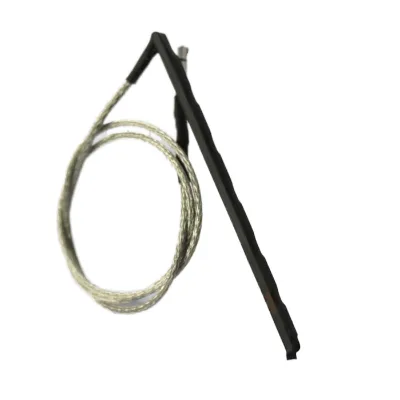
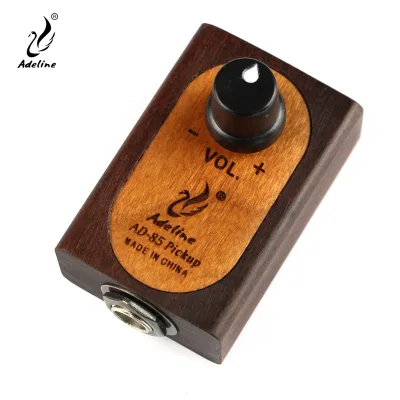
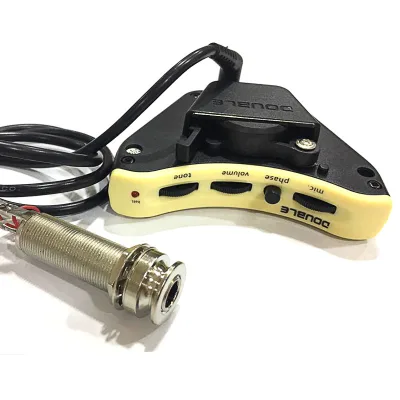
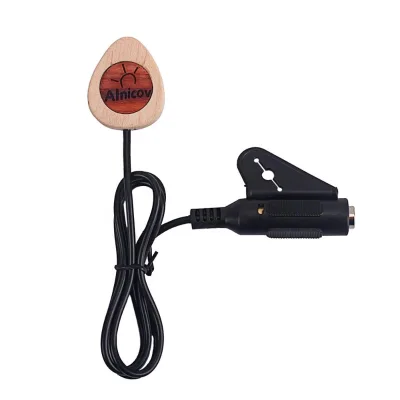
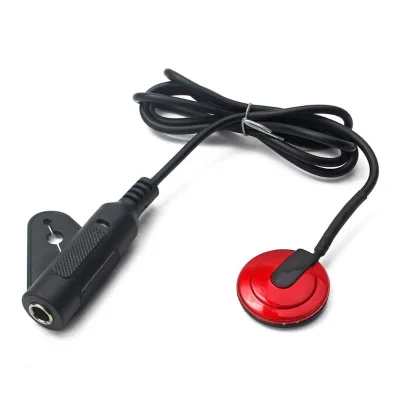
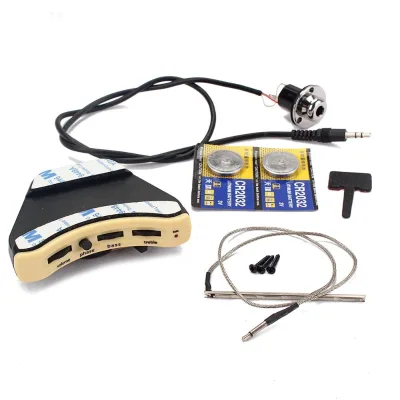
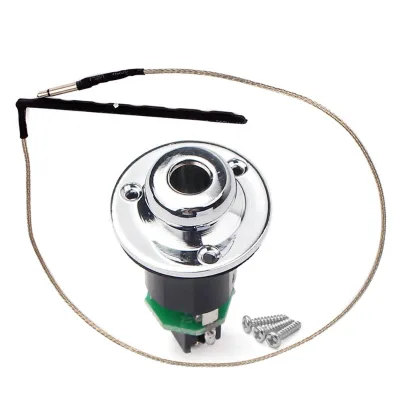
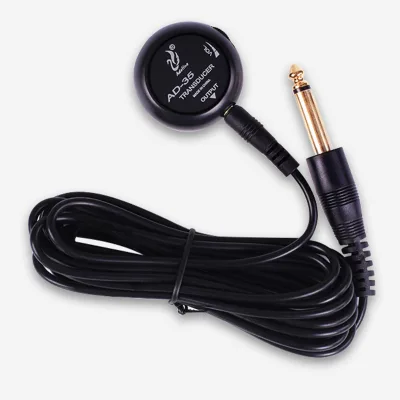
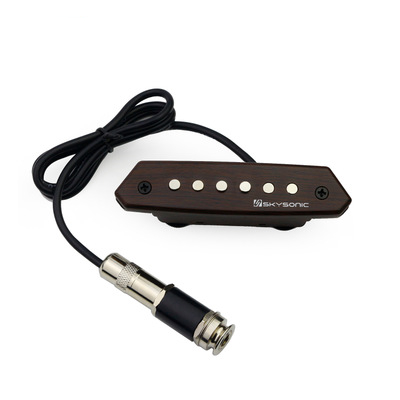
Ad85 Free Aperture Acoustic Pickup Piezoelectric Guitar Ukulele Musical Instrument Accessories
$13.17 - $18.23
MOQ: 1 pieces
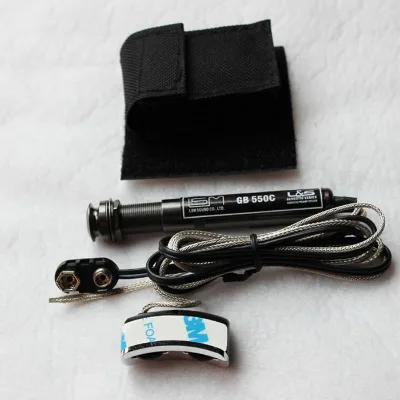
GB550C Tail Stud Pickup Acoustic Guitar Built-in Pickup Acoustic Guitar Pickup
$30.51 - $33.57
MOQ: 10 pieces
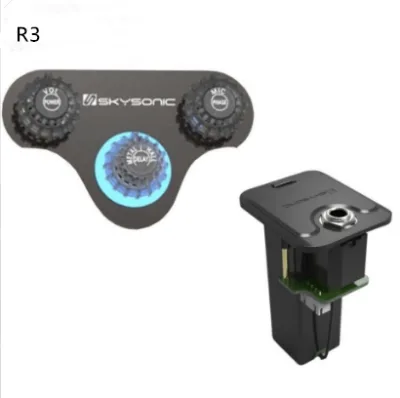
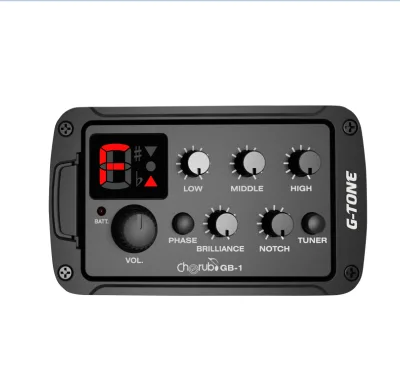
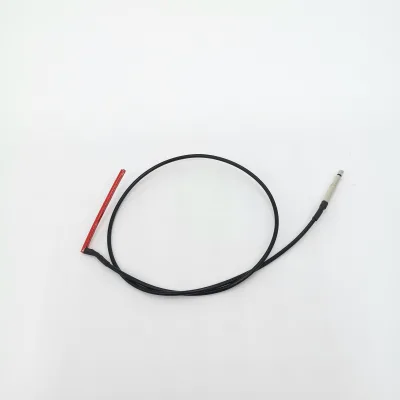
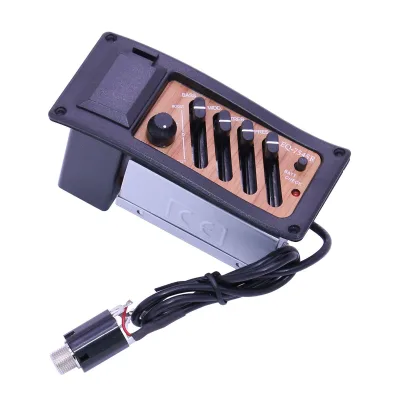
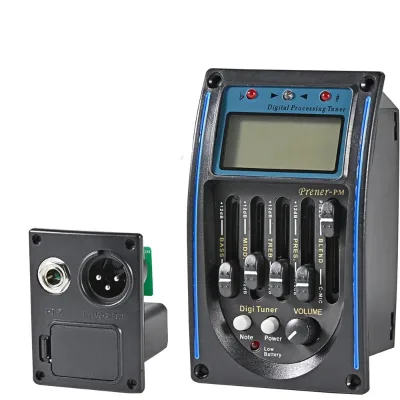
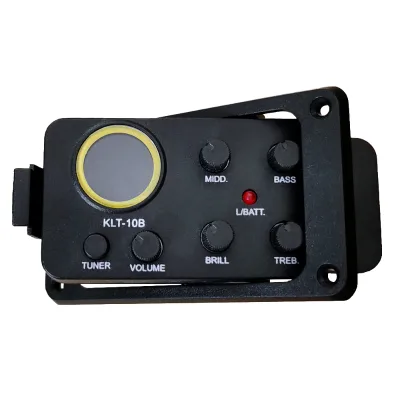
Cherub GB-1 Folk Acoustic Guitar Pickup with Tuning Function Box Piano 3-band EQ Equalizer
$13.29 - $14.31
MOQ: 10 pieces
Guangzhou Gidoo Musical Instruments Co., Ltd.
- Verified by TüVRheinland
- Manufacturer, Trading Company
- Lead time30 days
- Avg. response≤ 5h
Main productsAcoustic Guitar, Electric Guitar, Classical Guitar, Ukulele, Guitar Accessories
Main marketsSoutheast Asia(18%), Domestic Market(18%), South America(15%)
Shenzhen Grand Exploits Technology Co., Ltd.
- Manufacturer, Trading Company
- Guangdong, China
- Lead time25 days
- Avg. response≤ 10h
Main productsMusical Instruments,Guitar,Guitar Effect Pedal,Ukulele,Guitar Pickup
Main marketsNorth America(30.00%), Eastern Asia(10.00%), Northern Europe(10.00%), Southeast Asia(10.00%), Western Europe(10.00%), South America(10.00%), South Asia(5.00%), Southern Europe(5.00%), Africa(5.00%), Eastern Europe(5.00%)
Shenzhen Casdony Technology Co., Ltd.
- Manufacturer, Trading Company
- Lead time旺季: "1 - 100":10,"> 100":"To be negotiated", 淡季: "1 - 100":10,"> 100":"To be negotiated"
- Avg. response≤ 13h
Main productsguitar accessory,music toy,drum accessory,music effect,woodwind
Guangzhou Beston Musical Instrument Co., Ltd.
- Manufacturer, Distributor/Wholesaler, Other
- Guangdong, China
- Lead time30 days
- Avg. response≤ 4h
Main productsAcoustic Guitar,Electric Guitar,Electric Bass,Ukulele,classical guitar
Main marketsDomestic Market(30.00%), North America(10.00%), Oceania(10.00%), South America(10.00%), Southeast Asia(8.00%), Mid East(8.00%), Central America(5.00%), Africa(5.00%), Southern Europe(3.00%), Western Europe(3.00%), Eastern Asia(2.00%), Eastern Europe(2.00%), South Asia(2.00%), Northern Europe(2.00%)
Shenzhen Cooyear Technology Co., Ltd.
- Manufacturer, Trading Company, Buying Office
- Lead time旺季: "1 - 1000":3,"1001 - 3000":3,"3001 - 5000":3,"> 5000":"To be negotiated", 淡季: "1 - 1000":3,"1001 - 3000":3,"3001 - 5000":3,"> 5000":"To be negotiated"
- Avg. response≤ 7h
Main productsphone parts and accessories,laptop accessories,car accessories,cable adapter,cctv accessories
Shenzhen Deoukana Trading Co., Ltd.
- Manufacturer, Trading Company
- Guangdong, China
- Lead time10 days
- Avg. response≤ 4h
Main productsMen's Hoodies,Men's Sweater,Women Dresses
Main marketsEastern Europe(25.00%), North America(25.00%), Eastern Asia(15.00%), Western Europe(10.00%), South America(10.00%), Southern Europe(5.00%), Northern Europe(5.00%), Central America(5.00%)

Nantong Emuse Musical Instruments Co., Ltd.
- Trading Company
- China Jiangsu
- Lead time30 days
- Avg. response≤ 8h
Main productsViolin, Guitar, Cello, Classic Guitar, Double Bass, Acoustic Guitar, Ukulele, Electric Guitar, String Instruments Accessories, Violin Bow
Main marketsSouth America,Others(foreignTradeCapacity.exportBusinessCapacityMarketOther),Europe
- Manufacturer
- Tianjin, China
- Lead time45 days
- Avg. response≤ 4h
Main productsDrum,Melodica,Accordion,Wind Instrument,Guitar
Main marketsSouth America(50.00%), Domestic Market(25.00%), Africa(25.00%)
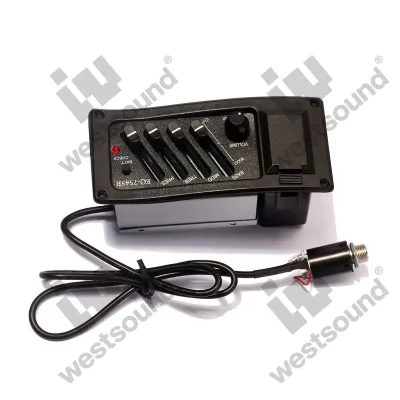
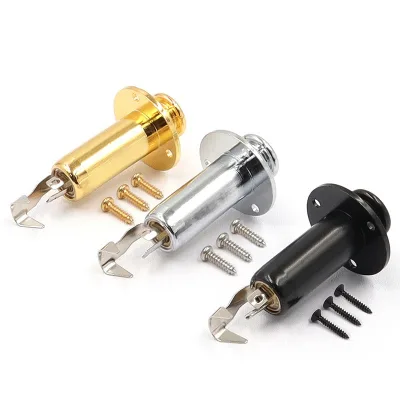
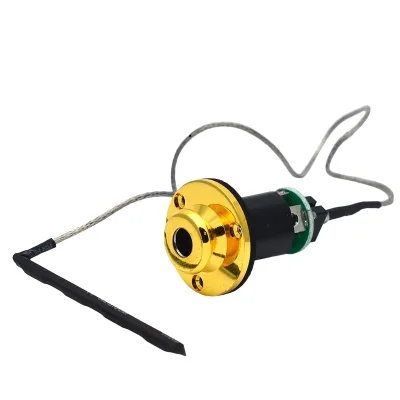
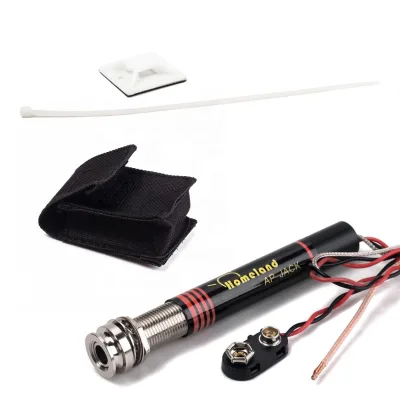
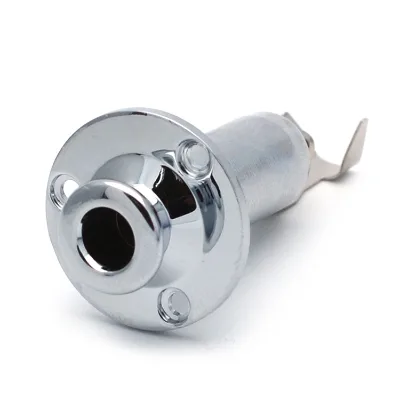
Folk Acoustic Guitar Electric Guitar case EQ Pickup Tail Pin Type Stereo Audio Output Jack Socket
$2.53 - $2.87
MOQ: 1 pieces
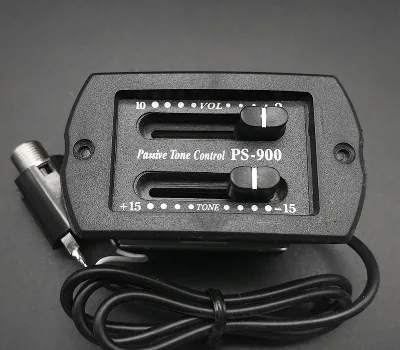
$1.41 - $1.51
MOQ: 1 pieces

Shenzhen Donlis Electric-Sound Technology Co., Ltd.
- Verified by TUVRHEINLAND
- Trading Company,Manufacturer/Factory
- China Guangdong
- Lead time45 days
- Avg. response≤ 14h
Main productsGuitar Neck, Guitar Pickup, Guitar Parts, Guitar Body, Guitar Pickguard, Guitar Machine Heads, Guitar Kits, Bass Neck, Musical Instruments, Guitar Bridge
Main marketsSouth America,Eastern Europe,Mid East,North America,Southeast Asia,Eastern Asia,Oceania,Western Europe,Africa

Black 7 String Electric Guitar Humbucker Pickup Ceramic Magnetized Guitar Pickup
$5.57 - $6.49
MOQ: 40 Pieces


Alwaysfaith International Trade Co., Ltd. (Huizhou)
- Manufacturer, Trading Company
- Lead time旺季: "1 - 100":15,"101 - 1000":20,"> 1000":"To be negotiated", 淡季: "1 - 100":15,"101 - 1000":20,"> 1000":"To be negotiated"
- Avg. response≤ 4h
Main productsOutdoor Entertainment,Musical Instrument,Audio Speaker,Tents
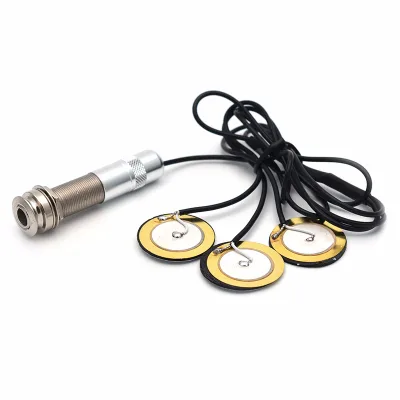
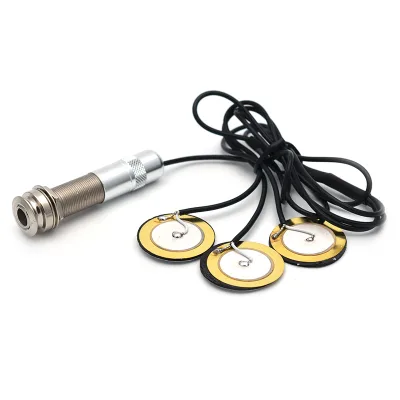
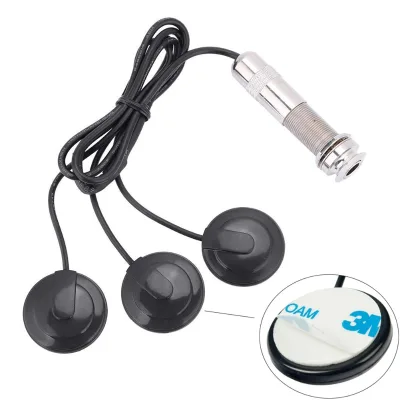
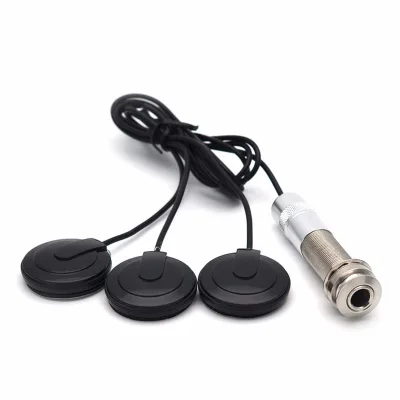
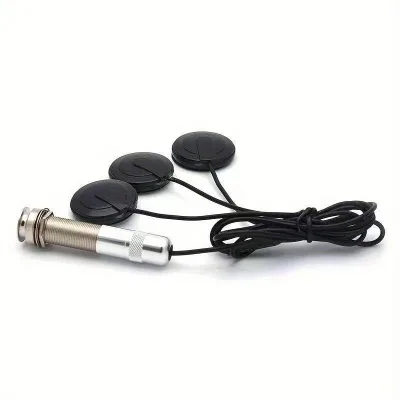
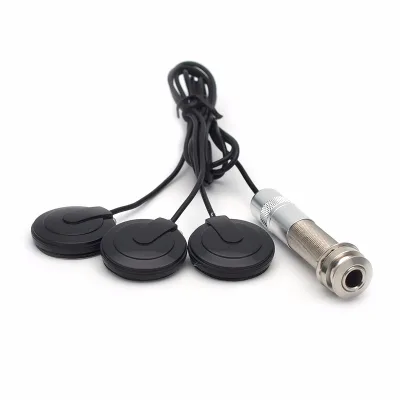
Guitar Pickup Piezo Contact Microphone Pickup 3 Transducer Pickup System for Acoustic 6.35mm Jack
$3.10 - $3.23
MOQ: 5 pieces
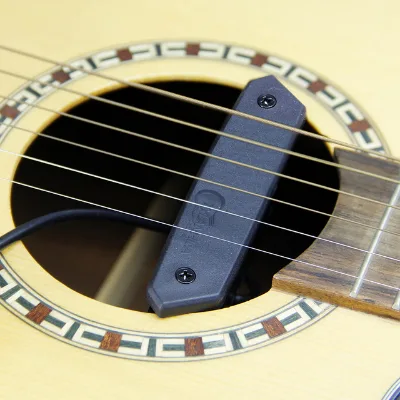
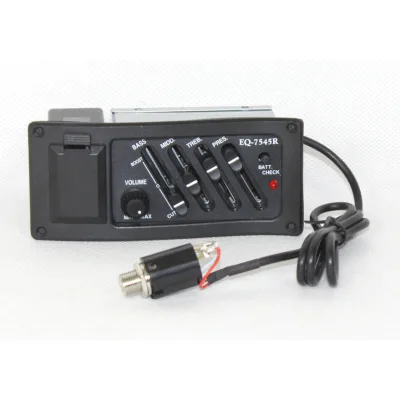
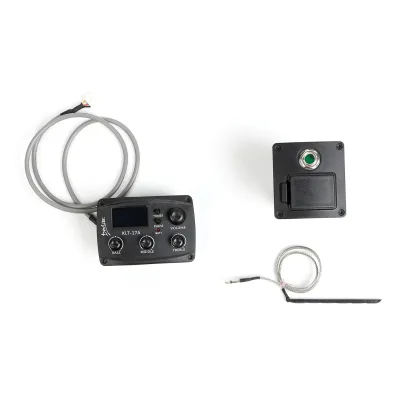
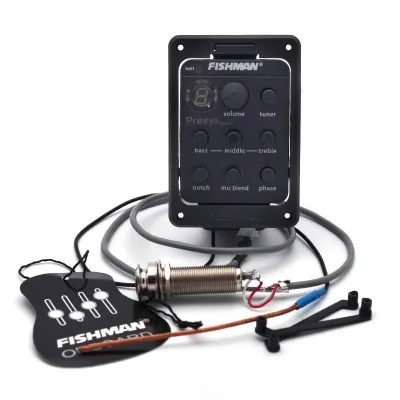
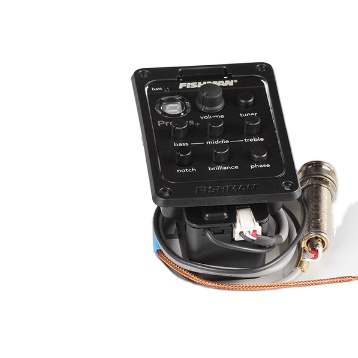
Made in China Pickup Acoustic Guitar with Pickups Guitar LCD Display Guitar EQ Pickups
$9.48 - $10.24
MOQ: 100 pieces
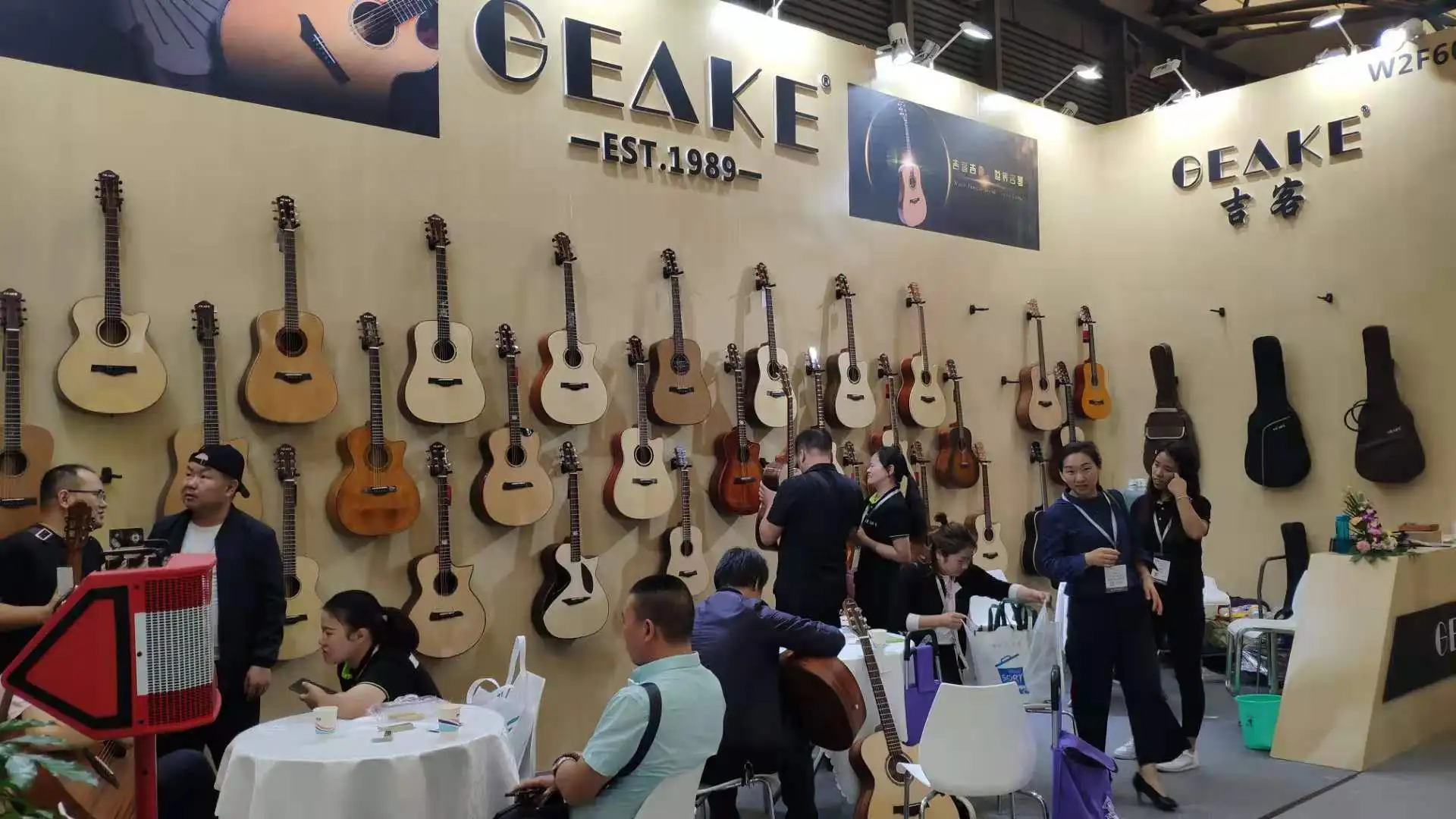
Changsha Geake Music Co., Ltd.
- Manufacturer, Trading Company
- Hunan, China
- Lead time45 days
- Avg. response≤ 2h
Main productsAcoustic guitar,Classical guitar,electric guitar and Ukuleles,guitar accessories,custom high quality guitars
Main marketsNorth America(20.00%), South America(15.00%), Domestic Market(10.00%), Eastern Europe(10.00%), Southern Europe(5.00%), Northern Europe(5.00%), Central America(5.00%), Western Europe(5.00%), Eastern Asia(5.00%), Mid East(5.00%), Oceania(5.00%), Southeast Asia(5.00%), South Asia(4.00%), Africa(1.00%)

Guangzhou Vines Musical Instruments Co., Ltd
- Verified by TUVRHEINLAND
- Trading Company
- China Guangdong
- Lead time15 days
- Avg. response≤ 6h
Main productsAcoustic Guitar, Electric Guitar, Classical Guitar, Electric Bass Guitar, Ukulele, Guitar Strings, Musical Instrument Accessories, Violin, Guitar Amplifier, Drum Piano
Main marketsAfrica,Europe,North America


Custom Engraved Flower Sound Hole Design Built-in EQ Pickup Electric Acoustic Guitar
$99.00 - $120.00
MOQ: 5 Pieces


Guangzhou Lebeth Musical Instrument Co., Ltd.
- Verified by BV
- Manufacturer/Factory
- China Guangdong
- Lead time0 days
- Avg. response≤ 5h
Main productsMusical Accessories, Music Stand, Keyboard Stand, Piano Stool, Guitar Stand, Speaker Stand, Drum Stand

Kq-3 Professional Acoustic Guitar Pickup Musical Instrument Accessories Guitar Pickup OEM
$3.43 - $3.73
MOQ: 100 pieces

Changsha Bullfighter Instrument Co., Ltd.
- Verified by SGS Group
- Manufacturer, Trading Company
- Lead time7 days
- Avg. response≤ 2h
Main productsElectric Guitar; Electric Bass Guitar; Acoustic Guitar, Electronic Drum Set, Guitar Amplifier, Violin
Main marketsDomestic Market(50%), North America(13%), Southeast Asia(12%)

Changshu Huasheng Musical Instrument Co., Ltd.
- Manufacturer, Trading Company
- Jiangsu Province, China
- Lead time30 days
- Avg. response≤ 3h
Main productsGuitar,Piano,Ukulele,Keyboard instrument,Stringed instrument
Main marketsNorth America(50.00%), Western Europe(20.00%), Oceania(15.00%), Domestic Market(10.00%), South America(5.00%)
Alwaysfaith International Trade Co., Ltd. (Huizhou)
- Verified by Intertek
- Trading Company
- Lead time15 days
- Avg. response≤ 7h
Main productsUkulele, Electric Guitar, Acoustic Guitar
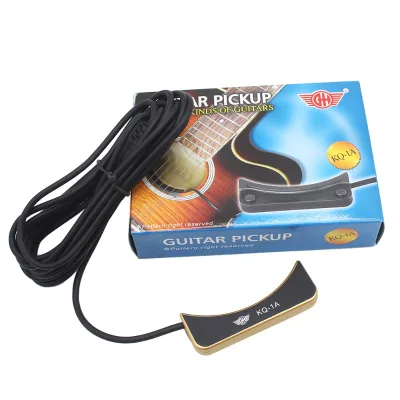
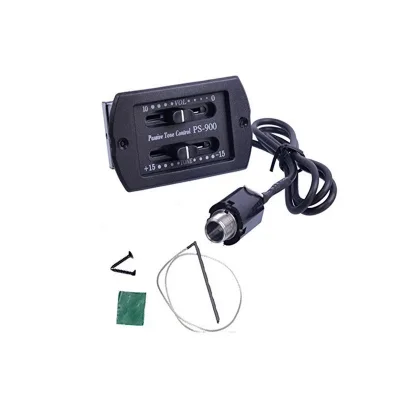
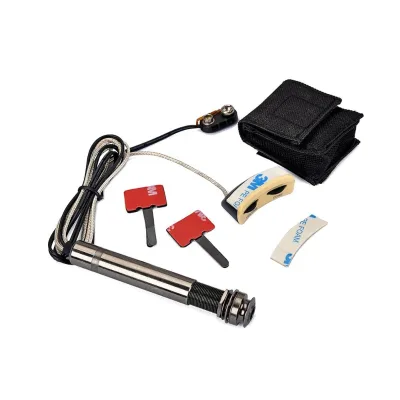
Hole-Free Design Folk Guitar Pickup ABS Material Acoustic Sound Enhancement Acoustic Guitar Pickup
$5.00 - $6.00
MOQ: 1 pieces

- Trading Company
- Guangdong, China
- Lead time15 days
- Avg. response≤ 1h
Main productsGuitar Neck,Guitar body,Guitar Pickup,Guitar Pickguard,Guitar Strings
Main marketsEastern Europe(20.00%), North America(20.00%), Southeast Asia(10.00%), South America(10.00%), Northern Europe(5.00%), Central America(5.00%), Western Europe(5.00%), Eastern Asia(5.00%), Oceania(5.00%), Southern Europe(5.00%), Africa(5.00%), South Asia(2.00%), Domestic Market(2.00%), Mid East(1.00%)

Shenzhen Grand Technology Co., Ltd.
- Trading Company
- China Guangdong
- Lead time0 days
- Avg. response≤ 11h
Main productsMusical Instruments, Guitar Amplifier, Electric Guitar, Guitar Pedals, Acoustic Guitar, Piano, Guitar Kits, Percussion Instruments, Bass Guitar, Acrylic Piano

12 Strings Koa Wood Left Handed Acoustic Electric Guitar Double Pickup Wood Pickguard
$280.68 - $380.68
MOQ: 1 Pieces

Custom Deluxe Acoustic Guitar Abalone Binding Aaaaa All Solid Wood Guitar 550A Soundhole Pickup
$1000.68 - $1250.68
MOQ: 1 Pieces


Yongkang Taige Daily Necessities Business Department.
- Trading Company
- Jinhua, China
- Lead time15 days
- Avg. response≤ 2h
Main productscup,bottle,Musical Instruments,bicycle,camping
Main marketsCentral America(30.00%), North America(20.00%), South America(20.00%), Southern Europe(10.00%), Northern Europe(10.00%), Western Europe(10.00%)
Alwaysfaith International Trade Co., Ltd. (huizhou)
- Verified by Intertek
- Trading Company
- Lead time0 days
- Avg. response≤ 5h
Main productsUkulele, Electric Guitar, Acoustic Guitar
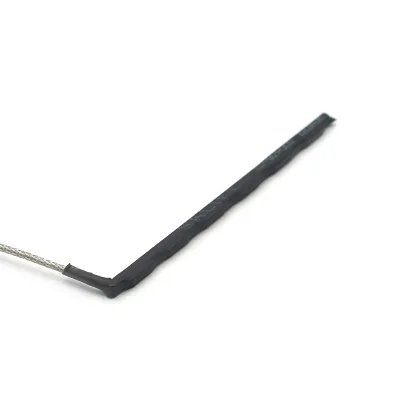
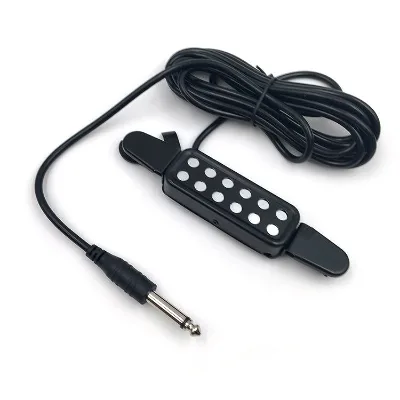
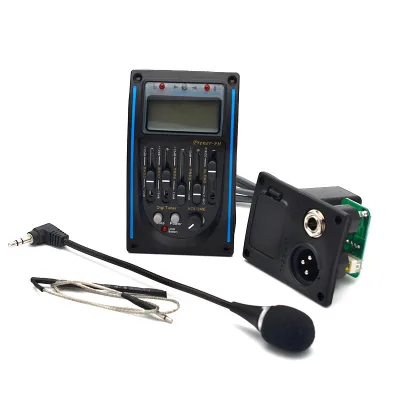
Hot Sale 5 Band Acoustic Guitar EQ Equalizer Piezo Pickup Tuner Amplifier LCD Mic LC-5
$4.74 - $4.83
MOQ: 10 pieces
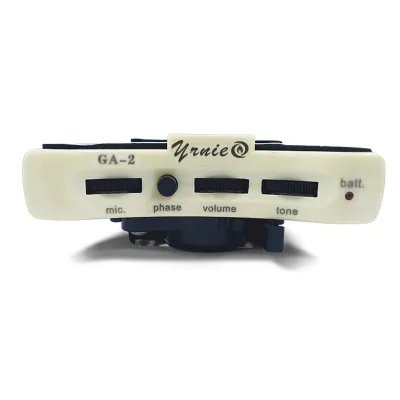
Wholesale High Quality Acoustic Guitar Stage Play Plate Free Hole Folk Classical Pickups
$48.55 - $55.48
MOQ: 1 pieces

GUANGZHOU ARTINY GUITAR CO., LTD
- Verified by SGS
- Manufacturer/Factory
- China Guangdong
- Lead time45 days
- Avg. response≤ 13h
Main productsAcoustic Guitar, Electric Guitar, Classical Guitar, Electric Bass Guitar, Ukulele, Music Bags, Music Stands, Guitar Parts
Main marketsSouth America,Eastern Europe,Mid East,North America,Southeast Asia,Eastern Asia,Oceania,Western Europe,Africa


Wholesale Custom Brand Design Stringed Instruments H-S-H Pickup Electric Guitar
$151.84 - $153.84
MOQ: 120


Nantong Sinomusic Enterprise Limited
- Manufacturer/Factory
- China Jiangsu
- Lead time38 days
- Avg. response≤ 12h
Main productsStringed Instruments, Violin/Viola/Cello, Guitar/Bass/Ukulele, Keyboard Instruments, Digital Piano, Woodwind Brasswind, MIDI Controller, Percussion
Main marketsSouth America,Eastern Europe,Mid East,North America,Southeast Asia,Eastern Asia,Oceania,Western Europe,Africa
Shenzhen Easytop Technology Co., Ltd.
- Manufacturer, Trading Company, Distributor/Wholesaler
- Guangdong, China
- Lead time7 days
- Avg. response≤ 9h
Main productsMusic Instrument Accessories,Consumer electronics,Sports and entertainment
Main marketsWestern Europe(20.00%), Southeast Asia(10.00%), Eastern Europe(10.00%), North America(10.00%), Domestic Market(5.00%), South Asia(5.00%), Southern Europe(5.00%), Northern Europe(5.00%), Central America(5.00%), South America(5.00%), Eastern Asia(5.00%), Mid East(5.00%), Oceania(5.00%), Africa(5.00%)
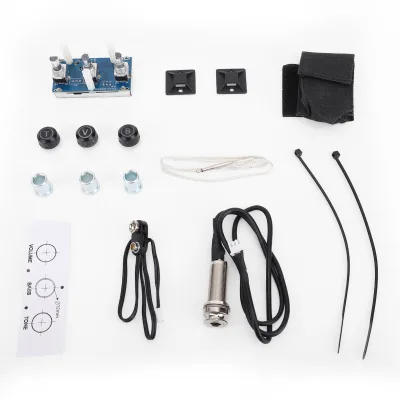
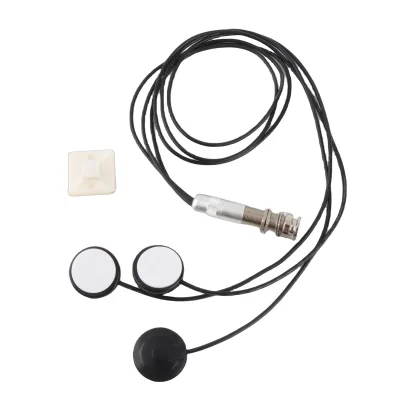
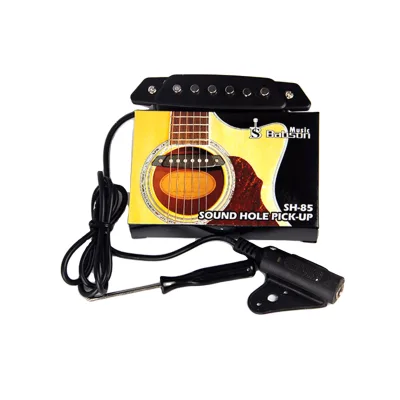
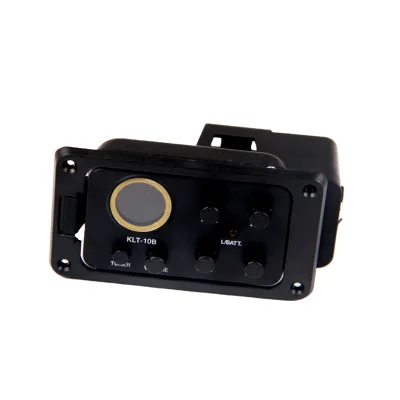




Comprehensive Sourcing Guide
Acoustic Guitar Piezo Pickup Supplier Concentration and Factory Types
The current supplier landscape for acoustic guitar piezo pickups is heavily concentrated in Guangdong, China, a region known for its robust manufacturing infrastructure and specialized supply chains for musical instrument components. This geographic clustering suggests that buyers sourcing these specific parts will likely encounter vendors operating within this province, leveraging established logistics networks and local material availability. The presence of manufacturers in this area indicates a mature ecosystem capable of supporting both small-batch custom orders and larger volume productions. Buyers should recognize that this concentration does not imply uniformity in quality or capability, but rather provides a dense pool of potential partners who understand the technical nuances of piezoelectric transducer integration. Understanding this regional focus helps in anticipating shipping routes, potential customs considerations, and the general industrial context in which these suppliers operate. It also implies that many suppliers may share similar baseline capabilities regarding material sourcing, such as piezoelectric ceramics and metal housings, which are critical for the durability and sound quality of the final pickup product.
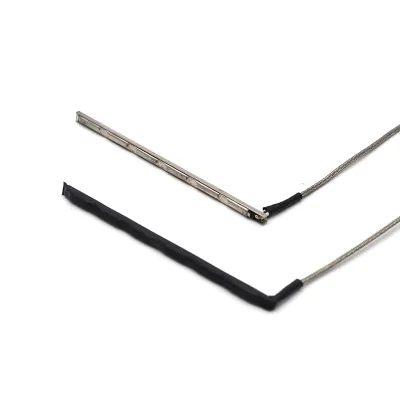
Within this geographic cluster, the supplier base comprises a mix of manufacturers and trading companies, each offering distinct advantages for different procurement strategies. Manufacturers typically provide direct control over production processes, allowing for greater customization of specifications such as model numbers, material compositions, and packaging requirements. This direct line can be crucial for buyers seeking specific technical attributes, such as the metal construction seen in certain hard rod pickups or the solid wood applications for classical guitars. Trading companies, on the other hand, may offer a broader portfolio of related accessories, such as guitar strings, picks, capos, and complete acoustic or electric guitars, facilitating consolidated shipping and simplified vendor management. For buyers requiring OEM services, the availability of suppliers who explicitly state OEM acceptance is a key differentiator. This distinction between factory and trading entity should be a primary consideration when evaluating potential partners, as it directly impacts lead times, communication efficiency, and the ability to scale production up or down based on market demand fluctuations.
How to Verify Acoustic Guitar Piezo Pickup Suppliers
Verifying the legitimacy and capability of Acoustic Guitar Piezo Pickup suppliers requires a multi-layered approach that goes beyond surface-level product listings. Buyers must prioritize suppliers who demonstrate clear responsiveness, as indicated by specific response time metrics. A response time of two hours, for instance, suggests a dedicated sales team capable of addressing technical queries and order inquiries promptly, which is essential for maintaining supply chain momentum. This metric serves as a proxy for operational efficiency and customer service commitment. Additionally, buyers should scrutinize the detailed product attributes provided, such as model numbers, material specifications, and dimensions. For example, verifying that a supplier offers a 1525 Piezo Pickup with a 70mm size and metal material ensures alignment with specific technical requirements. Cross-referencing these details with the supplier’s stated company type, whether manufacturer or trading company, helps validate their ability to deliver on those specific product claims. Consistency between the product evidence and the supplier’s profile is a strong indicator of reliability and transparency.
Beyond immediate responsiveness and product details, buyers should investigate the broader commercial terms and historical performance indicators available in the supplier data. The presence of specific minimum order quantities (MOQs) and price ranges provides insight into the supplier’s business model and target market. For instance, an MOQ of 100 pieces for a basic piezo pickup suggests a focus on volume efficiency, while an MOQ of one piece for a more complex unit like the Ad85 Free Aperture Pickup indicates flexibility for smaller, perhaps prototype or retail-focused orders. Buyers should also look for evidence of warranty terms, such as the one-year warranty offered on the R3 Vibration Pickup, which signals confidence in product durability. Furthermore, checking for OEM/ODM acceptance is crucial for brands looking to customize products. While specific certifications are not explicitly listed in the current data, buyers should request documentation for quality standards and testing results directly from the supplier. This proactive verification step ensures that the supplier meets international safety and performance standards, protecting the buyer from potential liabilities associated with substandard electronic components.
What to Compare Across Acoustic Guitar Piezo Pickup Suppliers
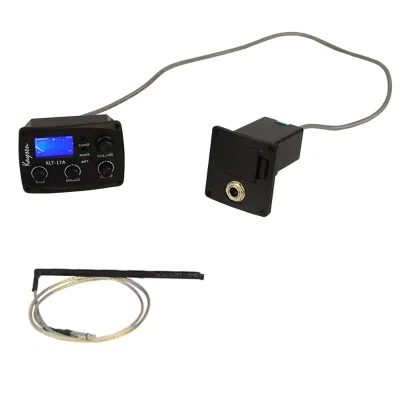
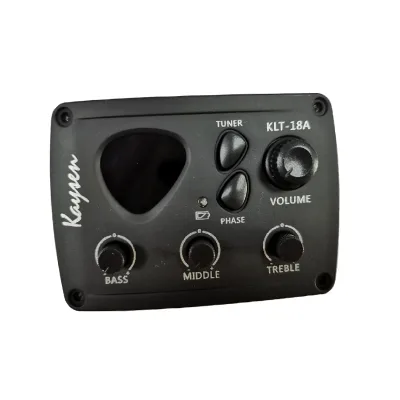
When evaluating multiple suppliers for acoustic guitar piezo pickups, buyers must systematically compare key commercial and logistical dimensions to identify the most suitable partner. One critical factor is the minimum order quantity (MOQ), which varies significantly across different product types and suppliers. For example, basic piezo elements like the AD-1 model may have an MOQ of 100 pieces, whereas more complex integrated pickups like the GB550C Tail Stud Pickup might have an MOQ of 10 pieces. This variation allows buyers to align their orders with their inventory capacity and sales forecasts. Comparing price ranges is equally important, as costs can fluctuate based on material quality, feature sets, and order volume. The price for a simple piezo pickup might range from $0.56 to $0.73, while a full-featured pickup with EQ and preamp capabilities can cost between $30.50 and $33.57. Buyers should assess whether the price difference justifies the additional features, such as volume adjustment, tuning functions, or built-in equalizers, to ensure they are getting the best value for their specific application.
Lead times and response speeds are another vital area for comparison, as they directly impact supply chain agility and customer satisfaction. A lead time of 15 days, as observed in some supplier data, provides a baseline for production scheduling, but buyers should verify if this time frame is consistent across different product lines. Suppliers with faster response times, such as those indicating a two-hour response window, are often better equipped to handle urgent requests or last-minute changes. Additionally, buyers should compare the range of main products offered by each supplier. Some suppliers may specialize exclusively in pickups and accessories, while others might offer a broader range including complete acoustic and electric guitars, ukuleles, and other stringed instrument parts. This breadth of product offering can be advantageous for buyers seeking a one-stop-shop solution, potentially simplifying logistics and reducing administrative overhead. However, it is also important to assess whether the supplier’s expertise in pickups is diluted by their broader product range. Finally, comparing packaging details, such as single package sizes and weights, helps in calculating accurate shipping costs and storage requirements, ensuring that the total landed cost is accurately projected.
Common Acoustic Guitar Piezo Pickup Sourcing Risks
Sourcing acoustic guitar piezo pickups involves several inherent risks that buyers must proactively manage to ensure a smooth procurement process. One significant risk is the variability in product quality and consistency, particularly when dealing with suppliers who offer a wide range of models with different specifications. For instance, the difference between a simple metal piezo element and a complex unit with an integrated EQ preamp and tuning function is substantial, and miscommunication regarding these technical details can lead to receiving products that do not meet the intended application requirements. Buyers must ensure that the product attributes, such as material composition and dimensions, are clearly defined and agreed upon before placing an order. Another risk is the potential for delays in production or shipping, which can disrupt inventory levels and sales cycles. While some suppliers indicate a lead time of 15 days, this is an estimate and may vary based on order volume, raw material availability, and other external factors. Buyers should establish clear communication channels and request regular updates to mitigate the impact of potential delays.
Intellectual property and customization risks are also prevalent, especially for buyers seeking OEM services. While some suppliers explicitly state that they accept OEM/ODM requests, there is a risk that proprietary designs or branding may not be handled with the necessary confidentiality or precision. Buyers must ensure that all customization details, including branding, packaging, and technical specifications, are documented in writing and agreed upon by both parties. Additionally, the risk of receiving products that do not comply with international safety and quality standards is a concern, particularly for electronic components like pickups with built-in preamps and equalizers. Although specific certifications are not always listed in the initial supplier data, buyers should verify that the products meet relevant electrical safety standards to prevent potential issues in the end market. Finally, financial risks associated with payment terms and escrow services should be carefully evaluated. Buyers should utilize secure payment methods and verify the supplier’s track record for fulfilling orders as described to minimize the risk of fraud or non-delivery.
Acoustic Guitar Piezo Pickup Regional Sourcing and Logistics
Sourcing acoustic guitar piezo pickups from Guangdong, China, offers distinct logistical advantages due to the region’s well-developed infrastructure and proximity to major shipping hubs. This concentration of suppliers facilitates efficient consolidation of orders, allowing buyers to combine pickups with other musical instrument accessories, such as strings, picks, and capos, into single shipments. This consolidation can significantly reduce per-unit shipping costs and simplify customs clearance processes. The region’s expertise in manufacturing electronic components and musical instruments also ensures that suppliers are familiar with the packaging requirements necessary to protect delicate piezoelectric elements and electronic circuits during transit. Buyers should consider the single package sizes and weights provided in supplier data, such as the 3.5x3.5x1 cm package for a basic piezo pickup or the 21.6x16.5x7.3 cm package for a more complex vibration pickup, to optimize container space and minimize freight expenses. Understanding these logistical nuances helps in planning inventory replenishment cycles and ensuring timely delivery to end customers.
However, buyers must also account for the potential complexities of international shipping and customs regulations when sourcing from this region. While Guangdong is a major export hub, variations in local customs procedures and international trade policies can impact delivery times and costs. Buyers should work with suppliers who have experience in exporting to their target markets and who can provide accurate documentation, such as commercial invoices and packing lists. The delivery time of 1-5 days mentioned for some products likely refers to production or internal processing time, not international shipping duration. Buyers should clarify the total transit time, including sea or air freight, to set realistic expectations for their customers. Additionally, considering the environmental and social standards of the manufacturing region can be part of a broader corporate responsibility strategy. Buyers may choose to prioritize suppliers who demonstrate commitment to sustainable practices and ethical labor standards, although this information may require direct verification. By carefully planning the logistics and understanding the regional context, buyers can leverage the advantages of Guangdong’s manufacturing ecosystem while mitigating potential supply chain disruptions.
Acoustic Guitar Piezo Pickup Commercial Terms and Order Planning
Effective order planning for acoustic guitar piezo pickups requires a thorough understanding of the commercial terms offered by suppliers, including pricing structures, payment terms, and warranty policies. The price ranges observed, from as low as $0.56 for basic piezo elements to over $35 for advanced units with EQ and tuning functions, highlight the importance of aligning product selection with budget constraints and target market pricing. Buyers should negotiate volume discounts where possible, especially for high-MOQ items like the 1525 Piezo Pickup with an MOQ of 100 pieces. Understanding the warranty terms is also crucial; for example, the one-year warranty on the R3 Vibration Pickup provides a safety net against early failures, reducing the risk of customer complaints and returns. Buyers should ensure that warranty claims processes are clearly defined and that the supplier is responsive to such requests. Additionally, considering the power requirements of certain pickups, such as the 9V alkaline battery needed for the Cherub GB-1, is essential for ensuring product compatibility and customer satisfaction.
Order planning should also account for the lead times and production capacities of suppliers to avoid stockouts or excess inventory. A lead time of 15 days, as indicated in some supplier data, allows for reasonable planning, but buyers should
FAQs
What is the minimum order quantity for acoustic guitar piezo pickups?
The minimum order quantity varies by product, ranging from 1 piece to 100 pieces depending on the specific model selected. Some standard piezo pickups require a minimum of 100 pieces, while specialized kits or preamp systems may allow orders as low as 1 unit. Buyers should check individual product listings for exact thresholds before placing an order.
Where are these acoustic guitar pickups manufactured?
All listed acoustic guitar piezo pickups originate from Guangdong, China. This region is a known hub for musical instrument accessories and manufacturing. The consistent place of origin ensures that all products in this category share the same regional supply chain and production standards associated with this specific location.
What is the typical lead time for shipping these pickups?
The standard lead time for these products is 15 days from the date of order confirmation. Some specific items may offer faster delivery windows of 1 to 5 days depending on stock availability. Buyers should verify the specific delivery time listed on the product page to ensure it meets their project schedule requirements.
Which brands are available for acoustic guitar piezo pickups?
Available brands include Adeline, Cherub, and OEM options for custom manufacturing. Adeline offers various models like the 1525 and AD-1, while Cherub provides systems with tuning functions. OEM branding is also accepted for buyers seeking private label solutions, allowing for customization of the product name and packaging.
What materials are used in these guitar pickups?
Materials vary by model, including metal, solid wood, and piezoelectric ceramic. Some vibration pickups combine ABS plastic with metal components for durability. The specific material composition is listed in the product attributes, ensuring buyers can select the option that best fits their instrument's acoustic properties and aesthetic requirements.
Do these pickups come with volume control or equalizers?
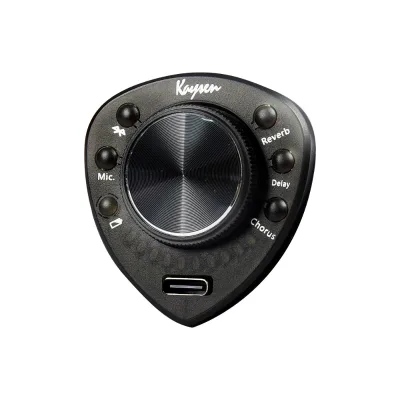
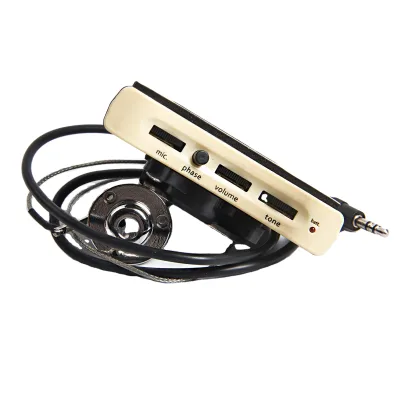
Yes, many models include volume adjustment or built-in equalizers. The Ad85 model features volume control, while the GB-1 includes a 3-band EQ and tuning function. Some advanced units also offer delay, reverb, and microphone features. Buyers should review product keywords to confirm the specific electronic features included with each pickup.
What is the price range for these acoustic guitar pickups?
Prices range from approximately 0.56 to 35.00 per unit depending on the model and features. Basic piezo elements start near 0.56, while complex systems with preamps and equalizers can cost up to 35.00. The final price is determined by the specific product selected and the quantity ordered within the defined minimum order quantity limits.