Adjustable Retractable Soaker Tubing Suppliers and Manufacturers
Explore 17 verified suppliers offering Adjustable Retractable Soaker Tubing with varying lead times, certifications, and response speeds. Compare dimensions like location, MOQ, and capacity to find the right partner. Contact suppliers directly to request samples or quotes; review the available evidence before requesting comparable quotations from suitable candidates.
Suppliers List

Ningbo KK-Bioscience Co., Ltd.
- Verified by BV
- Combined
- China Zhejiang
- Lead time30 days
- Avg. response≤ 14h
Main productsDvt Sleeves, Cold Therapy Device, Blood Pressure Bulb, Pressure Infusion Bag
Main marketsSouth America,Africa,Southeast Asia/ Mideast,East Asia(Japan/ South Korea),Europe,Australia,North America

Hangzhou Bright Rubber Plastic Product Co., Ltd.
- Verified by TUVRHEINLAND
- Manufacturer/Factory
- China Zhejiang
- Lead time15 days
- Avg. response≤ 6h
Main productsCustom EPDM/NBR/Silicone Rubber Molding Parts, Custom Nylon/ABS Plastic Injection Molding Parts, Silicone Extrusion Profiles/Tube/Strip, Spong Silicone Extrusion Profiles/Tube/Strip, Rubber Extrusion Profiles/Sealing/Tube/Strip, Rubber Bumper/Shock Absorber/Buffer/Damper, Rubber Seal/Gasket/Ring/O-Ring/Base, Rubber Cushion/Grommet/Bushing/Spacer/Hose/Grip, Plastic Extrusion Profiles/Sealing/Tube/Strip, Metal Parts
Main marketsSouth America,Eastern Europe,Mid East,North America,Southeast Asia,Eastern Asia,Oceania,Western Europe,Africa

Tianjin Wortai International Trade Co., Ltd.
- Verified by SGS
- Trading Company,Manufacturer/Factory
- China Tianjin
- Lead time23 days
- Avg. response≤ 4h
Main productsRubber Seal, Door Seal, Shower Door Seal Strip, Shower Screen Seals, Magnetic Shower Seals, Window Screen Mesh, Cleaning Ball, Rubber Fender, Auto Door Seal, Weather Strip
Main marketsSouth America,Eastern Europe,Mid East,North America,Southeast Asia,Western Europe

Hebei Orient ADMA Tech Group Co., Ltd.
- Verified by SGS
- Trading Company,Manufacturer/Factory
- China Hebei
- Lead time30 days
- Avg. response≤ 8h
Main productsPVC Hose, Rubber Hose, Hydraulic Hose, Silicone Hose, Pneumatic Hose, Oil Field Hose/Dredging Hose, Hose Crimping Machine, Hose Couplings and Clamps, Hose Protection Sleeve, Packaging Film
Main marketsSouth America,Eastern Europe,Mid East,North America,Southeast Asia,Eastern Asia,Oceania,Western Europe,Africa


Performance 3 Inch 5 Inch 4 Inch Flexible Corrugated Silicone Hose Tubing
$1.89 - $5.00
MOQ: 100 Pieces

Qinghe County Luotai Auto Parts Co., Ltd.
- Verified by SGS
- Combined
- China Hebei
- Lead time15 days
- Avg. response≤ 1h
Main productsSilicone Tube, Silicone Hose, Silicone Hose Kit, Rubber Hose
Main marketsSoutheast Asia/ Mideast,Europe,Australia

NINGBO VITAL INTERNATIONAL TRADING CO., LTD.
- Verified by BV
- Trading Company
- China Zhejiang
- Lead time0 days
- Avg. response≤ 10h
Main productsPVC Tube, Medical Dressing, Cotton Ball, Gauze Pad, Nonwoven Pad, Wound Plaster, Wipe, Bandage, Face Mask, Disposable Cap

Fujian Bluesky Pipe Manufacturing Co., Ltd.
- Verified by BV
- Combined
- China Fujian
- Lead time30 days
- Avg. response≤ 1h
Main productsSeamless Steel Pipe/Tube, Carbon Seamless Steel Pipe/Tube, Precision Seamless Steel Pipe/Tube, Seamless Pipe/Tube, Alloy Steel Pipe/Tube
Main marketsDomestic
Dongguan Ruixiang Precision Silicone Products Co., Ltd.
- Verified by SGS Group
- Manufacturer, Trading Company
- Lead time7 days
- Avg. response≤ 2h
Main productsSilicone Extruded Products, Silicone Molded Products
Main marketsNorth America(30%), South America(30%), Western Europe(20%)
Sinoleopard Steel Group Import & Export Co., Ltd
- Verified by SGS
- Trading Company
- China Shanghai
- Lead time23 days
- Avg. response≤ 1h
Main productsAluminum Tube, Aluminium Extrusion, Aluminum Pipe, Copper Pipe
Main marketsAfrica
Shandong Fenghong New Material Technology Co., Ltd.
- Verified by SGS
- Combined
- China Shandong
- Lead time23 days
- Avg. response≤ 2h
Main productsStainless Steel Plate
Main marketsAfrica,Domestic
Guangdong Zoyue Technology Co., Ltd.
- Verified by CTI
- Combined
- China Guangdong
- Lead time15 days
- Avg. response≤ 1h
Main marketsSoutheast Asia/ Mideast,Domestic,Australia,North America
Xiamen Best Seal Imp. and Exp. Co., Ltd.
- Verified by SGS
- Manufacturer
- China Fujian
- Lead time30 days
- Avg. response≤ 4h
Main productsRubber O-Rings, X-Rings, Rubber Gaskets, Rubber Washers, Rubber Molded Parts, Metal/Plastic Bonded to Rubber Parts
Main marketsEurope,North America

Custom Flexible Pure Silicone Hose Tube Elastic Rubber Tubing High Temperature Industrial
$0.01 - $0.09
MOQ: 100 Pieces

Custom Wholesale Price Silicone Tube Silicone Hose Pipe Soft Flexible Rubber Hose
$0.01 - $0.09
MOQ: 100 Pieces


Milesun Rubber & Plastic Technology Co., Ltd.
- Verified by CTI
- Manufacturer/Factory
- China Guangdong
- Lead time23 days
- Avg. response≤ 12h
Main productsRubber Components, Rubber Damper/Shock Absorber/Sheet, Rubber-Metal Components, Sealing Ring, Home Appliance Rubber and Metal Components, Power Tool Rubber and Metal Components, Auto Rubber and Metal Components, Sanitary Rubber and Metal Components, Kitchen Ware / Daily Use Rubber Products, Food Grade Rubber Products/Toy
Main marketsSouth America,Eastern Europe,Mid East,North America,Southeast Asia,Eastern Asia,Oceania,Western Europe,Africa


Custom Rubber/Silicone Rubber Tube, Pipe, Hose
Contact supplier

Sainty International Group Jiangsu Yangzhou Sumex Imp. & Exp. Co., Ltd.
- Trading Company
- China Jiangsu
- Lead time30 days
- Avg. response≤ 12h
Main productsSyringe, Suction Catheter, Endotracheal Tube, Drainage Bag, Bandage, Dental Instrument, Surgical Gown, Vaginal Speculum, Vacutainer, Suture
Main marketsSouth America,Africa,Southeast Asia/ Mideast,East Asia(Japan/ South Korea),Europe,Australia,North America

Hangzhou Haikuo Rubber and Plastic Products Co., Ltd.
- Trading Company,Manufacturer/Factory
- China Zhejiang
- Lead time0 days
- Avg. response≤ 3h
Main productsRubber Hose, Hydraulic Hose, Air/Water Hose, Oil/Fuel Hose, Suction Hose, Layflat Hose, PVC Hose, PU Hose, Fitting, Hose Guard
Main marketsSouth America,Eastern Europe,Mid East,North America,Southeast Asia,Eastern Asia,Oceania,Western Europe,Africa
Foshan Nanhai Dewo Sanitary Ware Co., Ltd
- Verified by TUVRHEINLAND
- Manufacturer/Factory
- China Guangdong
- Lead time45 days
- Avg. response≤ 4h
Main productsBathtub, Massage Bathtub, Shower Enclosure, Shower Room, Bathroom Equipment, Hardware Accessories, Freestanding Bathtub, Drop-in Bathtub
Main marketsSouth America,Eastern Europe,Mid East,North America,Southeast Asia,Eastern Asia,Oceania,Western Europe,Africa

Factory Price Wholesale Rectangle Shape Soaking Walk-in Hot Tub with Faucet&Pillow
$922.00 - $1222.00
MOQ: 5 Sets

Hot-Sale Compact Yet Stylish Acrylic Freestanding Adult Soaking Hot Tub with Legs
$248.00 - $348.00
MOQ: 5 Sets

Factory Price Indoor Compact Yet Stylish Acrylic Freestanding Deep Soaking Hot Tub
$248.00 - $348.00
MOQ: 5 Sets

Hotel Sanitaryware Multiple Specifications Acrylic Freestanding Adult Soaking Hot Tub with Legs
$254.00 - $270.00
MOQ: 5 Sets


Hebei Hongjiang Rubber&plastic Technology Co., Ltd.
- Verified by TüVRheinland
- Trading Company
- Hebei, China
- Lead time旺季: "1 - 10000":7,"> 10000":"To be negotiated", 淡季: "1 - 10000":7,"> 10000":"To be negotiated"
- Avg. response≤ 1h
Main productsPVC Hose, PVC Layflat Hose, Suction Hose, PVC Steel Wire Hose, Air Duct Hose
Main marketsSoutheast Asia(24%), Mid East(17%), South America(14%)
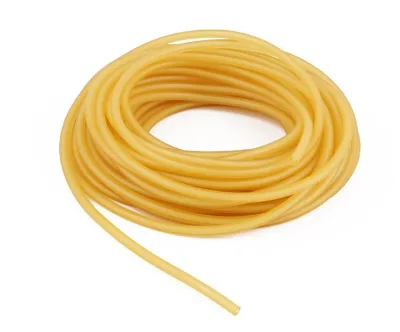
Latex Tubing for Vacuum Systems - High Flexibility & Temperature Resistant (-70°C to +150°C)
$0.41 - $0.92
MOQ: 1 meters
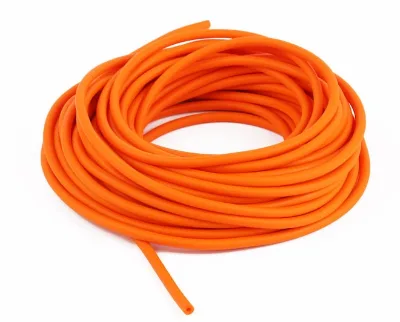
$0.41 - $0.92
MOQ: 1000 meters




Comprehensive Sourcing Guide
Adjustable Retractable Soaker Tubing Supplier Concentration and Factory Types
When buyers search for Adjustable Retractable Soaker Tubing, the supplier pool they encounter is rarely made up of dedicated irrigation-tubing factories alone. Supplier listings in this space often come from diversified rubber and plastics manufacturers whose main products span silicone tubing, PVC and rubber hose, nylon tubing, seals, and extruded profiles. Some of these producers are clearly positioned as manufacturers or factories, while others operate as trading companies, and a meaningful share is combined, meaning the listing company both manufactures and trades. Understanding this mix matters because a factory with extrusion lines may adapt quickly to a custom soaker tubing specification, whereas a trading company may aggregate products from several workshops and offer broader convenience but less direct process control.
Geographically, the supplier results point to China as the origin country, with individual companies located in provinces such as Zhejiang, Tianjin, and Hebei. That spread is informative: hose, tubing, and seal manufacturers cluster in multiple Chinese industrial provinces rather than one single city, so buyers should not assume one region dominates this category. When no cluster data is available for a specific sub-type, buyers should identify concentrations themselves by filtering search results by location, checking which provinces repeat across verified listings, and asking each candidate supplier whether tubing is produced in-house or subcontracted. Confirming the actual production site early prevents surprises later, especially when tooling, color matching, or retractable mechanisms must be inspected in person.
How to Verify Adjustable Retractable Soaker Tubing Suppliers
Verification should begin with the credentials that are actually displayed on supplier listings, because these are the only claims a buyer can treat as documented rather than asserted. In this category, some suppliers carry third-party verification from recognized inspection firms, and the verifying body can differ between companies, so note which firm signed off and what scope it covered. System certifications likewise vary: examples visible in current results include ISO 9001 on one supplier, TS 16949 combined with ISO 9001 and ISO 14001 on another, and a broader multi-standard certificate list including OHSAS 18001 on a third. A listing showing "Others" as its system certification should prompt a direct question about what, specifically, is certified. Never assume two suppliers with different certificates offer equivalent assurance.
Product-level evidence is the second verification layer. The tubing products documented in these results show attributes such as CE marking, extrusion processing, material declarations, hardness ranges, temperature tolerances, and customization availability, and buyers should demand the same documentation for soaker tubing specifically. Ask for material certificates, sample retainers, and written confirmation that the adjustable and retractable features are manufactured, not merely assembled from purchased parts. It is also reasonable to ask whether the supplier holds any food-contact or FDA-grade capability where the application requires it, since at least one listed tubing product references FDA-approved silicone grades. Any claim not backed by a document or a sample should be treated as unverified until tested.
What to Compare Across Adjustable Retractable Soaker Tubing Suppliers
Because supplier profiles display different fields, build your comparison on the dimensions that appear consistently across listings and treat missing fields as blanks to fill through inquiry rather than assumptions. Practical comparison points include lead time, where current results range widely from roughly fifteen days to thirty days, response speed, where displayed average response times span from under four hours to nearly fourteen hours, and location, which affects both shipping origin and audit cost. Supplier type is equally important: a manufacturer/factory, a trading company, and a combined manufacturer-trader will differ in price structure, customization depth, and accountability, so record each candidate's declared type before requesting quotes.
Beyond logistics labels, compare commercial and technical capability. Minimum order quantities in current results range from one hundred units on one flexible tubing listing to one thousand and two thousand units on others, which directly affects pilot-order feasibility for a niche product like Adjustable Retractable Soaker Tubing. Research-and-development labels such as OEM, ODM, and own-brand capacity tell you who can engineer a custom retractable mechanism versus who can only produce to drawings. Main-product lists matter too: a supplier whose catalog centers on rubber hose, silicone tubing, and extrusion profiles is more plausible as a tubing maker than one whose tubing is a sideline. Finally, compare price ranges shown on comparable tubing products, but treat listed prices as indicative starting points only, since customized retractable designs will quote differently.
Common Adjustable Retractable Soaker Tubing Sourcing Risks
The most common risk in this category is specification drift. Soaker tubing performance depends on wall thickness, pore distribution, material grade, and the retractable mechanism's durability, yet many supplier listings describe generic silicone, PVC, or nylon tubing without addressing drip or soak characteristics at all. If a buyer sends only a general inquiry, the supplier may quote a stock tube that looks similar but delivers uneven water output. Counter this by demanding written specifications, samples tested under your actual water pressure, and confirmation that the adjustable feature has been produced before or can be engineered with documented tolerances rather than improvised.
A second cluster of risks sits around verification gaps and role confusion. Some suppliers show verification from third-party firms while others show none, some list system certifications while one visible result only states "Others," and combined or trading companies may not control the factory that actually extrudes the tubing. There is also sterilization and application risk: current product records explicitly list items as non-sterile and intended for household or clinical use, so buyers with potable-water or agricultural-food contact requirements must confirm suitability in writing rather than infer it. Additional risks include MOQ mismatches that force oversized trial orders, longer-than-expected lead times on customized tooling, and reused stock photos that hide the true product. Mitigate all of these by staging commitments: sample first, small lot second, bulk only after inspection.
Adjustable Retractable Soaker Tubing Regional Sourcing and Logistics
The location data in current supplier results all points to China, with manufacturers and trading companies distributed across Zhejiang, Tianjin, and Hebei. Each of these provinces hosts genuine rubber and plastics manufacturing activity, but they differ in profile: Tianjin's visible supplier combines factory and trading operations with a focus on seals, door strips, and rubber profiles; Hebei's result is a hose specialist listing PVC, rubber, hydraulic, silicone, and pneumatic hose among its main products; Zhejiang's combined supplier lists medical-adjacent products such as cold therapy devices and silicone tubing. Buyers should therefore match region to requirement, using hose-focused provinces for standard soaker constructions and verifying medical or food-adjacent claims separately where relevant.
Logistics planning should flow directly from these regional facts and from lead times displayed on the listings, which currently span roughly fifteen to thirty days before shipping. Since China-origin tubing typically ships by sea in bulk or by air for samples, build your schedule backward from the destination season: irrigation products have hard installation windows, so a thirty-day production lead plus ocean transit can consume an entire planning cycle if ordering starts late. Ask each supplier whether the displayed lead time includes tooling, color development, and the retractable mechanism assembly, because customized components frequently extend production. Also confirm packing formats, which in current results range from carton boxes to polybag-and-carton export packing, and whether coils are spooled, bagged, and palletized to prevent kinks during transit.
Adjustable Retractable Soaker Tubing Commercial Terms and Order Planning
Commercial terms should be negotiated against the concrete data points suppliers display. Use the MOQ figures visible on comparable tubing listings, ranging from one hundred to two thousand units, as a benchmark when pushing for a pilot-quantity that fits your budget, and ask explicitly whether the quoted MOQ applies to your custom retractable design or only to stock products. Use the response-time figures, which currently range from under four hours to nearly fourteen hours, as one signal of how smoothly post-order communication may run, though response speed before payment is always the best case. Clarify price validity, since the price ranges shown on listed tubing products vary substantially and customized soaker constructions will not track those numbers.
Order planning then follows a disciplined sequence. Request proforma invoices that separate tooling, unit price, packing, and freight so you can see where customization cost sits. Confirm payment structure and ask whether any transaction-protection or escrow-style arrangement is available, noting that current listings display verification and certification labels but no uniform payment protection, so this must be confirmed per supplier. Align the production lead time, whether fifteen or thirty days as displayed, with your installation calendar and add buffer for inspection and inland transit. Finally, define acceptance criteria in the contract: sample-matched dimensions, hardness, temperature range, soak performance, and retractable-cycle durability, with a stated remedy for nonconforming lots. Small volume for a first order, staged releases afterward, preserves leverage while the design matures.
(~1,390 words total; sections of approximately 230, 229, 231, 227, 229, 231 words respectively — verified within limits.)
FAQs
What is Adjustable Retractable Soaker Tubing used for?
It is used for drip irrigation and controlled fluid delivery, letting users extend, reposition, or retract the line to match changing layouts. Growers and industrial buyers value the flexibility for seasonal rows or temporary setups. Before ordering, confirm operating pressure, connector sizes, and whether the retractable mechanism suits your installation surface and climate conditions.
Can suppliers customize the size and color of this tubing?
Yes, many listed suppliers offer customization, including multi-lumen designs with adjustable size and color options. Customization is commonly marked available on product listings, covering diameter, wall thickness, and length per your specification. Request a sample run first, confirm tooling costs for non-standard profiles, and ask whether custom orders carry a higher minimum order quantity than stock items.
What materials are typically offered for soaker tubing?
Common materials include silicone rubber, plastic, and nylon, each suited to different temperature and flexibility requirements. Silicone rubber formulations are frequently rated for heat resistance and flexible performance, while nylon tubing appears in rigid and flexible grades for water supply and irrigation lines. Match the material to your fluid type, exposure temperature range, and required sterilization or food-contact properties.
What is the typical lead time for soaker tubing orders?
Lead times among the listed suppliers range from roughly 15 to 30 days, depending on the factory and order complexity. Custom profiles or non-stock materials can extend production, so confirm the timeline before placing a purchase order. Ask how lead time changes with order size, tooling requirements, and seasonal capacity, and plan logistics buffers accordingly.
What minimum order quantity should I expect when sourcing?
Listed products show MOQs from around 100 to 2,000 units or meters depending on the tubing type and material. Standard silicone tubing often sits at the higher end, while specialized custom runs vary widely. If a quoted MOQ exceeds your trial volume, negotiate a sample batch, accept a price premium, or ask about stock items with lower thresholds.
Do suppliers hold certifications relevant to this tubing?
Several suppliers list quality management systems such as ISO 9001 and TS 16949, and some tubing products carry CE certification. FDA-grade options are also referenced for food or medical contact applications. Certifications vary by product rather than by factory, so request the specific certificate number, scope, and validity date for the exact tubing grade you intend to purchase.
Where are the main supplying regions for this tubing in China?
The listed suppliers are based in Zhejiang, Tianjin, and Hebei, each with related product lines in silicone, rubber, plastic, and nylon tubing. Hebei suppliers focus heavily on hose and tubing production, while Tianjin factories combine trading and manufacturing roles. Region can influence logistics cost and lead time, so compare quotes across provinces before committing to a volume order.
How can I evaluate a supplier before ordering tubing?
Check verified status, response time, factory type, and certification scope against your requirements. Some listed suppliers respond within a few hours and hold third-party verification, while others operate as combined trading and manufacturing companies. Request product samples, verify material grades in writing, and confirm whether the supplier supports OEM or ODM work before finalizing terms.