Aluminium Alloy Furniture Knob Suppliers and Manufacturers
Source Aluminium Alloy Furniture Knob options from 28 verified suppliers in China. Compare key dimensions such as lead times, MOQs, and ISO 9001 certifications to identify suitable partners. Review product specifications and request samples to validate quality before placing bulk orders.
Updated
Suppliers List

- Verified by SGS
- Manufacturer/Factory
- China Guangdong
- Lead time45 days
- Avg. response≤ 11h
Main productsDrawer Slide, Cabinet Hinge, Cabinet Handle, Wardrobe Tube, Cabinet Support, Cabinet Hanger, Kitchen Basket, Shelf Support, Kitchen Sink, Kitchen Bins
Main marketsSouth America,Eastern Europe,Mid East,North America,Western Europe,Africa

Furniture Accessories Supplier Aluminium Alloy Handle Cabinet Knob From China
$0.47 - $0.63
MOQ: 1000 Pieces

Furniture Accessories Supplier Kitchen Cabinet Handle Aluminum Alloy Knob
$0.37 - $0.51
MOQ: 2000 Pieces

Furniture Hardware Aluminium Alloy Cabinet Handle Cabinet Knobs From China
$0.47 - $0.63
MOQ: 1000 Pieces


Cabinet and Furniture Hardware Aluminum Drawer Knob China Wholesale Manufacturer
$0.728 - $1.037
MOQ: 300 Pieces

Wenzhou Filta Hardware Co., Ltd.
- Trading Company
- Lead time旺季: , 淡季:
- Avg. response≤ 5h
Main productsFurniture Handle, Function Hardware, Door Handle, Smart Lock, Bathroom Accessories

- Combined
- China Guangdong
- Lead time45 days
- Avg. response≤ 4h
Main productsDoor Handle, Door Lock, Door Hinge, Door Bolt, Cabinet Handle, Cabinet Hinge, Door Closer, Barn Door Hardware, Door Stopper, Glass Hardware
Main marketsSouth America,Southeast Asia/ Mideast,East Asia(Japan/ South Korea),Domestic,Europe,North America


China Top Quality Zinc Alloy Antique Brass Color Furniture Cabinet Door Knobs
$1.50 - $1.80
MOQ: 500 Pieces


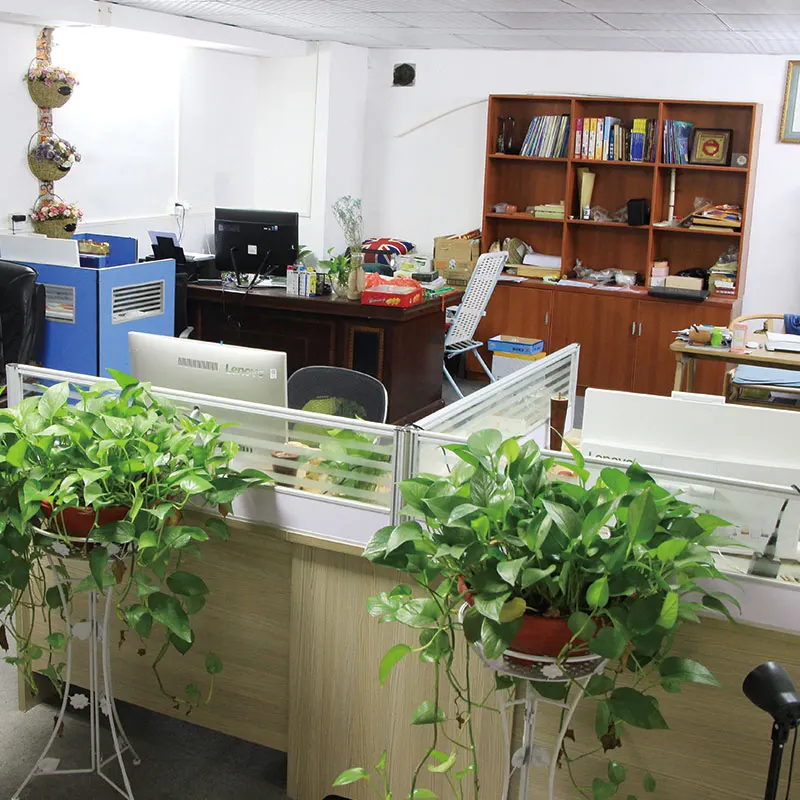
Dongguan Hongshun Furniture Accessories Co., Ltd.
- Manufacturer
- Guangdong, China
- Lead time15 days
- Avg. response≤ 4h
Main productsWooden Sport Products,Wooden Gifts,Wooden Toys,Wood Crafts,Wooden Accessories
Main marketsDomestic Market(30.00%), Western Europe(10.00%), North America(10.00%), South America(10.00%), Eastern Europe(8.00%), Northern Europe(8.00%), Southeast Asia(5.00%), Central America(5.00%), Oceania(5.00%), Eastern Asia(3.00%), Southern Europe(2.00%), South Asia(2.00%), Mid East(1.00%), Africa(1.00%)

Jiangmen Tianhao Hardware And Electric Appliance Co.,Ltd
- Verified by TUVRHEINLAND
- Manufacturer/Factory
- China Guangdong
- Lead time30 days
- Avg. response≤ 14h
Main productsDrawer Slides, Cabinet Hinges, Door Hinges, Kitchen Accessories, Wardrobe Accessories, Kitchen Drawer Basket, Ball Bearing Slides, Furniture Hardware, Furniture Fittings, Cabinet Handles
Main marketsSouth America,Eastern Europe,North America,Oceania,Western Europe
Meilv Hardware Products Co., Ltd.
- Manufacturer
- Lead time旺季: "1 - 100":7,"101 - 500":14,"> 500":"To be negotiated", 淡季: "1 - 100":7,"101 - 500":14,"> 500":"To be negotiated"
- Avg. response≤ 4h
Main productsFurniture Handle,Kitchen Handle,Wardrobe Handle,Cabinet Handle,Zinc Handle
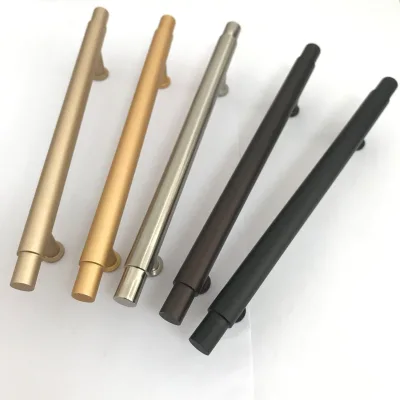
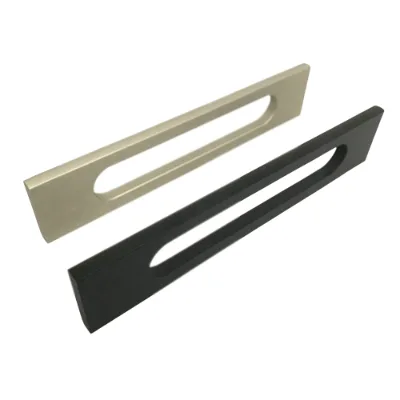
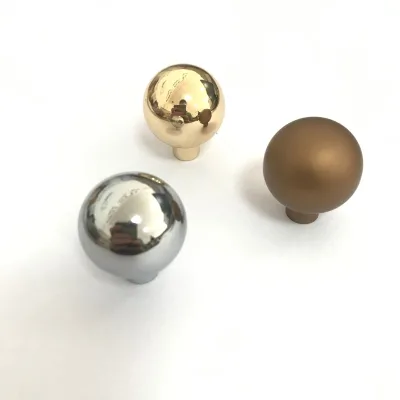
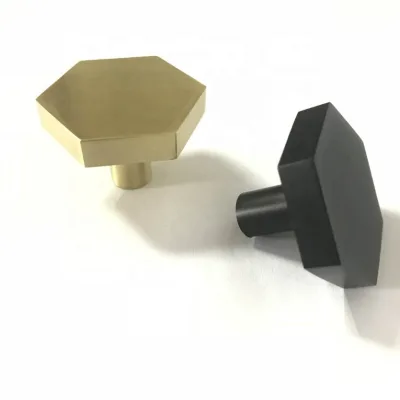
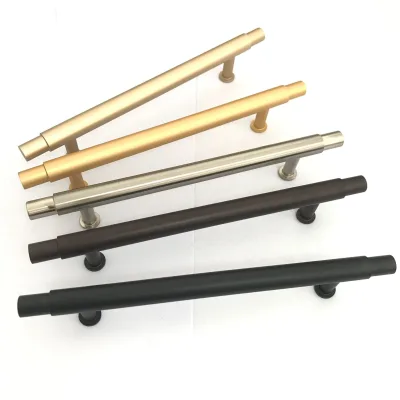
High Quality 96mm 128mm Brass Gold Matte Furniture Cabinet Door Aluminum Handle
$1.10 - $1.20
MOQ: 200 pieces
Foshan Kadit Hardware Company Limited
- Manufacturer
- Guangdong, China
- Lead time15 days
- Avg. response≤ 5h
Main productscabinet handle,aluminium handle,profile handle,led cabinet light,furniture handle
Main marketsDomestic Market(35.00%), South America(20.00%), North America(15.00%), Western Europe(15.00%), Oceania(15.00%)
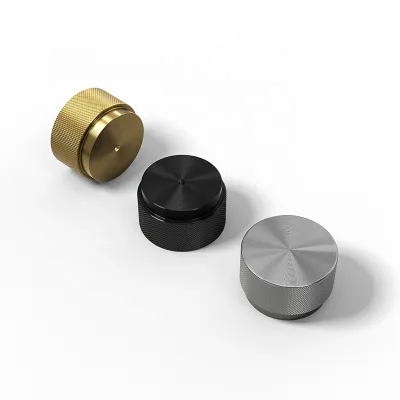
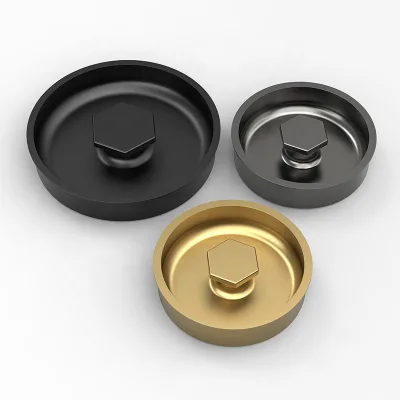
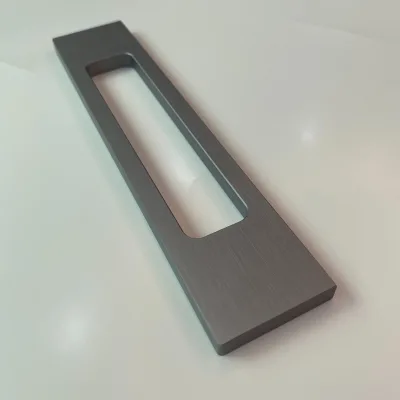
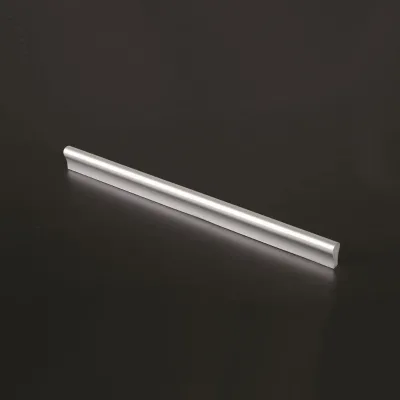
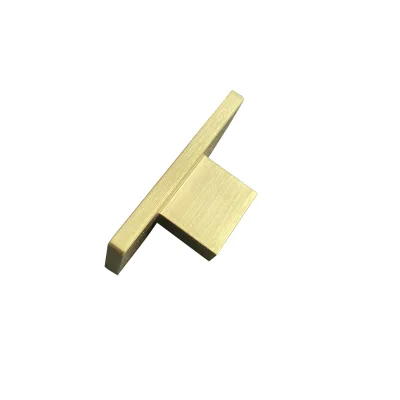
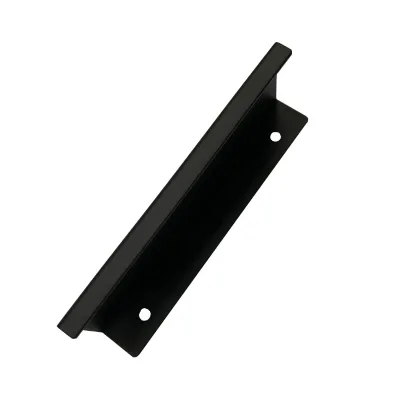
Hot Sale Square Knobs for Kitchen Aluminum Furniture Knobs Brush Golden Knobs
$0.50 - $0.90
MOQ: 500 pieces

- Verified by TUVRHEINLAND
- Combined
- China Guangdong
- Lead time30 days
- Avg. response≤ 6h
Main productsCabinet Handle, Door Handle, Door Lock, Furniture Knob, Cabinet Hinge, Drawer Slide, Door Hinge, Mortise Lock, Cylinder Lock, Door Stopper
Main marketsSouth America,Southeast Asia/ Mideast,Europe

Zhaoqing Yuxinda Hardware Products Co., Ltd.
- Verified by BV
- Combined
- China Guangdong
- Lead time15 days
- Avg. response≤ 3h
Main productsShower Hinge, Glass Clamp
Main marketsSouth America,Africa,Southeast Asia/ Mideast,East Asia(Japan/ South Korea),Europe,North America

- Combined
- China Guangdong
- Lead time23 days
- Avg. response≤ 2h
Main productsSofa Leg, Tube, Gas Spring, Handle, Furniture Hardware
Main marketsSouth America,Africa,Southeast Asia/ Mideast,East Asia(Japan/ South Korea),Domestic,Europe,Australia,North America
Hangzhou Enmu Trading Co., Ltd.
- Verified by Intertek
- Trading Company
- Lead time30 days
- Avg. response≤ 7h
Main productsHandle, Door Lock, Switch, Screw, Towel Rack
Main marketsOceania(25%), Eastern Europe(20%), Eastern Asia(12%)

- Verified by SGS
- Manufacturer/Factory
- China Guangdong
- Lead time45 days
- Avg. response≤ 6h
Main productsTable Leg, Handle, Bolt, Screw, Shelf Support, Knob, Connectors, Castor, Furniture Hardware Fitting, Furniture Hardware
Main marketsSouth America,Eastern Europe,Mid East,North America,Eastern Asia,Oceania,Western Europe


Zinc Alloy Furniture Knob Handle Furniture Hardware Accessories Wardrobe Handle
$0.15
MOQ: 2000 Pieces

Xiamen GQK Intelligent Technology Co., Ltd.
- Manufacturer
- Fujian, China
- Lead time0 days
- Avg. response≤ 1h
Main productsfurniture hardware,cabinet handle,hinges silde,aluminum door,cabinet kitchen hardware
Main marketsSouth America(31.00%), North America(28.00%), Eastern Europe(10.00%), Western Europe(6.00%), Southern Europe(5.00%), Oceania(5.00%), Northern Europe(5.00%), Africa(4.00%), Southeast Asia(2.00%), South Asia(1.00%), Mid East(1.00%), Eastern Asia(1.00%), Central America(1.00%)
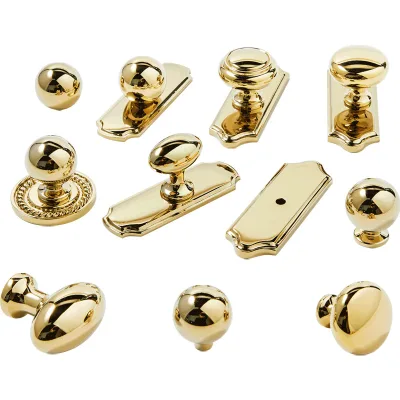
Brass Multi-functional Furniture Handles and Knobs
$1.71 - $2.02

Guangzhou Huishengfa Hardware Products Co., Ltd.
- Manufacturer, Trading Company
- Guangdong, China
- Lead time10 days
- Avg. response≤ 5h
Main productsFurniture joint connector,Furniture Handles & Knobs,Drawer slides,Hinge,Shelf support
Main marketsSoutheast Asia(9.00%), Northern Europe(9.00%), North America(9.00%), Eastern Asia(8.00%), Mid East(8.00%), Oceania(8.00%), Africa(8.00%), Eastern Europe(8.00%), South America(7.00%), Western Europe(7.00%), South Asia(3.00%)
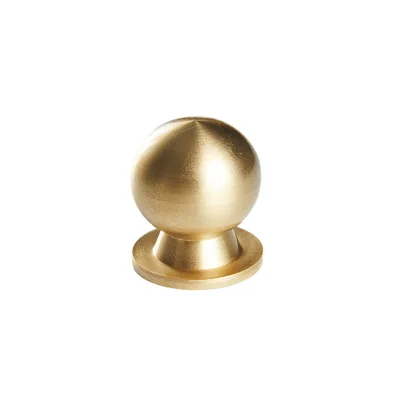
$0.4254 - $0.4883
MOQ: 20 pieces
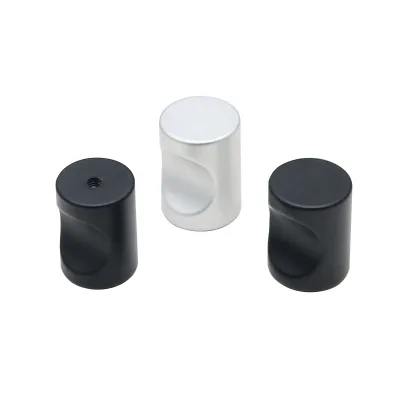
Simple Cabinet Door Handle and Knob Round Handle Thumb Door Handle Single Hole Knob
$0.1334 - $0.1437
MOQ: 1 pieces
Guangzhou Xiongfeng Hardware Co., Ltd.
- Manufacturer, Trading Company
- Guangdong, China
- Lead time0 days
- Avg. response≤ 1h
Main productsHome hardware series,Furniture hardware,Wire Rope Hook,hardware tools,Power tools
Main marketsNorth America(50.00%), South America(30.00%), Eastern Europe(20.00%)
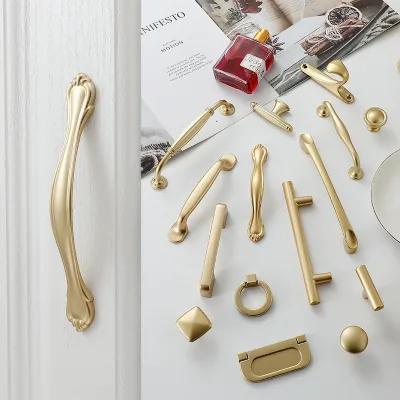
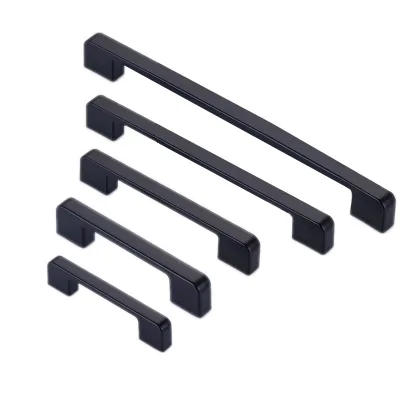
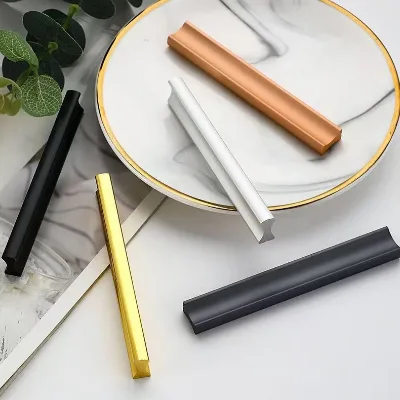
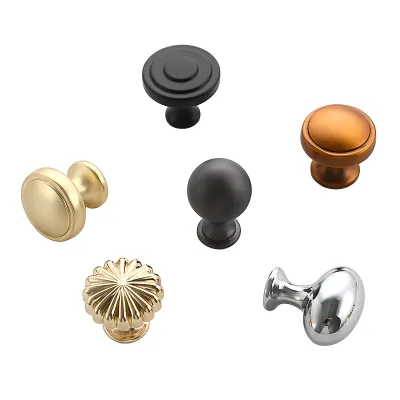
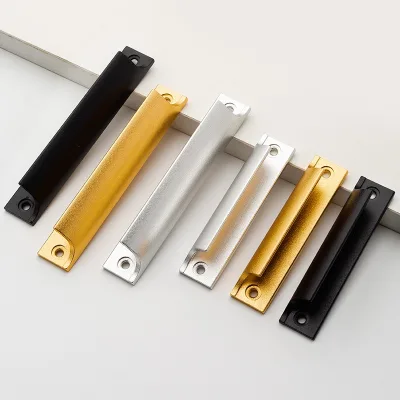
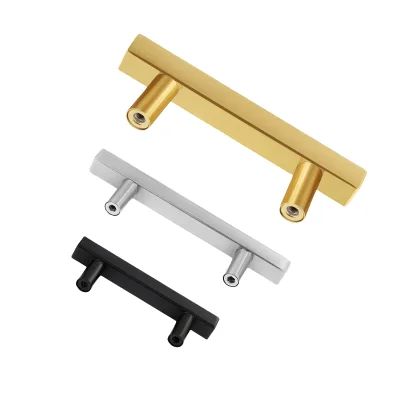
$0.1573 - $2.5166
MOQ: 2 Minimum

- Verified by SGS
- Combined
- China Guangdong
- Lead time23 days
- Avg. response≤ 2h
Main productsShower Hinge, Glass Connector, Glass Clamp, Glass Hinge, Sliding Door Accessories, PVC Seal, Handrail, Spider, Glass Lock
Main marketsSouth America

Jiangmen Yako Hardware Manufacturer Co.,Ltd
- Verified by TUVRHEINLAND
- Manufacturer/Factory
- China Guangdong
- Lead time45 days
- Avg. response≤ 3h
Main productsDoor Hinge, Door Handle, Door Stopper, Door Lock, Shower Door Hinge, Glass Clamp, Furniture Handle, Mailbox, Railing Bracket, Pull Handle
Main marketsSouth America,Eastern Europe,Mid East,North America,Southeast Asia,Eastern Asia,Oceania,Western Europe,Africa
Jiangmen Degol Hardware Co., Ltd.
- Verified by SGS Group
- Manufacturer, Trading Company
- Lead time35 days
- Avg. response≤ 3h
Main productsHandles, Hinges, Door Closers, Locks
Main marketsNorth America(20%), South America(20%), Mid East(12%)
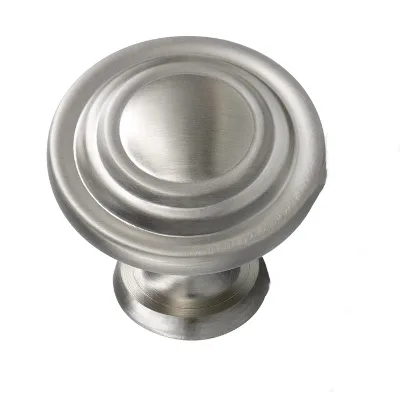
Retro style China furniture hardware factory steering knob door handle
$0.9722 - $1.3108
MOQ: 1000 pieces
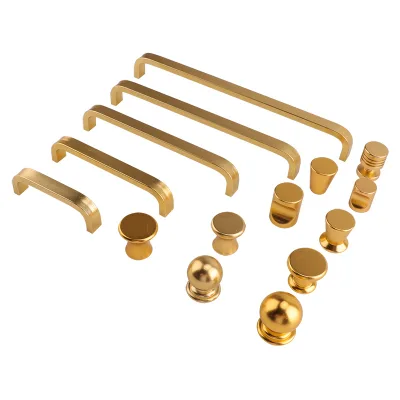
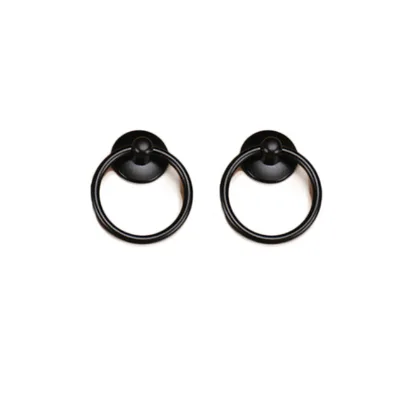
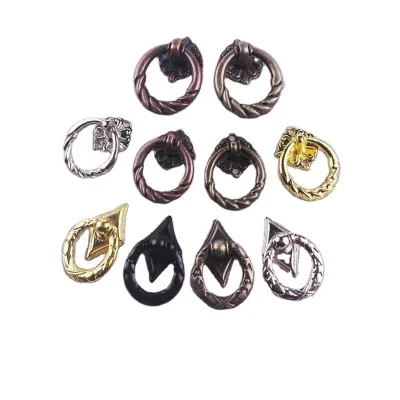
Cabinet Ring Pull Handles Metal Drawer Ring Knobs for Cabinets Dressers Wardrobes
$0.25 - $0.80
MOQ: 1000 Minimum
Guangdong Yinglan Hardware Technology Co., Ltd.
- Manufacturer
- Guangdong, China
- Lead time25 days
- Avg. response≤ 6h
Main productsaluminium handle,aluminium edge banding,aluminium trim strip,aluminium frame,aluminium straightening fitting
Main marketsDomestic Market(25.00%), North America(10.00%), Western Europe(10.00%), Eastern Europe(5.00%), South Asia(5.00%), Southern Europe(5.00%), Northern Europe(5.00%), Central America(5.00%), South America(5.00%), Eastern Asia(5.00%), Mid East(5.00%), Oceania(5.00%), Africa(5.00%), Southeast Asia(5.00%)

Guangzhou Yiming Trading Co., Ltd.
- Trading Company
- Guangdong, China
- Lead time5 days
- Avg. response≤ 4h
Main productshardware,building material,home decoration,furniture hardware
Main marketsSoutheast Asia(40.00%), Mid East(30.00%), Western Europe(10.00%)
Chongqing Dazu District Caiyi Hardware Factory
- Verified by Intertek
- Manufacturer, Trading Company
- Lead time15 days
- Avg. response≤ 1h
Main productsFurniture Legs, Drawer Slides, Nails, Hinges, Other Hardware Accessories
Main marketsDomestic Market(68%), South America(8%), North America(5%)
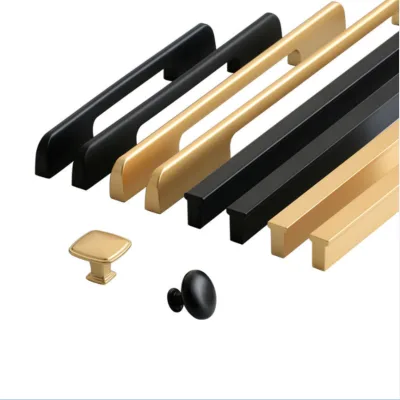
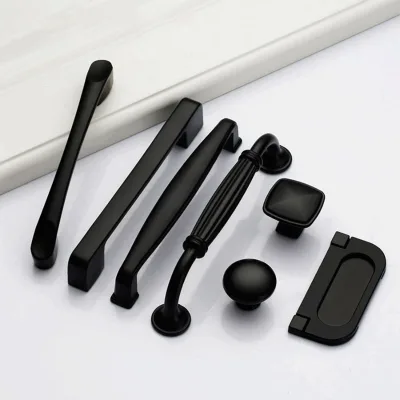
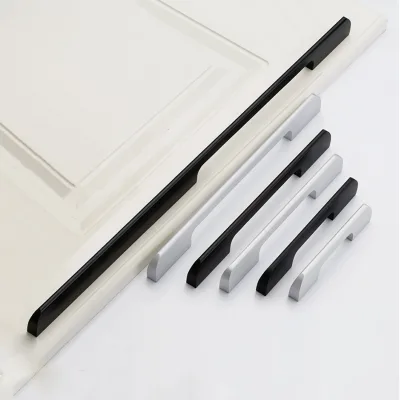
$0.1962 - $1.1115
MOQ: 100 Minimum

NINGBO TONGYI METALWORK CO.,LTD.
- Manufacturer/Factory
- China Zhejiang
- Lead time60 days
- Avg. response≤ 10h
Main productsDoor Lock, Cabinet Pull, Adjustable Leg, Latch, Sink Drain, Hook, Door Stop, Knob, Door Catch, Furniture Handle
Main marketsSouth America,Eastern Europe,Mid East,North America,Southeast Asia,Eastern Asia,Oceania,Western Europe
Wenzhou Lucheng District Yangyi Hongyingmen Hardware Factory
- Manufacturer, Trading Company
- Zhejiang, China
- Lead time0 days
- Avg. response≤ 3h
Main productsFurniture Handle,Furniture Hardware Accesories,Cabinet Knobs,Hook,Door Handle
Main marketsMid East(40.00%), Domestic Market(20.00%), South America(20.00%), Southeast Asia(10.00%), Eastern Europe(10.00%)
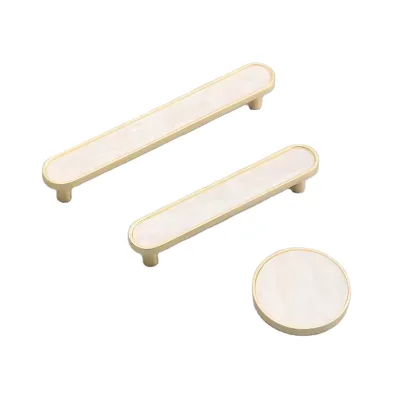
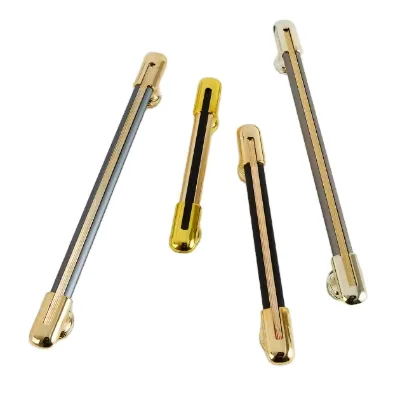
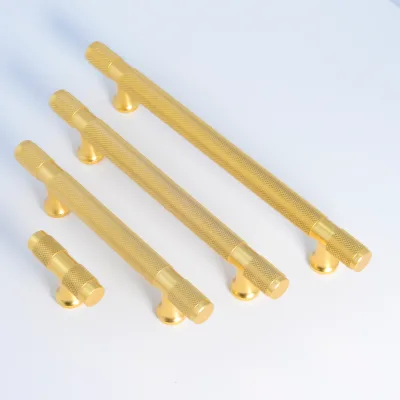
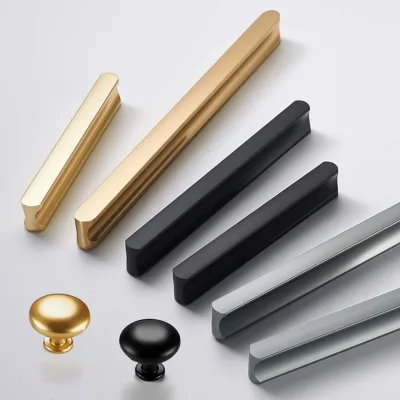
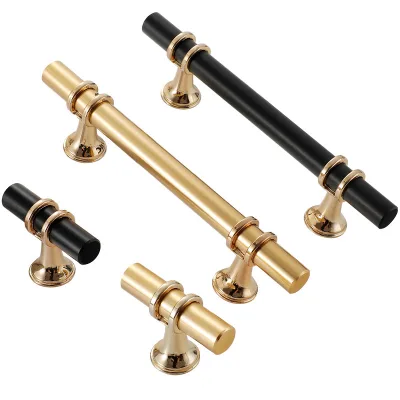
European Style Closet Knob Pull Handle Aluminum Stainless Steel Gold Door Handles Design and Knobs
$0.2097 - $0.3146
MOQ: 1 pieces

Hengshui Lihao Import And Export Trading Co., Ltd.
- Trading Company
- Hebei, China
- Lead time15 days
- Avg. response≤ 4h
Main productsMen's clothing,Women's clothing,Underwear,watch,socks
Main marketsNorth America(50.00%), Eastern Europe(10.00%), Southeast Asia(9.00%), Western Europe(5.00%), South America(5.00%), Africa(4.00%), Eastern Asia(4.00%), Mid East(4.00%), Oceania(4.00%), Domestic Market(1.00%), South Asia(1.00%), Southern Europe(1.00%), Northern Europe(1.00%), Central America(1.00%)
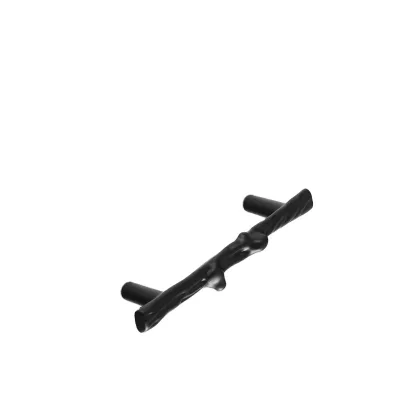
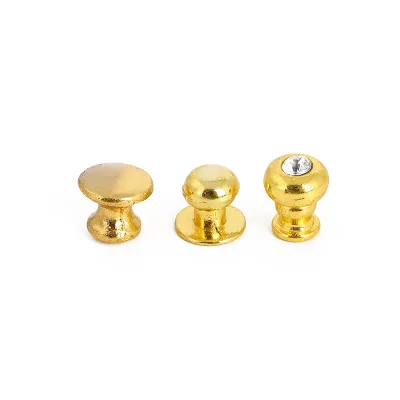
Style Door Handle Middle Antiqued Cabinet Door Knob for Wardrobe & Drawer Furniture Handles Knobs
$0.15 - $0.68
MOQ: 10 Minimum
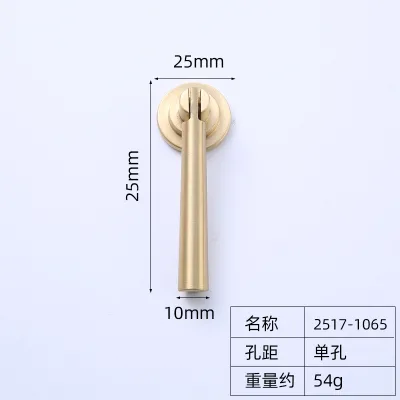
High Quality Hot Selling Brass Handle Hardware Door Knobs Brass Cabinet Handles
$1.70 - $4.54
MOQ: 200 Minimum
Jiangyin Yonghao Machinery Co., Ltd.
- Verified by TüVRheinland
- Manufacturer, Trading Company
- Lead time7 days
- Avg. response≤ 4h
Main productsMetal Stamping Parts, Metal Welding Parts, Metal CNC Machining Parts, Moulds
Main marketsDomestic Market(23%), North America(17%), Western Europe(10%)
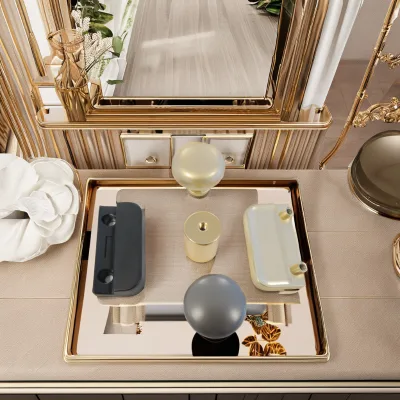
$1.5954 - $1.9144
MOQ: 500 pieces
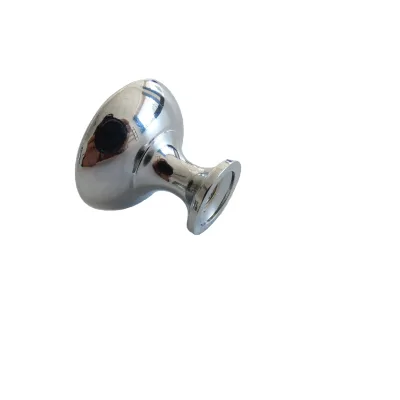

- Verified by BV
- Manufacturer/Factory
- China Guangdong
- Lead time23 days
- Avg. response≤ 11h
Main productsCNC Machining Part, CNC Milling Part, CNC Turning Part, Screw, Prototype, Gear, Shaft, Washer, Nozzle, Pin
Main marketsSouth America,Eastern Europe,Mid East,North America,Southeast Asia,Eastern Asia,Oceania,Western Europe,Africa
Guangzhou Longcharm Hardware Co., Ltd.
- Manufacturer, Trading Company
- Guangdong, China
- Lead time25 days
- Avg. response≤ 7h
Main productsDoor Catch,Sliding Door Buffers,Glass Clamp,Concealed Hinge,Support
Main marketsMid East(40.00%), North America(10.00%), Southeast Asia(10.00%), South Asia(5.00%), Southern Europe(5.00%), Northern Europe(5.00%), Central America(5.00%), Eastern Asia(5.00%), Eastern Europe(5.00%), Oceania(5.00%), South America(5.00%)
Zhaoqing Gaoyao Jinli Nanfang Metal Products Co., Ltd.
- Manufacturer
- Guangdong, China
- Lead time35 days
- Avg. response≤ 20h
Main productsFurniture Lock,Furniture Handle,Table Leg,Cloth Hook,Drawer Slide
Main marketsMid East(41.00%), Domestic Market(40.00%), Eastern Europe(10.00%), South America(6.00%), North America(3.00%)
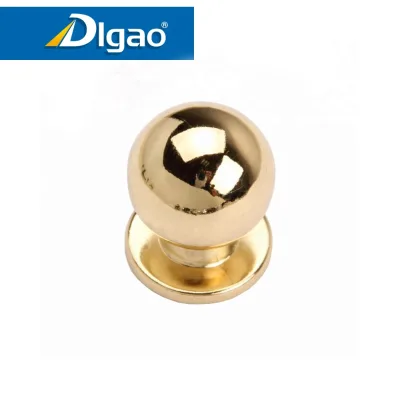
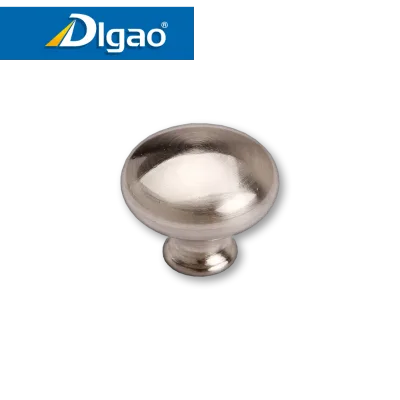
Modern Kitchen Brushed Nickel Cabinet Knobs Wardrobe Door Metal Round Knob Handle
$0.56 - $0.60
MOQ: 2000 Minimum
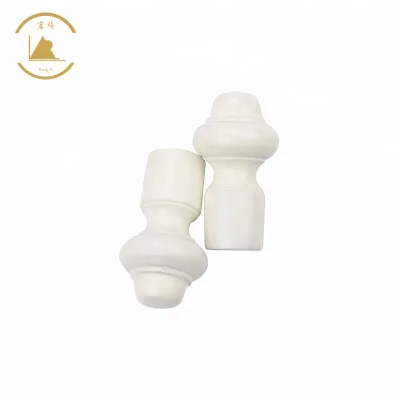
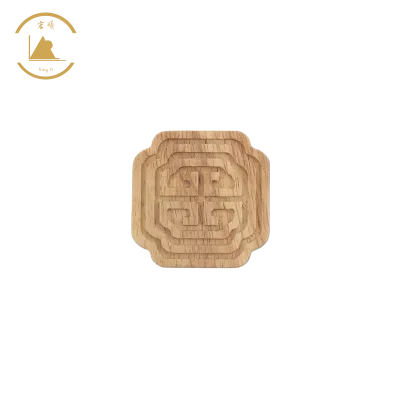


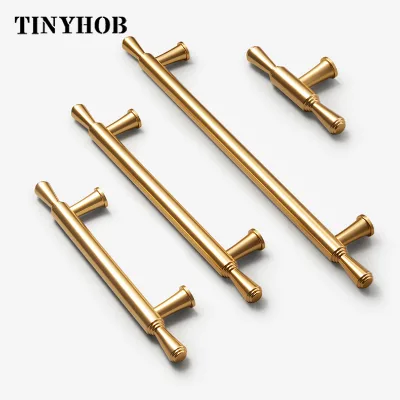
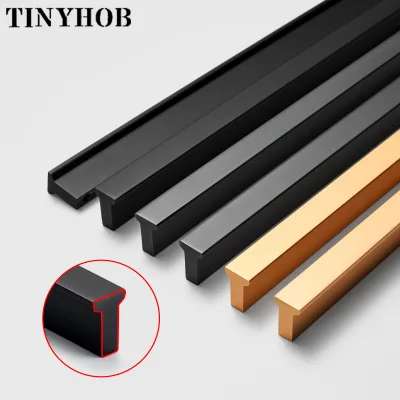


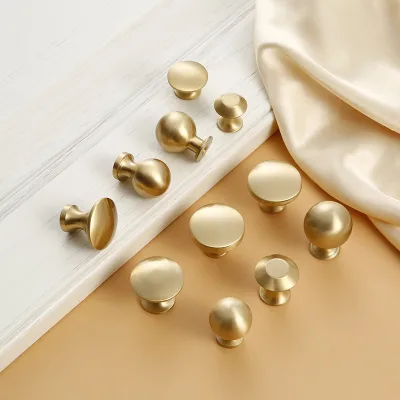


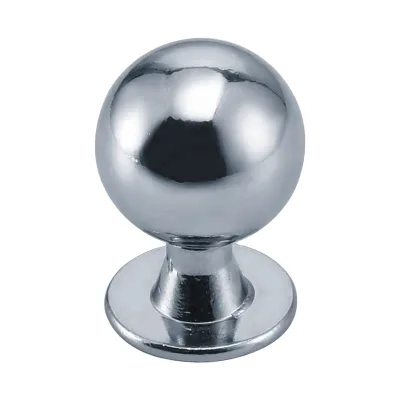
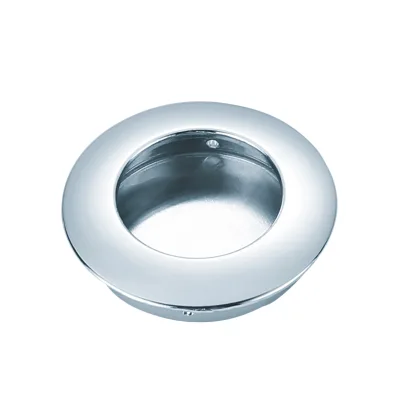
Comprehensive Sourcing Guide
Aluminium Alloy Furniture Knob Supplier Concentration and Factory Types
When you search for Aluminium Alloy Furniture Knob suppliers, you will encounter two broad company types: manufacturers that run their own die-casting, machining, and finishing lines, and trading companies that consolidate output from several factories. On this page, one listed company is identified as a manufacturer/factory based in Guangdong, China, with a main product portfolio spanning drawer slides, cabinet hinges, handles, kitchen baskets, and sinks — a typical hardware-fittings scope where knobs are one SKU among many. Another listed company is identified as a trading company whose portfolio includes furniture handles, door handles, smart locks, and bathroom accessories. Recognizing this difference matters because a factory can usually respond faster on tooling changes and custom finishes, while a trading company may offer broader product bundling for a full cabinet program.
Location evidence in current results points to Guangdong as a listed company base, and one product record states a place of origin of Zhejiang, China — so knob production in China is not confined to a single province. Where a result does not state a location, do not assume one; instead, ask each candidate for its registered address and manufacturing site, then check whether the site is in a recognized hardware-fittings cluster. Clusters matter because nearby anodizing, plating, and packaging vendors shorten turnaround on secondary processes that a knob factory may outsource.
How to Verify Aluminium Alloy Furniture Knob Suppliers
Verification starts with third-party evidence rather than self-declared claims. In the current results, one supplier carries ISO 9001 system certification and is verified by SGS, both of which are meaningful signals: ISO 9001 indicates a documented quality management system, while SGS verification means an independent body has audited the company's registration details. Where neither appears on a listing, treat the profile as unverified and compensate with your own checks — request the business license number, confirm the legal entity name matches the export account name, and ask for recent third-party inspection reports on the specific knob models you intend to order.
Operational responsiveness is a second verification layer. The results show response times of roughly 10.74 hours for one listed company and 5 hours for another, so record how quickly each candidate replies to your first inquiry and compare against these displayed figures. Next, test product-level honesty: the listings here cite concrete data such as model numbers (for example HT-11-AL025, HT-11-AL019, and HT-11. D1140), heights of 25mm, 26mm, 28mm, 30mm, and 34mm, weights in grams, and packing details like 700 pcs per carton. A supplier who supplies this level of specification unprompted is easier to audit. Finally, request a sample before committing; one product record explicitly states sample availability, and OEM service is marked available on several listings, which you should confirm in writing with a named contact.
What to Compare Across Aluminium Alloy Furniture Knob Suppliers
Build a comparison table using the attributes actually displayed in the listings, and leave cells blank rather than guessing where an attribute is missing. Useful dimensions here include supplier type (manufacturer versus trading company), location, response time, lead time, certification and verification badges, main product range, and product-level specifics such as MOQ, price range, material, dimensions, and finish options. For example, listed knob prices in the current results range roughly from 0.37 to 1.36 US dollars per piece depending on model and size, and MOQs vary from 300 pieces on one mushroom-knob model to 1000 or 2000 pieces on others. A supplier whose MOQ does not fit your pilot volume should be filtered out early.
Compare lead times too: one listed factory states a 45-day lead time, which you should use as an anchor when asking others to quote theirs. Response speed of about 5 versus 10.74 hours is a practical proxy for account-management quality. Weigh the breadth of main products as well — a supplier whose range covers drawer slides, hinges, handles, and kitchen fittings may let you consolidate orders, while a knob-only vendor may offer deeper specialization. Also compare customization signals: several listings state customization and OEM service as available, and one factory notes its own brand alongside OEM capability. Establishment year is a label that may or may not be displayed; if absent, ask directly rather than inferring stability from profile polish.
Common Aluminium Alloy Furniture Knob Sourcing Risks
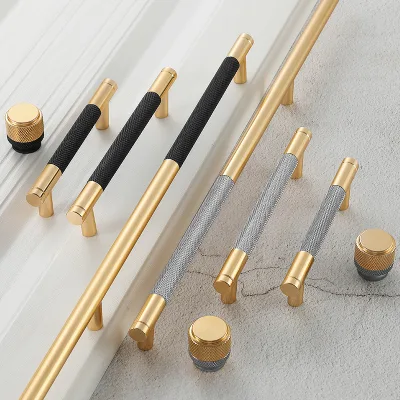
The most frequent risk in this category is specification drift between sample and bulk production. Knob listings here document tight dimensions — heights of 25mm to 34mm, a 30mm diameter mushroom shape, and unit weights such as 17g and 27g — so small casting or machining deviations change the feel and fit of the knob. Insist that the bulk product matches the approved golden sample on weight, height, thread spec, and finish, and note that screws are commonly supplied with the knob (one listing states two pieces of screws included), so verify screw length and head style too. A second risk is finish inconsistency: one listing advertises black and golden finishes with a brushed-gold wardrobe knob variant, and anodized or plated aluminium can vary in tone between batches without a controlled color standard.
Third, watch for MOQ and packing surprises. Packing here runs from 250 pcs per carton on one model to 700 pcs per carton on others, which affects freight volume and per-unit landed cost; confirm carton dimensions (one listing cites 43.52735.5) before booking. Fourth, trading-company pass-through can add a margin and blur accountability for defects — one listed company is explicitly a trading company, which is legitimate but changes who controls corrective action. Finally, unverified profiles without certification or escrow-style protections carry higher counterparty risk; one result shows SGS verification and ISO 9001, so treat their absence elsewhere as a reason to add payment and inspection safeguards, not as automatic disqualification.
Aluminium Alloy Furniture Knob Regional Sourcing and Logistics
Current results give you two concrete regional anchors: a manufacturer/factory registered in Guangdong, China, and a product record stating a place of origin of Zhejiang, China with dispatch ports of Ningbo or Shanghai. This tells you that knob sourcing itineraries differ by province: a Guangdong-based factory typically ships via Pearl River Delta ports, while a Zhejiang-origin product naturally routes through Ningbo or Shanghai, as the listing itself states. When you shortlist suppliers, map each one's registered location to its nearest export port, then quote ocean freight from that port rather than a generic China-wide rate, because inland drayage can shift your landed cost meaningfully on a low-value, high-volume item like a knob.
Because knobs are heavy relative to their value — individual weights of 17g to 27g per piece and carton packing of 250 to 700 pieces — freight efficiency depends on carton cube utilization, so request exact carton dimensions and ask whether mail packing is possible; one listing explicitly marks mail packing as Y. Supply capacity is another logistics variable: one listed product states a supply ability of 10,000,000 pieces per month, which you should verify against your seasonal peaks rather than accepting at face value. Where a supplier's location is not displayed in the results, ask for the factory address and confirm whether secondary processes such as anodizing happen in-house or at nearby subcontractors, since outsourced finishing adds handling time to the stated lead time.
Aluminium Alloy Furniture Knob Commercial Terms and Order Planning
Anchor your commercial terms to the displayed data and negotiate around it. Listed unit prices span roughly 0.37 to 0.51, 0.47 to 0.63, 0.495 to 0.527, 0.728 to 1.037, and 0.82 to 1.36 US dollars across different models, so always quote by exact model number — for instance HT-11-AL018, HT-11-AL019, or HT-11. D1140 — because price correlates with size, weight, and finish complexity. Confirm the MOQ per model in writing: displayed MOQs are 300, 1000, and 2000 pieces depending on the listing, and mixing models on one purchase order may trigger separate MOQs per SKU. A lead time of 45 days is stated for one listed factory; use it as the baseline for your order calendar and add buffer for finishing and inspection.
Plan order quantities against packing and port data: cartons of 250 or 700 pieces, two screws per piece, and dispatch via Ningbo, Shanghai, or a Guangdong port all influence container planning. On payment, prefer structures that protect you when verification badges are absent — one supplier here is SGS-verified, but others on the page show no such badge, so scale payment protection to the evidence. Confirm customization terms (several listings state customization and OEM available) with a written spec sheet, agree on sample costs and whether they credit against bulk, and record who pays for finish-matching on reorders. Finally, ask about escrow or equivalent transaction protection if displayed, and lock reinspection rights before shipment.
FAQs
What is the typical lead time for aluminium alloy furniture knobs?
Manufacturers in China Guangdong typically require 45 days to produce and ship aluminium alloy furniture knobs. This timeline accounts for material sourcing, manufacturing, and quality checks. Buyers should confirm specific delivery schedules with suppliers before placing bulk orders to ensure alignment with project deadlines.
What is the minimum order quantity for aluminium alloy cabinet knobs?
Minimum order quantities vary by supplier and product model. Some manufacturers require 1000 pieces, while others set the threshold at 2000 pieces. A few suppliers offer lower MOQs of 300 pieces for specific mushroom-style knobs. Buyers should verify the exact MOQ for their chosen model.
Are aluminium alloy furniture knobs customizable for branding?
Yes, customization is available for many aluminium alloy furniture knobs. Suppliers offer OEM services and allow customized designs to meet specific branding needs. Buyers can request tailored styles, finishes, or packaging. It is advisable to discuss customization options and potential additional costs directly with the manufacturer.
What certifications do Aluminium Alloy Furniture Knob suppliers hold?
Many manufacturers hold ISO 9001 system certification, ensuring quality management standards are met. Additionally, some suppliers undergo SGS verification for product reliability and safety. Buyers should request copies of these certificates to verify compliance with international standards before finalizing procurement agreements for furniture hardware.
What is the price range for aluminium alloy cabinet knobs?
Prices for aluminium alloy cabinet knobs typically range from $0.37 to $1.04 per piece. The cost depends on the model, height, and finish. For example, standard drawer knobs may cost around $0.47, while mushroom-style knobs can reach $1.04. Bulk orders often influence the final unit price.
How quickly do suppliers respond to sourcing inquiries?
Response times vary among suppliers, with some responding within 5 hours and others taking up to 10.74 hours. Faster response times indicate active customer support teams. Buyers seeking urgent quotes should prioritize suppliers with shorter response windows to ensure timely communication and order processing.
Where are aluminium alloy furniture knobs primarily manufactured?
Aluminium alloy furniture knobs are primarily manufactured in China, specifically in regions like Guangdong and Zhejiang. These areas are known for their robust hardware production capabilities. Buyers can find a wide variety of styles and finishes from these manufacturing hubs, ensuring access to diverse product options.