Source Silent Adjustable Medical Bed Castors for Hospitals
Find 30 Silent Adjustable Medical Bed Castors from verified Chinese manufacturers. Compare specifications like load capacity, material, and locking mechanisms to select the right components for hospital beds and medical furniture; compare the available evidence and request quotations based on your requirements.
Key considerations
Products List


$150.00 - $250.00
MOQ: 10 Pieces

Patient Hospital Furniture Manufacturer Three Crank ABS Manual Medical Bed
$200.00 - $300.00
MOQ: 1 Pieces


Medical Products 3 Cranks Hospital Manual Adjustable Bed with Central Brake Castors
$360.00 - $400.00
MOQ: 20 Pieces

Better Medical 2 Function Manual Hospital Bed for Patient with Central-Brake Castors
$290.00 - $320.00
MOQ: 50 Pieces
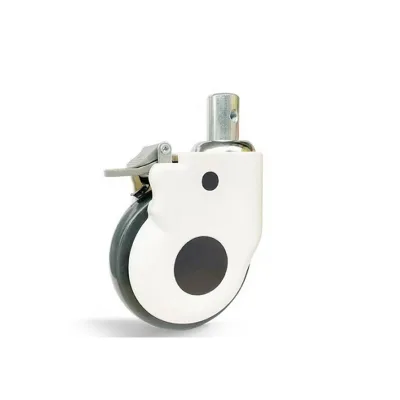
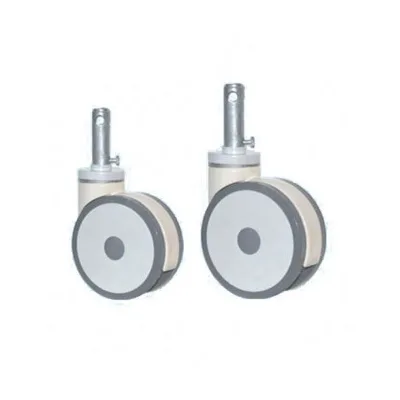
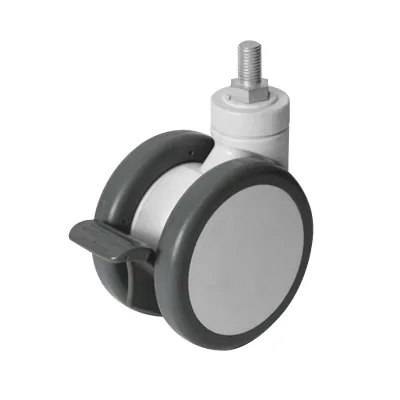


Comprehensive Sourcing Guide
Silent Adjustable Medical Bed Castors Sourcing Guide
Procuring high-quality castors for adjustable medical beds requires a nuanced understanding of both mechanical performance and clinical environment demands. These components are critical for patient safety, staff ergonomics, and overall bed stability during routine adjustments. Buyers must prioritize wheels that offer smooth, silent rolling to maintain a quiet hospital atmosphere while ensuring precise locking mechanisms prevent unintended movement. The selection process involves balancing load capacity, floor compatibility, and durability against initial procurement costs and long-term maintenance requirements.
This guide focuses on the specific attributes observed in current market listings, such as noiseless designs, brake functionality, and material composition. It provides a structured approach for evaluating suppliers based on verifiable technical data rather than marketing claims. By adhering to strict verification protocols, procurement teams can mitigate risks associated with premature wear, inadequate load bearing, or non-compliant materials. The following sections detail the essential steps for identifying reliable sources and ensuring that selected castors meet rigorous medical-grade standards.
Product Scope and Observed Listing Signals
The current market for medical bed castors reveals a diverse range of product specifications, with observed prices spanning from $1.60 to $643 USD. This wide variance suggests significant differences in material quality, manufacturing origin, and included features such as integrated braking systems or specialized locking mechanisms. Buyers should note that the minimum order quantities (MOQ) typically range from 1 to 500 units, indicating flexibility for both small-scale replacements and large-scale hospital outfitting projects. Understanding these market signals helps in budgeting and negotiating terms with potential suppliers.
Observed listings frequently highlight specific technical attributes, such as 125mm diameter wheels and noiseless operation, which are critical for clinical environments. Some suppliers offer customization options and OEM services, allowing for tailored solutions that match existing bed frames or specific hospital protocols. The presence of certifications like ISO and FDA in product descriptions serves as an initial indicator of compliance, though buyers must verify these claims independently. These signals provide a baseline for filtering suppliers and focusing on those who demonstrate transparency in their product specifications and manufacturing capabilities.
Technical Specifications to Verify
When evaluating castors, the diameter and material composition are primary technical factors that influence performance and longevity. Listings often specify a 125mm diameter, which is a common standard for medical beds, ensuring adequate clearance and stability. The material is frequently described as a combination of TPR (Thermoplastic Rubber) and PP (Polypropylene), offering a balance of shock absorption and durability. Buyers should verify the exact material grades to ensure resistance to chemical cleaners and frequent disinfection processes common in healthcare settings.
Load capacity is another critical specification, with observed data indicating a capacity of 250kg or 250kgs for certain models. This rating must be validated against the total weight of the bed and patient to prevent structural failure. Additionally, the locking mechanism, often described as a brake system, must be tested for reliability and ease of use. Suppliers should provide clear documentation on the braking force and engagement mechanism to ensure that the castors remain stationary during critical medical procedures. Verifying these technical details prevents costly replacements and ensures patient safety.
Compliance and Safety Documentation
Regulatory compliance is non-negotiable for medical equipment components, and buyers must insist on comprehensive documentation from suppliers. Observed listings mention certifications such as ISO, CE, and FDA, which indicate adherence to international quality and safety standards. However, these claims must be substantiated with valid certificates issued by recognized accreditation bodies. Buyers should request copies of these certificates and verify their authenticity and current status to ensure that the castors meet the legal requirements of their target market.
Beyond certifications, safety features such as noise reduction and smooth rolling are essential for maintaining a therapeutic environment. Suppliers should provide test reports or performance data demonstrating that the castors meet specific noise level thresholds. Additionally, the durability of the locking mechanism under repeated use should be documented. Buyers should also inquire about the supplier’s quality control processes and whether they conduct regular audits to maintain compliance. This due diligence ensures that the procured castors are safe, reliable, and legally compliant for medical use.
Cost Drivers and Commercial Terms
The cost of medical bed castors is influenced by several factors, including material quality, manufacturing complexity, and order volume. While observed prices range widely, buyers should focus on the total cost of ownership rather than just the unit price. Higher-quality materials and robust locking mechanisms may command a premium but can reduce long-term maintenance and replacement costs. Suppliers offering OEM services or customization may also charge additional fees, which should be factored into the budget.
Commercial terms such as MOQ, lead times, and payment conditions vary among suppliers. Observed MOQs range from 1 to 500 units, providing flexibility for different procurement needs. Buyers should negotiate favorable terms based on order volume and long-term partnership potential. Additionally, warranty and maintenance support are crucial commercial considerations. Some suppliers offer warranties of one year or more, along with spare parts supply for up to ten years. These terms can significantly impact the overall value proposition and should be carefully evaluated during negotiations.
Supplier Qualification and Quality Control
Selecting a reliable supplier requires a thorough assessment of their manufacturing capabilities and quality control systems. Buyers should verify the supplier’s production facilities, including their equipment, workforce expertise, and quality assurance processes. Suppliers with ISO certification and other relevant standards demonstrate a commitment to consistent quality. Additionally, buyers should inquire about the supplier’s experience in the medical equipment industry and their track record of delivering compliant products.
Quality control measures should include incoming material inspections, in-process checks, and final product testing. Buyers should request detailed quality control reports and audit the supplier’s facilities if possible. Transparency in the supply chain is also important, with buyers needing to know the origin of raw materials and components. Suppliers who provide comprehensive documentation and are open to third-party inspections are more likely to deliver high-quality castors. Establishing a strong relationship with a qualified supplier ensures consistent supply and reduces the risk of defects.
Long-Term Procurement Checks
Long-term procurement success depends on continuous monitoring of supplier performance and product quality. Buyers should establish key performance indicators (KPIs) such as defect rates, delivery times, and responsiveness to issues. Regular audits and feedback loops with suppliers help identify areas for improvement and ensure ongoing compliance. Additionally, buyers should stay updated on regulatory changes and industry standards that may affect the procurement of medical bed castors.
Maintenance and support are critical for the longevity of the castors. Buyers should ensure that suppliers provide adequate spare parts and technical support. Observed listings indicate spare parts supply for up to ten years, which is a valuable feature for long-term procurement. Buyers should also consider the environmental impact of the castors, including recyclability and disposal methods. By focusing on these long-term factors, procurement teams can build a sustainable and reliable supply chain for medical bed components.
FAQs
What certifications do the medical bed castors have?
The castors hold FDA and ISOCE certifications as documented in the product specifications. Some models also carry CE certification to ensure compliance with international safety standards for hospital equipment usage.
How much load capacity do these silent castors support?
These Silent Adjustable Medical Bed Castors support a maximum load capacity of 250 kilograms. This capacity ensures stability and safety for patients during transport within hospital environments using the specified equipment.
Which material is used for the medical bed castors?
The castors are constructed from durable materials including TPR and PP compounds. Some components may also utilize metal or plastic depending on the specific model configuration required for the hospital setting.
Can I customize the specifications of these medical bed castors?
Customization is available for these medical bed castors to meet specific operational needs. Buyers can request tailored dimensions or features while maintaining the required standards for hospital-grade medical equipment performance.
What is the warranty period for the medical bed castors?
The standard warranty period for these castors is one year from the date of purchase. Additionally, spare parts supply is guaranteed for ten years to ensure long-term maintenance and operational continuity.
How are the castors packed for international shipping?
The castors are packed in export standard cartons or wooden crates depending on the order size. This packaging ensures protection during transit and meets the requirements for global market distribution from China.
What is the lead time for sourcing these castors?
Lead times vary based on order volume and customization requirements but typically align with standard manufacturing schedules. Buyers should confirm specific timelines with suppliers located in Shenzhen, Guangzhou, or Foshan.
Which function types are available for these medical beds?
Available function types include two-function and five-function configurations for the medical beds. These options allow for versatile adjustments to suit different patient care needs within hospital environments.