Magnetic Catch Suppliers and Manufacturers in China
Source 25 verified suppliers for Magnetic Catch components. Compare key dimensions including lead times, MOQs, response speeds, and certifications like ISO9001. Review product specs and request quotes to streamline your procurement process today; review the available evidence before requesting comparable quotations from suitable candidates.
Suppliers List
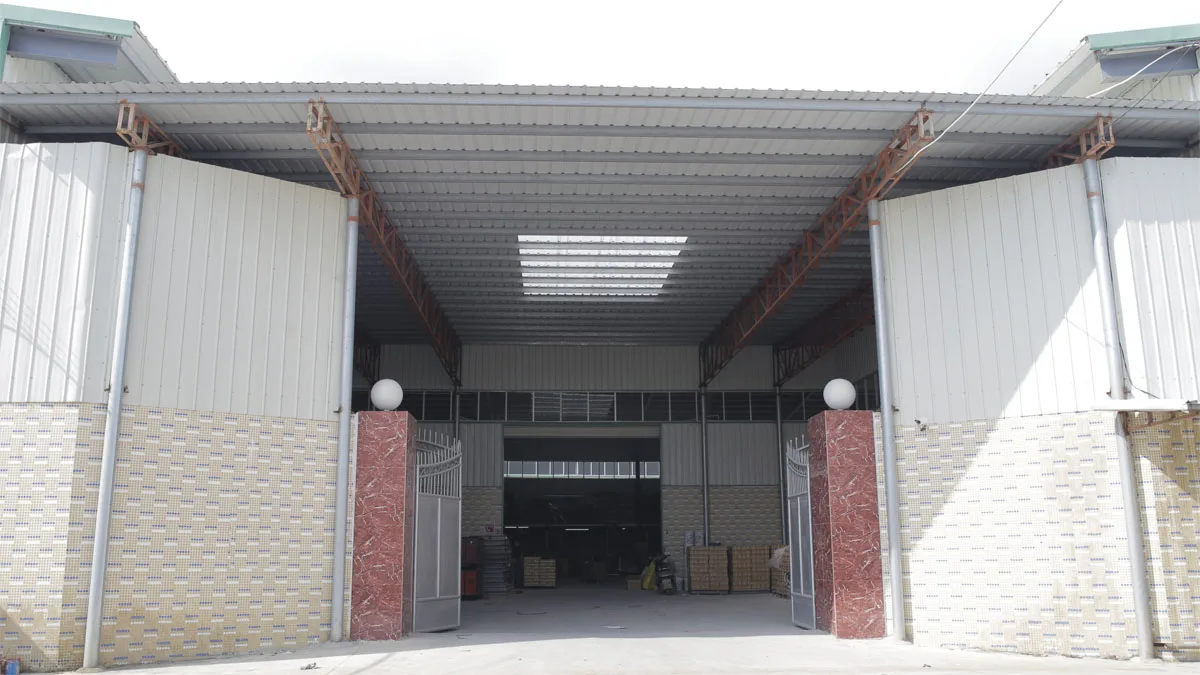
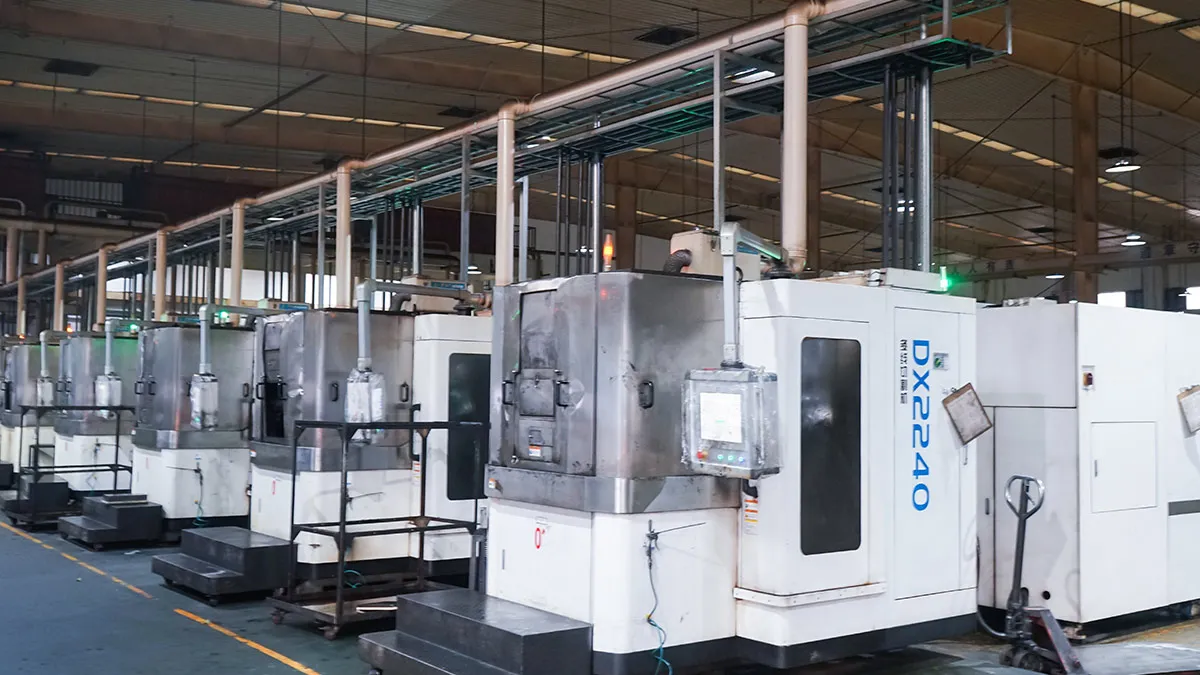
Guangzhou Johncent Hardware Co., Ltd.
- Manufacturer, Trading Company
- Guangdong, China
- Lead time15 days
- Avg. response≤ 4h
Main productsfurniture hardware fitting,drawer slide,hinge,nuts
Main marketsWestern Europe(20.00%), Eastern Europe(20.00%), North America(20.00%), South Asia(10.00%), Southeast Asia(10.00%), Eastern Asia(10.00%), Mid East(10.00%)

JM Aluminum Profile Accessories Co., Limited
- Trading Company
- China Guangdong
- Lead time15 days
Main productsIndustrial Aluminum Profile Aluminum Profiles, Aluminum Profiles / Extrusions, Aluminum Profile Modular Assembly, Aluminum Profile Accessories, Caster/Footmaster Caster/Adjustable Feet, Feet, T Nuts/Hammer Head Nut/T Bolt, Brackets Elements/Joint/Degree Bracket, End Cap/ Nylon Hinge/Handles, Spring Block/Aluminum Profile
Main marketsSouth America,Africa,Southeast Asia/ Mideast,East Asia(Japan/ South Korea),Domestic,Europe,Australia,North America
NingBo Finomag Magnetic Technology Limited
- Trading Company
- Zhejiang, China
- Lead time0 days
- Avg. response≤ 3h
Main productsMagnet Mount,Magnetic Tool Holder,fishing magnet,magnetic stash box,magnetic sweeper
Main marketsNorth America(45.00%), Western Europe(30.00%), Southeast Asia(15.00%), South Asia(5.00%), South America(5.00%)
Foshan Tonghuashun Stainless Steel Products Co., Ltd.
- Verified by SGS
- Manufacturer/Factory
- China Guangdong
- Lead time0 days
Main productsMechanical Door Lock, Door Catch, Draw Latch, Handle, Hinge, Torque Hinge, Whale Tail Lock, Friction Hinge, Industrial Hinge, Industrial Handle
Main marketsSouth America,Eastern Europe,Mid East,North America,Southeast Asia,Eastern Asia,Oceania,Western Europe,Africa

- Verified by TUVRHEINLAND
- Combined
- China Guangdong
- Lead time30 days
Main productsCabinet Handle, Door Handle, Door Lock, Furniture Knob, Cabinet Hinge, Drawer Slide, Door Hinge, Mortise Lock, Cylinder Lock, Door Stopper
Main marketsSouth America,Southeast Asia/ Mideast,Europe

- Combined
- China Guangdong
- Lead time45 days
Main productsDoor Handle, Door Lock, Door Hinge, Door Bolt, Cabinet Handle, Cabinet Hinge, Door Closer, Barn Door Hardware, Door Stopper, Glass Hardware
Main marketsSouth America,Southeast Asia/ Mideast,East Asia(Japan/ South Korea),Domestic,Europe,North America

Zhenjiang Trumy Industrial Co., Ltd.
- Trading Company,Manufacturer/Factory
- China Jiangsu
- Lead time30 days
Main productsFurniture Hardware, Door Hardware, Fastener, Building Material, Bathroom Accessory, Kitchen Accessory, BBQ Grills&Outdoor Cooking, Fire Pit&Fire Place, Outdoor Furniture, Toilet Partitions Accessories
Main marketsSouth America,Eastern Europe,Mid East,North America,Southeast Asia,Eastern Asia,Oceania,Western Europe,Africa
Great Magtech (Xiamen) Electric Co., Ltd.
- Verified by BV
- Trading Company
- China Fujian
- Lead time23 days
Main productsNeodymium Magnet, Magnetic Separator, Magnetic Assembly, Precast Concrete Magnet, Magnetic Formwork, Magnetic Rotor, Magnetic Stator, Shuttering Magnet, Magnet
Main marketsSouth America,Africa,Southeast Asia/ Mideast,East Asia(Japan/ South Korea),Europe,Australia,North America

Hangzhou Yangyi Magnetics Co., Ltd.
- Verified by TUVRHEINLAND
- Manufacturer/Factory
- China Zhejiang
- Lead time23 days
Main productsPermanent Magnet, Neodymium Magnet, Pot Magnet, AlNiCo Magnet, Hook Magnet, Magnetic Name Badge, Rubber Coated Magnet, Ferrite Magnet, Magnetic Bar, Rubber Magnet
Main marketsSouth America,Mid East,North America,Southeast Asia,Eastern Asia,Oceania,Western Europe,Africa


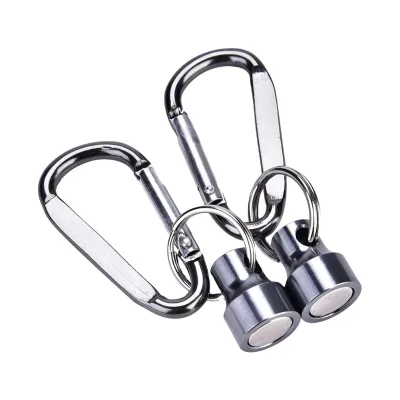
Fishing Magnetic Keychain Net Releaser Carabiner Snap Hooks Neodymium Butt Magnet
$1.00 - $3.00
MOQ: 200 Pieces

$1.00 - $3.00
MOQ: 200 Pieces

FOSHAN CARINO HARDWARE CO., LIMITED
- Verified by SGS
- Trading Company
- China Guangdong
- Lead time30 days
Main productsConcealed Hinge, Hinge, Slide Series, Handles, Drawer Lock, Other Hardware, Tube and Holder, Furniture Leg, Caster, Support
Main marketsSouth America,Southeast Asia/ Mideast,North America

Xiamen GQK Intelligent Technology Co., Ltd.
- Manufacturer
- Fujian, China
- Lead time0 days
- Avg. response≤ 1h
Main productsfurniture hardware,cabinet handle,hinges silde,aluminum door,cabinet kitchen hardware
Main marketsSouth America(31.00%), North America(28.00%), Eastern Europe(10.00%), Western Europe(6.00%), Southern Europe(5.00%), Oceania(5.00%), Northern Europe(5.00%), Africa(4.00%), Southeast Asia(2.00%), South Asia(1.00%), Mid East(1.00%), Eastern Asia(1.00%), Central America(1.00%)

Shangkun Industrial Technology Co., Ltd.
- Combined
- China Guangdong
- Lead time23 days
Main productsOck, Hinge, Handle, Latch, Toggle Latch, Caster, Wheel, Leveling Feet
Main marketsDomestic,Europe,Australia,North America


Stainless Steel 304 Strong Oven and Automatic Equipment Suction Magnet Catch
$1.00 - $2.00
MOQ: 2 Pieces


Shanghai Taixiong Magnetic Industrial Co., Ltd.
- Verified by BV
- Combined
- China Shanghai
- Lead time15 days
Main productsMagnetic Separator, Rod Magnet, Grate Magnet, Neodymium Magnet, SmCo Magnet, Pot Magnet, Rubber Coated Magnet, Electro Magnet, Lifting Magnet, Magnetic Conveyor
Main marketsSouth America,Southeast Asia/ Mideast,Domestic

$50.00 - $150.00
MOQ: 1 Pieces

Strong Separation Magnetic Filter Liquid Trap Magnet for Water Treatment
$500.00 - $600.00
MOQ: 1 Pieces

Neodymium Magnet Magnetic Liquid Trap with Quick Release Clamp, Thread Connection
$600.00 - $1000.00
MOQ: 1 Pieces


Dongying Zhaoxin Industry and Trade Co, Ltd.
- Combined
- China Shandong
- Lead time30 days
Main productsDown Hole Tools, Cementing Tools, Wellhead Equipment, Oil Well Packer, Tubing Anchor, Torque Anchor
Main marketsSouth America,Others(foreignTradeCapacity.exportBusinessCapacityMarketOther),Europe
Ningbo Multimagnets Technology Co., Ltd.
- Verified by TUVRHEINLAND
- Trading Company
- China Zhejiang
- Lead time15 days
Main productsMagnet, Pot Magnet, Magnetic Separation, Fishing Magnet, Magnet Mounting Systems, Magnet Assembly, Precast Magnet, Industrial Magnet, Halbach Magnet, Magnetic Holder
Main marketsSouth America,Europe,North America

13000 Gauss Permanent Magnetic Traps Liquid Magnetic Separator Magnet Filter
$700.00 - $800.00
MOQ: 1 Pieces


Xiamen Yuxiang Magnetic Materials Technology Co., Ltd.
- Trading Company
- China Fujian
- Lead time23 days
Main productsNdFeB Magnet, SmCo Magnet, AlNiCo Magnet, Ferrite Magnet, Rubber Magnet, Fridge Magnet, Magnetic Powder, Magnetic Compound, Magnetic Core, Magnetic Materials
Main marketsSouth America,Africa,Southeast Asia/ Mideast,East Asia(Japan/ South Korea),Europe,Australia,North America

Ningbo Naipu Magnetics Co., Ltd.
- Manufacturer/Factory
- China Zhejiang
- Lead time15 days
Main productsMagnets, Magnetic Grate, Magnetic Drawer, Magnetic Liquid Traps, Magnetic Filter Bar, Magnetic Plate, NdFeB Magnet, Magnetic Bar, Magnetic Head Pulley, Neodymium Magnets
Main marketsSouth America,North America,Southeast Asia,Oceania,Western Europe
Chongqing Seatrend Technology And Development Co., Ltd.
- Manufacturer, Trading Company
- Chongqing, China
- Lead time15 days
- Avg. response≤ 4h
Main productssmart products,air purifier,smart lock,Rubber Magnet,Fridge Magnet
Main marketsDomestic Market(21.44%), Western Europe(14.28%), Mid East(11.61%), Southern Europe(9.46%), North America(9.29%), Northern Europe(6.25%), Eastern Asia(5.36%), Oceania(4.28%), South Asia(4.11%), Africa(3.57%), Southeast Asia(3.39%), Central America(2.86%), South America(2.32%), Eastern Europe(1.78%)

Ningbo Jinshuo Magnet Technology Co., Ltd.
- Trading Company
- China Zhejiang
- Lead time30 days
Main productsNeodymium Magnet, Permanent Magnet, Magnetic Assemblies, Magnetic Filter System, Rubber Coated Pot Magnet, Precast Magnet, Magnetic Motor, Flexible Magnet, Ferrite Magnet, AlNiCo Magnet
Main marketsSoutheast Asia/ Mideast,Europe,North America

- Verified by BV
- Combined
- China Liaoning
- Lead time30 days
Main productsMangetic Separator, High Intensity Wet Drum Separator, Lims, Mims, Dry Drum Separator, Magentic Bar
Main marketsSouth America,Africa,Southeast Asia/ Mideast,Europe,North America
TIVOLY TOOL MANUFACTURING(CHANGSHU) CO., LTD.
- Combined
- China Shanghai
- Lead time60 days
Main productsPower Tools Accessories Drill Bit Screw Bit
Main marketsDomestic,Europe
Hangzhou Juntop Metal & Material Co., Ltd.
- Trading Company,Manufacturer/Factory
- China Zhejiang
- Lead time23 days
Main productsSteel Chamfer, Aluminum Alloy Metal High Speed Door, Coil Rod Straightening and Cutting Machine, Lifting Anchor, Magnetic Steel Chamfer, C Struct Channel for Solar Mount
Main marketsSouth America,Mid East,Eastern Asia,Western Europe

- Verified by TUVRHEINLAND
- Manufacturer/Factory
- China Zhejiang
- Lead time15 days
Main productsNeodymium Magnet, Ferrite Magnet, Rubber Magnet, AlNiCo Magnet, Fridget Magnet, Keyring, Keychain, Magnet Sticker, Wood Magnet, Magnet Toy
Main marketsSouth America,Mid East,North America,Eastern Asia,Western Europe

Tianhe Oil Technology Co., Ltd.
- Verified by SGS
- Combined
- China Heilongjiang
- Lead time15 days
Main productsPetroleum Machinery, Drilling Stem Tools Casing Scraper, Drill Collar Hwdp Kelly, Fishing Tool, Stabilizers Hole Opener, Roller Reamer Drilling Jar
Main marketsOthers(foreignTradeCapacity.exportBusinessCapacityMarketOther),Europe

MOQ: 1 Pieces

MOQ: 1 Pieces

DANYANG DAMING TOOLS CO., LTD.
- Trading Company
- China Jiangsu
- Lead time30 days
Main productsHSS Twist Drill Bits, Diamond Saw Blade, Hole Saw, Tct Saw Blade, Grinding Wheel, Diamond Core Bit, Masonry Drill Bits, SDS Drill Bits, Screw Bits, Screw Extractor
Main marketsSouth America,Africa,Southeast Asia/ Mideast,East Asia(Japan/ South Korea),Domestic,Europe,Australia,North America






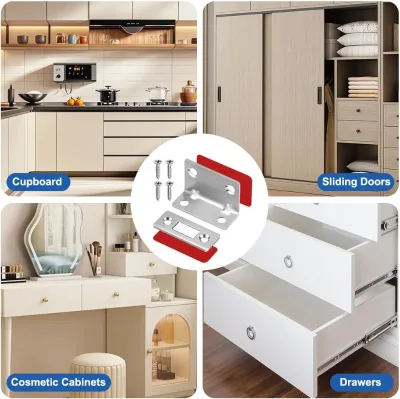
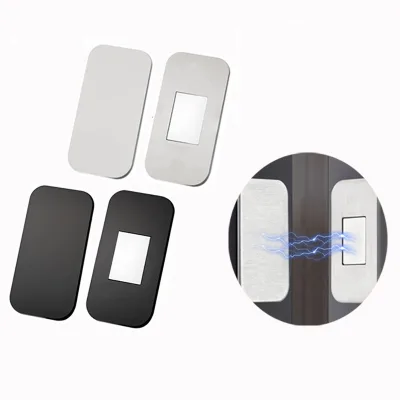


Comprehensive Sourcing Guide
Magnetic Catch Supplier Concentration and Factory Types
Suppliers of magnetic catches in the observed results cluster heavily in Guangdong, China, with additional listings from Zhejiang. Guangdong-based companies in this category include furniture hardware specialists whose main products list drawer slides, hinges and nuts alongside catch hardware, as well as trading companies focused on industrial aluminum profiles and matching accessories such as T-nuts, brackets and nylon hinges. Zhejiang listings tend to come from magnet-product specialists whose catalogs include magnet mounts, magnetic tool holders and fishing magnets. This split matters because a furniture-hardware factory and a magnet manufacturer approach the same catch from different directions.
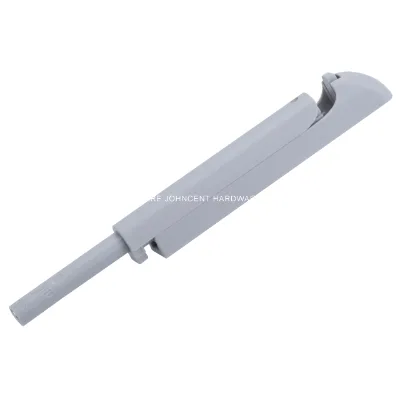
Both manufacturer-trading hybrids and pure trading companies appear in this category. A manufacturer profile with catch products listed directly, including push catches and magnetic catches with published supply capacity of 50,000 pieces per week, signals in-house production. Trading companies, by contrast, may consolidate catches with unrelated profile hardware, which can be convenient for mixed orders but adds a layer between you and the actual magnet maker. To identify clusters when your search results are sparse, note the origin fields on individual product listings, the ports of dispatch named in product attributes, and the stated places of origin on catalog pages. Recurring province names across several listings are your most reliable clustering signal; a single listing's origin is not proof of a regional industry base, so cross-check before planning any factory visits.
How to Verify Magnetic Catch Suppliers
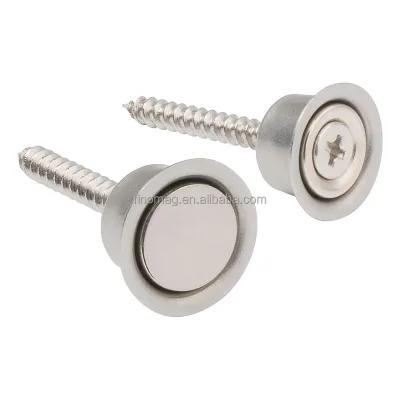
Verification should start with the attributes already visible in listings, because they reveal what a supplier is actually able and willing to specify. One Guangdong listing states a POM housing, magnetic or rubber head, model PH016, kitchen and bathroom application, 500 sets per carton, and dispatch ports at Shekou, Yantian and Huangpu. Another gives SPCC construction, nickel-plated finish, a 40 by 16 mm size and a 20-pound rating. A Zhejiang listing specifies Nd-Fe-B magnet material, Ni-Cu-Ni coating, ISO9001, ISO14001 and TS16949 certifications and a 150-degree maximum working temperature. A supplier that publishes this depth of specification is easier to hold to a standard than one listing only a model number.
Second, verify claims that cannot be read off a listing. Certification names shown in product attributes should be confirmed with the certificate itself, since certification text in a listing is not the same as a current, scope-appropriate certificate. Ask whether the supplier manufactures the catch or resells it, using company type labels as a starting point and then requesting production evidence. Confirm which listing attributes describe the exact stock keeping unit you intend to buy, because brands, model numbers and finishes can differ between products from the same company. Finally, test responsiveness directly: one observed supplier posts a response time of about four hours and another about three, so measure how quickly your own inquiry is answered and treat a much slower reply as a signal worth investigating.
What to Compare Across Magnetic Catch Suppliers
Build a comparison sheet using the dimensions that appear in supplier labels rather than assumptions. Lead time is directly comparable: one furniture hardware supplier posts 15 days, while a Zhejiang magnet listing states 15 to 20 days for its catch kit, so a 15-day promise is consistent with observed norms, and anything materially longer needs justification. Response time differs between the suppliers noted, at roughly four hours versus three hours, which is a useful proxy for how account handling will feel during production. Minimum order quantities vary widely in this category, from a listing with a one-piece MOQ to catches at 500 or 1,000 pieces, so align MOQ with your actual consumption rather than defaulting to the smallest.
Location and main-product focus are the remaining core comparison dimensions. A Guangdong furniture-hardware specialist with catches, slides and hinges in its main-product list will understand cabinet-door applications; a Zhejiang magnet specialist listing Nd-Fe-B materials will understand magnet performance. Trading companies may quote lower prices, as seen in a range starting at 0.10 per piece, but confirm what that price includes. Do not assume every supplier displays all attributes; some results omit establishment year, escrow status or response time entirely, and an empty field is not a negative. Compare only what each supplier has actually disclosed, and send identical specification requests to fill the gaps on equal terms before ranking candidates.
Common Magnetic Catch Sourcing Risks
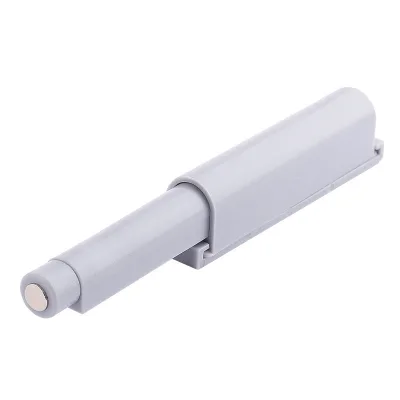
The most common risk in this category is specification drift between listing and shipment. Listings in the observed results describe very different products under the same keyword: a POM-bodied push catch at 0.32 per piece, a 20-pound SPCC magnetic door catch at 1.20, a nylon 30-series catch at 0.24, and a customizable door catch quoted from 0.10 to 0.15. If you approve a sample of one construction and order against a listing describing another, you will receive what the purchase order says, not what you tested. Pin model numbers, materials, finishes and pull ratings in the contract, referencing the listing attributes you relied on.
Magnet-related risks are less visible than hardware risks. Pull ratings such as the 20-pound figure in one listing are stated by the supplier and rarely backed by published test methods, so agree on how holding force will be verified. Temperature limits matter for certain environments, and one listing states 150 degrees maximum working temperature for its Nd-Fe-B product, but that figure belongs to that product only, not to catches generally. Trading-company intermediaries create a traceability risk: a supplier listing customization as available for door thickness and finish may actually pass customization requests to a third factory. Finally, packaging assumptions cause damage claims; listings in this category describe cartons of 500 sets and polybags of 200 pieces, and mail-packing flags that differ between products, so confirm packaging in writing before deposit.
Magnetic Catch Regional Sourcing and Logistics
Guangdong is the only manufacturing region named repeatedly across these results, appearing both as a company location and as a product origin, and one listing names Shekou, Yantian and Huangpu as dispatch ports, which are consistent with a Pearl River Delta export operation. Sourcing from Guangdong offers the practical advantage of dense forwarder networks and frequent sailings, but it also means you are competing with high-volume furniture-hardware buyers for production slots, so book lead time against the supplier's posted figure, such as the 15 days shown by one supplier. Zhejiang appears once as a company location with a magnet-specialist profile and a three-hour response time, and its listing quotes a 15 to 20 day lead time.
Plan logistics around what listings actually disclose. One product supports mail packing, while another is marked not suitable for it, which directly affects whether small trial shipments are economical; single-package attributes on one listing give a 10 by 5 by 2 cm package at 0.2 kilograms gross, which is the level of packaging detail you should request for any catch you intend to ship in volume. Standard packing configurations such as 500 sets per carton or 200 pieces per polybag determine container utilization, so calculate pieces per carton and cartons per container before quoting freight. When origin details are missing from a result, ask for the dispatch port in writing rather than inferring it from a company address, because ports determine your routing options and inland cost.
Magnetic Catch Commercial Terms and Order Planning
Commercial terms in this category span a wide range, so anchor negotiations to disclosed figures. Observed unit prices run from roughly 0.10 to 1.20 depending on construction, with the customizable trading-company listing spanning 0.10 to 0.15, the POM push catch at 0.32, the nylon 30-series at 0.24 and the heavy-duty SPCC catch at 1.20. Minimums are equally varied: one piece for the customizable catch, 500 pieces for the push catch, and 1,000 pieces for the nickel-plated door catch. Use these as reference points, but remember prices attach to specific listings and model numbers, and a lower price usually reflects a lighter construction or thinner plating.
Order planning should sequence your commitments deliberately. Start with a sample order at the smallest available MOQ, then scale to the production MOQ only after verifying pull force, finish and packaging against the agreed attributes. Negotiate payment and protection terms explicitly; escrow availability is a label dimension you may see on some supplier profiles but should never assume, and absence of the label means you must confirm protection arrangements directly. Build the posted lead times into your calendar with a buffer, since a 15-day lead time describes production, not transit. Finally, confirm supply capacity for repeat orders, using published figures such as 50,000 pieces per week as a discussion baseline, and reconfirm price, MOQ and packing in the purchase order for every reorder rather than relying on the original listing.
FAQs
What is a Magnetic Catch and how does it work?
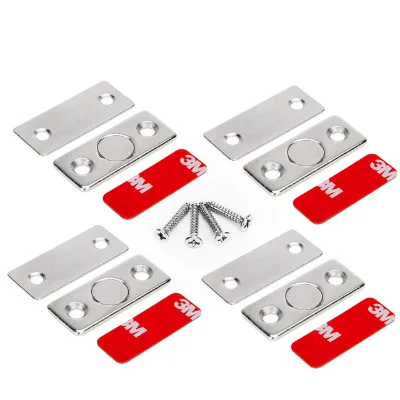
A Magnetic Catch is a small hardware fitting that holds a cabinet or furniture door closed using magnetic attraction. One half, containing the magnet, mounts inside the cabinet, while a metal strike plate attaches to the door. When the door closes, the plate contacts the magnet, holding it shut without a latch or knob. Sizes and holding strengths vary, so buyers should match the catch to door weight and usage.
Which materials are commonly used for magnetic catches?
Common materials include Nd-Fe-B neodymium magnets for strong holding force, SPCC steel housings for durability, and POM plastic bodies for lightweight concealed applications. Finishes such as nickel plating protect against corrosion and improve appearance. Housing material affects both strength and price, so buyers should confirm the magnet type, coating, and maximum working temperature before ordering, especially for kitchens or bathrooms where humidity is a factor.
How much holding strength should a Magnetic Catch have?
Holding strength depends on door size, weight, and whether the door is vertical or horizontal. Light cabinet doors usually need a small standard catch, while heavier closet doors may require stronger magnets rated for higher pull force. Some suppliers list ratings such as 20 lbs, but force values are not always verified, so request test data or samples and test the catch with your actual door before committing to volume.
What is the typical MOQ for magnetic catches?
Minimum order quantities vary widely by supplier and product type. Observed listings on this page range from as low as 1 piece for a customizable Magnetic Catch to 500 and 1000 pieces for specific push and strong magnet models. Lower MOQs often come with higher unit prices, so buyers balancing sample orders against production runs should compare several suppliers and negotiate terms based on total order value.
What price range can buyers expect for magnetic catches?
Prices in the current supplier results range from roughly 0.10 to 1.20 US dollars per piece, depending on material, magnet strength, and finish. Simple plastic-bodied catches sit at the lower end, while larger nickel-plated steel catches with stronger magnets cost more. Price quotes also depend on order quantity and customization, so request itemized quotations that include unit price, packaging, and shipping terms before comparing suppliers.
How fast can suppliers deliver magnetic catches?
Lead times differ by supplier and order size. Current listings show quoted lead times around 15 days for one furniture hardware supplier, with a magnetic door catch kit listing citing 15 to 20 days for production. Shipping time depends on the destination port and method chosen. Always confirm production and transit timelines in writing, and ask whether stock items ship faster than made-to-order or customized versions.
Can magnetic catches be customized for specific doors?
Yes, several suppliers on this page advertise customization options, including customized door thickness fit, size, and design style. One listing offers custom door thickness compatibility, while a neodymium-based catch is listed as size-customized. Custom orders usually require higher MOQs and longer lead times than standard items. Provide drawings or samples, confirm tooling costs, and request a pre-production sample before approving a customized Magnetic Catch order.
Which certifications should buyers verify for magnetic catches?
One listing on this page cites ISO9001, ISO14001, and TS16949 certifications, and another references an SGS standard for a magnetic door catch. Certifications indicate quality management and testing practices, but claims should be verified directly. Ask suppliers for current, dated certificate copies covering the specific product line, and confirm whether certificates apply to the factory or only to certain product ranges before placing an order.