Anniversary Charm Necklace Suppliers and Manufacturers
Source 30 verified suppliers for Anniversary Charm Necklace products. Compare key dimensions including location, lead time, MOQ, response time, and certifications. Review product specifications and pricing to identify the right partner for your needs; review the available evidence before requesting comparable quotations from suitable candidates.
Suppliers List

Qingdao Gemopia Jewelry Co., Ltd.
- Combined
- China Shandong
- Lead time30 days
- Avg. response≤ 3h
Main productsGold Jewelry, Silver Ring
Main marketsSouth America,Africa,Southeast Asia/ Mideast,East Asia(Japan/ South Korea),Domestic,Europe,Australia,North America

Longyuan (Guangzhou) Industrial Development Co., Ltd.
- Verified by TUVRHEINLAND
- Manufacturer/Factory
- China Guangdong
- Lead time23 days
- Avg. response≤ 6h
Main productsJewelry, Fashion Watch, Hair Accessories, Men Jewelry, Women Jewelry, Pendants, Brooches, Bracelets, Crowns, Necklaces
Main marketsSouth America,Eastern Europe,Mid East,North America,Western Europe

- Verified by SGS
- Combined
- China Guangdong
- Lead time23 days
- Avg. response≤ 8h
Main marketsOthers(foreignTradeCapacity.exportBusinessCapacityMarketOther),Southeast Asia/ Mideast,East Asia(Japan/ South Korea),Domestic,Europe,Australia,North America


Stainless Steel Charm Necklace Bracelet Gift Heart Circle Pendant Necklace
$3.45 - $4.45
MOQ: 100 Pieces


GOODLINESS JEWELLERY CO., LIMITED
- Verified by SGS
- Manufacturer
- China Guangdong
- Lead time23 days
- Avg. response≤ 7h
Main products925 Silver Ring, Brass Jewelry, 925 Silver Earring, 925 Silver Necklace, 925 Silver Set, 925 Silver Bangle, Customer's Design, 925 Silver Bracelet, Silver Accessory, Brass Accessory
Main marketsSoutheast Asia/ Mideast,Europe,North America

Fujian Junqing Trade Co., Ltd.
- Verified by CTI
- Trading Company
- China Fujian
- Lead time15 days
- Avg. response≤ 4h
Main productsDesign Necklace, Design Earring, Design Bracelet Bangle, Design Hair Accessories, Shoes, Bags, Watches, Sunglasses, Home Decoration
Main marketsSoutheast Asia/ Mideast,Europe,North America
Longyan Zhanling Industry and Trade Co., Ltd.
- Manufacturer/Factory
- China Fujian
- Lead time150 days
- Avg. response≤ 2h
Main productsStainless Steel Cup, Customized Cup, Stainless Steel Cup & Mug, Double Wall Stainless Steel Cup, Customized Stainless Steel Cup, Water Bottle, Tumbler, Stainless Steel Water Bottle, Stainless Steel Bottle, Whiskey Glass
Main marketsSouth America,Eastern Europe,Mid East,North America,Southeast Asia,Eastern Asia,Oceania,Western Europe,Africa

Taiyuan Jinshenghe Trading Co., Ltd.
- Verified by SGS
- Trading Company
- China Shanxi
- Lead time30 days
- Avg. response≤ 5h
Main marketsAfrica
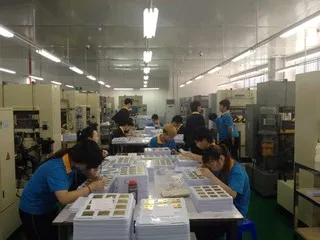
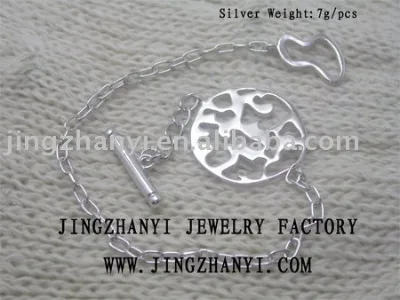
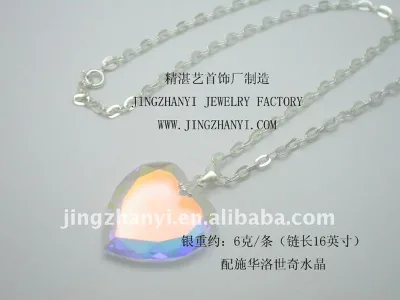
Shenzhen Jingzhanyi Jewelry Company Limited
- Manufacturer, Trading Company, Distributor/Wholesaler
- Guangdong, China
- Lead time15 days
- Avg. response≤ 1h
Main productsJewelry mold design and manufacture,24k/22k/18k/14k gold set diamond jewelry design and manufacture,925 sterling silver jewelry design and manufacture,Filling glue/enamel/baking paint/drop glue jewelry manufacturing,Precious metal and hardware material CNC products carving
Main marketsEastern Europe(12.00%), Eastern Asia(10.00%), Domestic Market(10.00%), Central America(10.00%), Southeast Asia(10.00%), North America(10.00%), South America(10.00%), Northern Europe(6.00%), Western Europe(6.00%), Mid East(5.00%), Oceania(5.00%), Southern Europe(4.00%), South Asia(2.00%)

Shenzhen Right Grand Jewelry Co., Ltd.
- Verified by SGS
- Manufacturer
- China Guangdong
- Lead time15 days
- Avg. response≤ 6h
Main productsNecklace, Bracelet, Earring, Ring, Nose Ring, Ear Piercing, Belly Ring, Nipple Ring
Main marketsSouth America,Europe,North America

Multi Color Zircon Charm Jewelry Stainless Steel 18K Gold Plated Choker Necklace
$3.57 - $4.18
MOQ: 6 Pieces


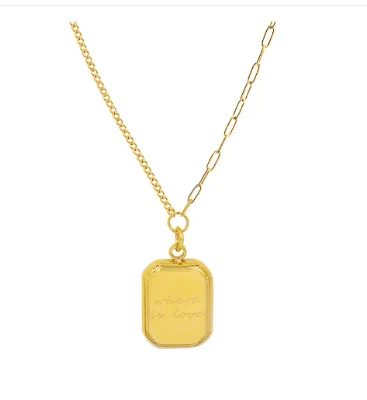
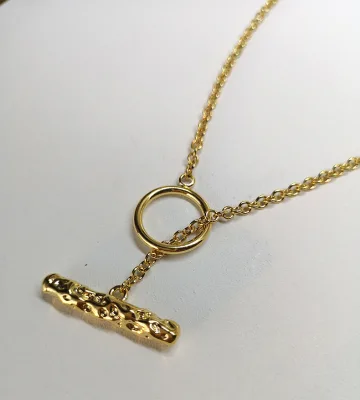
Simple 14K Gold Plated Irregular Embossed Round Disc Pendant Necklace for Women
$3.30 - $4.24
MOQ: 50 Pieces
- Verified by SGS
- Manufacturer/Factory
- China Zhejiang
- Lead time30 days
- Avg. response≤ 1h
Main productsNecklace, Bracelets, Earring, Ring, Brooch, Phone Lanyard, Key Chain, Body Jewelry, Hair Clip, Hair Band
Main marketsSouth America,Eastern Europe,Mid East,North America,Southeast Asia,Eastern Asia,Oceania,Western Europe,Africa

Yiwu City Hancai Import And Export Co., Ltd.
- Trading Company
- Zhejiang, China
- Lead time7 days
- Avg. response≤ 2h
Main productsJewelry,watch,brooch,crown,keychain
Main marketsEastern Europe(20.00%), South America(20.00%), North America(20.00%), Southeast Asia(10.00%), Domestic Market(5.00%), Northern Europe(5.00%), Central America(5.00%), Western Europe(5.00%), Mid East(5.00%), Africa(5.00%)


$0.31 - $0.67
MOQ: 60 pieces


Guangzhou Govolon Trade Co., Ltd.
- Trading Company,Manufacturer/Factory
- China Guangdong
- Lead time15 days
- Avg. response≤ 25h
Main productsGarment Accessories, Lace, Button, Zipper, Fringe and Tassels, Belt Ribbon, Garment Trimming, Patch Badge, Buckle, Hotfix
Main marketsSouth America,Mid East,North America,Southeast Asia,Western Europe,Africa

Putian Chengqiu Hui Trading Co., Ltd.
- Verified by TUVRHEINLAND
- Trading Company
- China Fujian
- Lead time15 days
- Avg. response≤ 4h
Main productsSports Shoes, Watch, Slippers, Bags, Training Clothes, Clothing Design, Hat, Jewel, Sunglasses, Belt
Main marketsDomestic

Wholesale Key Shape Charm Pendant Necklace 18K Gold Plated Fine Jewelry Anniversary Party
$1.28 - $1.78
MOQ: 2 Pieces

Silver Color Pendant Choker Necklace Snake Chain Party Jewelry Christmas Gift Black Heart Necklace
$0.95 - $2.55
MOQ: 5 Pieces

- Verified by CTI
- Trading Company
- China Zhejiang
- Lead time15 days
- Avg. response≤ 7h
Main productsJewelry, Brooch, Belt, Necklace, Agent, Bracelet, China Trim, China Ring, China Hair Accessory, China Earring
Main marketsSouth America

- Verified by TUVRHEINLAND
- Trading Company
- China Guangdong
- Lead time23 days
- Avg. response≤ 5h
Main productsTumbler, Heat Press, T Shirt Printing Machine, Decal Paper, Photo Panel, MDF Sublimation Blanks, Sublimation Blanks, T Shirts, Sublimation Ink, 3D Sublimation Machine
Main marketsSouth America,Africa,Others(foreignTradeCapacity.exportBusinessCapacityMarketOther),East Asia(Japan/ South Korea),Europe,Australia,North America


Sublimation Heart to Heart Necklace for Valentine's Day
MOQ: 100 Pieces

Shenzhen Jinshengrun Technology Co., Ltd.
- Manufacturer/Factory
- China Guangdong
- Lead time0 days
- Avg. response≤ 2h
Main productsStainless Steel Bracelets and Necklaces, Tungsten Steel Ring, Tungsten Ring, Smartwatch(Activity Tracker), Smart Ring, Titanium Steel Necklace, Necklace Pendant, Smart Glasses
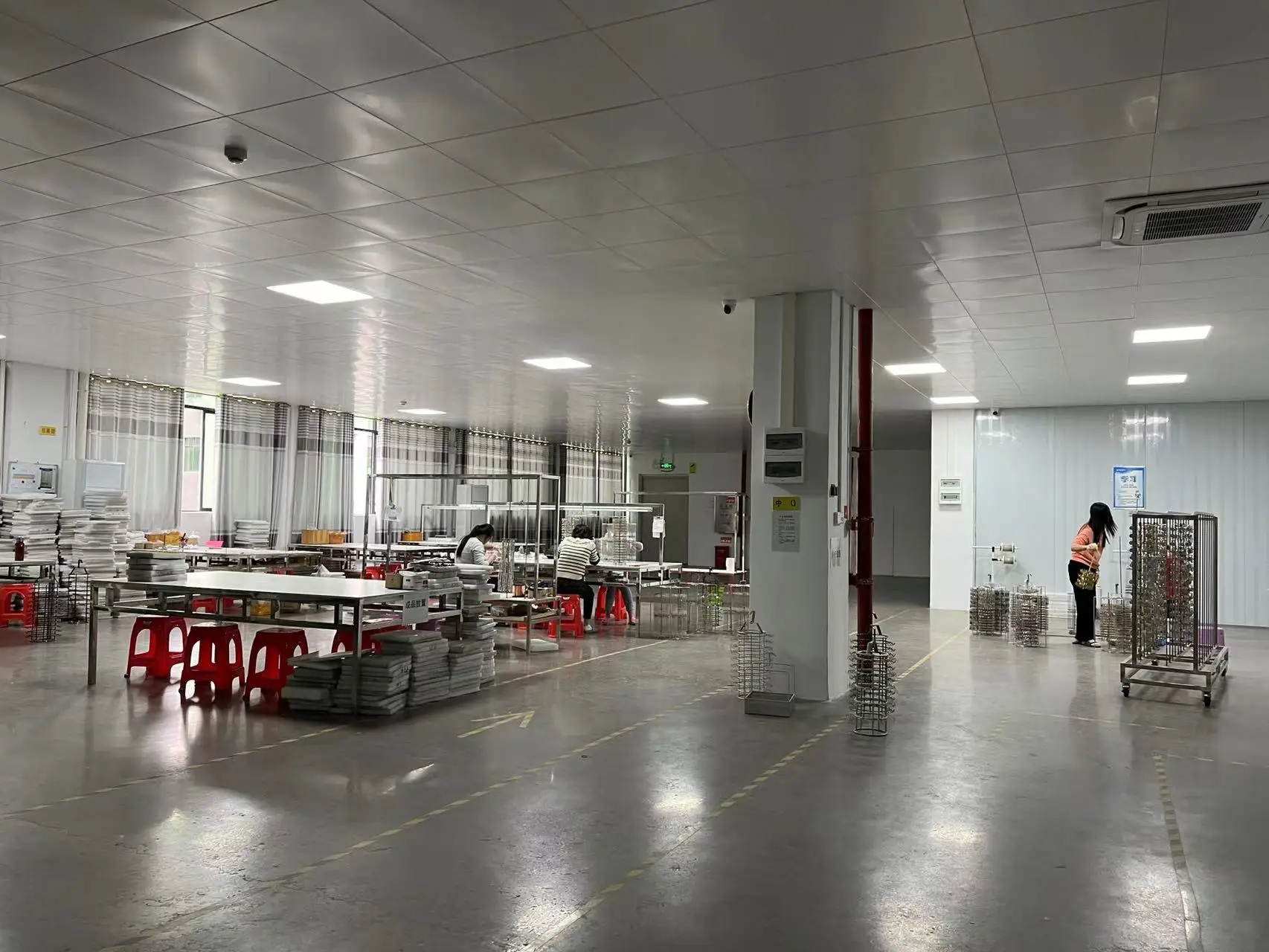
Dongguan Daimi Jewelry Co., Ltd.
- Trading Company
- Guangdong, China
- Lead time15 days
- Avg. response≤ 9h
Main productsJewelry,Earrings,Necklace,Bracelet,Rings
Main marketsNorth America(90.00%), Eastern Europe(5.00%), South America(5.00%)
- Verified by TüVRheinland
- Manufacturer, Trading Company
- Lead time7 days
Main productsFashion Jewelry
Main marketsNorth America(75%), South America(8%), Southeast Asia(7%)
Foshan Shorea Jewelry Co., Ltd.
- Verified by SGS Group
- Trading Company
- Lead time14 days
Main productsNecklace, Bracelet, Earring, Ring, Jewelry Set
Main marketsNorth America(50%), Western Europe(20%), South America(10%)
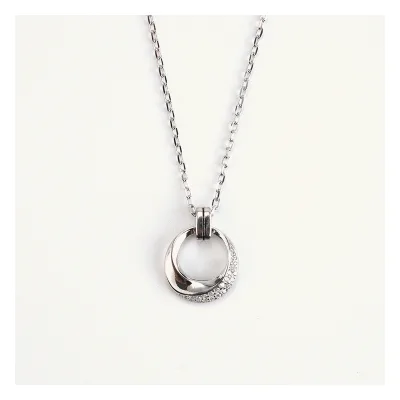
925 Silver Fine Pendant Necklace for Women Elegant and Stylish Accessory
$21.59 - $23.00
MOQ: 50 pieces


Guangzhou Mimier Jewelry, Co, Ltd.
- Manufacturer/Factory
- China Guangdong
- Lead time120 days
- Avg. response≤ 8h
Main productsFashion Jewelry, Fashion Earrings, Fashion Bracelets, Fashion Rings, Fashion Necklace, Stainless Steel Jewelry, Jewellery Accessories, Jewellery Set
Main marketsEastern Europe,North America,Western Europe,Africa


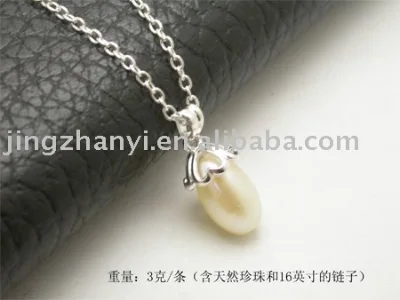
High Quality Pendant Pearl Necklace for Gift
MOQ: 2 Pieces
Beyaly Jewelry (shenzhen) Limited
- Verified by Intertek
- Trading Company
- Lead time30 days
Main productsRings, Earrings, Pendants, Necklace, Bracelet Bangle
Main marketsNorth America(62%), Western Europe(30%), Oceania(8%)

Elephant Gold Necklace, Gold Plated Elephant Charm Hiphop Jewelry Necklace
$14.90 - $15.70
MOQ: 30 Minimum

- Verified by SGS
- Trading Company
- China Zhejiang
- Lead time15 days
- Avg. response≤ 12h
Main productsChristmas Decoration, Christmas Tree, Christmas Gift, Party Decoration, Promotional Product, Festival Items, Gift, Valentine, Party Items, Halloween Decorations
Main marketsEurope,Australia

Cross-Border Best-Selling Mother's Day Necklace Luxury Gift Commemorative Pendant
$0.54 - $0.62
MOQ: 1600 Pieces

Cross-Border Heart-Shaped Mother's Day Gift Mother and Child Concentric Necklace
$0.56 - $0.64
MOQ: 1600 Pieces

Best Selling Europe and America Mother's Day Gift Cross Pendant Necklace
$0.64 - $0.70
MOQ: 1400 Pieces
Shenzhen Huaxinsheng Gifts Co., Ltd.
- Manufacturer, Trading Company, Agent
- Guangdong, China
- Lead time20 days
- Avg. response≤ 2h
Main productsjewelry,necklace,bracelets,pearls and jewels,earrings
Main marketsNorth America(50.00%), Northern Europe(30.00%), Western Europe(10.00%), Oceania(5.00%)
Dongguan Fengyuan Hardware Jewelry Co., Ltd.
- Verified by SGS Group
- Manufacturer, Trading Company
- Lead time15 days
Main productsRings, Earrings, Necklaces, Bracelets, Brooches
Main marketsNorth America(60%), Western Europe(15%), Mid East(10%)
Guangzhou Lulufocus Jewelry Co., Ltd.
- Verified by SGS Group
- Manufacturer, Trading Company
- Guangdong, China
- Lead time20 days
Main productsEarrings/Ring/Pendant/Necklace/Jewelry Set/Gold Jewelry
Main marketsNorth America(20%), Western Europe(20%), Southern Europe(20%)
Yiwu Pincai Daily Necessities Co., Ltd.
- Trading Company
- Zhejiang, China
- Lead time7 days
- Avg. response≤ 3h
Main productsNecklaces, Body Chain, Rings, Earrings, Jewelry Piercing
Main marketsNorth America(25.00%), Eastern Europe(15.00%), South America(10.00%), Western Europe(10.00%), Mid East(10.00%), South Asia(5.00%), Oceania(5.00%), Central America(5.00%), Northern Europe(5.00%), Africa(5.00%), Southeast Asia(5.00%)
Yiwu Kaimei E-Commerce Co., Ltd.
- Manufacturer, Trading Company
- Zhejiang, China
- Lead time1 days
- Avg. response≤ 4h
Main productsearrings,Hair Accessories,Watches,Bikinis,Party Ornaments
Main marketsSouth America(18.00%), North America(15.00%), Domestic Market(10.00%), Western Europe(10.00%), Southeast Asia(5.00%), Southern Europe(5.00%), Northern Europe(5.00%), Central America(5.00%), Eastern Europe(5.00%), Eastern Asia(5.00%), Mid East(5.00%), Oceania(5.00%), Africa(5.00%), South Asia(2.00%)
Yiwu Zhuofang Jewelry Co., Ltd.
- Manufacturer, Trading Company
- Lead time旺季: "1 - 300":10,"> 300":"To be negotiated", 淡季: "1 - 300":10,"> 300":"To be negotiated"
Main productsNecklace , Earring, Rings, Bracelet , Brooch

Shenzhen Hanwei Gangtai Jewelry Machine Co., Ltd.
- Combined
- China Guangdong
- Lead time30 days
- Avg. response≤ 16h
Main products925 Silver Necklace, Jewelry Machine, Chain Making Machine, Stainless Steel Necklace, Jewelry Equipment, Silver Chain, Steel Chain, Silver Jewelry, Stainless Steel Jewelry, Chain Machine
Main marketsSoutheast Asia/ Mideast,Europe

Jinjiang Jiaxing Supply Management Co., Ltd.
- Verified by TUVRHEINLAND
- Trading Company
- China Fujian
- Lead time30 days
- Avg. response≤ 1h
Main productsEVA Clogs, Flip Flop, Shoe Charms, Shopping Bags, Wristbands, Gifts, Promotional Gifts, Slipper, Sport Cap, Ball
Main marketsNorth America










Comprehensive Sourcing Guide
Anniversary Charm Necklace Supplier Concentration and Factory Types
The current supplier landscape for anniversary charm necklaces reveals a distinct split between combined trading entities and dedicated manufacturing factories, each offering different operational advantages for buyers seeking specific production capabilities. Data indicates that some suppliers operate as combined companies, which often implies a hybrid model where they may source from their own facilities or manage a network of external workshops to fulfill orders. These combined entities frequently highlight capabilities such as OEM and ODM services, suggesting they have the flexibility to adapt existing designs or create new ones based on buyer specifications. This structure is particularly useful for buyers who need a single point of contact for multiple product variations or who require rapid prototyping without the overhead of managing multiple factory relationships. The presence of these combined suppliers suggests a market where agility and broad product ranges are prioritized over specialized, single-focus manufacturing.
In contrast, other suppliers in the results are explicitly identified as manufacturers or factories, providing a more direct link to the production line. These entities often emphasize specific certifications, such as ISO 9001, and verification from third-party inspection bodies like TÜV Rheinland, which adds a layer of trust regarding quality control and operational standards. Factory-type suppliers may have more rigid production processes but often offer greater transparency regarding raw material sourcing and labor practices. For buyers of anniversary charm necklaces, choosing between a combined supplier and a factory depends on the balance between flexibility and control. Combined suppliers might offer faster response times and broader inventory, while factories may provide deeper customization options and stricter adherence to quality standards. Understanding this distinction is crucial for aligning supplier selection with specific business needs, whether that involves high-volume standard production or bespoke, low-volume luxury items.
How to Verify Anniversary Charm Necklace Suppliers
Verifying the legitimacy and capability of suppliers requires a multi-layered approach that goes beyond surface-level profile information. Buyers should prioritize suppliers who display third-party verification badges, such as those from TÜV Rheinland, as these indicate that an independent auditor has inspected the company’s business license, factory conditions, and production capacity. This verification process is critical for ensuring that the supplier is not just a trading company misrepresenting itself as a manufacturer, or vice versa. Additionally, checking for system certifications like ISO 9001 provides evidence that the supplier has established quality management systems in place. These certifications are not merely decorative; they represent a commitment to consistent quality control, which is essential for jewelry products where material purity and finish quality are paramount. Buyers should request copies of these certificates and verify their validity through the issuing bodies to ensure they are current and applicable to the specific products being ordered.
Beyond certifications, buyers must scrutinize the supplier’s response time and communication efficiency, as these are strong indicators of operational health and customer service quality. A supplier with a low response time, such as under three hours, is likely to have a dedicated sales team that is attentive and responsive to inquiries. This responsiveness is particularly important for complex orders involving customization, where quick clarification of design details can prevent costly errors. Buyers should also examine the supplier’s product listings for detailed attributes, such as material composition (e.g., 925 Sterling Silver), plating types, and customization availability. Suppliers that provide comprehensive product data, including specific models, packing details, and origin information, demonstrate a higher level of professionalism and transparency. Furthermore, checking for evidence of past performance, such as delivery times and customer feedback, can provide additional insights into the supplier’s reliability. By combining verification of credentials with an assessment of communication and product detail, buyers can significantly reduce the risk of engaging with unreliable partners.
What to Compare Across Anniversary Charm Necklace Suppliers
When evaluating multiple suppliers for anniversary charm necklaces, buyers must systematically compare key operational metrics to identify the best fit for their specific requirements. One of the most critical factors is the minimum order quantity (MOQ), which can vary significantly across suppliers. Some suppliers may offer low MOQs, such as ten pieces, which is ideal for testing the market or fulfilling small boutique orders, while others may require higher volumes, such as thirty pieces, to ensure production efficiency. Buyers should align their MOQ expectations with their inventory strategy and cash flow constraints. Additionally, lead times are a crucial comparison point, as they directly impact the ability to meet customer demand. Suppliers with shorter lead times, such as twenty-three days, offer greater flexibility for rush orders or seasonal launches, whereas longer lead times may require more advanced planning and larger safety stocks. Comparing these metrics side-by-side allows buyers to make informed decisions based on their operational priorities.
Another vital aspect of comparison is the range of customization options and the associated costs. Buyers should assess whether suppliers offer OEM and ODM services, as this determines the level of brand differentiation possible. Some suppliers may provide extensive customization, including unique 3D designs and various plating options like gold, rhodium, or silver, while others may have more limited offerings. The price range for these customized items can also vary, so buyers should request detailed quotations that break down costs for materials, labor, and customization fees. Furthermore, comparing the supplier’s main products and product categories can help determine if they are a specialized expert or a generalist. Suppliers focusing specifically on jewelry and fashion accessories may have deeper expertise and better quality control in this niche compared to those with a broader, less focused product range. By carefully weighing MOQ, lead times, customization capabilities, and product specialization, buyers can select suppliers that offer the best value and alignment with their business goals.
Common Anniversary Charm Necklace Sourcing Risks
Sourcing anniversary charm necklaces involves several inherent risks that buyers must proactively manage to ensure a smooth procurement process. One significant risk is the discrepancy between the advertised material quality and the actual product received. For instance, while suppliers may claim their products are made of 925 Sterling Silver, there is a risk that the actual silver content may be lower or that the plating may wear off quickly. This risk is particularly prevalent in the fashion jewelry segment, where cost pressures can lead to compromises in material quality. Buyers should mitigate this risk by requesting material test reports or certificates of authenticity from independent laboratories. Additionally, verifying the supplier’s production standards and quality control processes can provide assurance that the products will meet the specified material requirements. Without such verification, buyers risk receiving substandard products that can damage their brand reputation and lead to customer dissatisfaction.
Another common risk is the potential for delays in production and delivery, which can disrupt supply chains and miss critical sales windows. Suppliers may cite lead times of twenty to thirty-five days, but these estimates can be optimistic and do not account for unforeseen issues such as material shortages, labor disputes, or logistical bottlenecks. Buyers should establish clear communication channels and request regular updates on production progress to stay informed of any potential delays. Furthermore, the risk of intellectual property infringement is a concern for buyers seeking unique designs. If a supplier is not properly vetted, there is a risk that their designs may infringe on existing patents or trademarks, leading to legal complications. Buyers should ensure that their designs are original and that the supplier has a clear policy regarding intellectual property rights. By identifying and addressing these risks through thorough due diligence and clear contractual agreements, buyers can protect their interests and ensure a successful sourcing experience.
Anniversary Charm Necklace Regional Sourcing and Logistics
The geographic location of suppliers plays a crucial role in determining logistics costs, lead times, and overall supply chain efficiency. Current data indicates that suppliers for anniversary charm necklaces are concentrated in specific regions within China, such as Shandong and Guangdong provinces. These regions are known for their robust manufacturing ecosystems and specialized clusters for jewelry production. Shandong suppliers may offer certain advantages in terms of raw material access or specific manufacturing techniques, while Guangdong suppliers, particularly those in Guangzhou, are often recognized for their advanced fashion jewelry production capabilities and export-oriented infrastructure. Buyers should consider the logistical implications of sourcing from these regions, including shipping distances, customs procedures, and potential transit times. Understanding the regional strengths of each location can help buyers make more informed decisions about which suppliers to engage with based on their specific logistical needs.
Logistics planning also involves selecting the appropriate shipping methods and carriers to balance cost and speed. Suppliers may offer various shipping options, including UPS, DHL, FedEx, and TNT, each with different price points and delivery speeds. Buyers should evaluate these options in the context of their order volume and urgency. For smaller, high-value orders, express shipping may be the most efficient choice, while larger, less urgent shipments might benefit from more cost-effective sea freight options. Additionally, buyers should consider the impact of packaging on logistics efficiency. Suppliers that use sturdy, standardized packaging, such as cartons or OPP bags, can help minimize damage during transit and optimize container space. By carefully analyzing the regional sourcing advantages and logistics options, buyers can optimize their supply chain for cost, speed, and reliability, ensuring that their Anniversary Charm Necklace orders arrive in perfect condition and on time.
Anniversary Charm Necklace Commercial Terms and Order Planning
Effective order planning for anniversary charm necklaces requires a thorough understanding of the commercial terms offered by suppliers, including payment methods, pricing structures, and after-sales support. Suppliers may accept various payment methods, such as bank transfers, PayPal, Western Union, and Money Gram, each with different security levels and processing times. Buyers should choose payment methods that offer adequate protection, such as using escrow services or credit card payments, to safeguard their funds until the goods are received and verified. Additionally, buyers should negotiate clear pricing terms, including any discounts for bulk orders or long-term contracts. Understanding the total cost of ownership, including shipping, taxes, and duties, is essential for accurate budgeting and profitability analysis. Buyers should also clarify the supplier’s return and refund policies in case of quality issues or discrepancies, ensuring that they have recourse if the products do not meet the agreed-upon standards.
Order planning also involves aligning production schedules with market demand to avoid overstocking or stockouts. Buyers should work closely with suppliers to establish realistic production timelines and maintain open communication throughout the order process. This includes confirming design specifications, material choices, and packaging requirements before production begins to minimize the risk of errors. Buyers should also consider the supplier’s capacity and lead times when planning their inventory replenishment cycles. By maintaining a buffer stock and having contingency plans for potential delays, buyers can ensure a steady supply of anniversary charm necklaces to meet customer demand. Furthermore, building a strong relationship with the supplier can lead to better terms, priority production slots, and improved support during peak seasons. By carefully managing commercial terms and order planning, buyers can optimize their procurement process and achieve greater operational efficiency and customer satisfaction.
FAQs
What materials are commonly used for anniversary charm necklaces?
Most anniversary charm necklaces in the results are made from 925 sterling silver, often with gold, silver, or rhodium plating. Some designs add gemstone charms for a decorative touch. Buyers should confirm the exact material standard, plating layers, and nickel or lead compliance with each supplier before ordering, since plating thickness and alloy composition can vary between production batches and factories.
What is the typical minimum order quantity for charm necklaces?
Minimum order quantities vary by supplier and design. The listed results show MOQs ranging from 10 pieces for some sterling silver pendant necklaces to 20 or 30 pieces for other charm and gemstone styles. Custom or personalized designs usually carry higher MOQs than stock models, so always confirm the MOQ for your chosen model and any customization before requesting a quotation.
How long does production take for custom charm necklaces?
Lead times in the results range from about 23 days to 30 days, and one supplier states delivery within 20 to 35 days after receiving a deposit. Custom plating, engraving, or packaging typically extends the timeline. Ask each supplier to confirm the current lead time for your specific design, order quantity, and season, then build buffer time into your shipping schedule.
Can suppliers customize Anniversary Charm Necklace designs?
Yes, customization is listed as available across the featured products, and several suppliers support OEM and ODM work, with one also operating its own brand. Common options include custom pendant shapes, plating finishes, chain lengths of 40cm, 45cm, or 60cm, and personalized packaging. Provide your design files, material requirements, and target price early so the supplier can confirm feasibility and cost.
Which charm necklace lengths and styles are available?
Featured products list chain lengths of 40cm, 45cm, and 60cm, with 45cm being the most common collarbone length. Styles span fashion, retro, and luxury looks, with pendant shapes including square and star charms. Suitable-for fields cover women, men, children, and elderly wearers on some models, so check the product attributes of each listing to match your target market and retail positioning.
How quickly do jewelry suppliers typically respond to inquiries?
Average response times in the results range from roughly 2.5 hours to under 6 hours. Faster responders help when you need rapid sampling decisions or price checks across multiple designs. Treat response speed as an early indicator of communication quality, but test it yourself: send a detailed inquiry with your specifications and compare how completely and quickly each supplier replies before committing.
What certifications should I check before ordering jewelry?
One featured supplier holds ISO 9001 certification and is verified by TUV Rheinland, with product listings also referencing CE and CNAS certification. Certifications indicate quality management practices rather than product safety alone. Ask each supplier for current certificate copies, confirm they cover the relevant scope, and request material test reports for plating and precious metal content applicable to your destination market.