Irregular Chip Crystal Stone Bracelet Suppliers and Manufacturers
Source 16 verified suppliers for Irregular Chip Crystal Stone Bracelet products. Compare dimensions including location, lead times, MOQs, and response rates. Request quotes directly to evaluate pricing and customization options; review the available evidence before requesting comparable quotations from suitable candidates.
Suppliers List

East Sunrise Jewelry Co., Limited
- Verified by SGS
- Manufacturer/Factory
- China Guangdong
- Lead time23 days
- Avg. response≤ 15h
Main productsPendant, Necklace, Bracelet, Ring, Earring, Carving, Ornament, Loose Bead, Jewelry, Semi-Precious Stones
Main marketsSouth America,Eastern Europe,Mid East,North America,Southeast Asia,Eastern Asia,Oceania,Western Europe,Africa
Shenzhen Guangyuan Jewelry Co., Ltd.
- Verified by SGS Group
- Trading Company
- Lead time10 days
- Avg. response≤ 3h
Main productsBead Bracelet, Crystal Bracelet, Crystal Beads, Crystal Ring, Crystal Pendant
Main marketsNorth America(35%), Eastern Europe(15%), Western Europe(15%)
Donghai Pao Pao Mouse Jewelry Co., Ltd.
- Manufacturer, Trading Company
- Jiangsu, China
- Lead time15 days
- Avg. response≤ 1h
Main productsCrystal Jewelry Design, Crystal Carving, Crystal Sphere Tower, Crystal Chips Tumbled, Crystal Raw Specimen
Main marketsNorth America(34.00%), Eastern Europe(20.00%), Southeast Asia(14.00%), Africa(11.00%), South America(8.00%), Mid East(8.00%), Oceania(5.00%)
Donghai Kindfull Crystal Product Co., Ltd.
- Verified by Intertek
- Manufacturer, Trading Company
- Lead time5 days
- Avg. response≤ 2h
Main productsCrystal Heart,Crystal Ornaments,Crystal Point,Crystal Sphere,Raw Stone Specimen
Main marketsWestern Europe(30%), North America(20%), Oceania(20%)
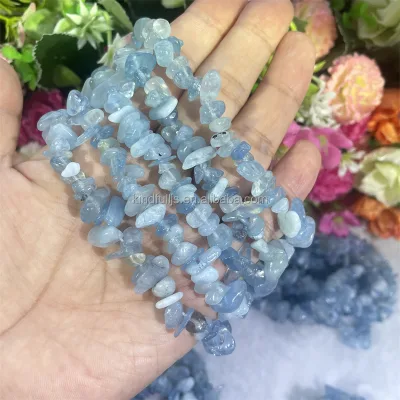
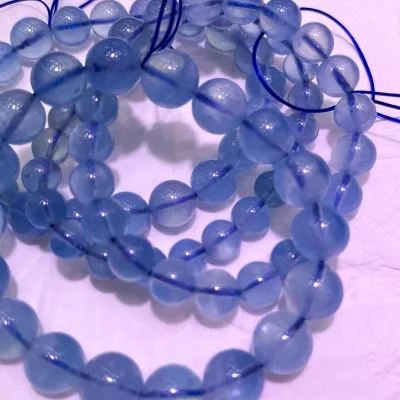
Irregular Raw 7 Chakra Healing Natural Gemstone Aquamarine Crystal Chip Bracelet for Gift
$0.92 - $1.12
MOQ: 5 pieces
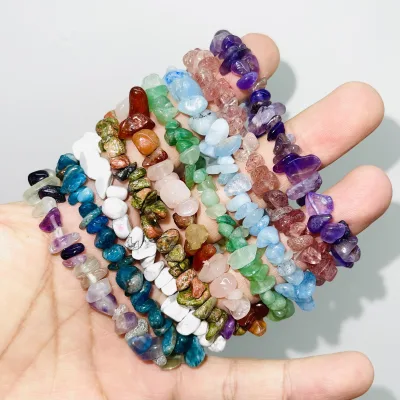
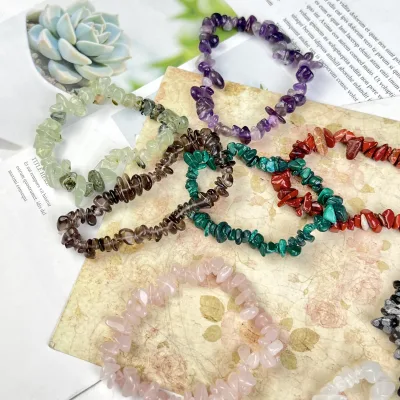
Donghai Shanhuiju Trading Co., Ltd.
- Verified by Intertek
- Manufacturer, Trading Company
- Lead time15 days
- Avg. response≤ 1h
Main productsCrystal Points, Crystal Hearts, Crystal Spheres, Crystal Skulls, Crystal Carving
Main marketsNorth America(70%), Oceania(10%), Southeast Asia(10%)

- Verified by SGS
- Combined
- China Guangdong
- Lead time23 days
- Avg. response≤ 8h
Main marketsOthers(foreignTradeCapacity.exportBusinessCapacityMarketOther),Southeast Asia/ Mideast,East Asia(Japan/ South Korea),Domestic,Europe,Australia,North America

Natural Stone Healing Crystal Stone Bracelet Moonstone Gemstone Elastic Bracelet
$1.85 - $2.46
MOQ: 60 Pieces


Wholesale Natural Crystal Stone Gemstone Wound Copper Amethyst Rose Quartz Rough Bracelet
$2.36 - $3.02
MOQ: 100 pieces

Beautiful Colorful Natural Stone Bead Healing Crystal Bracelet, Spliced Amethyst Chain Link Bracelet
$1.10 - $2.60
MOQ: 100 Pieces

$1.45 - $2.85
MOQ: 60 Pieces

- Verified by CTI
- Trading Company
- China Zhejiang
- Lead time15 days
- Avg. response≤ 8h
Main productsJewelry, Brooch, Belt, Necklace, Agent, Bracelet, China Trim, China Ring, China Hair Accessory, China Earring
Main marketsSouth America

YIWU JINYE IMPORT AND EXPORT CO., LTD
- Verified by SGS
- Trading Company
- China Zhejiang
- Lead time15 days
- Avg. response≤ 24h
Main productsBangle, Wrist Band, Bracelet, Fashion Jewelry
Main marketsNorth America


Factory Direct Sale Elegant Bangle Colorful Nature Stone Devil's Eye Crystal Bracelet
$0.80 - $5.00
MOQ: 200 Pieces
Donghai Futeng Jewelry Co., Ltd.
- Trading Company
- Jiangsu, China
- Lead time0 days
- Avg. response≤ 3h
Main productsCrystal Pillar, Crystal Ball, Crystal Bracelet, Crystal Ring
Main marketsNorth America(50.00%), Oceania(22.00%), Southeast Asia(7.00%), Domestic Market(4.00%), South America(3.00%), Eastern Europe(3.00%), South Asia(2.00%), Western Europe(2.00%), Central America(2.00%), Mid East(2.00%), Eastern Asia(1.00%), Southern Europe(1.00%), Northern Europe(1.00%)
Yiwu Fansheng Trading Co., Ltd.
- Trading Company
- Zhejiang, China
- Lead time7 days
- Avg. response≤ 2h
Main productsGifts & Crafts,Jewelry accessories,Crown tiaras,Fashion jewelry,Headwear
Main marketsNorth America(30.00%), Western Europe(25.00%), Mid East(15.00%), Oceania(6.00%), Northern Europe(5.00%), South America(5.00%), Southern Europe(5.00%), Africa(5.00%), Eastern Europe(4.00%)

Dongguan weiyizao import and Export Co., Ltd.
- Verified by BV
- Trading Company,Manufacturer/Factory
- China Guangdong
- Lead time45 days
- Avg. response≤ 4h
Main productsUnderwear, Sportwear, Seamless Underwear, Mould Bra, Nursing Bra, Panty, Garment Accessories, Garment Decoration-Jewelry, Bra Strap, Belt
Main marketsSouth America,Eastern Europe,Mid East,North America,Southeast Asia,Eastern Asia,Oceania,Western Europe,Africa

Rhinestones Bracelet Fancy Design China Supplier Factory Price Jewelry Crystal Stones Bracelet
$2.19 - $2.59
MOQ: 500 Pairs

Traditional Best Quality Factory Price Jewelry Crystal Stones Bracelet with Rhinestones Bracelet
$2.19 - $2.59
MOQ: 500 Pairs

Best Quality Factory Price Jewelry Crystal Stones Bracelet Pearl Bracelet
$2.19 - $2.59
MOQ: 500 Pairs

Luxury China Supplier Factory Price Jewelry Crystal Stones Bracelet with Rhinestones Bracelet
$2.19 - $2.59
MOQ: 500 Pairs
Huizhou Amazing Jewelry Co., Ltd.
- Trading Company
- Guangdong, China
- Lead time5 days
- Avg. response≤ 3h
Main productsStone Jewelry,Necklace,Bracelet,Earrings,Rings
Main marketsCentral America(15.00%), Southern Europe(10.00%), North America(10.00%), Western Europe(10.00%), Eastern Europe(10.00%), South America(10.00%), South Asia(5.00%), Oceania(5.00%), Northern Europe(5.00%), Africa(5.00%), Southeast Asia(5.00%), Eastern Asia(5.00%), Mid East(5.00%)
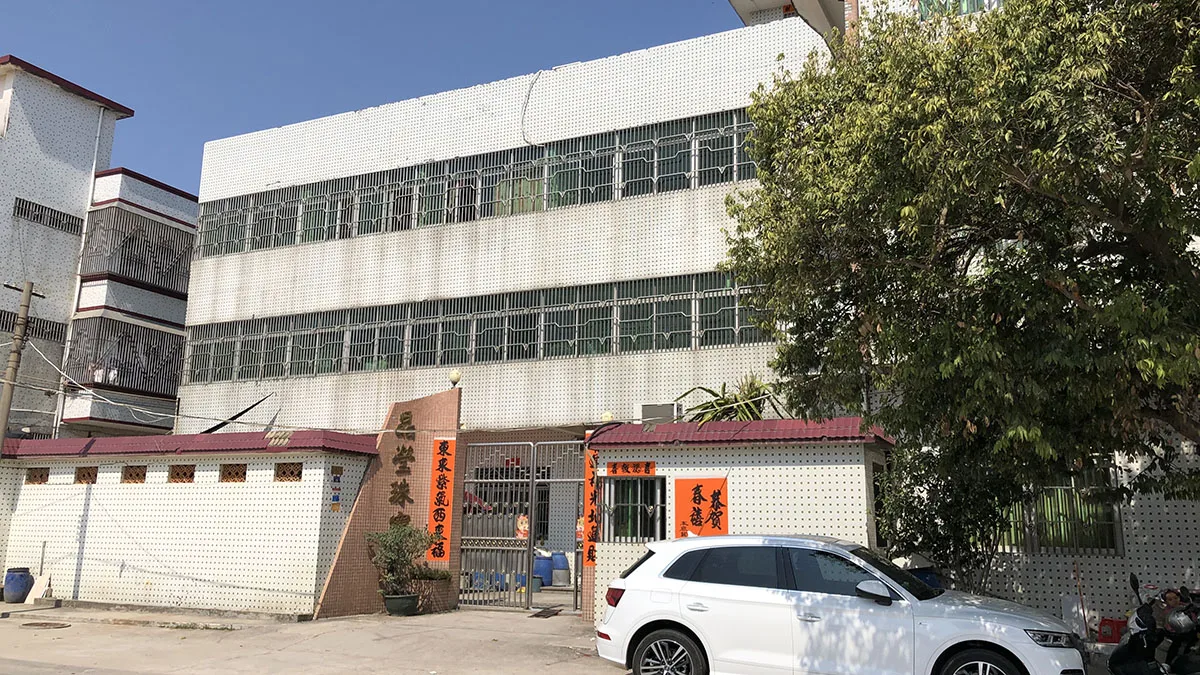
Guangzhou Liwan Jingcai Jewelry Firm
- Distributor/Wholesaler
- Guangdong, China
- Lead time7 days
- Avg. response≤ 6h
Main productsJewelry,Body Jewelry,Bracelets & Bangles,Loose Gemstone,Necklaces
Main marketsNorth America(40.00%), Western Europe(20.00%), Eastern Asia(20.00%), Eastern Europe(10.00%), Northern Europe(5.00%), Oceania(5.00%)
Huizhou Yammy Jewelry Co., Ltd.
- Trading Company
- Guangdong, China
- Lead time3 days
- Avg. response≤ 5h
Main productsJewelry,Bracelets,Rings,Earring,Necklace
Main marketsCentral America(20.00%), South America(20.00%), North America(20.00%), Southern Europe(10.00%), Eastern Europe(10.00%), Northern Europe(10.00%), Western Europe(10.00%)

- Verified by SGS
- Manufacturer/Factory
- China Zhejiang
- Lead time30 days
- Avg. response≤ 1h
Main productsNecklace, Bracelets, Earring, Ring, Brooch, Phone Lanyard, Key Chain, Body Jewelry, Hair Clip, Hair Band
Main marketsSouth America,Eastern Europe,Mid East,North America,Southeast Asia,Eastern Asia,Oceania,Western Europe,Africa

Xiamen Yuxiang Magnetic Materials Technology Co., Ltd.
- Trading Company
- China Fujian
- Lead time23 days
- Avg. response≤ 8h
Main productsNdFeB Magnet, SmCo Magnet, AlNiCo Magnet, Ferrite Magnet, Rubber Magnet, Fridge Magnet, Magnetic Powder, Magnetic Compound, Magnetic Core, Magnetic Materials
Main marketsSouth America,Africa,Southeast Asia/ Mideast,East Asia(Japan/ South Korea),Europe,Australia,North America


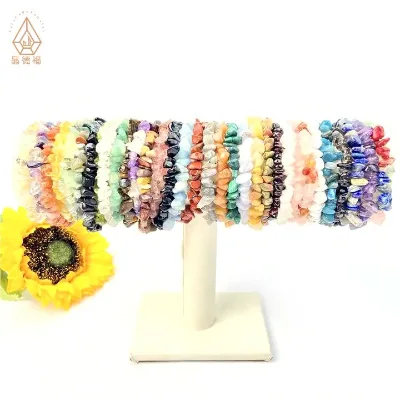


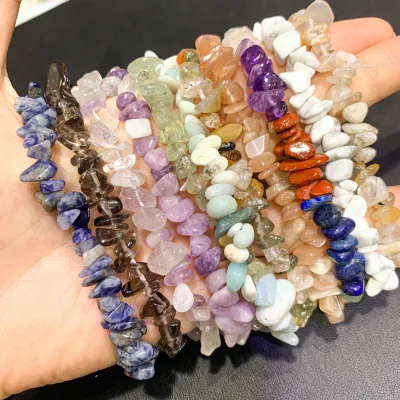

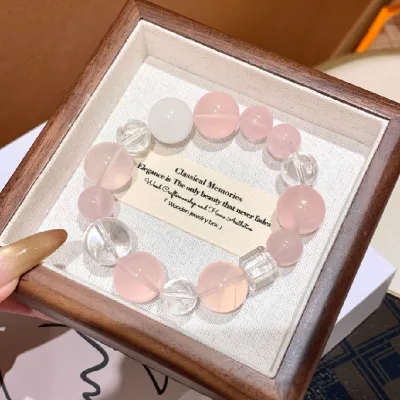
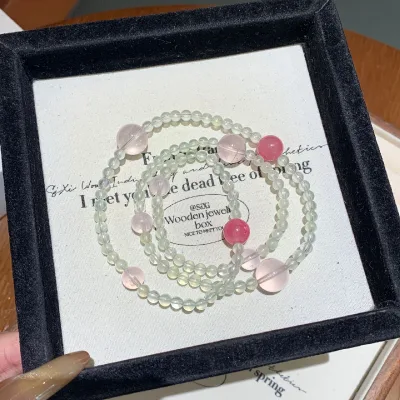
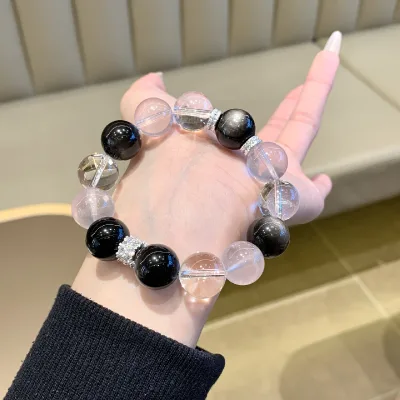
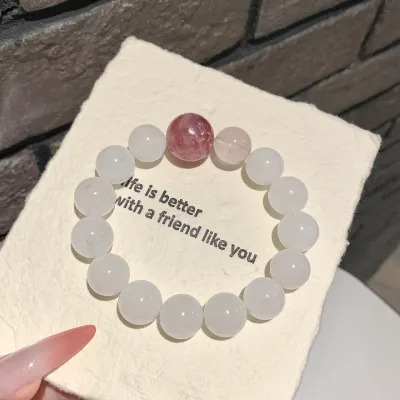


Comprehensive Sourcing Guide
Irregular Chip Crystal Stone Bracelet Supplier Concentration and Factory Types
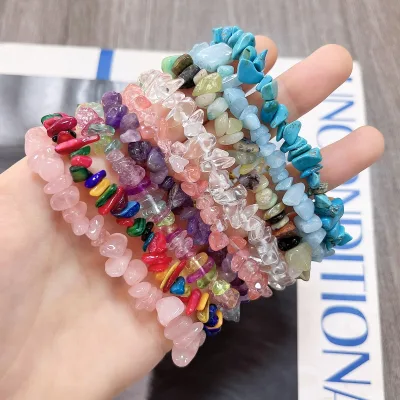
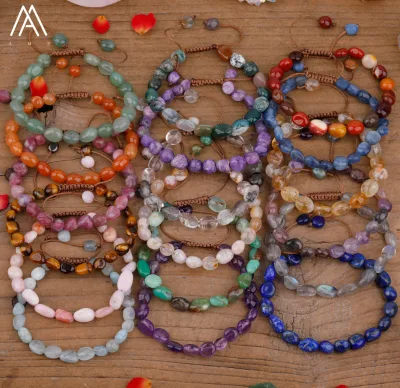
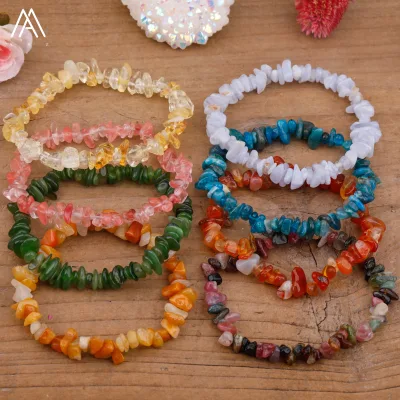
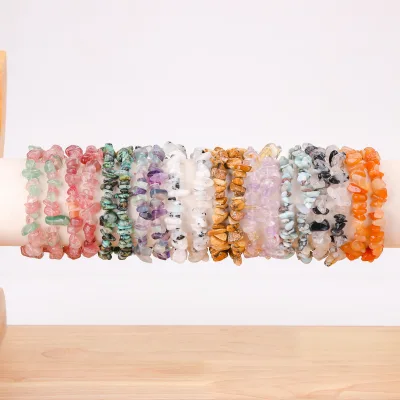
When you search for Irregular Chip Crystal Stone Bracelet suppliers, you will encounter two broad company types: manufacturers or factories, and trading companies. Manufacturer-type listings in this category typically promote a wide main-product range that spans pendants, necklaces, bracelets, rings, earrings, carvings, ornaments, loose beads, semi-precious stones and finished jewelry. Trading companies tend to focus their listed catalogs more narrowly on bead bracelets, crystal bracelets, crystal beads, crystal rings and crystal pendants. Neither type is automatically better; a factory may offer direct production control, while a trading company may aggregate styles from several workshops and respond faster on mixed orders. What matters is matching the supplier type to your order profile: large runs of consistent chip bracelets usually suit factories, while assortment-driven buyers may benefit from trading companies.
Location evidence matters when you assess concentration. Verified listings in this category show suppliers based in Guangdong, China, which indicates that at least part of the chip bracelet supply chain is concentrated there. However, do not assume every result shares that base. Before shortlisting, check the displayed location field on each profile and look for repeat patterns across several suppliers rather than one data point. If a cluster is not evident from your results, map locations manually by exporting the visible region field for each candidate, grouping them by province, and prioritizing regions where multiple verified jewelry suppliers operate, since shared tooling and material sourcing often reduce costs there.
How to Verify Irregular Chip Crystal Stone Bracelet Suppliers
Verification starts with third-party assessment status. In this category, some supplier profiles display an SGS verification mark, and one manufacturer-type listing also shows system certifications including ISO 9001 and OHSAS/OHSMS 18001. Treat these as screening signals, not guarantees: SGS verification typically confirms the business entity's existence and basic credentials, while management-system certificates relate to quality and occupational-safety processes rather than gemstone authenticity. Confirm certificate scope and validity directly by asking the supplier for the certificate number, the certifying body, and the expiry date, then check that the certified entity name matches the legal name on the invoice and contract.
Beyond documents, verify operational reality. Ask each candidate for photographs or a live video walkthrough of their chip-stone sorting, drilling and stringing areas, since irregular chip bracelets depend heavily on manual grading of gravel and chip material. Request references from buyers in your market segment, and order paid samples from the same production line that would handle your volume order, not from a showroom selection. Test the samples against your specification for stone type, chip size distribution, drill-hole quality, stringing material and clasp finish. Finally, cross-check the supplier's business registration details through official corporate registries in the stated location, and be cautious of any supplier unwilling to disclose a verifiable legal entity name.
What to Compare Across Irregular Chip Crystal Stone Bracelet Suppliers
Build a comparison table using the attributes suppliers actually display. Useful dimensions in this category include lead time, response time, minimum order quantity, company type, verification status, certifications, location and main products. For example, listed lead times on comparable profiles range from around ten days to roughly three weeks, which is a meaningful spread if you are replenishing seasonal stock. Response times also vary widely, from a few hours to well over a day, and this predicts how smoothly a production issue will be resolved mid-order. Do not assume every supplier publishes every attribute; where a field is blank, request the value in writing and record it yourself.
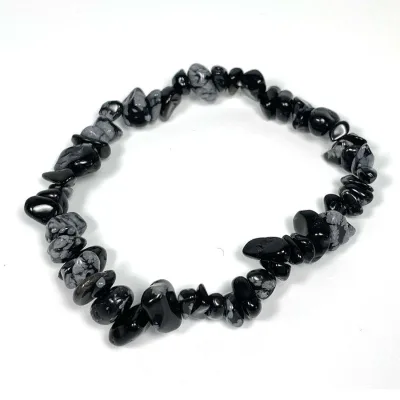
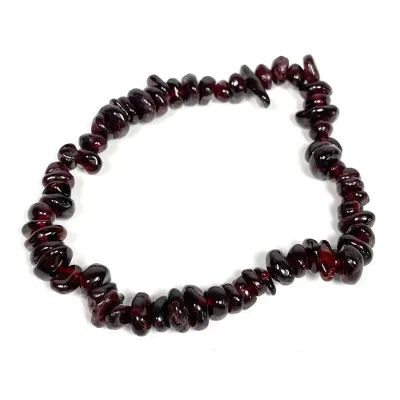
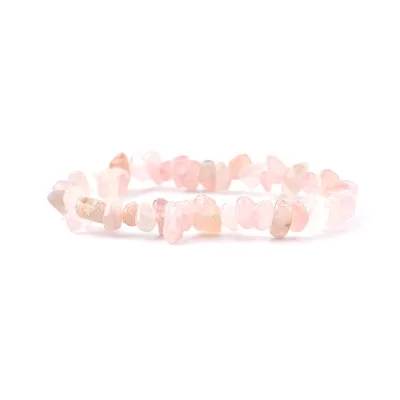
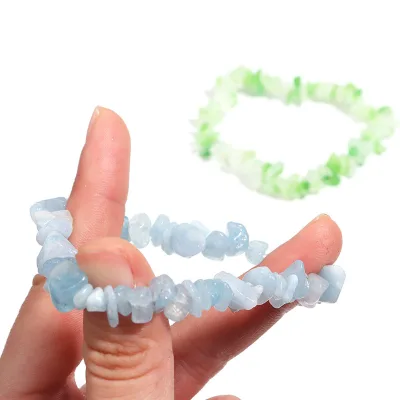
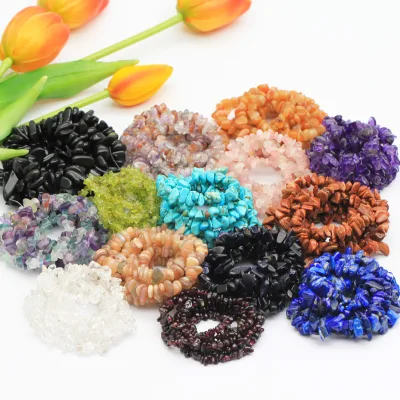
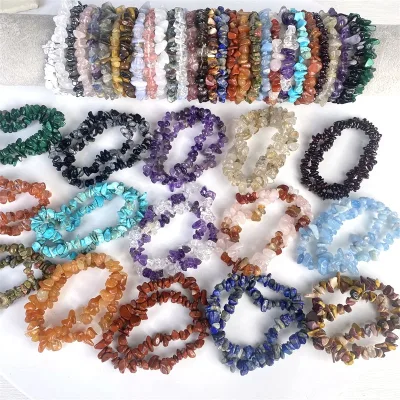
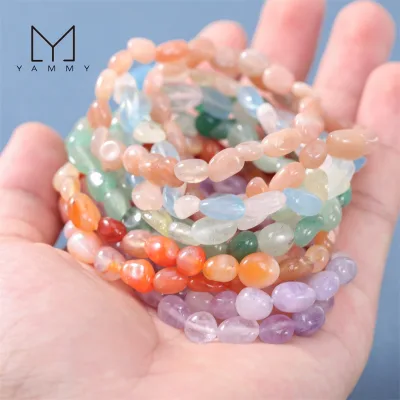
Compare product-level evidence alongside company-level data. Examine each supplier's chip bracelet listings for material claims such as natural crystal, snowflake obsidian or garnet, stone size ranges, bracelet lengths, packing options and customization availability. Note whether the supplier states OEM or ODM capability, or narrower service scope such as light customization, sample processing, graphic processing and made-to-order work. Then weigh these against your priorities: a supplier with broad customization capability but slower responses may suit a private-label program, while a fast responder with tight lead times may fit drop-ship or fast-fashion replenishment. Rank suppliers on weighted criteria rather than a single metric, and re-verify the top three against current listings before contacting them.
Common Irregular Chip Crystal Stone Bracelet Sourcing Risks
Material substitution is the dominant risk in this category. Listings may describe products as natural crystal or semi-precious stone, but chip and gravel material is the easiest form to adulterate with dyed glass, reconstituted stone or lower-grade offcuts. Because chip bracelets are irregular by design, visual inspection is harder than with calibrated round beads. Protect yourself by specifying the stone type by mineral name, requiring a stone-size and chip-size range, and arranging independent gemstone identification on a sample batch before mass production. Put the agreed specification, including color tolerance and acceptable chip-size distribution, into the purchase contract.
Consistency and communication risks follow closely. Gravel and chip material varies batch to batch, so a sample approval does not guarantee that a bulk run will match in hue, luster or chip density. Add a golden-sample clause requiring your signed sample to be the reference standard, and stage quality checks at material intake, mid-production and pre-shipment. Communication risk appears when response times are slow or when a trading intermediary obscures the actual producer. Mitigate by confirming who holds the tooling, who strings the bracelets, and who is contractually liable for defects. Finally, watch for packing weaknesses: chip strands are prone to breakage in transit, so specify protective packing explicitly rather than accepting a vague "standard packing" commitment.
Irregular Chip Crystal Stone Bracelet Regional Sourcing and Logistics
Guangdong, China appears as a verified supplier location in this category, and jewelry manufacturing there is supported by dense networks of stone processors, findings suppliers and stringing workshops. If your shortlist includes Guangdong-based suppliers, proximity to that ecosystem can shorten sampling cycles and simplify sourcing of mixed stone types within one order. Still, verify each supplier's specific address and factory footprint rather than relying on the province label alone, because a registered address in a cluster does not always mean production happens there. Export experience also matters: ask which shipping terms the supplier commonly handles and which ports they normally use.
For logistics planning, product characteristics drive packaging decisions. Chip bracelets are light but fragile; strung gravel chips can snap under compression, so request individual polybags, rigid dividers or bubble-based packing, and confirm what packing formats the supplier already offers. Some listings in this category mention customized packing on request, which is worth negotiating if you retail directly. Plan freight mode by order value and urgency: air freight suits sample and small repeat orders, while consolidated sea or rail freight suits replenishment volumes. Ask each supplier for their standard lead time, stated on some profiles as roughly ten to twenty-three days, and add buffer for stone material availability, since specific stone types can go out of stock seasonally.
Irregular Chip Crystal Stone Bracelet Commercial Terms and Order Planning
Commercial terms should be fixed in writing before any deposit. Confirm the unit price basis, whether it is ex-works, free on board or delivered, and clarify what is included: stringing material, clasps, tags and packing. Minimum order quantities in this category vary considerably; visible listings show quantities as low as a couple of pieces for some styles and up to fifty or one hundred pieces for others, so MOQ is a genuine differentiator rather than a fixed industry norm. If you need several stone types, negotiate a mixed-style arrangement within one order to reach the threshold without overstocking a single design.
Order planning should account for verification and production sequencing. Agree on a staged payment structure tied to milestones such as sample approval, material intake and pre-shipment inspection, and consider using a platform escrow or trade-assurance style mechanism where offered, since some profiles advertise such protections. Build a timeline backward from your sales date: allow time for sampling, independent material testing, bulk production within the quoted lead time, inspection and freight. For repeat business, lock pricing and specification for a defined period and schedule reorders against the supplier's stated response time, since slow responders can delay even routine confirmations. Keep a signed golden sample on both sides to anchor every replenishment.
FAQs
What is the price range for irregular chip crystal stone bracelets?
Prices for these bracelets typically range from $0.52 to $6.88 per unit. The cost varies based on material quality, stone size, and customization options. Buyers should check specific product listings for exact pricing tiers and minimum order quantity requirements to determine the final cost for their order volume.
What is the minimum order quantity for these bracelets?
Minimum order quantities vary by supplier and product type. Some listings require a minimum of 2 units, while others set the threshold at 50 or 100 pieces. Buyers must verify the specific MOQ for each item to ensure it aligns with their procurement volume and budget constraints.
How long does production take for these bracelets?
Lead times generally range from 10 to 23 days depending on the supplier and order complexity. Manufacturers and trading companies offer different processing speeds. Buyers should confirm the exact lead time with the supplier before placing an order to ensure timely delivery for their specific business needs.
Are these bracelets suitable for formal occasions?
Yes, several models are explicitly designed for formal occasions. Other options are categorized for informal use or general decoration. Buyers should review product attributes such as style and occasion tags to select the appropriate design that matches their target market or specific event requirements.
What materials are used in these crystal stone bracelets?
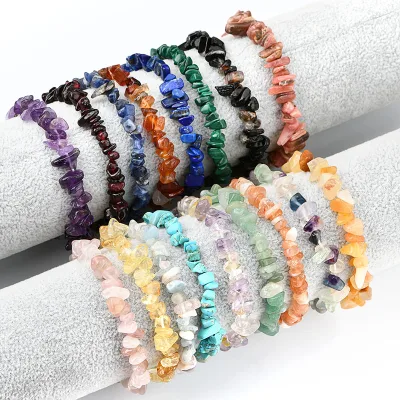
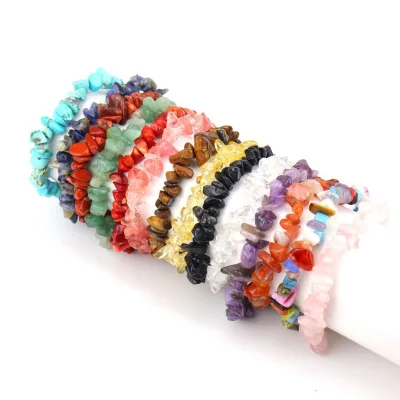
Materials include natural crystals, semi-precious stones, agate, garnet, and obsidian chips. Some designs incorporate pearls or mixed gemstones like tiger eye and amethyst. Buyers can choose from various stone sizes and colors to meet specific aesthetic preferences or healing crystal marketing angles.
Can these bracelets be customized for branding?
Customization is available for many products, including packaging and specific design requests. Suppliers offer OEM and ODM services to tailor items to buyer specifications. Buyers should inquire about customization options, such as logo placement or unique stone arrangements, to ensure the final product meets their brand standards.