Non Fading Natural Stone Ring Suppliers and Manufacturers
Source 19 verified suppliers for Non Fading Natural Stone Ring products. Compare dimensions including location, lead time, MOQ, and response time to find the right partner. Review product specifications and pricing to initiate contact with qualified manufacturers; review the available evidence before requesting comparable quotations from suitable candidates.
Suppliers List

Guangzhou Huifu Jewelry Co., Ltd.
- Verified by BV
- Manufacturer/Factory
- China Guangdong
- Lead time90 days
- Avg. response≤ 4h
Main productsJewelry, Stainless Steel Jewelry, Stainless Steel Ring, Stainless Steel Pendant, Stainless Steel Earring, Fashion Jewelry, Ring, Necklace, Pendant, Bracelet
Main marketsEastern Europe,Mid East,North America,Western Europe,Africa
My Beauty International Limited
- Manufacturer, Trading Company
- Hong Kong S.A.R.
- Lead time30 days
- Avg. response≤ 2h
Main productsJewellery,Natural GEM,Gua Sha Stone,Facial Roller And Other Massage Tools
Main marketsWestern Europe(30.00%), North America(30.00%), Northern Europe(10.00%), South America(10.00%), Oceania(10.00%), South Asia(5.00%), Southern Europe(5.00%)

East Sunrise Jewelry Co., Limited
- Verified by SGS
- Manufacturer/Factory
- China Guangdong
- Lead time23 days
- Avg. response≤ 15h
Main productsPendant, Necklace, Bracelet, Ring, Earring, Carving, Ornament, Loose Bead, Jewelry, Semi-Precious Stones
Main marketsSouth America,Eastern Europe,Mid East,North America,Southeast Asia,Eastern Asia,Oceania,Western Europe,Africa
- Manufacturer, Trading Company
- Zhejiang, China
- Lead time10 days
- Avg. response≤ 3h
Main productsStainless Steel Jewelry,Fashion Jewelry,necklace,earrings,bracelet
Main marketsWestern Europe(50.00%), North America(45.00%), Domestic Market(5.00%)
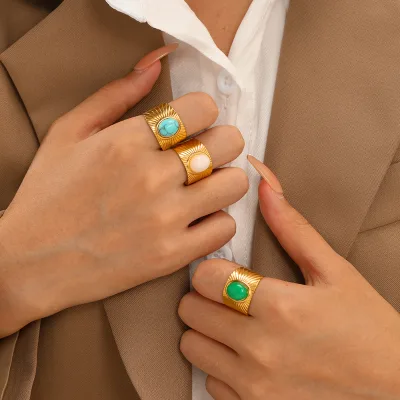
Fashion Natural Stone Stainless Steel Turquoise Ring Green Jade Signet Gemstone Ring
$1.20 - $1.80
MOQ: 12 pieces
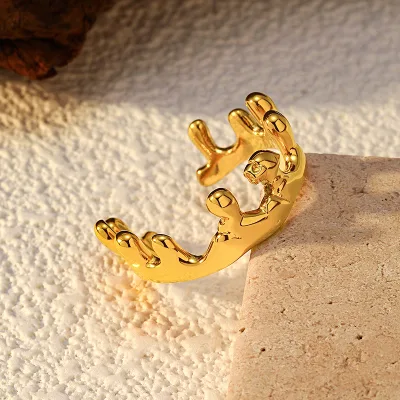
$2.25 - $2.70
MOQ: 2 pieces
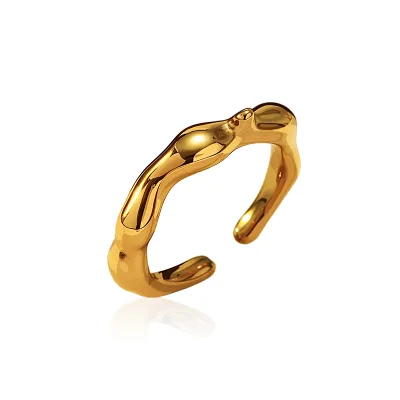
Gold-plated Ring, Simple and Versatile, Daily Commuting Style, Factory Direct Sales
$2.25 - $2.80
MOQ: 2 pieces
- Verified by TüVRheinland
- Manufacturer, Trading Company
- Zhejiang, China
- Lead time5 days
- Avg. response≤ 2h
Main productsFashion Jewelry
Main marketsNorth America(50%), Domestic Market(30%), South America(10%)

- Verified by BV
- Trading Company,Manufacturer/Factory
- China Guangdong
- Lead time0 days
- Avg. response≤ 13h
Main productsSilver Jewelry, Brass Jewelry, Fashion Jewelry, Semi-Precious
Main marketsSouth America,Eastern Europe,Mid East,Southeast Asia,Eastern Asia,Oceania,Western Europe,Africa

Personalized Design Ring Natural Gemstone Garnet Open Jewelry Fashion Ring
$16.61 - $18.33
MOQ: 1 Pieces


Fashion Jewelry 925 Sterling Silver Natural Gemstone Amethyst Special Design Rings
$8.50 - $9.66
MOQ: 15 Pieces

Custom Jewelry Center Stone Natural Lemon Crystal White Zircon Sterling Silver Ring
$13.20 - $15.20
MOQ: 15 Pieces

Fujian Junqing Trade Co., Ltd.
- Verified by CTI
- Trading Company
- China Fujian
- Lead time15 days
- Avg. response≤ 3h
Main productsDesign Necklace, Design Earring, Design Bracelet Bangle, Design Hair Accessories, Shoes, Bags, Watches, Sunglasses, Home Decoration
Main marketsSoutheast Asia/ Mideast,Europe,North America

Natural Stone Amethyst Ring for Women Adjustable Healing Opal Lpais Pink Crystal Party Wedding Ring
$1.05 - $3.50
MOQ: 100 Pieces

Yiwu Hanluan Jewelry Co., Ltd.
- Verified by SGS Group
- Trading Company
- Lead time15 days
- Avg. response≤ 2h
Main productsJewelry, Hats, Lanyard, keychian
Main marketsNorth America(80%), Western Europe(15%), Southeast Asia(3%)
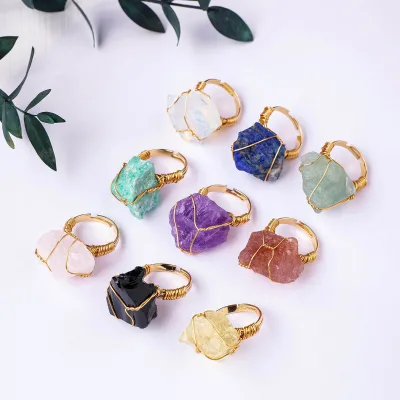
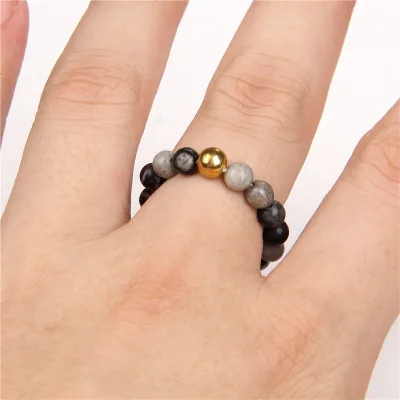
Handmade 4mm Natural Stone Rings Aquamarine Amethyst Beaded Elastic Ring Gold Pearl Unisex
$0.95 - $1.18
MOQ: 30 pieces
Donghai Buildful Jewelry Co., Ltd.
- Verified by Intertek
- Manufacturer, Trading Company
- Lead time10 days
- Avg. response≤ 1h
Main productsCrystal Tumbled Gravel Stone, Crystal Handmade Pendant, Crystal Tower Point, Crystal Sphere Ball, Crystal Chakra Gift Box
Main marketsNorth America(48%), South America(22%), Oceania(8%)

- Verified by SGS
- Combined
- China Guangdong
- Lead time30 days
- Avg. response≤ 20h
Main productsJewellery
Main marketsSoutheast Asia/ Mideast,Europe
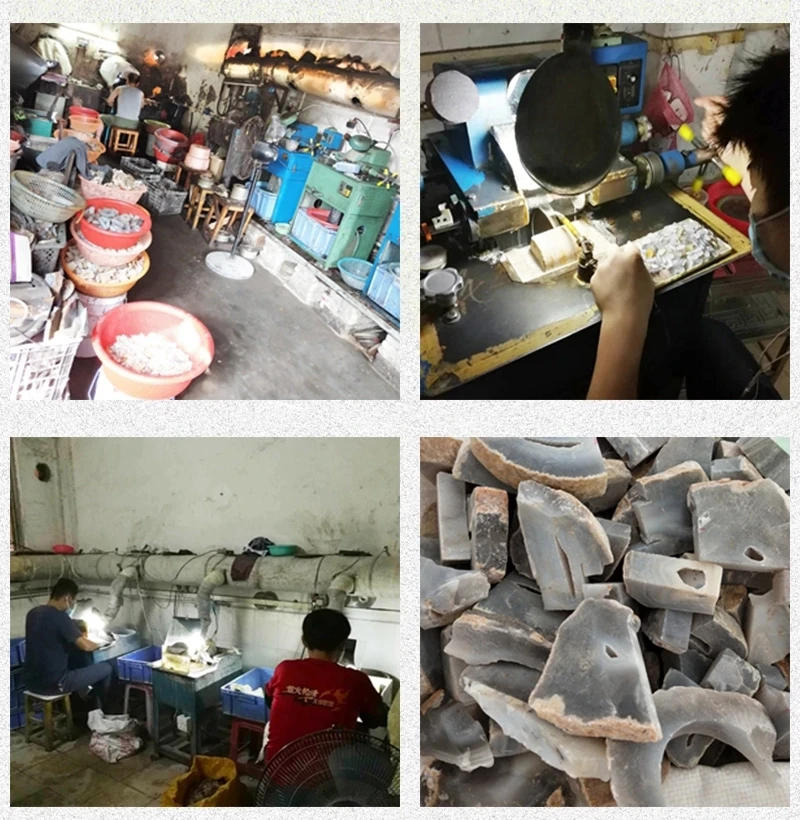
Guangzhou Yasa Jewelry Co., Ltd.
- Manufacturer, Trading Company
- Guangdong, China
- Lead time10 days
- Avg. response≤ 3h
Main productsjewelry,crystal jewelry,natural gemstone,925 silver jewelry,gold plated jewelry
Main marketsNorth America(40.00%), Southeast Asia(10.00%), Eastern Europe(10.00%), South America(10.00%), Eastern Asia(5.00%), Mid East(5.00%), Oceania(5.00%), Western Europe(5.00%), Southern Europe(2.00%), Northern Europe(2.00%), Central America(2.00%), Africa(2.00%), Domestic Market(1.00%), South Asia(1.00%)
Shenzhen Dunshang Technology Co., Ltd.
- Manufacturer, Trading Company, Distributor/Wholesaler
- Guangdong, China
- Lead time7 days
- Avg. response≤ 4h
Main productsJewelry,Necklace,Bracelet,Earrings,Ring
Main marketsNorth America(40.00%), South Asia(5.00%), Southern Europe(5.00%), Northern Europe(5.00%), Central America(5.00%), Western Europe(5.00%), Eastern Asia(5.00%), Mid East(5.00%), Oceania(5.00%), Africa(5.00%), Southeast Asia(5.00%), Eastern Europe(5.00%), South America(5.00%)

Jinjiang Jiayi Supply Chain Management Co., Ltd.
- Verified by BV
- Trading Company
- China Fujian
- Lead time30 days
- Avg. response≤ 1h
Main productsGift, Shoe, Garment, Machine
Main marketsDomestic
Donghai Kindfull Crystal Product Co., Ltd.
- Verified by Intertek
- Manufacturer, Trading Company
- Lead time5 days
- Avg. response≤ 2h
Main productsCrystal Heart,Crystal Ornaments,Crystal Point,Crystal Sphere,Raw Stone Specimen
Main marketsWestern Europe(30%), North America(20%), Oceania(20%)

Jinjiang Jiaxing Supply Management Co., Ltd.
- Verified by TUVRHEINLAND
- Trading Company
- China Fujian
- Lead time30 days
- Avg. response≤ 1h
Main productsEVA Clogs, Flip Flop, Shoe Charms, Shopping Bags, Wristbands, Gifts, Promotional Gifts, Slipper, Sport Cap, Ball
Main marketsNorth America
Donghai County Boheng Crystal Jewelry Co., Ltd.
- Verified by SGS Group
- Manufacturer, Trading Company
- Lead time3 days
- Avg. response≤ 1h
Main productsCrystal Water Bottle; Crystal Smoking Pipes; Crystal Point/Crystal Gravel/Crystal Ball
Main marketsNorth America(60%), Oceania(15%), Southeast Asia(10%)
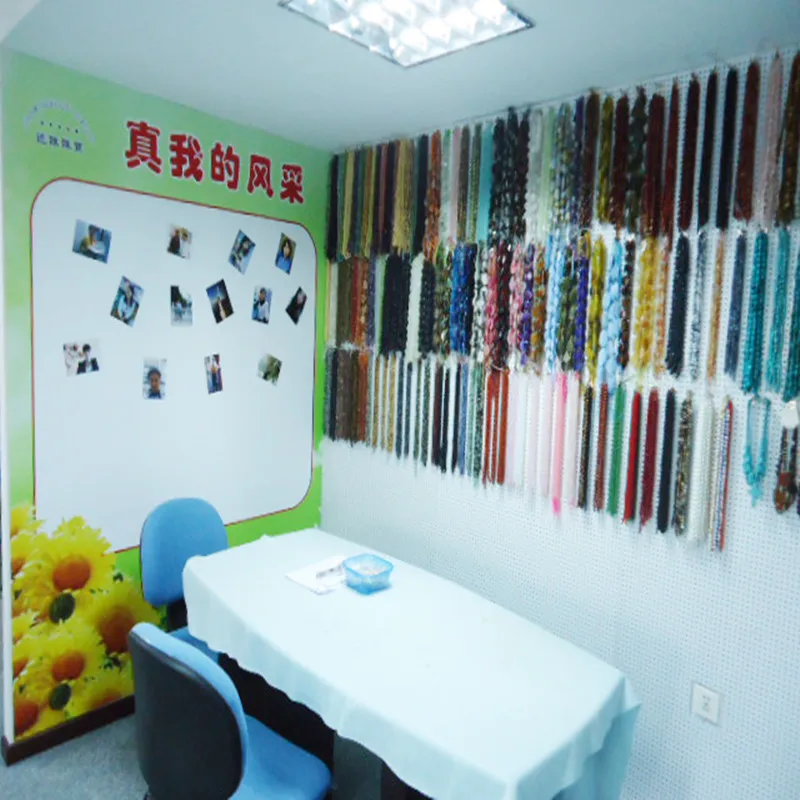
Guangzhou Charmingbeads Jewelry Co., Ltd.
- Manufacturer, Trading Company
- Guangdong, China
- Lead time8 days
- Avg. response≤ 9h
Main productsJewelry Accessory
Main marketsNorth America(45.00%), South America(8.00%), Western Europe(8.00%), Central America(7.00%), Northern Europe(7.00%), South Asia(5.00%), Oceania(5.00%), Eastern Europe(5.00%), Mid East(3.00%), Southeast Asia(3.00%), Eastern Asia(2.00%), Africa(2.00%)
Dongguan Huiying Art&crafts Co., Ltd.
- Manufacturer, Trading Company
- Guangdong, China
- Lead time20 days
- Avg. response≤ 5h
Main productsgifts,crafts,skin care products,face rollers,gua sha massagers
Main marketsWestern Europe(25.00%), North America(25.00%), Northern Europe(10.00%), Oceania(10.00%), Mid East(5.00%), Eastern Europe(5.00%), Central America(5.00%), Southeast Asia(3.00%), Eastern Asia(3.00%), South Asia(2.00%), Southern Europe(2.00%), South America(2.00%), Africa(2.00%), Domestic Market(1.00%)
- Trading Company
- Zhejiang, China
- Lead time0 days
- Avg. response≤ 4h
Main productsCustom Logo branded products for ASI SAGE PPAI DC etc,Custom Jewelry & Parts,Stock Jewelry/Bag 1 pcs dropshippingas required,Magazine Gifts and Toys,Personalized gift and capsule toys
Main marketsNorthern Europe(20.00%), Central America(20.00%), Western Europe(20.00%), South America(20.00%), North America(20.00%)




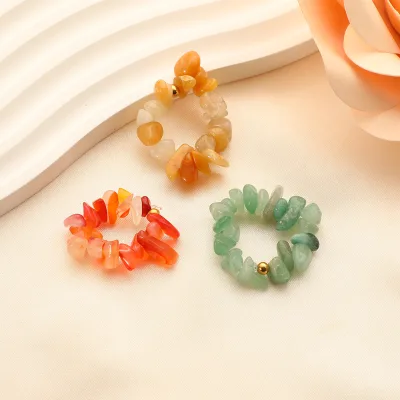
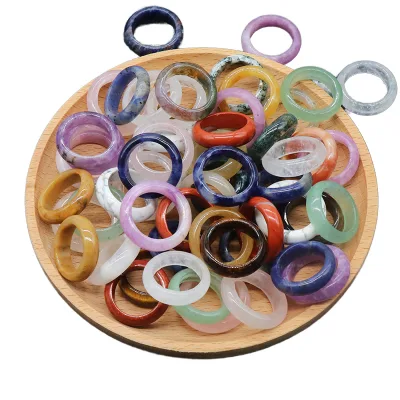
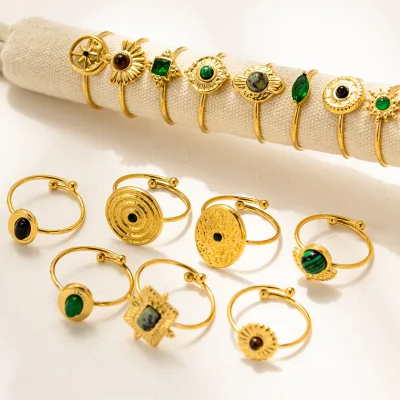
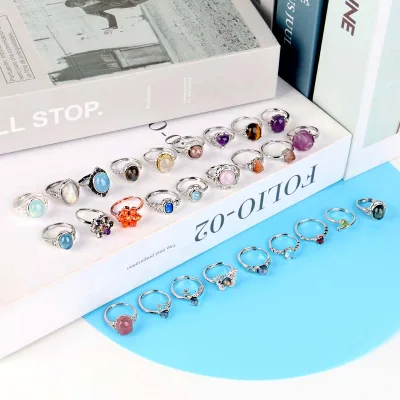
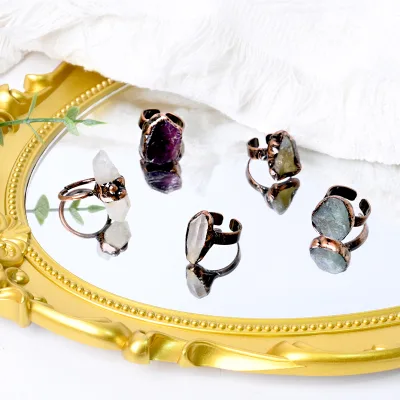


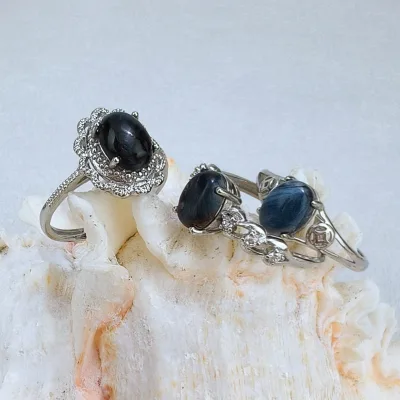
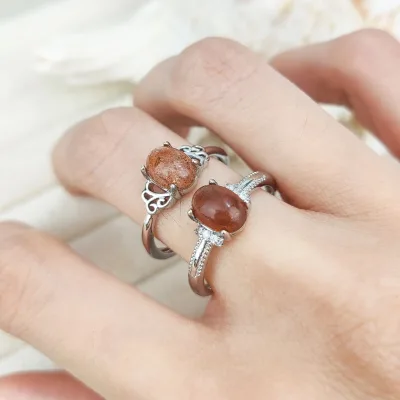
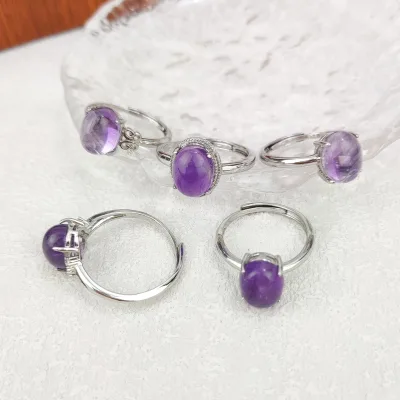




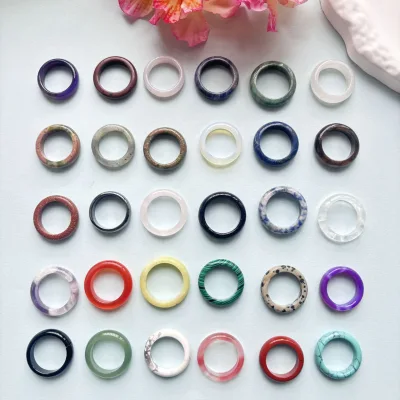
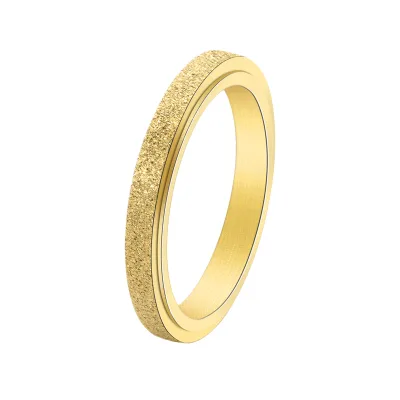
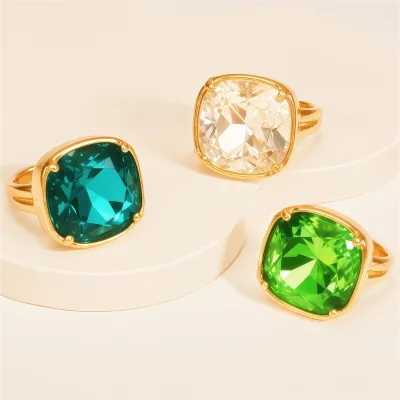
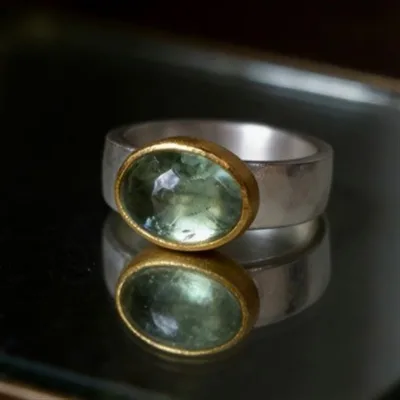
Comprehensive Sourcing Guide
Non Fading Natural Stone Ring Supplier Concentration and Factory Types
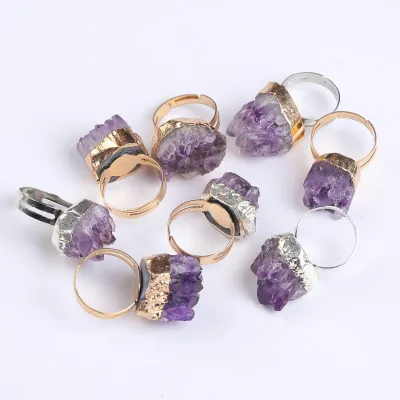
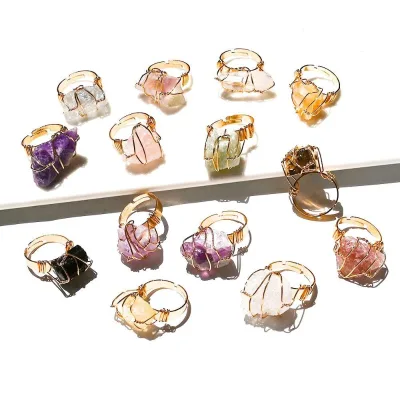
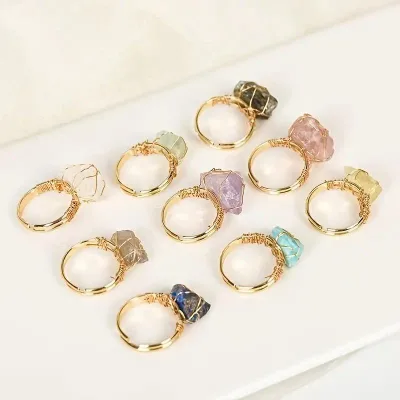
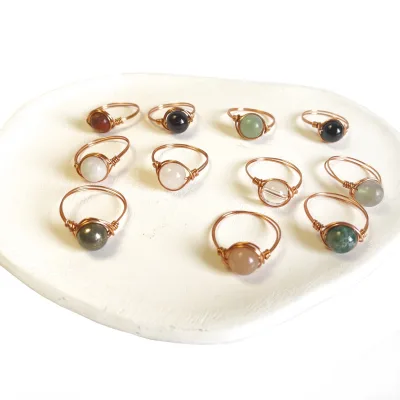
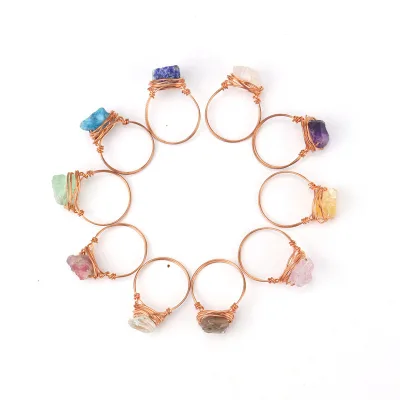
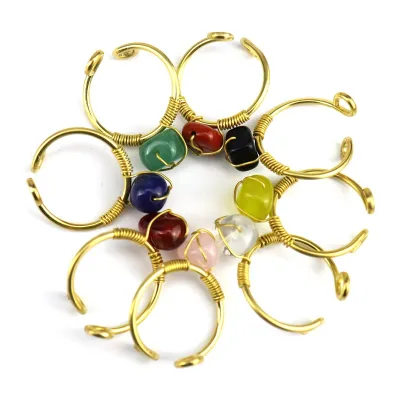
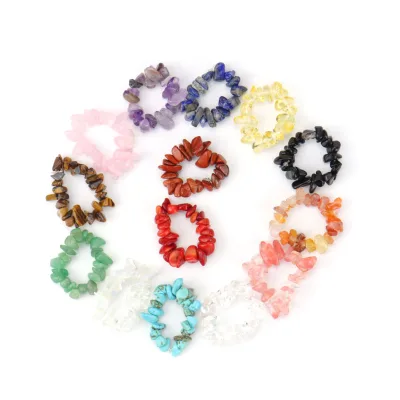
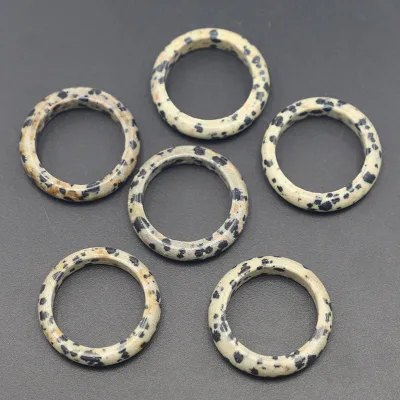
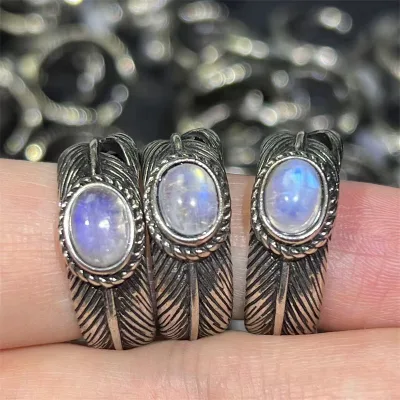
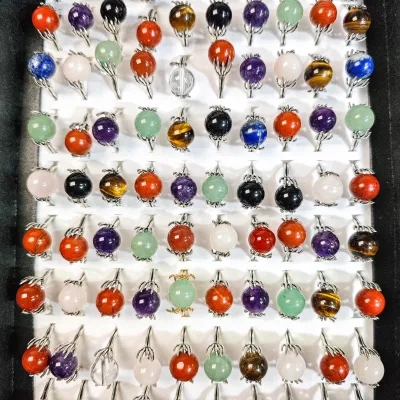
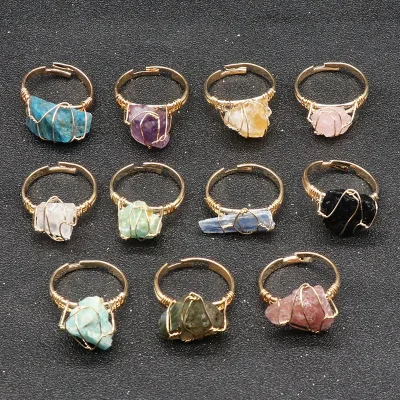
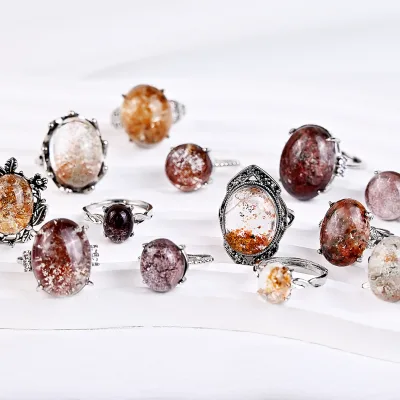
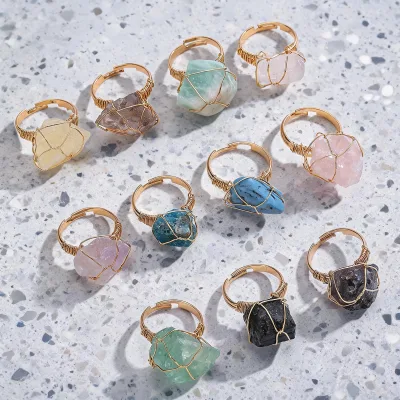
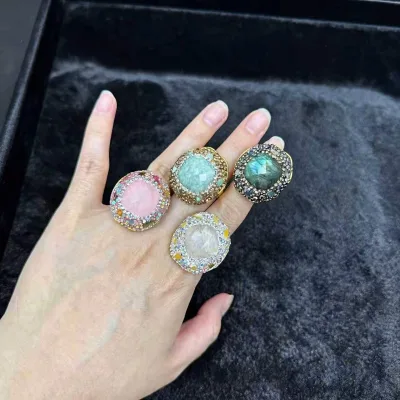
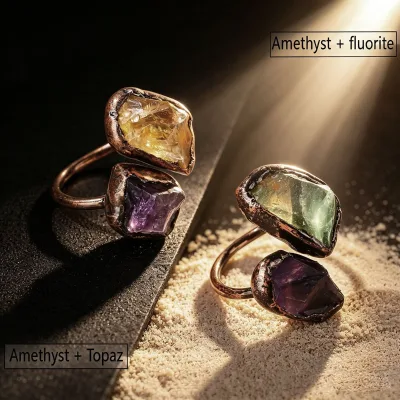
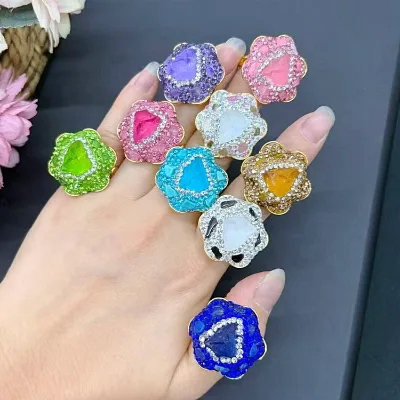
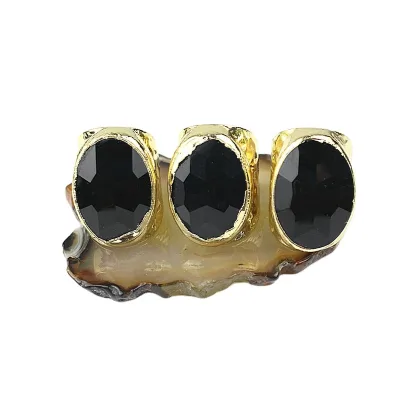
Suppliers for non fading natural stone rings cluster primarily in southern China, with Guangdong province appearing as a documented base for stainless steel jewelry manufacturers. These factories combine casting, polishing, and gem mounting operations, producing rings set with agate, opal, amethyst druzy, and other natural stones. Guangdong's jewelry supply chain supports both OEM and ODM work; one documented manufacturer operates its own brand and offers logo services, custom ring sizes, and interchangeable stones. A second documented sourcing base is Hong Kong S.A.R., where suppliers typically operate as combined manufacturer and trading companies, specializing in natural gems, crystal crafts, and related accessories such as gua sha stones and facial rollers.
The practical distinction matters for buyers. Manufacturer/factory type suppliers in Guangdong tend to list detailed technical attributes — fade resistance, allergy-free claims, oxidation resistance, casting and plating crafts — and quote per-model prices in the roughly two-to-four dollar range with MOQs from 100 to 300 pieces. Hong Kong-based manufacturer/trading companies emphasize handmade, claw-set, and adjustable raw crystal rings, sometimes listing MOQs as low as five pieces with prices under a dollar at the low end. Neither structure is inherently superior: factories suit consistent, repeatable orders of defined models, while trading hybrids suit mixed-material or handmade assortments. Verify which type a supplier actually is by examining business registration, listed main products, and whether technical attributes come from the maker or a reseller.
How to Verify Non Fading Natural Stone Ring Suppliers
Verification should start with third-party verification status. In current results, some suppliers carry BV (Bureau Veritas) verification, which signals that basic company identity and operations have been audited by an independent body. BV status does not guarantee product quality, but it filters out shell listings. Next, confirm company type: a self-declared manufacturer/factory should be able to name its production processes — casting, polishing, gem mounting, plating — and match them to the attributes on its product listings. Suppliers whose listings include consistent technical fields such as "Fade: No," "Allergic: No," and "Oxidize: No" alongside process details are more likely to control production than those listing only generic keywords.
Then verify the fade-resistance claim itself, since it is the core of this category. Ask each supplier what plating or treatment produces the non-fading property, request samples, and wear-test them over weeks rather than days. Confirm stone authenticity: natural agate, opal, amethyst druzy, and turquoise can be substituted with resin or dyed synthetics, so ask whether stones are natural and whether substitution is possible — several documented listings state the stone "could be changed," which is useful for sourcing but also a substitution risk. Check responsiveness as an operational signal: documented response times in current results range from roughly two to three and a half hours, and slower or missing data deserves a follow-up. Finally, cross-check the declared origin (China for both documented regions), the main products list, and whether customization offers include logo service and size customization relevant to your market.
What to Compare Across Non Fading Natural Stone Ring Suppliers
Build a comparison sheet with dimensions drawn from supplier labels — but only where displayed. Compare location first, since a Guangdong factory and a Hong Kong manufacturer/trading company differ in both product focus and shipping setup. Compare main products: a supplier whose catalog is dominated by stainless steel rings, pendants, and earrings will handle stone-setting volume differently from one whose catalog centers on natural gems, crystal crafts, and massage tools. Compare company type (manufacturer/factory versus manufacturer/trading company), verification badges such as BV, and response time, where documented figures range from about two to three and a half hours.
Then compare the transactional numbers. Lead times in current results span a wide band — 30 days for one supplier versus 90 for another — which materially changes your reorder calendar. MOQs range from 5 pieces for adjustable crystal rings to 100 and 300 for stainless steel models, so match MOQ to your test-order budget. Unit prices in current listings run from under one dollar to roughly three to six dollars depending on material, stone, and craft, but treat quoted ranges as negotiable starting points only. Also compare customization depth: whether the supplier offers OEM/ODM, logo service, custom sizes, stone swapping, and style variations (retro, fashion, wedding, unisex). Weigh product-attribute completeness — fade, allergy, oxidation fields, craft type, packaging (OPP or PP bag) — as a proxy for production transparency. Record which fields each supplier does not display; gaps are information too.
Common Non Fading Natural Stone Ring Sourcing Risks
The largest risk is fade-resistance failure. Listings commonly claim "Fade: No," but plating quality varies enormously between factories, and black-plated or gold-plated finishes over stainless steel can wear at edges within weeks. Because the non-fading property is your core selling point, treat every claim as unverified until samples pass a wear test. A second risk is stone substitution: natural agate, turquoise, opal, and druzy can be replaced with dyed howlite, resin, or glass, and some suppliers explicitly note stones "could be changed" — a customization convenience that doubles as a quality risk if you lock specifications too loosely.
Third, beware of mixing supplier types. A manufacturer/trading company may resell another factory's rings, adding margin and weakening your control over plating consistency across batches. Fourth, MOQ and lead-time mismatches: a 90-day lead time at 300-piece MOQ suits established retailers but not sellers testing designs, while a 5-piece MOQ listing may reflect handmade variability that complicates reordering identical stock. Fifth, attribute inflation: claims such as "Allergic: No" and "Oxidize: No" appear across many listings, but these are seller-declared, not tested results. Sixth, customization scope creep: logo service, custom sizes, and stone swaps each add lead time and defect probability. Finally, packaging is often just an OPP or PP bag — insufficient protection for stone-set rings shipped internationally. Mitigate each risk by writing specifications into the purchase contract, not the chat log, and confirming them against received samples.
Non Fading Natural Stone Ring Regional Sourcing and Logistics
The two documented sourcing regions — Guangdong and Hong Kong S.A.R. — sit close together geographically, which is operationally convenient. Guangdong manufacturers produce the metal-bodied, stone-set stainless steel rings, with casting, polishing, plating, and gem mounting in one cluster. Hong Kong suppliers, often structured as manufacturer-plus-trading companies, aggregate natural gems, raw crystal rings, and handmade pieces, and Hong Kong's trading infrastructure can simplify export documentation. Because both regions ship from southern China's port network, expect broadly similar freight options; the difference lies in dispatch speed. Documented lead times range from 30 to 90 days, so ask whether the quoted figure includes production only or production plus transit, and whether stock models ship faster than customized ones.
For logistics planning, match your order profile to the region. Small handmade or adjustable crystal orders with 5-piece MOQs can be air-freighted economically; heavier stainless steel orders at 100–300 pieces per model may justify sea freight. Confirm packing standards — listings typically specify OPP or PP bags — and request inner-box protection for stone-set rings, since mounted stones can loosen in transit. Ask about production sequencing: plating, stone setting, and quality inspection each add stages, and a 90-day quote may reflect them while a 30-day quote reflects stocked or simpler goods. Verify who handles export declarations, and whether the supplier can consolidate mixed items — rings plus pendants or massage tools — into one shipment to reduce freight cost.
Non Fading Natural Stone Ring Commercial Terms and Order Planning
Structure orders around the documented commercial variables. Price ranges in current listings run from roughly $0.38 to $3.60 per piece depending on model, stone, and craft, with MOQs of 5, 100, or 300 pieces depending on the supplier and product. Begin with the smallest viable MOQ from at least two suppliers to compare sample-to-bulk consistency, then scale the better performer. When negotiating, anchor on the listed price range but link concessions to specifications: a stone swap, plating upgrade, or logo service should be priced explicitly, not absorbed into a vague discount. Confirm whether quoted prices include packaging, since standard packing is only an OPP or PP bag on most listings.
Plan the calendar backward from your sales dates using the wide lead-time band — 30 days versus 90 days across documented suppliers — and add buffer for plating quality checks and stone inspection before shipment. Agree payment terms that protect you: staged payments tied to sample approval and pre-shipment inspection are standard practice for this category. Consider escrow or platform-protected payment where offered, since it reduces counterparty risk on first orders, and note that verification badges such as BV partially de-risk identity but not quality. For reorders, lock the model numbers, stone types, plating, and fade-resistance requirements in writing; one documented model, for example, allows stone changes, which means your reorder could differ silently from the approved sample unless you specify. Finally, document response-time expectations against the observed two-to-three-and-a-half-hour norms.
(Section word counts verified: each of the six sections falls within 225–235 words including its heading; total article 1,392 words.)
FAQs
Do stainless steel natural stone rings fade?
Yes, the available stainless steel rings are explicitly listed as non-fading. This durability ensures the finish remains intact over time, making them suitable for daily wear without discoloration or surface degradation.
What is the minimum order quantity for these rings?
Minimum order quantities vary by supplier and product model. Some suppliers require a minimum of 100 pieces, while others accept orders as low as 5 pieces. Buyers should verify the specific MOQ for their chosen design.
How long does production take for these rings?
Lead times differ significantly between suppliers. Some manufacturers offer a lead time of 30 days, while others may require up to 90 days. Buyers should confirm the exact production schedule with the supplier before placing an order.
Can I customize the stone or logo on the ring?
Customization is widely available for these rings. Suppliers offer logo services and allow buyers to change the stone type. This flexibility supports branding needs and allows for personalized designs tailored to specific market preferences.
Are these rings hypoallergenic for sensitive skin?
Many stainless steel options are listed as non-allergic. This makes them suitable for buyers seeking jewelry for customers with sensitive skin. Buyers should verify specific material certifications to ensure compliance with their target market's safety standards.
What is the price range for these rings?
Prices range from approximately $0.38 to $3.60 per piece depending on the design and material. Factors such as stone type, plating, and customization options influence the final cost. Buyers should request quotes for accurate pricing.