Automatic Plastic Mannequin Making Machine Suppliers and Manufacturers
Explore 18 verified options for the Automatic Plastic Mannequin Making Machine. Compare locations, lead times, certifications, and prices to find the right fit. Contact suppliers directly to request quotes and verify specifications; review the available evidence before requesting comparable quotations from suitable candidates.
Suppliers List

Zhangjiagang Apollo Machinery Co., Ltd.
- Verified by TUVRHEINLAND
- Trading Company
- China Jiangsu
- Lead time15 days
- Avg. response≤ 15h
Main productsBlow Moulding Machine, Extrusion Blow Molding Machine, Automatic Blow Moulding Machine, Plastic Blowing Moulding Machine, Bottle Blowing Machine, Bottle Making Machine, Full-Automatic Blow Molding Machine, Automatic Blowing Shaping Machine, Auto Bottle Making Machine, Extrusion Blow Shaping Machine
Main marketsSouth America,Others(foreignTradeCapacity.exportBusinessCapacityMarketOther)
Dongguang Golden Sincerity Machinery Manufacturing Co., Ltd.
- Verified by TüVRheinland
- Manufacturer, Trading Company
- Lead time60 days
- Avg. response≤ 2h
Main productsPlastic Bottle Making Machine, Automatic Blow Moulding Machine, Fully Hydraulic Blow Molding Machine, Extrusion Blow Molding Machine, Plastic Bottle Blow Molding Machine
Main marketsDomestic Market(80%), Southeast Asia(10%), Africa(10%)
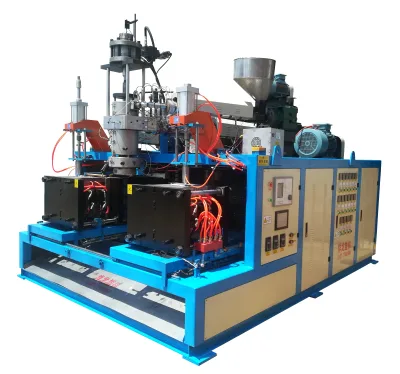
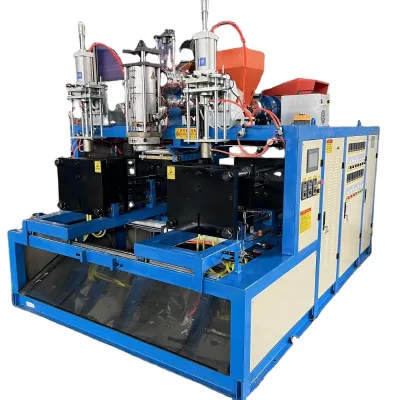
Large Capacity Plastic Mannequin Making Machine Blow Molding Machine Price
$13000.00 - $15000.00
MOQ: 1 sets

ZHEJIANG TONVA PLASTICS MACHINE CO., LTD.
- Manufacturer/Factory
- China Zhejiang
- Lead time30 days
- Avg. response≤ 11h
Main productsBlow Moulding Machine, Extrusion Blow Molding Machine, Pet Blow Molding Machine, Plastic Moulds, Injection Molding Machine, Blow Molding Machine, Plastic Blow Moulding Machine, Plastic Bottle Making Machine, Pet Blowing Machine, Mold
Main marketsSouth America,Eastern Europe,Mid East,North America,Southeast Asia,Eastern Asia,Oceania,Western Europe,Africa

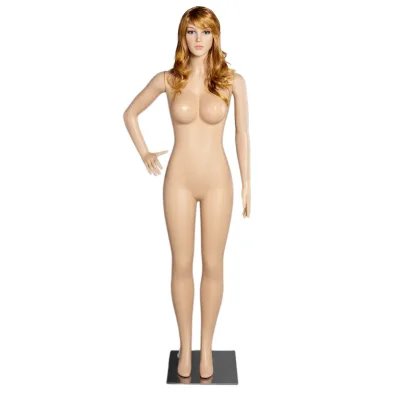
Plastic Mannequin Blow Molding Machine Plastic Female Body Making Machine
$100000.00 - $128800.00
MOQ: 1 Pieces

Plastic Mannequin Making Machine Blow Moulding Machine Manufacturer
$58800.00 - $73100.00
MOQ: 1 Pieces

Manufacturer Provide Plastic Female Mannequin Blow Molding Machine
$85800.00 - $1208800.00
MOQ: 1 Pieces


Hot Sale Tonva Making Accumulator Plastic Mannequin Extrusion Blowing Moulding Machine
$75800.00 - $99800.00
MOQ: 1 Pieces


ZHEJIANG TONVA PLASTICS MACHINE CO., LTD.
- Verified by CTI
- Combined
- China Zhejiang
- Lead time30 days
- Avg. response≤ 9h
Main productsBlow Molding Machine, Pet Stretch Blow Molding Machine, Plastic Bottles Forming Machining, Plastic Molds, Extrusion Blow Molding Machine, Blow Moulding Machine, Plastic Container Making Machine, Plastic Hollow Products Making Machine, Hollow Products Blow Machine, Plastic Blow Molding Machinery
Main marketsSouth America,Africa,Southeast Asia/ Mideast,East Asia(Japan/ South Korea),Domestic,Europe,Australia,North America


Plastic Full Body Male Female Mannequin Blow Molding Making Machine
$88888.00 - $188888.00
MOQ: 1 Sets

Tonva Plastic HDPE Human Body Model Mannequin Blow Moulding Making Machine
$88888.00 - $188888.00
MOQ: 1 Sets


Plastic Blow Molding Machine for Mannequins Making Fashion Model Body Production
$68800.00
MOQ: 1 Pieces

Tongda (China) Machinery Technology Co., Ltd.
- Manufacturer/Factory
- China Jiangsu
- Lead time105 days
- Avg. response≤ 4h
Main productsBlow Molding Machine, Blow Moulding Machine, Bottle Making Machine, Injection Blow Molding Machine, Injection Molding Machine, Diesel Generator Set, Mold
Main marketsSouth America,Eastern Europe,Mid East,North America,Eastern Asia,Western Europe,Africa

Best Selling Product Extrusion Blow Molding Machine Plastic Mannequin Making Machine
$33000.00 - $50000.00
MOQ: 1 Pieces

$33000.00 - $50000.00
MOQ: 1 Pieces

Accumulation Extrusion Blow Molding Machine for Plastic Mannequin and Models
$60000.00 - $69800.00
MOQ: 1 Pieces

Plastic Mannequins Production Extrusion Blow Molding Machine Accumulator Type
$23000.00 - $50000.00
MOQ: 1 Pieces


Quanzhou Hexing Display Factory
- Verified by TüVRheinland
- Manufacturer, Trading Company
- Lead time8 days
- Avg. response≤ 4h
Main productsMannequins, Clothes Hanger, Shoe Tree
Main marketsSouthern Europe(15%), North America(10%), Eastern Europe(10%)

Zhangjiagang Huili Machinery Co., Ltd.
- Verified by BV
- Combined
- China Jiangsu
- Lead time15 days
- Avg. response≤ 3h
Main productsBlow Molding Machine, Extrusion Blow Machine, Injection Molding Machine, Plastic Washing Line, Plastic Extrusion Machine, Plastic Granulator Machine, Pet Blow Molding Machine
Main marketsSouth America,Africa,Southeast Asia/ Mideast,Europe

Extrusion Blow Molding Machine Plastic Plastic Mannequin Blow Moulding Making Machine
$14800.00 - $14900.00
MOQ: 1 Pieces


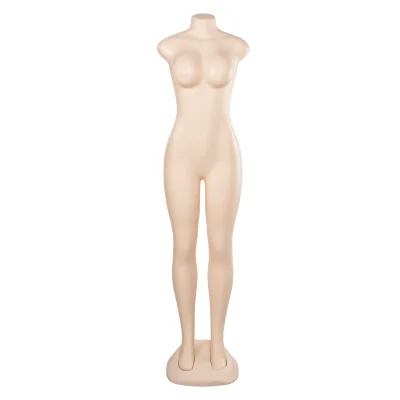
Female Full Body Plastic Fashion Mannequin Making Machine Blow Molding Machine
$14800.00 - $14900.00
MOQ: 1 Pieces

Plastic Full Body Mannequin Making Machine Extrusion Blow Molding Machine
$14800.00 - $14900.00
MOQ: 1 Pieces

Body Mannequin Male Female Mannequins Extrusion Blow Molding Machine
$14800.00 - $14900.00
MOQ: 1 Pieces

Plastic PP HDPE Male Female Half-Full Model Body Mannequin Blow Molding Machine
$14800.00 - $14900.00
MOQ: 1 Pieces

PEIDA MACHINERY GROUP CO., LTD.
- Verified by BV
- Manufacturer/Factory
- China Anhui
- Lead time90 days
- Avg. response≤ 11h
Main productsBarge, Tugboat, Oil Tanker Ship, Cargo Ship, Tug Boat, Floating Crane Barge, Passenger Ship, Passenger Boat, Deck Barge, Oil Barge
Main marketsSouth America,North America,Southeast Asia,Western Europe,Africa

Jiangsu Jwell Intelligent Machinery Co., Ltd.
- Verified by BV
- Combined
- China Jiangsu
- Lead time30 days
- Avg. response≤ 3h
Main productsJwell Extrusion Machine, Jwell Plastic Extruder, Jwell Screw/Barrel/Roller/Mould, Jwell Sheet/Film/Board/Profile/Pipe Extrusion, Jwell Blow Molding Machine/Fiber Spinningmachine, PVB/PVA/Poe/Peek/PC/PA Extrusion Machine, EVA/TPU/PETG/Sgp/EVOH/LFT/Cfp Extrusion Machine, FRP/Cfrt/PLA/APET/GPPS/ABS/Mpp Extrusion Machine, PP/PE/PS/Pet/PVC/PVDF/PPR Extrusion Machine, UPVC/PPR...Plastic Extrusion Machine
Main marketsSouth America,Southeast Asia/ Mideast,Domestic,North America

ZHEJIANG JWELL PIPE EQUIPMENT CO., LTD.
- Combined
- China Shanghai
- Lead time60 days
- Avg. response≤ 18h
Main productsExtrusion Machine Line, Plastic Extruder, Plastic Pipe Extrusion Line Machine, Plastic Machinery, Plastic Board Extrusion Machine, Plastic Sheet Profile Extrusion Line Machine, Blow Molding Extrusion Machine, Plastic Recycling Pelletizing Machine Line, Chemical Fibers Production Line, Screw and Barrel
Main marketsSoutheast Asia/ Mideast,East Asia(Japan/ South Korea),Europe,Australia,North America

Jwell PE Plastic Mannequin/Model Fully Auto Making Blow Molding Machine
$60000.00 - $90000.00
MOQ: 1 Pieces


Plastic Mannequin Model Body Making on Extrusion Blow Molding Machine
$60000.00 - $90000.00
MOQ: 1 Pieces

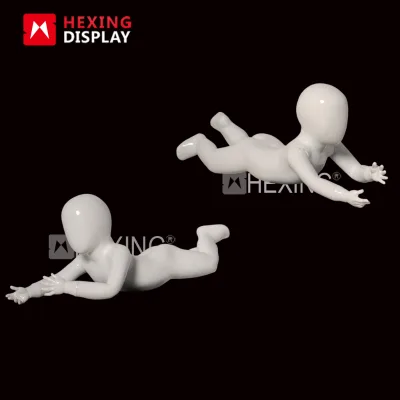
Plastic Children Model Mannequin Production Blow Molding Machine Accumulator Type
$60000.00 - $90000.00
MOQ: 1 Pieces

$58500.00 - $64700.00
MOQ: 1 Pieces

Dongguan Yongzhao Hardware Products Co., Ltd.
- Combined
- China Guangdong
- Lead time15 days
- Avg. response≤ 9h
Main productsHanger, Plastic Hanger, Clothes Hangers, Mannequins, Fiberglass Mannequins, Clothing Hangers, Velvet Hangers, Rubber Coating Hanger, Lingerie Hanger, Swimwear Hanger
Main marketsSouth America,Southeast Asia/ Mideast,Europe,Australia,North America
GUANGZHOU BEAUTIFUL HARDWARE MANUFACTURE LIMITED
- Manufacturer, Trading Company
- Guangdong, China
- Lead time25 days
- Avg. response≤ 5h
Main productsStore design,display rack,shopping basket,garment rack,display hook
Main marketsWestern Europe(26.20%), Oceania(11.90%), Domestic Market(10.70%), South America(9.25%), Eastern Asia(8.00%), Southern Europe(7.40%), Mid East(7.00%), North America(5.80%), Northern Europe(4.70%), Central America(4.00%), Eastern Europe(3.50%), Southeast Asia(0.79%), Africa(0.53%), South Asia(0.23%)

Zhangjiagang Sino-Tech Machinery Co., Ltd.
- Verified by BV
- Combined
- China Jiangsu
- Lead time30 days
- Avg. response≤ 11h
Main productsExtrusion Blow Molding Machine, PVC Pipe Bending Machine, Plastic Extrusion Machine, Plastic Pulverizer, Plastic Profile Extrusion Machine, Pet Bottle Blow Molding Machine, Plastic Sheet Production Line, Plastic Recyling Machine, Plastic Pelletizing Line, Injection Molding Machine
Main marketsAfrica,Europe,Australia


$88000.00 - $148000.00
MOQ: 1 Sets

$88000.00 - $148000.00
MOQ: 1 Sets

Taizhou Manikin Plastic & Mould Co., Ltd.
- Trading Company
- Zhejiang, China
- Lead time20 days
- Avg. response≤ 8h
Main productsPlastic mannequin,fiberglass mannequin,hanger,hologram fan,display props
Main marketsWestern Europe(30.00%), North America(30.00%), Domestic Market(10.00%), Central America(10.00%), South America(10.00%), Mid East(10.00%)

ZHANGJIAGANG KAIDOO PLASTIC TECHNOLOGY CO., LTD.
- Verified by TUVRHEINLAND
- Manufacturer/Factory
- China Jiangsu
- Lead time45 days
- Avg. response≤ 16h
Main productsExtrusion Blow Molding Machine, Blow Moulding Machine, Blow Molding Machine, Blow Mould, Blow Mold, Part of Blow Moulding Machine, Blow Molding, Blow Moulding, Blow Machine
Main marketsSouth America,Eastern Europe,Mid East,North America,Southeast Asia,Eastern Asia,Oceania,Western Europe,Africa

Xuchang Leyide Import And Export Trading Co., Ltd.
- Trading Company,Manufacturer/Factory
- China Henan
- Lead time23 days
- Avg. response≤ 4h
Main productsHair Products, Wig Making Tools, Remy Human Hair, Mannequin, Stand Tripod, Synthetic Hair Extensions, Wigs, Virgin Human Hair, Satin Wig Bonnet, Lace Glue
Main marketsSouth America,Eastern Europe,Mid East,North America,Southeast Asia,Eastern Asia,Oceania,Western Europe,Africa

Hangzhou Paris Technology Co., Ltd
- Verified by SGS
- Trading Company
- China Zhejiang
- Lead time15 days
- Avg. response≤ 3h
Main productsBathtub Forming Machine, Bathtub Mould, Sequin Mould, Sequin Cutting Machine, Plastic Injuection Mould, Acrylic Bathtub and Shower Tray Machine, Heating Oven, Sequin Yarn, Sectional Warping Machine, PMMA ABS Sheet
Main marketsAfrica,Southeast Asia/ Mideast


Punching Machines Pet PVC Sequins Film Making Machine Sequin Cutting Machine Sequins Machine
$1100.00 - $1400.00
MOQ: 1 sets

Guangzhou Jasu Machine Co., Ltd.
- Verified by BV
- Manufacturer/Factory
- China Guangdong
- Lead time45 days
- Avg. response≤ 13h
Main productsBlow Molding Machine, Injection Blow Molding Machine, Stretch Blow Molding Machine, Single Stage Blow Molding Machine, Injection Stretch Blow Molding Machine
Main marketsSouth America,Mid East,Southeast Asia,Eastern Asia,Africa






Comprehensive Sourcing Guide
Automatic Plastic Mannequin Making Machine Supplier Concentration and Factory Types
The current supplier landscape for automatic plastic mannequin making machines shows a distinct concentration in China, specifically within the Jiangsu province. This region appears as a primary hub for manufacturers and trading companies offering a wide array of blow molding solutions, including extrusion and automatic blow molding machines. The presence of these facilities suggests a mature industrial cluster where supply chains for plastic processing machinery are well-established. Buyers should prioritize verifying the specific factory location within this region, as the Jiangsu cluster offers a density of specialized equipment that may not be available in other global manufacturing zones.
Company types in this sector vary between pure manufacturers and trading companies, with some entities operating as both. This hybrid model can influence the depth of technical support and the flexibility of customization options available to the buyer. While manufacturers typically control the production process directly, trading companies may offer a broader portfolio of machines from different factories. It is essential to distinguish between these roles when evaluating a supplier, as the distinction impacts the ability to modify machine specifications for specific mannequin production needs. The evidence indicates that many suppliers in this space are located in China, but buyers must confirm if the specific facility matches their quality and capacity requirements before proceeding.
How to Verify Automatic Plastic Mannequin Making Machine Suppliers
Verification of suppliers in this category relies heavily on third-party audit reports and system certifications. Several suppliers in the current results hold TüV Rheinland verification status, which serves as a critical indicator of operational legitimacy and compliance with international standards. Buyers should explicitly request the verification certificate to confirm that the entity has undergone rigorous on-site assessment. Additionally, system certifications such as CE and ISO9001 are frequently cited in product attributes, indicating adherence to safety and quality management protocols. However, the absence of a system certification in some profiles requires the buyer to demand proof of compliance through alternative means, such as recent machinery test reports or factory audit documents.
Beyond certifications, the response time of a supplier offers a tangible metric for assessing their operational readiness and communication efficiency. Data indicates response times can vary significantly, with some suppliers responding within two days while others take nearly fifteen days. A faster response time often correlates with a more active sales team and a higher likelihood of timely project initiation. Buyers should also examine the supply ability, such as the capacity to produce fifteen sets per month, to ensure the supplier can meet volume demands. Verifying these operational metrics alongside physical location and company type provides a comprehensive view of supplier reliability before any financial commitment is made.
What to Compare Across Automatic Plastic Mannequin Making Machine Suppliers
When comparing suppliers, the lead time for production and delivery is a primary differentiator that affects project scheduling. Current data shows lead times ranging from fifteen days to sixty days, a variance that can significantly impact inventory planning and market launch dates. Buyers must align their procurement timeline with the specific lead time offered by the selected supplier, as a shorter lead time does not always guarantee higher quality. Alongside lead time, the minimum order quantity (MOQ) is a crucial commercial term. Some suppliers offer an MOQ of just one unit, allowing for smaller initial investments, while others may have higher thresholds that require larger capital outlays.
Product specifications and customization capabilities also require detailed comparison across different vendor profiles. Attributes such as automation level, raw material compatibility (PE or PP), and maximum product volume (ranging from 60L to 230L) vary by machine model. Buyers should verify if the supplier offers customization for specific mannequin shapes or sizes, as this flexibility is often a key requirement for specialized applications. Furthermore, the warranty period, typically listed as one year, and the availability of core component warranties should be scrutinized. Comparing these technical and commercial parameters ensures the selected machine aligns with both production requirements and budget constraints.
Common Automatic Plastic Mannequin Making Machine Sourcing Risks
One significant risk in sourcing automatic plastic mannequin making machines involves the discrepancy between advertised capabilities and actual factory output. While some profiles list high output rates or advanced automation, the actual machinery test reports may reveal limitations in performance under continuous operation. Buyers must insist on seeing the machinery test report provided by the supplier to validate claims regarding output speed and energy consumption. Without this documentation, there is a risk of acquiring a machine that fails to meet the expected production volume, leading to operational bottlenecks and financial losses.
Another critical risk is the potential for misalignment in supply chain logistics and after-sales support. The location of the factory, often in China, introduces complexities regarding shipping, customs clearance, and the availability of local technical support. If a supplier is a trading company rather than a direct manufacturer, the buyer may face delays in receiving spare parts or technical assistance during machine breakdowns. The warranty terms, often limited to one year, may not cover extended operational issues that arise after the initial period. Buyers should assess the supplier's ability to provide long-term support and ensure that the logistics plan accounts for the specific port of dispatch, such as Xingang port, to mitigate delivery uncertainties.
Automatic Plastic Mannequin Making Machine Regional Sourcing and Logistics
Sourcing from the identified region in China, particularly Jiangsu and Hebei, offers access to a dense network of machinery manufacturers but requires careful logistical planning. The port of dispatch is a critical factor in determining shipping costs and transit times, with Xingang port in Tianjin appearing as a specific shipping point for certain models. Buyers must calculate the total landed cost, including freight, insurance, and import duties, based on the specific port of origin provided by the supplier. The distance between the factory and the port can also influence the internal logistics timeline, potentially adding days to the overall lead time before the goods are ready for international shipment.
Packaging and handling standards are equally important when transporting heavy industrial machinery like blow molding machines. Product attributes indicate that items are often packed in film or plastic wrap, which may require additional reinforcement for long-distance ocean freight. Buyers should verify the packaging details to ensure the machine is protected against moisture and physical damage during transit. The dimensions and weight of the machine, such as a 5.5-ton unit with specific dimensions, dictate the type of shipping container required and the handling equipment needed at the destination port. Proper planning of these logistical elements prevents damage and ensures a smooth transition from the factory floor to the buyer's facility.
Automatic Plastic Mannequin Making Machine Commercial Terms and Order Planning
Commercial terms for automatic plastic mannequin making machines often include specific pricing structures that can vary based on the model and customization level. Current data shows prices ranging from approximately $12,000 to $290,000, reflecting the diversity in machine capacity and features. Buyers should treat these figures as indicative and request a formal quotation that details the final price, including any taxes or fees. The minimum order quantity of one unit allows for flexible ordering, but buyers must consider the cost implications of ordering single units versus bulk orders to optimize their capital expenditure.
Order planning must also account for the warranty and after-sales service terms provided by the supplier. A standard one-year warranty on the machine and core components is common, but buyers should clarify the scope of coverage and the process for claiming repairs. The supply ability, such as fifteen sets per month, indicates the supplier's capacity to fulfill orders, but buyers should confirm this capacity against their own projected demand. Additionally, the availability of customized solutions and the specific raw materials processed, such as PE or PP, should be confirmed in the purchase agreement. Clear communication of these terms ensures that both parties have a shared understanding of the obligations and expectations for the transaction.
FAQs
What is the typical lead time for automatic plastic mannequin machines?
Lead times vary significantly among suppliers, ranging from 15 days to 60 days for delivery. Some manufacturers offer faster turnaround, while others require longer production schedules. Buyers should confirm specific timelines with the seller before placing an order to ensure alignment with project deadlines.
Are these machines available with CE and ISO9001 certifications?
Yes, many available models carry CE and ISO9001 certifications as standard compliance. These certifications indicate adherence to specific safety and quality management standards. Buyers should verify the exact certification documents provided by the supplier to ensure the machine meets local regulatory requirements for their specific market.
What is the minimum order quantity for these blow molding machines?
The minimum order quantity is typically one unit for most listed models. This allows buyers to purchase a single machine for initial testing or small-scale production. However, bulk orders may offer different pricing tiers, so buyers should inquire about volume discounts when negotiating with the supplier.
Which raw materials can these automatic machines process effectively?
These machines are designed to process polyethylene and polypropylene materials effectively. The extrusion blow molding process handles various plastic types suitable for mannequin and bottle production. Buyers should confirm the specific material compatibility with the supplier to ensure the machine meets their production material requirements.
What is the maximum product volume these machines can produce?
Maximum product volumes range from 60 liters up to 230 liters depending on the specific model selected. Larger capacity machines are available for producing big drums or large mannequins. Buyers must specify their required volume capacity to ensure the selected machine meets their production output needs.
Where are these automatic plastic mannequin machines manufactured?
Manufacturing locations are primarily in Jiangsu and Hebei provinces within China. Some suppliers are located in Jiangsu, while others operate from Hebei. Buyers should verify the specific place of origin for the machine they intend to purchase to understand shipping logistics and potential import duties.
How quickly do suppliers typically respond to inquiries?
Response times vary, with some suppliers replying within two hours and others taking nearly 15 hours. Faster response times often indicate higher availability or dedicated sales teams. Buyers should expect varying reply speeds and may need to follow up to ensure timely communication regarding their specific machine requirements.