Memory Foam Sponge Crushing Machine Suppliers and Manufacturers
Source 18 verified suppliers for Memory Foam Sponge Crushing Machine equipment. Compare key dimensions including lead times, certifications, and response rates to identify suitable partners. Review product specifications and request quotes directly from the listed factories; review the available evidence before requesting comparable quotations from suitable candidates.
Suppliers List

Zhengzhou Kovi Machinery Co., Ltd
- Verified by TUVRHEINLAND
- Manufacturer/Factory
- China Henan
- Lead time15 days
- Avg. response≤ 5h
Main productsFiber Opening Machine, Toy Stuffing Machine, Paper Tube Cutting Machine, Fabric Pleating Machine, Glass Edging Machine, Fiber Carding Machine, Pipe Punching Machine, Ball Fiber Machine, Cotton Opening Machine, Textile Waste Recycling Machine
Main marketsSouth America,Eastern Europe,Mid East,North America,Southeast Asia,Eastern Asia,Oceania,Western Europe,Africa

Foam Sponge Shredder Machine Plastic Crusher Foam Sponge Crushing Machine
$800.00 - $850.00
MOQ: 1 Pieces


Foam Crusher Waste Foam Shredding Machine Sofa Sponge Crushing Cutting Machine
$750.00 - $900.00
MOQ: 1 Sets

Recycling PU Foam Sponge Shredding Machine Waste Foam Crushing Crusher Machine
$750.00 - $900.00
MOQ: 1 Sets


SHENZHEN ZHONGLIDA MACHINERY CO., LTD.
- Verified by BV
- Combined
- China Guangdong
- Lead time23 days
- Avg. response≤ 2h
Main productsSofa Machinery
Main marketsSouth America,Southeast Asia/ Mideast,Europe,North America


Low Noise Memory Foam Sponge Shredder Machine for Sale with Fast Delivery
$760.00 - $800.00
MOQ: 1 Sets

Henan Penghui Machinery And Equipment Co., Ltd.
- Manufacturer, Trading Company
- Henan, China
- Lead time3 days
- Avg. response≤ 2h
Main productsFood machinery,Agricluture machinery,Wood machinery,Recycling machinery,Plastic machinery
Main marketsAfrica(30.00%), Eastern Europe(30.00%), North America(30.00%), Mid East(10.00%)
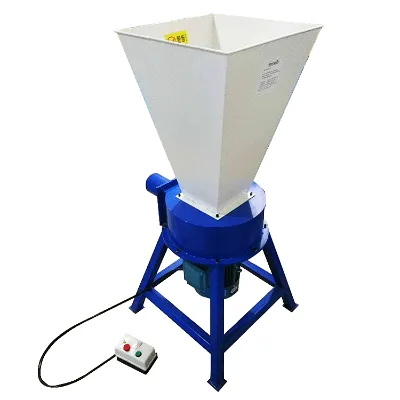
Vertical Foam and Sponge Shredder Machine EPS Foam Memory Sponge Shredder Grinding Machine
$704.66 - $1006.95
MOQ: 1 sets
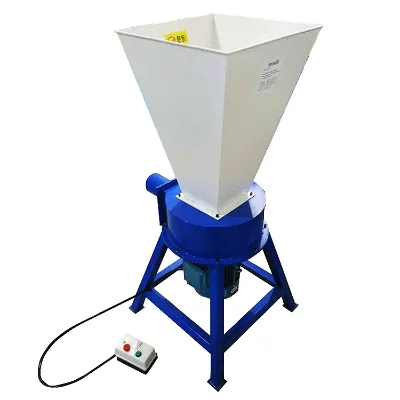
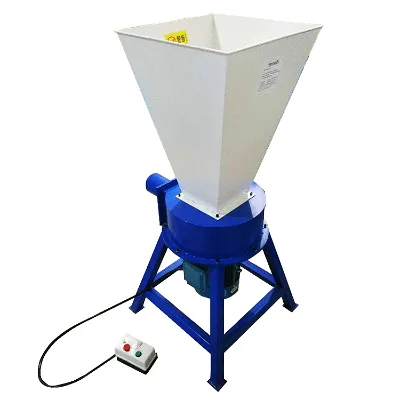
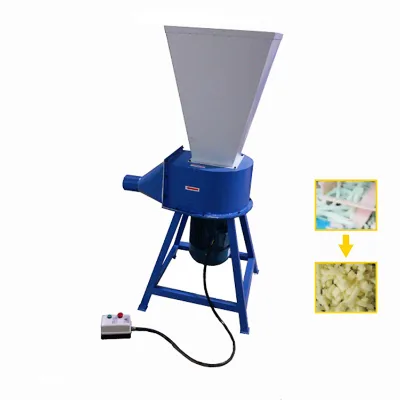
Electric Sponge Crusher Machine Foam and Sponge Shredder Machine
$1150.00 - $1350.00
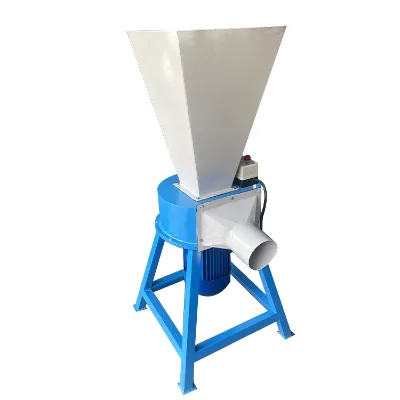
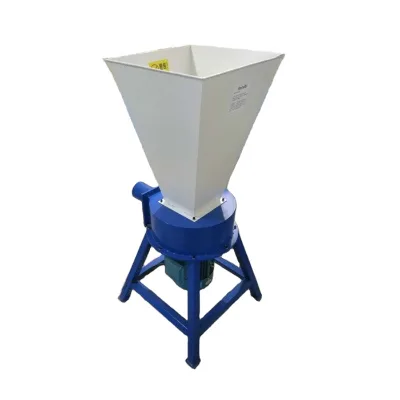
Industrial Sponge Polyurethane Foam Shredding Grinding Machine
$500.00 - $1000.00

Shenzhen Xinqunli Machinery Co., Ltd.
- Verified by TUVRHEINLAND
- Trading Company,Manufacturer/Factory,Group Corporation
- China Guangdong
- Lead time23 days
- Avg. response≤ 1h
Main productsSofa Machinery, CNC Foam Cutting Machine, Fiber Opening Machine, Foam Machine, Fibe Carding and Pillow Filling Machine, Cushion Filling Machine, Foam Cutting Machine
Main marketsSouth America,Eastern Europe,Mid East,North America,Southeast Asia,Eastern Asia,Oceania,Western Europe,Africa

HENAN MINGCHUANG MACHINERY MANUFACTURING CO., LTD.
- Verified by TUVRHEINLAND
- Manufacturer/Factory
- China Henan
- Lead time150 days
- Avg. response≤ 4h
Main productsMetal Shredder Machine, Metal Recycling Crusher Line, Copper Wire Recovery Separator Machine, Plastic Crusher Machine, Plastic Cleaning and Recycling Line, Oil Press Machine, Tire Recycling Machine, Metal Block Press Machine, Eddy Current Sorting Machine, Vertical and Horizontal Balers
Main marketsSouth America,Eastern Europe,Mid East,North America,Southeast Asia,Eastern Asia,Oceania,Western Europe,Africa


Hot Sale Waste Foam Scrap Sponge Crusher for Recycling Latex Foam Crusher
$2380.00 - $3280.00
MOQ: 1 Pieces
Henan Jinfuda Trading Co., Ltd.
- Trading Company
- Lead time旺季: "1 - 1":7,"> 1":"To be negotiated", 淡季: "1 - 1":7,"> 1":"To be negotiated"
- Avg. response≤ 2h
Main productsFruit Vegetables Processing Machines, Meat Processing Machines, Bakery Pastry Processing Machines, Snack Processing Machines, Packaging Machines
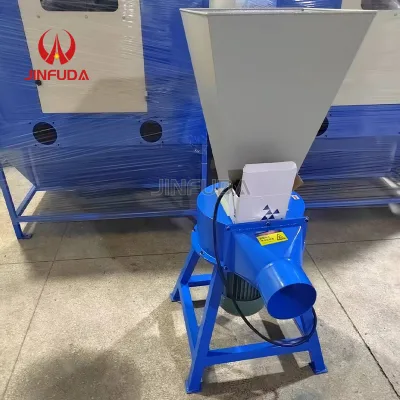
Vertical Sponge Foam Cutting Grinding Machine Latex Sponge Crushing Machine
$799.00 - $859.00
MOQ: 1 sets
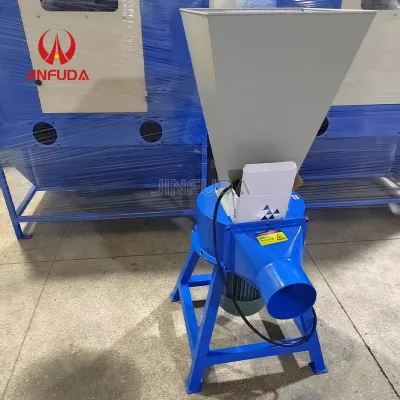
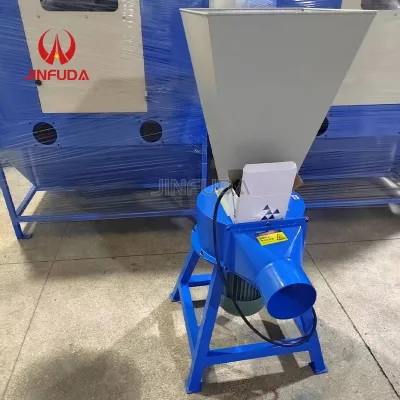
Commercial Grade Sponge Crusher for Efficient Foam Shredding and Advanced Fabric Foam Shredder
$799.00 - $859.00
MOQ: 1 sets

Nanjing Genmax Machinery Co., Ltd.
- Verified by BV
- Trading Company,Manufacturer/Factory,Group Corporation
- China Jiangsu
- Lead time15 days
- Avg. response≤ 4h
Main productsMattress Machine, Quilting Machine, Mattress Spring Machine, Tape Edge Machine, Foam Machine, Foam Cutting Machine, Mattress Packing Machine, Mattress Sewing Machine, Strip Cutting Machine, Mattress Accessory
Main marketsSouth America,Eastern Europe,Mid East,North America,Southeast Asia,Eastern Asia,Oceania,Western Europe,Africa


Mattress Sponge Foam Cutting Machine
MOQ: 1 Pieces
Shandong Deou Heavy Industry Machinery Co., Ltd.
- Verified by TüVRheinland
- Manufacturer, Trading Company
- Lead time6 days
- Avg. response≤ 4h
Main productsExcavator, Forklift, Skid Steer Loader, Tricycle, Road Roller
Main marketsDomestic Market(25%), North America(20%), Eastern Europe(20%)
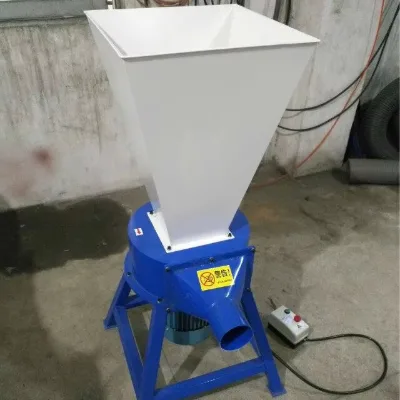
$785.00 - $829.00
MOQ: 1 units
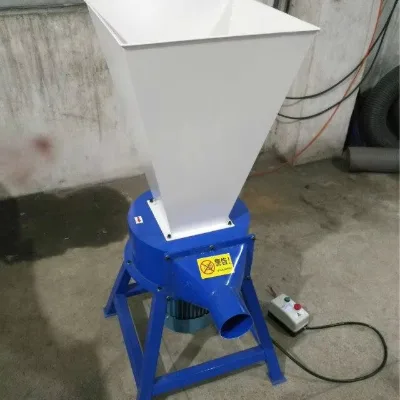
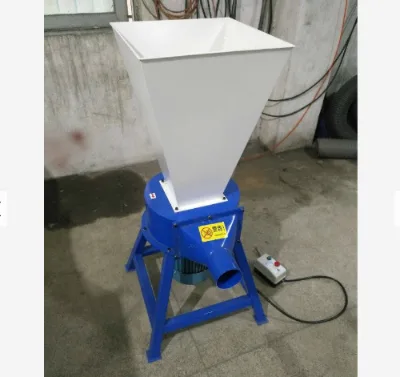
Factory Price Memory Foam Foam Crusher High Quality Crushed Foam and Filling Shredding Machine
$199.00 - $520.00
MOQ: 1 cases
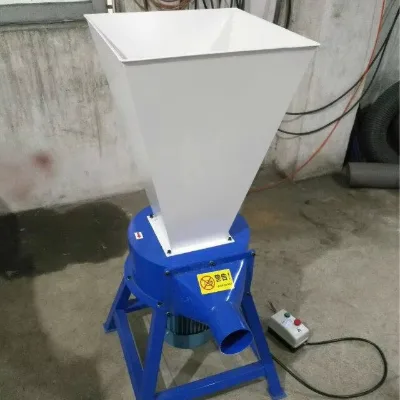
High Quality Automatic Foam Sponge Grinder Crusher Multifunctional Trimmings Crushing Machine
$809.45 - $854.82
MOQ: 1 units

Nanjing BCD Bedding Machinery Co., Ltd.
- Verified by TUVRHEINLAND
- Combined
- China Jiangsu
- Lead time30 days
- Avg. response≤ 9h
Main productsMattress Machine, Tape Edge Machine, Mattress Handle Machine, Mattress Sewing Machine, Sofa Spring Machine, Mattress Tools, Quilting Machine, Foam Machine, Spring Mattress Machine, Mattress Packing Machine
Main marketsSouth America,Africa,Southeast Asia/ Mideast,Domestic,Europe

HE NAN PENG HUI MACHINERY AND EQUIPMENT CO., LTD.
- Verified by CTI
- Manufacturer/Factory
- China Henan
- Lead time15 days
- Avg. response≤ 3h
Main productsMeat Processing Machine, Fruit Processing Machine, Vegetable Processing Machine, Seafood Processing Machine, Grain Product Processing Machine, Snack Machine, Nuts Processing Machine, Quilting Machine, Textile Machine, Paper Product Processing Machine
Main marketsSouth America,Eastern Europe,Mid East,North America,Southeast Asia,Eastern Asia,Oceania,Western Europe,Africa

Wholesale Memory Sponge Foam Shredder Grinder Machine Scrap EPS Foam Crushing Machine
$800.00 - $1500.00
MOQ: 1 Pieces

Memory Foam Crusher Shredding Machine Sponge Grinder Foam Feeding Mixing Machine Price
$3500.00 - $4500.00
MOQ: 1 Pieces

Automatic Small Vertical Polyurethane PU EPS Foam Sponge Shredder Grinding Crushing Machine
$800.00 - $1500.00
MOQ: 1 Pieces

Waste Cotton Latex Foam Crusher Scrap Sponge Fabric Yarn Cutting Shredding Machine
$2000.00 - $2500.00
MOQ: 1 Pieces
Henan Joconn Machinery Co., Ltd.
- Trading Company
- Henan, China
- Lead time5 days
- Avg. response≤ 5h
Main productsMushroom growing machinery,Agricultural waste recycling machinery
Main marketsNorth America(30.00%), Southeast Asia(10.00%), Mid East(10.00%), South America(10.00%), Central America(7.00%), Eastern Europe(6.00%), Africa(6.00%), Eastern Asia(5.00%), South Asia(4.00%), Western Europe(4.00%), Oceania(3.00%), Northern Europe(3.00%), Domestic Market(1.00%), Southern Europe(1.00%)
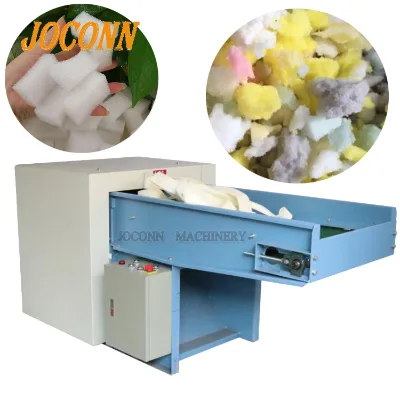
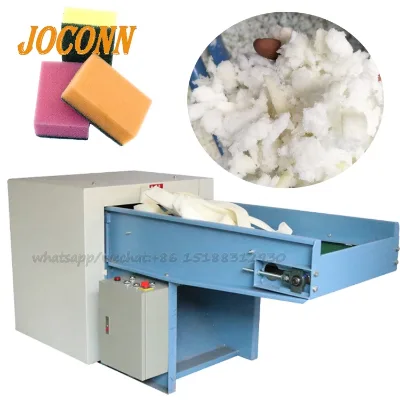
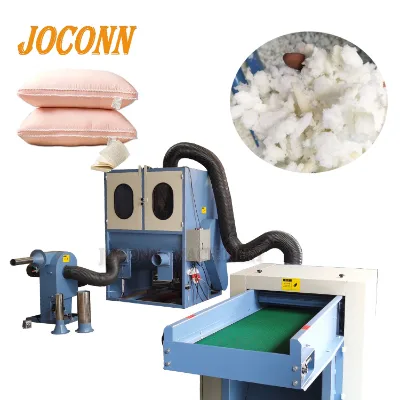
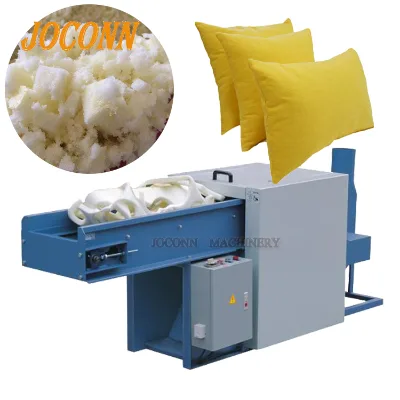
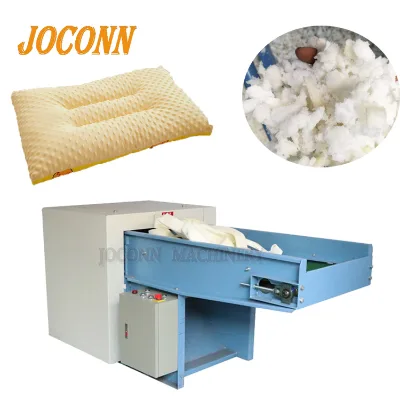
Automatic Pu Foam Crushing Machine/ Foam Grinding Machine/sponge Crushing Machine with Low Price
$3067.94 - $4090.59
MOQ: 1 sets

Qingdao Kaiweisi Industry & Trade Co., Ltd.
- Verified by TUVRHEINLAND
- Manufacturer/Factory
- China Shandong
- Lead time15 days
- Avg. response≤ 7h
Main productsOther Home Textile Machinery, Fiber Ball Machine, Automatic Pillow and Quilt Filling Machine, Carding Machine, Home Textile Product Packaging Machine, Soft Toy Cushion and Pet Bed Filling Machine, Textile Fiber Recycling Machine, Fabric and Sponge Foam Cutting Machine, Plastic Recycling Machine, Fiber Opening Machine
Main marketsSouth America,Southeast Asia,Eastern Asia,Western Europe,Africa

Waste Foam Waste Sponge Crusher Waste Sponge Shredder Memory Foam Cutting Machine
$1500.00 - $1580.00
MOQ: 1 Sets

Sponge Crusher Grinder Foam Grinding Crushing Machine for Shredding Foam
$1500.00 - $1580.00
MOQ: 1 Sets

Wholesale Price High Quality Memory Sponge Foam Shredder Foam Crushing Machine for Sale
$1500.00 - $1580.00
MOQ: 1 Sets

Factory Direct Sale Latex Cutter Sponge Shredder Sponge Crushing Machine Foam Cutting Machine
$1500.00 - $1580.00
MOQ: 1 Sets

Waste Foam Scrap Sponge Crusher Hot Sale Recycled Foam Cutter for Sofa Factories
$1500.00 - $1580.00
MOQ: 1 Sets

Zhengzhou Liangpu Imp. & Exp. Co., Ltd.
- Trading Company
- Henan, China
- Lead time7 days
- Avg. response≤ 3h
Main productsBone Crushing Machine,Manure Dewatering Machine,Electric Trolley,Rice Mill,Pillow Filling Machine
Main marketsSoutheast Asia(40.00%), North America(20.00%), Mid East(20.00%), South America(10.00%), Africa(10.00%)
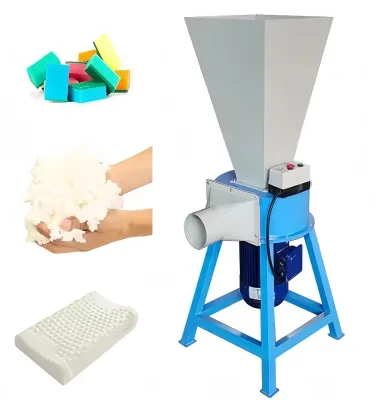
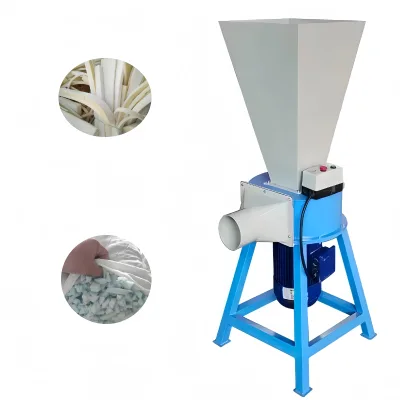
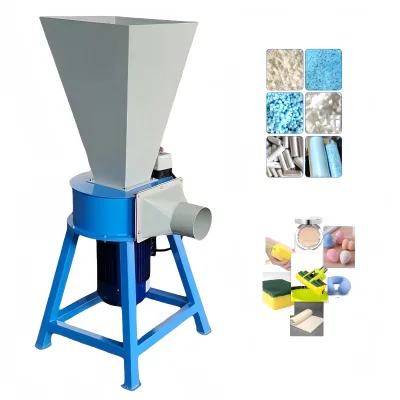
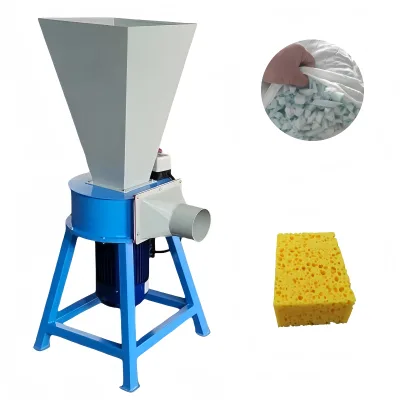
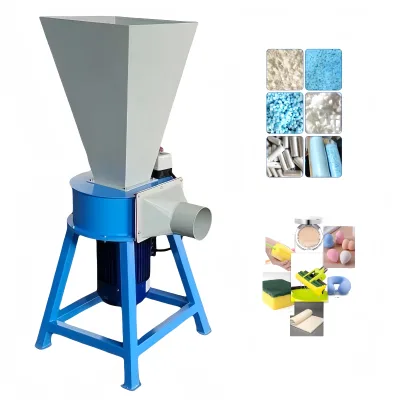
Hot Sale Sponge Foam Cutting Machine /small Foam Cutting Machine/ Polystyrene Foam Cut Machine
$709.00 - $769.00
MOQ: 1 sets
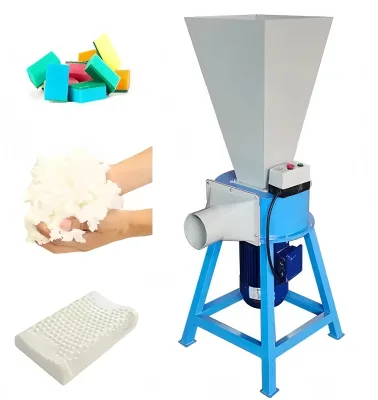
$726.56 - $788.04
MOQ: 1 sets
Qingdao Kaiweisi Industry & Trade Co., Ltd.
- Manufacturer
- Shandong, China
- Lead time7 days
- Avg. response≤ 1h
Main productsCarding Machine,Pillow Filling Machine,Toy Filling Machine,Down Jacket Filling Machine,Fiber processing machine
Main marketsSoutheast Asia(15.00%), Eastern Europe(15.00%), Central America(10.00%), Mid East(10.00%), North America(10.00%), South America(8.00%), Southern Europe(5.00%), Northern Europe(5.00%), Oceania(5.00%), Western Europe(5.00%), Eastern Asia(5.00%), South Asia(3.00%), Africa(2.00%), Domestic Market(2.00%)

ZhengZhou ZA Ecotech Co., Ltd.
- Verified by BV
- Combined
- China Henan
- Lead time30 days
- Avg. response≤ 1h
Main productsIndustrial Shredder, Tire Recycling Machine, Biomass Shredder, Waste Sorting Machine, Double Shaft Shredder, Msw Shredder, Metal Shredder, Plastic Shredder, Wind Turbine Blade Shredder, Recycling Production Line
Main marketsSoutheast Asia/ Mideast

Foam Shredding Machine with Foam Crushing Machine Price for Sponge Recycling Equipment
$15000.00 - $300000.00
MOQ: 1 Pieces

Mattress Waste Recycling Machine with Textile Waste Machine and Foam Crushing Crusher for Recycling
$15000.00 - $300000.00
MOQ: 1 Pieces

Professional Sponge Crushing Machine Factory for Cutting Machine Foam Shredder
$15000.00 - $300000.00
MOQ: 1 Pieces
Shandong keruide Heavy Machinery co.,ltd
- Verified by TüVRheinland
- Manufacturer, Trading Company
- Lead time3 days
- Avg. response≤ 5h
Main productsExcavator, Forklift, Skid Steer Loader, Tricycle, Road Roller
Main marketsDomestic Market(25%), North America(20%), Eastern Europe(20%)
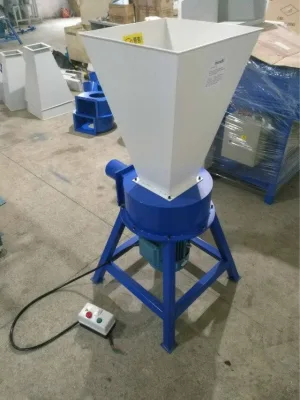
$700.21 - $823.78
MOQ: 1 sets
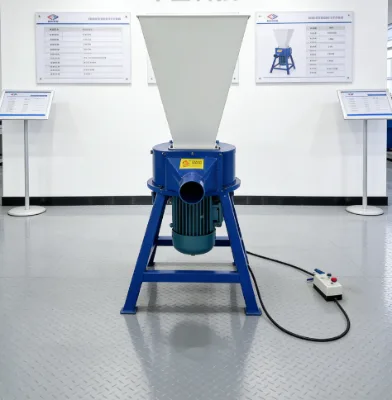
Factory Direct Sponge Shredder Machine Foam Latex Cotton Crusher for Sofa Filling Particles
$300.00 - $600.00
MOQ: 1
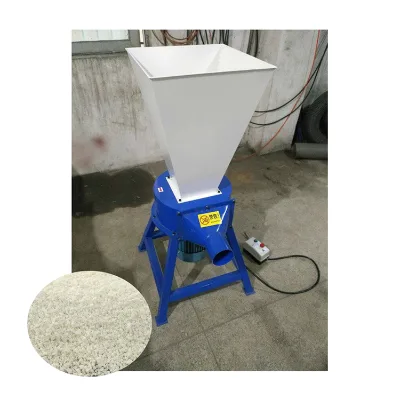
Waste Sponge Foam Plant Shredder Latex Cotton Grinder Memory Foam Shredder Machine Sponge Grinder
$400.00 - $600.00
MOQ: 1 sets
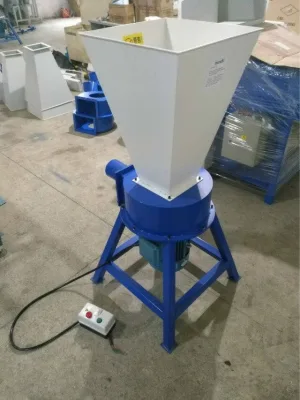
$411.89 - $514.86
MOQ: 1 sets

Qingdao Seanoel Industry and Trade Co., Ltd.
- Manufacturer/Factory
- China Shandong
- Lead time15 days
- Avg. response≤ 19h
Main productsQuilting Machine, Pillow Machine, Polyester Wadding Machine, Home Textile Machine, Fiber Filling Machine, Fiber Opening Machine, Mattress Machine, Quilt Machine, Plush Toy Filling Machine, Foam Cutting Machine

Scrap Sponge Shredding Machine / Foam Crusher / Sponge Crusher for Sale
$3600.00 - $3800.00
MOQ: 1 Pieces

Foam Cutting Machinery Vertical Foam Cutting Machine Cutting Machinery
$3600.00 - $3800.00
MOQ: 1 Pieces
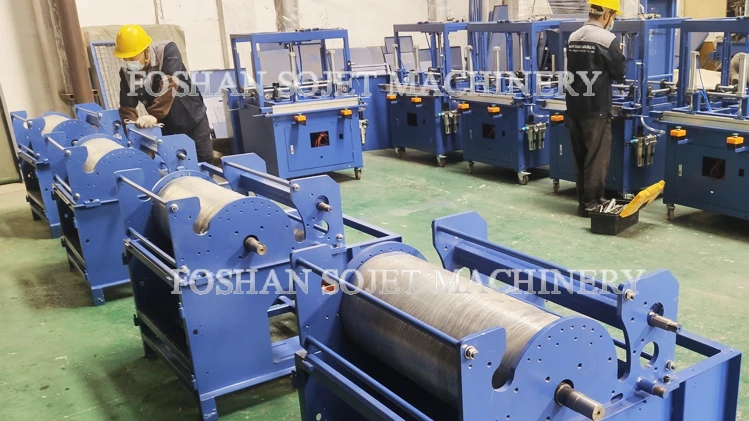
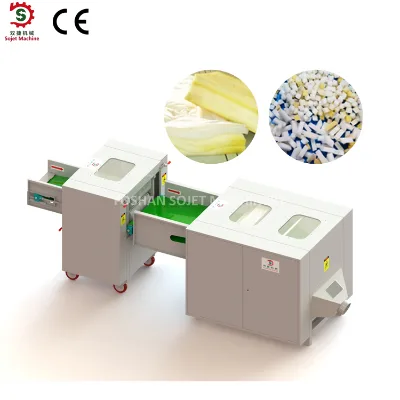
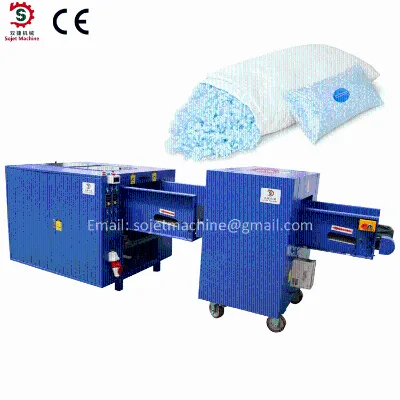
Foshan Sojet Machinery Co., Ltd.
- Manufacturer, Trading Company
- Guangdong, China
- Lead time35 days
- Avg. response≤ 5h
Main productspillow production line,pillow filling machine,foam recycling machine,pillow compress packing machine,pillow rolling machine
Main marketsSouth America(15.00%), Northern Europe(15.00%), North America(12.00%), Eastern Europe(10.00%), Central America(10.00%), Western Europe(10.00%), Southern Europe(10.00%), Domestic Market(10.00%), Mid East(4.00%), Oceania(2.00%), South Asia(2.00%)


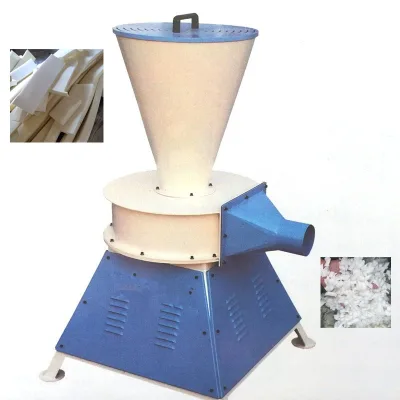
Comprehensive Sourcing Guide
Memory Foam Sponge Crushing Machine Supplier Concentration and Factory Types
The current supplier landscape for memory foam sponge crushing machines shows a distinct concentration of manufacturing activity within China, specifically in the Henan and Guangdong provinces. Fact-based observations confirm that suppliers in Henan operate as manufacturers and factories, often listing diverse textile and recycling machinery alongside foam processing equipment. These entities frequently offer OEM, ODM, and own-brand capabilities, indicating a robust local supply chain for industrial machinery components. In contrast, suppliers located in Guangdong present as combined entities, suggesting a mix of manufacturing and trading operations that may offer broader product ranges including sofa machinery. This geographic split implies that buyers should expect different operational models depending on the province, with Henan leaning heavily toward direct factory production and Guangdong potentially offering more integrated service solutions.
When assessing factory types, it is critical to distinguish between pure manufacturers and combined entities based on the verified company type data. Suppliers in Henan are explicitly identified as manufacturers or factories, which often correlates with specialized production lines for machines like fiber opening, carding, and sponge shredding units. These facilities typically possess specific certifications such as CE and ISO9001, which are visible in product attributes for various crushing models. Conversely, the combined type suppliers in Guangdong may leverage different supply chains, potentially sourcing components or final assembly from various partners while maintaining a unified sales front. Buyers must verify if the specific memory foam crushing machine they require is a core product of the factory or a secondary offering, as this impacts quality control and after-sales support capabilities.
How to Verify Memory Foam Sponge Crushing Machine Suppliers
Verification of suppliers for memory foam sponge crushing machines relies heavily on third-party audit reports and specific credential checks rather than general reputation. Current data indicates that some suppliers hold TUVRHEINLAND verification status, while others possess BV verification, providing a tangible baseline for assessing business legitimacy. These verifications serve as a primary filter to ensure the entity exists and has undergone external scrutiny regarding their business operations and financial stability. Buyers should prioritize suppliers displaying these specific verification badges, as they represent a higher confidence level in the supplier's operational reality compared to unverified listings. It is essential to cross-reference these verification statuses with the supplier's claimed location and company type to ensure consistency in the provided data.
Beyond verification badges, buyers must scrutinize product-specific certifications and technical attributes to confirm the machine's compliance and quality. Product evidence shows that many machines carry CE and ISO9001 certifications, with some also listing GMP and QS standards, which are crucial for industrial safety and quality management. The automation level, voltage specifications, and capacity ratings, such as 50-60kg per hour or 40-50kg per hour, must be explicitly confirmed against the supplier's technical documentation. Buyers should request detailed test reports or factory audit summaries that validate these certifications, ensuring that the "Automatic" grade and "Solid Knife Roller" features are genuine and not merely marketing claims. This rigorous verification process helps mitigate the risk of purchasing non-compliant or underperforming machinery.
What to Compare Across Memory Foam Sponge Crushing Machine Suppliers
Comparing suppliers requires a systematic evaluation of key operational metrics such as lead time, response speed, and minimum order quantities to determine the best fit for specific project needs. Data indicates that lead times can vary significantly, with some suppliers offering a 15-day turnaround while others require up to 23 days for production and delivery. Response times also differ, ranging from approximately 1.84 hours to 4.53 hours, which directly impacts the efficiency of communication during the negotiation and customization phases. Buyers should create a comparison matrix that weighs these time-based factors against their own production schedules, prioritizing suppliers with faster response times if urgent deployment is required. Additionally, the minimum order quantity (MOQ) is a critical financial constraint, with some suppliers listing an MOQ of just one unit, allowing for flexible trial orders without significant capital commitment.
Price and customization capabilities form another vital dimension for comparison across the supplier base. The observed price range for memory foam sponge crushing machines spans from 750 to 900 units of currency, with specific models like the KV-560 or ZLD001 falling within distinct price brackets. Buyers must analyze whether the lower price points correlate with standard configurations or if customization options, such as specific belt widths or voltage requirements, incur additional costs. The availability of customization is explicitly noted as "Available" or "Customized" in product attributes, suggesting that buyers can tailor machines to their specific foam types, such as PU foam or EPS. However, the extent of these customizations and their impact on the final price and lead time must be clarified before placing an order, ensuring that the total cost of ownership aligns with the budget.
Common Memory Foam Sponge Crushing Machine Sourcing Risks
One significant risk in sourcing memory foam sponge crushing machines involves the discrepancy between advertised specifications and actual machine performance, particularly regarding capacity and automation. While product attributes often claim capacities of 50-100kg per hour, real-world performance can vary based on the density and type of foam being processed. Buyers face the risk of overestimating production output if they rely solely on marketing keywords without verifying the machine's actual throughput under their specific operating conditions. Furthermore, the distinction between "Automatic" and "Non-Computerized" automation levels can lead to operational inefficiencies if the buyer expects advanced control systems that are not present in the specific model purchased. This mismatch can result in increased labor costs and reduced productivity, undermining the initial investment rationale.
Another critical risk pertains to the reliability of certifications and the consistency of product standards across different suppliers. Although many listings display CE and ISO9001 certifications, the presence of these marks does not guarantee that every unit produced meets the same rigorous standards, especially when dealing with combined entities or manufacturers with diverse product lines. There is a potential risk that the "Condition: New" status or specific model numbers like KV-HM-40 may not be consistently maintained across all batches or that the "Wooden Box Package" may not provide adequate protection during international shipping. Buyers must be vigilant about verifying the authenticity of these certifications and the physical condition of the machinery upon arrival, as discrepancies can lead to costly delays, legal issues, or safety hazards in the production environment.
Memory Foam Sponge Crushing Machine Regional Sourcing and Logistics
Regional sourcing decisions for memory foam sponge crushing machines are heavily influenced by the geographic concentration of manufacturers in Henan and Guangdong, which dictates logistics strategies and shipping costs. Suppliers in Henan, identified as manufacturers, often have established supply chains for heavy machinery components, potentially offering more competitive pricing for the base unit but requiring careful planning for inland transportation to ports. In contrast, suppliers in Guangdong, often classified as combined entities, may benefit from proximity to major coastal shipping hubs, potentially reducing transit times and freight costs for international buyers. Buyers should evaluate the specific location of the factory relative to the nearest port to estimate the total landed cost, including inland freight, customs duties, and insurance, as these variables can significantly impact the final price of the equipment.
Logistics planning must also account for the specific packaging requirements and dimensions of the machinery to ensure safe and efficient transport. Product evidence indicates that machines are typically packed in wooden cases or wooden box packages, with dimensions varying based on the model, such as 550x550x1500 mm or 700x700x1500 mm. These dimensions are critical for calculating container utilization and freight charges, as oversized or irregularly shaped machinery can incur additional handling fees. Buyers should verify the exact packing details with the supplier to avoid unexpected costs or delays at the destination port. Additionally, the origin of the product, consistently listed as China, means that buyers must navigate specific import regulations and documentation requirements associated with Chinese machinery exports, ensuring that all necessary certificates and invoices are prepared in advance.
Memory Foam Sponge Crushing Machine Commercial Terms and Order Planning
Commercial terms for memory foam sponge crushing machines must be carefully negotiated to align with the supplier's production capabilities and the buyer's financial constraints. The observed price ranges, such as 800 to 850 or 750 to 900, suggest that there is room for negotiation, particularly when considering bulk orders or long-term partnerships. Buyers should clarify whether the quoted price includes all necessary certifications, packaging, and shipping costs, or if these are separate line items that will increase the total expenditure. It is also essential to confirm the payment terms, such as the use of escrow services or specific deposit percentages, to mitigate financial risk during the transaction. Understanding the full scope of the commercial agreement ensures that there are no hidden costs that could disrupt the project budget or timeline.
Order planning should be structured around the supplier's lead times and capacity to ensure timely delivery and installation. With lead times ranging from 15 to 23 days, buyers must factor in this production window when scheduling their production lines or project milestones. The ability to customize the machine, such as adjusting voltage or belt width, may extend the lead time, so these requests should be made early in the ordering process. Buyers should also consider the supplier's response time, which can vary from 1.84 to 4.53 hours, as this affects the speed of resolving any issues that arise during the order fulfillment process. By aligning the order timeline with the supplier's operational capacity and response capabilities, buyers can minimize delays and ensure a smooth transition from purchase to operation.
FAQs
What is the price range for memory foam sponge crushing machines?
Prices typically range from $750 to $900 per unit. This range covers various models with different capacities and features. Buyers should verify specific pricing with suppliers as costs may vary based on customization options and order volume.
What certifications are available for these crushing machines?
Common certifications include CE, ISO9001, GMP, and QS. Some models may only list CE certification. Buyers should request valid certification documents from suppliers to ensure compliance with local safety and quality standards before placing orders.
What is the typical lead time for manufacturing these machines?
Lead times generally range from 15 to 23 days. This duration depends on the supplier's location and current production schedule. Buyers should confirm exact delivery timelines with the supplier to align with their production planning needs.
What is the minimum order quantity for these machines?
The minimum order quantity is often just one unit. This allows buyers to test the machine's performance before committing to larger orders. Suppliers may offer different pricing tiers for bulk purchases, so buyers should inquire about volume discounts.
What is the processing capacity of these sponge shredders?
Processing capacities typically range from 40 to 100 kilograms per hour. Specific capacity depends on the model and configuration. Buyers should select a machine that matches their daily production requirements to ensure efficient operation and material throughput.
Are these machines customizable for specific production needs?
Yes, customization is available for voltage, belt width, and other specifications. Suppliers offer OEM and ODM services to tailor machines to specific requirements. Buyers should communicate their unique needs to suppliers to ensure the machine fits their factory setup.