Big Hole Alloy Beads Suppliers and Manufacturers
Source 11 verified suppliers for Big Hole Alloy Beads to compare response times, lead times, and certifications. Review grounded data on MOQs and pricing to streamline your procurement process and identify suitable partners for your jewelry components needs; review the available evidence before requesting comparable quotations from suitable candidates.
Suppliers List

Shijiazhuang Deaishangshi Jewelry Trade Co., Ltd.
- Trading Company
- Hebei, China
- Lead time10 days
- Avg. response≤ 4h
Main products14K Gold Filled Findings,925 Sterling Silver Findings,Thread & Cord,Pearls,Tassel
Main marketsNorth America(30.0%), Western Europe(15.0%), Northern Europe(4.0%), Mid East(2.0%)

Guangzhou IO Jewelry Co., Ltd.
- Combined
- China Guangdong
- Lead time30 days
- Avg. response≤ 11h
Main productsJewelry, Fashion Jewelry, Stainless Steel Jewelry, Custom Jewelry, Stainless Steel Beads, Stainless Steel Charms, Stainless Steel Rings, Stainless Steel Pendants, Beads, Charms
Main marketsSouth America,Domestic,Europe,Australia,North America

Dalian BestOn Industries Co., Ltd.
- Verified by TUVRHEINLAND
- Trading Company
- China Liaoning
- Lead time15 days
- Avg. response≤ 8h
Main productsGlass Beads, Stainless Steel IBC Tank, Strut Channel, EMT Conduit Connector IMC Conduit, Channel Fittings, Ground Rod, Flange, Seismic Bracket, Carbon Steel Fittings, Strut Clamp
Main marketsSouth America,Eastern Europe,Mid East,North America,Southeast Asia,Eastern Asia,Oceania,Western Europe,Africa

Jiangyin Jinhui Arts & Crafts Co., Ltd.
- Combined
- China Jiangsu
- Lead time30 days
- Avg. response≤ 13h
Main productsGlass Bead
Main marketsSoutheast Asia/ Mideast

- Verified by TUVRHEINLAND
- Combined
- China Zhejiang
- Lead time30 days
- Avg. response≤ 7h
Main productsThread, Zipper, Lace, Button, Webbing & Tape, Ribbon, Interlining, Fabric, Tailoring Materials, Hook & Loop
Main marketsSouth America,Africa,Europe,Australia

Wuhan Icontacts Optical Commercial Co., Ltd.
- Trading Company
- Hubei, China
- Lead time7 days
- Avg. response≤ 4h
Main productsColored Contact Lenses,Hollywood Contact Lens,Halloween Colored Contact Lenses,Perfume,Body Piercingothes
Main marketsNorth America(20.0%), Domestic Market(10.0%), Southeast Asia(10.0%), Western Europe(10.0%), Eastern Asia(10.0%), Africa(5.0%), Southern Europe(5.0%), Northern Europe(5.0%), Central America(5.0%), Eastern Europe(5.0%), South America(5.0%), Mid East(5.0%), Oceania(5.0%)

NINGBO HOBA INTERNATIONAL TRADING CO., LTD.
- Verified by BV
- Trading Company
- China Zhejiang
- Lead time30 days
- Avg. response≤ 6h
Main productsThread, Button, Lace Tape, Zipper, Hot Fix Stone, Crystal, Rope, Jewelry Accessory, Ribbon, Reflecting Material
Main marketsSouth America,Africa,Southeast Asia/ Mideast,East Asia(Japan/ South Korea),Europe,Australia,North America

Guangzhou Huifu Jewelry Co., Ltd.
- Verified by BV
- Manufacturer/Factory
- China Guangdong
- Lead time90 days
- Avg. response≤ 3h
Main productsJewelry, Stainless Steel Jewelry, Stainless Steel Ring, Stainless Steel Pendant, Stainless Steel Earring, Fashion Jewelry, Ring, Necklace, Pendant, Bracelet
Main marketsEastern Europe,Mid East,North America,Western Europe,Africa

Qinyuan Fuda New Material Technology Co., Ltd.
- Verified by TUVRHEINLAND
- Trading Company
- China Shanxi
- Lead time15 days
- Avg. response≤ 1h
Main productsgrinding ball
Main marketsSoutheast Asia/ Mideast,Domestic

Jiangxi Zhongli Superhard Materials Tools Co., Ltd.
- Combined
- China Jiangxi
- Lead time15 days
- Avg. response≤ 11h
Main productsDiamond Tool
Main marketsSouth America,Africa,Southeast Asia/ Mideast,East Asia(Japan/ South Korea),Domestic,Europe,Australia,North America

Beijing Hong Yun Xi International Trade Company Limited
- Verified by SGS
- Trading Company
- China Beijing
- Lead time23 days
- Avg. response≤ 15h
Main productsFRP Tank, FRP Vessel, FRP Pipe, FRP Tower, FRP Clarifier, FRP Wet Electrostatic Precipitator Tube, FRP Environment Protection Equipment, Fiberglass Mat, Fiberglass Roving, Glass Beads
Main marketsOthers(foreignTradeCapacity.exportBusinessCapacityMarketOther),Southeast Asia/ Mideast
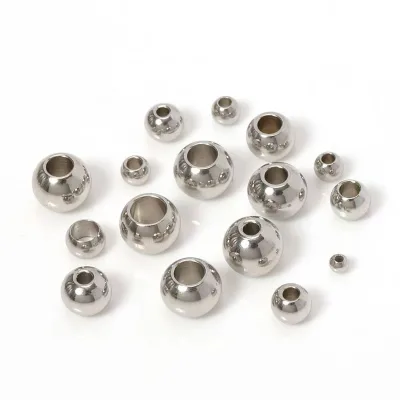
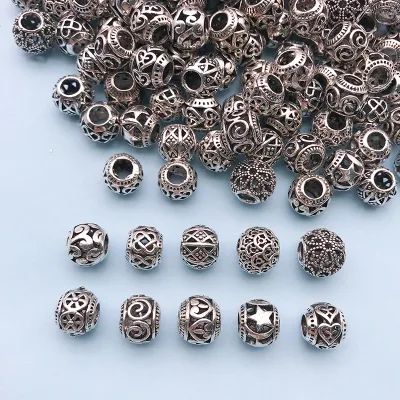


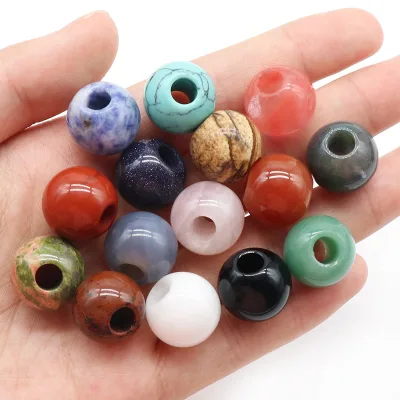
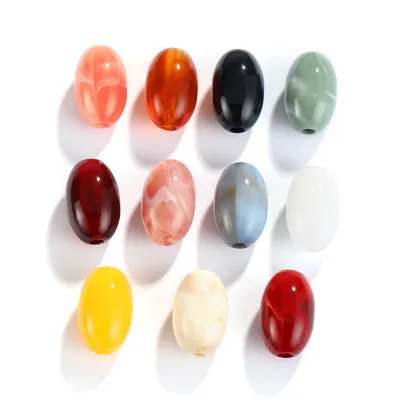


Comprehensive Sourcing Guide
Big Hole Alloy Beads Supplier Concentration and Factory Types
Current data indicates that suppliers offering Big Hole Alloy Beads are concentrated in specific Chinese provinces, with Hebei and Guangdong emerging as primary hubs for this component category. In Hebei, trading companies dominate the landscape, often sourcing from local manufacturers to provide a wide array of jewelry findings including stainless steel beads and various findings. These entities typically list main products that span from 14K gold filled items to thread and cord, suggesting a broad inventory strategy rather than deep specialization in a single bead type. The presence of these trading companies implies a supply chain structure where the supplier acts as an intermediary, aggregating goods from multiple factories to meet diverse buyer needs for components like loose beads and findings.
In contrast, suppliers located in Guangdong often present as combined entities capable of offering both trading and manufacturing capabilities, sometimes with explicit ODM and OEM capacities. These facilities may focus on custom jewelry solutions, including big hole metal beads with specific plating or enamel finishes, indicating a higher level of customization potential compared to standard trading firms. While some suppliers in Liaoning appear in search results, their primary product lines often include industrial glass beads for road marking rather than jewelry components, highlighting the importance of distinguishing between industrial and decorative bead manufacturers. Buyers should verify the specific factory type and main product focus to ensure alignment with their sourcing requirements for alloy beads, as the distinction between a pure trading company and a combined manufacturer significantly impacts lead times and customization options.
How to Verify Big Hole Alloy Beads Suppliers
Verification of big hole alloy bead suppliers requires a rigorous examination of their stated certifications and verification status, as these documents serve as the primary proof of operational legitimacy. Some suppliers in the current results display certifications such as SGS or BV, which are critical indicators for quality assurance in metal components. These certificates often cover material composition and safety standards, ensuring that the alloy beads meet specific heavy metal limits or plating durability requirements. However, not all suppliers list these credentials; some show a status of NIL, which necessitates a direct request for documentation before proceeding with any order. Buyers must treat the absence of visible certification as a red flag requiring immediate clarification rather than an assumption of compliance.
Beyond certifications, the verification process should include checking the supplier's response time and the depth of their product attributes. A response time of four hours or less suggests a dedicated sales team capable of addressing technical queries about bead hole sizes or plating thicknesses promptly. Conversely, longer response times may indicate a less specialized operation or a high volume of inquiries that could delay critical communication. Additionally, buyers should scrutinize the detailed product attributes provided, such as model numbers, specific dimensions like outer diameter and hole size, and material composition. These details demonstrate the supplier's familiarity with their inventory and their ability to provide precise specifications. If a supplier cannot provide clear model numbers or detailed attribute lists for Big Hole Alloy Beads, it suggests a lack of inventory control or product knowledge that could lead to fulfillment errors.
What to Compare Across Big Hole Alloy Beads Suppliers
When evaluating potential partners for Big Hole Alloy Beads, the lead time is a critical metric that varies significantly across the supplier base. Current data shows lead times ranging from ten days to thirty days, with some suppliers offering faster turnaround for standard items while others require a month for custom orders. This variance often correlates with the supplier type; trading companies may have shorter lead times for stock items but longer times for custom requests, whereas combined manufacturers might offer more consistent timelines for ODM projects. Buyers must align their project schedules with these specific lead times to avoid production bottlenecks, as a ten-day lead time is unsuitable for urgent restocking needs while a thirty-day window may be acceptable for planned seasonal collections.
Another essential comparison point is the Minimum Order Quantity (MOQ) and the pricing structure associated with different order volumes. The observed MOQ for Big Hole Alloy Beads can be as low as one hundred pieces for standard items, but this threshold may increase for customized designs or specific plating requirements. Pricing also fluctuates based on material and finish, with some listings showing a minimum price of approximately one unit of currency and a maximum of three units, reflecting the cost differences between basic alloy and plated variants. Buyers should compare these financial terms alongside the supplier's main product focus to ensure they are not paying a premium for a trading company that does not specialize in the specific bead type required. Understanding the relationship between MOQ, price, and customization capability allows for more accurate budget forecasting and inventory planning.
Common Big Hole Alloy Beads Sourcing Risks
One significant risk in sourcing Big Hole Alloy Beads is the potential mismatch between the advertised product attributes and the actual delivered goods, particularly regarding material composition and plating quality. While some suppliers list attributes like "antique silver plated" or "blue plated," the durability and thickness of these platings are not always guaranteed without specific testing data. The absence of detailed plating thickness specifications or resistance to discoloration in the product description can lead to quality issues where beads tarnish or peel shortly after use. Buyers must explicitly request test reports or samples to verify that the alloy beads meet the required standards for colorfastness and structural integrity before committing to a large order.
Another prevalent risk involves the reliability of the supplier's capacity to handle customizations, especially when the product attributes indicate "customization available" but the supplier lacks the necessary ODM or OEM infrastructure. Some suppliers may claim customization capabilities but fail to deliver on specific requests for hole sizes or unique shapes due to limited production equipment. This discrepancy is often more common with trading companies that rely on third-party factories for production, as they may have less control over the manufacturing process. To mitigate this risk, buyers should verify the supplier's actual production capacity and request a prototype or sample of the customized item to ensure that the final product matches the design specifications before scaling up production.
Big Hole Alloy Beads Regional Sourcing and Logistics
Sourcing Big Hole Alloy Beads from Hebei, China, often involves navigating a supply chain dominated by trading companies that aggregate products from various local manufacturers. These suppliers typically offer a wide range of jewelry findings, including stainless steel beads and thread, which can be advantageous for buyers seeking a one-stop shop for multiple components. However, the logistics from this region may involve longer transit times if the supplier is not located near major shipping ports, and buyers should verify the specific shipping terms to understand who bears the cost and risk of freight. The concentration of trading companies in Hebei suggests that buyers may need to coordinate closely with the supplier to ensure that the final packaging and labeling meet their specific requirements before shipment.
In contrast, sourcing from Guangdong offers access to combined suppliers with stronger manufacturing capabilities and potentially faster logistics due to proximity to major ports like Guangzhou. These suppliers often provide custom jewelry solutions with specific plating and finishing options, making them ideal for buyers requiring tailored Big Hole Alloy Beads. The logistics from Guangdong are generally more streamlined for international shipping, but buyers must still confirm the specific delivery timeframes, as some suppliers may require fifteen to thirty days for production before the goods are ready for dispatch. Understanding the regional logistics landscape helps buyers anticipate potential delays and plan their inventory replenishment cycles accordingly, ensuring that the supply chain remains robust and responsive to market demands.
Big Hole Alloy Beads Commercial Terms and Order Planning
Commercial terms for Big Hole Alloy Beads often include specific payment structures and delivery conditions that vary by supplier. While some listings indicate a delivery time of five to seven days after receiving deposits, others may require a longer lead time of up to thirty days for custom orders. Buyers must clarify the exact payment milestones, such as whether a deposit is required upfront and if the balance is due before shipment or upon receipt of goods. The presence of escrow services or trade assurance can provide an additional layer of security, protecting the buyer's funds until the goods are verified as meeting the agreed-upon specifications. Understanding these commercial terms is essential for managing cash flow and minimizing financial risk during the procurement process.
Order planning for Big Hole Alloy Beads should also account for the specific packaging and unit weight details provided by the supplier. Current data shows that single package sizes can be as small as 1x1x1 cm with a gross weight of 0.002 kg, which impacts shipping costs and storage requirements. Buyers should calculate the total volume and weight of their order to estimate freight charges accurately and ensure that the packaging is suitable for the intended destination. Additionally, the selling units, whether single items or bulk rolls, affect the minimum order quantity and the overall cost per unit. By carefully planning the order volume and packaging requirements, buyers can optimize their logistics costs and ensure that the Big Hole Alloy Beads arrive in perfect condition for their jewelry production needs.
FAQs
What is the minimum order quantity for Big Hole Alloy Beads?
The minimum order quantity for Big Hole Alloy Beads is 100 pieces. This threshold applies to standard listings found in the current results. Buyers should verify specific MOQs for custom designs or different materials before placing an order.
How long does it take to receive Big Hole Alloy Beads?
Lead times for Big Hole Alloy Beads typically range from 10 to 30 days depending on the supplier. Some manufacturers offer faster delivery within 15 days, while others may require up to 30 days for production and shipping completion.
Are Big Hole Alloy Beads available with custom plating options?
Yes, Big Hole Alloy Beads are available with custom plating options such as antique silver. Suppliers also offer blue plating and other finishes upon request. Customization is widely available for specific color and design requirements.
What certifications do suppliers of Big Hole Alloy Beads hold?
Some suppliers hold ISO 9001 certification for their manufacturing processes. Others provide product certificates like SGS or BV for quality assurance. Buyers should verify specific certification details for each supplier to ensure compliance with their standards.
Where are Big Hole Alloy Beads manufactured?
Big Hole Alloy Beads are manufactured in locations such as Hebei, China, and Guangdong, China. Some suppliers also operate in Liaoning, China. The place of origin varies by manufacturer and specific product line.
What is the price range for Big Hole Alloy Beads?
The price range for Big Hole Alloy Beads varies from approximately 0.01 to 3.00 per unit. Specific costs depend on material, plating, and order volume. Buyers should check current listings for the most accurate pricing information.
Can Big Hole Alloy Beads be customized for specific hole sizes?
Yes, Big Hole Alloy Beads can be customized for specific hole sizes. Suppliers offer options where the bead hole can be customized to meet exact design needs. This flexibility allows for tailored jewelry making solutions.