Binder Clip Suppliers and Manufacturers in China
Compare 28 verified Binder Clip suppliers by location, response time, and lead time. Review product certifications like CCC and CE, and check MOQs ranging from 1 to 10,000 units. Contact suppliers directly to request quotes for metal or plastic options.
Suppliers List
Umex(Ningbo) Imp. And Exp. Co., Ltd.
- Trading Company
- Zhejiang, China
- Lead time45 days
- Avg. response≤ 9h
Main productsStamp,Stencil,Metal Cutting Die,Embossing Folder,Die Cutting & Embossing Machine
Main marketsWestern Europe(30.00%), North America(30.00%), Oceania(20.00%), South America(5.00%), Eastern Asia(5.00%), Eastern Europe(5.00%), Northern Europe(4.00%), Domestic Market(1.00%)
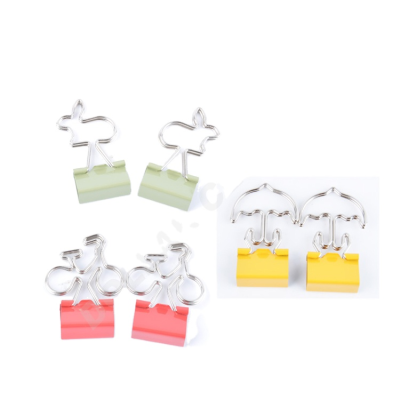
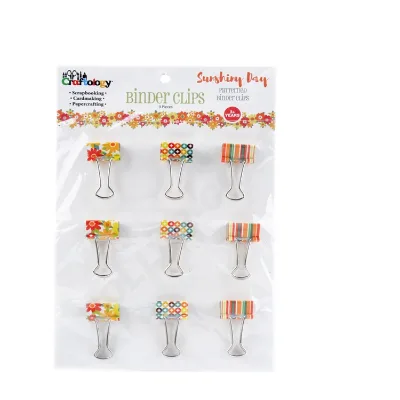
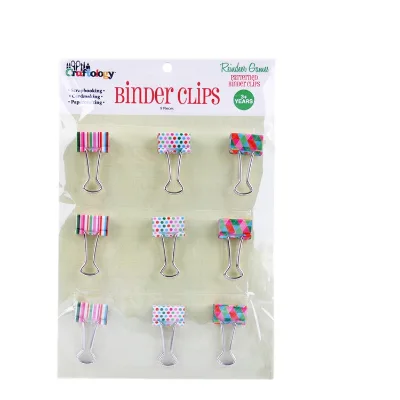
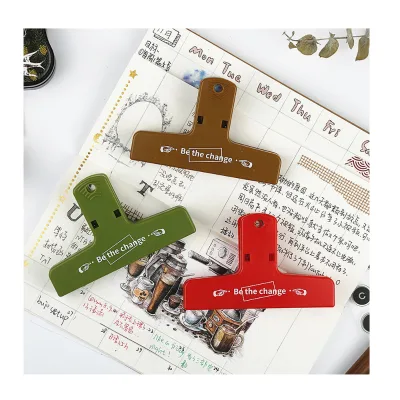
New Mini 9pk 35*20mm Colorful Printing Binder Clips
$0.60 - $0.90
- Verified by TUVRHEINLAND
- Trading Company
- China Anhui
- Lead time45 days
- Avg. response≤ 19h
Main productsEraser, Pencil, Chalk, Paper Clip, Crayon, Stick Pen, Sheet Protector, Punch, Mathematerical Instruments, Pencil Sharpener
Main marketsSouth America,Africa,North America

Dongguan Bosin Hardware Co., Ltd.
- Trading Company
- China Guangdong
- Lead time15 days
- Avg. response≤ 3h
Main productsKey Ring, Snap Hooks, Ball Chain, Carabiner, Metal Clips, Metal Rings, Metal Buckle, Stainless Steel Chains, Key Chain, Bottle Opener
Main marketsEurope,North America

NINGBO HOBA INTERNATIONAL TRADING CO., LTD.
- Verified by BV
- Trading Company
- China Zhejiang
- Lead time30 days
- Avg. response≤ 3h
Main productsThread, Button, Lace Tape, Zipper, Hot Fix Stone, Crystal, Rope, Jewelry Accessory, Ribbon, Reflecting Material
Main marketsSouth America,Africa,Southeast Asia/ Mideast,East Asia(Japan/ South Korea),Europe,Australia,North America
Ningbo Hi-Tech Zone J&J Stationery Co., Ltd.
- Verified by TüVRheinland
- Trading Company
- Lead time45 days
- Avg. response≤ 2h
Main productsStationery
Main marketsEastern Europe(20%), Western Europe(19%), Mid East(13%)
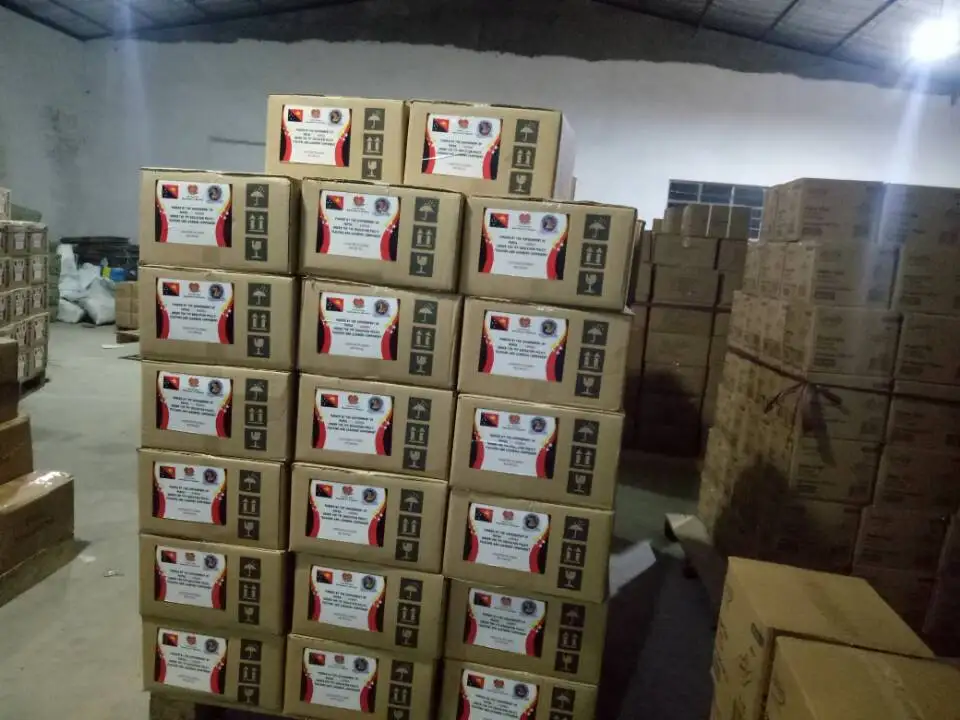
Ninghai Haibei Stationery Co., Ltd.
- Manufacturer, Trading Company
- Zhejiang, China
- Lead time30 days
- Avg. response≤ 4h
Main productsPaper Fastener,Paper Clip,Stapler,Staples
Main marketsSouth America(35.00%), Eastern Europe(20.00%), Southeast Asia(17.00%), Mid East(10.00%), North America(4.00%), Oceania(2.00%), Africa(2.00%)

Xiamen Top Packing Industry Co., Ltd.
- Trading Company,Manufacturer/Factory
- China Fujian
- Lead time23 days
- Avg. response≤ 3h
Main productsPackaging Box, Kids Toy, Puzzle, Bag, Casino Supplies, Books/Magazine, Board Game/Playing Card, Office Supply, Photo Frame, Daily Supplies
Main marketsSouth America,Eastern Europe,Mid East,North America,Southeast Asia,Eastern Asia,Oceania,Western Europe,Africa

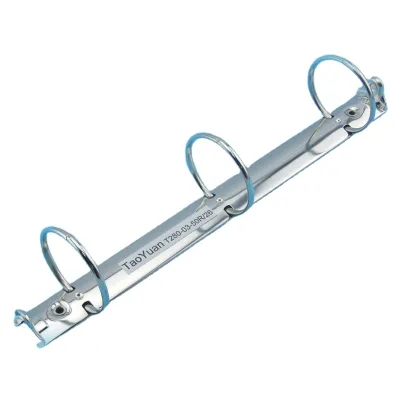
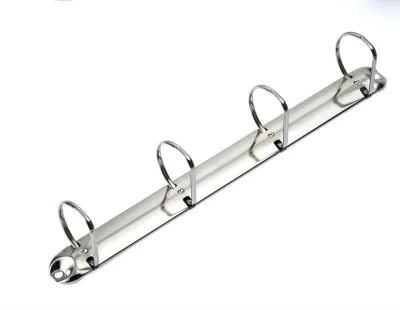
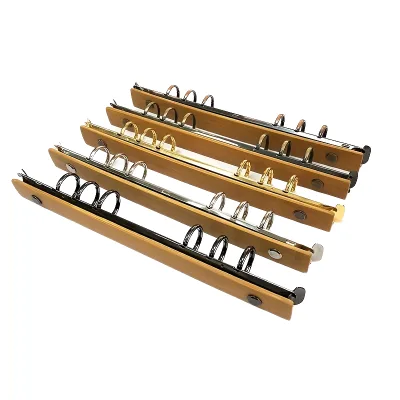
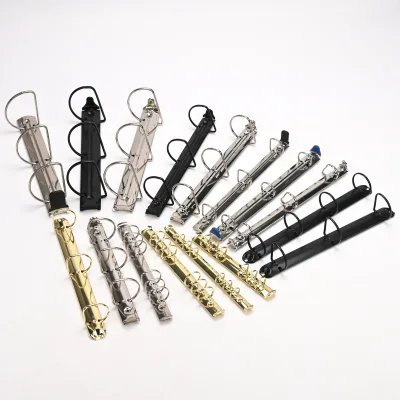
Custom Metal File Fastener Binder Clips 4 Rings Mechanisms D Ring Binder Clip
$0.05 - $0.45
MOQ: 3000 Pieces


Dongguan Taoyuan Stationery Co., Ltd.
- Manufacturer, Trading Company
- Guangdong, China
- Lead time1 days
- Avg. response≤ 9h
Main productsring mechanism,metal mechanism,clip,file folder clip,lever arch mechanism
Main marketsEastern Europe(40.00%), Africa(10.00%), Southeast Asia(10.00%), North America(10.00%), South America(10.00%), Western Europe(5.00%), Eastern Asia(5.00%), Mid East(5.00%), Oceania(5.00%)
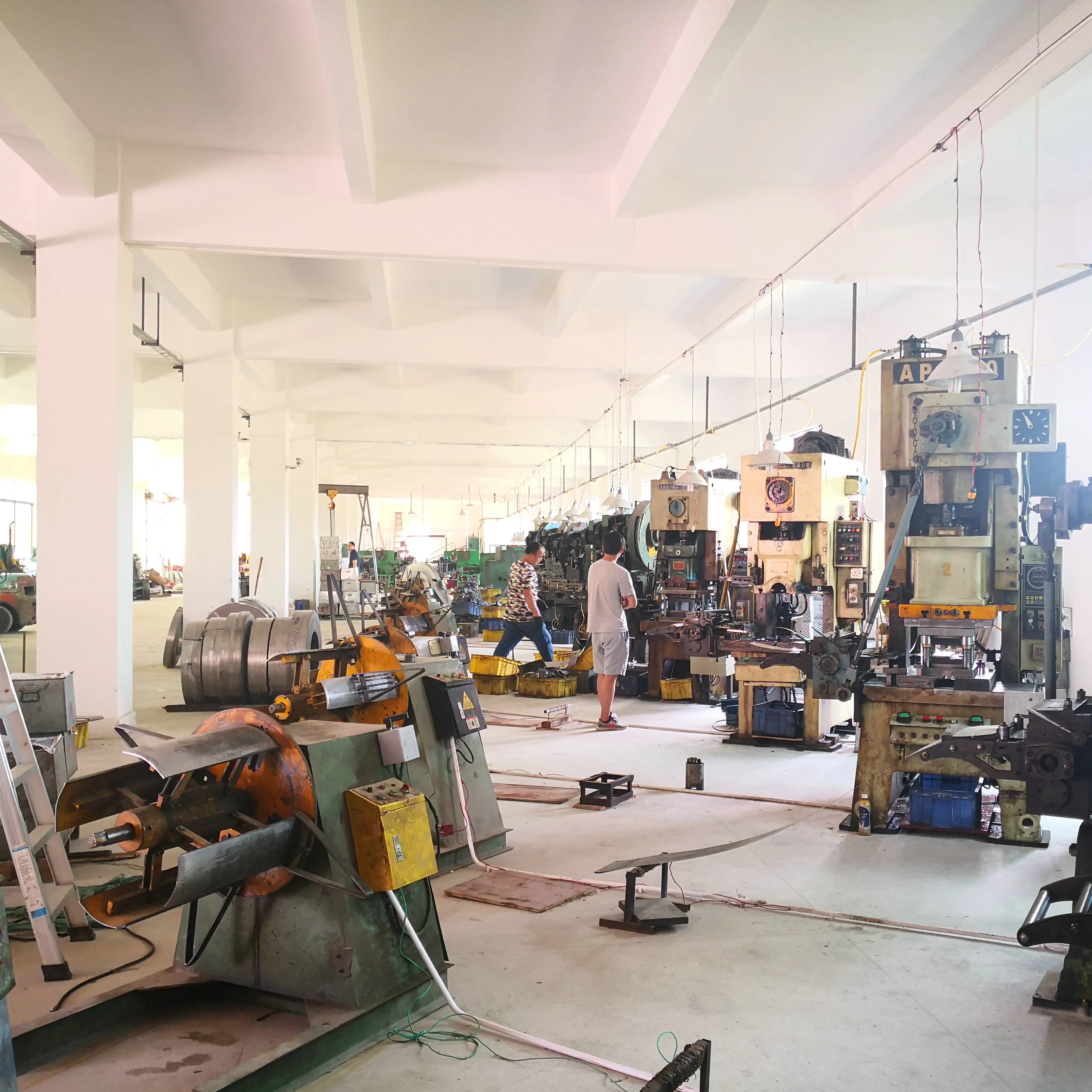
Foshan Jinxinyu Hardware Products Co., Ltd.
- Manufacturer
- Guangdong, China
- Lead time25 days
- Avg. response≤ 5h
Main productsStationery accessory,ring mechanism,Board Clips,lever arch clip,strong clip
Main marketsMid East(30.00%), Africa(30.00%), Southeast Asia(30.00%), South Asia(2.00%), Central America(2.00%), Eastern Europe(2.00%), South America(2.00%), North America(2.00%)
Wuyi Dingdi Industry & Trade Co., Ltd.
- Manufacturer, Trading Company
- Zhejiang, China
- Lead time30 days
- Avg. response≤ 4h
Main productsdrawing pins,paper clips,office pin,promotional gifts,stationery sets
Main marketsSouth America(15.00%), Southeast Asia(15.00%), Western Europe(12.00%), Mid East(10.00%), Southern Europe(10.00%), Eastern Europe(10.00%), Domestic Market(8.00%), North America(5.00%), Northern Europe(5.00%), Oceania(2.00%), South Asia(2.00%), Africa(2.00%), Eastern Asia(2.00%), Central America(2.00%)

Ningbo Rainma Stationery Co., Limited.
- Verified by TUVRHEINLAND
- Trading Company,Manufacturer/Factory,Other
- China Zhejiang
- Lead time23 days
- Avg. response≤ 8h
Main productsPaper Notebook and Note Pad, School Stationery, Art Pigments, Ball Pen, Paint Canvas and Canvas Board, Office Stationery, Promotion Gift Stationery, Eraser and Ruler, Marker & Highlighter, Cutter Knife
Main marketsSouth America,Eastern Europe,Mid East,North America,Southeast Asia,Eastern Asia,Oceania,Western Europe,Africa

Metins Machinery Trading Co., Ltd.
- Verified by TUVRHEINLAND
- Trading Company,Manufacturer/Factory
- China Tianjin
- Lead time23 days
- Avg. response≤ 18h
Main productsStamping Parts, Fabrication & Laser Cutting Parts, CNC Parts, Plastic Injection Parts, Casting Parts, Metal Wire Forming Part, Custom-Made Fastener, Assemble Welded Structural Parts
Main marketsEastern Europe,North America,Western Europe
Shenzhen Jiawo Industrial Co., Ltd.
- Manufacturer, Trading Company
- Guagndong, China
- Lead time0 days
- Avg. response≤ 5h
Main productsBag Part,Garment Accessories
Main marketsWestern Europe(40.00%), North America(40.00%)
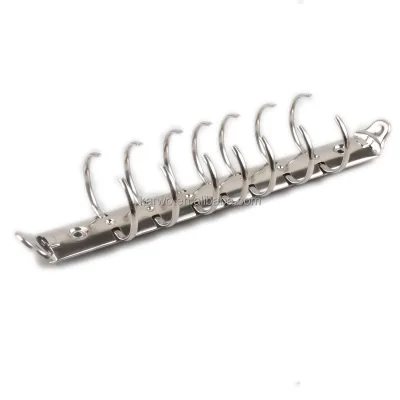
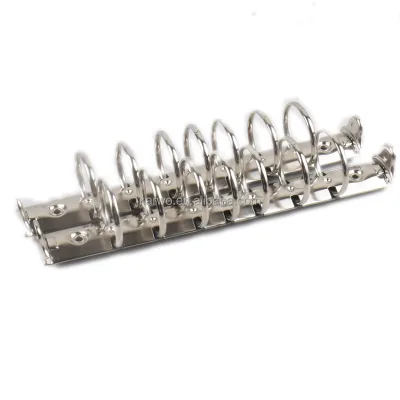
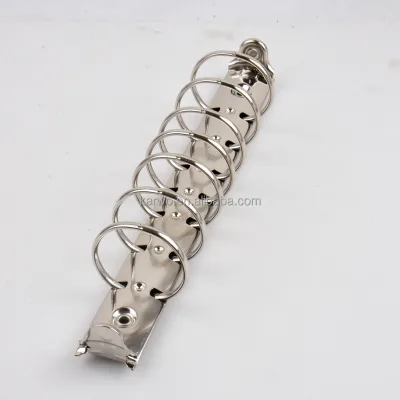
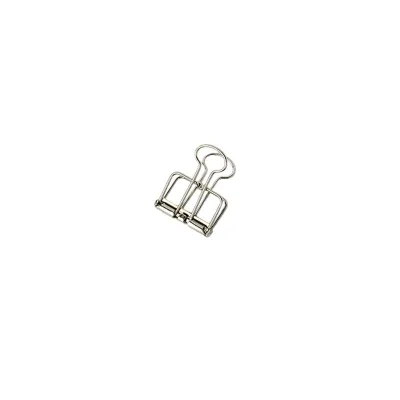
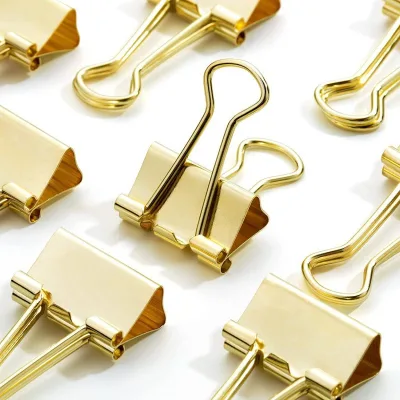
Factory Multi-purpose Binder Clip for Children's Learning Supplies High Quality
$0.11 - $0.22
MOQ: 2000

Wuyi Lanmeng E-Commerce Co., Ltd.
- Trading Company
- Zhejiang, China
- Lead time20 days
- Avg. response≤ 4h
Main productsEAS TAGS,EAS SYSTEMS,PAPER CLIPS,PLASTICE PRODUCTS,STATIONERY
Main marketsWestern Europe(20.00%), Southern Europe(15.00%), Northern Europe(10.00%), Eastern Europe(10.00%), South Asia(8.00%), Southeast Asia(6.00%), North America(6.00%), Africa(5.00%), Oceania(5.00%), Mid East(5.00%), Domestic Market(5.00%), Central America(2.00%), Eastern Asia(2.00%), South America(1.00%)

Ningbo Inunion Import and Export Co., Ltd.
- Verified by SGS
- Trading Company
- China Zhejiang
- Lead time30 days
- Avg. response≤ 4h
Main productsBag Chain, Buckle, Hooks, Ring, Key Chain, Tags, Carabiner, Bag Lock, Puller
Main marketsSoutheast Asia/ Mideast,East Asia(Japan/ South Korea),Europe,Australia,North America


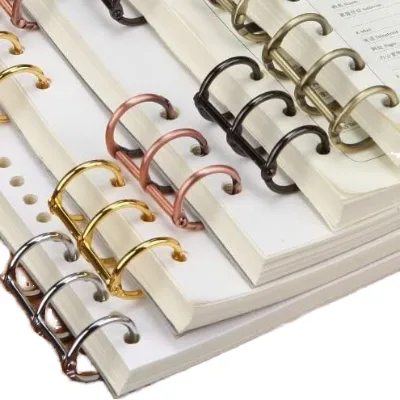
Photo Album Binding Ring Convenient Metal Loose Leaf Book Binder Rings
$0.03 - $0.05
MOQ: 10000 Pieces


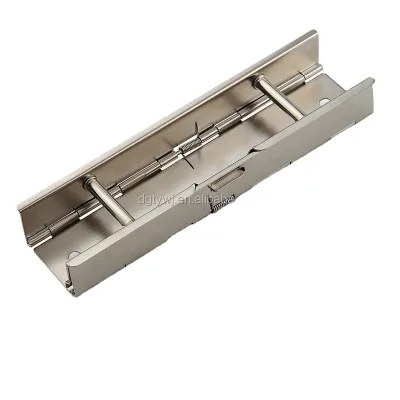
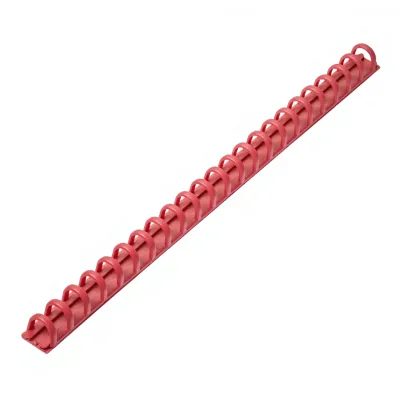
Loose Leaf Binding Spines Combs Replacement Kit for Organizers Planners
$0.09 - $0.15
MOQ: 1000 Pieces

Anhui Sunshine Stationery Co., Ltd.
- Verified by TUVRHEINLAND
- Trading Company
- China Anhui
- Lead time15 days
- Avg. response≤ 4h
Main productsPencil, Stationery Pins, Stationery Clips, Staple, Stapler, Paper Punch, Office Organizer, Document File, Glue
Main marketsSouth America,Africa,Others(foreignTradeCapacity.exportBusinessCapacityMarketOther),Southeast Asia/ Mideast,East Asia(Japan/ South Korea),Europe

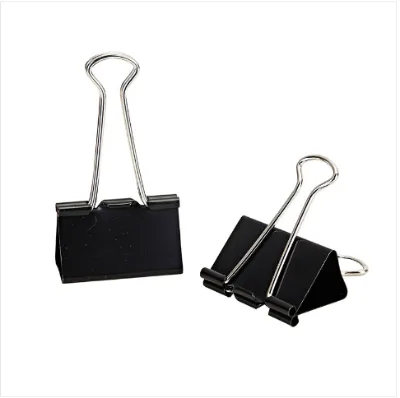
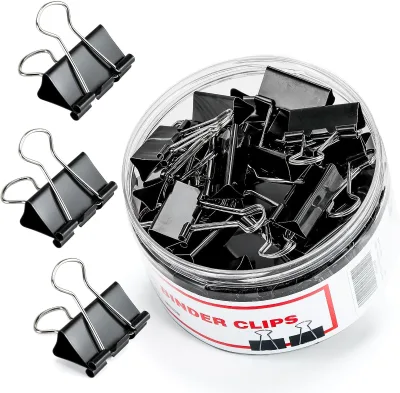
Custom Black Binder Clips Paper Clamps Assorted Sizes Cute Printing Metal Binder Clips
$0.14 - $0.97
MOQ: 300 box

School Office Binding Suppliers Different Sizes Black Paper Metal Binder Clips
$0.14 - $0.97
MOQ: 300 box

- Trading Company,Manufacturer/Factory
- Hongkong_China Hongkong
- Lead time23 days
- Avg. response≤ 5h
Main productsCustom Paper Puzzle, Packaging Box, Books/Magazine, PU Album, Plastic Ziplock Bag, Paper Bag, Photo Frame, Board Game
Main marketsSouth America,Eastern Europe,North America,Southeast Asia,Eastern Asia,Oceania,Western Europe,Africa

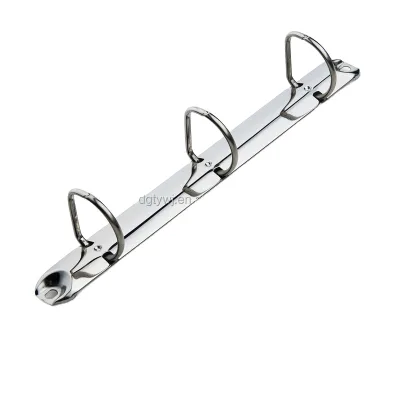
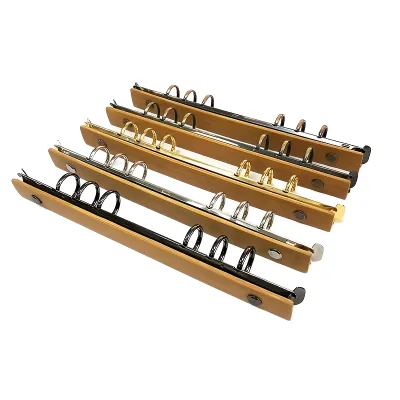
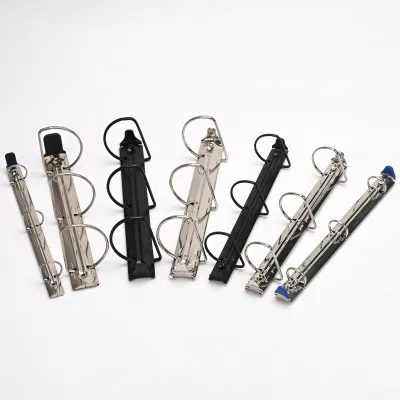
High Quality Notebook Clips Photo Album Clips Metal 4 Ring Binder Mechanism
$0.15 - $0.20
MOQ: 10000 Pieces


$0.15 - $0.20
MOQ: 10000 Pieces


- Trading Company
- Zhejiang, China
- Lead time0 days
- Avg. response≤ 4h
Main productsStationery and office supply,notebook,memo pad,sticker,education toy
Main marketsNorth America(30.00%), Oceania(10.00%), South America(10.00%), Southern Europe(5.00%), Northern Europe(5.00%), Central America(5.00%), Western Europe(5.00%), Eastern Asia(5.00%), Mid East(5.00%), Eastern Europe(5.00%), Africa(5.00%), Domestic Market(5.00%), Southeast Asia(3.00%), South Asia(2.00%)

DSC Xiamen Enterprise Pte Ltd.
- Trading Company
- China Fujian
- Lead time23 days
- Avg. response≤ 3h
Main productsHardware, Accessories, Plastic Buckle, Ribbons, Metal Stamping, Bag Accessories, Promotion Gift, Bag Hardware
Main marketsSouth America,Southeast Asia/ Mideast,East Asia(Japan/ South Korea),Europe,Australia,North America

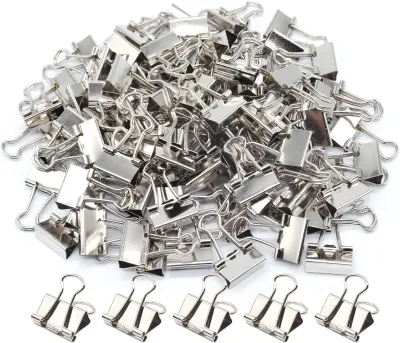
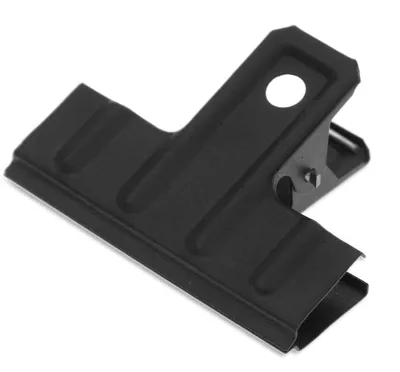
Metal Bulldog Binder Paper Clips Stainless Steel Clothes Clips Towel Clamps
$0.04 - $0.08
MOQ: 500 Pieces

$0.09 - $0.10
MOQ: 10000 Pieces

- Verified by BV
- Combined
- China Guangdong
- Lead time15 days
- Avg. response≤ 3h
Main productsSnap Hook, Lanyard Hook, Shackles, Key Ring, Metal Ring, Clip, Keychain, Wire Key Ring, Hair Clip, Bag Keychain
Main marketsNorth America

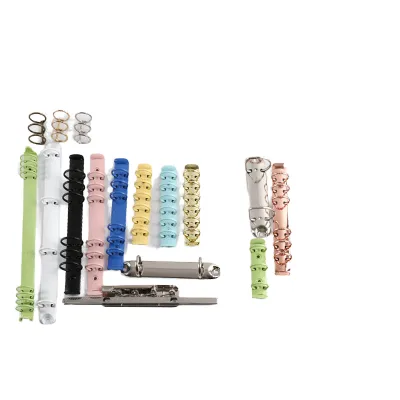
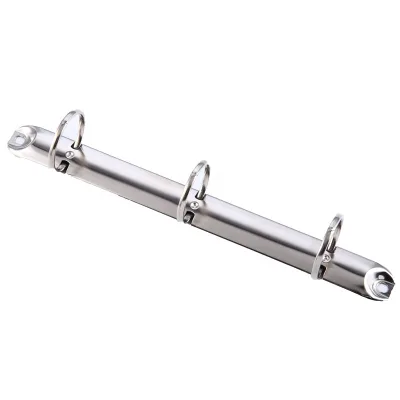
Metal Ring Binder Mechanism File Book Clip Loose Ring Binder for Paper Folder
$0.17 - $0.19
MOQ: 500 Pieces

Sliver Clip Loose Leaf File Folder Hoop Album Scrapbook Circle Ring Binder
$0.17 - $0.19
MOQ: 500 Pieces
Ningbo Fenghua Happy Stationery Co., Ltd.
- Verified by SGS
- Combined
- China Zhejiang
- Lead time30 days
- Avg. response≤ 18h
Main marketsSouth America,Southeast Asia/ Mideast,Europe,North America

Jinjiang Jiayi Supply Chain Management Co., Ltd.
- Verified by BV
- Trading Company
- China Fujian
- Lead time30 days
- Avg. response≤ 1h
Main productsGift, Shoe, Garment, Machine
Main marketsDomestic
Jinxian Huahao Writing Instrument Co., Ltd.
- Manufacturer, Trading Company
- Jiangxi, China
- Lead time30 days
- Avg. response≤ 13h
Main productsPens
Main marketsWestern Europe(40.00%), North America(20.00%), Domestic Market(20.00%), Southeast Asia(10.00%), Northern Europe(5.00%), Mid East(5.00%)
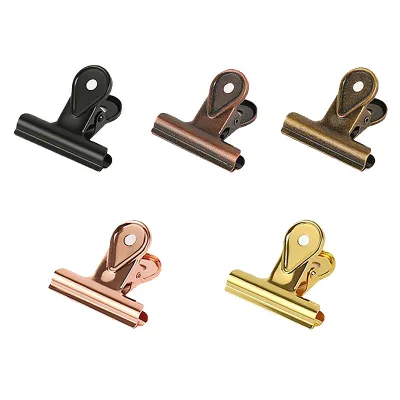
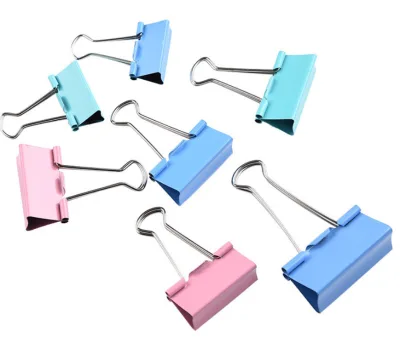
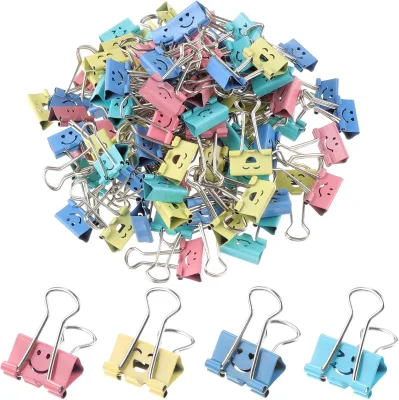
Promotional New Design Colorful Binder Clip Cute School&Office Metal Paper Clips
$0.12 - $0.30
MOQ: 50 pieces
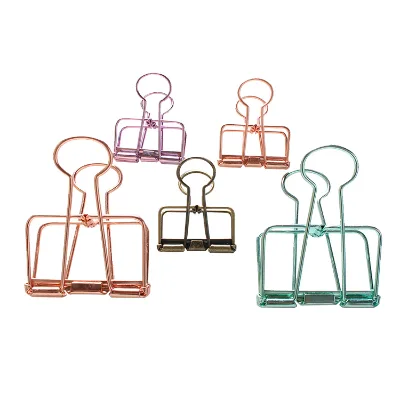
$0.26 - $0.31
MOQ: 200 pieces

Jiangxi Heying Technology Co., Ltd.
- Verified by SGS
- Combined
- China Jiangxi
- Lead time15 days
- Avg. response≤ 10h
Main productsRotary Damper, Push Latch, Rivet, Auto Clips and Retainers, Plastic Screw and Nut, Book Screw, PCB Support, Wire Mount, Cable Clamp, Foot Pad
Main marketsEast Asia(Japan/ South Korea)


Plastic Book Binding Fastener Nylon Snap Push Lock Stationery Screws Clips
$0.04 - $0.05
MOQ: 1000 Pieces


Wuxi Zhongyin Textile Tech. Co., Ltd.
- Trading Company
- China Jiangsu
- Lead time45 days
- Avg. response≤ 9h
Main productsWarping Machine, Warp Knitting Machine, Warping Machinery Spare Parts, Spare Parts of Warp Knitting Machine, Other Textile Machinery Spare Parts, Second-Hand Textile Machinery
Main marketsSouth America,Africa,Others(foreignTradeCapacity.exportBusinessCapacityMarketOther),Europe,North America

Yuyao Xianghao Mold Technology Company Limited
- Verified by BV
- Trading Company
- China Zhejiang
- Lead time30 days
- Avg. response≤ 10h
Main productsInjection Mold, Plastic Mold, Injection Molding, Rapid Prototyping, 3D Pritting, Manhole Cover Mold, Silicone Rubber Mould, Wire Rack, Car Air Compressor, LED Light
Main marketsNorth America
Wenzhou Art World Gift Co., Ltd.
- Verified by TüVRheinland
- Manufacturer, Trading Company
- Lead time10 days
- Avg. response≤ 2h
Main productsBinders, Clipboards, Folders, Notebooks, Photo Albums
Main marketsDomestic Market(70%), North America(10%), Southeast Asia(5%)

Ningbo DH Textile Industry&Trade Co., Ltd.
- Verified by TUVRHEINLAND
- Trading Company
- China Zhejiang
- Lead time15 days
- Avg. response≤ 14h
Main productsLace, Interlining, Embroidery Thread, Poplin, Hook and Loop, Satin Ribbon, Sewing Thread, Button, Zipper, Lace Fabric
Main marketsAfrica,Southeast Asia/ Mideast,North America










Comprehensive Sourcing Guide
Binder Clip Supplier Concentration and Factory Types
Current data indicates a significant concentration of Binder Clip manufacturers and trading companies within Zhejiang, China, alongside a notable presence in Anhui. Suppliers in these regions often list main products that include stamping, die cutting, embossing folders, and various office binding supplies, suggesting a specialized industrial cluster for metal and plastic stationery fabrication. When evaluating potential partners, buyers should verify if the supplier is a Trading Company or a direct manufacturer, as this distinction impacts pricing structures and communication channels. Some entities in the Zhejiang cluster explicitly list metal cutting dies and embossing machines as core capabilities, which implies an in-house capacity for producing the metal components found in binder clips.
In contrast, suppliers located in Anhui may focus on a broader range of stationery items such as erasers, pencils, and paper clips, potentially indicating a more diversified product portfolio rather than a specialized Binder Clip factory. It is crucial to confirm the specific manufacturing capabilities of any supplier before assuming they can produce custom metal or plastic binder clips. If a supplier's main products do not explicitly mention die cutting or metal fabrication, they may be acting as a reseller rather than a factory. Buyers should request evidence of production lines or factory audits to distinguish between a trading entity that aggregates goods and a facility that actually stamps and assembles the clips.
How to Verify Binder Clip Suppliers
Verification of Binder Clip suppliers requires checking for recognized third-party certifications and response time metrics that indicate operational reliability. Some suppliers in the dataset display verification badges from organizations like TÜV Rheinland, which serves as a concrete indicator of quality management system compliance. Additionally, product attributes often list certifications such as CCC, CE, and ISO RoHS, which are essential for ensuring the materials used in binder clips meet safety and environmental standards for export markets. Buyers must cross-reference these claims with the specific product listings to ensure the certifications apply to the exact Binder Clip models being considered, rather than just general company credentials.
Response time is another critical metric for assessing supplier reliability, with observed times ranging from 9 hours to nearly 19 hours for initial inquiries. A faster response time often correlates with a more active sales team and better communication channels, which is vital for resolving issues regarding customizations or order changes. Buyers should prioritize suppliers who demonstrate a response time under 10 hours, as this suggests a higher level of engagement and readiness to handle urgent procurement needs. It is also important to verify the "is_verified" status directly on the supplier profile, as this status confirms that the company has undergone a specific vetting process by the platform, reducing the risk of dealing with fraudulent entities.
What to Compare Across Binder Clip Suppliers
When comparing suppliers, buyers should focus on key operational dimensions such as lead time, minimum order quantity (MOQ), and price ranges to determine the best fit for their specific needs. Lead times in the current results vary significantly, with some suppliers indicating a 45-day production window, which is a critical factor for planning inventory and delivery schedules. Buyers must compare these lead times against their own project timelines to avoid delays, especially when sourcing custom-printed or colored binder clips that may require additional processing steps. It is essential to note that lead times can fluctuate based on order volume and material availability, so confirming the current status with the supplier is necessary before finalizing an order.
Price and MOQ are equally important factors that vary widely across different supplier profiles. For instance, some listings show a minimum order quantity of just one unit, while others require bulk purchases of 3,000 or even 10,000 units. Price ranges also differ, with some metal binder clips listed at very low unit costs while others command higher prices for decorative or specialized designs. Buyers should analyze the price per unit relative to the MOQ to calculate the total cost of ownership, ensuring that the selected supplier offers a viable economic model for their order size. Additionally, comparing the material specifications, such as metal versus plastic, and the customization options available will help buyers identify suppliers that can meet their specific product requirements without incurring unnecessary costs.
Common Binder Clip Sourcing Risks
One significant risk in sourcing binder clips involves the discrepancy between advertised product attributes and actual delivery specifications. Buyers may encounter situations where the listed material, such as metal or plastic, does not match the physical product received, or where the claimed certifications like CCC or CE are not applicable to the specific batch. This risk is heightened when dealing with suppliers who list a wide variety of unrelated products, such as erasers and pencils, alongside binder clips, as their focus may be diluted. To mitigate this, buyers should request physical samples and verify the material composition and certification documents before committing to a large order, ensuring that the product matches the detailed specifications provided in the listing.
Another common risk is the variability in response times and communication reliability, which can lead to delays in order processing and resolution of issues. Suppliers with slower response times, such as those taking nearly 19 hours to reply, may struggle to address urgent queries or changes in order requirements, potentially causing bottlenecks in the supply chain. Furthermore, the lack of standardized packaging or labeling across different suppliers can result in confusion during the receiving process, especially when dealing with mixed orders from multiple sources. Buyers should establish clear communication protocols and set expectations for response times early in the negotiation process to ensure that any potential issues are addressed promptly and efficiently.
Binder Clip Regional Sourcing and Logistics
Sourcing binder clips from Zhejiang, China, offers access to a well-established manufacturing hub with specialized capabilities in metal cutting and die stamping. This region is known for its dense network of factories that produce a wide array of office supplies, including binder clips, which can facilitate efficient logistics and faster shipping times due to the concentration of suppliers. Buyers should consider the proximity of these factories to major ports, as this can significantly reduce shipping costs and transit times for international orders. Additionally, the presence of multiple suppliers in the same region allows for easier comparison and consolidation of orders, potentially leading to better pricing and more flexible shipping arrangements.
In contrast, sourcing from Anhui, China, may present different logistical challenges and opportunities, as suppliers in this region often have a broader product range that includes non-stationery items. While Anhui suppliers may offer competitive pricing and a diverse selection of products, buyers should verify the specific logistics capabilities and shipping routes available for binder clips. The distance from major ports and the potential for longer transit times should be factored into the overall cost and delivery schedule. Buyers should also consider the impact of regional weather patterns and infrastructure on shipping reliability, ensuring that they have contingency plans in place to manage any potential delays in the supply chain.
Binder Clip Commercial Terms and Order Planning
Commercial terms for Binder Clip orders often include specific requirements regarding payment methods, shipping terms, and customization fees that buyers must carefully review. Some suppliers offer customization services, allowing for branded or uniquely designed clips, but these services may come with additional costs and longer lead times. Buyers should clarify the terms for customization, including the minimum order quantities required for custom designs and the timeline for production and delivery. It is also important to understand the payment terms, such as whether escrow services are available to protect the buyer's funds until the order is completed and shipped, ensuring a secure transaction process.
Order planning for binder clips requires a strategic approach to managing inventory levels and anticipating demand fluctuations. Buyers should consider the lead times and MOQs of their chosen suppliers when planning their orders, ensuring that they have sufficient stock to meet customer needs without overstocking. The variability in lead times, ranging from 45 days to potentially shorter periods for standard items, should be factored into the production schedule to avoid stockouts. Additionally, buyers should monitor the market for changes in material costs and pricing trends, as these factors can impact the overall cost of the order and the profitability of the business. By carefully planning orders and maintaining open communication with suppliers, buyers can optimize their procurement process and ensure a steady supply of high-quality binder clips.
FAQs
What is the price range for binder clips?
Binder Clip prices vary significantly based on material and customization. Metal decorative clips range from $0.20 to $2.04 per unit. Standard metal clips cost between $0.008 and $0.04. Papercrafting styles are priced from $0.60 to $0.92. Buyers should verify specific quotes for bulk orders to confirm final costs.
What is the minimum order quantity for binder clips?
Minimum order quantities depend on the specific product type. Some decorative metal clips have an MOQ of just one unit. Standard metal clips require a minimum of 300 units. Plastic clips have a higher MOQ of 10,000 units. Buyers must check individual product listings to determine the exact minimum order requirement for their needs.
Where are binder clips manufactured?
Binder clips are primarily manufactured in China. Specific production locations include Zhejiang province and Anhui province. Products from Zhejiang often feature decorative metal designs. Items from Anhui include standard metal clips and plastic variants. Buyers should verify the exact place of origin on product details to ensure alignment with sourcing preferences.
What certifications are available for binder clips?
Certifications vary by manufacturer and product type. Some metal binder clips hold CCC, CE, and ISO RoHS certifications. These standards ensure compliance with safety and environmental regulations. Buyers should request specific certification documents for their orders. Not all products, such as decorative clips, explicitly list certifications in standard listings.
How long does production take for binder clips?
Lead times for binder clips can extend up to 45 days. This duration applies to manufacturing and preparation processes. Buyers should confirm specific lead times with suppliers before placing orders. Response times also vary, with some suppliers responding within nine hours. Planning ahead is essential to accommodate these production schedules.
What materials are used for binder clips?
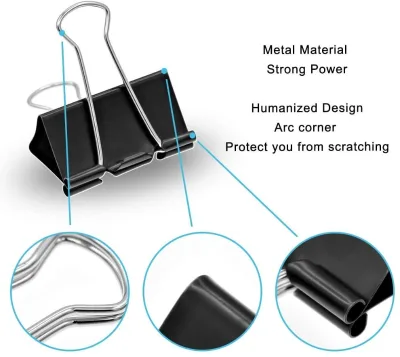
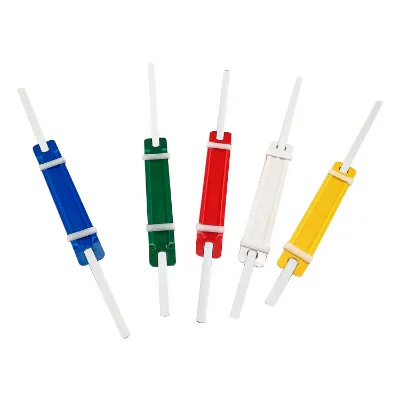
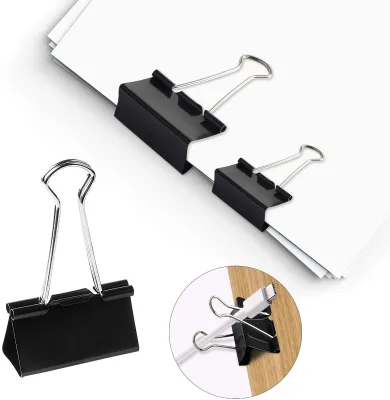
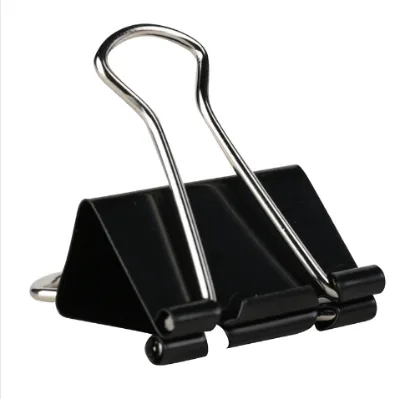
Binder clips are commonly made from metal or plastic. Metal clips are often used for office and school purposes. Plastic variants include PP lever clips and file holders. Some products feature decorative elements or colorful printing. Buyers should select materials based on durability requirements and intended usage scenarios for optimal performance.