Breathable Outdoor Vegetable Grow Bag Suppliers and Manufacturers
Compare 30 verified suppliers offering breathable outdoor vegetable grow bags with varying lead times, MOQs, and certifications. Review response times and customization options to select the right partner for your agricultural needs; review the available evidence before requesting comparable quotations from suitable candidates.
Updated
Suppliers List

Haiyang Huike Packing Co., Ltd.
- Verified by SGS
- Combined
- China Shandong
- Lead time23 days
- Avg. response≤ 3h
Main productsGrow Bag
Main marketsAfrica,North America


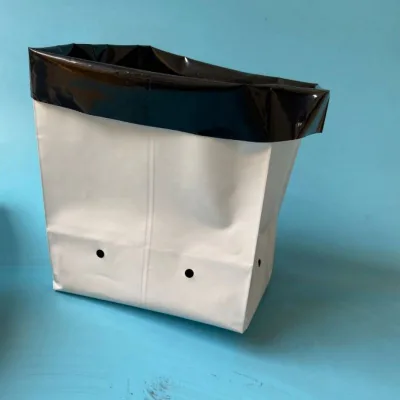
High-Quality Breathable Grow Bags for Soilless Strawberry and Hydroponic Vegetable Production
$0.016 - $0.017
MOQ: 30000 Pieces
Hebei Dibei Import & Export Trading Co., Ltd.
- Verified by SGS Group
- Manufacturer, Trading Company
- Hebei, China
- Lead time15 days
- Avg. response≤ 5h
Main productsFelt Bag, Pet Cave, Felt Grow Pot, Felt Decoration, Felt Pieces
Main marketsWestern Europe(30%), North America(20%), Mid East(10%)
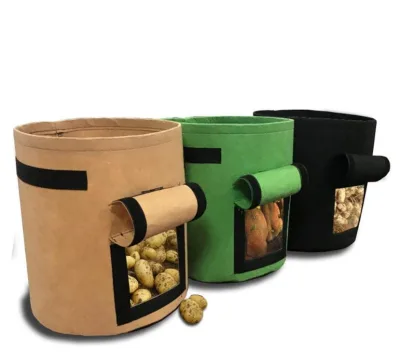
$1.0254 - $1.1287
MOQ: 100 pieces
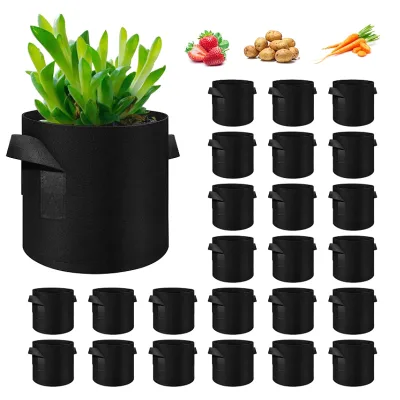
$0.3129 - $0.521
MOQ: 100 pieces
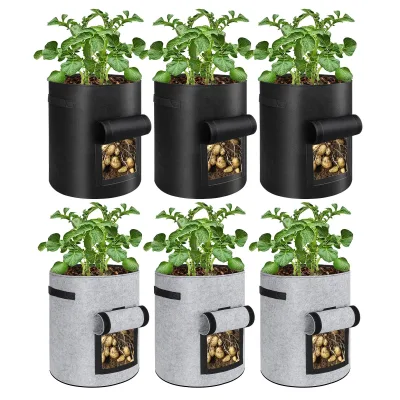
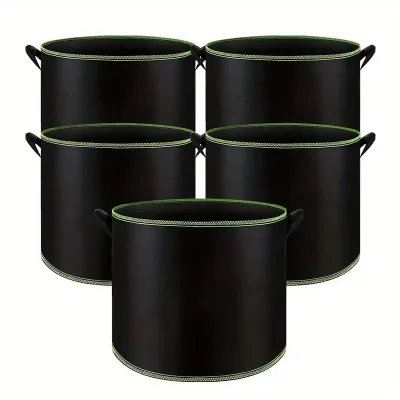
Chongqing Maxpower Machinery Co., Ltd.
- Manufacturer, Trading Company
- Lead time旺季: "1 - 500":3,"501 - 5000":5,"5001 - 10000":7,"> 10000":"To be negotiated", 淡季: "1 - 500":3,"501 - 5000":5,"5001 - 10000":7,"> 10000":"To be negotiated"
- Avg. response≤ 6h
Main productsGreenhouse,Film Rolling System,Shading&Ventilation System,Drive System,Cooling&Heating System
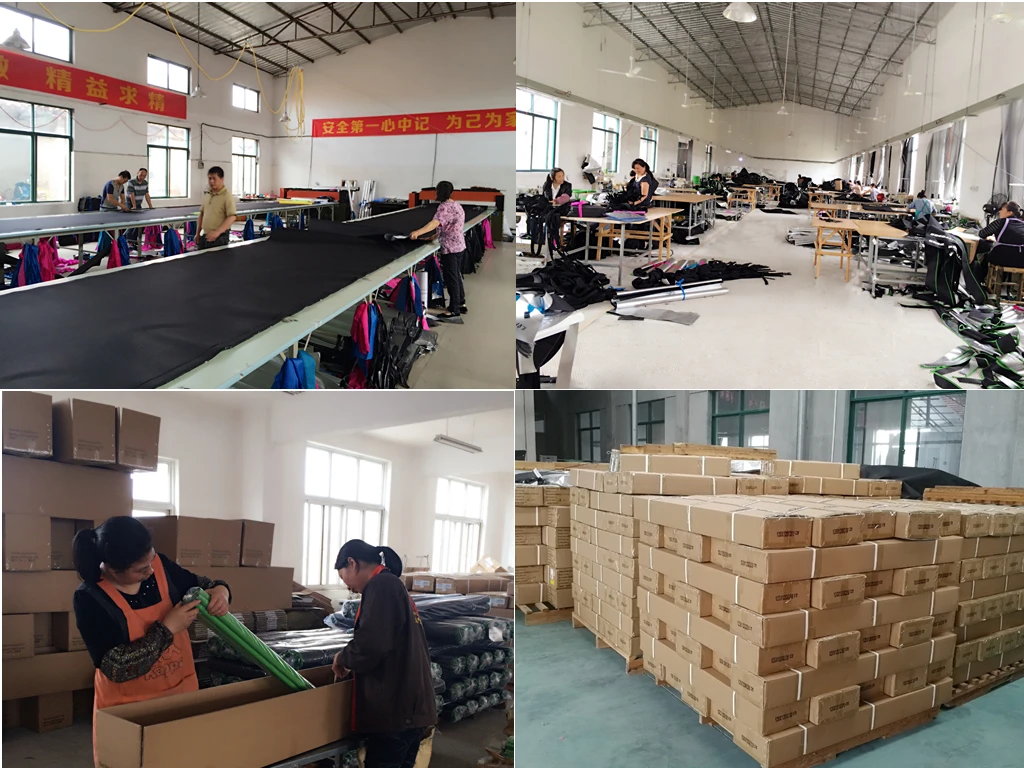
Jiangshan Sunshine Tent Co., Ltd.
- Manufacturer, Trading Company
- Zhejiang, China
- Lead time30 days
- Avg. response≤ 5h
Main productsGrow Tent,Fabric Grow Bag,Portable Sauna Tent,Hanging Dry Net
Main marketsDomestic Market(50.00%), Western Europe(10.00%), North America(5.00%), Southern Europe(5.00%), Northern Europe(5.00%), Central America(5.00%), South America(5.00%), Oceania(5.00%), Southeast Asia(5.00%), Eastern Europe(5.00%)

Sichuan Zhifang Net Industry Co., Ltd.
- Verified by CTI
- Manufacturer/Factory
- China Sichuan
- Lead time23 days
- Avg. response≤ 13h
Main productsShade Net, Shade Sail, Insect Net, Ground Cover, Anti Bird Net, Anti Hail Net, Fence Screen, Balcony Screen, Planting Bag, Root Control Container
Main marketsSouth America,Eastern Europe,Mid East,North America,Southeast Asia,Eastern Asia,Oceania,Western Europe,Africa

Nonwoven Vegetable Grow Bags Breathable and Reusable for Home Garden and Greenhouse
$0.75 - $1.58
MOQ: 100 Pieces

1-15 Gallon Nonwoven Grow Bags for Plants Breathable Heavy Duty Vegetable Container
$0.30 - $0.80
MOQ: 1000 Pieces


Black Planting Bag Garden UV Resistant Seedling Plant Nursery Grow Bag for Vegetable Fruit
$1.70 - $2.50
MOQ: 1000 Pieces

Zhenjiang Huirong Import & Export Co., Ltd.
- Manufacturer, Trading Company
- Jiangsu, China
- Lead time30 days
- Avg. response≤ 5h
Main productsTwist Ties, Chenille Stems, Diy Accessories, Garden Accessories, Packing Labels
Main marketsNorth America(27.00%), Western Europe(15.00%), Southern Europe(13.00%), South America(10.00%), Domestic Market(8.00%), Southeast Asia(8.00%), Northern Europe(5.00%), Central America(4.00%), Oceania(3.00%), Eastern Asia(2.00%), Eastern Europe(2.00%), South Asia(1.00%), Africa(1.00%), Mid East(1.00%)
Yangzhou Dandelion Outdoor Equipment Co., Ltd.
- Verified by SGS Group
- Manufacturer, Trading Company
- Lead time25 days
- Avg. response≤ 5h
Main productsTarp Products, Cover Products, Outdoor Customized Products, Garden Supplies
Main marketsNorth America(40%), Western Europe(30%), Northern Europe(10%)

Henan Fengcheng Plastic Co., Ltd.
- Verified by CTI
- Trading Company
- China Henan
- Lead time15 days
- Avg. response≤ 3h
Main productsGreenhouse Plastic Film, Agricultural Tarpaulin, Mulch Film, Woven Weed Mat, Shade Net, Anti Insect Net, Orchard Cherry Rain Cover, Pond Liner, Leno Film, Woven Greenhouse Film
Main marketsEast Asia(Japan/ South Korea)

Chongqing Bweiser Industry Company Limited
- Verified by CTI
- Trading Company,Manufacturer/Factory,Group Corporation
- China Chongqing
- Lead time45 days
- Avg. response≤ 4h
Main productsGarden Tools, Pizza Tools, Roadway Safety, BBQ, Raincoat, Handcrafts, Bait, Grillware, Cleaning Brush, Bar Shaker
Main marketsSouth America,Eastern Europe,Mid East,North America,Southeast Asia,Eastern Asia,Oceania,Western Europe,Africa


Vegetables Potato Grow Bags Nonwoven Fabric Plant Flower Growing Pots
$1.00 - $5.00
MOQ: 500000 Pieces

$1.00 - $5.00
MOQ: 500000 Pieces

Indoor&Outdoor Flap Felt Planting Bags, Potatoes Plants Vegetables Seedling Bags Planting Buckets
$1.00 - $5.00
MOQ: 500000 Pieces
Dongguan Yuexin Industrial Co., Ltd.
- Manufacturer, Trading Company
- Guangdong, China
- Lead time5 days
- Avg. response≤ 3h
Main productsFiber fill,Wadding,Felt,Pillow,Artificial snow
Main marketsDomestic Market(30.00%), Southeast Asia(10.00%), North America(10.00%), Mid East(9.00%), South Asia(5.00%), Southern Europe(5.00%), Northern Europe(5.00%), Central America(5.00%), Eastern Europe(5.00%), Western Europe(5.00%), Eastern Asia(5.00%), South America(5.00%), Africa(1.00%)
Changzhou Hantechn Imp.& Exp. Co., Ltd.
- Verified by SGS Group
- Trading Company
- Lead time35 days
- Avg. response≤ 3h
Main productsPot&planter, Watering&irrigation, Plant Propagation, Hydroponic Gardening, Garden Tools
Main marketsWestern Europe(30%), South America(15%), Oceania(12%)

Zhengzhou Angd Machinery Co., Ltd.
- Trading Company
- Henan, China
- Lead time20 days
- Avg. response≤ 4h
Main productsCake Display,Kitchen Refrigerator,stainless steel refrigerator,ice maker,baking oven
Main marketsNorth America(30.00%), Eastern Europe(15.00%), South America(15.00%), Domestic Market(10.00%), Western Europe(10.00%), Africa(10.00%), Mid East(5.00%), Oceania(5.00%)
Guangdong Enon New Materials Technology Co, Ltd.
- Verified by Intertek
- Manufacturer, Trading Company
- Lead time15 days
- Avg. response≤ 2h
Main productsNonwoven Fabric, Spunbond Fabrics, Nonwoven Products, Weed Barrier Fabric, Landscape Fabric
Main marketsAfrica(40%), North America(30%), Western Europe(20%)
Shanghai Dehuan Industry Co., Ltd.
- Trading Company
- Lead time旺季: "1 - 2000000":35,"> 2000000":"To be negotiated", 淡季: "1 - 2000000":35,"> 2000000":"To be negotiated"
- Avg. response≤ 3h
Main productsHydroponic Fodder System, Ebb And Flow Table, NFT Hydroponic System, Plastic Plant Pots, Dutch Bucket
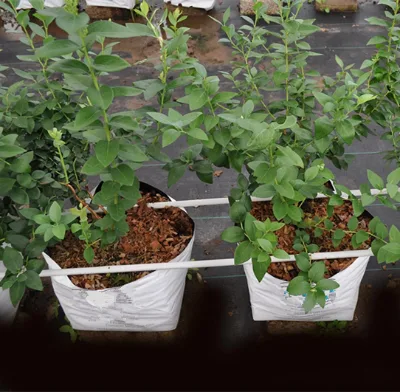
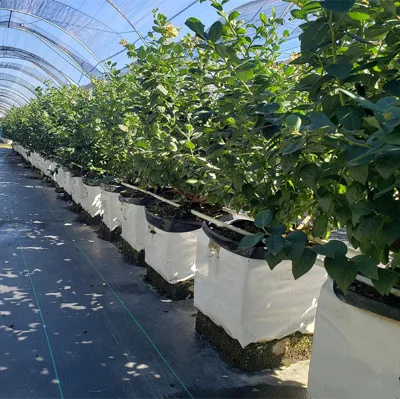
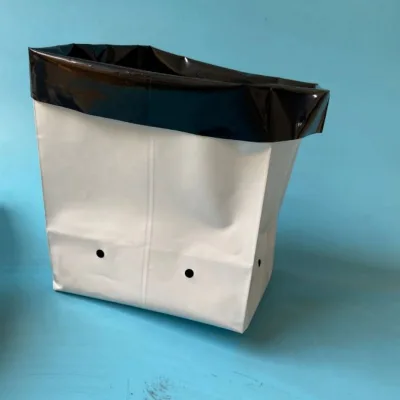
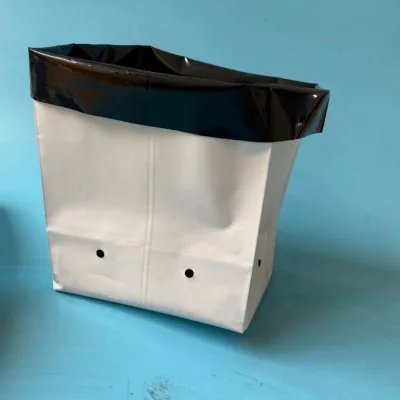
UV Stabilized White Plastic Grow Bag Vegetable Potato Plastic Cocopeat Growing Bag
$0.10 - $0.20
MOQ: 50000
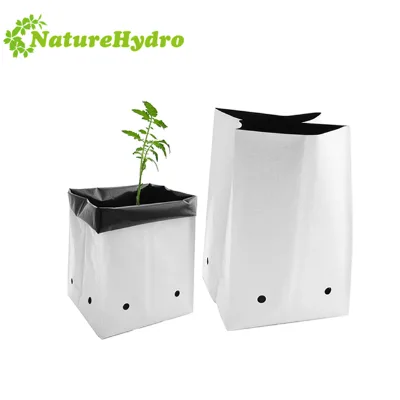
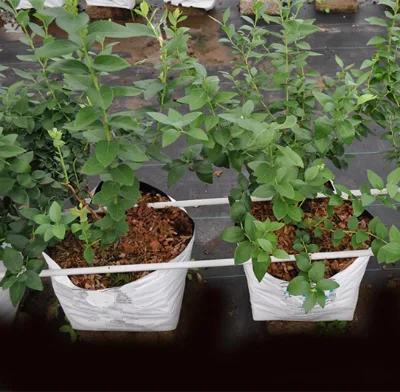
Heavy Duty White Plastic PE Substrate Plant Bag Garden Grow Bags for Blueberry
$0.10 - $0.20
MOQ: 50000
Haining Huajin Plastics Co., Ltd.
- Verified by SGS Group
- Trading Company
- Lead time45 days
- Avg. response≤ 3h
Main productsPlastic Pot, Plastic Garden Ornament, Grow Bag, Nursery Pot, Halloween Supplies
Main marketsNorth America(40%), Domestic Market(30%), Oceania(10%)
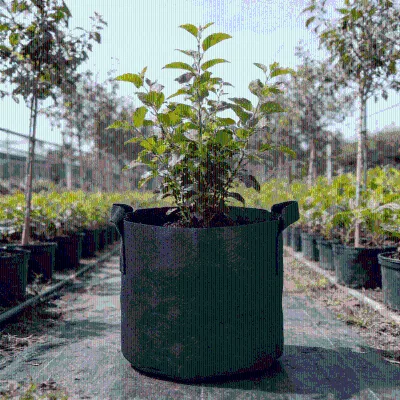
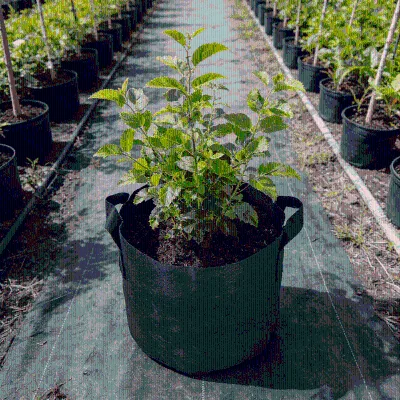
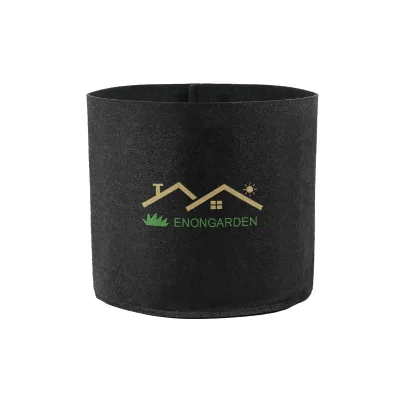
Durable Fabric Grow Bags for Vegetables and Flowers Breathable Eco Friendly Nursery Pots
$0.0413 - $0.0827
MOQ: 1000 pieces
- Manufacturer, Trading Company
- Guangdong, China
- Lead time0 days
- Avg. response≤ 4h
Main productsLed grow light,led aquarium light,Reef led light,red light therapy panel,Beauty led
Main marketsSouth America(30.00%), Eastern Europe(20.00%), North America(20.00%), Southern Europe(10.00%), Northern Europe(10.00%), Western Europe(10.00%)
Jinan Bollison International Trading Co., Ltd.
- Verified by TüVRheinland
- Trading Company
- Lead time25 days
- Avg. response≤ 4h
Main productsPVC Tarpaulin, Transport Tarpaulin, Waterproof Cover, Storage Bag, Outdoor Tent
Main marketsNorth America(60%), Oceania(15%), Western Europe(15%)
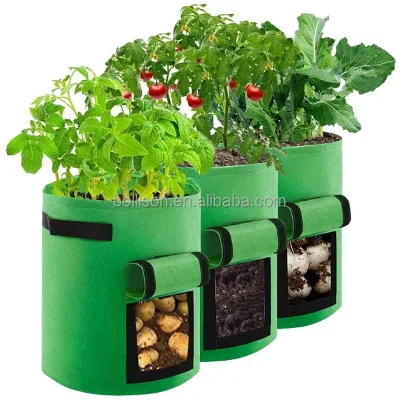
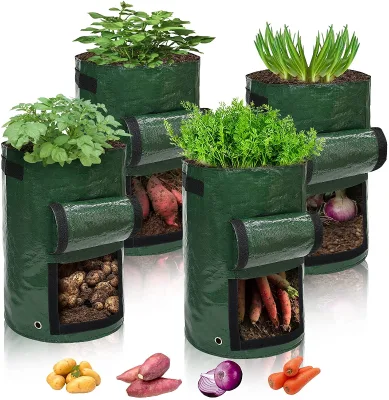
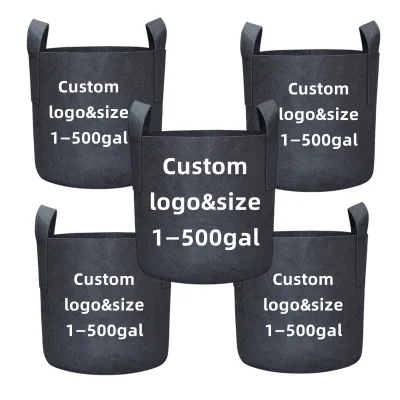
Wholesale Collapsible 20 Gallon Garden Potato Grow Bag Vegetables Planter Bags
$0.89 - $1.40
MOQ: 1000
- Verified by SGS Group
- Manufacturer, Trading Company
- Lead time5 days
- Avg. response≤ 2h
Main productsFelt Cat Cave, Felt Storage Bins, Felt Handbag, Felt Busy Board, Felt Plant Pot
Main marketsNorth America(40%), Eastern Europe(25%), South America(10%)
Hebei New Future Trading Co.,Ltd.
- Trading Company
- Hebei, China
- Lead time10 days
- Avg. response≤ 1h
Main productsMontessori Toys Busy Board,Busy Book,Felt Story Board,Felt Grow Bag,Felt Festival Product
Main marketsNorth America(39.00%), Western Europe(35.00%), Oceania(5.00%), Eastern Europe(5.00%), Southeast Asia(3.00%), Africa(3.00%), Central America(2.00%), South America(2.00%), Northern Europe(2.00%), Mid East(2.00%), Southern Europe(1.00%), Eastern Asia(1.00%)
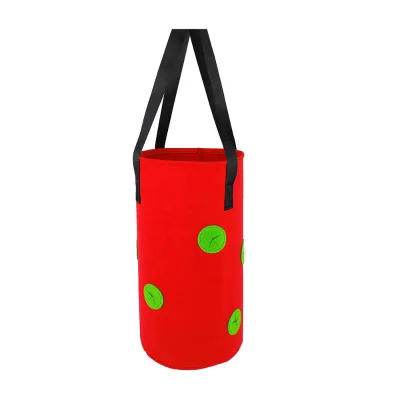
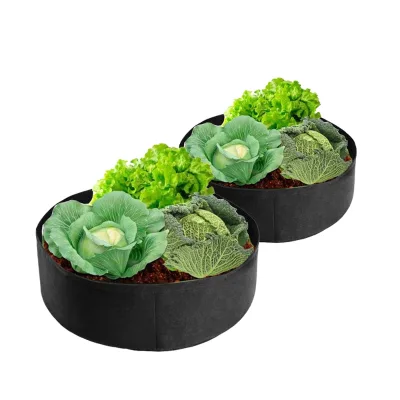
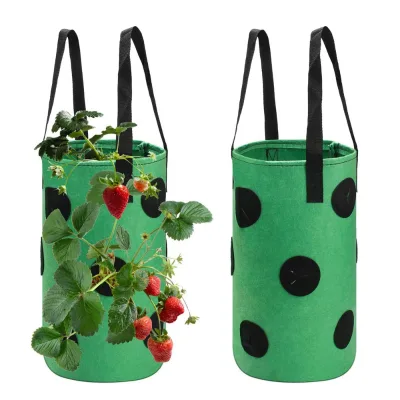
Heavy Duty Plant Bag Strawberry Grow Bags Potato Strawberry Planting Garden Round Grow Bags
$0.1038 - $1.5584
MOQ: 50 pieces
Foshan Huicai Non-Woven Technology Co., Ltd.
- Verified by SGS Group
- Manufacturer, Trading Company
- Lead time20 days
- Avg. response≤ 4h
Main productsNon Woven, Filter Non Woven, Non Woven Products
Main marketsDomestic Market(70%), South America(15%), Africa(10%)
Taizhou Sunshine Garden Products Co., Ltd.
- Verified by SGS Group
- Manufacturer, Trading Company
- Lead time21 days
- Avg. response≤ 2h
Main productsGarden Shed, Greenhouses, Grow Bags, Chicken Coop, Grow Tent Complete Kits
Main marketsNorth America(42%), Western Europe(25%), South America(10%)
Quanzhou Orientrise Horticulture Products Co., Ltd.
- Manufacturer, Trading Company
- Fujian, China
- Lead time25 days
- Avg. response≤ 6h
Main productsGrow Tent/Grow Bag/Filter Bag,Carbon Filter/In-Line Fan,LED Grow Light,Grow bag,Bubble hash bbag
Main marketsNorth America(50.00%), Western Europe(30.00%), Africa(3.00%), Southeast Asia(3.00%), South America(3.00%), Northern Europe(2.00%), Eastern Europe(2.00%), Domestic Market(1.00%), South Asia(1.00%), Southern Europe(1.00%), Mid East(1.00%), Central America(1.00%), Eastern Asia(1.00%), Oceania(1.00%)
$0.28 - $0.77
MOQ: 1000 Minimum
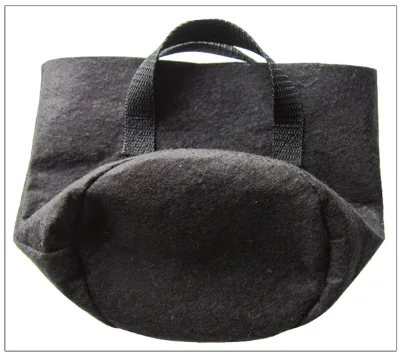
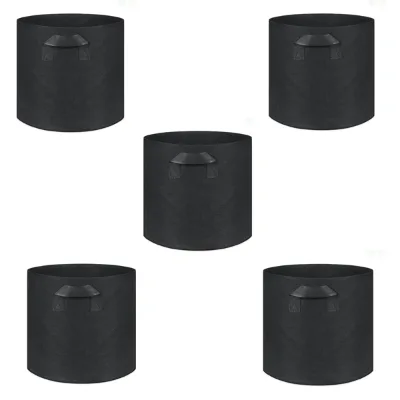
Commercial Grow Bags 15-65 Gallon | Robust PP Non-Woven Fabric for Fruits, Vegetables & Flowers
$1.4716 - $3.5614
MOQ: 3000 Minimum
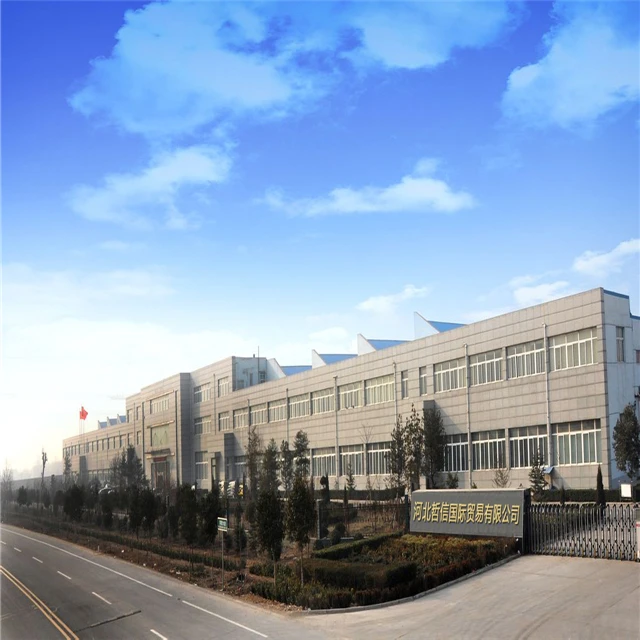
Hebei Zhexin International Trading Co., Ltd.
- Manufacturer, Trading Company
- Hebei, China
- Lead time15 days
- Avg. response≤ 3h
Main productsburlap jute ribbon roll,drawstring gift bag,jute&cotton fabrics,jute fiber felt,poly mesh flower wreath
Main marketsNorth America(50.00%), Southeast Asia(10.00%), South Asia(10.00%), Western Europe(10.00%), Northern Europe(5.00%), Eastern Europe(5.00%), Eastern Asia(3.00%), Southern Europe(3.00%), Mid East(2.00%), South America(2.00%)
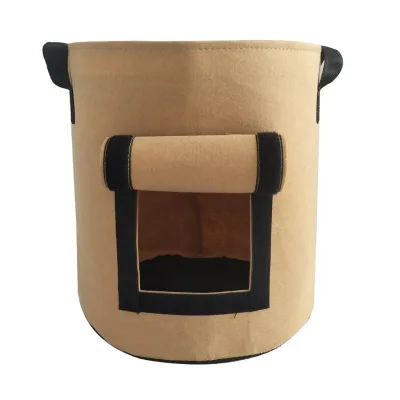
$0.7919 - $0.9865
MOQ: 10 pieces
$0.7919 - $0.9865
MOQ: 10 pieces

Qingdao Taimei Products Co., Ltd.
- Verified by TUVRHEINLAND
- Trading Company
- China Shandong
- Lead time30 days
- Avg. response≤ 11h
Main productsPVC Tarpaulin, PVC Coated Fabric, Industrial Textile, PVC Laminated Tarpaulin, Clear PVC Film, PVC Mesh Tarpaulin, PE Tarpaulin, Sun Shade Net
Main marketsSouth America,Africa,Others(foreignTradeCapacity.exportBusinessCapacityMarketOther)


Customized Plastic Bags Potato Planter Growing Bag Eco-Friendly Poly Pplant Grow Bag
$0.18 - $0.35
MOQ: 2000 Pieces
FOSHAN WISEHOLD IMPORT AND EXPORT CO., LTD.
- Manufacturer
- Guangdong, China
- Lead time0 days
- Avg. response≤ 2h
Main productsAquaculture Tank,Pond liner,Agriculture Film,Plastic Nets,Agricultural Equipment
Main marketsAfrica(50.00%), Southeast Asia(50.00%)
Henan Gengxi Technology Equipment Co., Ltd.
- Trading Company
- Henan, China
- Lead time25 days
- Avg. response≤ 1h
Main productsGrow tent,LED grow light,Heat press machine,Grow Bag,Inline duct fan
Main marketsWestern Europe(20.00%), South America(20.00%), North America(20.00%), Southern Europe(10.00%), Southeast Asia(10.00%), Northern Europe(5.00%), Oceania(5.00%), Eastern Europe(3.00%), Eastern Asia(2.00%), Africa(2.00%), Central America(1.00%), South Asia(1.00%), Mid East(1.00%)

Dongguan Yuexin Industrial Co., Ltd.
- Manufacturer
- China Guangdong
- Lead time15 days
- Avg. response≤ 4h
Main productsFelt, Wadding/Padding/Batting, Fiber Fillings, Pillow Insert, Christmas Decoration, Non Woven Fabric, Non Slip Rug Pad, Moving Blanket, Filter Medium, Fire Barrier
Main marketsSouth America,Europe,North America
HEBEI GINZOE TRADING CO., LTD.
- Trading Company
- Hebei, China
- Lead time20 days
- Avg. response≤ 3h
Main productsShade Net,Insect Net,Bird Net,PE Tarpaulin,Mesh Bag
Main marketsSouth America(20.00%), Mid East(15.00%), Africa(15.00%), Western Europe(10.00%), North America(10.00%), Southeast Asia(10.00%), Domestic Market(5.00%), Central America(5.00%), Oceania(5.00%), Eastern Europe(5.00%)
Jiangsu Amei Plastic Co., Ltd.
- Verified by Intertek
- Manufacturer, Trading Company
- Lead time0 days
- Avg. response≤ 2h
Main productsPlastic Flower Pot
Main marketsNorth America(80%), Southeast Asia(5%), Western Europe(5%)
Hebei Lantan Import And Export Trade Co., Ltd.
- Trading Company
- Hebei, China
- Lead time20 days
- Avg. response≤ 2h
Main productsHydroponics,Flower pots,NFT channel,Plastic pipe,Seedling trays
Main marketsAfrica(20.00%), Mid East(10.00%), Southern Europe(10.00%), Western Europe(10.00%), Eastern Europe(10.00%), Eastern Asia(10.00%), South Asia(5.00%), North America(5.00%), Northern Europe(5.00%), Central America(5.00%), Southeast Asia(5.00%), South America(5.00%)


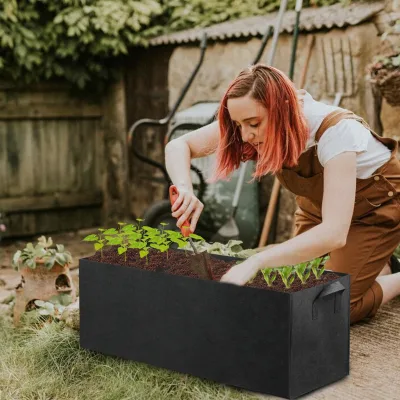
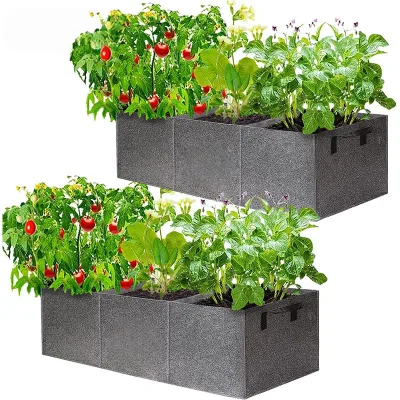
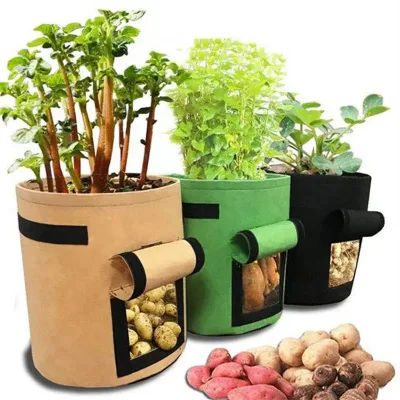


Comprehensive Sourcing Guide
Breathable Outdoor Vegetable Grow Bag Supplier Concentration and Factory Types
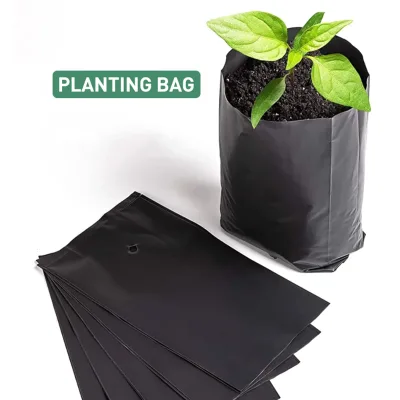
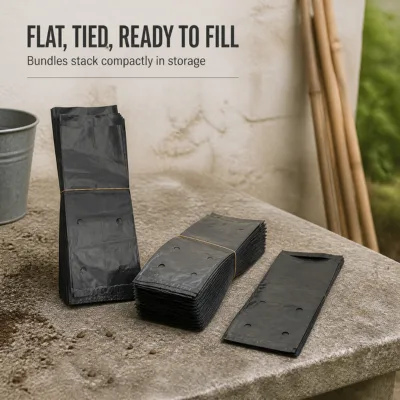
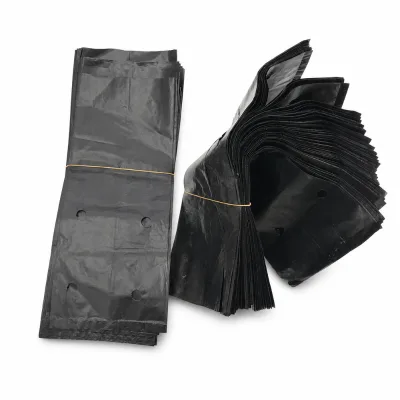
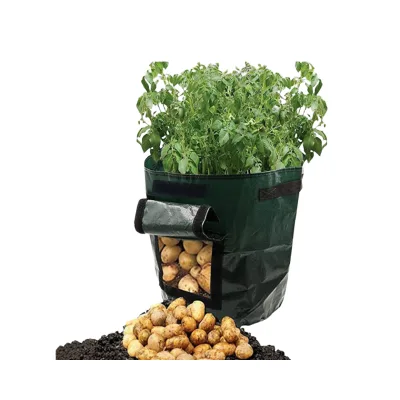
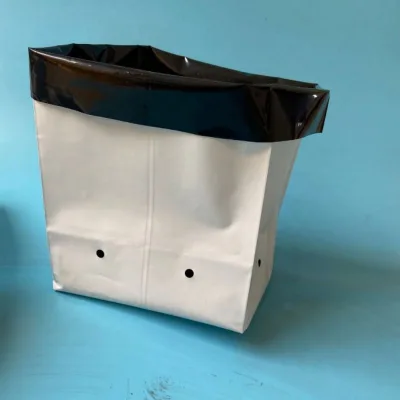
The current supplier landscape for breathable outdoor vegetable grow bags reveals a distinct concentration of manufacturing capabilities within specific Chinese provinces, primarily Shandong and Hebei. Suppliers located in Shandong are predominantly structured as combined entities, blending manufacturing with trading functions to offer a wider array of product variations. These facilities often specialize in plastic-based solutions, utilizing materials such as LDPE and PE to produce grow bags that meet specific agricultural requirements. The presence of ISO9001:2015 certification among these Shandong-based suppliers indicates a standardized approach to quality management, which is crucial for buyers seeking consistent product performance in outdoor environments. The main products listed for these suppliers include various types of grow bags, ranging from standard plastic bags to more specialized UV-treated options. This concentration suggests that buyers looking for plastic-based breathable grow bags will find a robust supply chain in this region, with suppliers capable of handling both ODM and custom design requests. The combination of manufacturing and trading capabilities allows these suppliers to offer flexible solutions, catering to both large-scale agricultural operations and smaller garden enthusiasts.
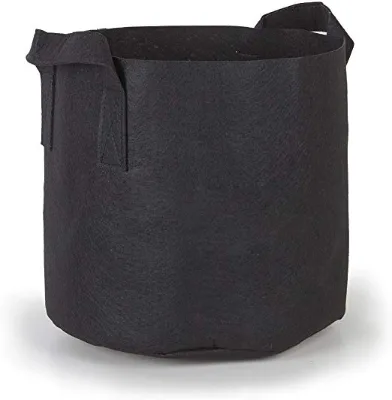
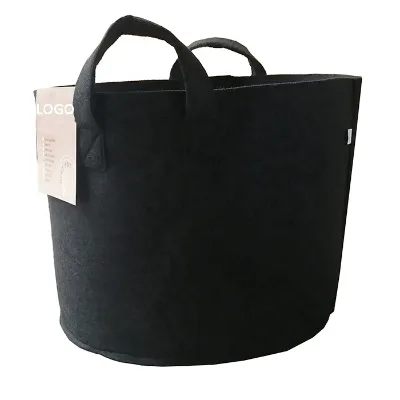
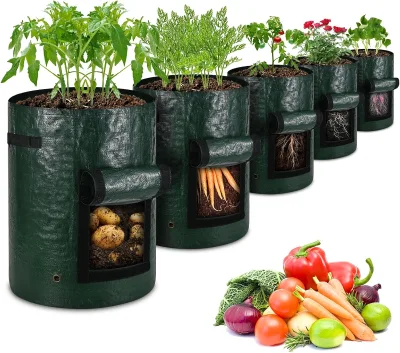
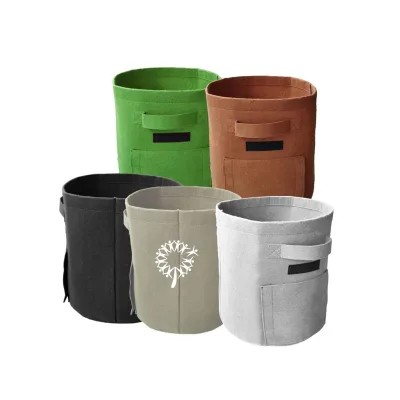
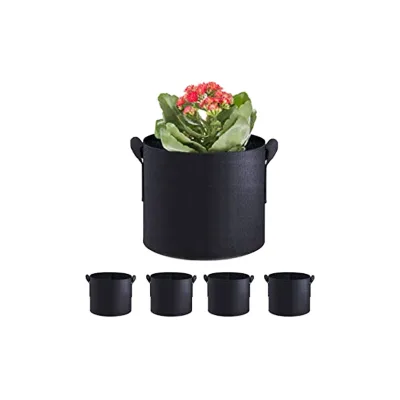
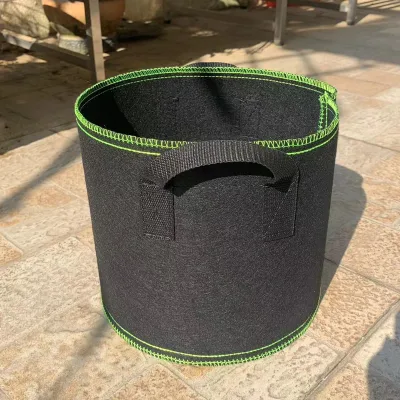
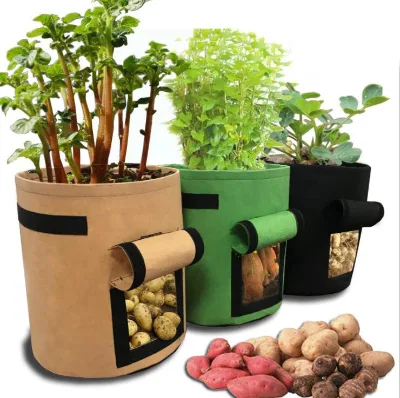
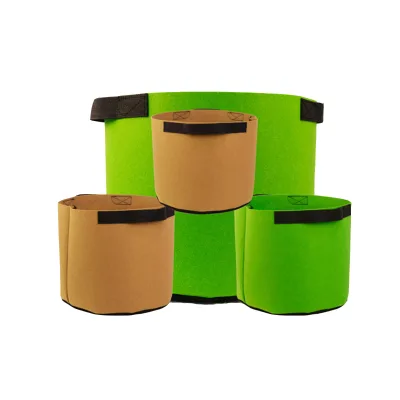
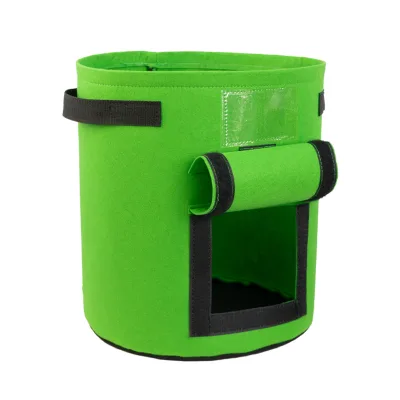
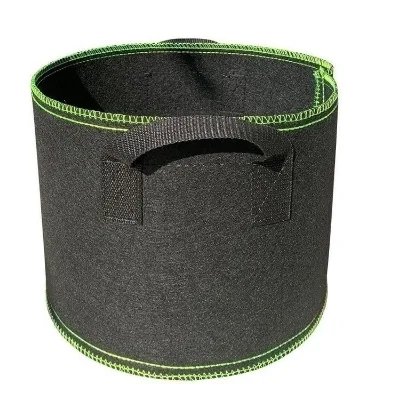
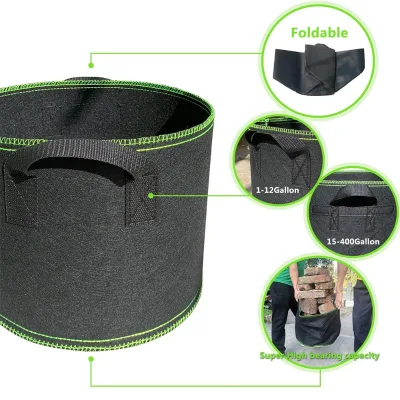
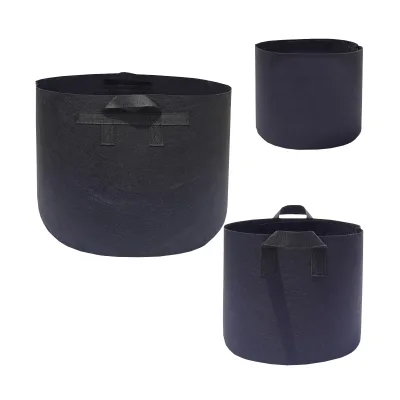
In contrast, suppliers based in Hebei, China, present a different operational model, often identifying as both manufacturers and trading companies with a focus on felt and non-woven fabric products. These suppliers specialize in breathable grow bags made from polyester felt, offering products that are distinct from their plastic counterparts in terms of material composition and environmental impact. The main products for these Hebei-based suppliers include felt grow pots, pet caves, and various felt decorations, indicating a broader expertise in textile-based gardening solutions. The ability to perform light customization, sample processing, and graphic processing suggests a high degree of flexibility in meeting specific buyer requirements. These suppliers often hold a diverse range of certifications, including EN 71, ASTM F963, and CE, which may be relevant for buyers concerned with safety standards, particularly if the grow bags are intended for use in contexts involving children or pets. The presence of these certifications highlights the importance of verifying material safety and compliance with international standards. Buyers evaluating these suppliers should consider the specific material properties of felt versus plastic, as well as the additional value provided by a broader range of textile-related certifications.
How to Verify Breathable Outdoor Vegetable Grow Bag Suppliers
Verifying the authenticity and reliability of suppliers requires a multi-layered approach that goes beyond simple profile reviews. One critical step is to check for third-party verification badges, such as those provided by SGS. In the current results, suppliers from both Shandong and Hebei display SGS verification, which serves as an initial indicator of operational legitimacy. However, buyers should not rely solely on this badge; it is essential to understand the scope of the verification. For instance, some suppliers may have verified their business license, while others may have had their factory audits or product quality systems assessed. Buyers should look for detailed verification reports that confirm the supplier's physical existence, production capacity, and quality control processes. Additionally, checking for system certifications like ISO9001:2015 is vital for suppliers claiming to follow international quality management standards. These certifications provide assurance that the supplier has established procedures for maintaining consistent product quality, which is particularly important for breathable grow bags where material integrity directly affects plant health. Buyers should request copies of these certificates and verify their validity through the issuing bodies.
Another crucial aspect of verification is assessing the supplier's response time and communication efficiency. The data shows response times ranging from 2.88 to 5 hours, which can be a strong indicator of the supplier's operational readiness and customer service commitment. A faster response time often correlates with a more organized internal process and a higher likelihood of timely order fulfillment. Buyers should also examine the supplier's main products to ensure they align with specific needs. For example, if a buyer requires specialized UV-treated plastic bags, they should prioritize suppliers who explicitly list this as a key product feature. Similarly, for felt-based solutions, buyers should look for suppliers with expertise in non-woven fabrics and polyester materials. It is also important to verify the supplier's capacity for customization, as many buyers require specific sizes, colors, or branding on their grow bags. Suppliers that offer ODM services or light customization options demonstrate a higher level of flexibility and customer focus. By combining verification of credentials, assessment of response times, and evaluation of product specialization, buyers can significantly reduce the risk of engaging with unreliable suppliers.
What to Compare Across Breathable Outdoor Vegetable Grow Bag Suppliers
When evaluating multiple suppliers, buyers must compare key operational metrics to determine the best fit for their specific requirements. One of the most significant factors is the minimum order quantity (MOQ), which can vary widely depending on the supplier and product type. For plastic-based grow bags, MOQs can be as low as 1,000 pieces, making them accessible for smaller buyers, while felt-based options may have MOQs starting at 100 pieces, offering greater flexibility for trial orders. Buyers should also compare the price ranges, which can differ based on material, thickness, and customization options. Plastic grow bags may range from $0.016 to $0.30 per unit, while felt grow bags might be priced between $1.02 and $1.12 per unit. These price differences reflect the varying costs of raw materials and manufacturing processes. Additionally, lead times are a critical comparison point, with some suppliers offering production times as short as 15 days, while others may require up to 23 days. Faster lead times can be crucial for buyers with tight deadlines or seasonal demand fluctuations. Buyers should also consider the supplier's response speed, as quicker communication can facilitate smoother negotiations and problem resolution.
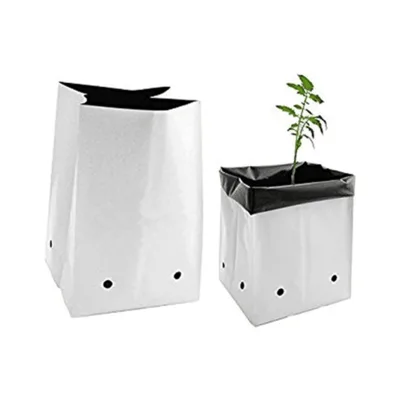
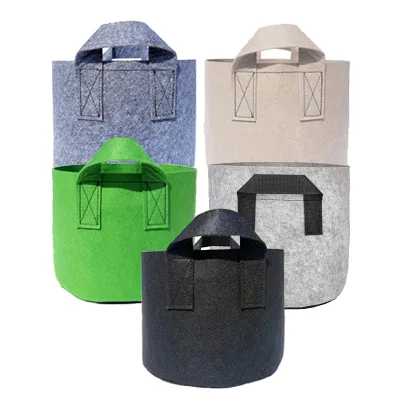
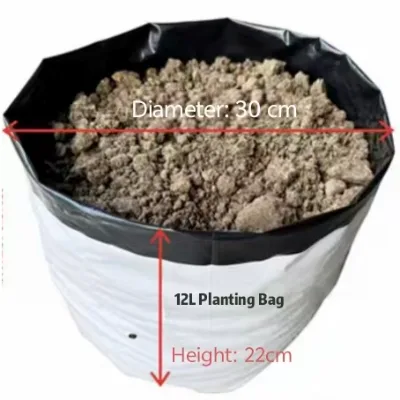
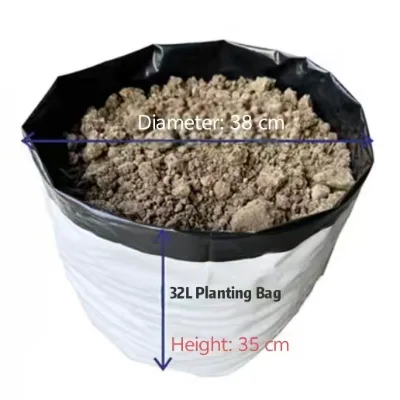
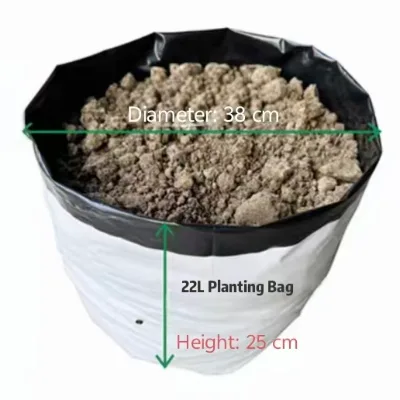
Beyond these basic metrics, buyers should compare the specific product attributes and certifications offered by each supplier. For plastic grow bags, important attributes include material type (e.g., LDPE, PE), thickness (ranging from 50 to 200 microns), and features such as UV treatment, breathability, and recyclability. Suppliers that offer customizable colors, such as white and black or inside black outside white, provide more options for branding and functional requirements. For felt grow bags, buyers should compare material thickness (e.g., 1.5mm), size options (e.g., 10 gallon or customized), and additional features like handles or specific shapes. Certifications are another key differentiator, with some suppliers holding extensive lists including EN 71, ASTM F963, and CE, which may be necessary for certain markets or applications. Buyers should also assess the supplier's capacity for customization, including ODM services and graphic processing, to ensure they can meet unique design requirements. By systematically comparing these factors, buyers can identify suppliers that offer the best balance of cost, quality, and service for their specific needs.
Common Breathable Outdoor Vegetable Grow Bag Sourcing Risks
Sourcing breathable outdoor vegetable grow bags involves several potential risks that buyers must proactively manage to ensure a successful procurement process. One significant risk is the variability in product quality, particularly regarding material durability and breathability. Plastic grow bags, for instance, may vary in thickness and UV resistance, which can affect their lifespan and effectiveness in outdoor environments. Buyers who do not specify precise thickness requirements or UV treatment standards may receive products that degrade quickly under sunlight, leading to premature failure and plant loss. Similarly, felt grow bags may differ in density and stitching quality, which can impact their structural integrity and ability to retain moisture. Without clear specifications and quality control measures, buyers risk receiving products that do not meet their performance expectations. Another risk is the discrepancy between sample quality and bulk production. Suppliers may provide high-quality samples that do not reflect the consistency of mass-produced items. Buyers should insist on pre-shipment inspections or third-party quality checks to verify that bulk orders match the approved samples in terms of material, dimensions, and finish.
Communication and logistical risks are also prevalent in international sourcing. Misunderstandings regarding customization requirements, packaging specifications, or delivery timelines can lead to costly errors and delays. Suppliers with slower response times may be less responsive to urgent requests or changes in order details, increasing the risk of project disruptions. Additionally, buyers must be cautious of suppliers who do not provide clear information about their production capacity or lead times. Overpromising on delivery dates can result in missed market opportunities, especially for seasonal agricultural products. Buyers should also be aware of potential issues with product certifications. While some suppliers display certifications like ISO9001 or EN 71, buyers must verify that these certifications are current and applicable to the specific products being purchased. Falsified or outdated certifications can expose buyers to regulatory risks and reputational damage. To mitigate these risks, buyers should establish clear communication channels, request detailed product specifications, and conduct thorough due diligence on supplier credentials and capabilities before committing to large orders.
Breathable Outdoor Vegetable Grow Bag Regional Sourcing and Logistics
The regional concentration of suppliers in China, specifically in Shandong and Hebei provinces, offers distinct advantages and challenges for international buyers. Shandong-based suppliers, often located in industrial hubs, benefit from established logistics networks and proximity to major ports, which can facilitate efficient export operations. These suppliers typically focus on plastic-based grow bags, leveraging local access to polyethylene raw materials to maintain competitive pricing and consistent supply. The presence of combined manufacturer-trading entities in Shandong allows for streamlined coordination between production and export processes, reducing the complexity for buyers. However, buyers should be mindful of the specific logistical requirements for plastic products, which may involve considerations for weight, volume, and potential environmental regulations in the destination country. Understanding the local infrastructure and transportation options in Shandong can help buyers optimize shipping costs and delivery times. Additionally, buyers should consider the impact of regional trade policies and tariffs on the final landed cost of goods.
In contrast, Hebei-based suppliers, known for their expertise in felt and non-woven fabric products, may offer different logistical profiles. These suppliers often cater to markets that value sustainable and breathable gardening solutions, such as felt grow pots and planters. The production of felt products may involve different raw material sourcing and manufacturing processes compared to plastic, which can affect lead times and shipping requirements. Buyers should assess the logistical capabilities of Hebei suppliers, including their experience with international shipping and their ability to handle specialized packaging needs. The presence of multiple certifications, such as EN 71 and ASTM F963, may also influence logistics, as buyers may need to provide additional documentation for customs clearance. Furthermore, buyers should consider the environmental impact of their sourcing decisions, as felt products are often marketed as more eco-friendly alternatives to plastic. By understanding the regional strengths and logistical nuances of both Shandong and Hebei suppliers, buyers can make informed decisions that align with their operational and sustainability goals.
Breathable Outdoor Vegetable Grow Bag Commercial Terms and Order Planning
Effective order planning for breathable outdoor vegetable grow bags requires careful attention to commercial terms, pricing structures, and payment conditions. Buyers should negotiate clear pricing tiers based on order volume, as MOQs and price ranges can vary significantly between suppliers. For plastic grow bags, prices may start as low as $0.016 per unit for larger orders, while felt grow bags may have higher unit costs but lower MOQs, offering flexibility for smaller purchases. Buyers should also clarify the terms of customization, including any additional costs for specific colors, sizes, or branding. It is essential to confirm whether the quoted prices include packaging, such as polybags and cartons, and to specify the packaging requirements to avoid unexpected charges. Lead times are another critical commercial term, with suppliers offering production times ranging from 15 to 23 days. Buyers should align these lead times with their sales forecasts and inventory requirements to prevent stockouts or excess inventory. Additionally, buyers should discuss payment terms, such as deposits
FAQs
What is the price range for breathable outdoor vegetable grow bags?
Breathable outdoor vegetable grow bags typically range from $0.016 to $1.13 per unit depending on material and size. Plastic PE options start near $0.016, while thicker polyester felt bags cost around $1.03. Prices vary based on thickness, customization, and order volume.
What is the minimum order quantity for these grow bags?
Minimum order quantities vary significantly by material type. Plastic PE grow bags generally require a minimum of 1,000 units, while breathable felt or non-woven fabric options often have a lower threshold of 100 pieces. Buyers should verify specific MOQs with suppliers for custom sizes.
How long does production take for these grow bags?
Production lead times for breathable grow bags typically range from 15 to 23 days. Suppliers in China offer these timelines for standard orders. Buyers requiring faster turnaround should confirm specific lead times with manufacturers, as custom sizes or high-volume orders may affect production schedules.
What materials are used for breathable vegetable grow bags?
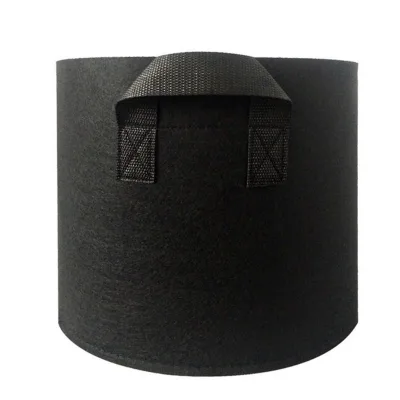
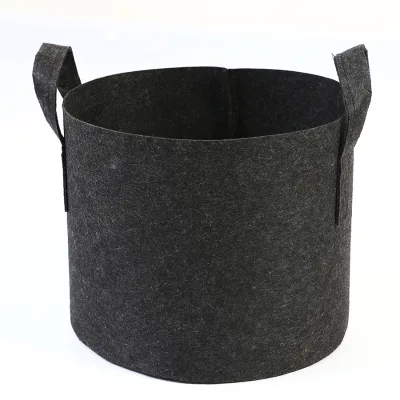
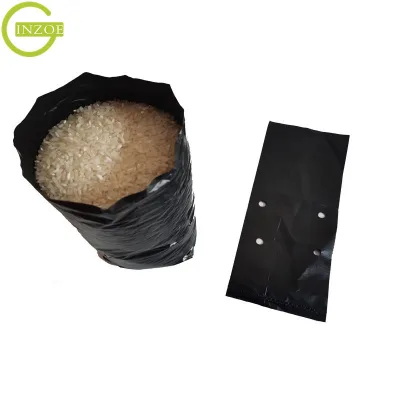
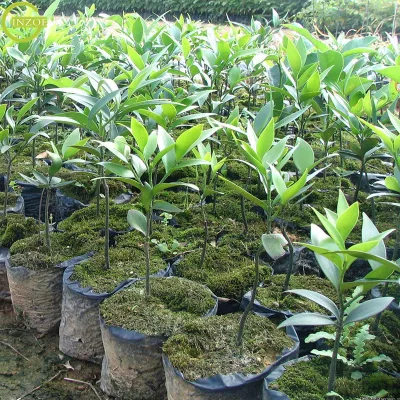
Breathable vegetable grow bags are primarily made from PE plastic or polyester felt. PE bags are often UV-treated, recyclable, and available in white and black colors. Felt bags are non-woven, moisture-proof, and designed for aeration. Both materials support seedling nursery and outdoor vegetable planting applications.
Are these grow bags customizable for specific sizes?
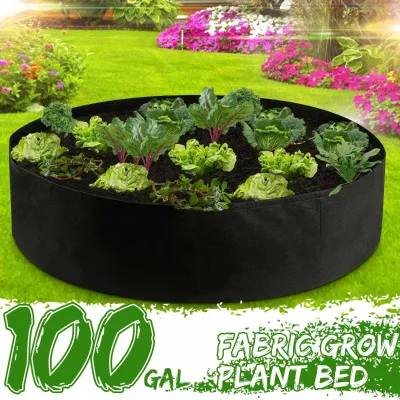
Yes, most breathable grow bags offer customization for size and branding. Suppliers provide options ranging from 1/8 to 45 gallons for plastic bags, and 10 to 100 gallons for felt bags. Custom dimensions, colors, and logos are available upon request, subject to minimum order requirements.
What certifications do these grow bag suppliers hold?
Suppliers often hold ISO9001:2015 system certifications and undergo SGS verification. Some felt bag manufacturers also comply with safety standards like EN 71, ASTM F963, and CE. Buyers should request current certification documents to ensure compliance with regional safety and quality regulations for agricultural products.