Breathable Geotextile Plant Nursery Pot Suppliers and Manufacturers
Compare 15 suppliers of Breathable Geotextile Plant Nursery Pot products using grounded dimensions such as factory type, location, certifications, lead time, response time, and customization capability. Review specifications like material, size range, and MOQ, then request quotes to verify details before ordering.
Suppliers List

Sichuan Zhifang Net Industry Co., Ltd.
- Verified by CTI
- Manufacturer/Factory
- China Sichuan
- Lead time23 days
- Avg. response≤ 13h
Main productsShade Net, Shade Sail, Insect Net, Ground Cover, Anti Bird Net, Anti Hail Net, Fence Screen, Balcony Screen, Planting Bag, Root Control Container
Main marketsSouth America,Eastern Europe,Mid East,North America,Southeast Asia,Eastern Asia,Oceania,Western Europe,Africa

Xiamen Ebei Import & Export Co., Ltd.
- Verified by CTI
- Trading Company,Manufacturer/Factory
- China Fujian
- Lead time45 days
- Avg. response≤ 2h
Main productsEco-Friendly Products, Bamboo Tableware, Bamboo Furniture, Bamboo Kitchenware, Bamboo Office Supply, Bamboo Fibre Products, Biodegradable Products, Bamboo Towel, Solar Energy Products, Bamboo Garden Products
Main marketsSouth America,Eastern Europe,Mid East,North America,Southeast Asia,Eastern Asia,Oceania,Western Europe,Africa

Haining Huajin Plastics Co., Ltd.
- Verified by SGS
- Combined
- China Zhejiang
- Lead time15 days
- Avg. response≤ 4h
Main productsNursery Pots, Blueberry Planters, Flower Pots, Garden Pots, Seeding Trays, Weed Mat, Watering Cans, Garden Ornaments
Main marketsSouth America,Southeast Asia/ Mideast,East Asia(Japan/ South Korea),Domestic,Europe,Australia,North America

- Verified by SGS
- Trading Company
- China Liaoning
- Lead time23 days
- Avg. response≤ 4h
Main productsStand up Pouch, Filter Cloth, Dust Filter Bag, Car Seat Cover, Control Room Console, Meeting Table, Food Packaging Bag, Zipper Bag, Modern Smart Console, Coffee Desk
Main marketsSouth America,Africa,Southeast Asia/ Mideast,North America

Plastic Nursery Plant Germination Growing Transplanting Pot Tools Garden Flower Pots
$0.99 - $1.45
MOQ: 1000 Pieces

Optimal Drainage Blueberry Nursery Pots High Quality Polyethylene Plastic Outdoor Plant
$0.99 - $1.45
MOQ: 1000 Pieces

Yangzhou Youcai Import and Export Trading Co., Ltd
- Trading Company
- China Jiangsu
- Lead time0 days
- Avg. response≤ 7h

Pet Plastic Flower Pot Breathable Material Garden Pot for Seedling Propagation
$0.80 - $1.00
MOQ: 1000 Pieces


Taizhou Shengerda Plastic Co., Ltd.
- Combined
- China Zhejiang
- Lead time30 days
- Avg. response≤ 8h
Main productsPlastic, Plastic Flower Pot, Plastic Tray, Plastic Bucket, Plastic Trash Can, Plastic Basin
Main marketsSouth America,Europe,Australia

Shijiazhuang Boshuo New Material Co., Ltd.
- Manufacturer/Factory
- China Hebei
- Lead time15 days
- Avg. response≤ 10h
Main productsNeedle Punched Nonwoven Fabric, Spunbond Nonwoven Fabric, Fabric Tube Dewatering Bag, Fabric Grow Bag, Fabric Ground Cover, Plant Pot, Bale Net Wrap, Silage Film, Hail Net, Bird Net
Main marketsSouth America,Eastern Europe,Mid East,Southeast Asia,Eastern Asia,Africa

Nursery Pot Felt Fabric Geotextile Plant Pot China Supplier White Black Color
$0.20 - $3.20
MOQ: 100 Pieces


Nursery Pot Geotextile Felt Fabric Blueberry Plant Pot Black White 40liter 35liter
$0.20 - $3.20
MOQ: 100 Pieces

Plant Pot Felt Fabric Planter Pot Geotextile Vase China Black White Color
$0.20 - $3.20
MOQ: 100 Pieces


- Manufacturer
- China Guangdong
- Lead time23 days
- Avg. response≤ 2h
Main productsPVC Trunking, PVC Pipe, PVC Fittings, Gi Box, Street Light, Flood Light, Light Fitting, AAC Cable, Metal Box, PPR Pipe
Main marketsAfrica,Southeast Asia/ Mideast,Australia

Garden Pots Planters Outdoor Indoor Planter Modern Flower Nursery Pots Plastic
$0.05 - $0.07
MOQ: 2000 Pieces


Plastic Flower Plant Vertical Home Garden Pots Small Hydroponic Plant Pot
$0.05 - $0.07
MOQ: 2000 Pieces

2 3 4 Inch Plastic Nursery Microgreen Plant Vegetables Net Pot for Hydroponic System
$0.03 - $0.06
MOQ: 5000 Pieces


- Verified by BV
- Trading Company
- China Guangdong
- Lead time30 days
- Avg. response≤ 3h
Main productsHydroponic System, Hydroponic Sponge, Nft Channel, Strawberry Gutter/Tower, Raised Garden Bed, Dutch Bucket, Plastic Net Pot, Substrate, Vegetable Mould, Greenhouse
Main marketsSouth America,Africa,Southeast Asia/ Mideast,East Asia(Japan/ South Korea),Europe,Australia,North America


Multi Size Hydroponic Indoor Plant Pot Nursery Net Cup Basket Growing Pot
$0.05 - $0.06
MOQ: 2000 Pieces

Thump Agri and Horti Tech (Shanghai) Co., Ltd.
- Trading Company
- Shanghai, China
- Lead time20 days
- Avg. response≤ 2h
Main productsplastic plant pot,dutch bucket,ebb and flow,duct fans,Trim tray
Main marketsEastern Europe(19.00%), North America(18.00%), South America(15.00%), Southeast Asia(10.00%), Central America(9.00%), Northern Europe(6.00%), Western Europe(5.00%), Southern Europe(5.00%), South Asia(4.00%), Eastern Asia(3.00%), Africa(2.00%), Mid East(2.00%), Oceania(2.00%)

- Verified by TUVRHEINLAND
- Trading Company
- China Guangdong
- Lead time15 days
- Avg. response≤ 3h
Main productsHydroponics System, Nft Channel System
Main marketsSoutheast Asia/ Mideast

2 3 4 Inch Plastic Nursery Microgreen Plant Vegetables Net Pot for Hydroponic System
$100.00 - $130.00
MOQ: 1 Boxes

Hydroponic Plastic Basket Plant Plastic Net Pots Indoor Plant Pot Net Cup
$100.00 - $130.00
MOQ: 1 Boxes


Xiamen Friendship Bridge Co., Ltd.
- Verified by TUVRHEINLAND
- Combined
- China Fujian
- Lead time15 days
- Avg. response≤ 4h
Main productsNatural Plants Bonsai Seeds Seedlings, Indoor Plants Outdoor Plants, Bonsai, Calathea, Cactus, Aglaonema, Ficus, Succulent
Main marketsSoutheast Asia/ Mideast,North America

Dongguan Riteng Industrial Co., Ltd.
- Trading Company,Manufacturer/Factory
- China Guangdong
- Lead time15 days
- Avg. response≤ 25h
Main productsPlastic Extrusion Profiles, Plastic Injection Profiles, Aluminum Extrusion Profiles, Nft Hydroponic System, Low-Smoke Halogen-Free Trunking
Main marketsSouth America,Eastern Europe,Mid East,North America,Southeast Asia,Eastern Asia,Oceania,Western Europe,Africa


Plastic Flower Pot/Net Pot for Nft Hydroponic and Vegetable Growing/Hydroponic Seedling Tray
$0.07 - $0.13
MOQ: 1000 Pieces

Small Growing Nursery Aquatic Hydroponic Planting Net Pot Hydroponic Plastic
$0.07 - $0.13
MOQ: 1000 Pieces


Dezhou Chunyang Environmental Protection Materials Co., Ltd.
- Verified by SGS
- Combined
- China Shandong
- Lead time23 days
- Avg. response≤ 1h
Main productsKidney Dish, Gift Box, Lunch Box, Kidney Basin, Paper Pulp Bowl, Plant Pot, Coffee Cup Holder, Egg Tray, Paper Box, Custom Packaging Box
Main marketsDomestic

$0.01 - $0.01
MOQ: 1000 Pieces

Easy Operate Corrosion-Resistant Biodegradable Seedling Pots for Rooftop Gardens
$0.01 - $0.01
MOQ: 1000 Pieces
Hangzhou Triumph Imp And Exp Co., Ltd.
- Verified by TüVRheinland
- Manufacturer, Trading Company
- Lead time30 days
- Avg. response≤ 1h
Main productsCarbon Filter, Duct Fan, Grow Light, Grow Rack, Grow Tent
Main marketsNorth America(33%), Southern Europe(25%), Western Europe(24%)
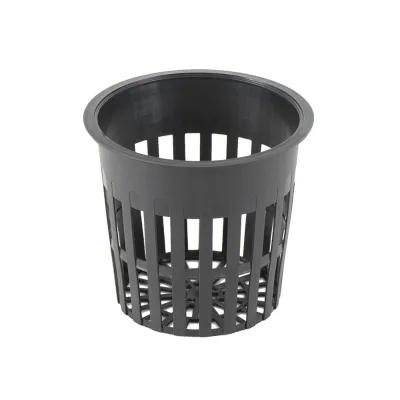
4 Inch Hydroponic Special Plastic Material Planting Basket Flower Pots & Planters Plastic Net Pot
$0.40 - $0.50
MOQ: 1000 pieces




Comprehensive Sourcing Guide
Breathable Geotextile Plant Nursery Pot Supplier Concentration and Factory Types
Current data indicates a concentration of manufacturing activity in specific Chinese provinces, with Sichuan emerging as a verified location for suppliers offering a diverse range of agricultural containers. These facilities in Sichuan are identified as manufacturers and factories, capable of producing items such as root control containers, planting bags, and air pruning pots. The presence of these entities suggests a regional cluster where specialized production methods for geotextile and fabric-based nursery solutions are established. Buyers seeking these specific items should prioritize regions where the supplier type is explicitly listed as a Manufacturer or Factory rather than a trading entity, as this often correlates with direct control over the production of breathable materials.
In contrast, other regions like Fujian host a mix of trading companies and manufacturers, though their primary product focus often leans toward eco-friendly bamboo and biodegradable alternatives rather than synthetic geotextiles. When evaluating supplier concentration, buyers must distinguish between facilities that specialize in plastic or fabric root control systems and those focused on natural fiber products. The distinction is critical because the manufacturing processes for breathable geotextiles differ significantly from those for bamboo or cellulose-based planters. A supplier listing "Root Control Container" or "Fabric Grow Bag" as a main product is a stronger indicator of relevant capacity than a general garden supply listing. Verification of the specific product line is necessary to ensure the supplier is part of the correct manufacturing cluster for breathable geotextile solutions.
How to Verify Breathable Geotextile Plant Nursery Pot Suppliers
Verification of supplier credibility relies heavily on third-party audit results and specific system certifications rather than general business claims. In the current dataset, suppliers have been verified by CTI, a recognized testing and inspection body, which provides a layer of confidence regarding their operational status. Additionally, the presence of ISO 9001 and ISO 14001 certifications indicates that the manufacturing facility adheres to international quality management and environmental standards. Buyers should treat these specific certifications as primary evidence of a supplier's ability to maintain consistent production quality for breathable geotextile pots. The absence of such certifications or verification badges should prompt a request for direct audit reports before proceeding with any order.
Beyond certifications, the response time of a supplier serves as a practical metric for their operational readiness and communication efficiency. Data shows response times varying significantly, with some suppliers responding within approximately 1.78 hours while others take over 12 hours. A faster response time often correlates with a more active sales team and a streamlined internal process, which is vital for resolving technical queries about fabric specifications or customization options. Buyers should verify that the supplier can provide detailed product attributes, such as material composition, drainage capabilities, and specific dimensions like height or standard sizes. If a supplier cannot immediately provide these technical details or lacks a verified status, it is advisable to seek alternative sources that demonstrate higher transparency and responsiveness.
What to Compare Across Breathable Geotextile Plant Nursery Pot Suppliers
When comparing potential partners, the minimum order quantity (MOQ) and unit price are critical financial factors that vary widely across the supplier base. Current observations show MOQs ranging from 100 pieces to 1,000 pieces, with unit prices fluctuating between $0.30 and $1.58 depending on the specific product model and material. For instance, some fabric grow bags have a lower entry threshold with an MOQ of 100, while others require a commitment of 500 or 1,000 units. Buyers must align these requirements with their inventory needs and budget constraints, ensuring that the selected supplier offers a volume that is economically viable without overstocking. The price range also reflects differences in material quality, such as single-layer film versus multi-layer cellulose or heavy-duty non-woven fabrics.
Lead time and production capacity are equally important dimensions for comparison, as they directly impact supply chain reliability. The observed lead times in the dataset range from 23 days to 45 days, indicating significant variation in production scheduling and logistics capabilities. Suppliers with shorter lead times may offer faster turnaround for urgent orders, while those with longer lead times might be better suited for large-scale, planned procurement. Additionally, the capacity for OEM and ODM services allows buyers to customize branding and product specifications, which is essential for commercial growers requiring specific branding or unique pot dimensions. Buyers should explicitly confirm whether the supplier offers customization for logos, colors, and sizes, as this flexibility can be a decisive factor in selecting the right partner for a specific project.
Common Breathable Geotextile Plant Nursery Pot Sourcing Risks
One significant risk in sourcing breathable geotextile pots is the potential mismatch between product specifications and actual manufacturing capabilities. While some suppliers list "Root Control Container" or "Fabric Grow Bag" as main products, the specific material properties, such as drainage efficiency or UV resistance, may vary. For example, products described as having "Good" drainage or being "High Temperature Resistant" require verification against actual test data. Buyers should not assume that all listed attributes apply to every batch or that the "Film" or "Cellulose" materials mentioned are suitable for their specific climate conditions. Without clear evidence of material testing or compliance with specific agricultural standards, there is a risk of receiving pots that degrade prematurely or fail to provide the necessary aeration for plant roots.
Another risk involves the reliability of the supply chain regarding delivery timelines and order fulfillment. The variation in lead times, from 23 to 45 days, suggests that production schedules can be unpredictable or dependent on raw material availability. If a buyer relies on a supplier with a longer lead time without a buffer, they risk stockouts during critical planting seasons. Furthermore, the distinction between trading companies and manufacturers can introduce complexity in communication and quality control. Trading companies may not have direct oversight of the production process, potentially leading to delays or inconsistencies in product quality. Buyers should verify the supplier's ability to meet deadlines and ensure that the production method, whether semi-manual or mechanical, aligns with their quality expectations.
Breathable Geotextile Plant Nursery Pot Regional Sourcing and Logistics
Regional sourcing decisions should be guided by the verified locations of the manufacturing facilities, with Sichuan and Fujian being the primary hubs identified in the current data. Suppliers in Sichuan are noted for their focus on plastic and fabric nursery pots, including root control containers and planting bags, which are often produced with specific standards like "15-200cm" height ranges. In contrast, suppliers in Fujian appear to specialize more in bamboo and biodegradable products, which may not meet the specific requirements for synthetic breathable geotextiles. Buyers should prioritize suppliers located in regions where the main product list explicitly includes the desired geotextile items to ensure logistical efficiency and product relevance.
Logistics planning must account for the specific packaging and shipping requirements associated with these products. The data indicates that products are often packed in PP bags or cartons, with some suppliers offering bulk packaging options like 500 pieces per carton. This packaging method affects the volume and weight of the shipment, which in turn influences freight costs and storage requirements at the destination. Buyers should confirm the exact packing specifications with the supplier to optimize container loading and minimize shipping expenses. Additionally, the origin of the product, such as "Sichuan, China" or "China," should be verified to ensure accurate customs documentation and compliance with import regulations in the buyer's country.
Breathable Geotextile Plant Nursery Pot Commercial Terms and Order Planning
Commercial terms, including payment methods and escrow services, play a crucial role in securing a safe transaction for breathable geotextile nursery pots. While specific escrow details are not explicitly detailed in the current facts, the presence of CTI verification suggests a level of trust that can be leveraged during negotiations. Buyers should insist on using secure payment channels that offer protection against non-delivery or quality disputes. The variation in MOQs and prices also necessitates careful financial planning, as ordering larger quantities may reduce the unit cost but increase the initial capital outlay. Buyers must balance the cost benefits of bulk ordering against their cash flow constraints and storage capabilities.
Order planning should also consider the customization options available, such as logo printing and color variations, which can add value to the final product. Some suppliers offer customized logos and colors, while others provide standard options like green and black. Buyers should clarify the lead time implications of customization, as these processes may extend the overall production timeline. Additionally, the availability of specific product models, such as "GB-022" or "PB-015," should be confirmed to ensure that the ordered items meet the exact technical requirements of the nursery or landscaping project. By aligning commercial terms with precise product specifications and realistic timelines, buyers can mitigate risks and ensure a successful sourcing outcome for their Breathable Geotextile Plant Nursery Pot needs.
FAQs
What is a Breathable Geotextile Plant Nursery Pot?
A Breathable Geotextile Plant Nursery Pot is a fabric container, usually nonwoven, that allows air and water to pass through its walls. This air circulation prevents roots from circling and encourages a denser, healthier root system. Most designs also drain freely, which reduces overwatering risk, and many are reusable across several growing seasons.
How does air pruning work in fabric nursery pots?
When roots reach the porous fabric wall, exposure to air dries and stops the root tip, prompting the plant to branch with new feeder roots inside the pot. This produces a fibrous, non-circling root ball. Expect better transplant survival and faster establishment, provided the pot is not kept saturated and the plant is watered appropriately.
What sizes and capacities are typically available?
Suppliers on this page list grow bags from small nursery sizes up to 500 gallon capacities, with some plastic root control containers ranging roughly 15 to 200 centimeters in standard dimensions and 15 to 60 centimeters in height. Customized sizes are generally accepted, so confirm the exact diameter, height, and volume you need before ordering samples.
What is the minimum order quantity for nursery grow bags?
Minimum order quantities vary by product type on this page. Some fabric grow bags are listed at an MOQ of 100 pieces, while other planting bag styles start at 500 or 1000 pieces. Because requirements differ by model, size, and customization level, always confirm the MOQ for your specific specification directly with the supplier before committing.
How much do breathable nursery pots and grow bags cost?
Listed prices on this page range from about 0.30 to 1.58 US dollars per piece, depending on material, size, and construction. Larger planting bags and air pruning pots generally sit at the higher end of that range. Treat these as indicative figures, since customized sizes, fabric weight, and order volume will change the final quoted price.
Can these pots be customized with my logo and packaging?
Yes, customization is widely available. Product listings mention customized logos, custom colors such as green and black or fully customized shades, and packing options like PP bags, cartons, or cartons holding around 500 pieces. Provide your logo file, required color, label design, and packing preference early, as customization may affect price, sample time, and production lead time.
What lead time should I expect when ordering from China?
Suppliers in the results report lead times ranging from about 23 days to 45 days depending on the factory and order complexity. The shorter figure applies to a Sichuan manufacturer of nets and grow containers, while a Fujian trading company lists the longer timeframe. Confirm lead time for your exact quantity and customization before placing a purchase order.
Which certifications should I verify before ordering?
Some listed suppliers hold ISO 9001 and ISO 14001 system certifications, while another holds BSCI, and one product is stated to meet SGS and CE export standards. Certification scope varies by company, so request current certificate copies, check the issuing body, and verify that the certificate actually covers the product category and factory you intend to order from.