Carved Wooden Jesus Cross Suppliers and Manufacturers
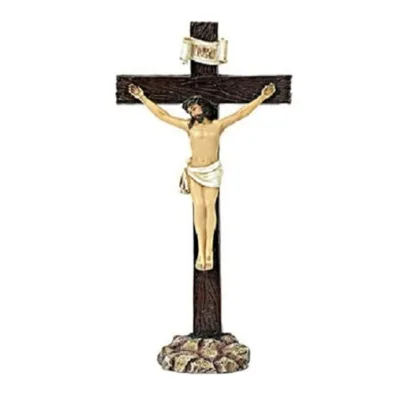
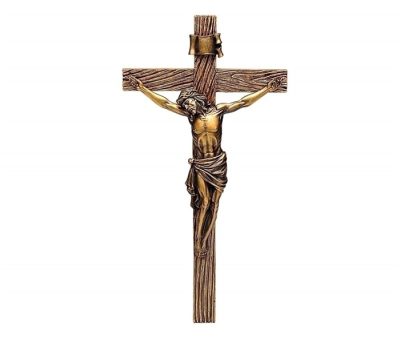
Explore 32 verified options for Carved Wooden Jesus Cross from Shandong and Zhejiang factories. Compare lead times, certifications, and MOQs to find the right partner. Contact suppliers directly to request samples and pricing details; review the available evidence before requesting comparable quotations from suitable candidates.
Suppliers List
Caoxian Baisenwo Crafts Co., Ltd.
- Manufacturer, Trading Company
- Shandong, China
- Lead time25 days
- Avg. response≤ 4h
Main productsWooden Boxes,Wooden Pet Products,Wooden Kids' Products,Wooden Kitchen Products,Wooden Shelves
Main marketsNorth America(24.00%), Western Europe(20.00%), Mid East(10.00%), Domestic Market(8.00%), South America(6.00%), Eastern Asia(5.00%), Southern Europe(5.00%), Oceania(5.00%), Eastern Europe(5.00%), Northern Europe(5.00%), Southeast Asia(3.00%), Central America(2.00%), Africa(1.00%), South Asia(1.00%)
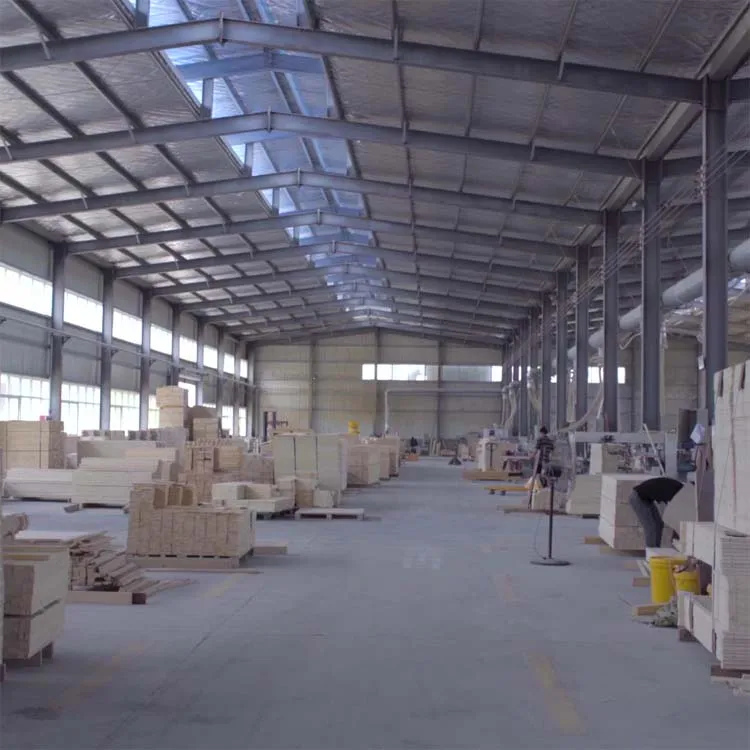
Cao County Mingrui Crafts Factory
- Manufacturer, Trading Company
- Shandong, China
- Lead time0 days
- Avg. response≤ 4h
Main productsWooden bird house,Wooden packing box,Wooden scraping board,Wooden pendant,Wooden base
Main marketsNorth America(30.00%), Western Europe(20.00%), Domestic Market(18.00%), South America(10.00%), Oceania(8.00%), Africa(5.00%), Northern Europe(5.00%), Southeast Asia(2.00%), Eastern Asia(2.00%)
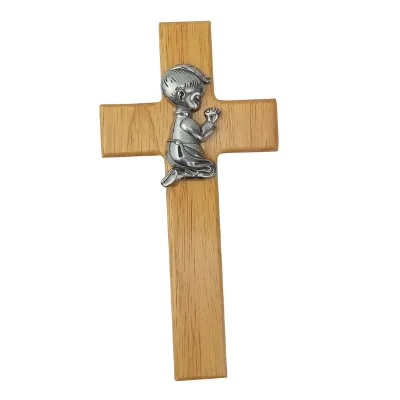
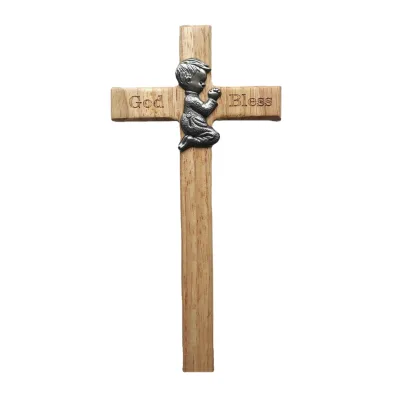
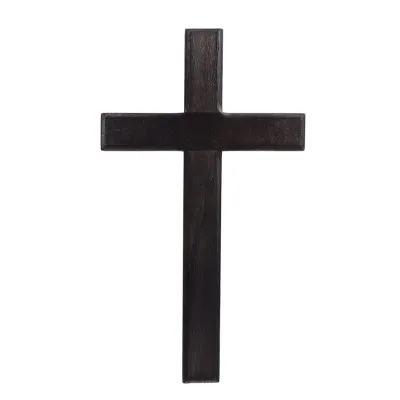
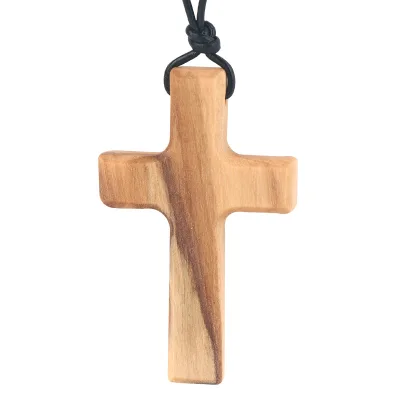
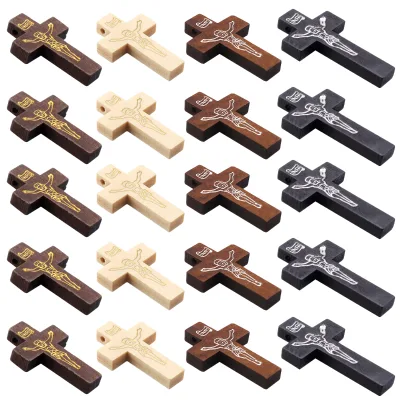
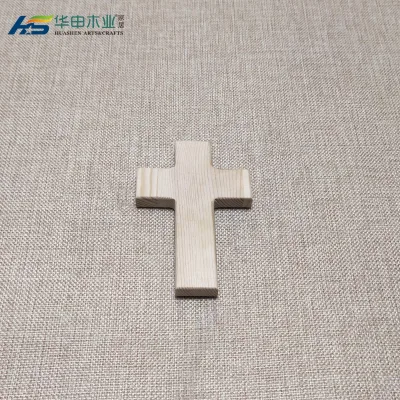
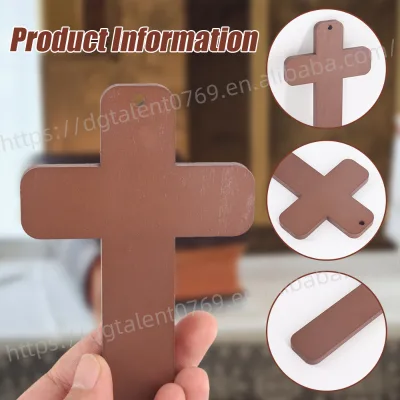
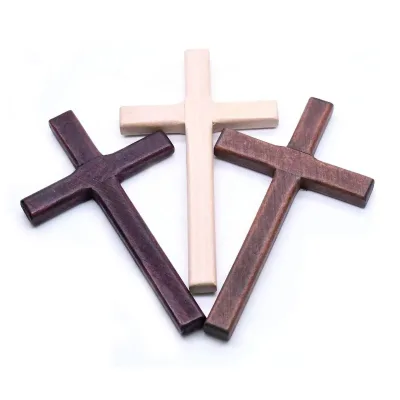
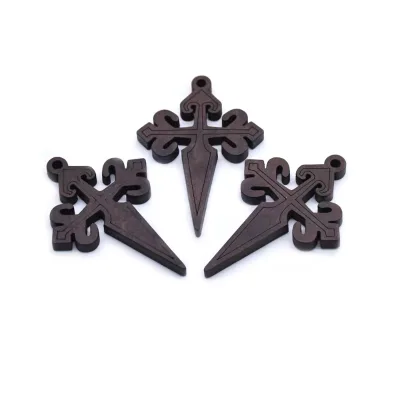
Manufacturer direct selling wooden cross solid wood pendant handicraft wooden cross
$0.90 - $1.39
MOQ: 500
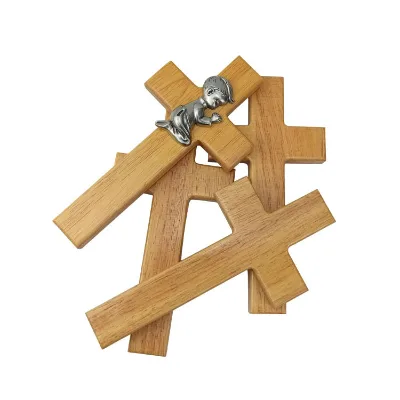
Pujiang Jinba Crafts Co., Ltd.
- Manufacturer
- Zhejiang, China
- Lead time0 days
- Avg. response≤ 5h
Main productsReligious ornaments,metal bookmark,Refrigerator magnet,metal magnet,Cross Pendant
Main marketsSouth America(50.00%), North America(50.00%)

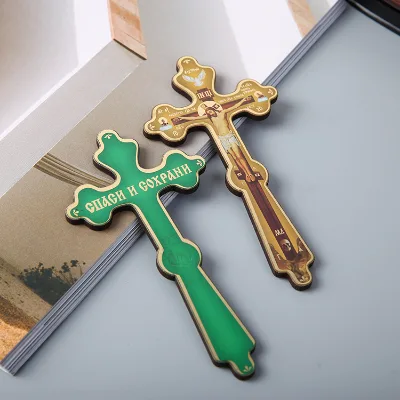
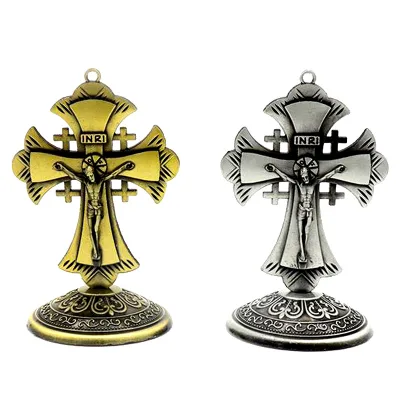
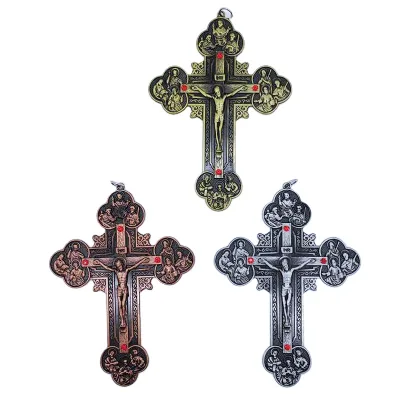
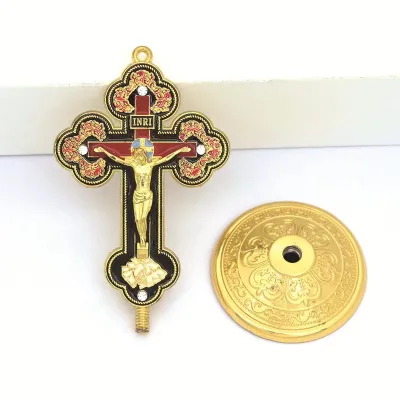
Zinc Alloy Christian Cross Jesus Catholic Religious Orthodox Cross for Decoration
$0.50 - $1.50
MOQ: 10 pieces
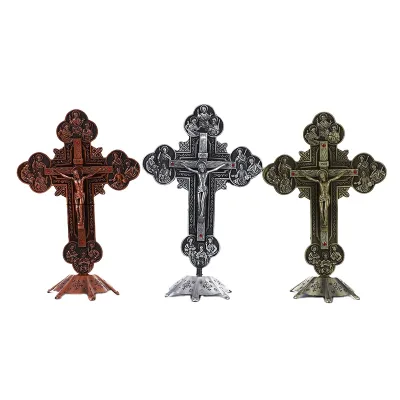
Diy Jesus Cross Religious Ornaments Home Religious Cross Crucifix Jesus Statues Crafts Decoration
$2.86 - $4.09
MOQ: 2 pieces
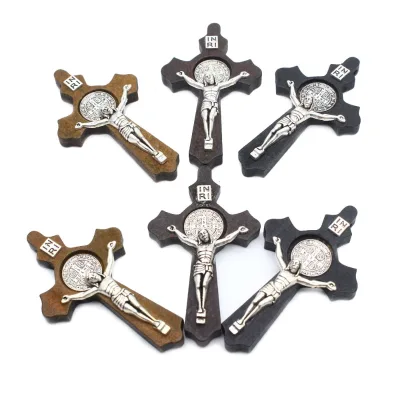
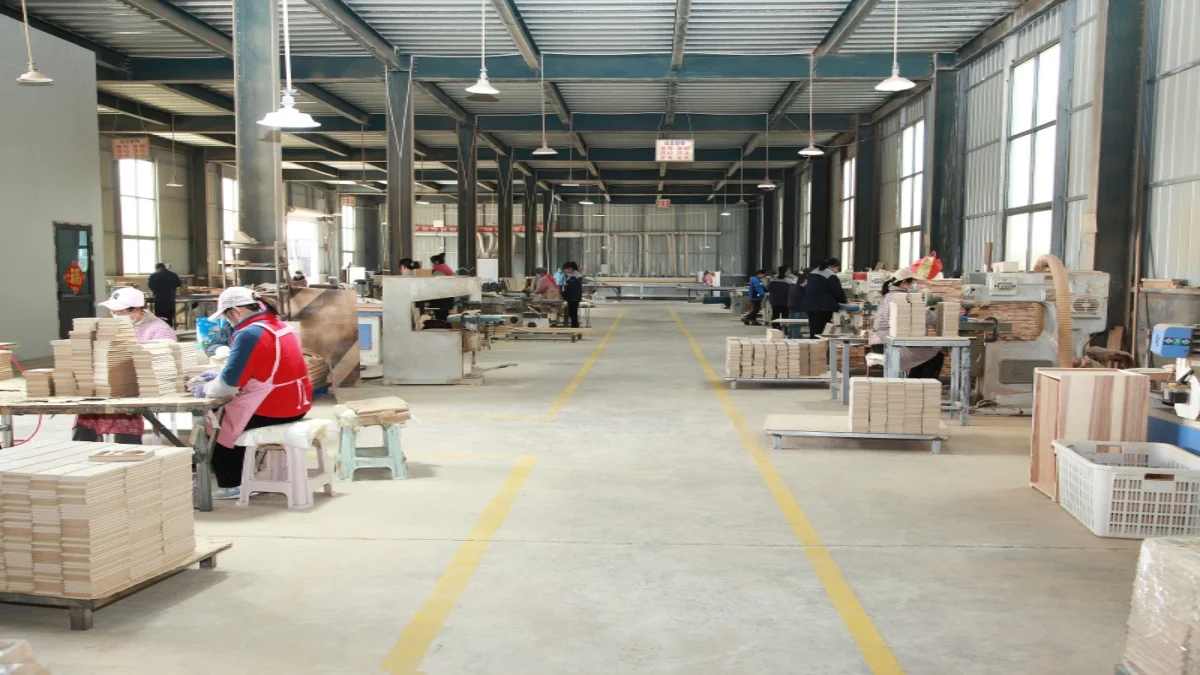
Caoxian Dongxing Arts And Crafts Co., Ltd.
- Manufacturer, Trading Company
- Shandong, China
- Lead time30 days
- Avg. response≤ 4h
Main productswooden craft,wooden tray,wooden box,wooden home decor,wooden shelf
Main marketsNorth America(50.00%), Eastern Asia(30.00%), Western Europe(20.00%)

Yantai LSL Wood Arts &Crafts Co., Ltd.
- Trading Company
- Shandong, China
- Lead time30 days
- Avg. response≤ 3h
Main productsWooden Holder and Rack, Wooden Cutting Board, Wooden Photo Frame, Storage Box and Bin, Wooden Box
Main marketsNorth America(29.00%), South America(10.00%), Western Europe(10.00%), Southern Europe(10.00%), Northern Europe(10.00%), Eastern Europe(10.00%), Eastern Asia(5.00%), Oceania(5.00%), Mid East(5.00%), Africa(2.00%), Southeast Asia(2.00%), South Asia(1.00%), Central America(1.00%)

- Verified by BV
- Manufacturer/Factory
- China Fujian
- Lead time15 days
- Avg. response≤ 25h
Main productsWater Bottle, Kitchen Ware, Shoes, Plastic Product, Bag, Toy
Main marketsSouth America,Eastern Europe,Mid East,North America,Southeast Asia,Eastern Asia,Oceania,Western Europe,Africa
Lanxi Fengming Crafts Co., Ltd.
- Manufacturer, Trading Company
- Zhejiang, China
- Lead time25 days
- Avg. response≤ 8h
Main productsMetal Crafts,religious icon,Jewelry,Accessories
Main marketsSouth America(15.00%), Africa(10.00%), Oceania(10.00%), Eastern Europe(10.00%), North America(10.00%), Domestic Market(5.00%), South Asia(5.00%), Southern Europe(5.00%), Northern Europe(5.00%), Southeast Asia(5.00%), Central America(5.00%), Western Europe(5.00%), Eastern Asia(5.00%), Mid East(5.00%)
- Trading Company
- Lead time旺季: "1 - 3000":7,"3001 - 10000":15,"> 10000":"To be negotiated", 淡季: "1 - 3000":7,"3001 - 10000":15,"> 10000":"To be negotiated"
- Avg. response≤ 3h
Main productsEducational Toys; Montessori Teaching AIDS; Household Items; Kids Furniture; Stationery
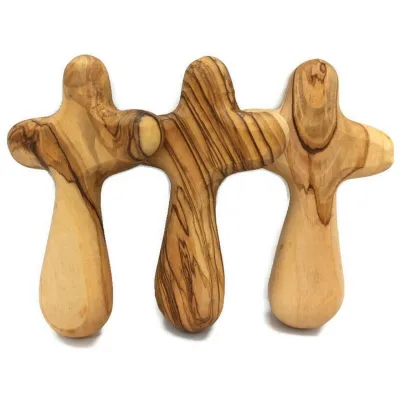
$1.27 - $1.63
MOQ: 50 pieces
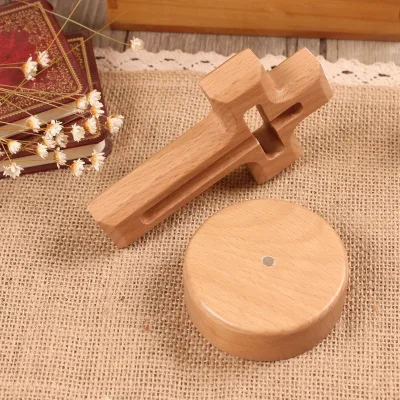
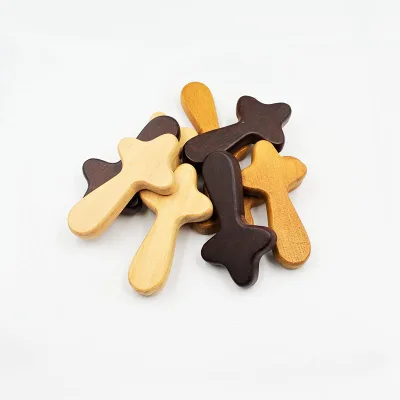
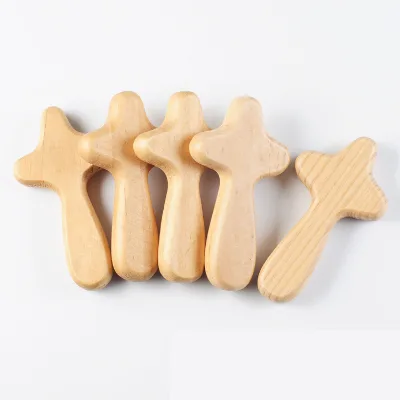
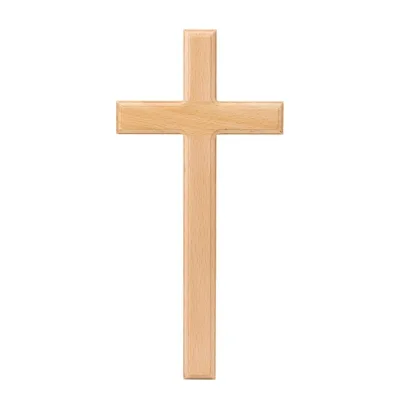
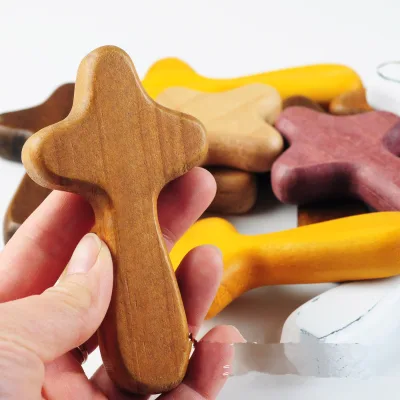
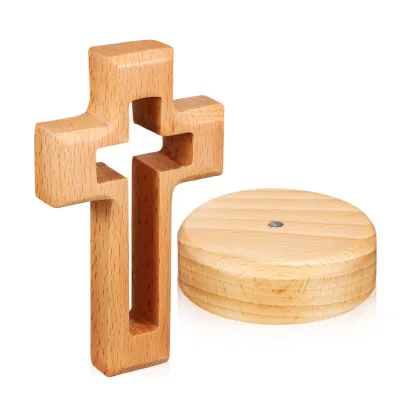
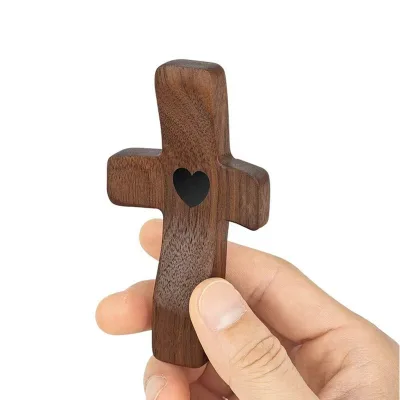
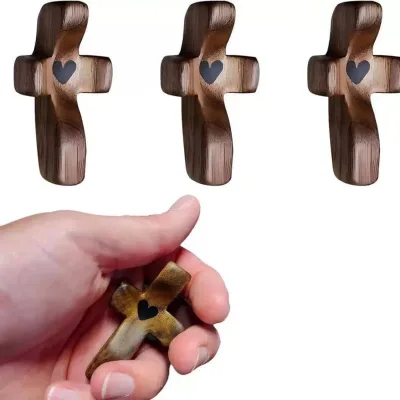
Beech Wood Cross Crucifix Carving Craft Wood Comfort Crosses Pocket Holding Crosses Religious Gift
$2.28 - $2.72
MOQ: 100 pieces
Dongguan Be Green Wood Crafts Co., Ltd.
- Manufacturer, Trading Company
- Guangdong, China
- Lead time0 days
- Avg. response≤ 5h
Main productswood toy and toy parts,wood chess,wood beads and ball,wood kitchenware,wood crafts
Main marketsDomestic Market(23.00%), Western Europe(12.00%), Eastern Asia(12.00%), Central America(10.00%), North America(10.00%), Southeast Asia(10.00%), South America(10.00%), Southern Europe(8.00%), Africa(5.00%)
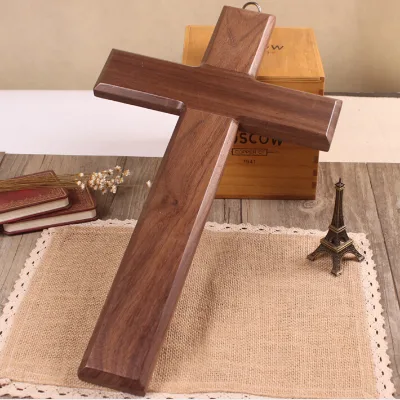
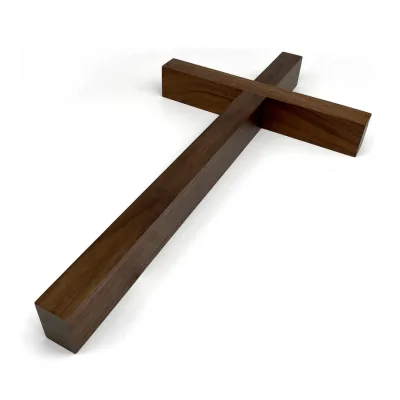
Big Size JESUS CHRIST Wooden Cross Black Walnut Wood Wall Cross Crucifix 17.7"
$11.80 - $13.00
MOQ: 100
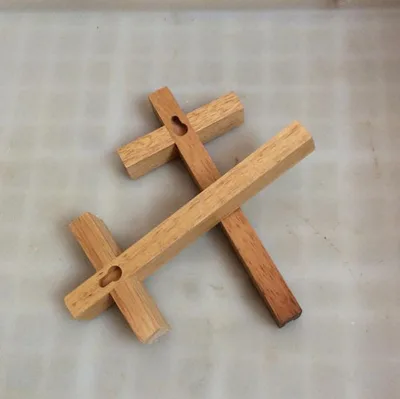
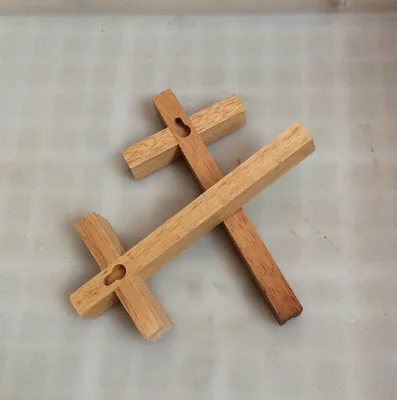
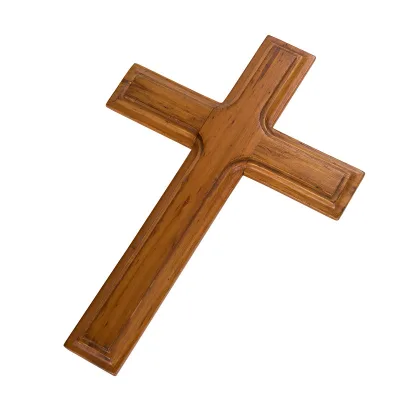
Wall Cross Jesus of Rubber Wood Handmade Crucifixes Christian Religious Holy Land Gift
$1.58 - $1.68
MOQ: 1000

Hai Yang International Limited
- Verified by SGS
- Trading Company,Manufacturer/Factory
- China Zhejiang
- Lead time60 days
- Avg. response≤ 5h
Main productsWooden Toy, Montessori Material, Wooden Educational Toys, Wooden Puzzle, Wooden Blocks, Wooden Train Set, Wooden Nutcrackers, Wooden Crafts, Wooden Dolls, Wooden Chess
Main marketsEastern Europe,Mid East,North America,Southeast Asia,Eastern Asia,Oceania

Zhengzhou Millie Arts & Crafts Co., Ltd.
- Verified by TUVRHEINLAND
- Trading Company
- China Henan
- Lead time45 days
- Avg. response≤ 3h
Main productsBronze Sculpture, Marble Sculpture, Stainless Steel Sculpture, Sculpture, Marble Fountain, Marble Gazebo, Bronze Fountain, Iron Gazebo, Landscape Sculpture, Bronze Animal Sculpture
Main marketsNorth America
- Trading Company
- Zhejiang, China
- Lead time30 days
- Avg. response≤ 6h
Main productsReligion Crafts,Religion Products,Jewith products,Christian products,Catholic Products
Main marketsNorth America(30.00%), Western Europe(17.00%), Central America(9.00%), Africa(9.00%), South America(8.00%), Mid East(6.00%), Southern Europe(5.00%), Southeast Asia(3.00%), Oceania(3.00%), Domestic Market(3.00%), South Asia(2.00%), Eastern Europe(2.00%), Northern Europe(2.00%), Eastern Asia(1.00%)

Hebei Flyer Import & Export Trading Co., Ltd.
- Manufacturer/Factory
- China Hebei
- Lead time23 days
- Avg. response≤ 18h
Main productsBronze Sculpture, Bronze Fountain, Stone Fountain, Stone Sculpture, Stainless Steel Sculpture, Religious Sculpture, Corten Steel Sculpture, Fiberglass Statue, Resin Sculpture, Church Statue
Main marketsSouth America,Eastern Europe,Mid East,North America,Southeast Asia,Eastern Asia,Oceania,Western Europe,Africa

High Quality Church Decoration Hand Carved White Marble Jesus Statue Was Nailed to The Cross
$550.00 - $1650.00
MOQ: 1 Piece

Memorial Cross with Jesus Bronze Statue Customized Cast Bronze Crucifix on Cross Sculpture
$299.00 - $1299.00
MOQ: 1 Pieces

$1500.00 - $2500.00
MOQ: 1 Pieces

$1500.00 - $2500.00
MOQ: 1 Pieces

Outdoor Marble Carving Life Size Jesus Christ Garden Statue Jesus Carrying The Cross Statue
$899.00 - $2780.00
MOQ: 1 Piece

$1200.00 - $2600.00
MOQ: 1 Pieces
- Trading Company
- Shandong, China
- Lead time25 days
- Avg. response≤ 4h
Main productsBamboo and wood products,wood craft,wood tray,wall shelf,storage organizer
Main marketsNorth America(55.00%), Western Europe(20.00%), South America(8.00%), Southern Europe(5.00%), South Asia(5.00%), Mid East(5.00%), Eastern Europe(2.00%)
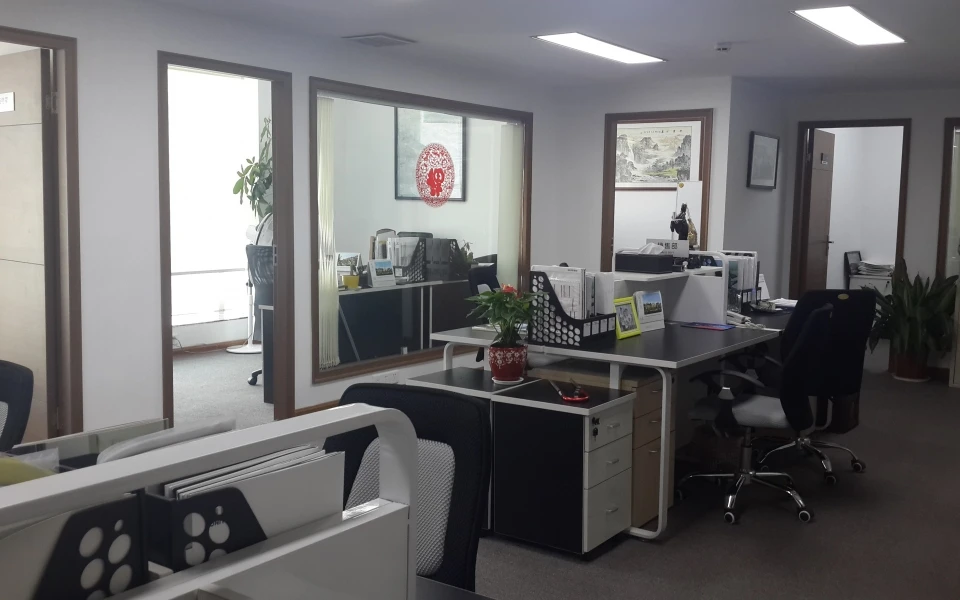
Nantong Aonie Trading Co., Ltd.
- Trading Company
- Jiangsu, China
- Lead time20 days
- Avg. response≤ 5h
Main productskitchen tools,kitchen utensils,home decoration,bathroom accessory,beauty products
Main marketsWestern Europe(30.00%), North America(30.00%), Southern Europe(10.00%), Northern Europe(10.00%), Eastern Europe(10.00%), Mid East(10.00%)
Cao County Jinpengyuan Container Packaging Co., Ltd.
- Verified by SGS Group
- Manufacturer, Trading Company
- Lead time30 days
- Avg. response≤ 4h
Main productsOak Barrel, Wooden Box, Wood Tray, Fumigator, Cutting Board
Main marketsDomestic Market(30%), North America(15%), South America(10%)

NINGBO BOHONGCHUANGYI INTERNATIONAL CO., LTD.
- Trading Company,Manufacturer/Factory
- China Zhejiang
- Lead time30 days
- Avg. response≤ 8h
Main productsWooden Photo Frame, Photo Frame, Wooden Box, PVC Photo Frame, Baby Toy, Plastic Photo Frame, Glass Photo Frame, Polyresin Photo Frame, Wooden Toy, Leather Frame
Main marketsSouth America,Eastern Europe,Mid East,North America,Southeast Asia,Eastern Asia,Oceania,Western Europe,Africa


New Design Home Decoration Wall Craft Wooden Bible Cross Sign for Wall Decoration
$1.85
MOQ: 1000 Pieces



Caoxian Huashen Arts And Crafts Co., Ltd.
- Manufacturer, Trading Company
- Shandong, China
- Lead time30 days
- Avg. response≤ 1h
Main productsCustom Wooden Boxes,Wooden Storage Crates,Wooden Home Decor,Raised Garden Beds,Wooden Pet Furniture
Main marketsNorth America(35.00%), Western Europe(25.00%), Oceania(12.00%), Northern Europe(10.00%), Eastern Europe(8.00%), Eastern Asia(6.00%), Southeast Asia(4.00%)
Caoxian Dehui Wood Industry Co., Ltd.
- Verified by SGS Group
- Manufacturer, Trading Company
- Lead time18 days
- Avg. response≤ 3h
Main productsFinger Joint Board, Paulownia Board, Solid Board, Furniture Board, Decorative Wood Moulding
Main marketsDomestic Market(50%), Eastern Asia(30%), North America(4%)

$2.69 - $5.09
MOQ: 500 pieces
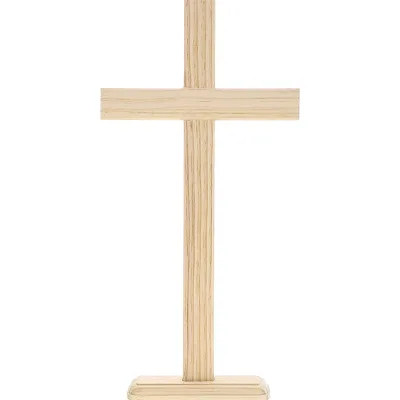
New StyleFactoryHandmade Wooden Crosses Cheap Unfinished Wood Cross For SaleDiscount
$1.77 - $2.61
MOQ: 500 sets
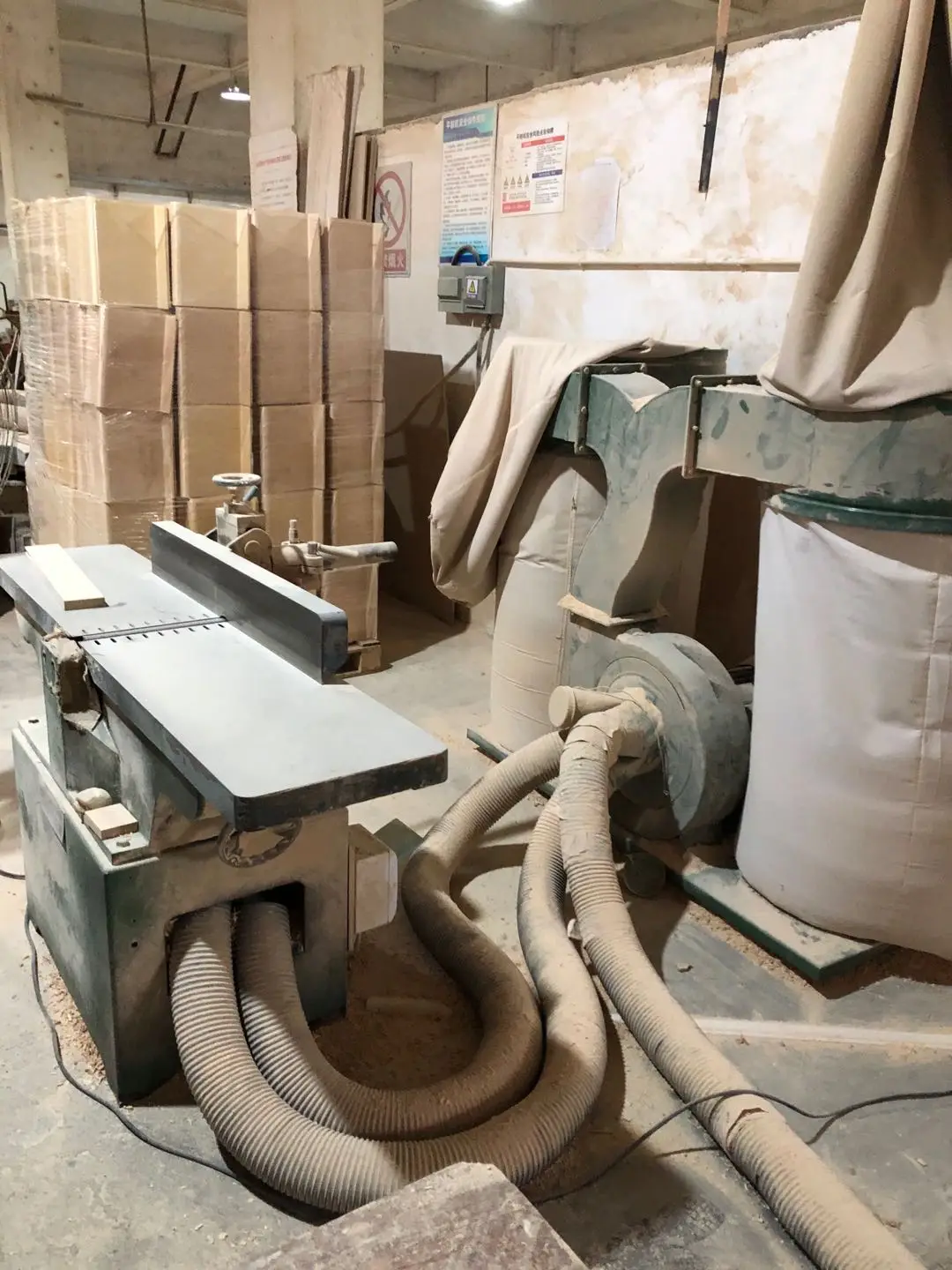
Dongguan Tailai Arts & Crafts Co., Ltd.
- Manufacturer, Trading Company
- Guangdong, China
- Lead time30 days
- Avg. response≤ 4h
Main productsWooden Box/Christmas Decoration/Wooden Craft/Baby Gift/Plywood Laser Cutout,plywood crafts,wooden holder,Festival Ornament,Wooden Crafts
Main marketsNorth America(50.00%), Domestic Market(20.00%), Southeast Asia(10.00%), Eastern Europe(5.00%), Southern Europe(5.00%), Northern Europe(5.00%), Western Europe(5.00%)

Yiwu Phonbon Import & Export Co., Ltd.
- Trading Company
- Zhejiang, China
- Lead time15 days
- Avg. response≤ 6h
Main productsmedal,lapel pin,metal coins,cross,rosary
Main marketsWestern Europe(16.67%), Southeast Asia(16.67%), Southern Europe(15.00%), Eastern Europe(15.00%), South America(10.00%), Africa(5.00%), Northern Europe(5.00%), Central America(5.00%), North America(5.00%), Mid East(3.00%), Eastern Asia(2.00%), South Asia(1.00%), Oceania(0.66%)

Hebei Jingsu Import and Export Trade Co., Ltd.
- Verified by SGS
- Trading Company
- China Hebei
- Lead time30 days
- Avg. response≤ 3h
Main productsBronze Sculptures, Marble Sculptures, Resin Sculptures, Fountains, Religious Sculptures, Fireplace
Main marketsSouth America,Europe,North America

Hand Carved Customized Size Church White Marble Cross Jesus Garden Statues
$1000.00 - $3000.00
MOQ: 1 Pieces

Religious Statue Marble Carving Jesus Christ Statue Baby Jesus Sculpture
$1500.00 - $3500.00
MOQ: 1 Pieces

Yiwu Glary Ornaments Co., Ltd.
- Manufacturer
- Zhejiang, China
- Lead time18 days
- Avg. response≤ 6h
Main productsMedals,Aluminum Wire,Crucifix Cross,Centerpieces,Bone Folder
Main marketsNorth America(29.00%), Southern Europe(15.00%), South America(15.00%), Western Europe(10.00%), Eastern Europe(10.00%), Oceania(8.00%), Africa(5.00%), Northern Europe(5.00%), Domestic Market(3.00%)

Quanzhou Handsome Arts And Crafts Co., Ltd.
- Manufacturer, Trading Company
- Fujian, China
- Lead time45 days
- Avg. response≤ 7h
Main productsResin Crafts,Crafts,religious statues,Animal Figurines,Christmas Crib
Main marketsCentral America(50.00%), North America(20.00%), South America(5.00%), Africa(5.00%), Southeast Asia(5.00%), Eastern Europe(5.00%), South Asia(2.00%), Oceania(2.00%), Western Europe(2.00%), Eastern Asia(2.00%), Mid East(2.00%)
Shenzhen Ottoya Technology Co., Ltd.
- Manufacturer, Agent, Government ministry/Bureau/Commission
- Guangdong, China
- Lead time0 days
- Avg. response≤ 3h
Main productsElectronic lighter,Windproof lighter,Torch lighter,Metal lighter,Smoking accessories
Main marketsNorth America(42.00%), Western Europe(16.00%), Mid East(8.00%), Northern Europe(7.00%), Eastern Europe(5.00%), Southern Europe(4.00%), Eastern Asia(4.00%), South America(3.00%), South Asia(2.00%), Central America(2.00%), Africa(2.00%), Oceania(2.00%), Southeast Asia(2.00%), Domestic Market(1.00%)
Cao County Huiy Arts & Crafts Factory
- Verified by SGS Group
- Manufacturer, Trading Company
- Lead time30 days
- Avg. response≤ 3h
Main productsWooden Box, Wooden Decoration, Bird House, Wood Craft, Wood Homeware
Main marketsNorth America(22%), Western Europe(18%), Eastern Asia(16%)
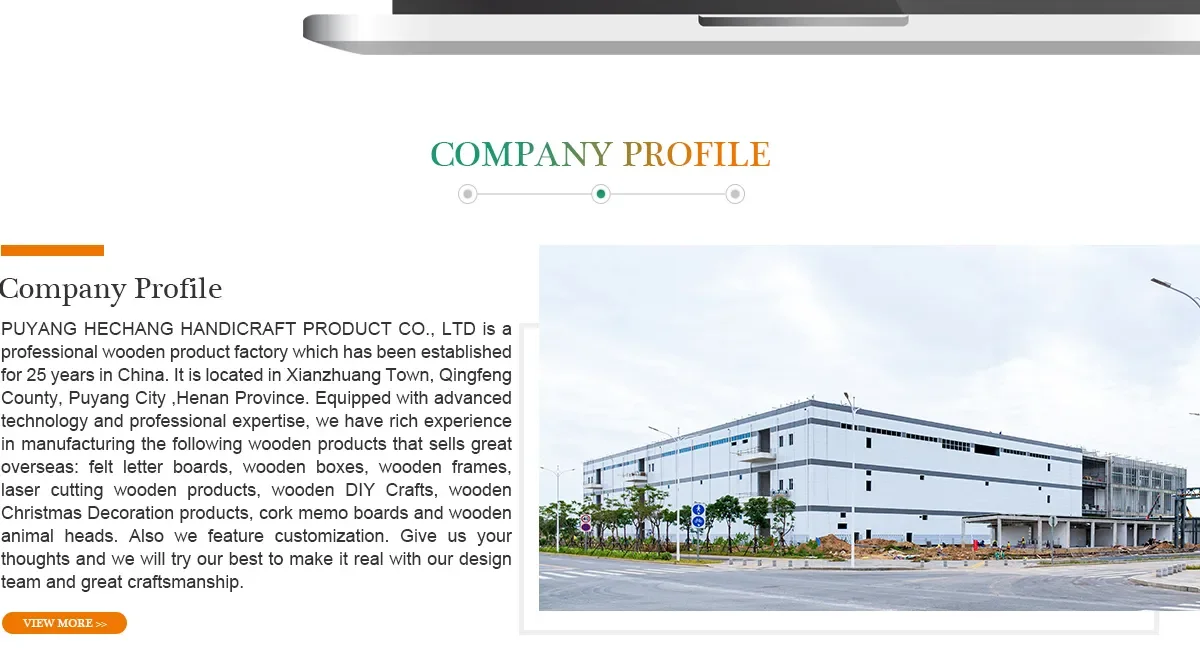
Puyang Hechang Handicraft Product Co., Ltd.
- Manufacturer, Trading Company
- Henan, China
- Lead time30 days
- Avg. response≤ 4h
Main productsWooden Crafts,Wooden Boxes,Wooden Decorations,Wooden DIY Products,Bamboo Products
Main marketsNorth America(29.00%), Western Europe(26.00%), Southeast Asia(16.00%), Mid East(9.00%), Africa(9.00%), South America(7.00%), Oceania(4.00%)

Zhengzhou Relong Arts & Crafts Co., Ltd.
- Trading Company
- China Henan
- Lead time60 days
- Avg. response≤ 4h
Main productsBronze Sculpture, Marble Sculpture, Stainless Steel Sculpture, Marble Fountain, Marble Gazebo, Iron Gazebo, Landmark Sculpture, Stone Sculpture, Bronze Animal Sculpture, Bronze Fountain
Main marketsEurope,Australia,North America

$900.00 - $4000.00
MOQ: 1 Pieces


Customized Life Size Bronze Religious Crucifixion Jesus Statue Catholic Jesus Cross Sculpture
$2380.00 - $3880.00
MOQ: 1 Pieces


Caoxian Shuanglong Arts & Crafts Plant
- Verified by SGS Group
- Manufacturer, Trading Company
- Lead time30 days
- Avg. response≤ 1h
Main productsWooden packaging, Wooden pet products, Wooden holiday decoration, Wooden home decoration, Wooden box
Main marketsDomestic Market(45%), North America(8%), Southeast Asia(8%)
- Manufacturer, Trading Company
- Guangdong, China
- Lead time7 days
- Avg. response≤ 2h
Main productscustom Enamel Badge Pin,custom bling Keychain,crystal cord,rhinestones rope,Custom Logo
Main marketsSouth Asia(60.00%), Southern Europe(60.00%), Northern Europe(60.00%), Central America(60.00%), Western Europe(60.00%), Eastern Asia(60.00%), Mid East(60.00%), Oceania(60.00%), Africa(60.00%), Southeast Asia(60.00%), Eastern Europe(60.00%), South America(60.00%), North America(60.00%), Domestic Market(50.00%)
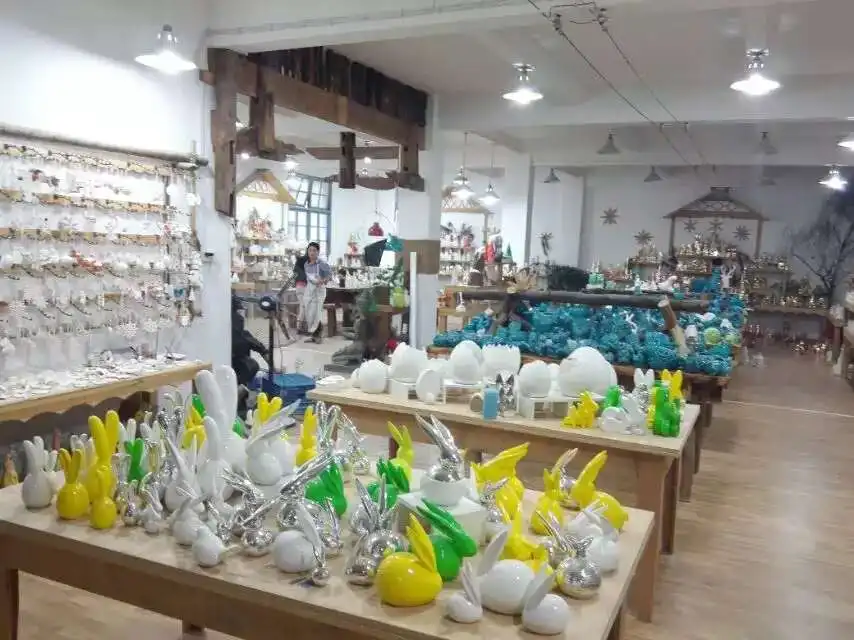
Dehua Beauty Rich Arts & Crafts Co., Ltd.
- Manufacturer, Trading Company
- Fujian, China
- Lead time30 days
- Avg. response≤ 9h
Main productsPolyresin crafts,Ceramic crafts,PVC crafts,Home decoration,Garden decoration
Main marketsEastern Europe(15.00%), North America(15.00%), South America(12.00%), Mid East(5.00%), Oceania(5.00%), South Asia(3.00%), Southern Europe(3.00%), Northern Europe(3.00%), Central America(3.00%), Western Europe(3.00%), Eastern Asia(3.00%), Domestic Market(3.00%), Southeast Asia(3.00%), Africa(2.00%)

Quyang Zhongou Yishu Marble Sculpture Manufactory
- Verified by TUVRHEINLAND
- Combined
- China Hebei
- Lead time30 days
- Avg. response≤ 5h
Main productsStatue, Fireplace, Sculpture, Fountain, Gazebo, Animal Statue, Column, Urn, Tombstone & Monument, Kitchen Hood
Main marketsDomestic


Basic Customization Bronze Casting Musician Statue Garden Decoration Sculpture
$498.00 - $5000.00
MOQ: 1 Pieces

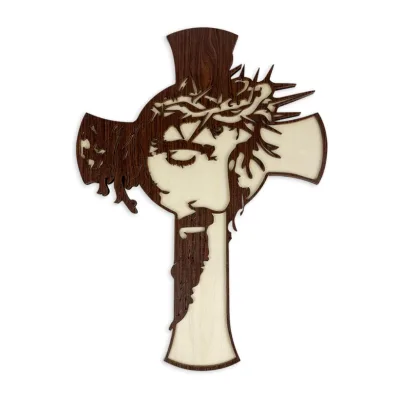
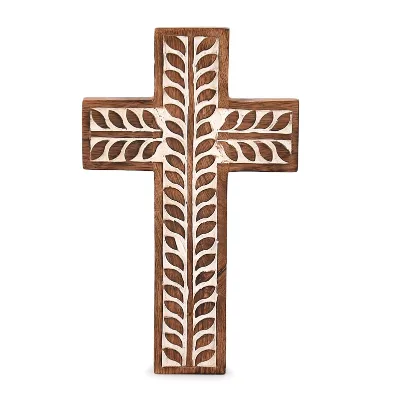






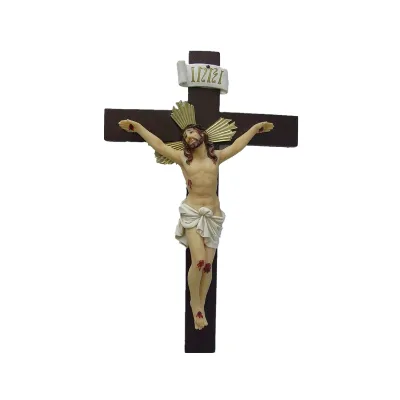
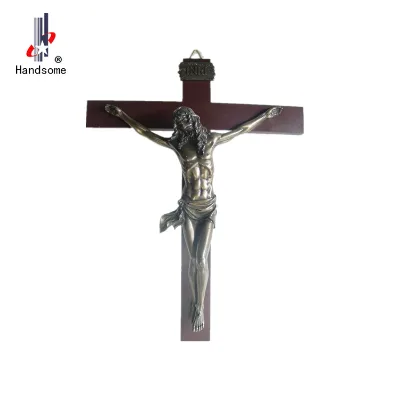
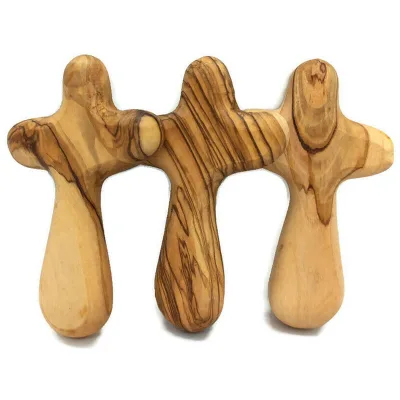
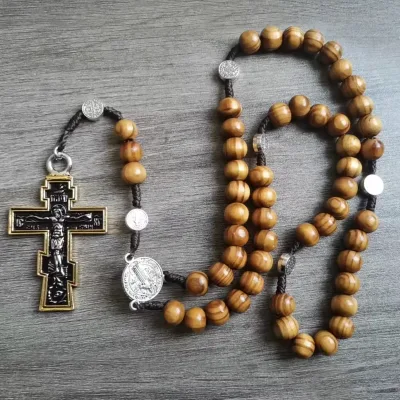
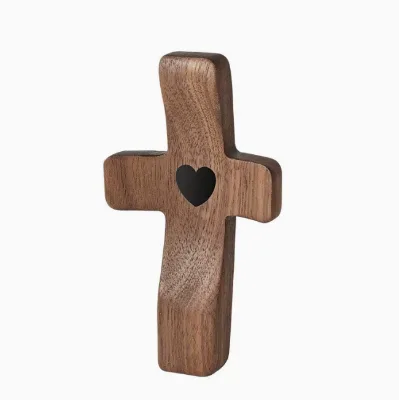
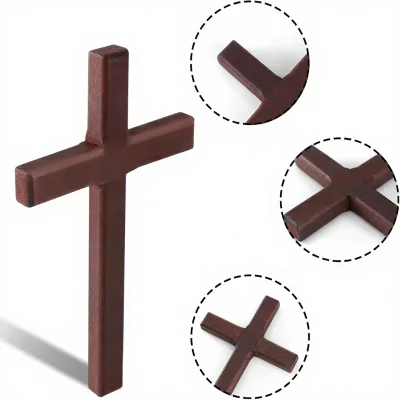
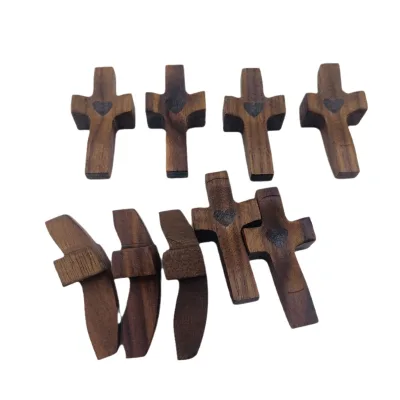
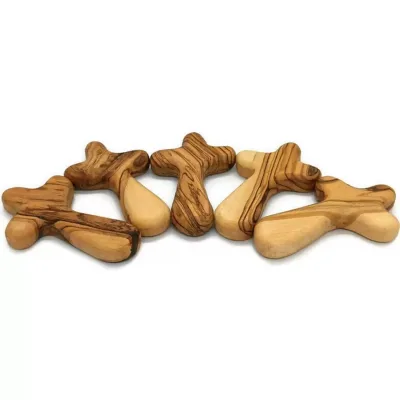
Comprehensive Sourcing Guide
Carved Wooden Jesus Cross Supplier Concentration and Factory Types
Current search results indicate a concentration of manufacturers and trading companies operating within Shandong, China, specifically producing wooden boxes, pet products, and religious wooden items. These entities often list their primary output as wooden crafts, including shelves and kitchen products, alongside specific religious artifacts like carved crosses. Some suppliers in this region identify as both manufacturers and trading companies, suggesting a hybrid model where they may produce goods in-house while also sourcing from other local workshops to fulfill larger orders. This dual role can impact the directness of communication and the transparency of the manufacturing process for buyers seeking custom religious items.
In contrast, other results show suppliers located in Zhejiang, China, focusing on religious ornaments and metal accessories, though some listings also mention wooden crosses. A distinct entry points to a location in American Samoa for specific painted wooden crosses, which is an anomaly compared to the primary Chinese manufacturing hubs. Buyers must verify if these distant locations represent actual production facilities or merely distribution points, as the majority of Carved Wooden Jesus Cross production appears centered in Chinese provinces. Understanding whether a supplier is a pure manufacturer or a trading company is critical, as it dictates the level of control over the carving process, material selection, and customization capabilities for religious products.
How to Verify Carved Wooden Jesus Cross Suppliers
Verification begins by scrutinizing the specific product attributes listed in supplier catalogs, such as the material composition, which ranges from pine to beech wood, and the finishing techniques like polishing or hand carving. Buyers should confirm if the supplier explicitly states "OEM/ODM Accepted" or offers customized logos, as this indicates a capacity for bespoke religious designs rather than just off-the-shelf inventory. Checking for system certifications like CE is a necessary step, though the presence of such a mark does not guarantee the quality of the wood or the durability of the carving. It is essential to request physical samples to validate the "Hand Work" or "Carved" techniques claimed in the product descriptions, ensuring the final product matches the visual evidence provided in the listing.
Response time and sample lead times serve as practical indicators of supplier reliability and operational efficiency. Data shows response times varying between four and five hours, with sample times for specific items ranging from three to seven days. A supplier claiming a zero-day lead time for production may be indicating a stock item rather than a custom order, which requires immediate clarification. Buyers should also verify the "Place of Origin" listed in product attributes against the company's registered location to ensure consistency. If a supplier lists a location like American Samoa but operates primarily in China, this discrepancy requires direct inquiry to understand the supply chain structure and potential logistical complexities involved in sourcing these religious wooden items.
What to Compare Across Carved Wooden Jesus Cross Suppliers
When evaluating potential partners, buyers must compare minimum order quantities (MOQ) which vary significantly, ranging from 100 pieces to 500 pieces depending on the specific product model and customization level. Some listings for standard wooden crosses show an MOQ of 500 pieces, while others for painted or specific religious designs may require only 100 or 200 units. This variation directly impacts the initial capital outlay and inventory risk for the buyer. Additionally, price ranges differ based on size and material; for instance, smaller crosses may range from $0.90 to $1.39, while larger, more intricate wall-mounted versions can cost between $2.10 and $3.90. Comparing these unit costs against the specified dimensions, such as 9.613.2 inches versus 610 inches, is vital for accurate budgeting.
Lead times and delivery schedules are another critical comparison point, with some suppliers indicating a standard production window of 25 days, while others specify 30 to 45 days for custom orders. The difference between a 25-day lead time and a 45-day window can significantly affect inventory planning and market launch dates. Buyers should also compare the main product portfolios of each supplier; some focus heavily on wooden boxes and shelves, while others specialize in religious ornaments and metal bookmarks. A supplier with a diverse range of wooden products might offer better cross-selling opportunities or more flexible production lines, whereas a specialist in religious items may provide deeper expertise in carving techniques and thematic accuracy for Christian and Catholic markets.
Common Carved Wooden Jesus Cross Sourcing Risks
One significant risk involves the discrepancy between the stated place of origin and the actual manufacturing location, particularly when listings mention regions like American Samoa alongside Chinese suppliers. This inconsistency can lead to confusion regarding shipping routes, import duties, and the authenticity of the "Made in" claims. If a supplier claims to be based in one region but ships from another, the buyer may face unexpected logistics costs or delays. Furthermore, relying solely on the "CE" certification without verifying the specific scope of the certificate can be misleading, as this standard often applies to safety rather than the specific craftsmanship or religious accuracy of the wooden cross.
Another risk is the variability in material quality and finishing, as suppliers list materials ranging from pine to beech, with some accepting custom materials while others do not. Without a clear specification, a buyer might receive a product made from lower-grade wood that does not meet the durability expectations for a decorative or religious item. The "Customized Color" option, while appealing, introduces a risk of color inconsistency if the supplier lacks strict quality control over the painting or staining process. Additionally, the "Reusable" feature claimed for some items must be validated against the actual structural integrity of the wood, as carved wooden crosses can be prone to cracking or warping if not properly treated or dried during the manufacturing process.
Carved Wooden Jesus Cross Regional Sourcing and Logistics
Sourcing from Shandong, China, offers access to a dense cluster of manufacturers specializing in wooden crafts, which can streamline the logistics for large orders of carved crosses. The proximity of these factories to major ports in the region typically facilitates efficient shipping, though buyers must confirm the specific port of loading to estimate transit times accurately. For suppliers located in Zhejiang, the logistics network is similarly robust, but the focus on metal ornaments alongside wooden items might indicate a different supply chain structure that could affect the handling of wooden products. Buyers should verify if the supplier handles export documentation and packaging standards, as the "Packing" attribute often varies from simple OPP bags to cartons, impacting the safety of the goods during transit.
When dealing with suppliers claiming origins in distant or less common locations like American Samoa, the logistics become more complex and potentially costly. These items may require transshipment through major Asian hubs, adding time and expense to the delivery schedule. Buyers must calculate the total landed cost, including freight, insurance, and potential customs duties, which can vary significantly based on the declared origin. It is crucial to confirm the "Single package size" and "Single gross weight" provided in the product attributes to optimize container loading and reduce shipping costs. Understanding the regional logistics capabilities of the supplier ensures that the carved wooden crosses arrive on time and in the condition required for their intended religious or decorative use.
Carved Wooden Jesus Cross Commercial Terms and Order Planning
Commercial terms regarding payment and delivery must be clearly defined, especially when dealing with suppliers who offer OEM/ODM services and customized logos. The "Delivery time" of 30 to 45 days for custom orders implies a need for careful production scheduling to avoid delays that could disrupt a marketing campaign or religious event. Buyers should negotiate clear terms for sample approval, as the "Sample time" of 3 to 7 days is a critical milestone before full-scale production begins. Ensuring that the supplier accepts the specific payment terms and escrow services available on the platform protects the buyer's financial interest, particularly when ordering high-value custom religious items.
Order planning should account for the specific "Selling Units" and "Application" details provided, such as "Any holiday" or "Christmas," to align production with seasonal demand. The "Theme" of religious belief requires that the final product meets specific aesthetic and spiritual standards, which may necessitate multiple rounds of sample approval. Buyers must also consider the "Feature" of the product, such as being "Reusable," which influences the durability requirements and packaging needs. By integrating these commercial and logistical details into a comprehensive order plan, buyers can mitigate risks associated with production delays, quality inconsistencies, and logistical bottlenecks, ensuring a successful sourcing outcome for carved wooden Jesus crosses.
FAQs
What is the price range for carved wooden Jesus crosses?
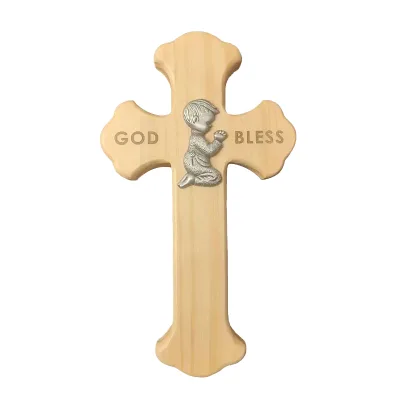
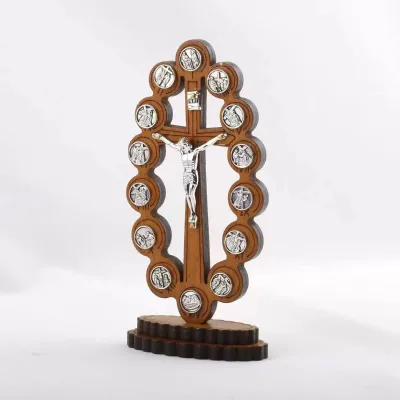
Prices typically range from $0.90 to $3.90 per unit depending on material and customization. Pine wood options start around $0.90, while beech wood crosses with silver metal accents cost between $3.40 and $3.90. Final pricing depends on order volume and specific design requirements.
What are the minimum order quantities for wooden crosses?
Minimum order quantities vary by supplier and product type. Some manufacturers require a minimum of 100 pieces for standard religious decorations, while others set the threshold at 200 or 500 pieces. Buyers should verify specific MOQs with suppliers to ensure alignment with their procurement needs.
Where are these wooden crosses manufactured?
Most suppliers are located in Shandong or Zhejiang, China. Some listings indicate origins in American Samoa. Buyers should confirm the specific place of origin for each product to understand logistics, tariffs, and supply chain reliability before placing orders.
How long does production take for wooden crosses?
Lead times generally range from 25 to 45 days for mass production. Sample times are typically 3 to 7 days. Buyers should confirm exact delivery schedules with suppliers, as production capacity and order volume can impact the final timeline.
What materials are used for wooden crosses?
Common materials include pine, beech, and solid wood. Some crosses feature silver metal accents or painted finishes. Buyers can often request customized materials and colors to meet specific branding or aesthetic requirements for their religious or decorative products.
Do suppliers offer customization services?
Yes, many manufacturers accept OEM and ODM orders. Buyers can customize logos, colors, sizes, and packaging. Some suppliers offer carved designs or specific religious themes. Customization options allow buyers to create unique products tailored to their market needs.